Introduction
Overview
New Zealand native flowering plants display a remarkable diversity of forms, colours, and ecological strategies. From the iconic kōwhai (Sophora spp.) with its bright yellow blooms to the vibrant red flowers of the pōhutukawa ( Metrosideros excelsa ), these plants provide essential food for native birds and insects. Many species, such as Clianthus maximus (Kākābeak) and Veronica salicifolia (Koromiko) (Hebe salicifolia is a synonym of Veronica salicifolia), are popular in gardens for their ornamental value and ability to attract pollinators. Native flowering plants are crucial for maintaining healthy ecosystems and supporting biodiversity.
About New Zealand's Native Flowers
New Zealand's native flowering plants offer unique colours and forms that have evolved in isolation. While often more subtle than exotic garden varieties, our native flowers have special adaptations to local conditions and provide essential food for native birds, bees, and other pollinators. Alpine specialists like NZ Plantain showcase remarkable evolutionary adaptations to high-altitude environments, while spectacular bloomers like Mountain Buttercup create brilliant golden carpets of colour across New Zealand's high country. Adding native flowering plants to your garden helps support local ecosystems.
Explore Our Native Flowering Plants
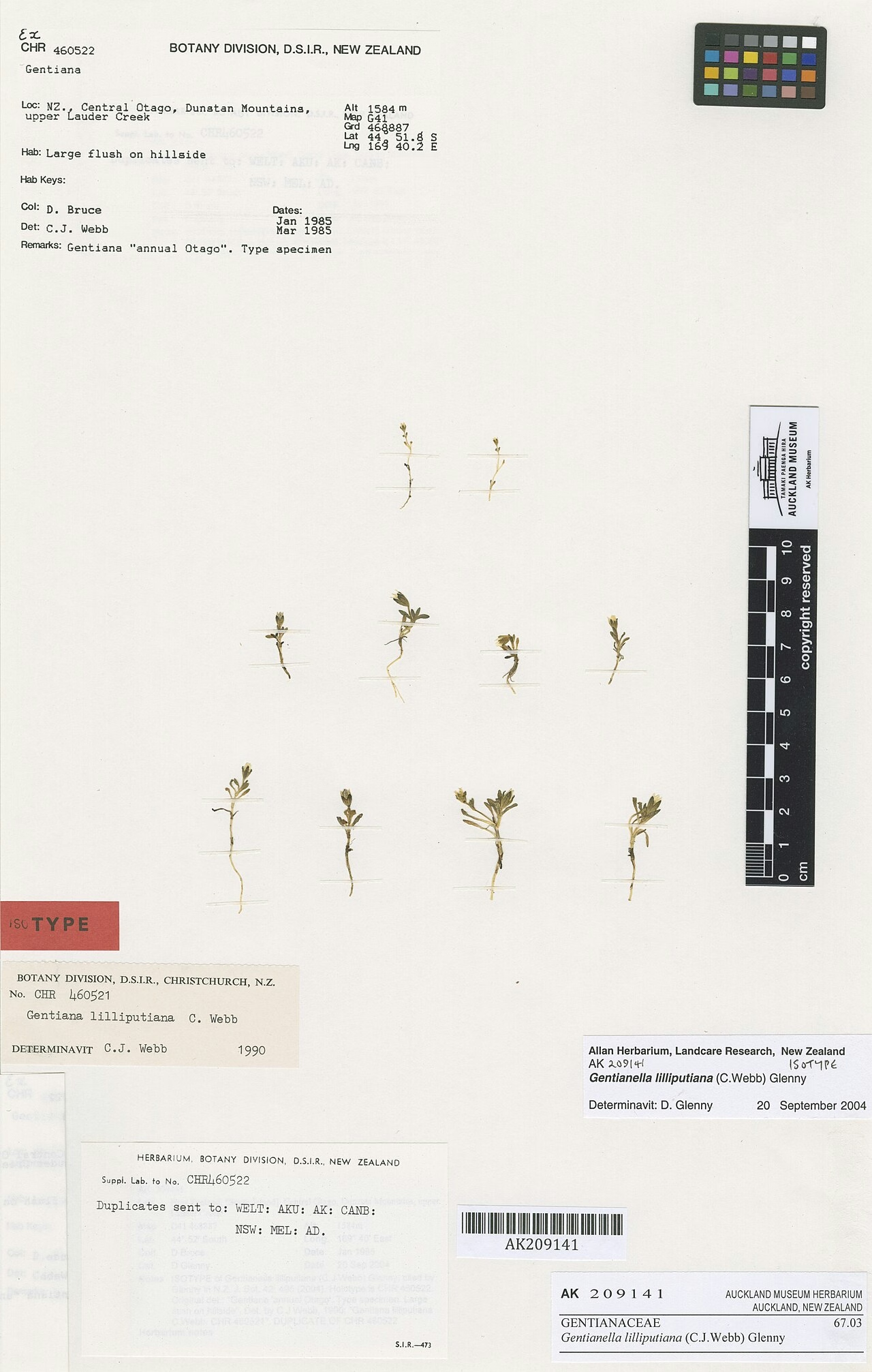
Little Gentian
Gentianella lilliputiana
Little gentian ( Gentianella lilliputiana ) is a minute annual herb usually only 1 to 2 cm tall in flower.
Learn more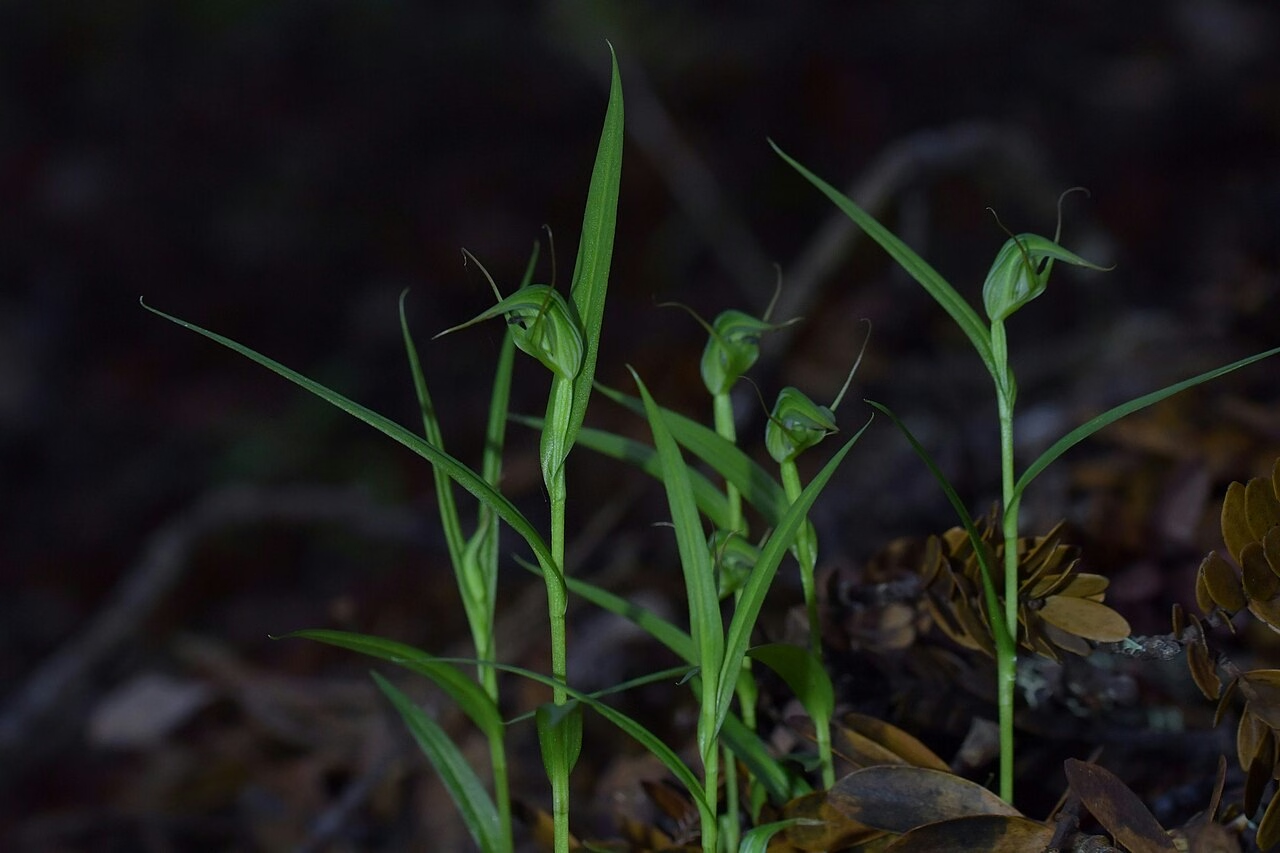
Kauri Greenhood
Pterostylis agathicola
Kauri greenhood ( Pterostylis agathicola ) is a small terrestrial orchid endemic to the northern North Island, from Te Paki south to Te Kauri Park Scenic Reserve in the.
Learn more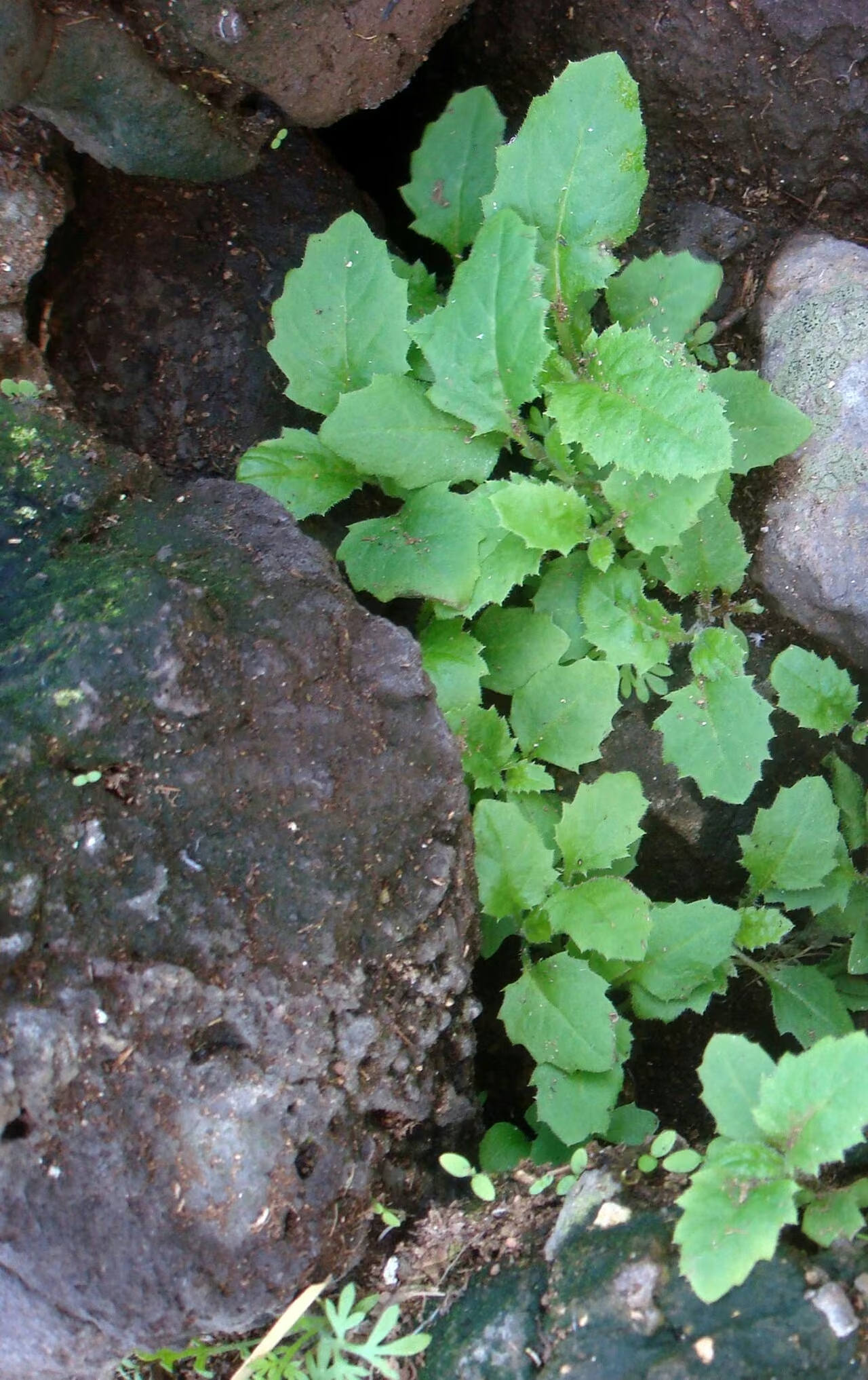
Kermadec Fireweed
Senecio kermadecensis
Kermadec fireweed ( Senecio kermadecensis ) is an erect annual or short-lived perennial herb found only in the Kermadec Islands, New Zealand's subtropical northern.
Learn more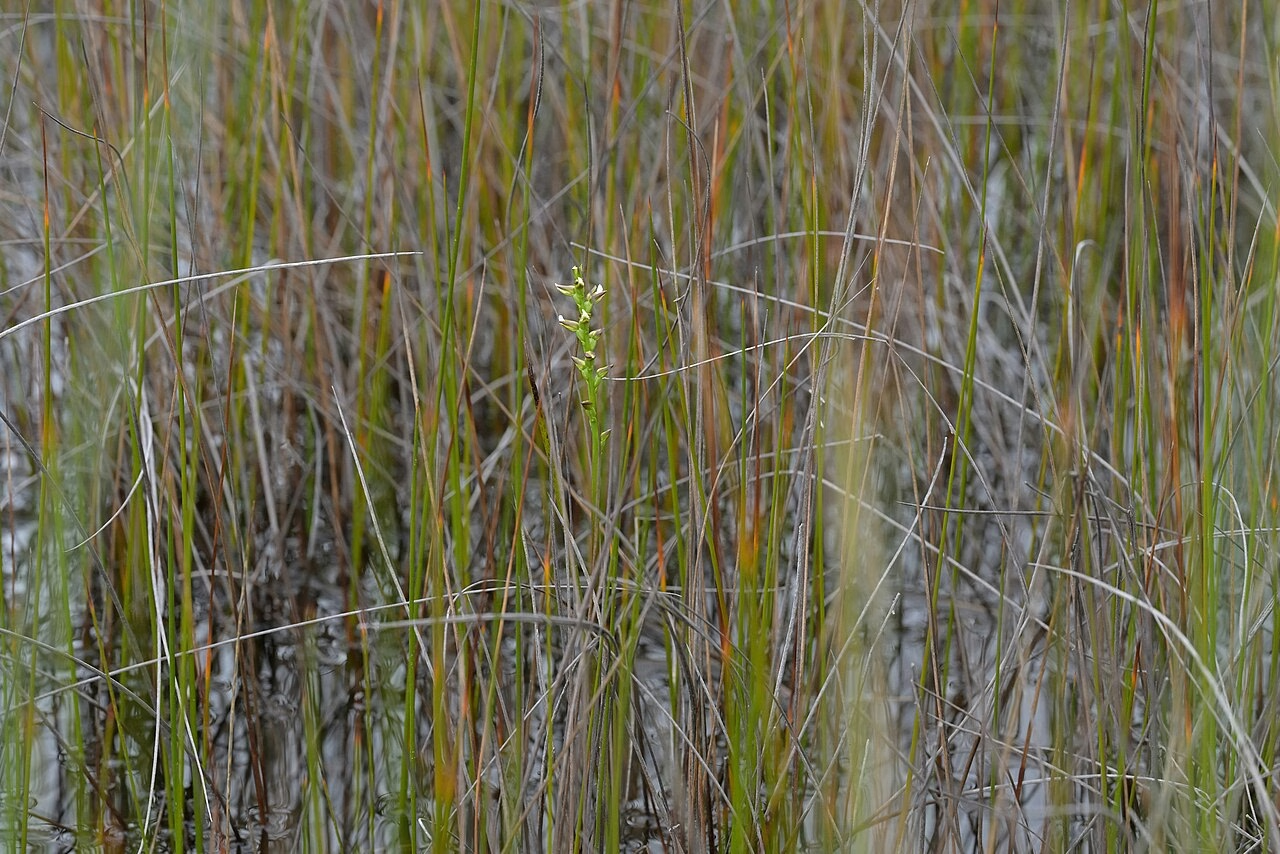
Swamp Leek Orchid
Prasophyllum hectorii
Swamp leek orchid ( Prasophyllum hectorii ) is New Zealand's largest leek orchid, a stout endemic wetland orchid 0.15 to 1 m tall when flowering.
Learn more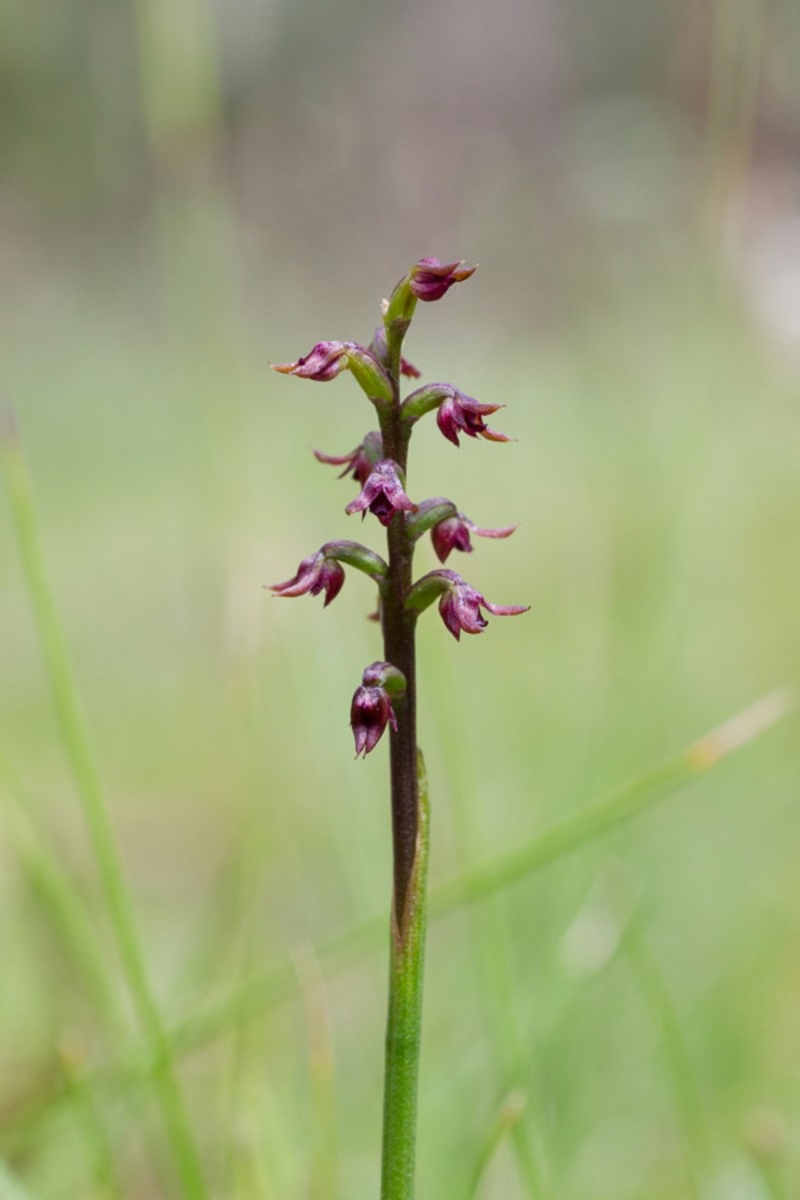
Red Leek Orchid
Corunastylis nuda
Red leek orchid ( Corunastylis nuda ) is a slender, rush-like ground orchid that grows 5 to 50 cm tall, with a dark green to reddish stem topped by a dense spike of 5 to.
Learn more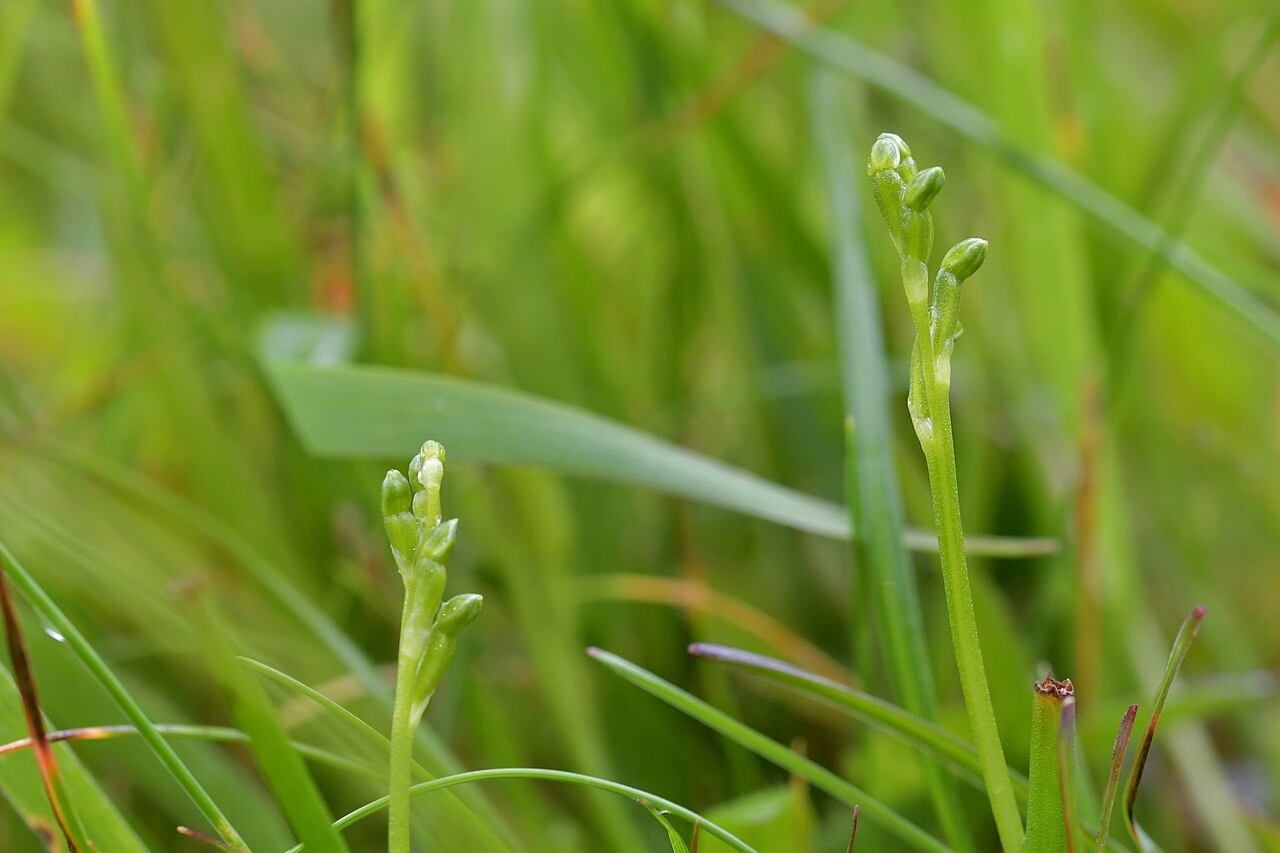
Small Onion Orchid
Microtis oligantha
Small onion orchid ( Microtis oligantha ) is a tiny endemic ground orchid that rarely stands more than 150 mm tall in flower.
Learn more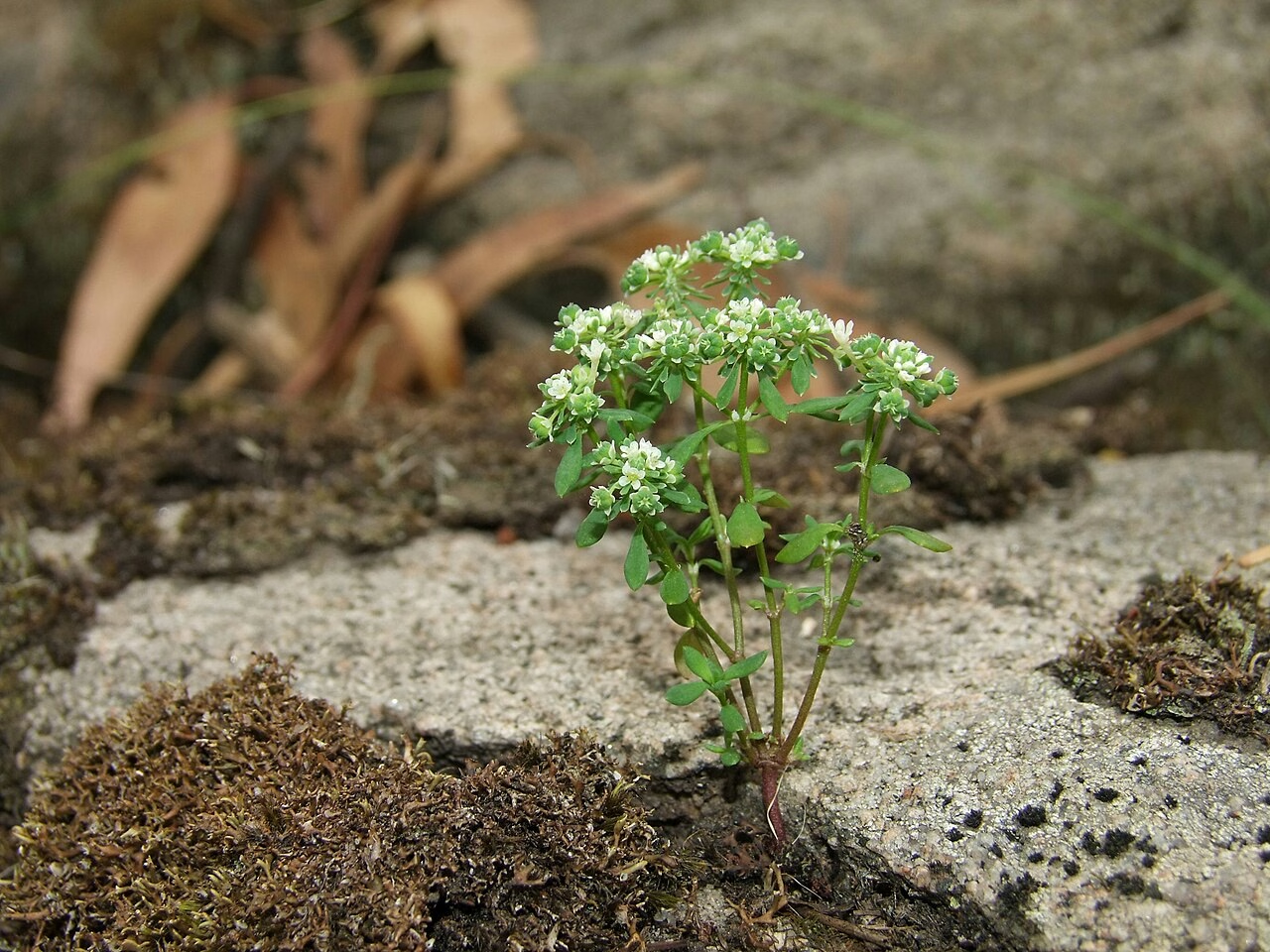
Small Poranthera
Poranthera microphylla
Small poranthera ( Poranthera microphylla ) is a slender, much-branched little herb up to about 25-30 cm tall, slightly woody at the base, with tiny blue-grey leaves 3-6.
Learn more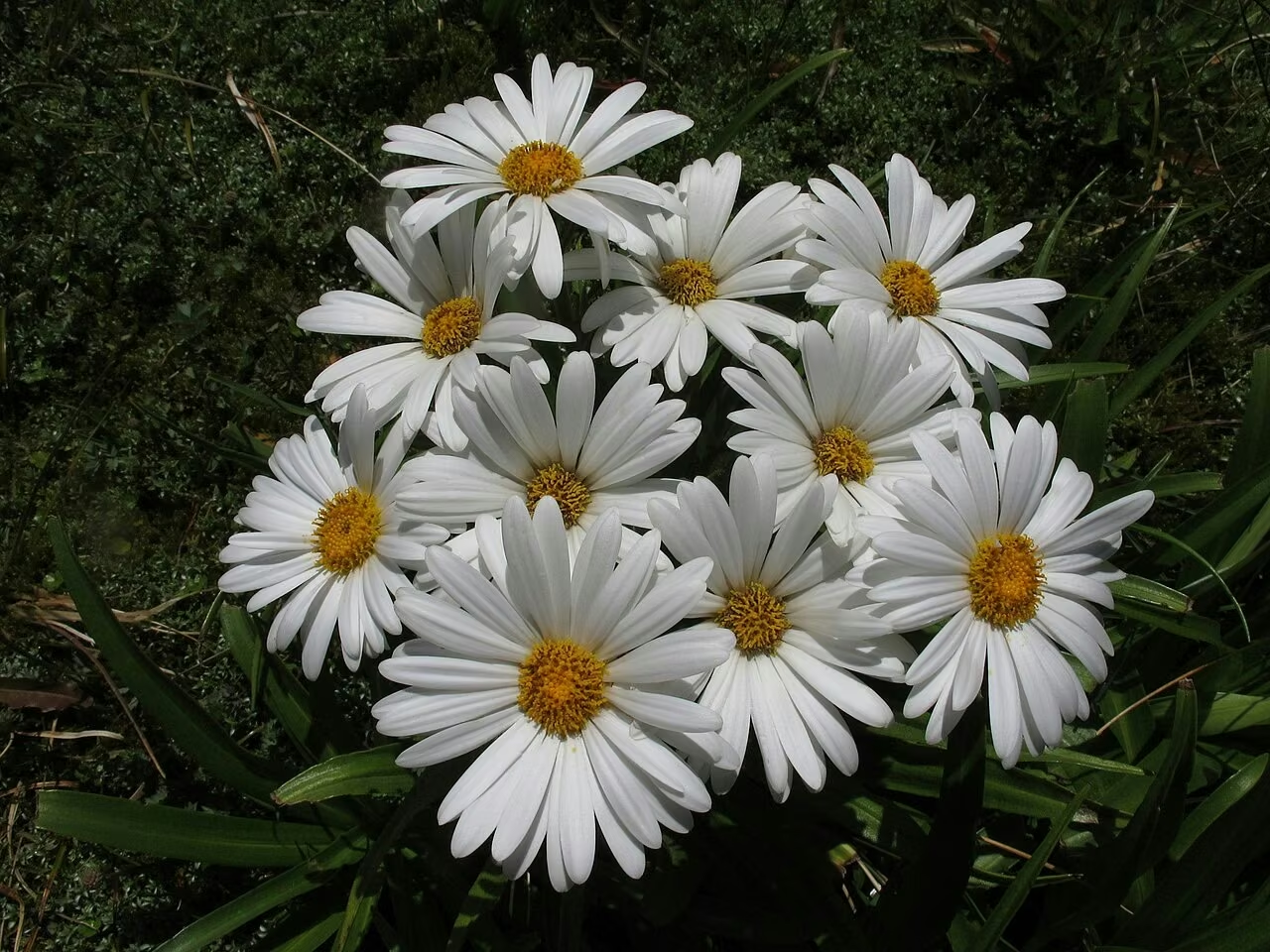
White Snow Marguerite
Dolichoglottis scorzoneroides
White snow marguerite ( Dolichoglottis scorzoneroides ) is a robust alpine daisy found only in the mountains of the South Island.
Learn more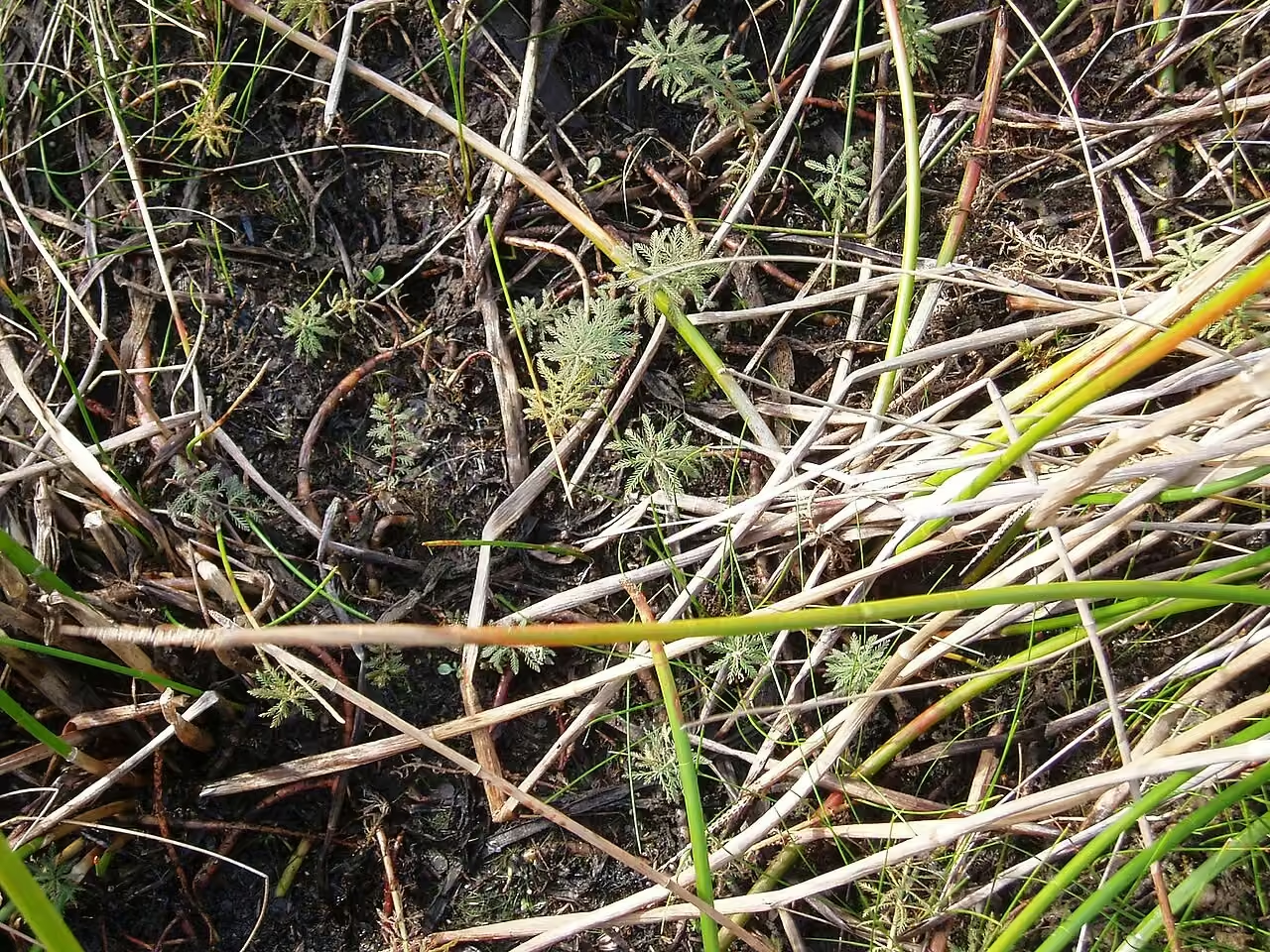
Stout Water Milfoil
Myriophyllum robustum
Stout water milfoil ( Myriophyllum robustum ) is an endemic perennial aquatic herb with thick, spongy stems and whorls of finely divided, feathery leaves.
Learn more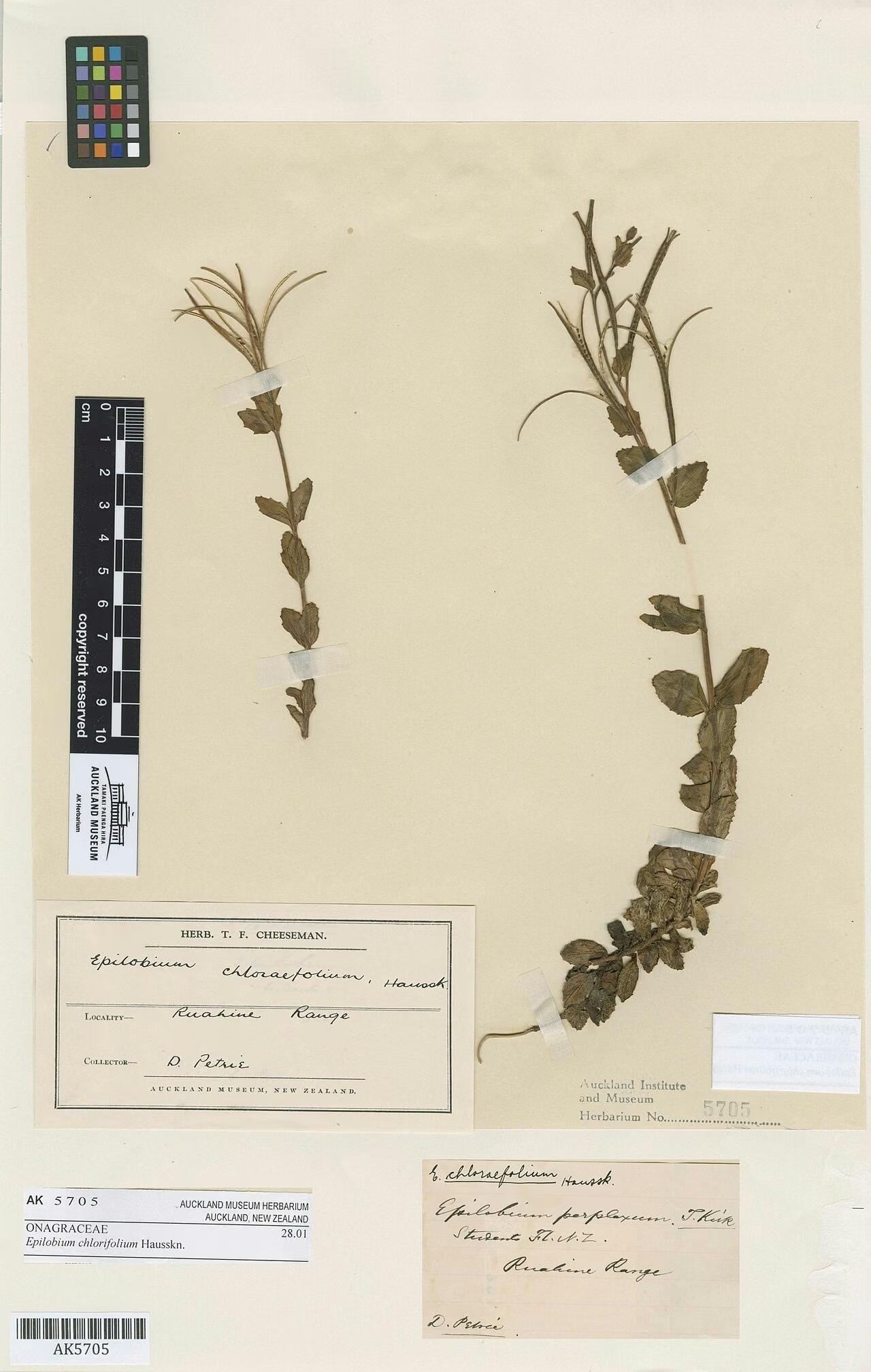
Mountain Willowherb
Epilobium chlorifolium
Mountain willowherb ( Epilobium chlorifolium ) is an endemic willowherb of subalpine and alpine tussock grassland and herbfield.
Learn more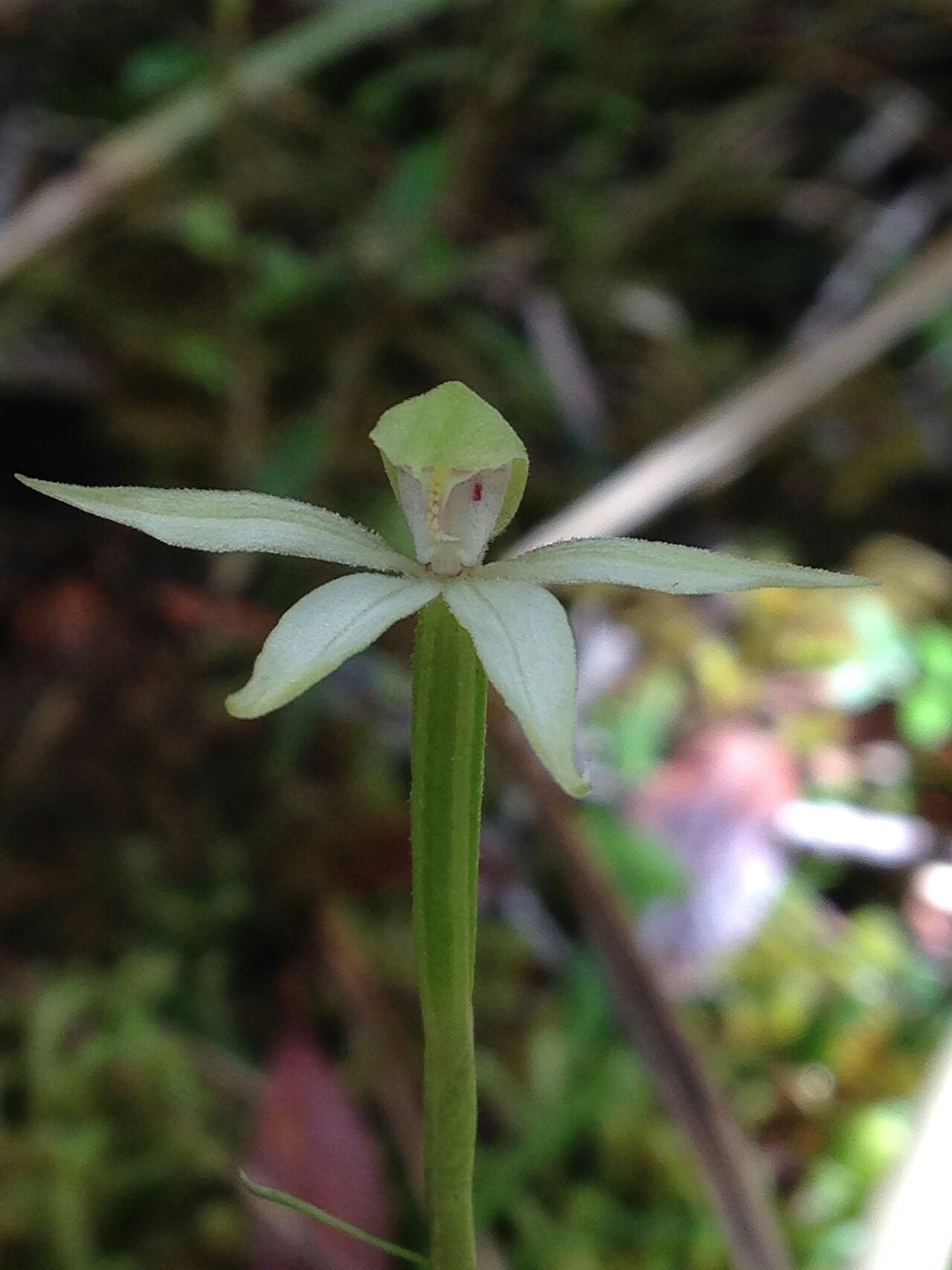
Adenochilus gracilis
Adenochilus gracilis
A slender native orchid (Adenochilus gracilis) up to 20 cm tall with one white flower, its lip barred red, found in deep moss under forest and scrub.
Learn more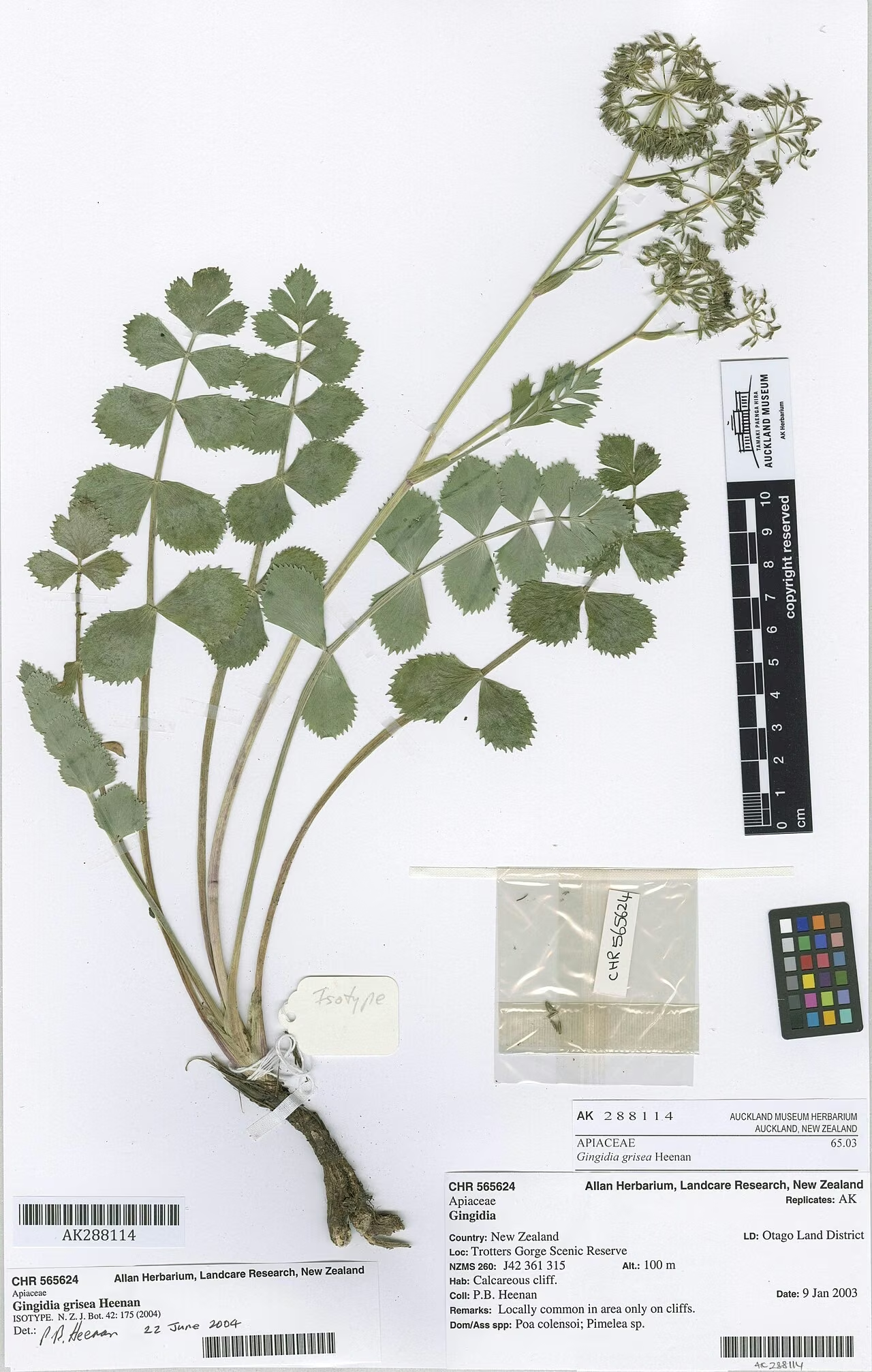
Gingidia grisea
Gingidia grisea
Gingidia grisea is a tap-rooted perennial herb of the carrot family (Apiaceae) found only in north-eastern Otago.
Learn more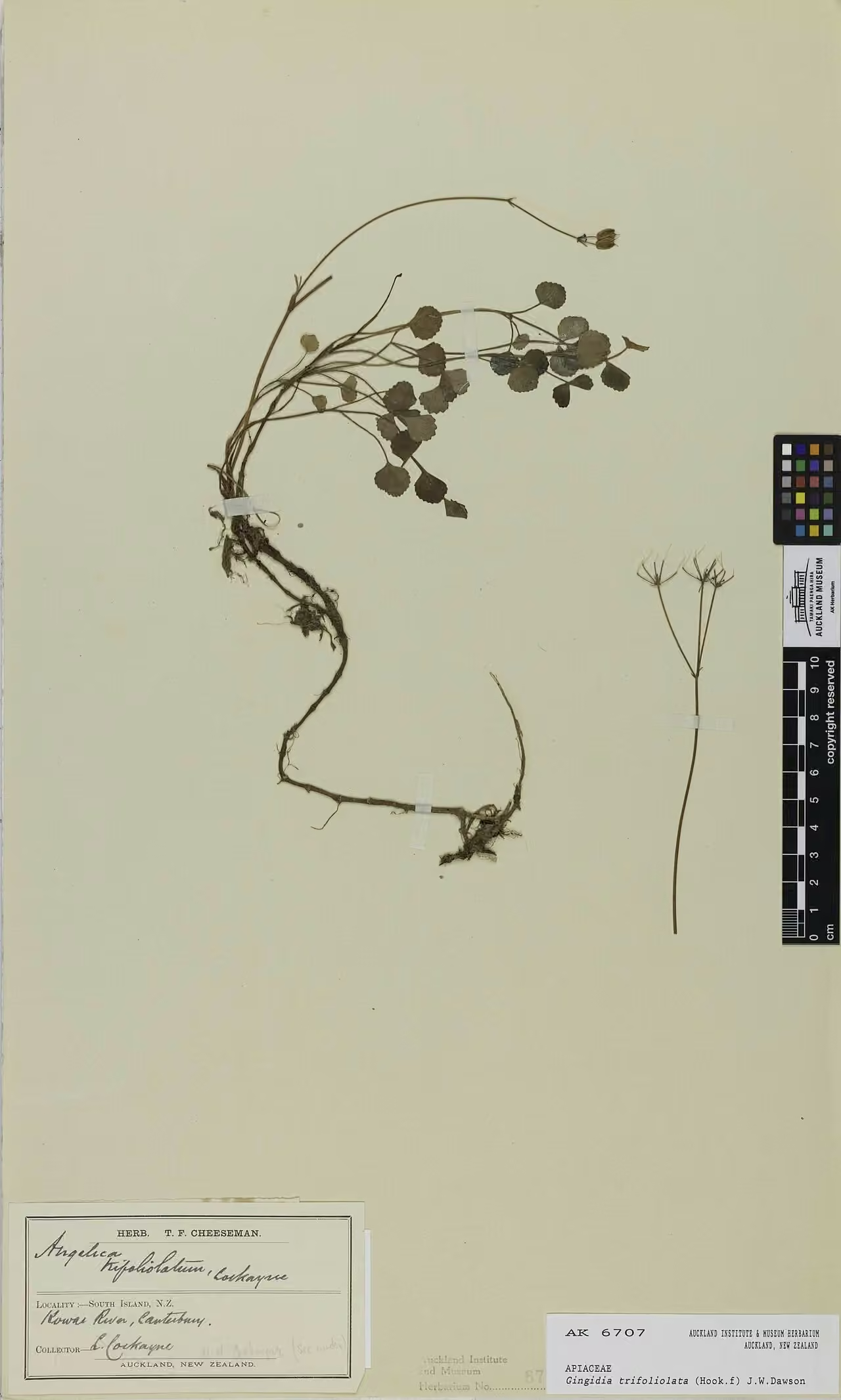
Gingidia trifoliolata
Gingidia trifoliolata
Gingidia trifoliolata is a glaucous, usually solitary perennial herb of the carrot family (Apiaceae) that grows to about 45 cm tall and smells faintly of aniseed when.
Learn more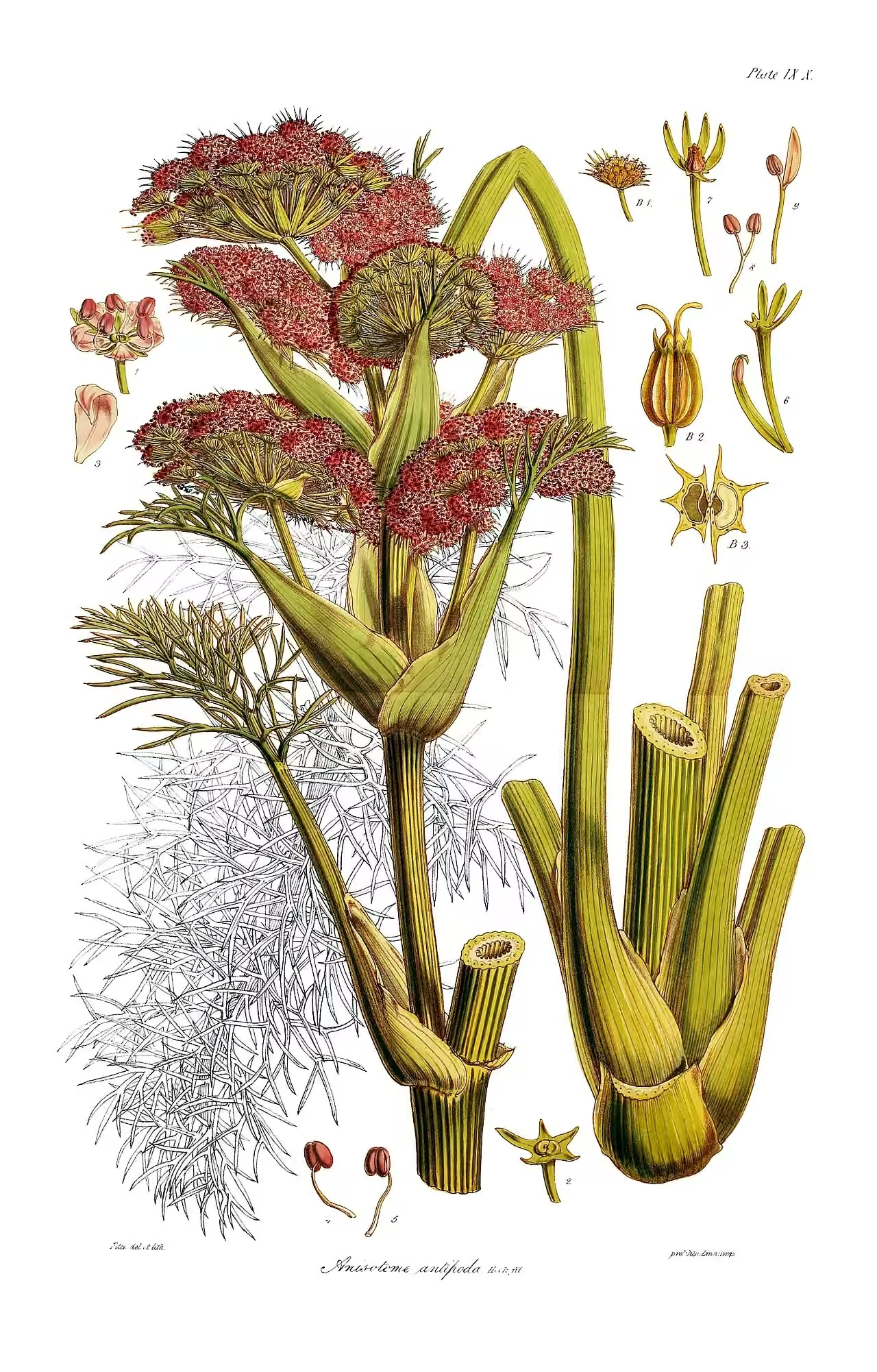
Anisotome antipoda
Anisotome antipoda
Anisotome antipoda is a stout subantarctic herb in the carrot family, endemic to New Zealand's Auckland Islands, Campbell Island/Motu Ihupuku and Antipodes Islands.
Learn more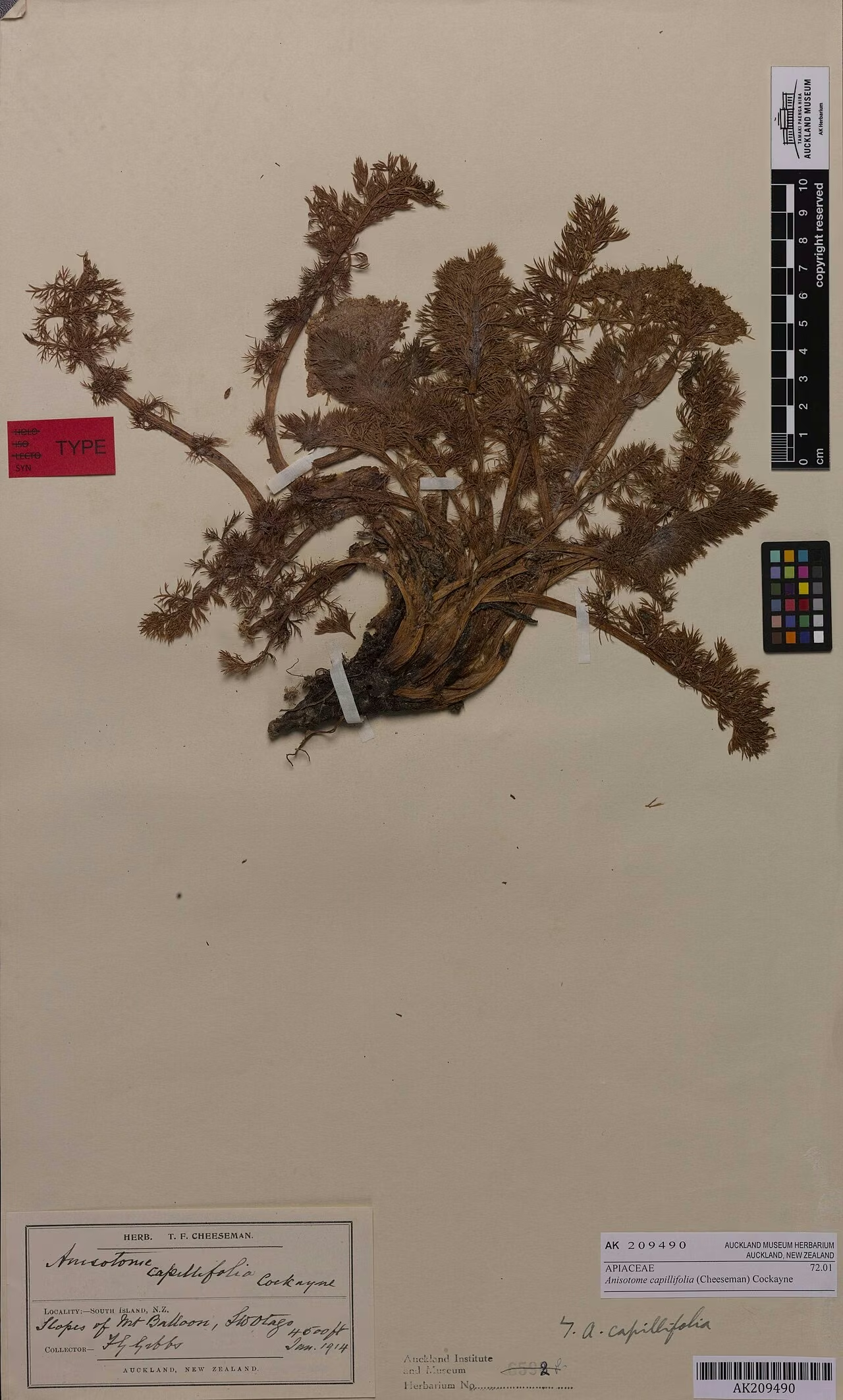
Anisotome capillifolia
Anisotome capillifolia
Anisotome capillifolia is a small endemic alpine herb in the carrot family, found only in the mountains of western Otago and Fiordland.
Learn more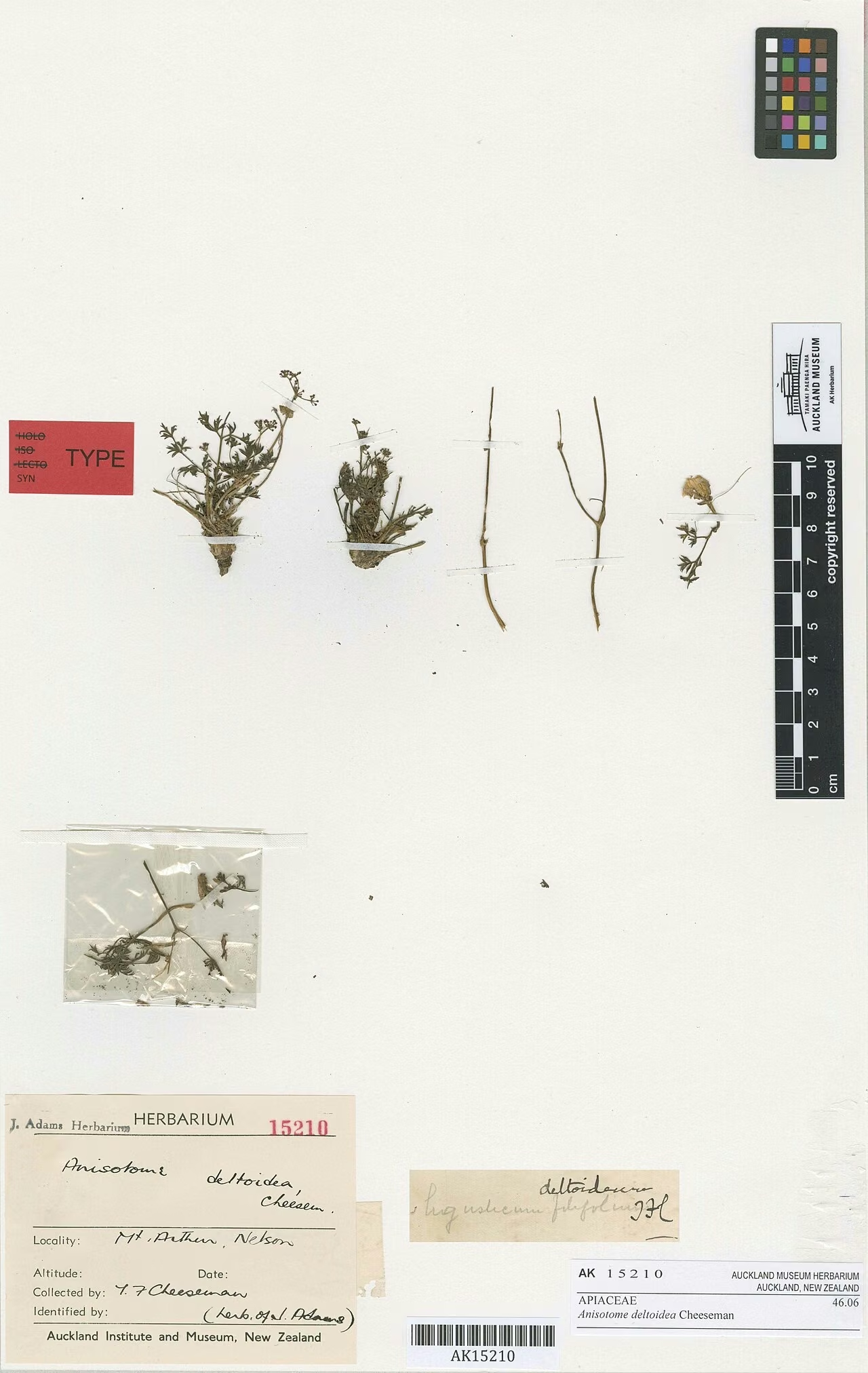
Anisotome deltoidea
Anisotome deltoidea
Anisotome deltoidea is a small endemic alpine herb in the carrot family, confined to the mountains of north-west Nelson between latitudes 41 and 41 degrees 30 minutes.
Learn more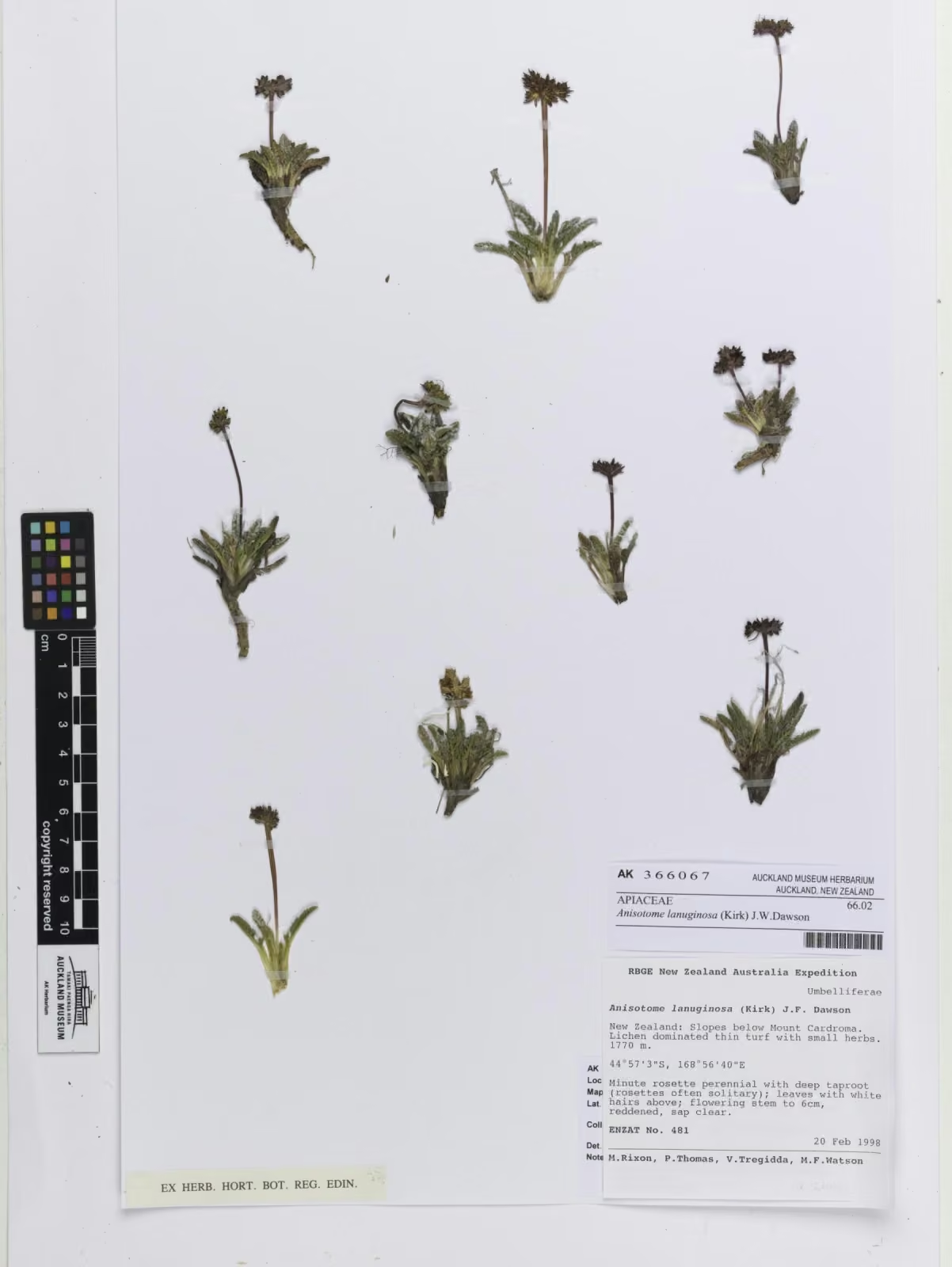
Anisotome lanuginosa
Anisotome lanuginosa
Anisotome lanuginosa is a dwarf, densely woolly member of the carrot family endemic to New Zealand.
Learn more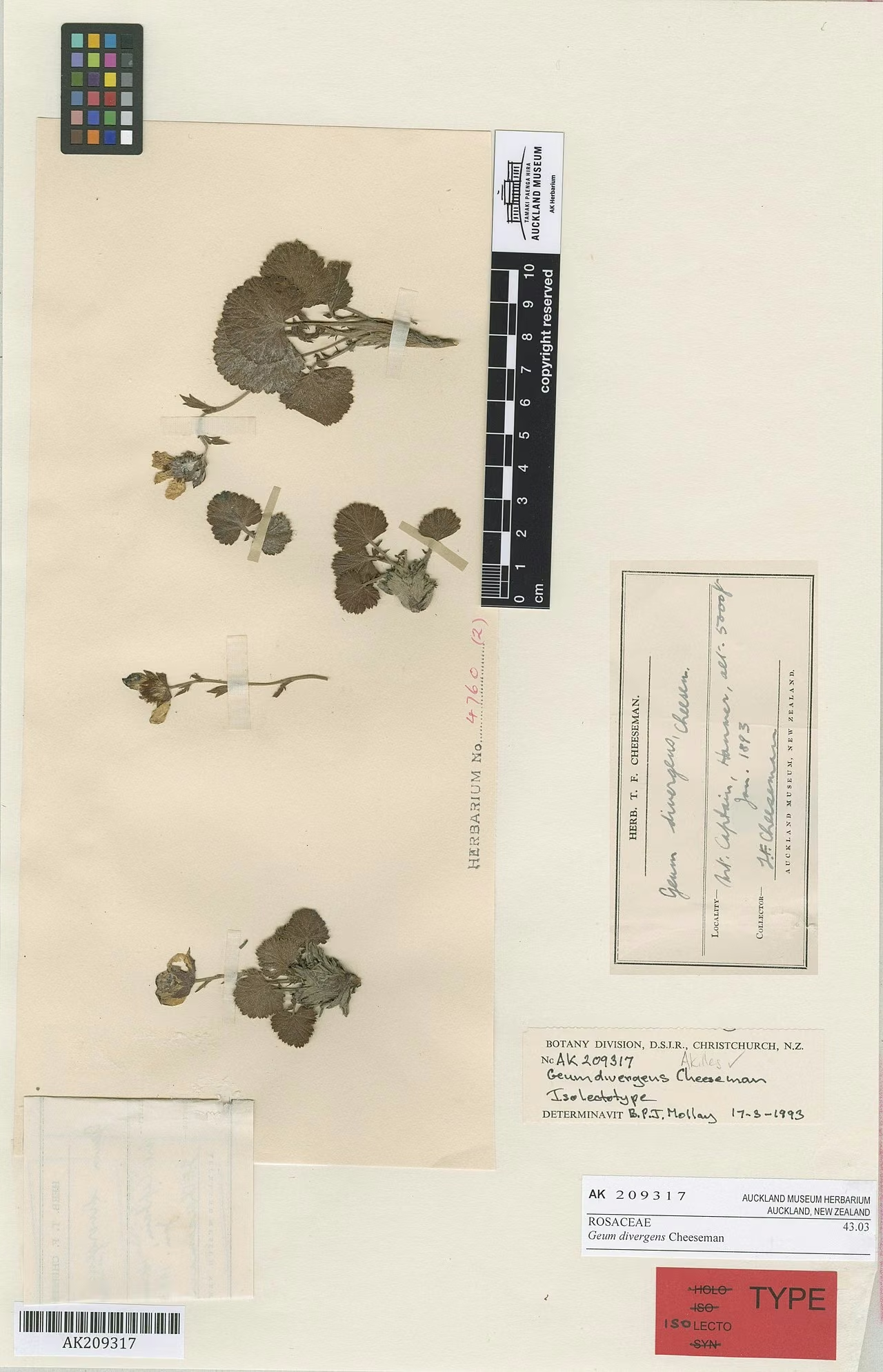
Geum divergens
Geum divergens
Geum divergens is a compact endemic avens up to about 18 cm tall, with dense rosettes of wrinkled leaves and one to five white flowers up to 35 mm across in November and.
Learn more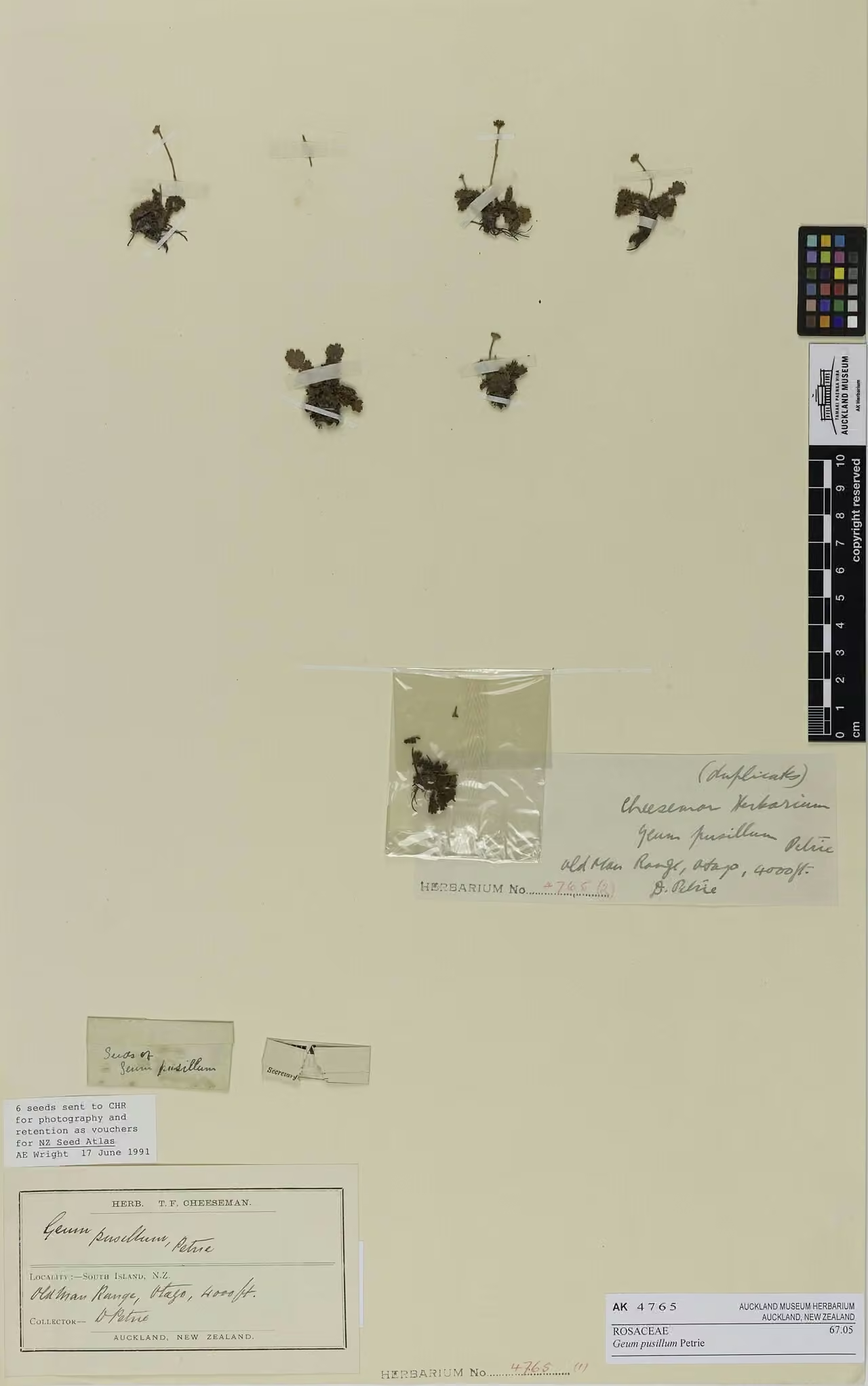
Geum pusillum
Geum pusillum
Geum pusillum is one of New Zealand's smallest geums, a diminutive endemic herb that forms loose, flat patches only 1 to 10 cm tall in flower.
Learn more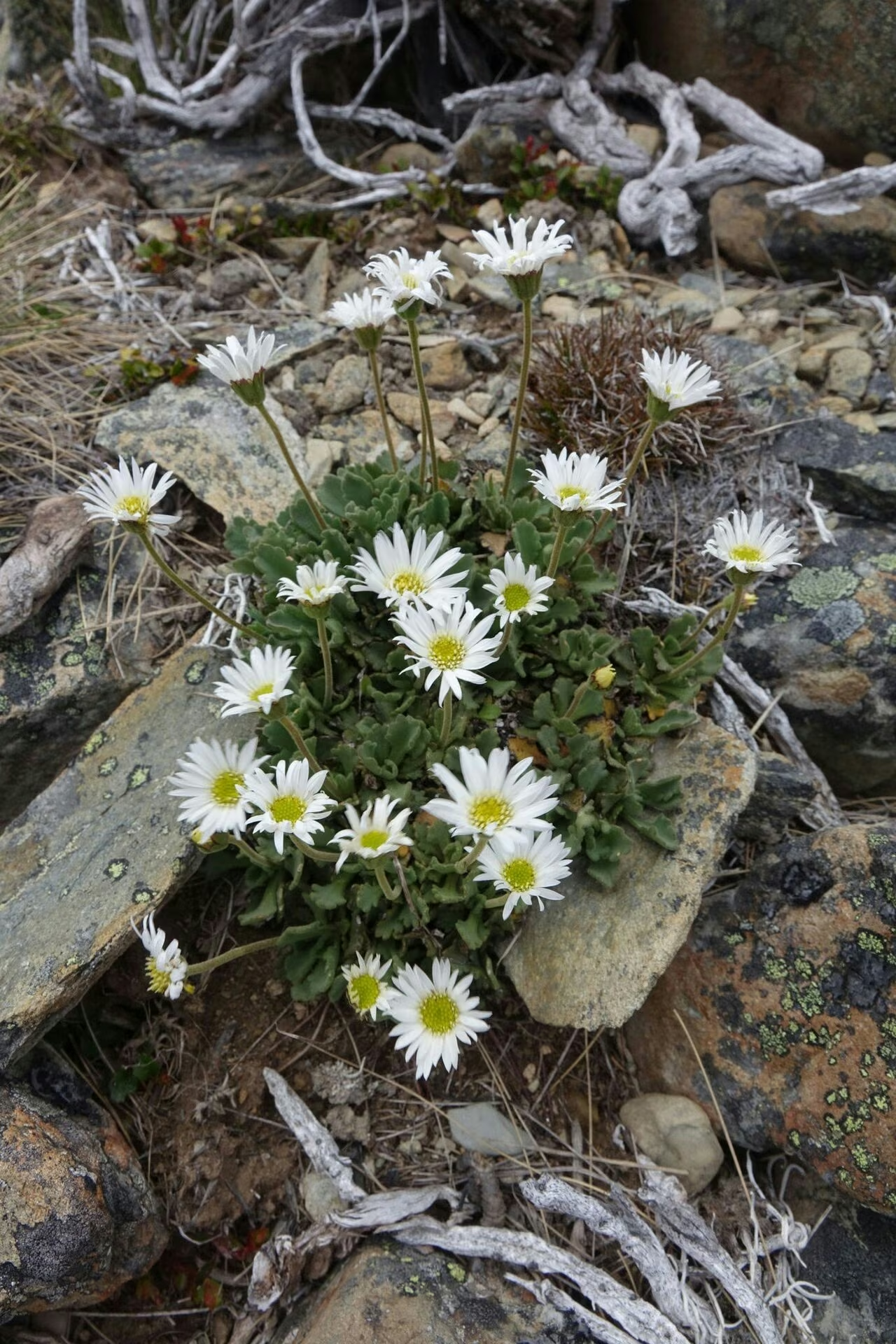
Brachyscome montana
Brachyscome montana
Brachyscome montana is a small, clump-forming mountain daisy endemic to the South Island.
Learn more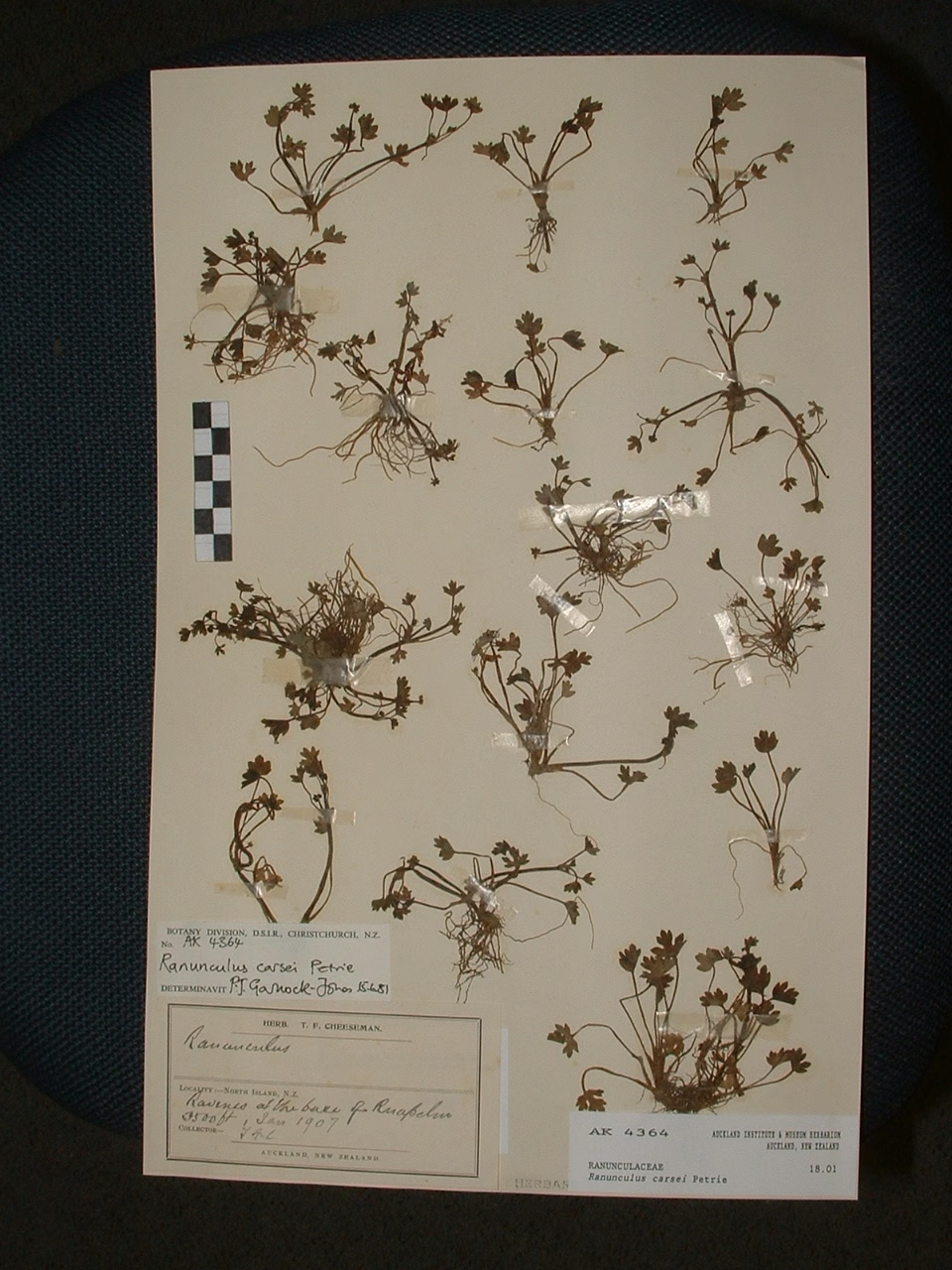
Ranunculus carsei
Ranunculus carsei
Ranunculus carsei is a small, creeping buttercup endemic to the mountains of the central North Island.
Learn more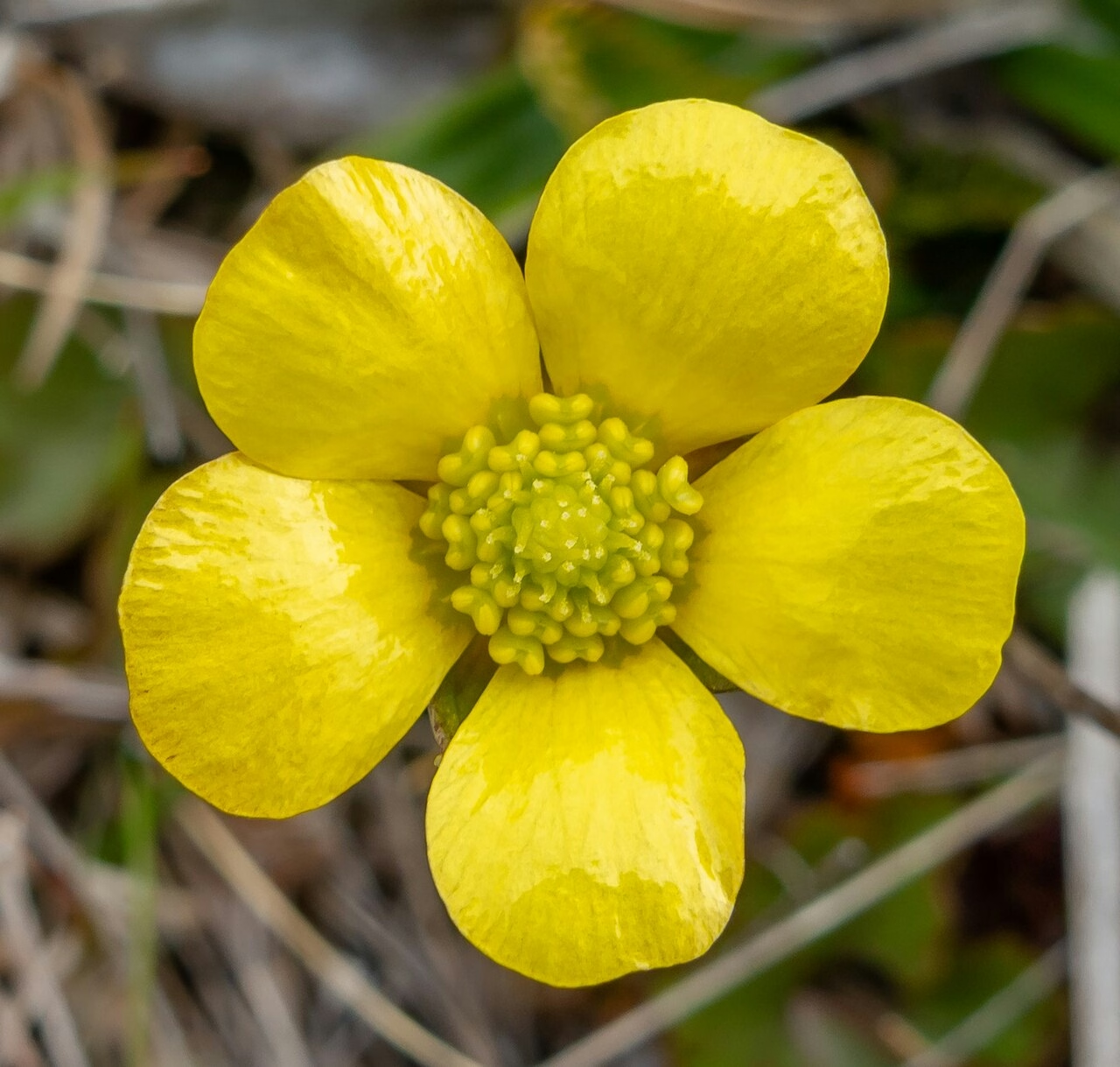
Ranunculus enysii
Ranunculus enysii
Ranunculus enysii is a hairless, tufted alpine buttercup endemic to the South Island.
Learn more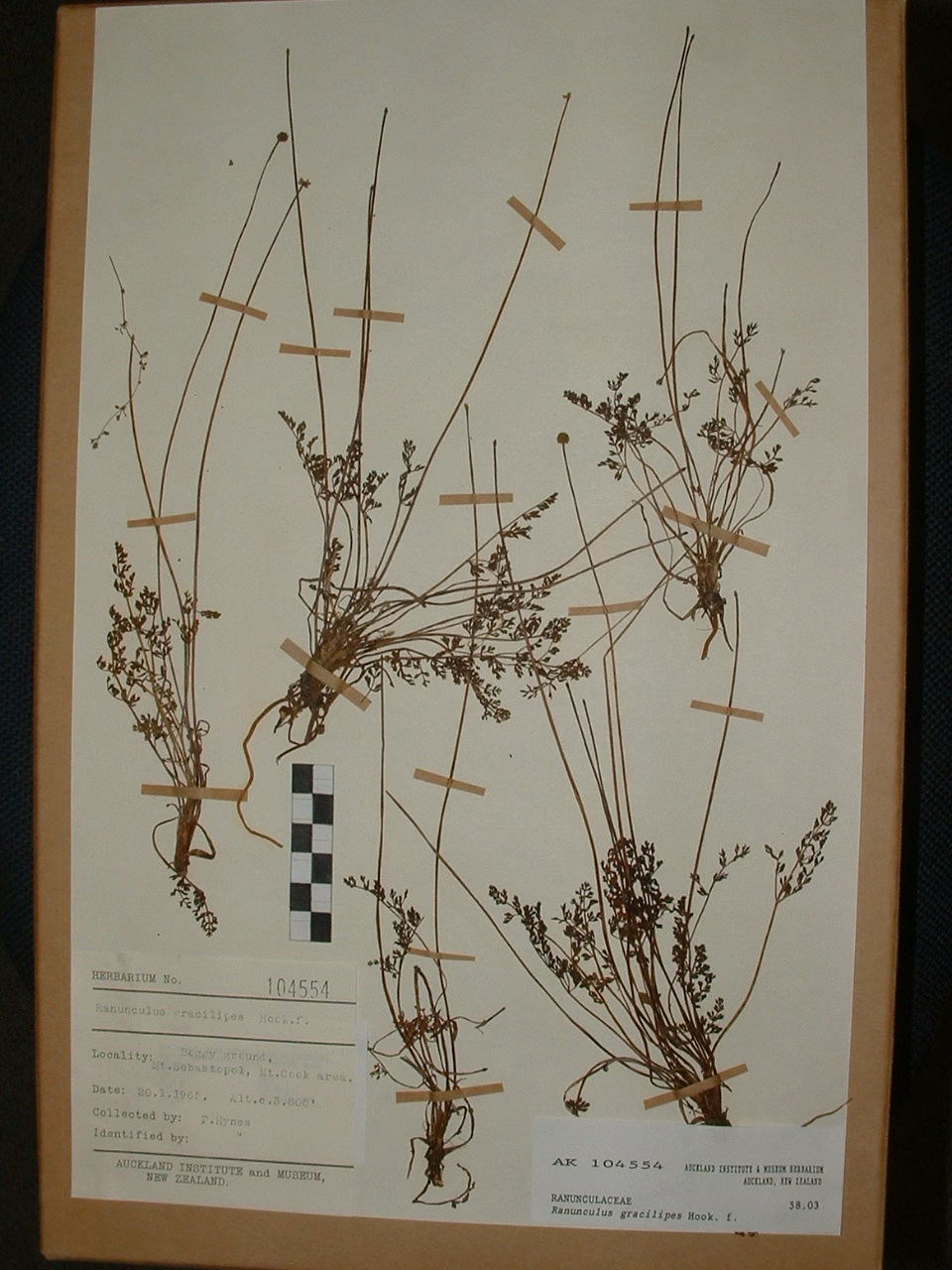
Ranunculus gracilipes
Ranunculus gracilipes
Ranunculus gracilipes is a small, tufted alpine buttercup endemic to the southern half of New Zealand.
Learn more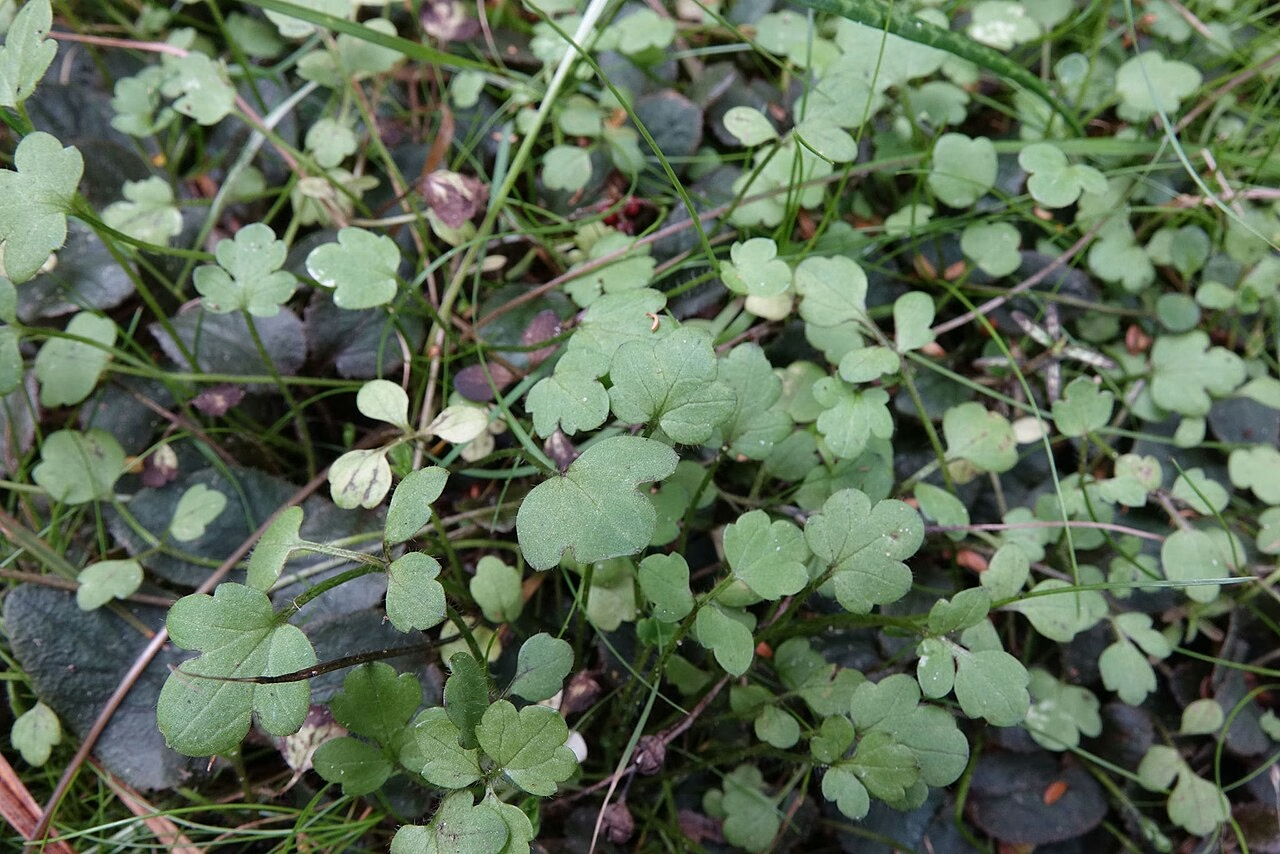
Ranunculus kirkii
Ranunculus kirkii
Ranunculus kirkii is a small, tufted buttercup found only on Stewart Island/Rakiura.
Learn more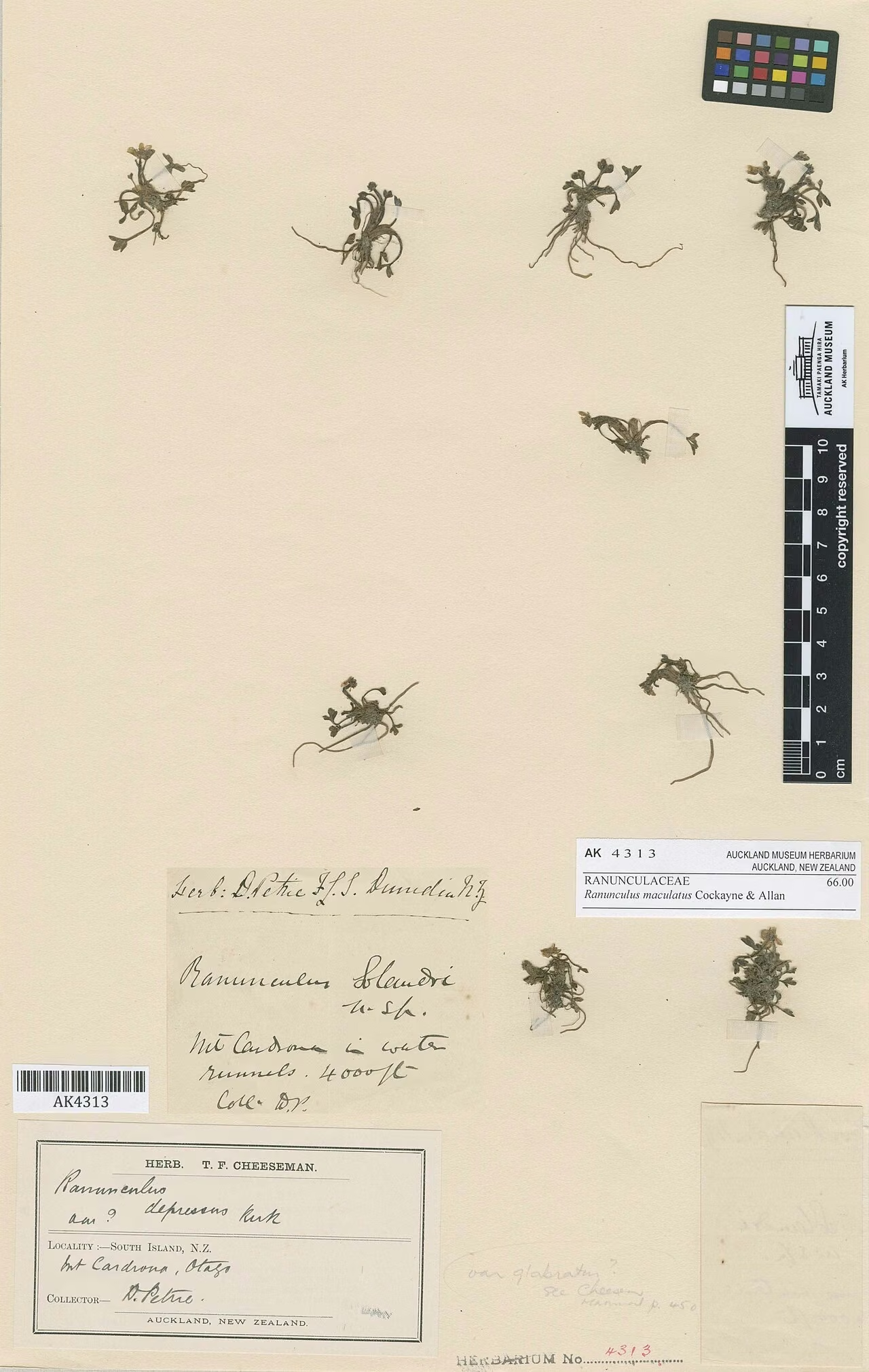
Ranunculus maculatus
Ranunculus maculatus
Ranunculus maculatus is a diminutive buttercup endemic to the South Island, growing no more than 5 cm tall.
Learn more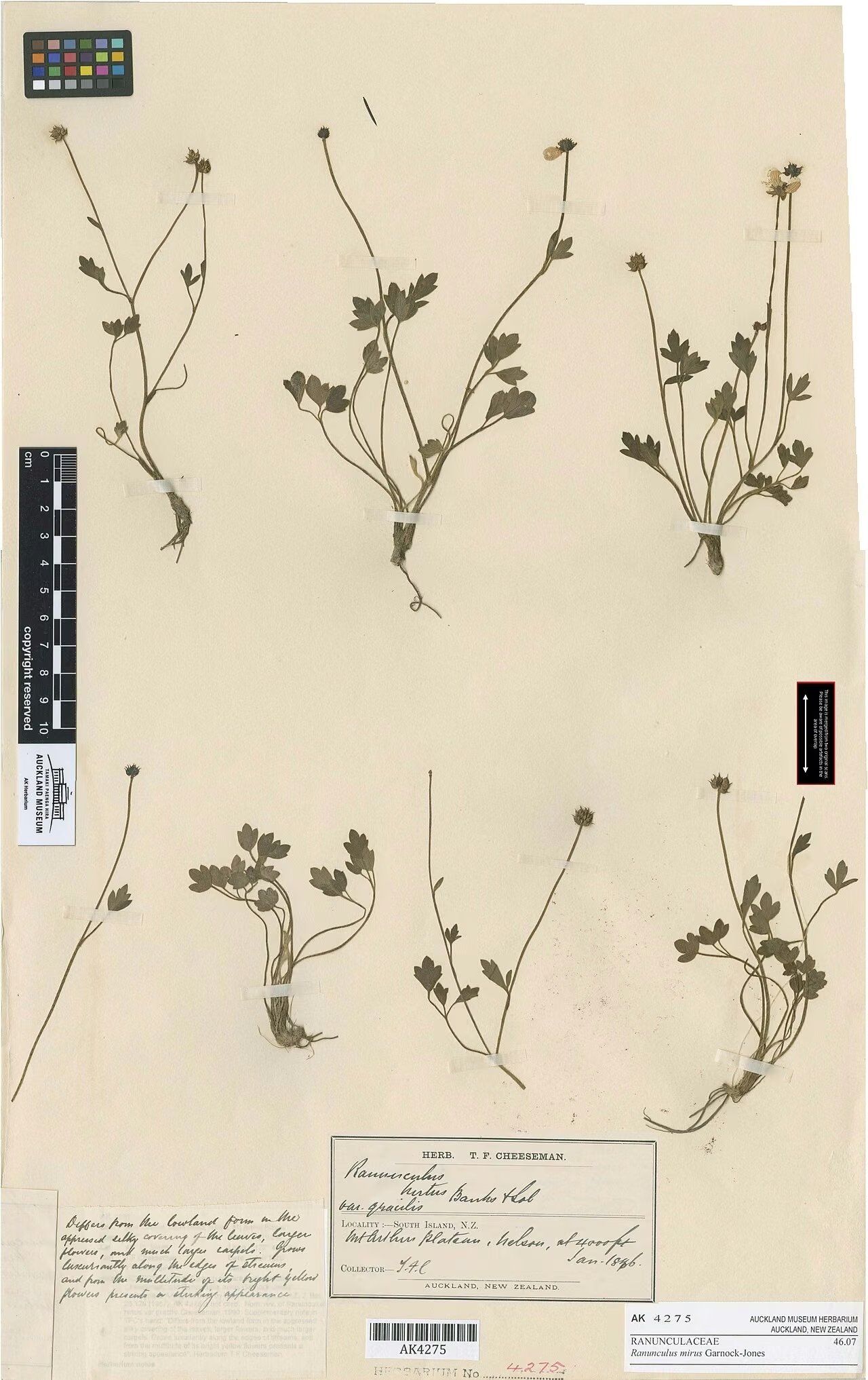
Ranunculus mirus
Ranunculus mirus
Ranunculus mirus is a small tufted alpine buttercup endemic to the marble and limestone country of north-west Nelson.
Learn more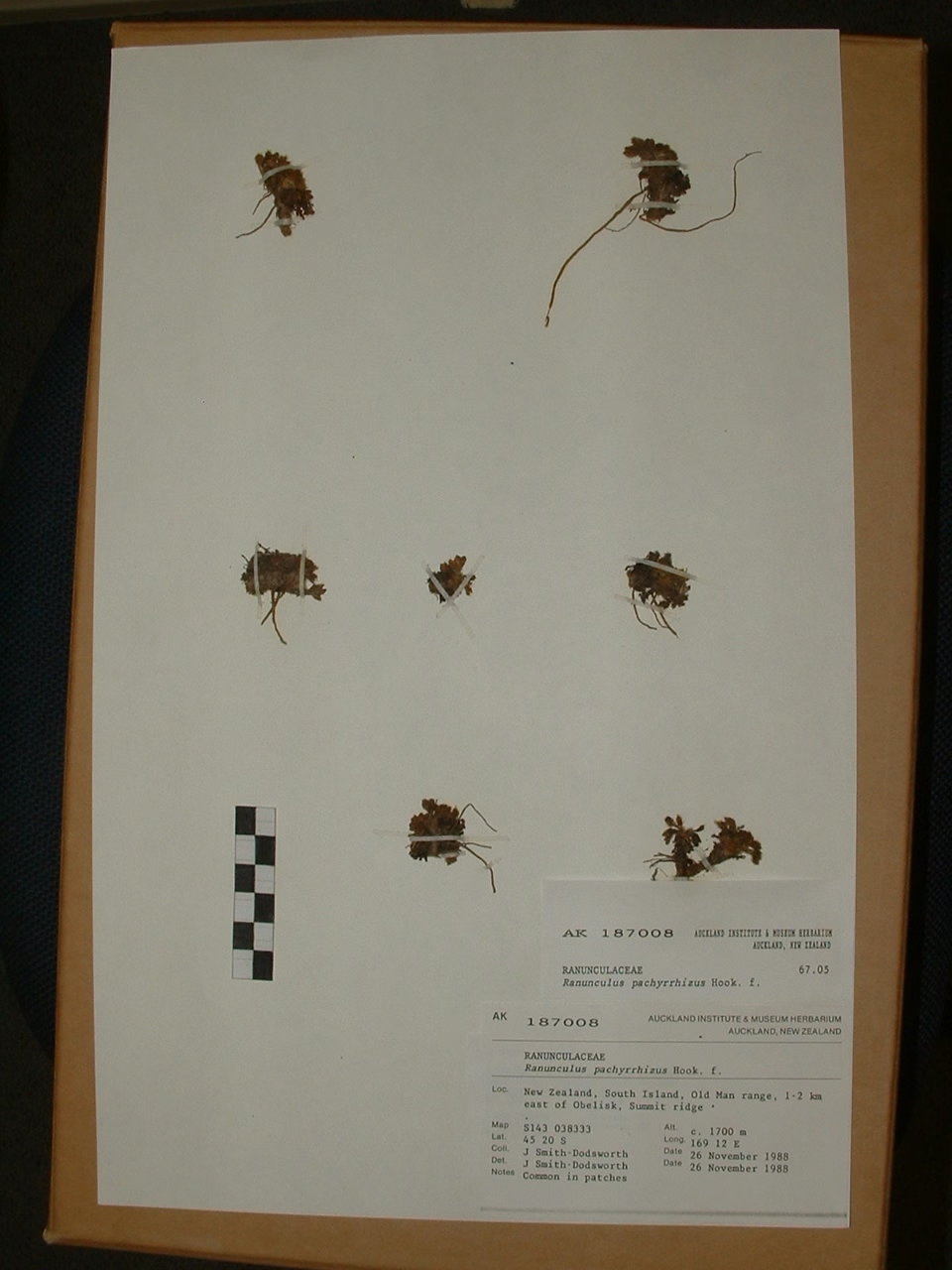
Ranunculus pachyrrhizus
Ranunculus pachyrrhizus
Ranunculus pachyrrhizus is a tiny, fleshy alpine buttercup endemic to the mountains of Central Otago and northern Southland.
Learn more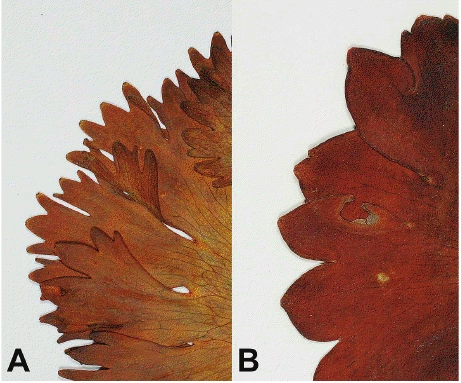
Ranunculus pilifer
Ranunculus pilifer
Ranunculus pilifer (Ranunculus piliferus) is a hairy, fleshy scree buttercup of Otago and Southland greywacke and schist rock fields. At Risk - Declining.
Learn more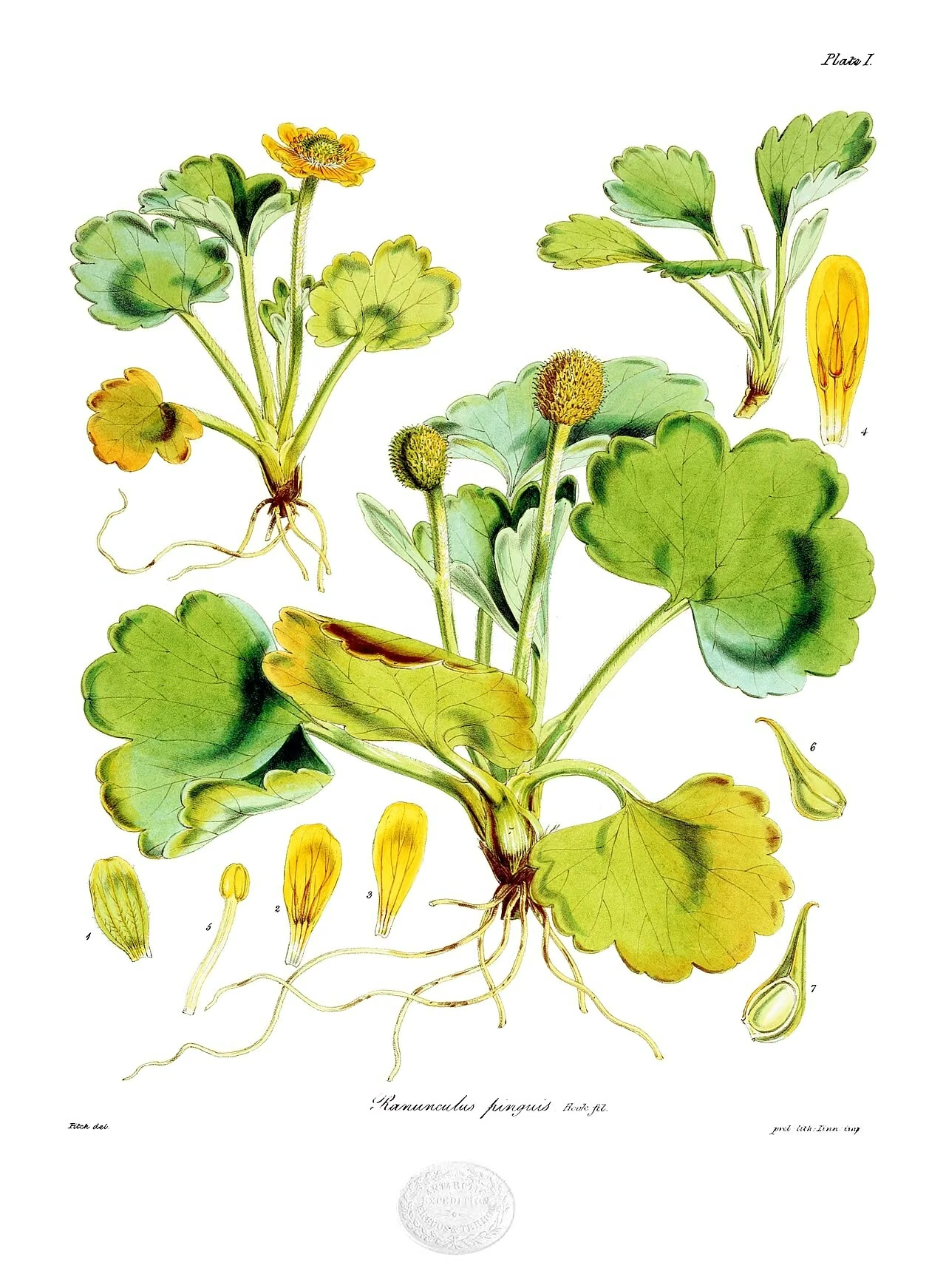
Ranunculus pinguis
Ranunculus pinguis
Ranunculus pinguis is a stout, fleshy buttercup found only on New Zealand's subantarctic Auckland Islands and Campbell Island/Motu Ihupuku.
Learn more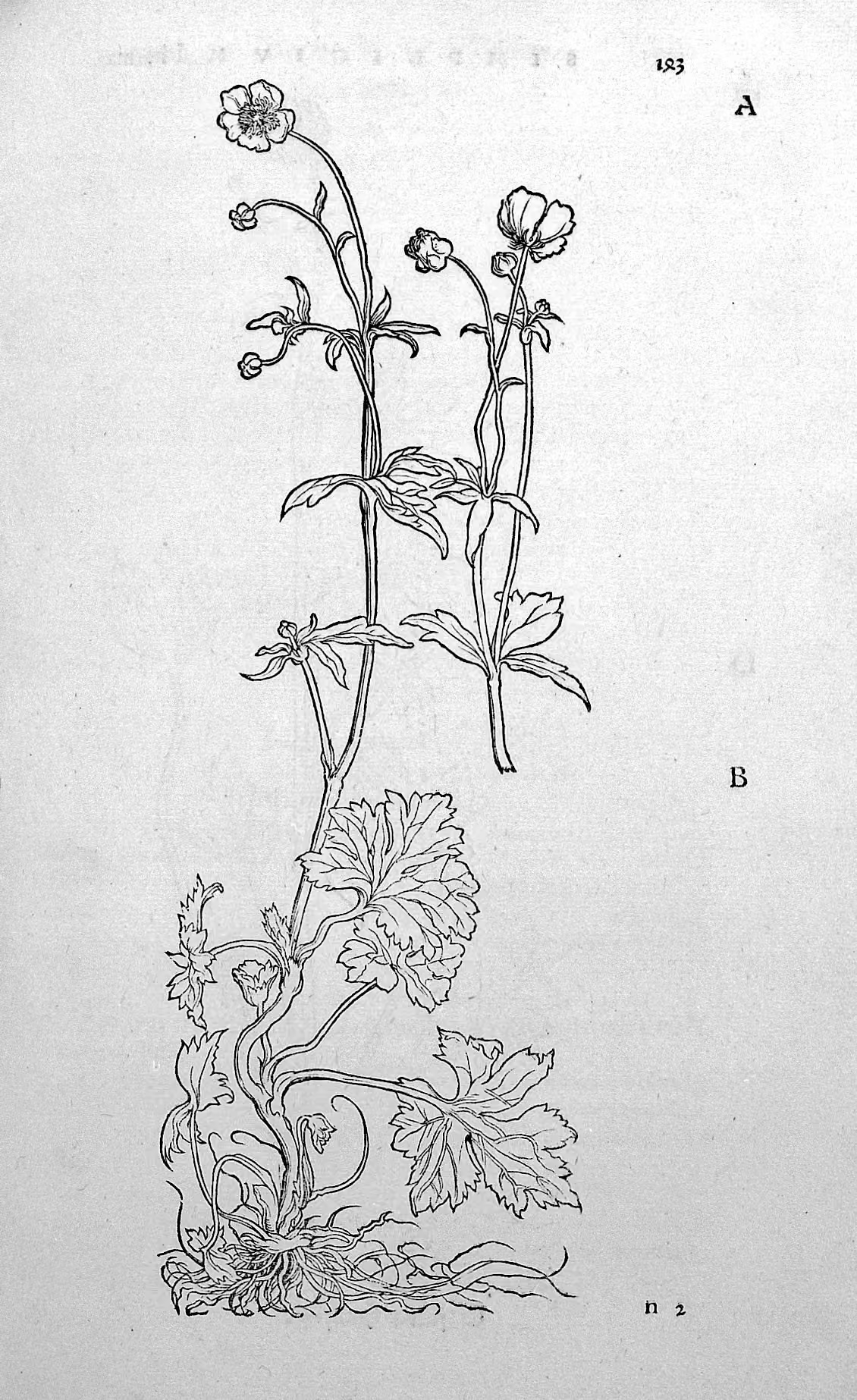
Ranunculus recens
Ranunculus recens
Ranunculus recens is a tiny endemic buttercup that forms flat, circular patches 1 to 5 cm across in damp coastal turf.
Learn more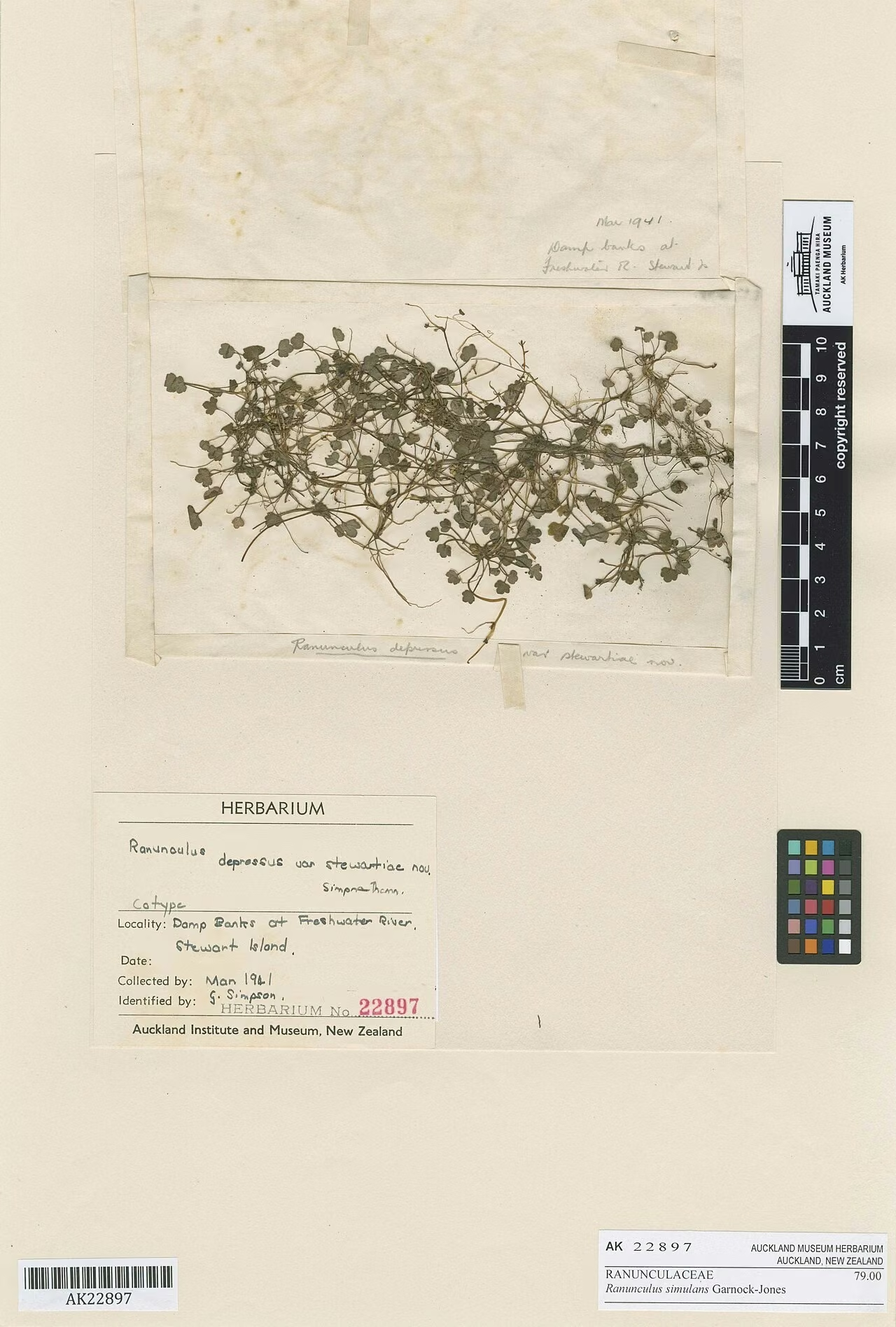
Ranunculus simulans
Ranunculus simulans
Ranunculus simulans is one of New Zealand's smallest buttercups, a diminutive, tufted rosette plant that spreads by slender, arching stolons rooting at the nodes.
Learn more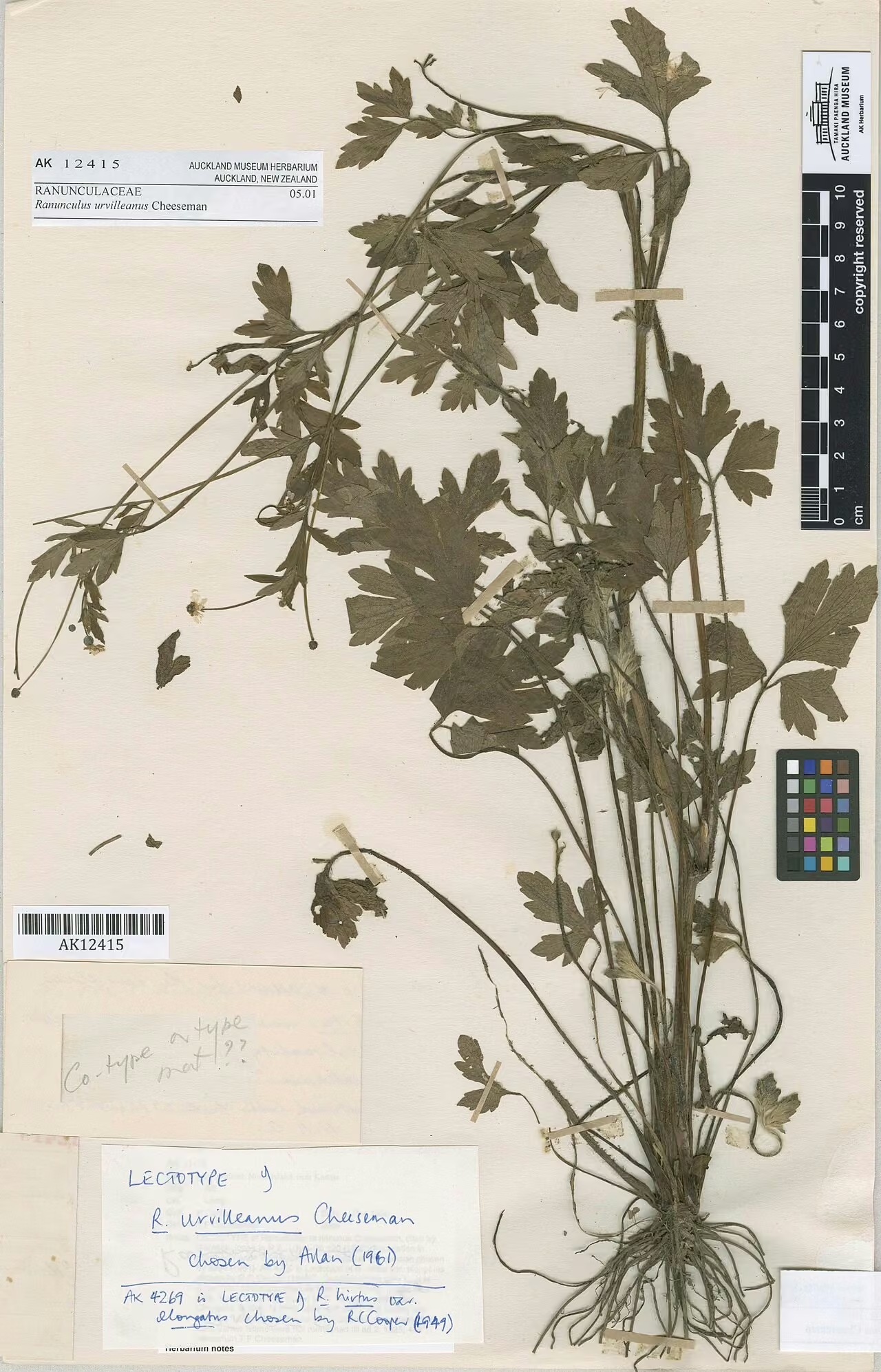
Ranunculus urvilleanus
Ranunculus urvilleanus
Ranunculus urvilleanus is a tall, hairy, endemic buttercup of damp lowland ground in the northern North Island.
Learn more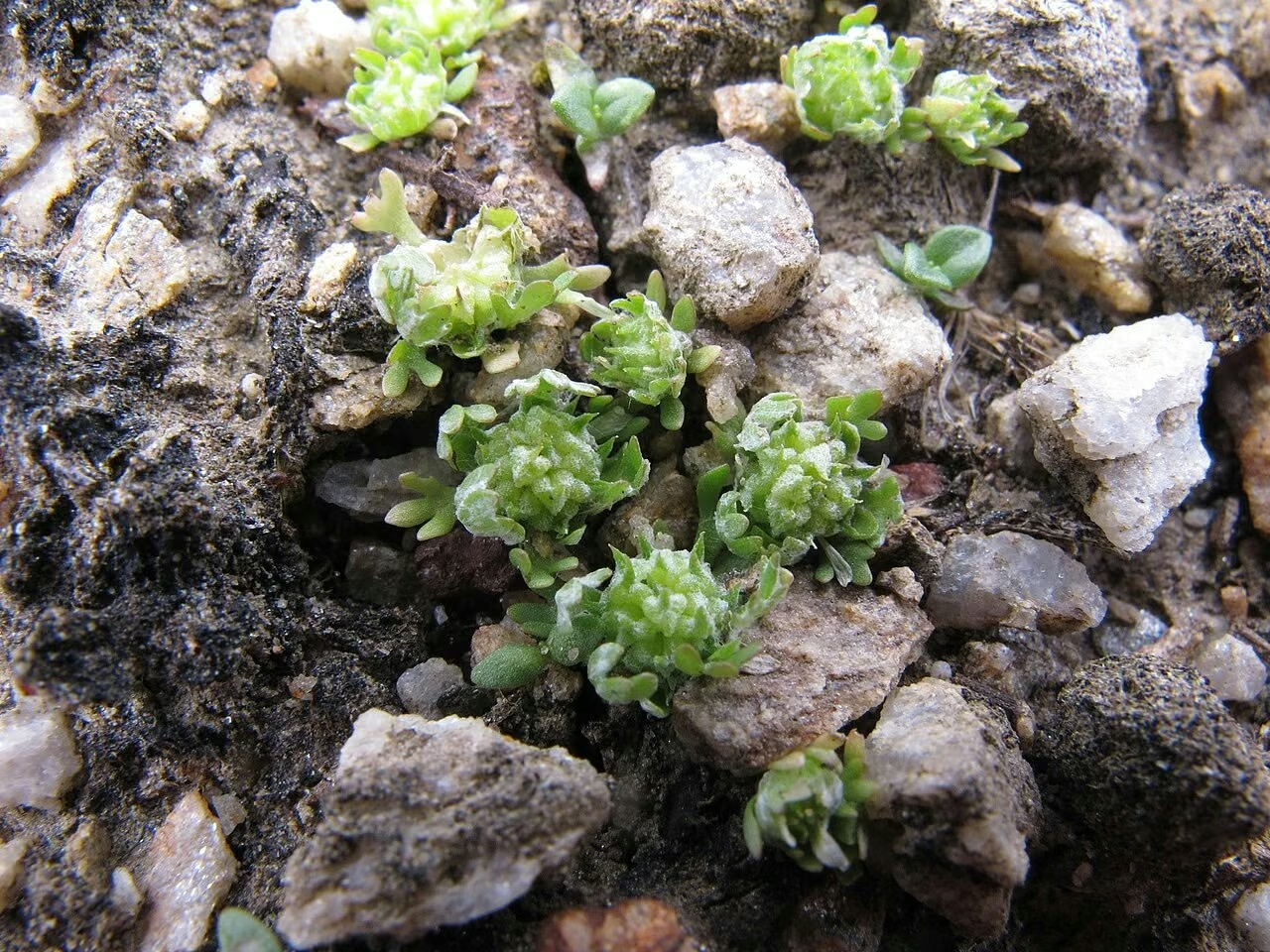
Ceratocephala pungens
Ceratocephala pungens
A tiny woolly buttercup (Ceratocephala pungens) 2 cm tall with spiny fruit, found among scabweed mats in the Mackenzie Basin and Central Otago. Critical.
Learn more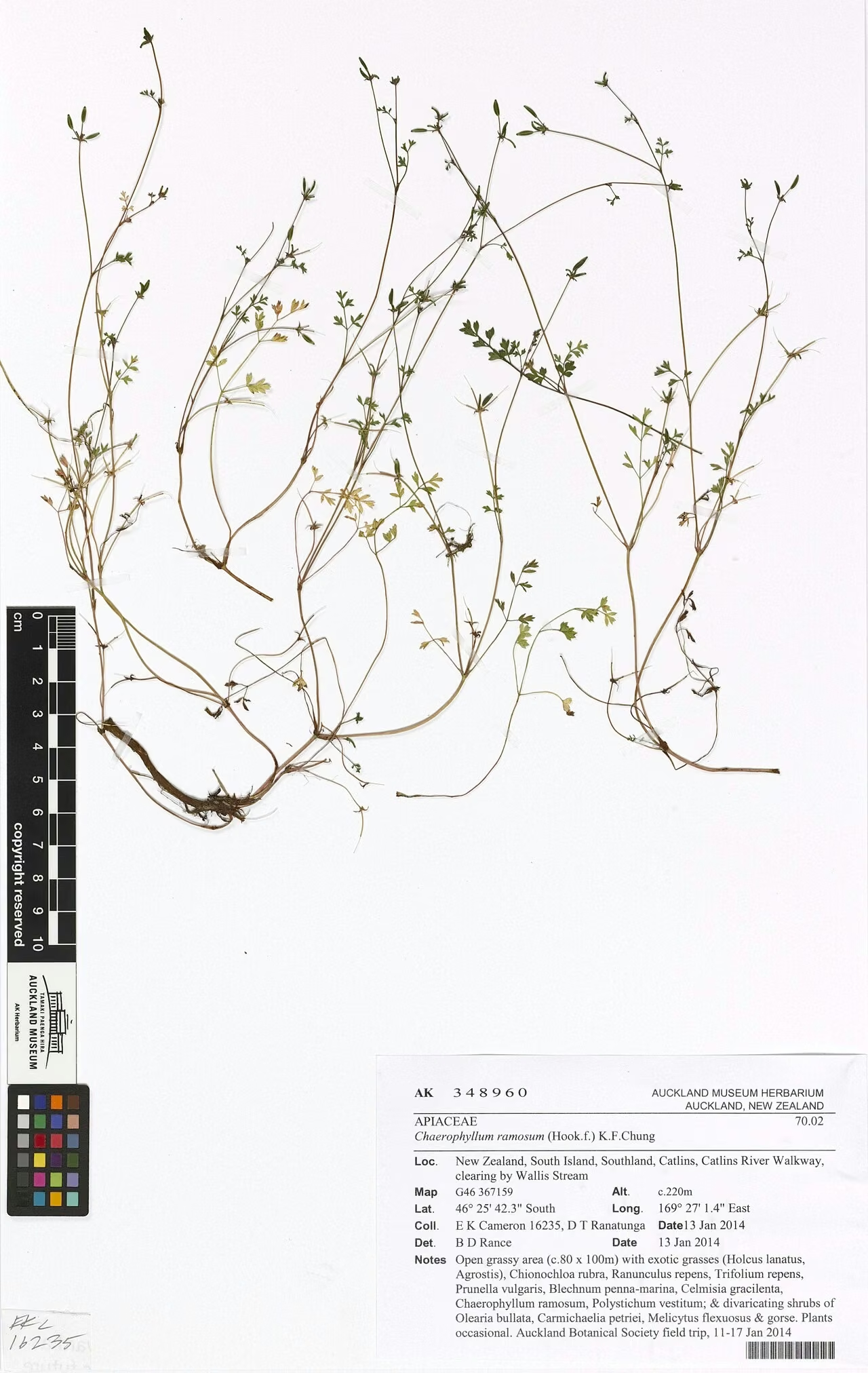
Chaerophyllum ramosum
Chaerophyllum ramosum
Chaerophyllum ramosum , long known as Oreomyrrhis ramosa and sometimes called myrrh, is a native member of the carrot family (Apiaceae).
Learn more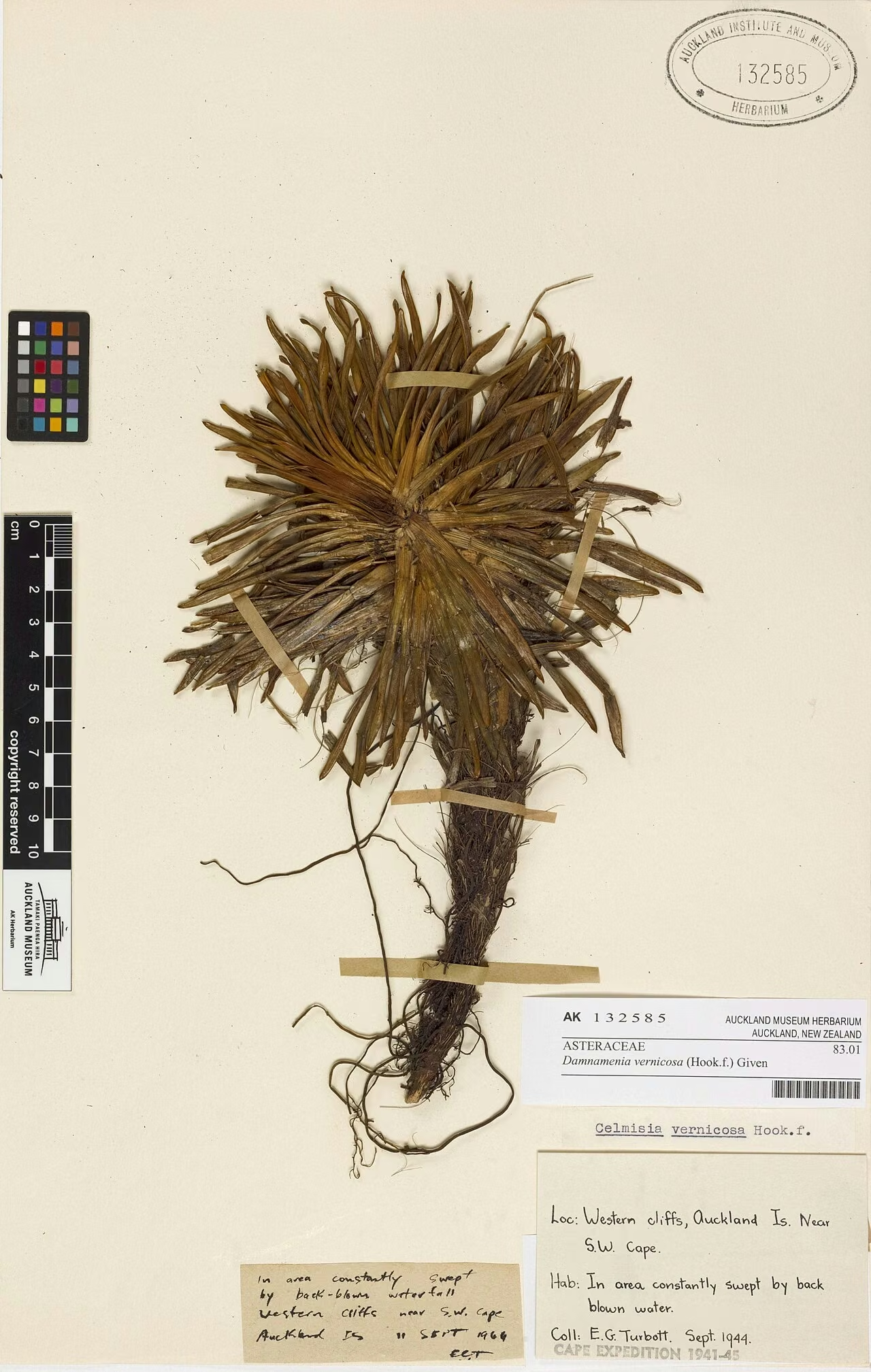
Damnamenia vernicosa
Damnamenia vernicosa
Damnamenia ( Damnamenia vernicosa ) is a small subantarctic daisy found only on the Auckland Islands and Campbell Island/Motu Ihupuku.
Learn more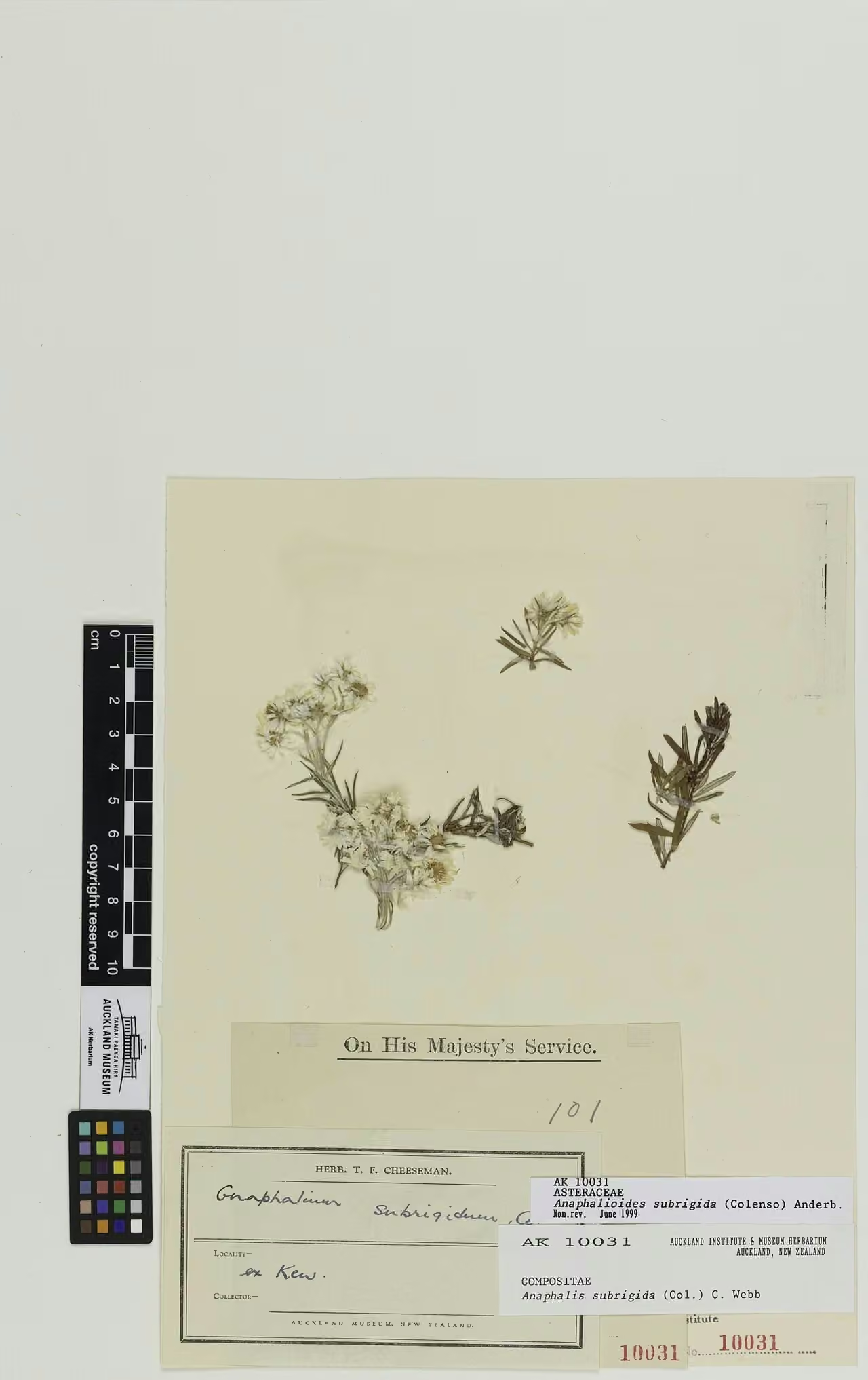
Anaphalioides subrigida
Anaphalioides subrigida
Anaphalioides subrigida is an uncommon everlasting daisy endemic to the North Island of New Zealand.
Learn more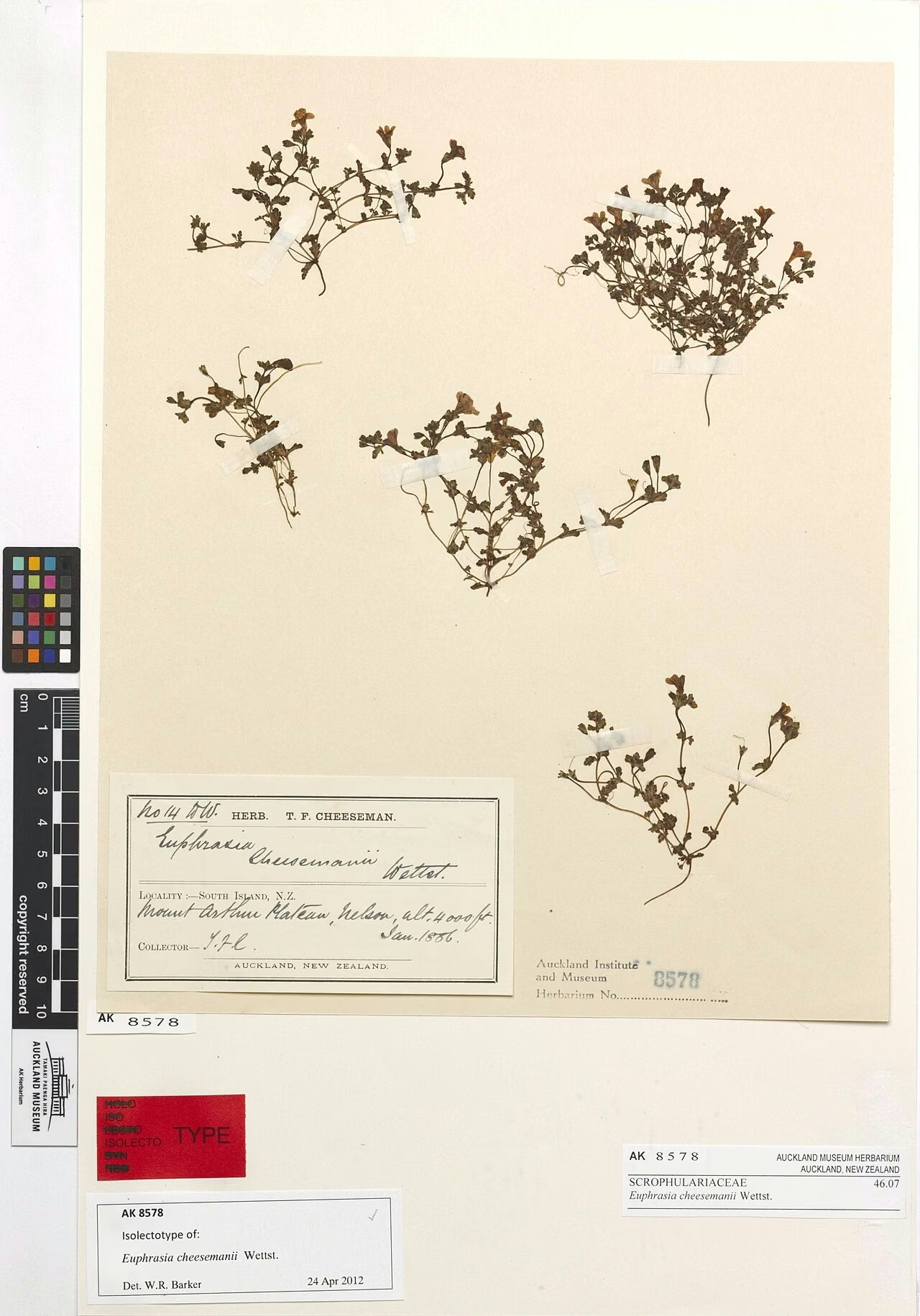
Euphrasia cheesemanii
Euphrasia cheesemanii
Euphrasia cheesemanii is a delicate annual eyebright endemic to the South Island of New Zealand.
Learn more
Euphrasia integrifolia
Euphrasia integrifolia
Euphrasia integrifolia is a diminutive, hairless, succulent eyebright endemic to the South Island and thought to be centred on Fiordland.
Learn more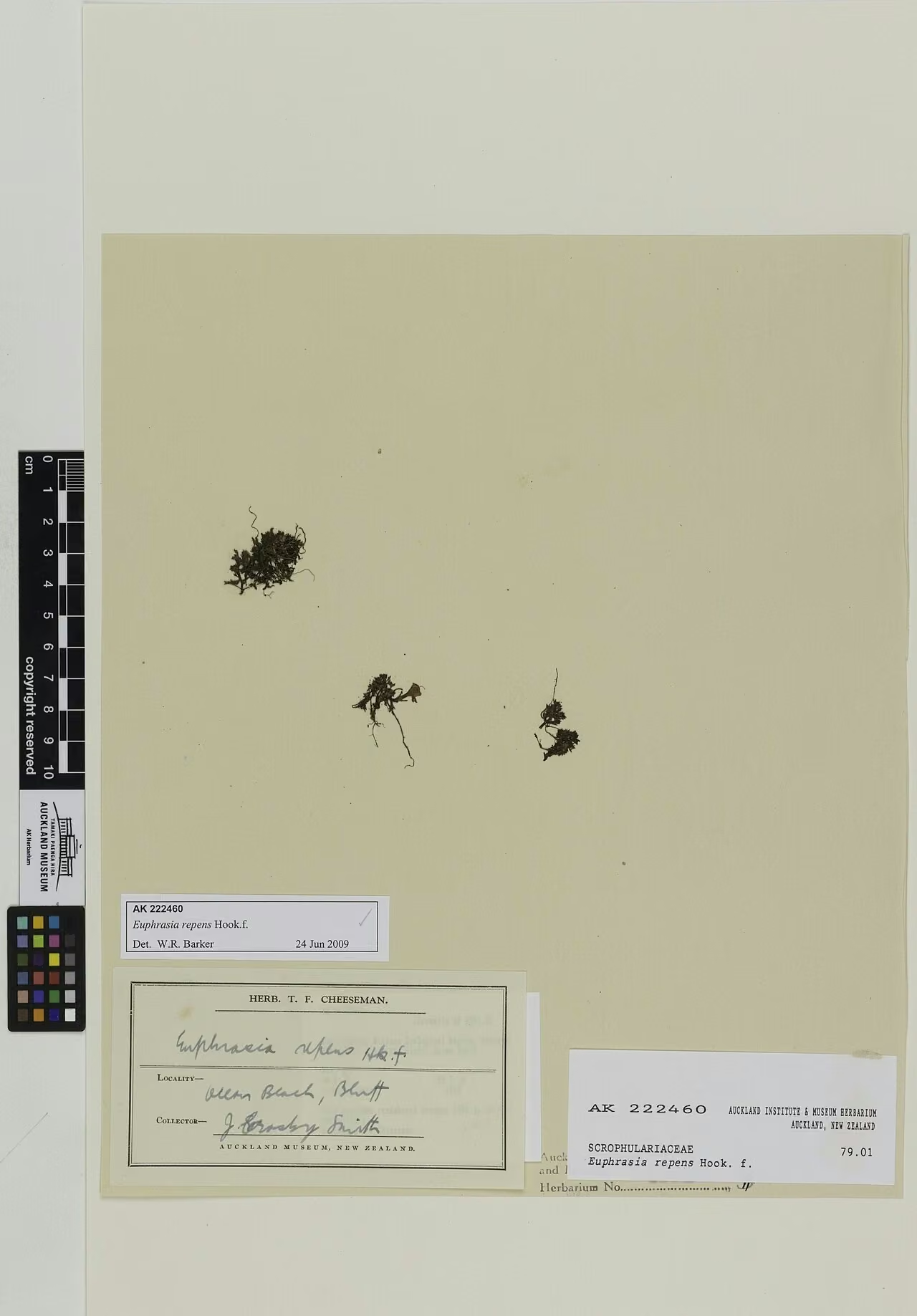
Euphrasia repens
Euphrasia repens
Euphrasia repens is a slender, succulent annual eyebright endemic to the coasts of Foveaux Strait.
Learn more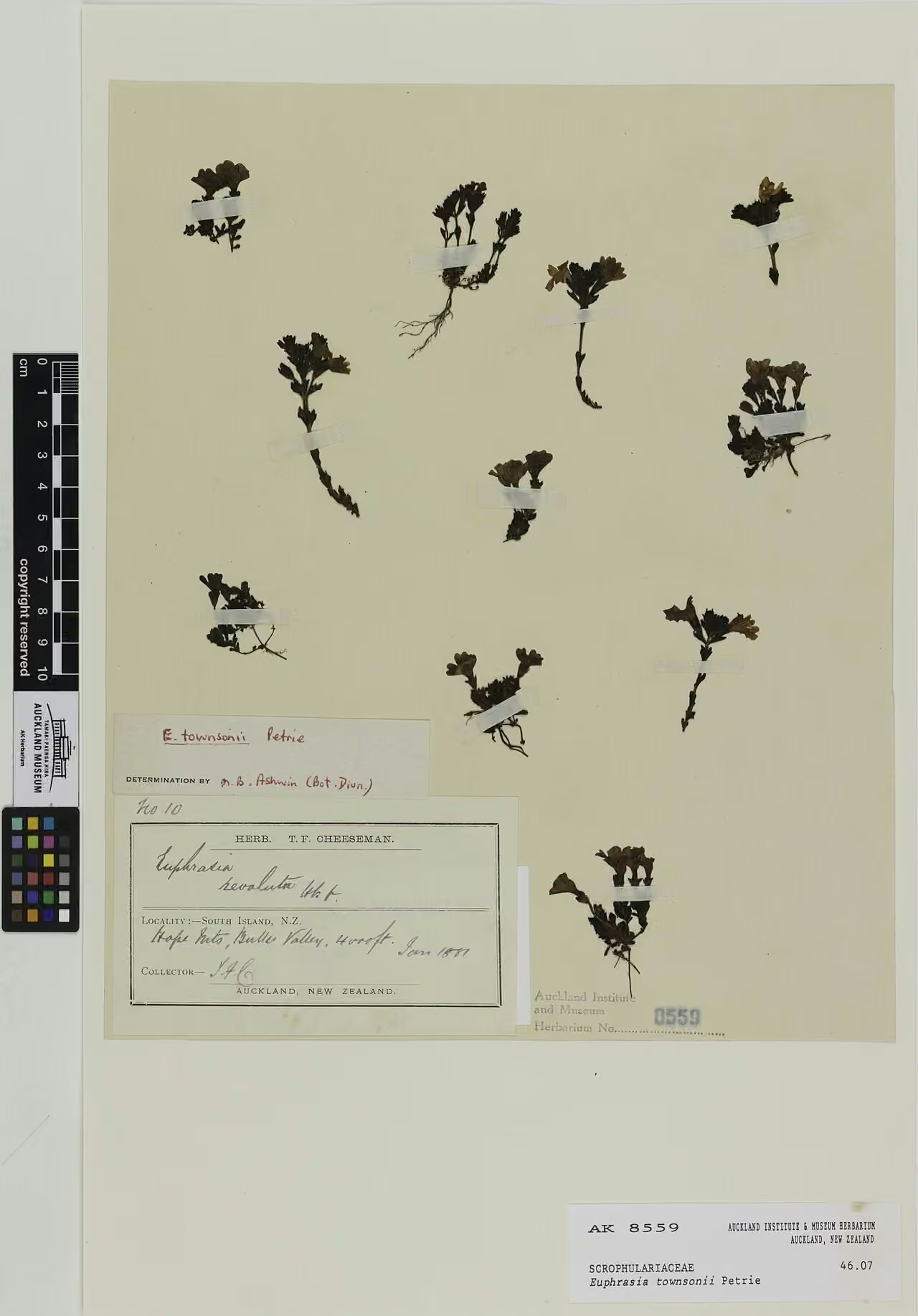
Euphrasia townsonii
Euphrasia townsonii
Euphrasia townsonii is a slender, tufted perennial eyebright endemic to the mountains of the northern South Island.
Learn more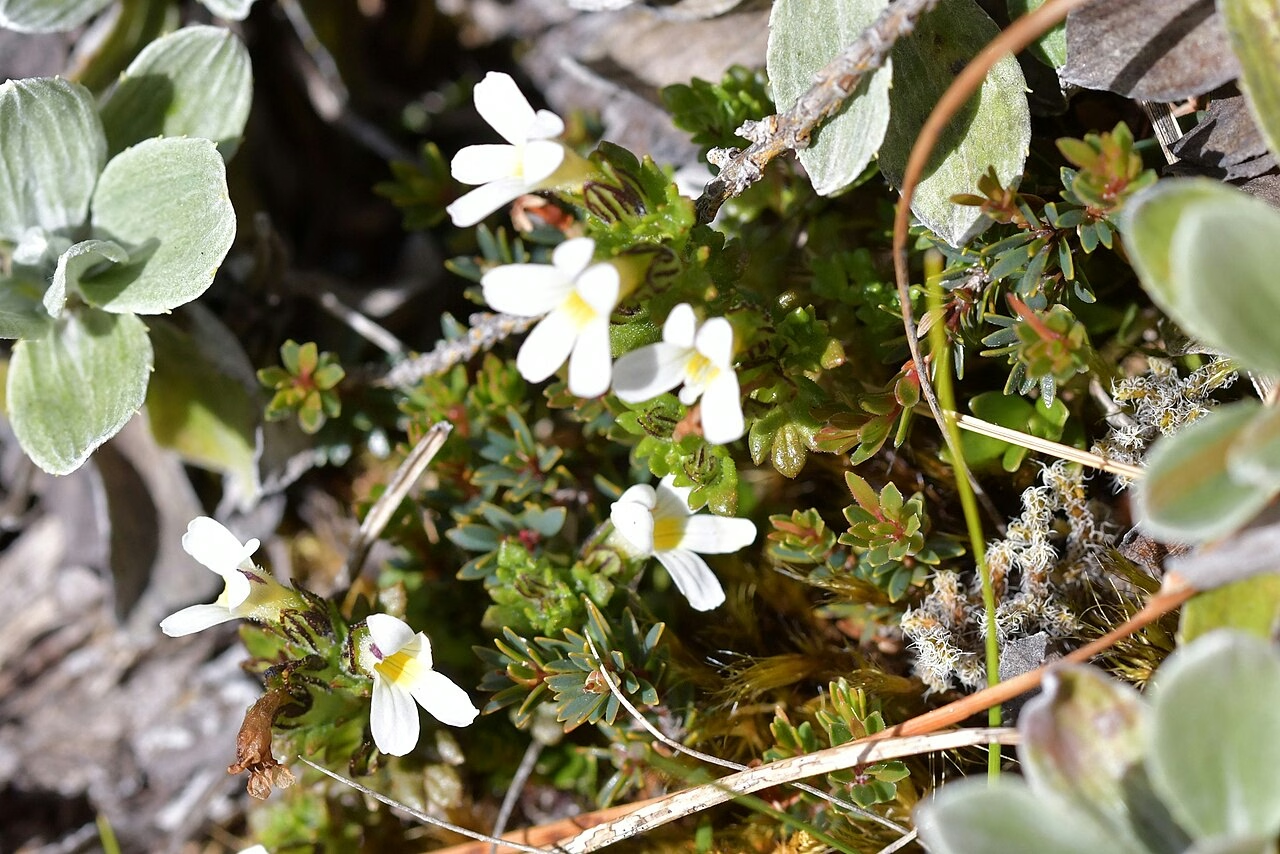
Euphrasia zelandica
Euphrasia zelandica
Eyebright ( Euphrasia zelandica ) is a tiny annual herb endemic to New Zealand, usually only 20 to 100 mm tall and sometimes flowering when less than 10 mm high.
Learn more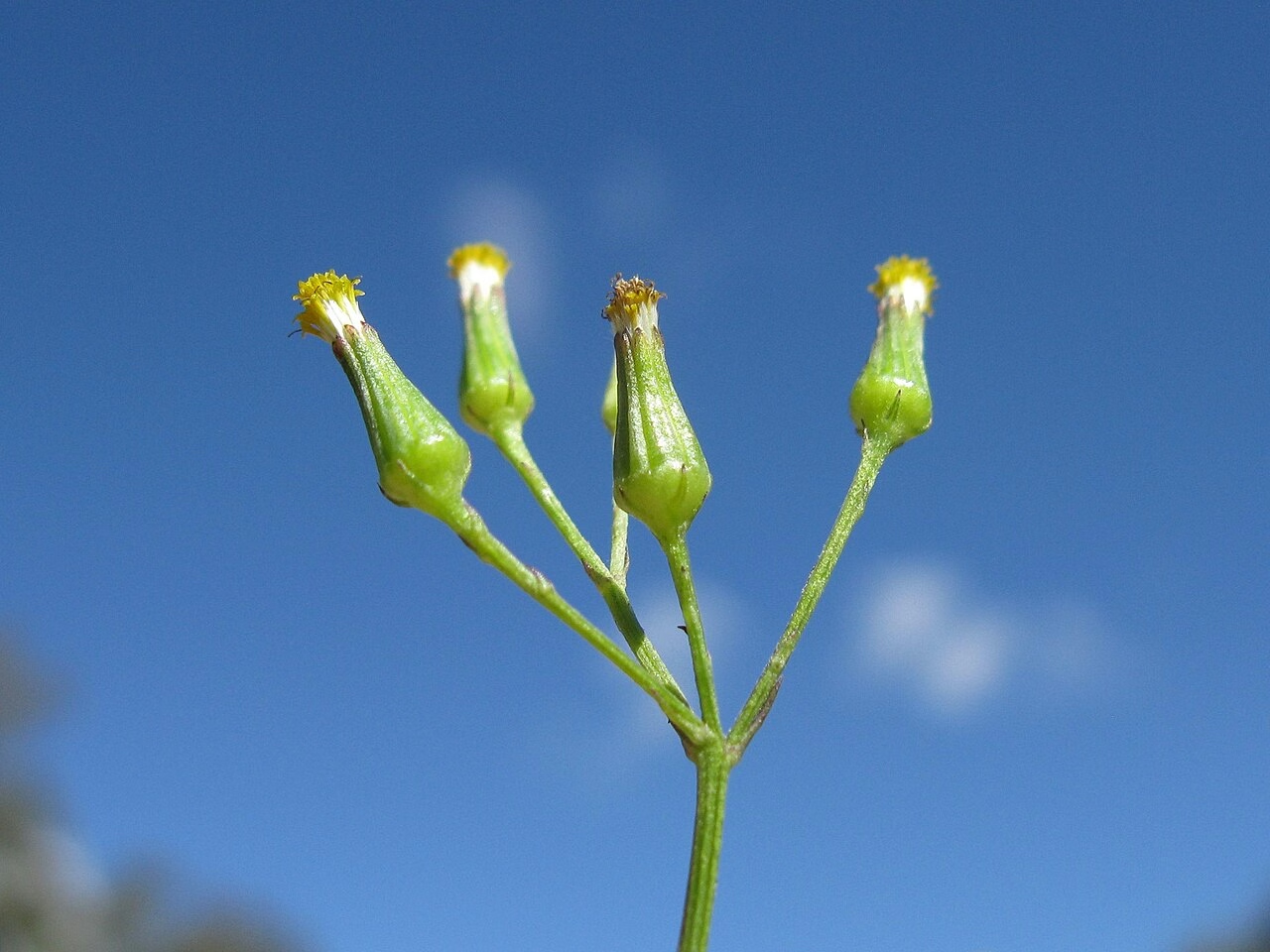
Senecio diaschides
Senecio diaschides
Fireweed ( Senecio diaschides ) is an erect, hairless herb up to about 1.5 m tall, living as a biennial or short-lived perennial, or as an annual in harsh conditions.
Learn more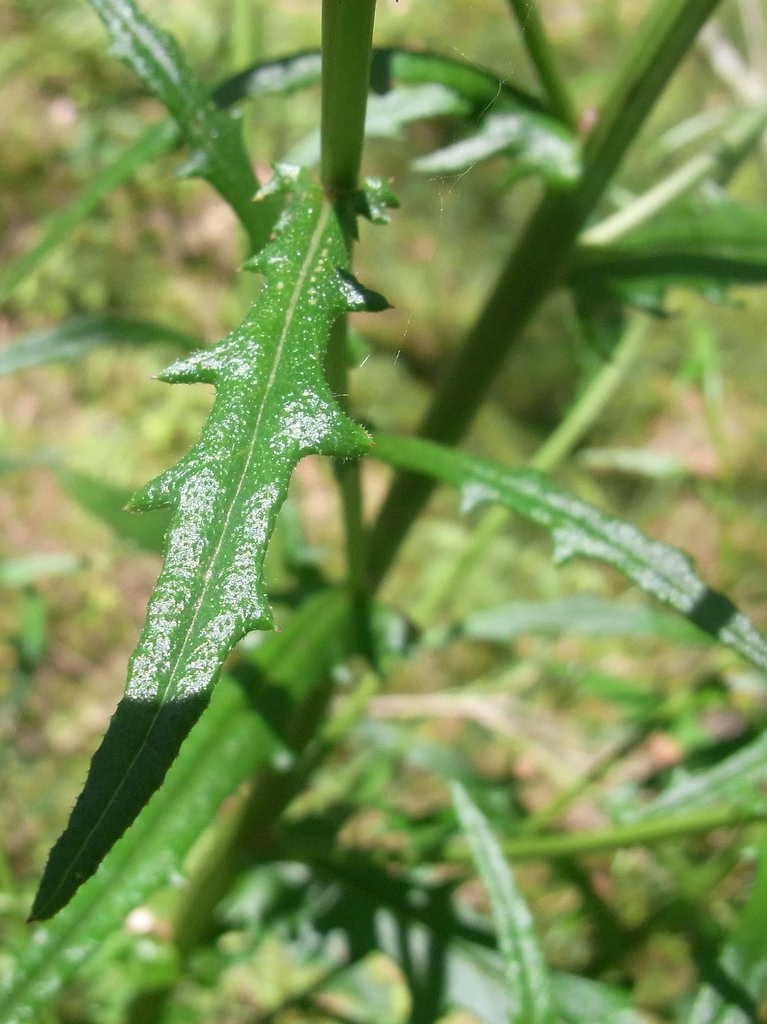
Senecio hispidulus
Senecio hispidulus
Fireweed ( Senecio hispidulus ) is a native annual to short-lived perennial daisy that can reach 2 m tall, with coarsely toothed, rough-hairy leaves and large sprays of.
Learn more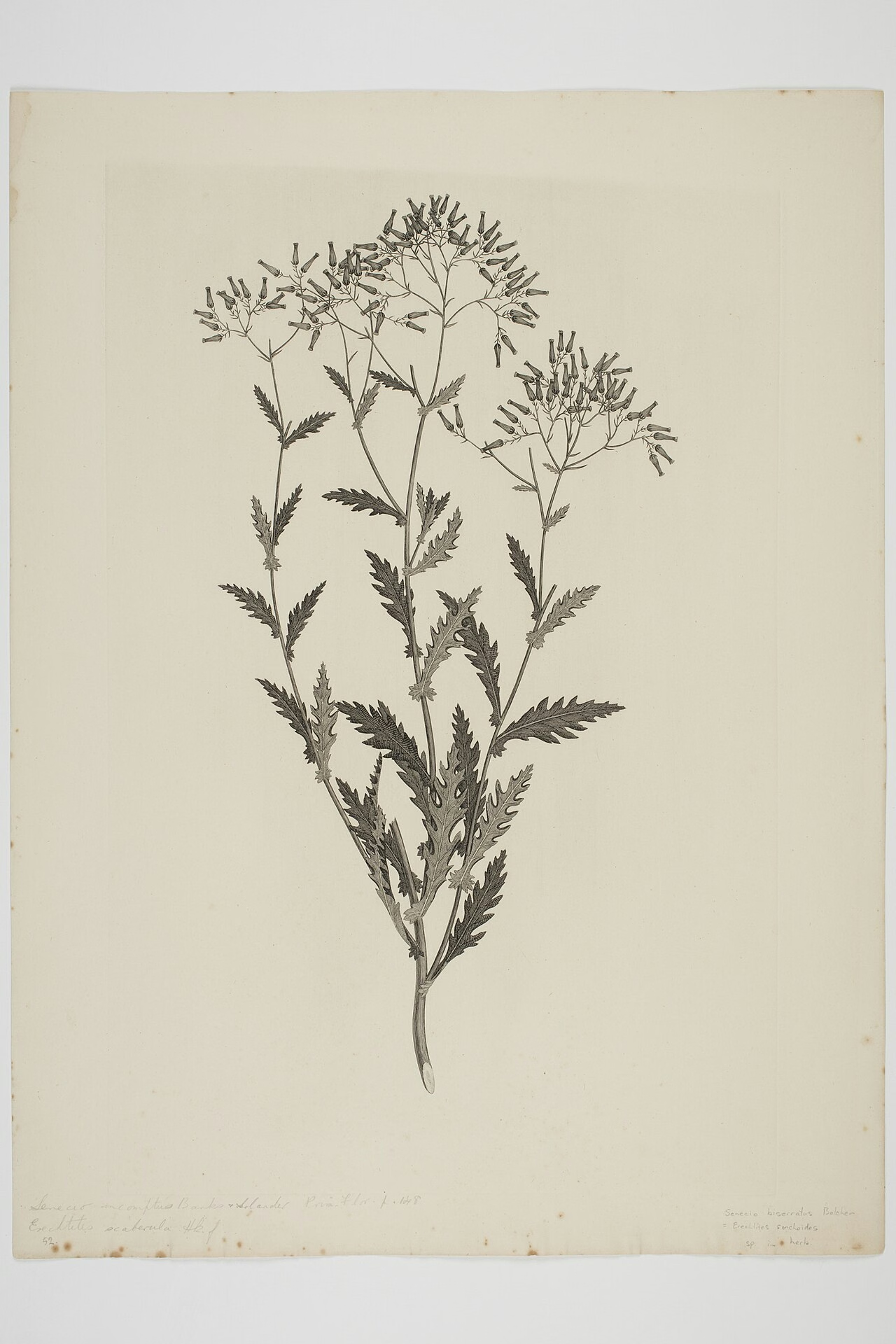
Senecio scaberulus
Senecio scaberulus
Fireweed ( Senecio scaberulus ) is a grey-green to silvery grey-green annual or short-lived perennial daisy that grows up to 1.5 m tall, with every leafy part covered in.
Learn more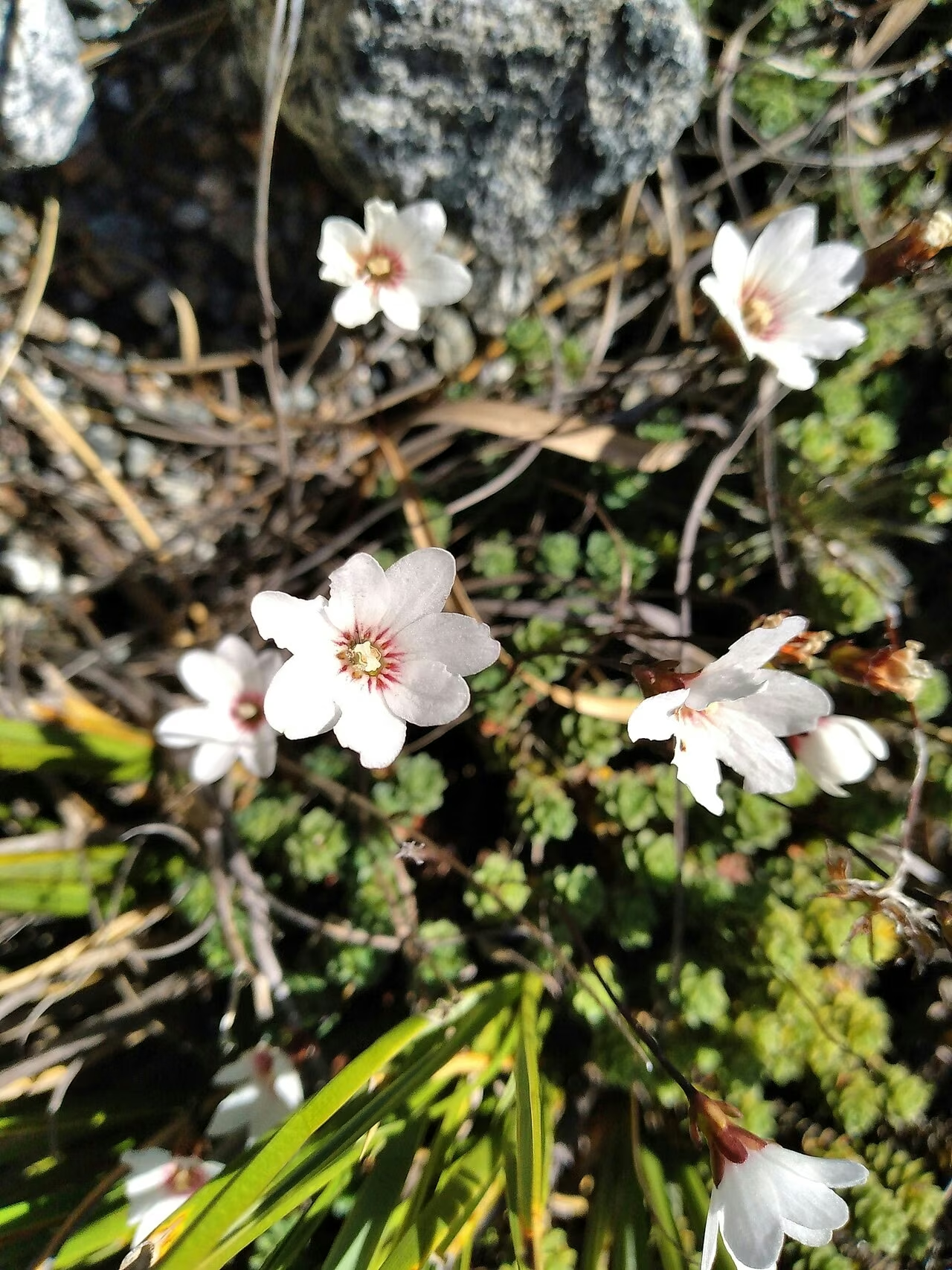
Forstera sedifolia
Forstera sedifolia
Forstera sedifolia is a low, creeping alpine herb endemic to the South Island and Stewart Island/Rakiura.
Learn more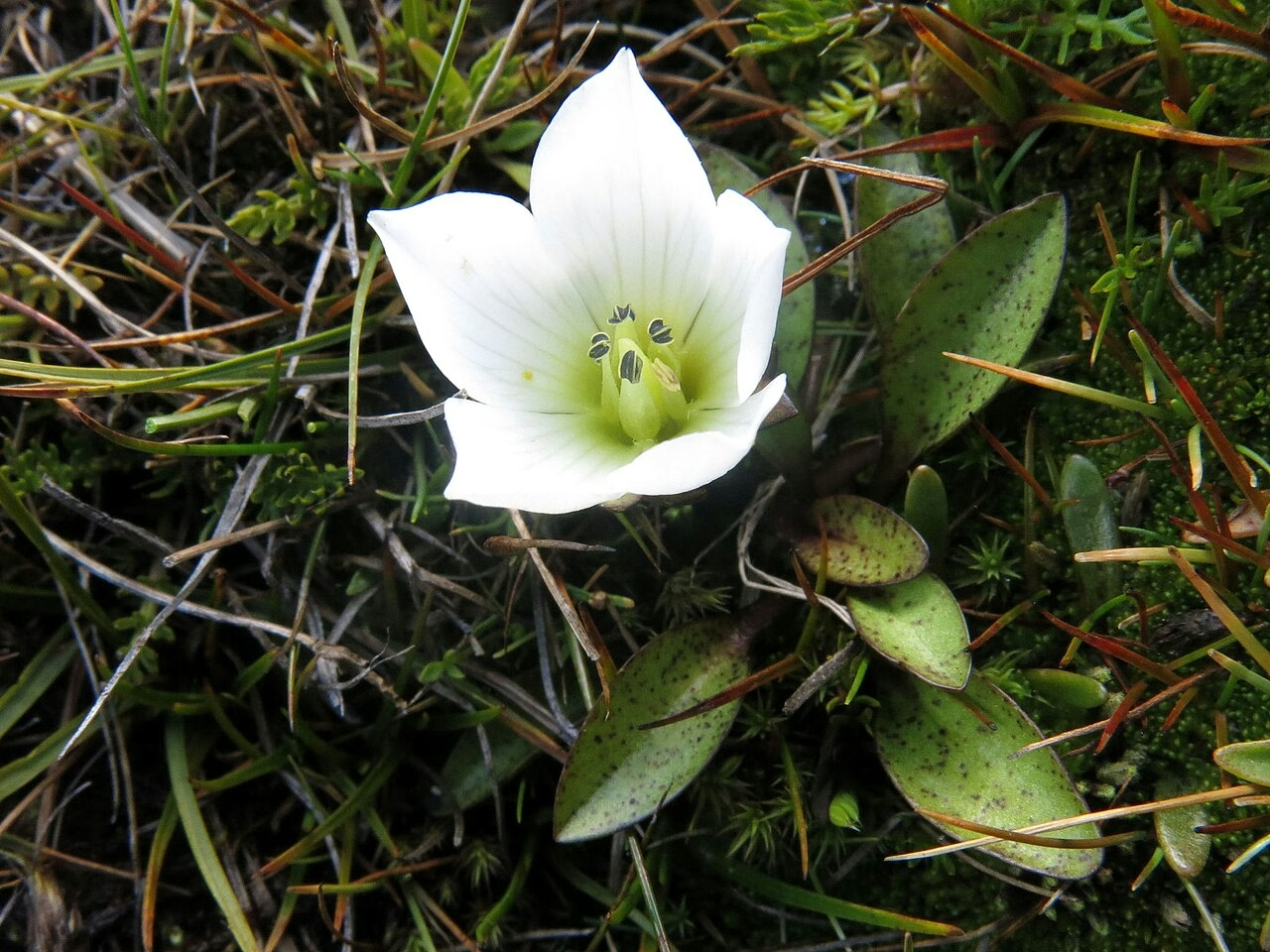
Gentianella amabilis
Gentianella amabilis
Gentianella amabilis is a small alpine gentian endemic to Otago and Southland, growing in subalpine and alpine cushion bogs and gently sloping flushes.
Learn more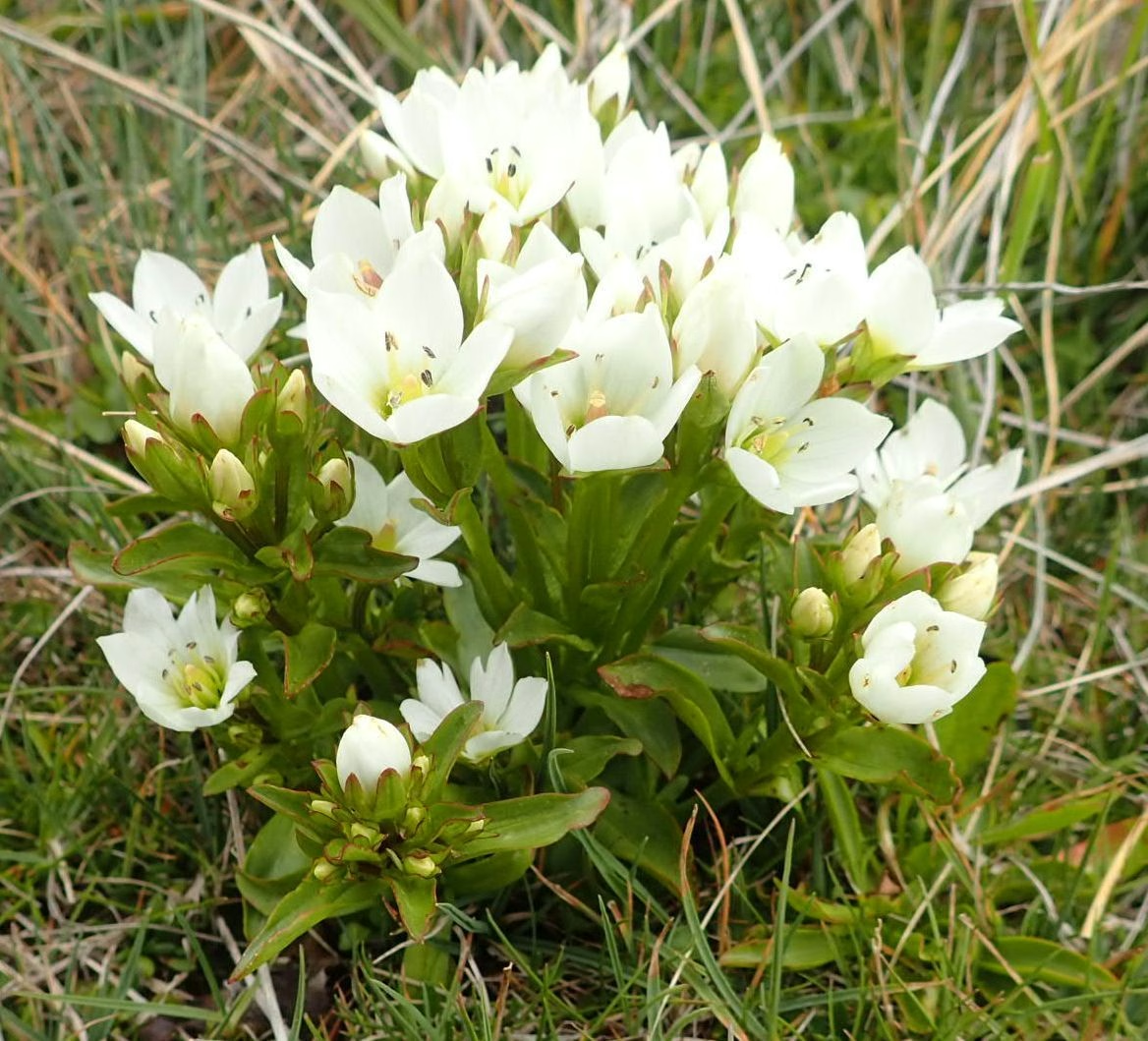
Gentianella divisa
Gentianella divisa
Gentianella divisa is an alpine gentian endemic to the South Island, ranging along the main divide from Canterbury south into Fiordland.
Learn more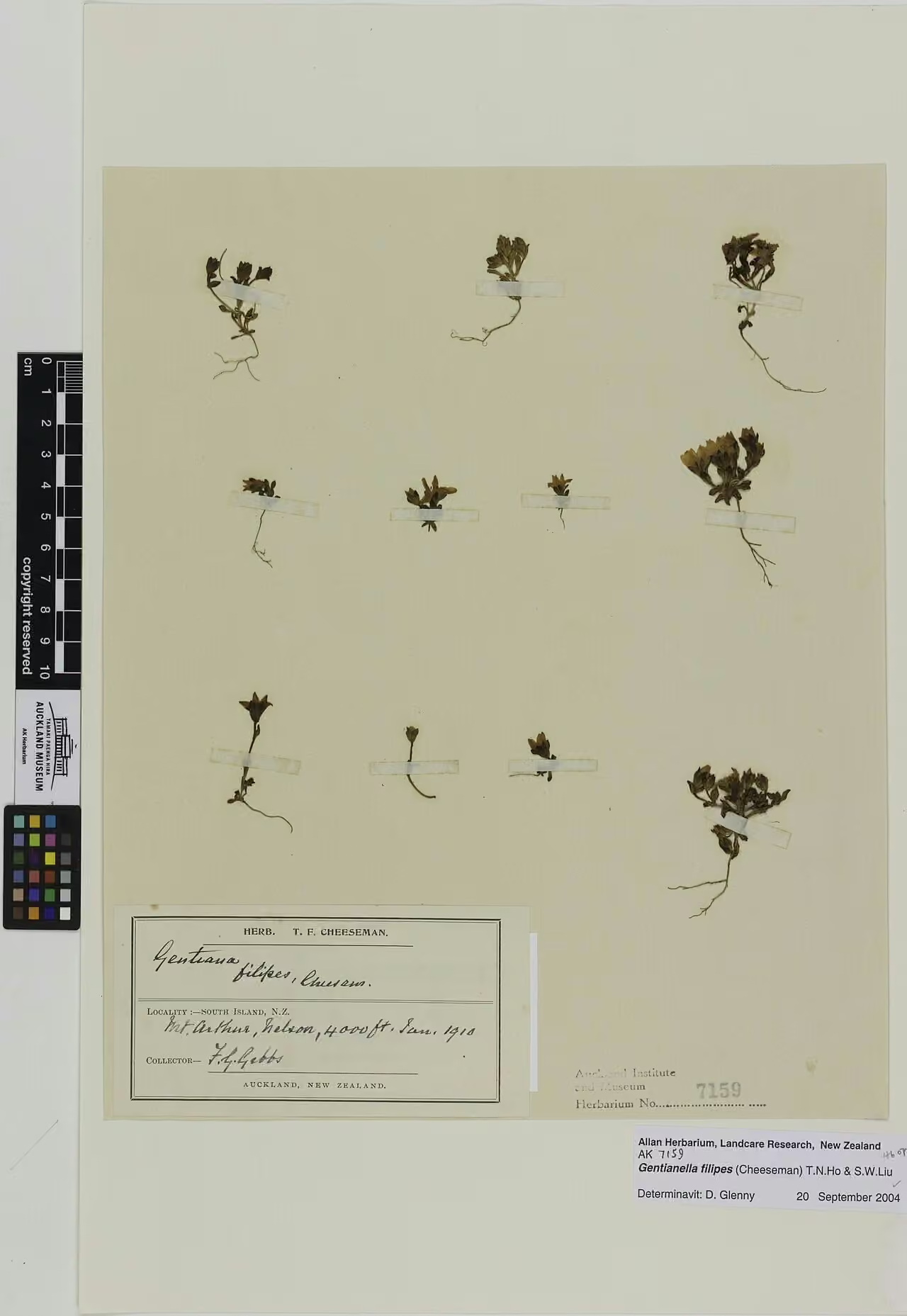
Gentianella filipes
Gentianella filipes
Gentianella filipes is a small annual gentian found only in north-west Nelson, where every known population lies within Kahurangi National Park.
Learn moreGrowing Native Flowers in Your Garden
Tips for Success with Native Flowers
Native flowering plants can add colour and interest to your garden while providing food for native birds and insects. Most prefer well-draining soil and a sunny position, though some forest species will appreciate partial shade. Consider the natural habitat of each species when planning your garden.