Fireweed
Senecio hispidulus
Last updated:
Fireweed (Senecio hispidulus) is a native annual to short-lived perennial daisy that can reach 2 m tall, with coarsely toothed, rough-hairy leaves and large sprays of small pale to bright yellow flower heads. It occurs throughout New Zealand from the Three Kings Islands to Stewart Island and the Chathams, and also in Australia. It is a classic coloniser of disturbed ground, appearing quickly after fire or forest clearance and often turning up in pasture and city gardens. Although it is indigenous and Not Threatened, NZPCN describes it as very weedy and invasive. Explore more native flowering plants in our native plant guide.
Plant Description
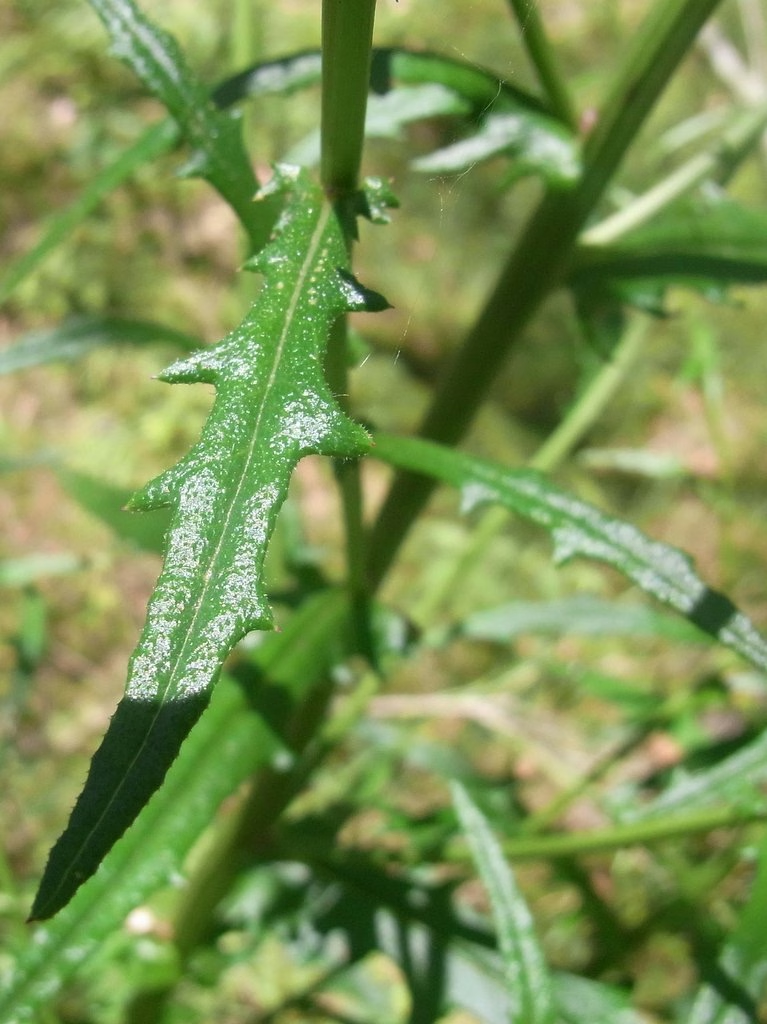
Senecio hispidulus is an erect annual or short-lived perennial herb, usually 30 to 100 cm tall but sometimes reaching 2 m. The mid-stem leaves are dark green to yellow-green, occasionally tinged red, and narrowly ovate to lanceolate. They are coarsely toothed to almost pinnately divided, with 2 to 5 segments on each side, and are rough to the touch with coarse hairs.
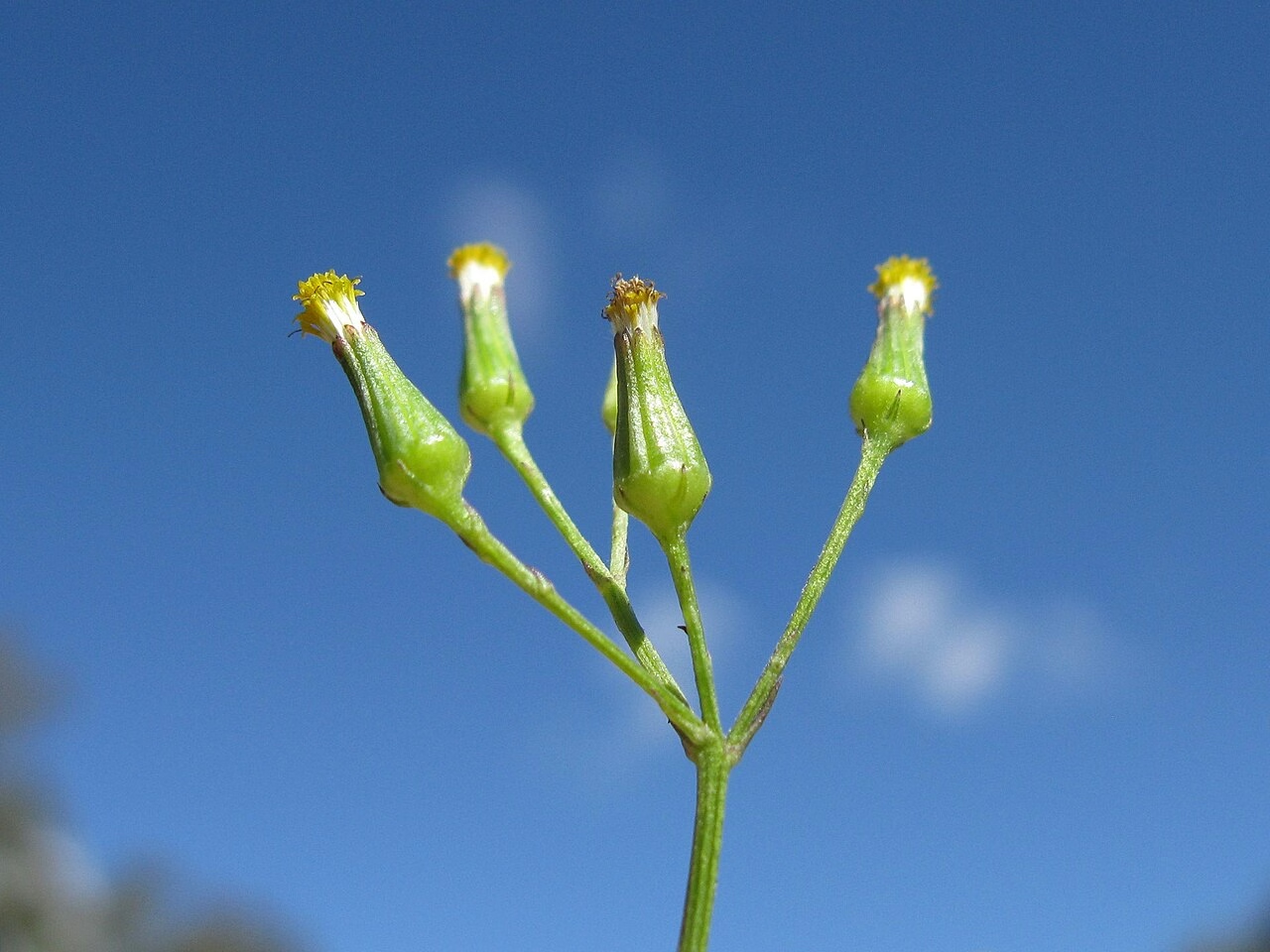
The inflorescence is large, typically carrying 50 to more than 100 small flower heads. Each head has a narrow involucre 4.5 to 6 mm long made of 9 to 13 hairless bracts, and contains 18 to 35 pale to bright yellow florets, about 70 percent of which are female. There are no showy ray florets. The seeds are red-brown, 1.5 to 2.2 mm long, with lines of tiny hairs, and carry a pappus 4 to 6 mm long.
It is most easily confused with the threatened Senecio scaberulus. Fireweed has coarsely hispid, dark green leaves rather than the soft, grey-green velvety leaves of S. scaberulus, and it grows larger, up to 2 m tall against about 1 m. Its chromosome number is 2n = 60.
Quick Facts
| Scientific Name | Senecio hispidulus |
|---|---|
| Height | 0.3-1 m, occasionally to 2 m |
| Spread | 0.3-0.6 m |
| Water Needs | Low to moderate |
| Light | Full sun to partial shade |
| Frost Tolerance | Moderate; ranges from coast to montane zone |
| Salt Tolerance | Moderate; occurs in coastal habitats |
| Growth Rate | Fast |
| Lifespan | Annual to short-lived perennial |
Climate Best Suited to
Tolerates a wide range of New Zealand climates from warm northern coasts to cool montane sites. It thrives wherever open, disturbed ground is available.
Regional Suitability
| City | Climate Suitability |
|---|---|
| Auckland | High |
| Wellington | High |
| Christchurch | High |
| Dunedin | High |
Plant Habitat
Fireweed is indigenous to the Three Kings, North, South, Stewart and Chatham Islands, and also occurs in Australia, mainly New South Wales with populations in Tasmania, Western Australia and Queensland.
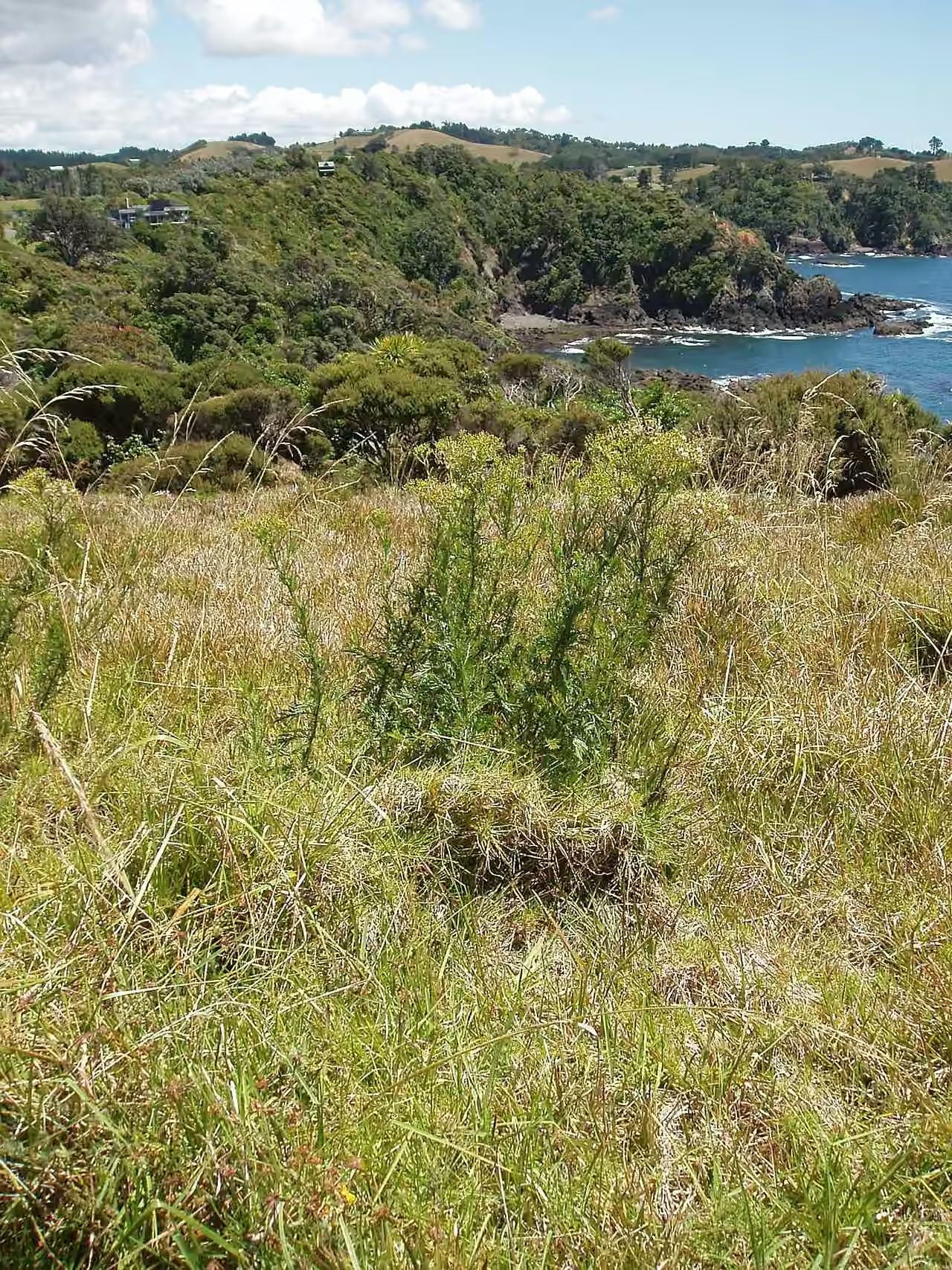
It ranges from the coast to montane elevations and is widespread in disturbed habitats, especially places recently burned or cleared of native vegetation. It also grows on forest margins and riverbeds, is often found as a pasture weed and can be common in urban areas.
Growing Requirements
Soil Requirements
It is not fussy and grows in most soils, from bare clay on cleared slopes to garden beds and pasture.
- Any reasonably drained soil
- Thrives on freshly disturbed or burnt ground
- Tolerates low fertility
Light Requirements
It colonises open, sunny clearings but also grows on forest edges.
- Full sun preferred
- Tolerates partial shade at forest margins
Water Requirements
As a short-lived opportunist it completes its growth quickly and copes with ordinary rainfall without irrigation.
- No supplementary watering needed
- Avoid permanently waterlogged sites
Planting and Establishing
Deliberate planting is rarely appropriate. NZPCN calls it very weedy and invasive, and it will usually arrive on its own wherever soil is disturbed.
Where it appears naturally on a restoration site after clearance, it can be left as a short-lived nurse cover until longer-lived native plants establish, then pulled before it sets more seed.
Ecological Role
Fireweed is an early-successional plant that fills gaps after fire, slips or clearance. It produces both female and bisexual florets, which helps it set abundant seed, and its plumed seeds are carried long distances by wind.
Its many small yellow heads are visited by flies, bees and other generalist insects. Like other groundsels it can host the caterpillars of groundsel-feeding moths.
Uses & Significance
Garden Uses
It has little value as an ornamental and is better managed than planted.
- Temporary cover on bare restoration ground
- Not recommended for gardens
- Remove before seeding near pasture
Ecological Value
It plays a natural role in the first stages of recovery after disturbance.
- Rapid colonist of bare and burnt ground
- Nectar and pollen for generalist insects
- Short-lived, giving way to woody natives
Landscaping Uses
Fireweed has no real place in planned landscapes. Its main relevance to landscapers is recognising it as a native coloniser on newly cleared or earthworked sites.
On restoration projects, tolerate it briefly where it reduces erosion on bare soil, but do not let it smother young plantings or spread into neighbouring pasture.
Seasonal Care Calendar
Spring
Seedlings appear rapidly on bare and disturbed ground, and flowering can begin from August.
- Hand pull young plants
- Check newly cleared areas
Summer
Plants are in full flower, with large sprays of yellow heads.
- Remove plants before seed is released
- Bag pulled plants that are already seeding
Autumn
Flowering continues until about May while seed disperses on the wind.
- Keep removing seeding plants near pasture
Winter
Fruiting can extend into July; many plants die after seeding.
- Clear dead stems
- Mulch bare soil to reduce new seedlings
When to Prune and How Much
Pruning is not usually relevant. If plants are being tolerated temporarily, cutting off the flowering heads before seed ripens greatly reduces spread.
Pulling the whole plant is generally better than cutting, as the shallow roots come out easily.
How to Grow Fireweed
NZPCN notes that fireweed is easily grown from fresh seed but is very weedy and invasive, so propagation is only worth doing for a clear purpose such as research, seed banking or a deliberate pioneer planting on a bare restoration site. In practice it rarely needs any help: abundant wind-borne seed lands on any disturbed or burnt soil and germinates freely. The notes below explain how it reproduces, which is equally useful for anyone trying to keep it out of a garden or pasture. If you do raise it, keep it away from farmland because of its pyrrolizidine alkaloid content.
From Seed
Flowering runs from August to May and fruiting from September to July, so ripe seed is available for most of the year. Each plant produces a very large number of small red-brown seeds with white pappus hairs.
- Collect fluffy seed heads as they open
- Sow fresh on the surface of ordinary seed raising mix
- Press in lightly without burying deeply
- Keep moist in a sunny position
- Expect germination within a few weeks
Natural Regeneration
On cleared or burnt ground fireweed establishes without any sowing. Disturbance that exposes bare soil is the main trigger, and seedlings appear quickly after rain.
- Expose bare soil if pioneer cover is wanted
- Allow seedlings to establish naturally
- Remove plants once woody natives are growing
- Pull any plants that spread beyond the planting area before they seed
Pests & Diseases
Few pests trouble fireweed. Aphids can cluster on young shoots, and caterpillars of groundsel-feeding moths may eat the foliage, but these rarely limit such a vigorous plant.
The plant itself is more often treated as a weed. Wikipedia notes that it has shown resistance to some herbicides, including trifluralin and bromacil, so hand removal is often the most effective control.
Cultural Significance
No Māori name or traditional use specific to Senecio hispidulus was found in the sources consulted.
Its common name reflects its habit of appearing after fire. As a native that behaves like a weed of pasture and urban areas, it is a reminder that not every indigenous plant is rare or desirable everywhere.
Bonus Tip
If a rough-leaved, yellow-flowered groundsel appears on your property, check the leaves before pulling it: dark green and harshly hairy suggests common fireweed, while soft grey-green velvety leaves could mean the threatened Senecio scaberulus, which is worth reporting to your local botanical society.
Related Plants
Explore other native plants that share similar characteristics or habitats with Fireweed (Senecio hispidulus), offering further insights into New Zealand's diverse flora. These related species provide context and opportunities for complementary planting in your garden.
Senecio diaschides
Senecio diaschides
Esler's Fireweed
Senecio esleri
Senecio matatini subsp. discoideus
Senecio matatini subsp. discoideus
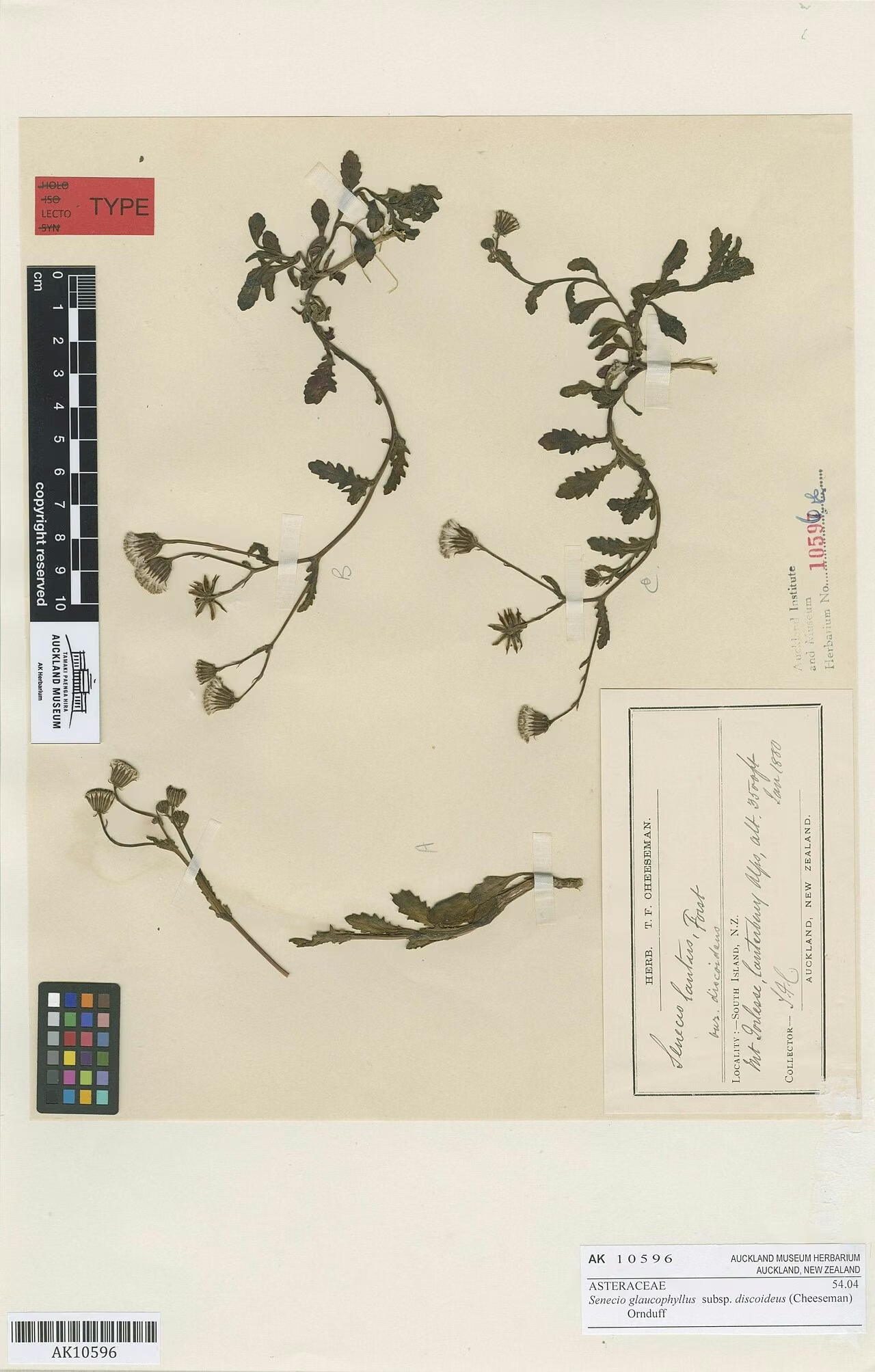
Senecio glaucophyllus
Senecio glaucophyllus
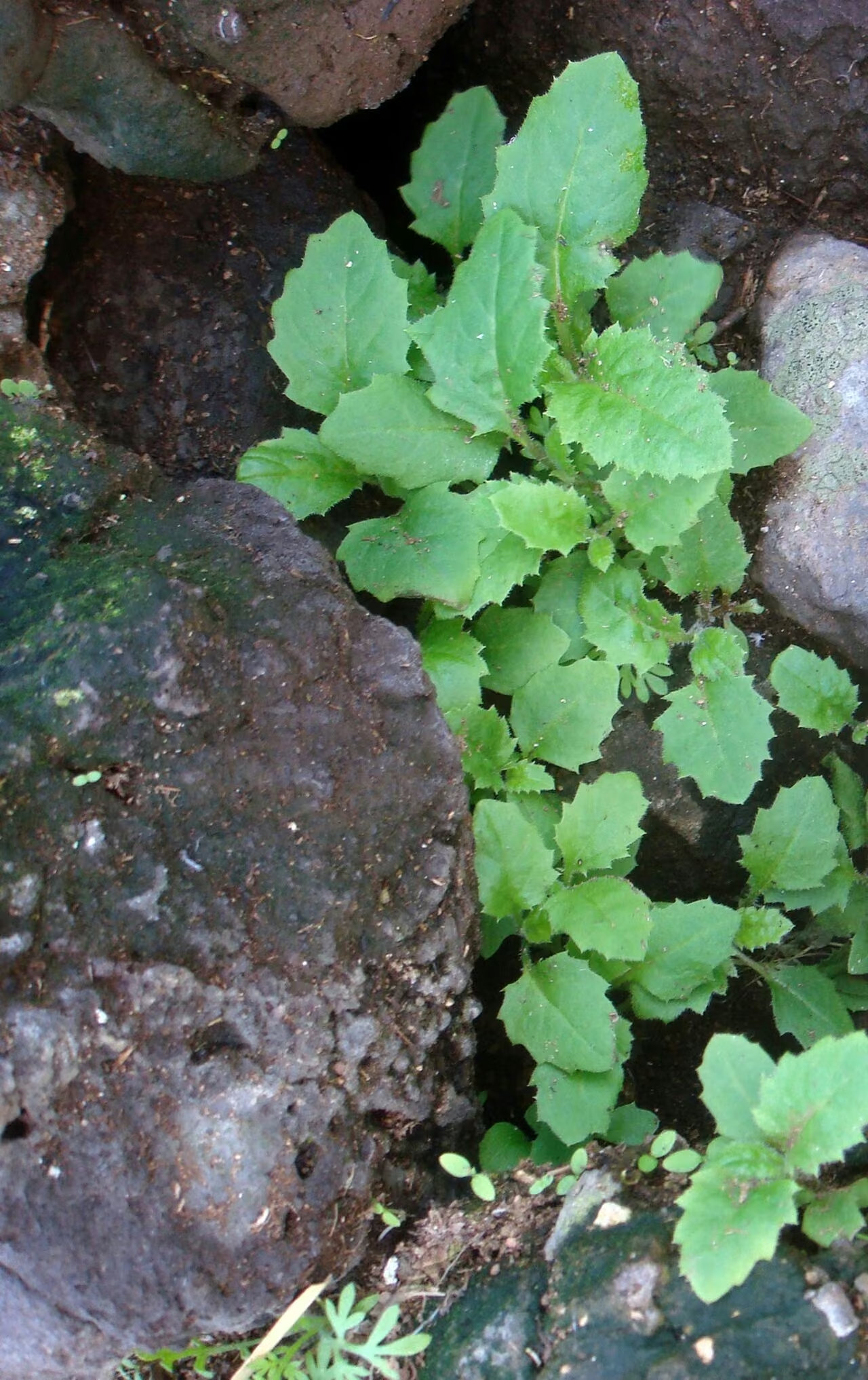
Kermadec Fireweed
Senecio kermadecensis
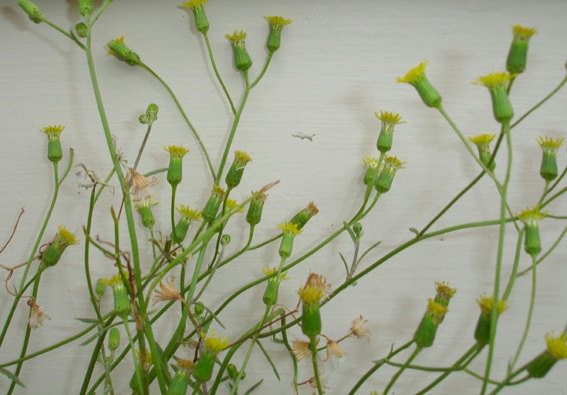
Senecio marotiri
Senecio marotiri
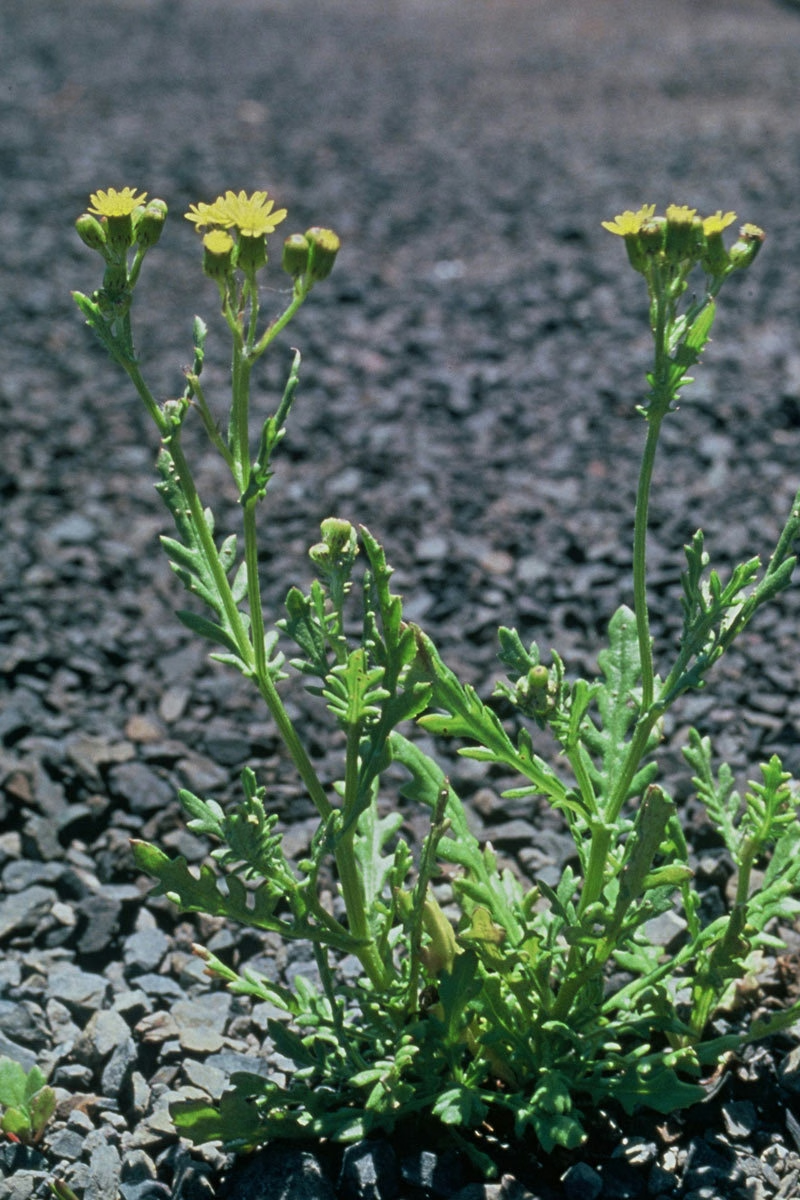
Senecio repangae
Senecio repangae
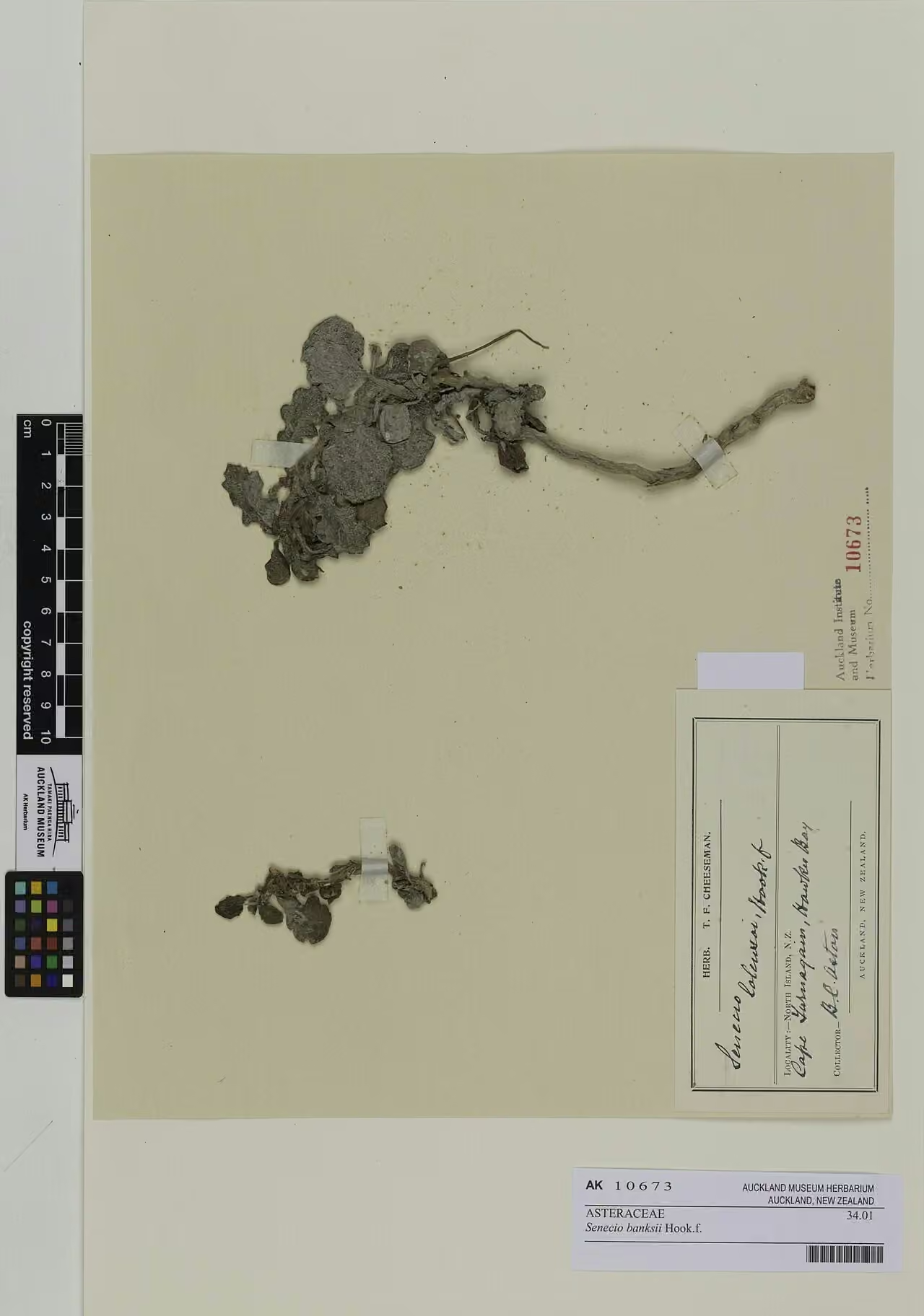
Senecio banksii
Senecio banksii
Plant Conservation
Senecio hispidulus is ranked Not Threatened (2023) with the qualifier Secure Overseas, reflecting its Australian populations. It is also ranked Regionally Not Threatened in Northland, Auckland and Wellington.
It needs no conservation action. The main management issue is the opposite: limiting its spread in pasture and gardens, while taking care not to confuse it with rare relatives.
Frequently Asked Questions
Is fireweed native to New Zealand?
Yes. Senecio hispidulus is indigenous to New Zealand, from the Three Kings to Stewart and the Chatham Islands, and it is also native to Australia, so it is not endemic.
Why is Senecio hispidulus called fireweed?
It springs up quickly in places recently burned or cleared of native vegetation, which is where the fireweed name comes from.
Is fireweed poisonous to stock?
Wikipedia notes that, like many groundsels, it contains pyrrolizidine alkaloids that can damage the liver and lungs, although livestock rarely eat it by choice.
How do I control fireweed in my garden?
Its roots are shallow, so hand pulling before it flowers works well. Removing plants before seed set matters because the plumed seeds spread widely on the wind.
Sources and Further Reading
The botanical, growing, and conservation details for Fireweed (Senecio hispidulus) on this page draw on the New Zealand plant references below. Consult them for full technical records and the latest distribution data.