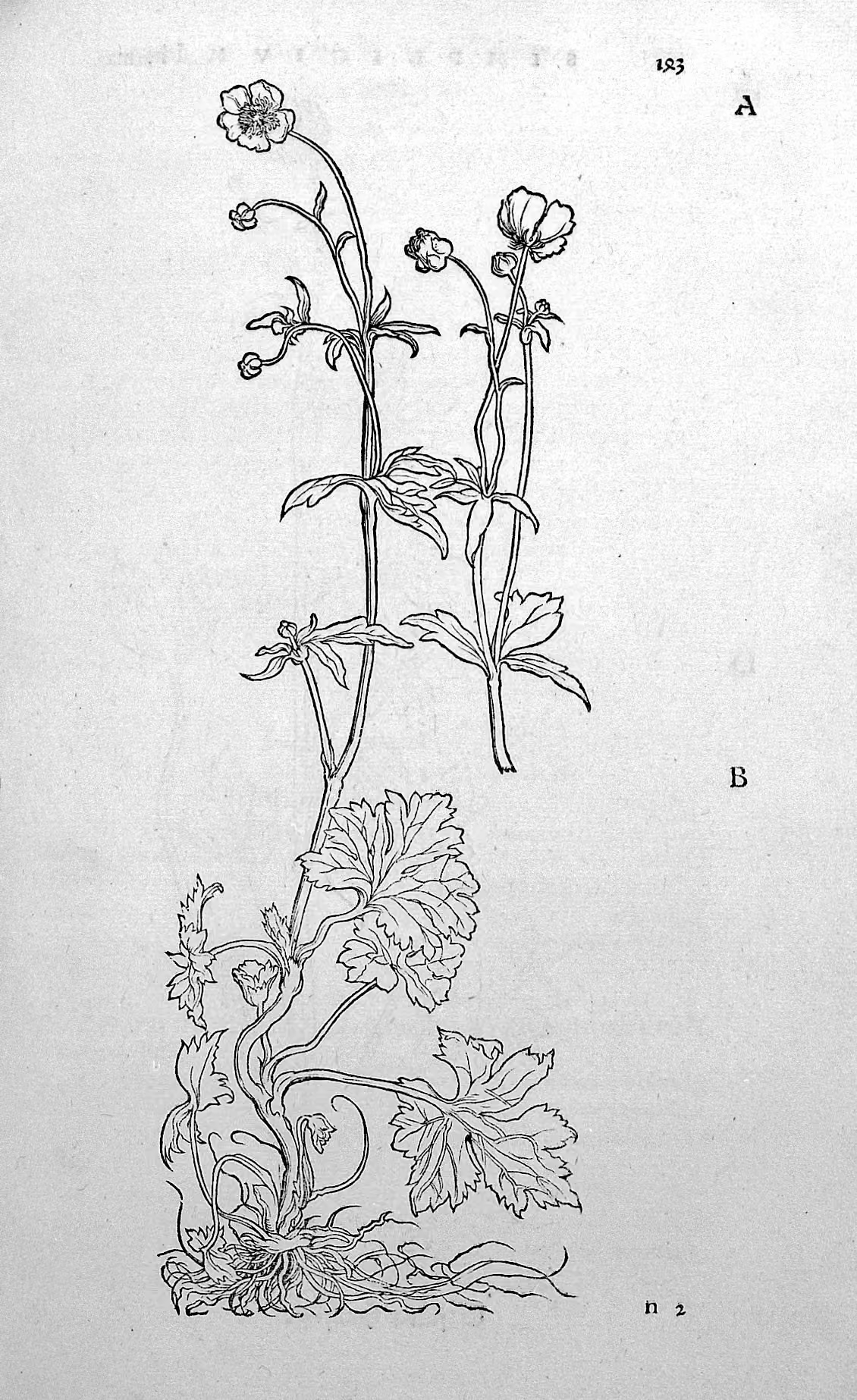
Buttercup
Ranunculus recens
Last updated:
Ranunculus recens is a tiny endemic buttercup that forms flat, circular patches 1 to 5 cm across in damp coastal turf. Its small three-lobed leaves are yellow-green to dark brown and often dark-blotched, and in spring it bears solitary yellow flowers 8 to 10 mm wide followed by distinctive brick-red seeds. It grows mainly on coastal turf and peaty soils over freshwater seepages, at scattered sites from south Taranaki and north-west Nelson to Otago, Foveaux Strait and Mason Bay on Stewart Island/Rakiura, with one inland alpine site near Moawhango. It is ranked Threatened - Nationally Vulnerable. Explore more native flowering plants in our native plant guide.
Plant Description
Ranunculus recens is a small, tufted perennial up to about 5 cm tall that presses flat against the ground, forming circular patches 10 to 50 mm wide. The leaves are rounded to oval, 8 to 15 mm long (occasionally to 20 mm), usually cut about halfway into three lobes, and range from yellow-green to dark brown, sometimes chocolate brown, often with dark blotches.
Flowers are borne singly and are 8 to 10 mm across with five yellow petals. They appear from September to November. The fruit is a small head of hairless achenes that are brick red with dark tips and carry a curved beak about 0.5 mm long; they ripen from October to January and occasionally as late as April.
NZPCN describes it as not easily confused with any other native or naturalised buttercup. The closely related R. ranceorum of Fiordland lake shores differs in its size, leaf and flower details and chromosome number, R. recens being the larger of the two.
Quick Facts
| Scientific Name | Ranunculus recens |
|---|---|
| Height | Up to 0.05 m |
| Spread | Patches 10-50 mm across |
| Water Needs | Constantly moist; seepage turf |
| Light | Full sun in the wild; tolerates a range of light in cultivation |
| Frost Tolerance | Good; grows from coastal Otago to an alpine site |
| Salt Tolerance | Moderate; grows in coastal turf near the sea |
| Growth Rate | Moderate |
| Lifespan | Perennial |
Climate Best Suited to
It grows in cool to mild temperate coastal climates with reliable rainfall and seepage moisture, from south Taranaki to Foveaux Strait.
Regional Suitability
| City | Climate Suitability |
|---|---|
| Auckland | Low |
| Wellington | Medium |
| Christchurch | Medium |
| Dunedin | High |
Plant Habitat
Ranunculus recens is endemic to New Zealand. In the North Island it is known from the Moawhango area and the south Taranaki coastline; in the South Island from north-west Nelson, Otago and the Foveaux Strait coast; and on Stewart Island/Rakiura it is local at Mason Bay. Records from the Chatham Islands have not been confirmed.
It is mainly a coastal plant of short turf and peaty soils that form over freshwater seepages, where constant fresh water keeps the ground wet even near the sea. The Moawhango population is the exception, growing in an alpine setting inland.
Growing Requirements
Soil Requirements
In the wild it grows in thin turf and peaty soil kept wet by seeping fresh water, but in cultivation it accepts most soils.
- Moist peaty or loamy soil
- Short, open turf with little competition
- Tolerant of most soil types if watered
Light Requirements
Its coastal turf habitats are open and sunny, though NZPCN notes it tolerates most light levels in cultivation.
- Full sun preferred
- Tolerates partial shade in gardens
- Must not be overgrown by taller plants
Water Requirements
Water is the key requirement. Its habitat is fed by constant freshwater seepage, and garden plants must be kept well watered.
- Keep evenly moist all year
- Ideal in a damp trough or bog edge
- Do not let pots dry out in summer
Planting and Establishing
Grow it in a shallow pan, trough or the damp margin of a bog garden, where it will not be swamped by larger plants. A peaty, moisture-retentive mix with some grit suits it, and pots can stand in a saucer of water during summer.
Plant in autumn or spring. Because it is so small, it is best kept in containers or a dedicated miniature bed where weeds can be controlled.
Ecological Role
Its small yellow flowers are open in spring and are visited by small native flies and other insects of coastal turf. The plant is part of distinctive coastal turf communities that include many other tiny herbs, several of them also uncommon.
These turfs are kept short by wind, salt and seepage, and in some places by grazing. If the turf becomes rank or invaded by weeds, low-growing species such as R. recens are quickly shaded out.
Uses & Significance
Garden Uses
It is a charming miniature for collectors of small native plants and for conservation plantings in coastal turf.
- Troughs and shallow pans
- Bog garden margins
- Conservation collections and coastal restoration
- Miniature native displays
Ecological Value
It is a threatened member of New Zealand's coastal turf flora, one of the country's most reduced plant communities.
- Indicator of intact seepage turf
- Spring nectar for small insects
- Endemic and Nationally Vulnerable
Landscaping Uses
In restoration of coastal seepages, it can be reintroduced alongside other turf herbs once weeds are controlled and grazing or trampling managed. In gardens it is too small for general landscaping but rewarding in a planted trough.
Combine it with other tiny wetland natives in a pan, keeping larger species well away so the flat rosettes are not shaded.
Seasonal Care Calendar
Spring
Flowering runs from September to November.
- Single yellow flowers
- Keep plants well watered
Summer
Brick-red seed heads ripen from October to January.
- Collect fresh seed
- Watch for powdery mildew in humid weather
Autumn
Occasional late fruit can form into April.
- Sow fresh seed
- Remove weeds from around patches
Winter
The flat rosettes persist through winter in mild coastal sites.
- Keep moist but not stagnant
- Protect from slugs
When to Prune and How Much
No pruning is needed. Simply remove dead leaves and any weeds or grass that creep over the rosettes.
If powdery mildew appears, remove the worst affected leaves and improve air movement around the pot.
How to Grow Buttercup
Ranunculus recens is one of the easier native buttercups to propagate. NZPCN describes it as easy from fresh seed and remarkably tolerant of most soils and light levels provided plants are well watered. Because it is Nationally Vulnerable, seed should only be collected from wild populations with permission and preferably as part of a recognised restoration effort; cultivated plants are a better source.
From Seed
Seed should be sown fresh, soon after the brick-red achenes ripen between October and January. Fresh seed germinates far more reliably than stored seed.
Seedlings grow quickly in a well-watered pot, and plants raised this way are well suited to restoration plantings because they come from known parent stock.
- Collect ripe achenes when they turn brick red and loosen from the head
- Sow immediately on the surface of a moist, peaty seed mix
- Cover very lightly with fine grit
- Stand the tray in a saucer of water so the mix never dries
- Prick out seedlings into small pots once they have a few leaves
- Grow on in a sunny, moist spot and plant out when patches fill the pot
By Division
Established patches can be gently teased apart into smaller rosettes with roots attached, which is a quick way to increase plants in cultivation.
Keep divided pieces fairly large at first, as very small fragments dry out quickly.
- Divide in autumn or early spring
- Separate rosettes with their roots intact
- Pot into moist peaty mix and keep shaded and wet until established
Pests & Diseases
NZPCN notes that plants can suffer from powdery mildew in humid climates. Good air movement and avoiding overcrowding help reduce this.
Slugs and snails may graze the small rosettes in cultivation. In the wild, the main threats are weeds and trampling rather than pests.
Cultural Significance
No Māori name or traditional use is recorded for Ranunculus recens in the sources consulted.
Thomas Kirk named the species in the nineteenth century. The epithet recens is Latin for fresh or recent.
Bonus Tip
Grow it in a shallow pan standing permanently in a few centimetres of water; this mimics the seepage turf it comes from and keeps it compact and flowering better than any amount of overhead watering.
Related Plants
Explore other native plants that share similar characteristics or habitats with Buttercup (Ranunculus recens), offering further insights into New Zealand's diverse flora. These related species provide context and opportunities for complementary planting in your garden.
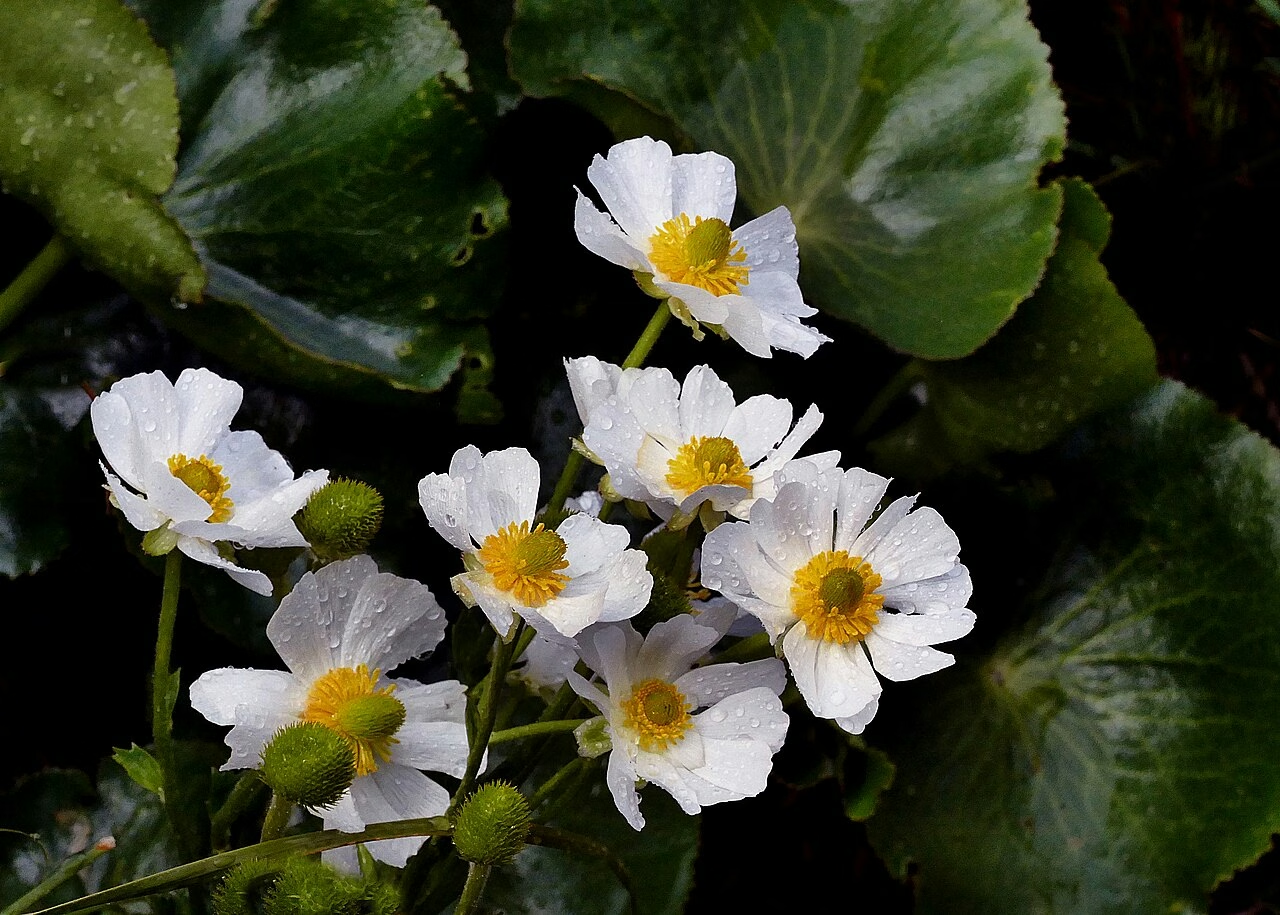
Mount Egmont Buttercup
Ranunculus nivicola
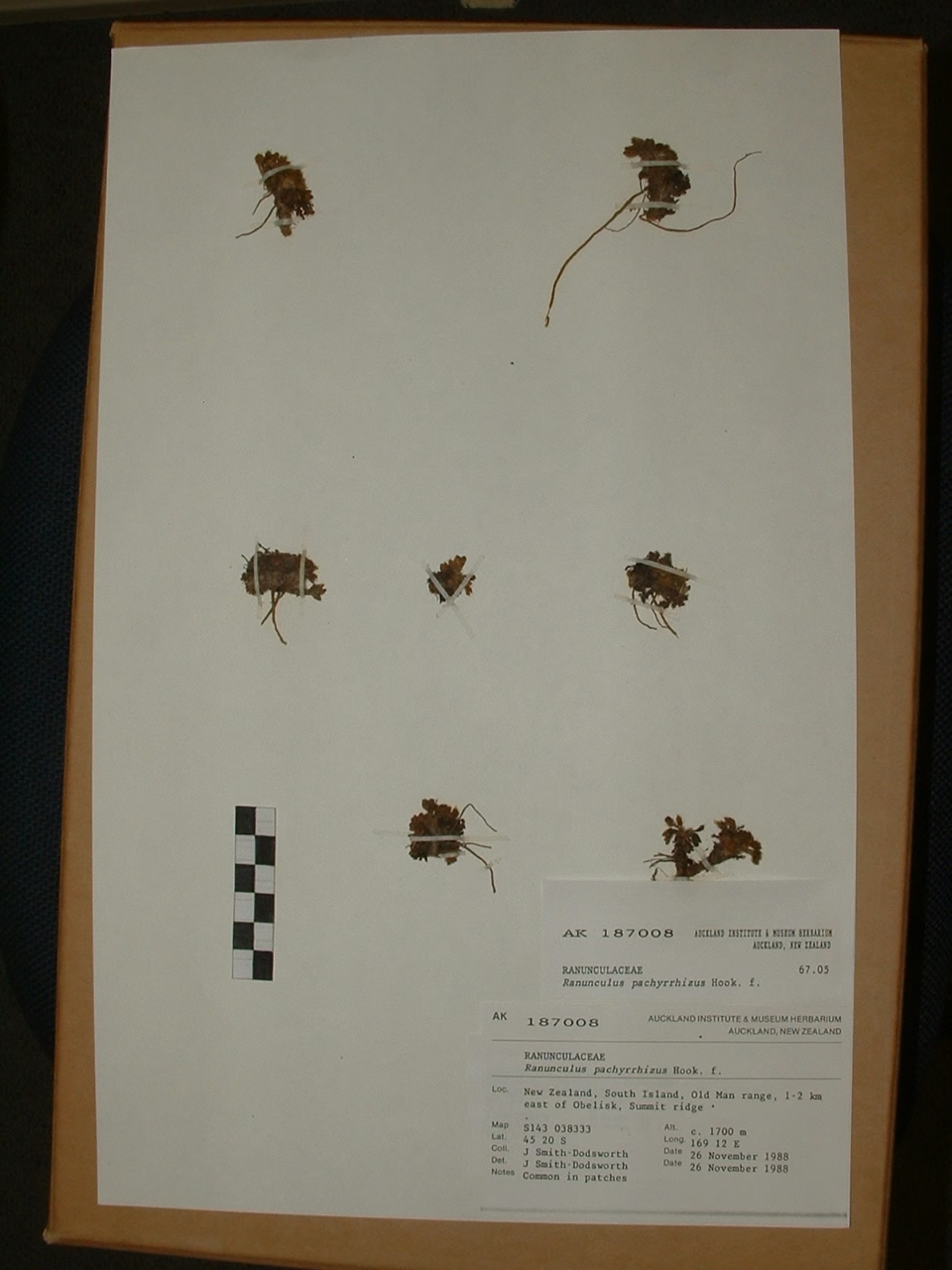
Ranunculus pachyrrhizus
Ranunculus pachyrrhizus
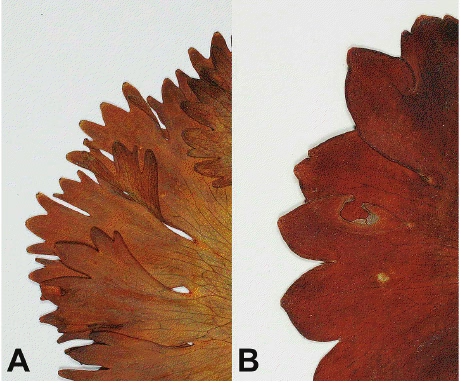
Ranunculus pilifer
Ranunculus pilifer
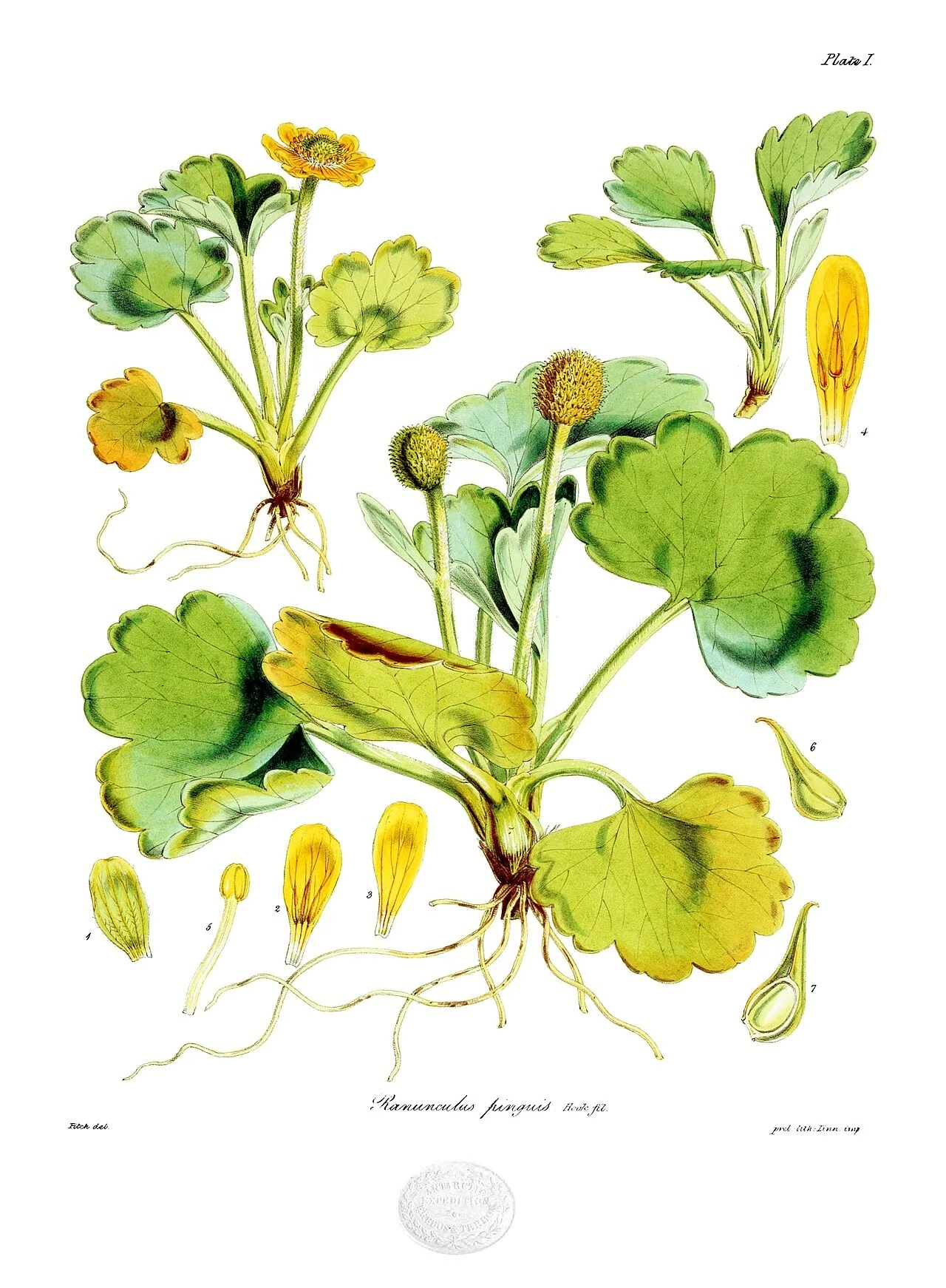
Ranunculus pinguis
Ranunculus pinguis
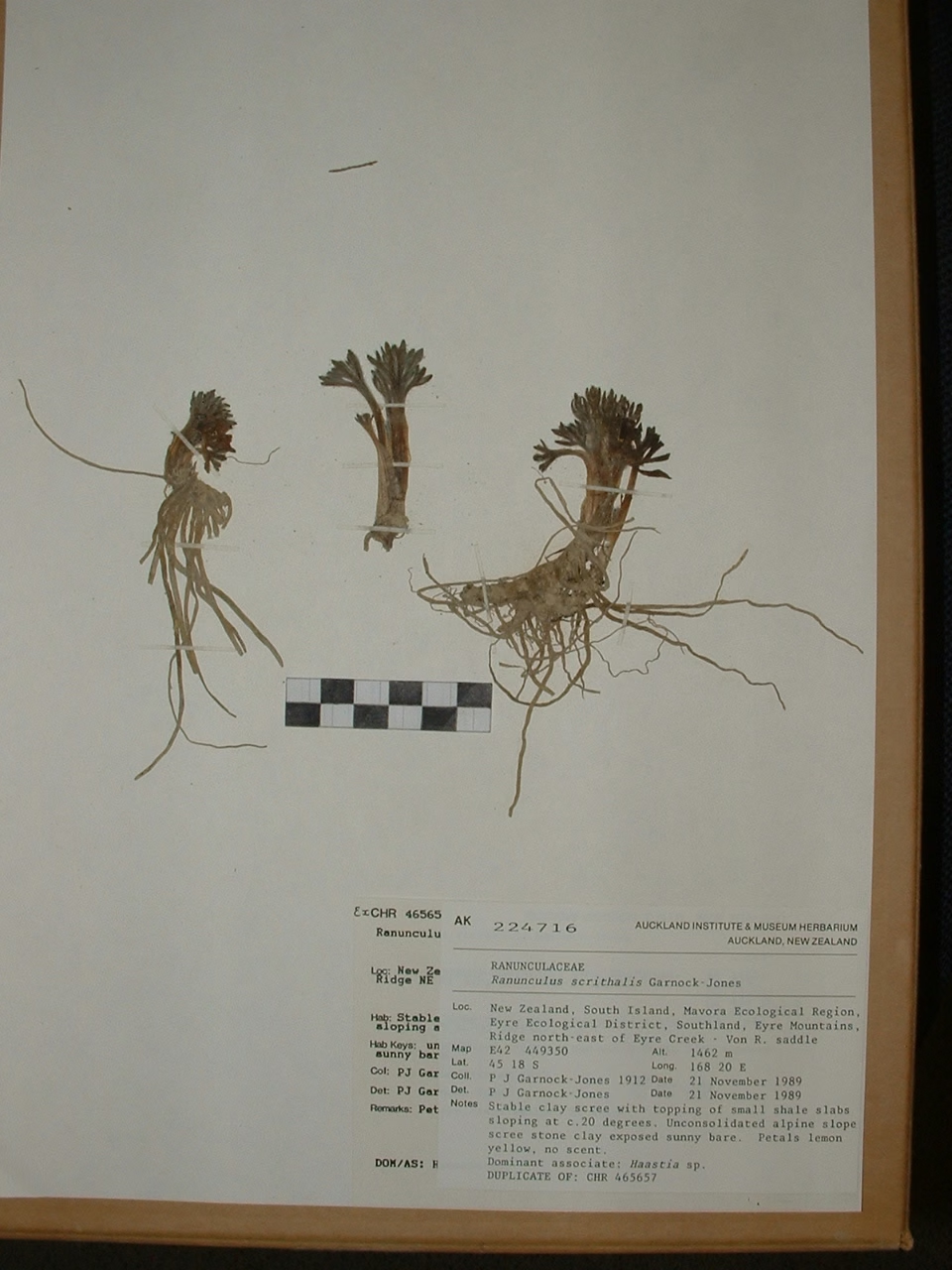
Eyre Mountains Buttercup
Ranunculus scrithalis
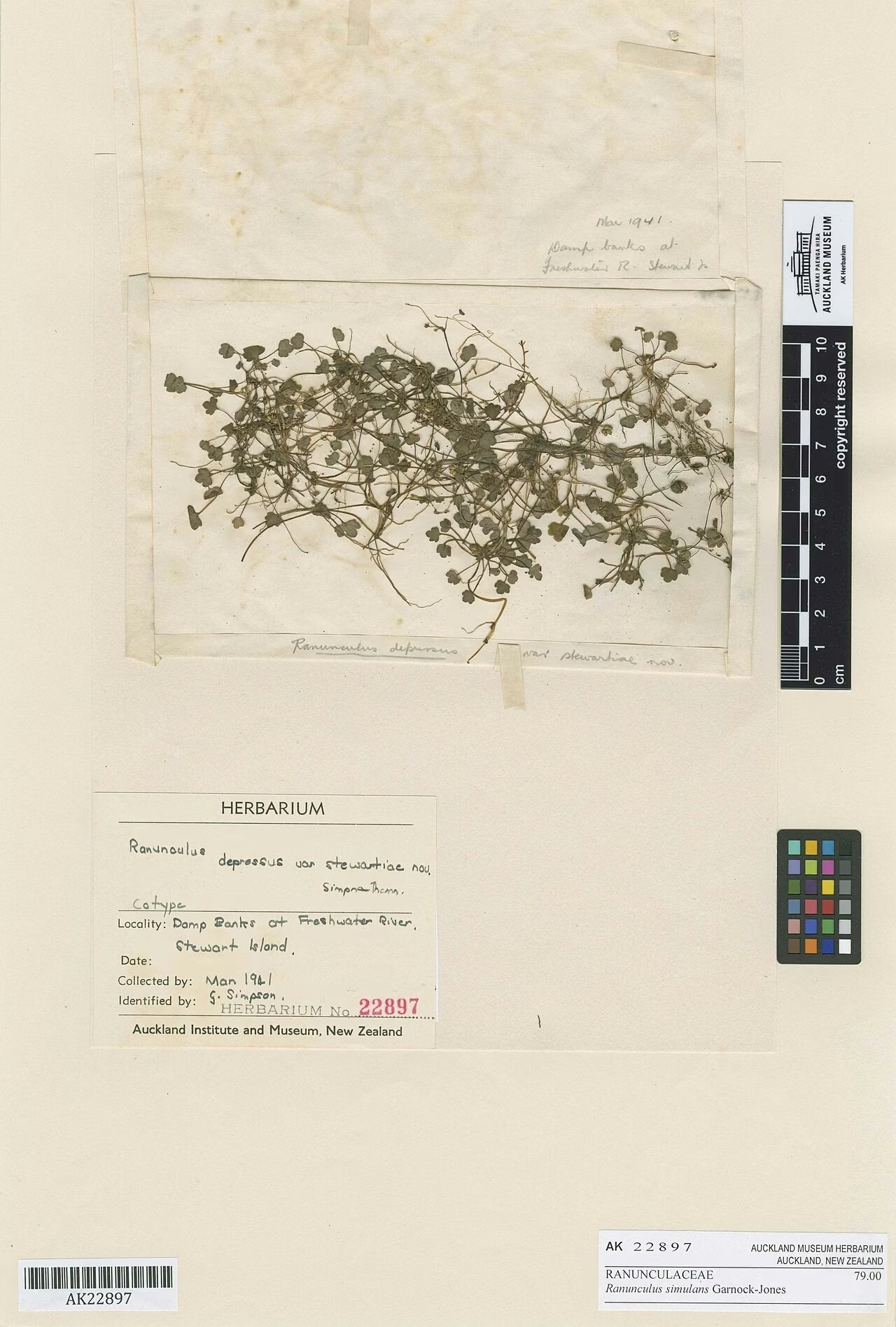
Ranunculus simulans
Ranunculus simulans
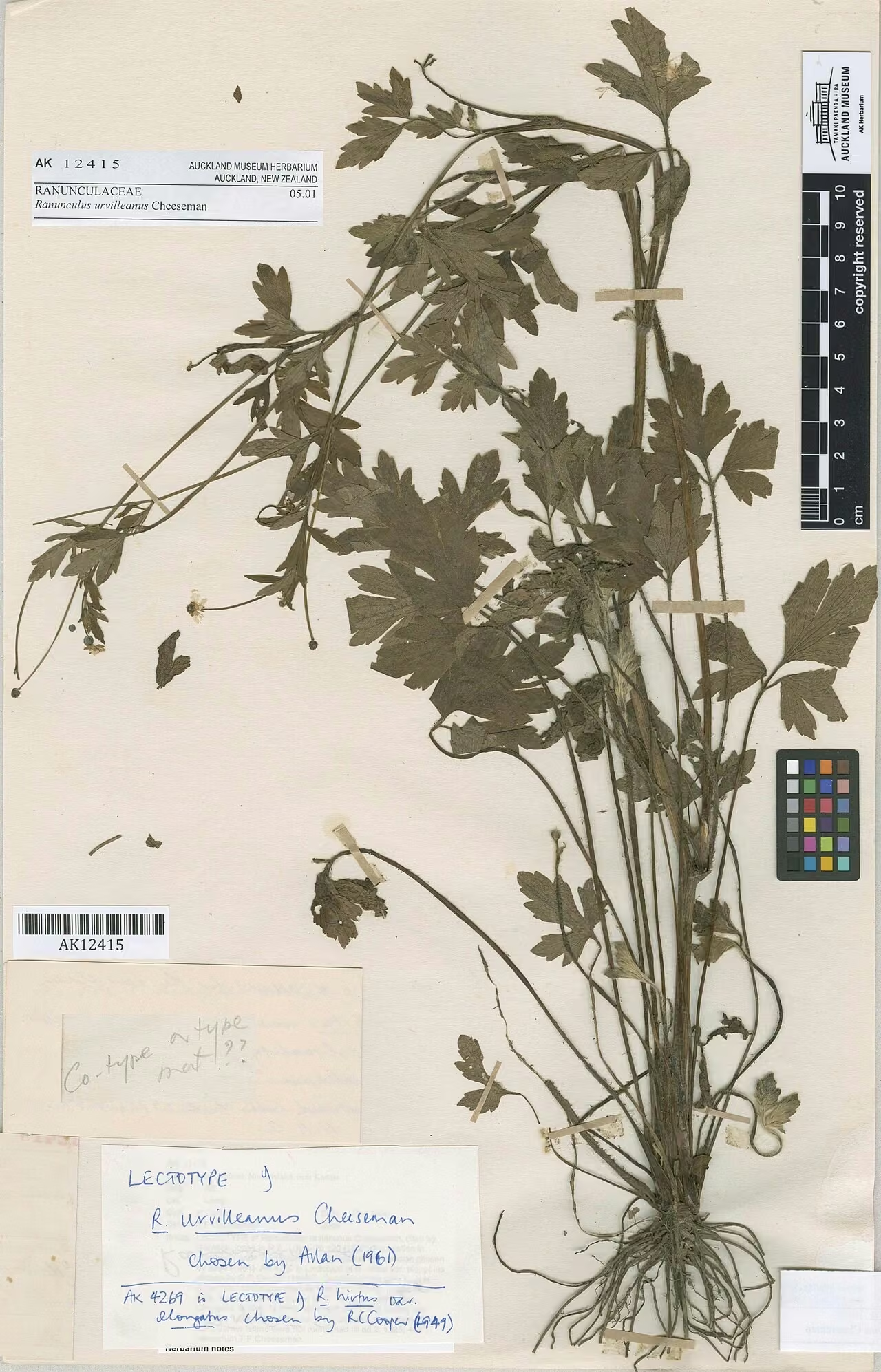
Ranunculus urvilleanus
Ranunculus urvilleanus
Raoulia buchananii
Raoulia buchananii
Plant Conservation
Ranunculus recens is ranked Threatened - Nationally Vulnerable (NZTCS 2023) with qualifiers Sp (sparse), CD (conservation dependent), DPT (data poor trend) and RR (range restricted). The Otago regional assessment (2025) ranks it Regionally Critical.
NZPCN identifies weeds and trampling by stock and people as the main threats. Fencing seepage turfs from stock, controlling weeds and growing plants for reintroduction all help.
Frequently Asked Questions
Where does Ranunculus recens grow?
It occurs at scattered coastal sites in south Taranaki, north-west Nelson, Otago and around Foveaux Strait, locally at Mason Bay on Stewart Island/Rakiura, and at one alpine site near Moawhango in the central North Island.
How do you identify Ranunculus recens?
Look for tiny flat rosettes in coastal seepage turf, with three-lobed leaves often blotched dark brown, single yellow five-petalled flowers 8 to 10 mm wide and brick-red seeds with dark tips.
Is Ranunculus recens easy to grow?
Yes. NZPCN says it is easy from fresh seed and remarkably tolerant of most soils and light levels as long as it is kept well watered, although it can suffer powdery mildew in humid climates.
What threatens Ranunculus recens?
NZPCN identifies weeds and physical damage from trampling by stock and people as the main threats to its small coastal turf habitats.
Sources and Further Reading
The botanical, growing, and conservation details for Buttercup (Ranunculus recens) on this page draw on the New Zealand plant references below. Consult them for full technical records and the latest distribution data.