Damnamenia
Damnamenia vernicosa
Last updated:
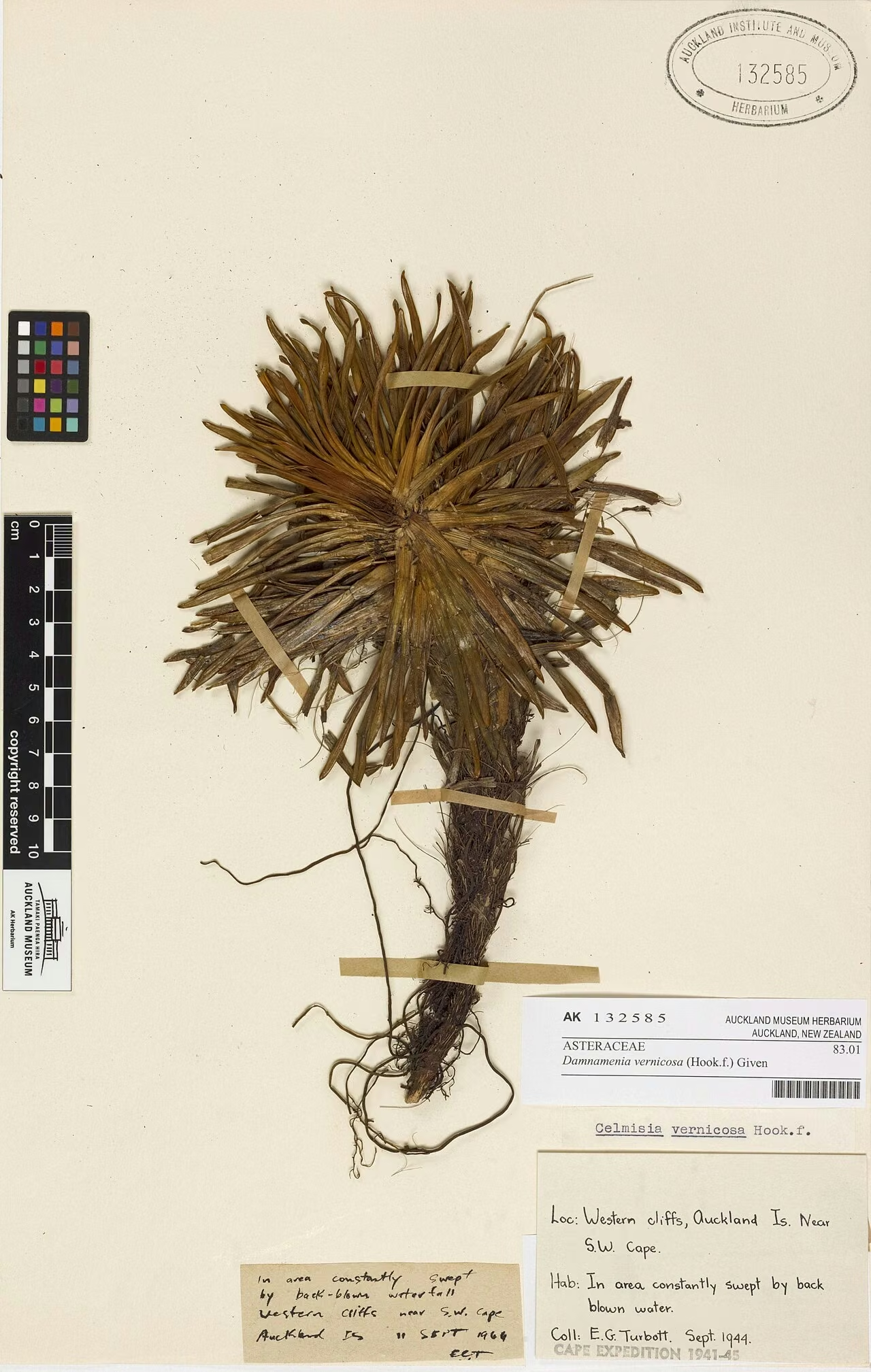
Damnamenia (Damnamenia vernicosa) is a small subantarctic daisy found only on the Auckland Islands and Campbell Island/Motu Ihupuku. It forms flat rosettes 4 to 10 cm across of stiff, glossy leaves that look freshly varnished, spreading by leafy runners from a woody base. From November to January it produces daisies 25 to 40 mm across with white rays, sometimes tipped rose, around a purple or occasionally yellow centre. It is the only species in its genus, which is endemic to New Zealand, and is ranked At Risk - Naturally Uncommon because of its tiny range, although it is abundant there. Explore more native flowering plants in our native plant guide.
Plant Description
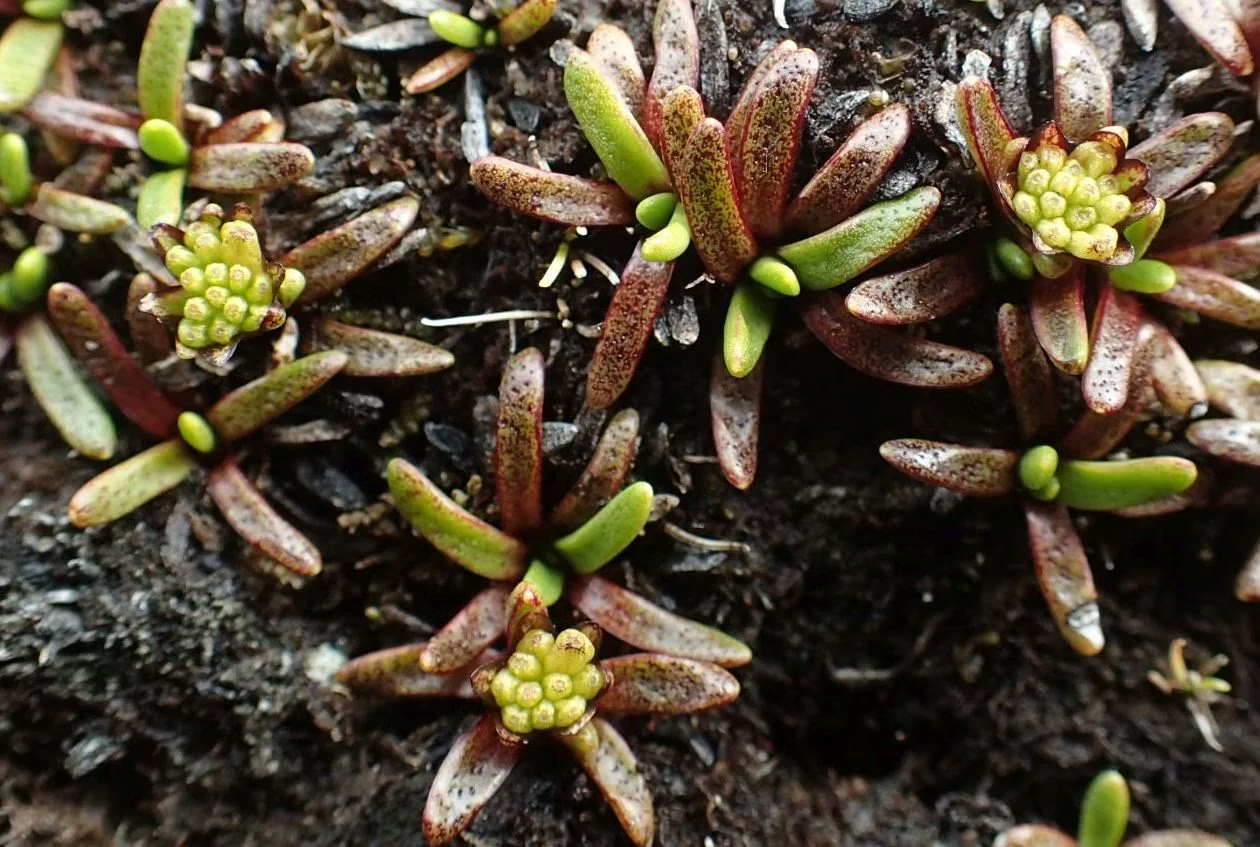
Damnamenia vernicosa is a small perennial herb with a thick, woody, many-headed basal stock and leafy runners (stolons) that produce new rosettes. The rosettes are 4 to 10 cm across and usually pressed flat to the ground, made of densely overlapping, radiating leaves.
Each leaf blade is hard, stiff and leathery, roughly 2 to 5 cm (occasionally 10 cm) long and 2 to 4 mm wide, hairless and glossy as if varnished. The margins are thickened and strongly rolled under, and the ribbed leaf sheath is up to 10 by 6 mm. Single flower heads sit on rigid, bracted stems up to about 10 cm long, sometimes lengthening to about 25 cm. The heads are 25 to 40 mm across, with white ray florets up to about 15 mm long, occasionally pale rose near the tips, and purple, rarely yellow, disc florets.
The seeds (cypselae) are about 3 mm long, densely covered in white hairs and topped with a pappus of feathery bristles up to about 5 mm long. On the Auckland and Campbell Islands nothing else looks quite like it: the varnished, narrow-leaved rosettes and purple-eyed white daisies separate it from the large-leaved Pleurophyllum megaherbs among which it often grows.
Quick Facts
| Scientific Name | Damnamenia vernicosa |
|---|---|
| Height | Rosettes flat to the ground; flower stems up to 0.1-0.25 m |
| Spread | Rosettes 4-10 cm; forms mats via runners |
| Water Needs | Constantly moist to wet |
| Light | Full sun to light, open sites |
| Frost Tolerance | High; subantarctic climate |
| Salt Tolerance | Moderate; grows from near sea level in exposed places |
| Growth Rate | Slow |
| Lifespan | Long-lived perennial |
Climate Best Suited to
A plant of the cold, wet, windy and cloudy subantarctic climate, with cool summers and frequent rain and frost; it is not adapted to warm mainland conditions.
Regional Suitability
| City | Climate Suitability |
|---|---|
| Auckland | Low |
| Wellington | Low |
| Christchurch | Low |
| Dunedin | Low |
Plant Habitat
Damnamenia is endemic to New Zealand's subantarctic Auckland Islands and Campbell Island/Motu Ihupuku. It grows from near sea level up into the uplands.
Its main habitats are upland cushion bogs and herbfield meadows dominated by Pleurophyllum, but it also occurs at low elevations in exposed, inhospitable, sparsely vegetated sites, as well as grassland and rocky places. Upland plants are less luxuriant than lowland ones and show more variation in ray-floret colour.
Growing Requirements
Soil Requirements
It grows in peaty, waterlogged bog soils and thin soils over rock in its island habitats.
- Wet, acidic peat in cushion bogs
- Thin mineral soil in rocky, exposed sites
- Low nutrient conditions
Light Requirements
It occupies open, treeless herbfield and bog, under often cloudy skies.
- Open sites without overhead cover
- Persistent cloud and low light intensity
- Exposure to strong wind
Water Requirements
Rain falls on most days in its subantarctic habitat, and bog soils stay saturated.
- Continuously moist to wet
- Never subject to prolonged drought in the wild
Planting and Establishing
Damnamenia is not available commercially, and NZPCN states it is difficult to grow and should not be removed from the wild. Landing on the Auckland and Campbell Islands requires a permit from the Department of Conservation, so there is no legitimate source of material for home gardens.
Anyone wishing to see the plant can do so on organised, permitted visits to the subantarctic islands, where it can be seen in herbfields and bogs during the November to January flowering season.
Ecological Role
Damnamenia is part of the subantarctic herbfield community alongside the megaherbs Pleurophyllum, Anisotome and Stilbocarpa. Its flat rosettes and runners help it hold ground among cushion plants in boggy uplands and on exposed, wind-swept slopes.
Its seeds carry a feathery pappus and are dispersed by wind. Flowering is from November to January and fruiting from December to March. Specific pollinators are not documented in the sources consulted.
Uses & Significance
Garden Uses
This plant has no practical garden use and is best appreciated in its native habitat.
- View on permitted subantarctic island visits
- Botanic gardens with specialist cold houses would be the only realistic setting
Ecological Value
As the sole member of an endemic genus, it represents a unique branch of New Zealand's daisy family.
- Endemic genus with a single species
- Component of World Heritage subantarctic herbfields
- Contributes to the flowering display of upland bogs
Landscaping Uses
Damnamenia is not used in landscaping. Its value lies in the wild subantarctic landscape, where its glossy rosettes and white daisies dot cushion bogs and Pleurophyllum meadows.
Gardeners wanting a similar effect on the mainland could look to Celmisia species that are grown in cool, moist alpine gardens, rather than attempting this species.
Seasonal Care Calendar
Spring
Rosettes resume growth and flower stems begin to form late in the season.
- First buds appear by November
Summer
Flowering peaks from November to January and seeds ripen from December.
- White, purple-eyed daisies open
- Feathery seed heads form
Autumn
Seeds continue to disperse on the wind until about March.
- Rosettes remain green and glossy
Winter
Plants persist as evergreen rosettes through cold, wet and windy subantarctic winters.
- Growth largely stops
When to Prune and How Much
No pruning applies. In the wild the old flower stems wither naturally after seed has been released.
If ever grown in a specialist collection, spent flower stems could be removed once seed is shed, but rosettes should not be cut.
How to Grow Damnamenia
NZPCN describes Damnamenia vernicosa as difficult to propagate, not commercially available and not to be removed from the wild. Collecting is also restricted because its islands are Nature Reserves and World Heritage Sites. The notes below describe how it reproduces naturally, with seed and runners, rather than giving a home growing method.
From Seed (Natural Reproduction)
Flower heads produce narrow, ribbed cypselae about 3 mm long, densely hairy and carrying a pappus of feathery bristles. These ripen between December and March and are carried by the strong subantarctic winds across bogs and herbfields.
Seedlings establish in open patches of peat or rocky ground where competition from taller megaherbs and tussock is limited. Germination requirements for this species have not been documented in the sources consulted.
- Seed ripens on the flower head from December.
- The feathery pappus lifts seed on the wind.
- Seedlings establish on open, moist ground.
By Runners and Offset Rosettes
The plant spreads vegetatively through leafy stolons that end in new rosettes, and the woody stock branches to produce several crowns. Over time this builds small mats of linked rosettes, which helps the plant hold its position in harsh, exposed sites. In principle rooted offsets could be separated, but no cultivation record is available and taking material from the islands is not permitted without authorisation.
- Runners extend from the parent rosette.
- New rosettes form and root at the runner tips.
- Connections may eventually break, leaving independent plants.
Pests & Diseases
No pests specific to Damnamenia are recorded in the sources consulted. In the past, introduced animals such as sheep, cattle, rabbits and pigs grazed parts of the subantarctic islands and damaged herbfields; the Department of Conservation has removed many of these introduced mammals from the islands.
Strict biosecurity rules for landing parties help keep new weeds and pests off the islands.
Cultural Significance
No Māori name or traditional use specific to this plant is recorded in the sources consulted.
Joseph Hooker described the species as Celmisia vernicosa in 1844 from collections made on the Ross expedition to the subantarctic. Botanist David Given later created the genus Damnamenia for it, naming it after Damnamenius, one of the Dactyls of Greek mythology, as a companion to Celmisia, which is named for another Dactyl, Celmis.
Bonus Tip
If you visit the Auckland or Campbell Islands on a permitted trip, look closely among the large Pleurophyllum leaves in upland herbfield for small, flat, shiny rosettes; in early summer they carry white daisies with dark purple centres that make Damnamenia easy to pick out.
Related Plants
Explore other native plants that share similar characteristics or habitats with Damnamenia (Damnamenia vernicosa), offering further insights into New Zealand's diverse flora. These related species provide context and opportunities for complementary planting in your garden.
Milne's Tree Fern
Alsophila milnei
Cyrtostylis oblonga
Cyrtostylis oblonga
Cyrtostylis rotundifolia
Cyrtostylis rotundifolia
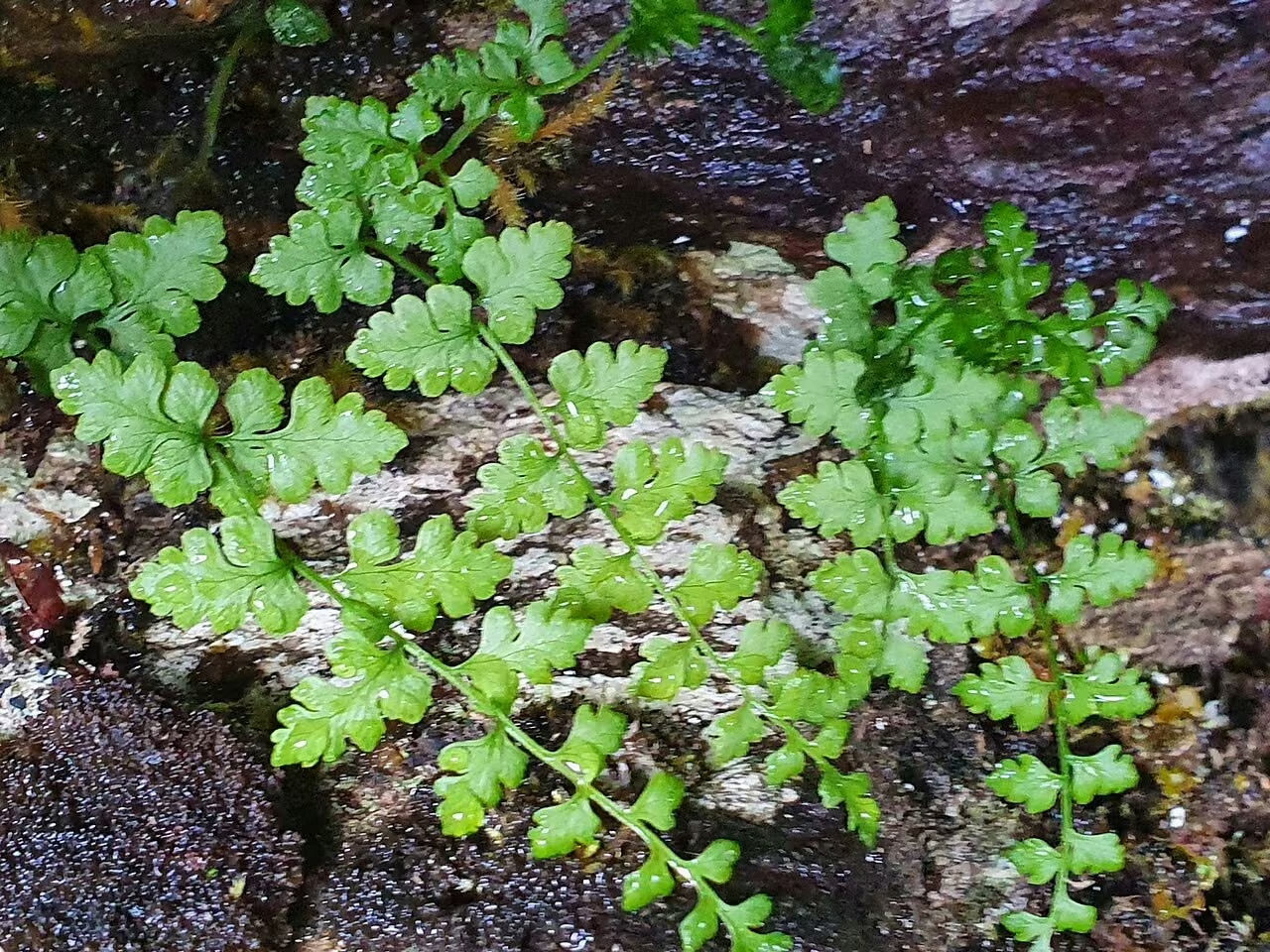
Cystopteris tasmanica
Cystopteris tasmanica
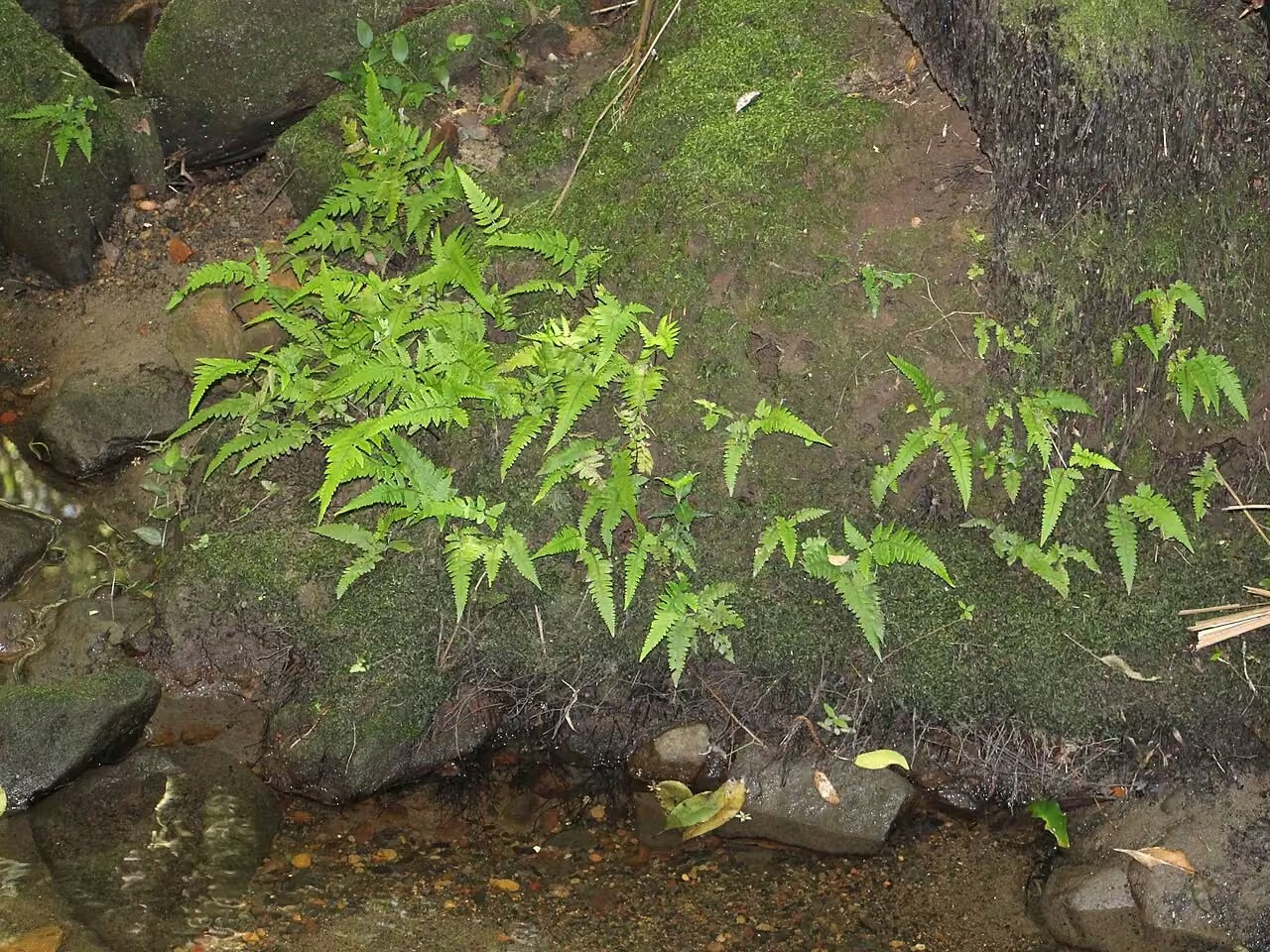
Deparia petersenii subsp. congrua
Deparia petersenii subsp. congrua
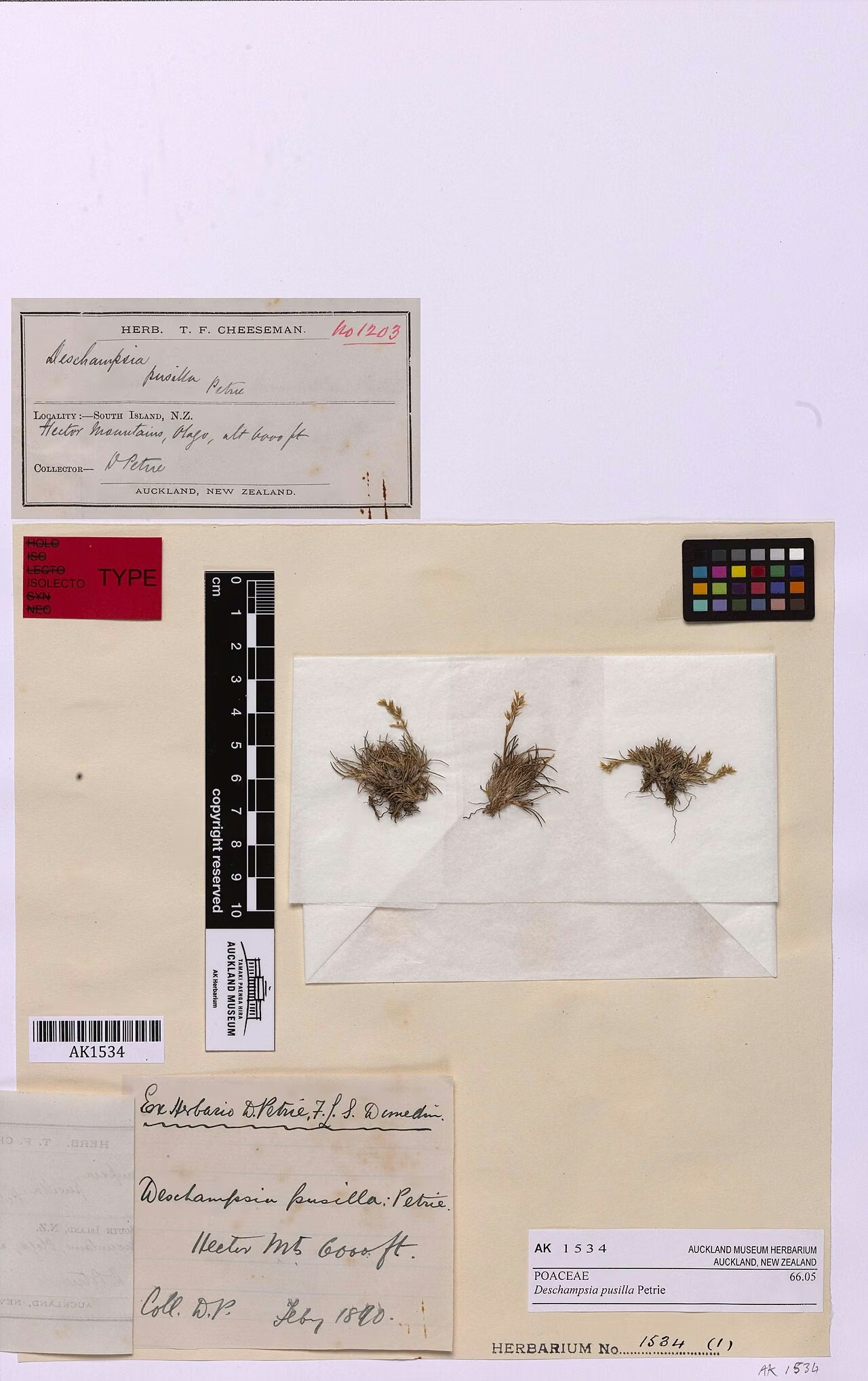
Deschampsia pusilla
Deschampsia pusilla
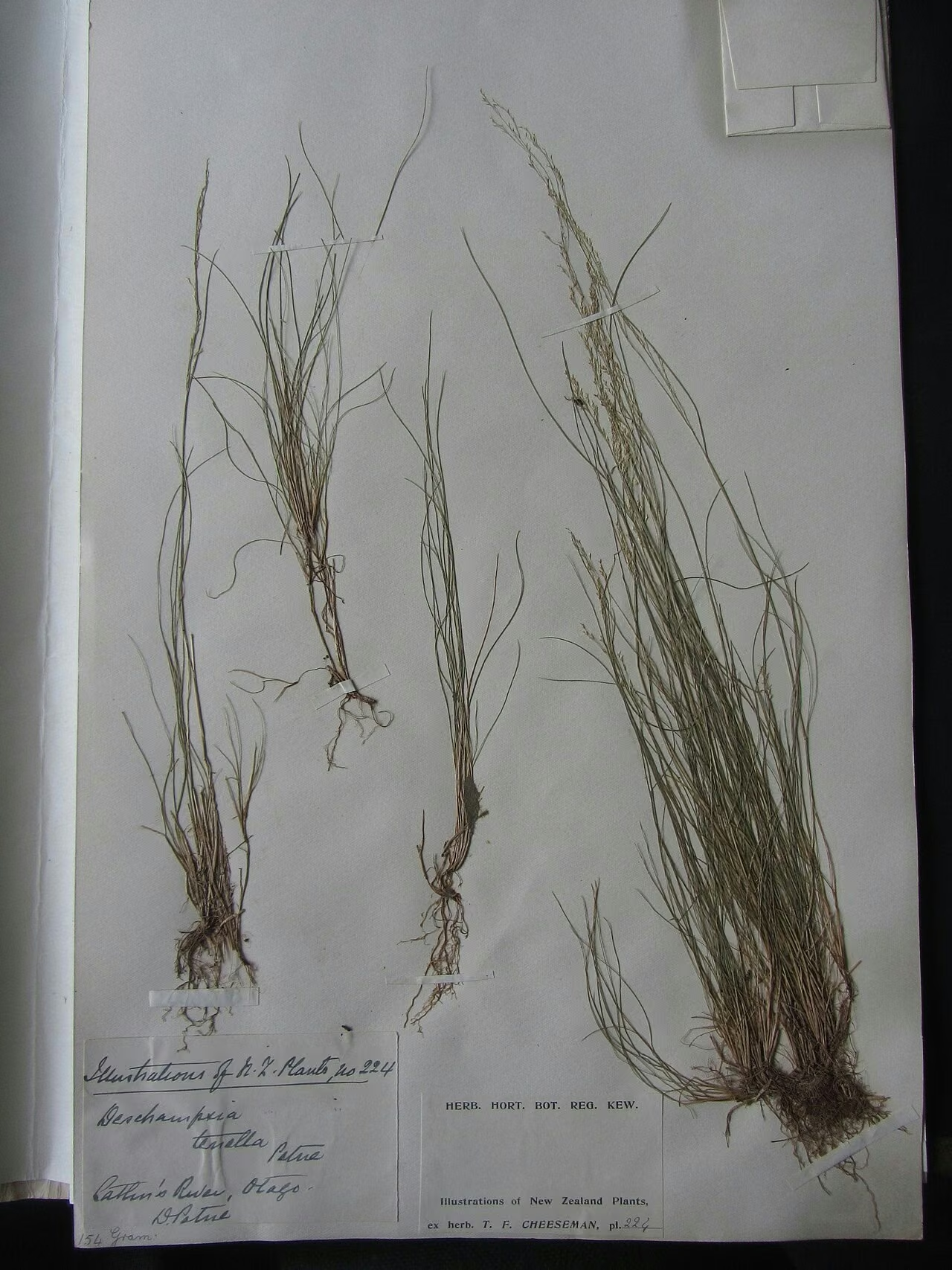
Deschampsia tenella
Deschampsia tenella
Cushion Daisy
Cushion Daisy
Plant Conservation
Damnamenia vernicosa is ranked At Risk - Naturally Uncommon (2023) with the qualifier RR (range restricted). NZPCN describes it as a range-restricted endemic that is abundant and under no obvious threats within its known sites.
Both the Auckland Islands and Campbell Island are Nature Reserves and part of the New Zealand Subantarctic Islands World Heritage Site, administered by the Department of Conservation, which strictly controls landings. Continued biosecurity and pest management are what keep its habitat secure.
Frequently Asked Questions
Why are Damnamenia leaves so shiny?
The leaves are hairless, hard and leathery with a glossy surface that looks varnished; the epithet vernicosa is Latin for varnished, describing exactly this feature.
Is Damnamenia vernicosa a Celmisia?
It was first described by Joseph Hooker in 1844 as Celmisia vernicosa, but David Given later separated it into its own endemic genus, Damnamenia, on the basis of its distinctive leaf and flower-head features.
Does Damnamenia have a common name?
No common name is well established. NZPCN simply calls it Damnamenia, and Wikipedia gives the name black-eyed daisy for its white flowers with dark purple centres.
Can I grow Damnamenia in my garden?
Not realistically. NZPCN says it is difficult to grow, should not be removed from the wild and is not commercially available, and its subantarctic islands are strictly protected nature reserves.
Sources and Further Reading
The botanical, growing, and conservation details for Damnamenia (Damnamenia vernicosa) on this page draw on the New Zealand plant references below. Consult them for full technical records and the latest distribution data.