Eyebright
Euphrasia zelandica
Last updated:
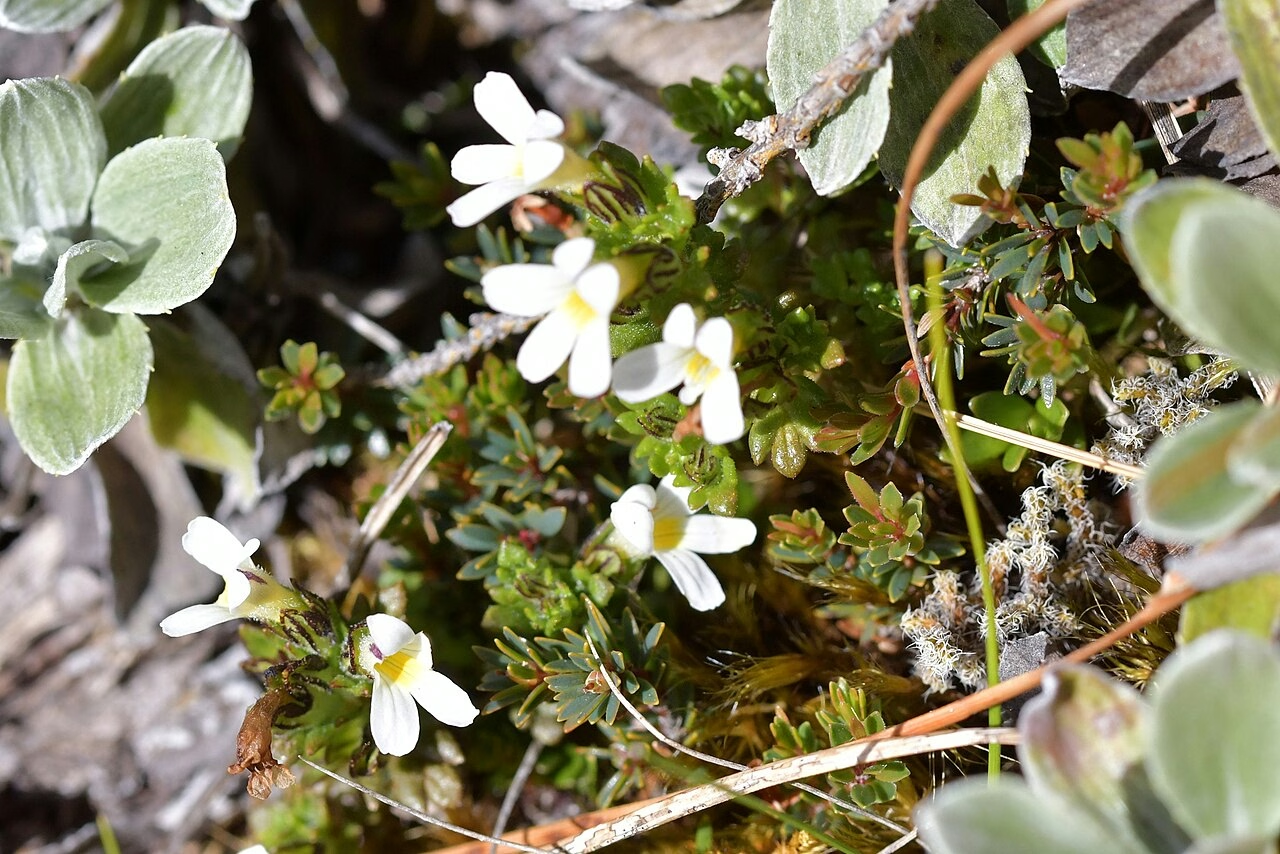
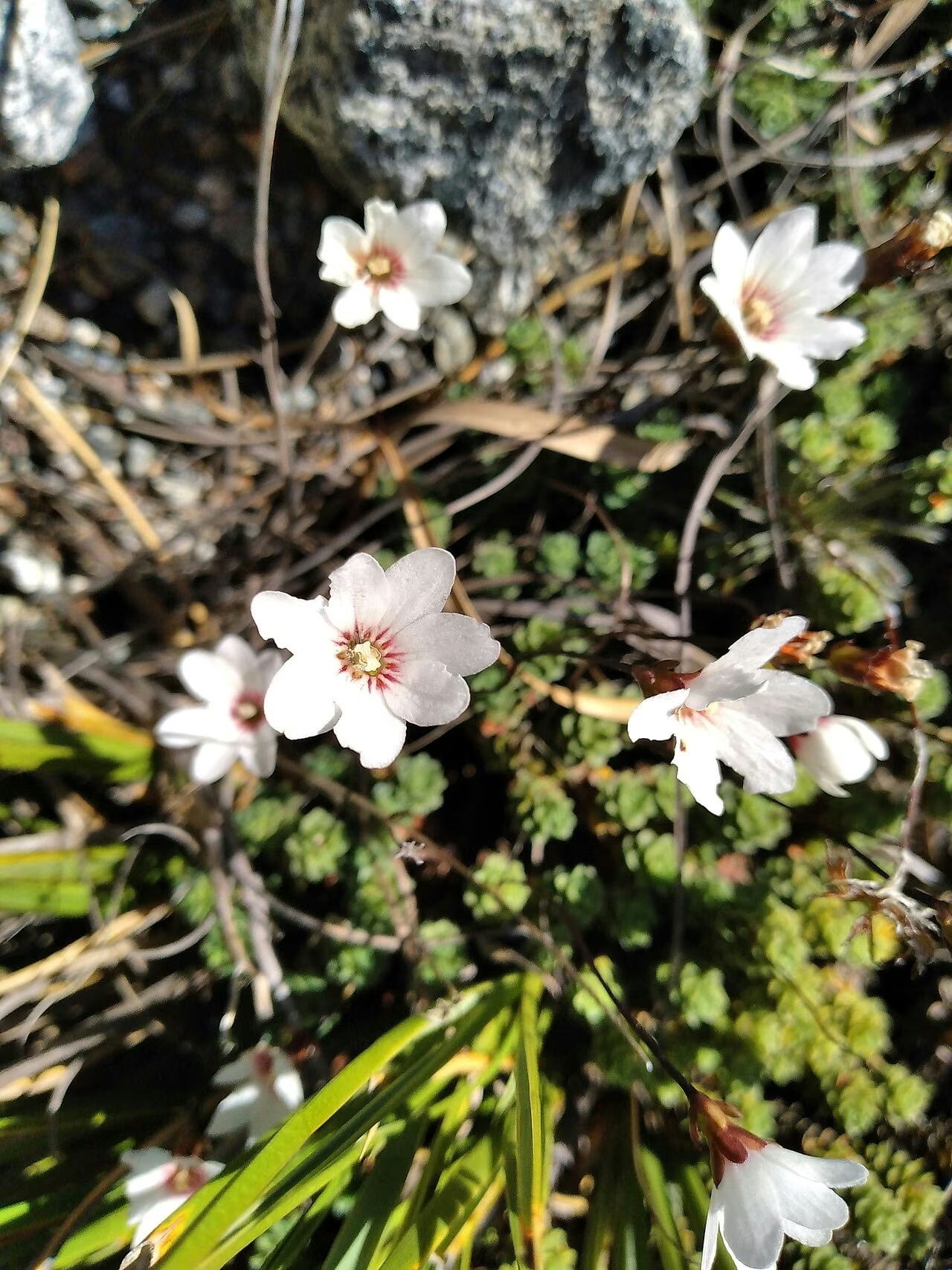
Eyebright (Euphrasia zelandica) is a tiny annual herb endemic to New Zealand, usually only 20 to 100 mm tall and sometimes flowering when less than 10 mm high. It grows in montane to subalpine open places, from boggy ground to dry sites, in the North Island and in the South Island from Mount Hikurangi southwards. Its small white flowers with yellow to golden brown anthers appear from October to April. Like other eyebrights it belongs to a genus of semi-parasitic herbs that tap the roots of neighbouring plants. It is ranked Not Threatened, but its size means it is easily overlooked in tussock and herbfield. Explore more native flowering plants in our native plant guide.
Plant Description
Euphrasia zelandica is a small annual herb in the broomrape family (Orobanchaceae). Plants stand 20 to 100 mm tall and may flower at under 10 mm. The leaves are sessile (stalkless), 4 to 9 mm long and 2 to 6 mm wide, ovate to almost round, with two to five pairs of narrow teeth along the margins. Stems and leaves carry numerous short white hairs.
The flowers are white, 6 to 10 mm long, with yellow to golden brown anthers, and are borne on short stalks among the upper leaves. After flowering the plant produces obovate capsules holding numerous small seeds. NZPCN records that the seed is dispersed by wind and possibly by water and ballistic projection from the capsule.
The closest look-alike is Euphrasia australis. E. zelandica is generally smaller (up to 100 mm rather than 200 mm), has shorter flower pedicels (up to about 4 mm against up to 10 mm), and has many short white hairs rather than sparse longer glandular hairs. Other New Zealand eyebrights, such as the larger perennial E. cuneata, are bigger, woodier plants.
Quick Facts
| Scientific Name | Euphrasia zelandica |
|---|---|
| Height | 0.02-0.1 m |
| Spread | A few centimetres; single small plants |
| Water Needs | Moist to dry; grows in boggy and dry open sites |
| Light | Full sun in open places |
| Frost Tolerance | High; montane to subalpine |
| Salt Tolerance | No information available; an inland mountain plant |
| Growth Rate | Fast; completes its life in one season |
| Lifespan | Annual |
Climate Best Suited to
Eyebright suits cool montane and subalpine climates with cold winters, frequent frost and moist growing seasons. It is not suited to warm lowland conditions.
Regional Suitability
| City | Climate Suitability |
|---|---|
| Auckland | Low |
| Wellington | Low |
| Christchurch | Low |
| Dunedin | Medium |
Plant Habitat
Euphrasia zelandica is endemic to New Zealand. NZPCN gives its range as the North Island and the South Island from Mount Hikurangi southwards, a broad distribution through the mountain chains of both main islands.
It grows in montane to subalpine boggy to dry open places, such as short tussock grassland, herbfield, damp turf and gravelly ground where taller plants leave gaps. Its wetland indicator rating is Facultative, meaning it occurs in both wetland and non-wetland settings.
Growing Requirements
Soil Requirements
In the wild it grows in thin mountain soils, from peaty bog margins to drier stony ground, always where the vegetation is short and open.
- Low-fertility mountain soils
- Tolerates both damp peaty and drier gravelly ground
- Needs open ground free of dense, tall competition
Light Requirements
This is a plant of open, sunny places. Shading by taller grasses or shrubs would quickly suppress such a small annual.
- Full sun
- Open, short vegetation
Water Requirements
It occurs across a moisture range from boggy to dry sites, but as a shallow-rooted annual it relies on reliable moisture while it grows and flowers through spring and summer.
- Moist through the growing season
- Survives dry summer spells as seed
Planting and Establishing
Euphrasia zelandica is not a nursery plant and there is no established horticultural practice for it. Because Euphrasia species are semi-parasitic, plants that are moved on their own usually fail; any attempt to grow it should begin from seed sown among short host grasses rather than by transplanting.
It is best appreciated in the wild. Wild plants should not be dug up, both because transplanting rarely works for this genus and because removing annual plants before they seed reduces the next generation.
Ecological Role
Eyebrights are hemiparasites: they have green leaves and make their own sugars, but they also connect to the roots of neighbouring plants and draw water and nutrients from them. In open montane turf this lets a tiny annual compete with perennial grasses and herbs.
The specific insect visitors of E. zelandica are not documented in the sources consulted. Its numerous small seeds are dispersed by wind and possibly by water and ballistic release from the capsule, which suits a species that relies on recolonising open patches each year.
Uses & Significance
Garden Uses
This is not a practical garden plant. It is tiny, annual and semi-parasitic, and no reliable method for growing it in cultivation is recorded.
- Possible only for specialist alpine growers experimenting with seed and host grasses
- Better appreciated on mountain walks than in the garden
Ecological Value
As a component of montane and subalpine turf it adds to the diversity of New Zealand's short-statured mountain vegetation and occupies gaps between tussocks and herbs.
- Part of the endemic eyebright group of New Zealand's mountains
- Colonises open patches in short vegetation
- Hemiparasitism may reduce the vigour of dominant grasses around it
Landscaping Uses
Eyebright has no realistic landscaping role. For an alpine trough or rock garden, nursery-grown perennials such as native gentians, Raoulia or Celmisia are far more reliable.
Where restoration of montane turf is under way, the best approach for species like E. zelandica is to protect existing populations from heavy trampling and invasive weeds, and allow natural seeding to continue.
Seasonal Care Calendar
Spring
Seedlings emerge and grow quickly, and the first flowers can appear in October.
- Germination and rapid growth
- Flowering begins in October
Summer
Plants are in full flower through summer, with white flowers held among the toothed upper leaves.
- Main flowering period
- Capsules start to form
Autumn
Capsules ripen from February to April and release seed while the last flowers fade.
- Seed ripens and disperses
- Flowering ends in April
Winter
As an annual, the plants die after seeding. The species survives winter as seed in the soil.
- Present only as seed
- Snow and frost cover the sites
When to Prune and How Much
No pruning is needed or possible in any useful sense. Eyebright is an annual that completes its life cycle in a single season.
If you are watching a wild population, leave the dying plants in place in autumn so that their capsules can finish shedding seed.
How to Grow Eyebright
No propagation notes specific to Euphrasia zelandica are given by NZPCN, and it is not commercially available. Because it is an annual, seed is the only practical method. The key difficulty with any eyebright is its semi-parasitic habit: seedlings need to attach to the roots of a suitable host plant to grow well, so they are unlikely to thrive alone in a pot. Only collect seed with landowner permission and in small amounts, as an annual population depends on each year's seed.
From Seed
Collect ripe capsules between February and April, when they are dry and beginning to split. The seeds are numerous and very small. Because the plant comes from cold montane and subalpine habitats, a period of cold, moist conditions over winter is likely to help germination, so sowing outdoors in autumn and letting winter do the work is the simplest approach.
Sow onto the surface of a pot or tray that already holds an established, short native grass such as a small tussock or fine turf, so that seedlings have a host within reach. Expect variable results; eyebrights are notoriously difficult to establish in cultivation.
- Collect dry capsules in late summer or autumn and keep them in a paper envelope.
- Prepare a pot of gritty, low-fertility mix with a short native grass already growing in it.
- Scatter the fine seed thinly over the surface and do not bury it deeply.
- Leave the pot outdoors over winter where it will receive frost and moisture.
- Keep the mix damp but not waterlogged when seedlings appear in spring.
- Allow plants to flower and set seed in the pot to keep the population going.
Pests & Diseases
No specific pests or diseases are recorded for Euphrasia zelandica. In the wild, the main pressures on small mountain annuals are grazing, trampling and invasion by taller exotic grasses and weeds that close up the open ground it needs.
In cultivation, small annual seedlings are vulnerable to slugs and snails and to damping off in overly wet, still conditions.
Cultural Significance
No traditional Māori name or use specific to Euphrasia zelandica is recorded in the sources consulted.
The genus name Euphrasia comes from Greek and is usually linked to good cheer; NZPCN gives the etymology as 'eye-medicine', reflecting the long European herbal use of the northern hemisphere eyebright for eye complaints. That use relates to European species, not to this New Zealand endemic.
Bonus Tip
If you are trying to identify an eyebright on a mountain track, check the height and the hairs with a hand lens: a plant under 10 cm with many short white hairs and short flower stalks points to E. zelandica, while a taller plant with sparse glandular hairs and longer stalks suggests E. australis.
Related Plants
Explore other native plants that share similar characteristics or habitats with Eyebright (Euphrasia zelandica), offering further insights into New Zealand's diverse flora. These related species provide context and opportunities for complementary planting in your garden.
Creeping Eyebright
Euphrasia dyeri
Euphrasia integrifolia
Euphrasia integrifolia
Euphrasia repens
Euphrasia repens
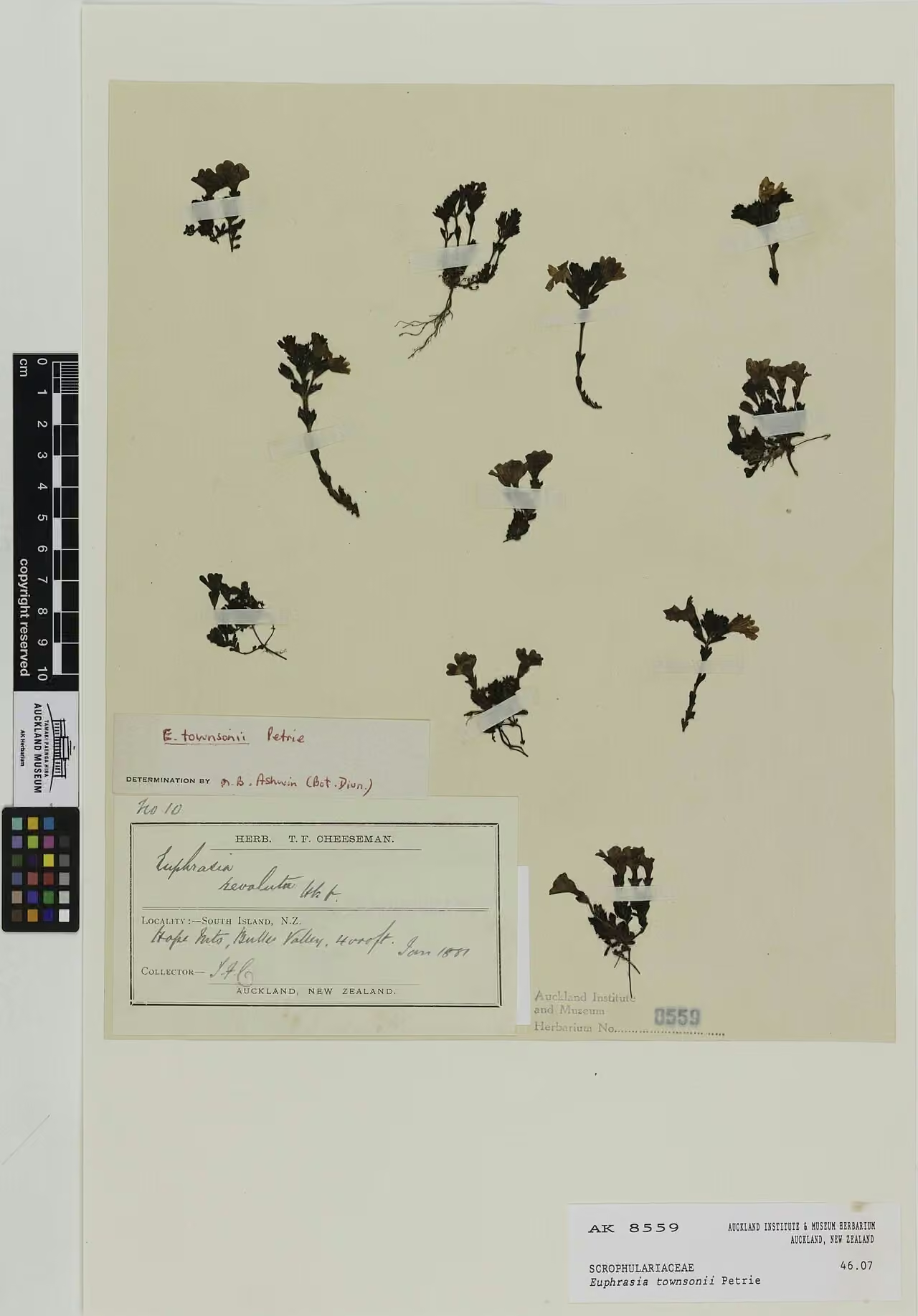
Euphrasia townsonii
Euphrasia townsonii
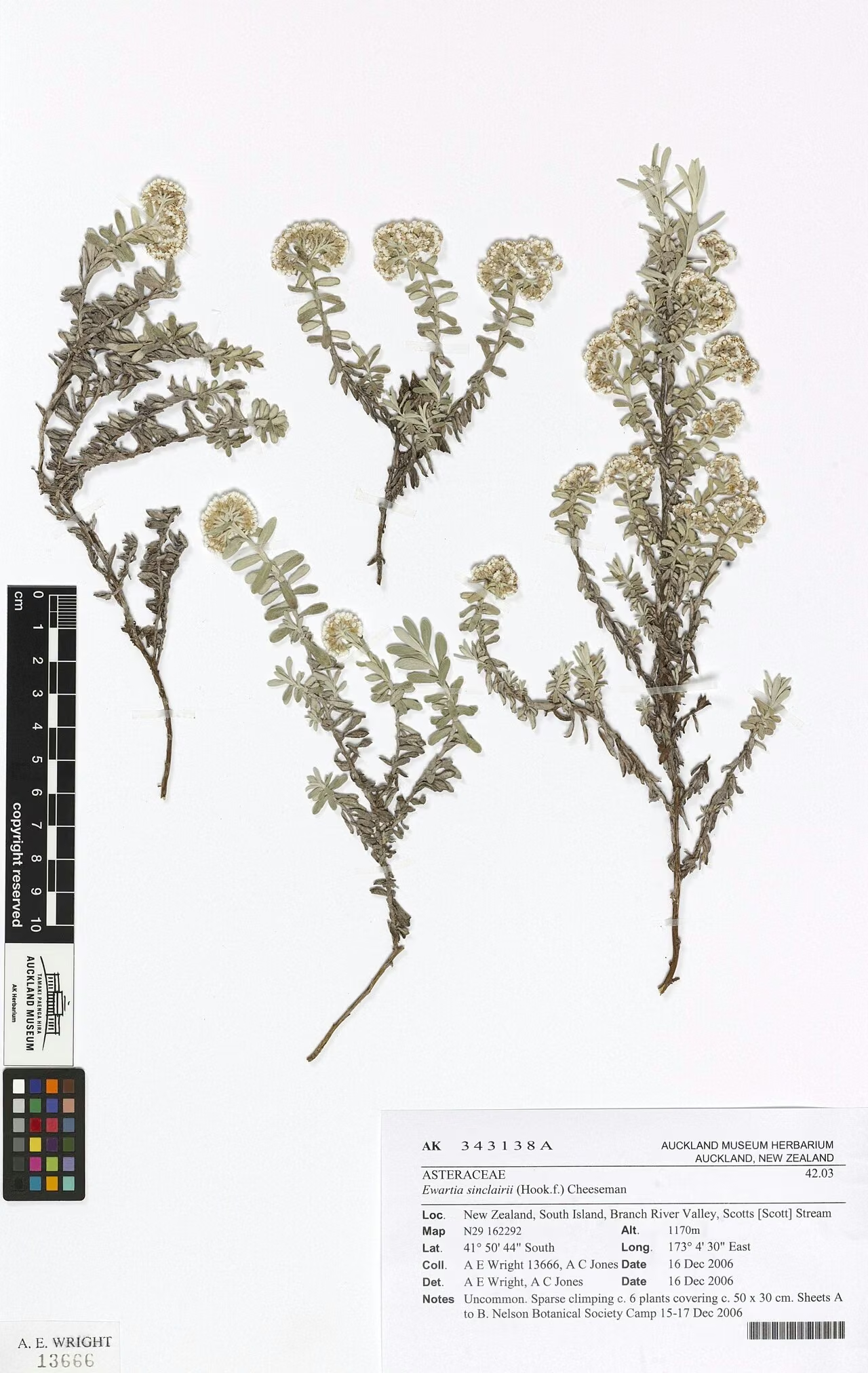
Ewartia
Ewartiothamnus sinclairii
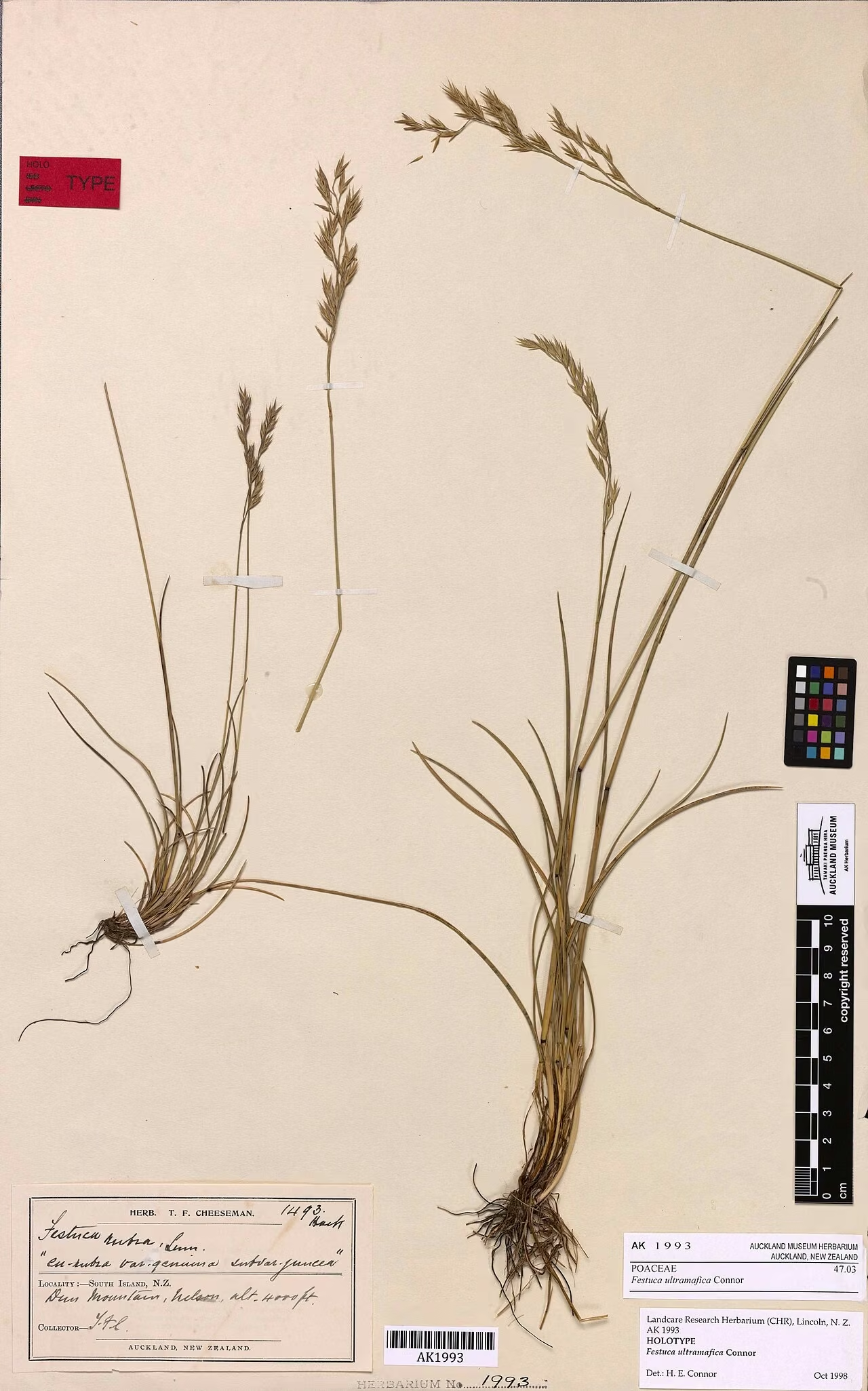
Serpentinite Fescue
Festuca ultramafica
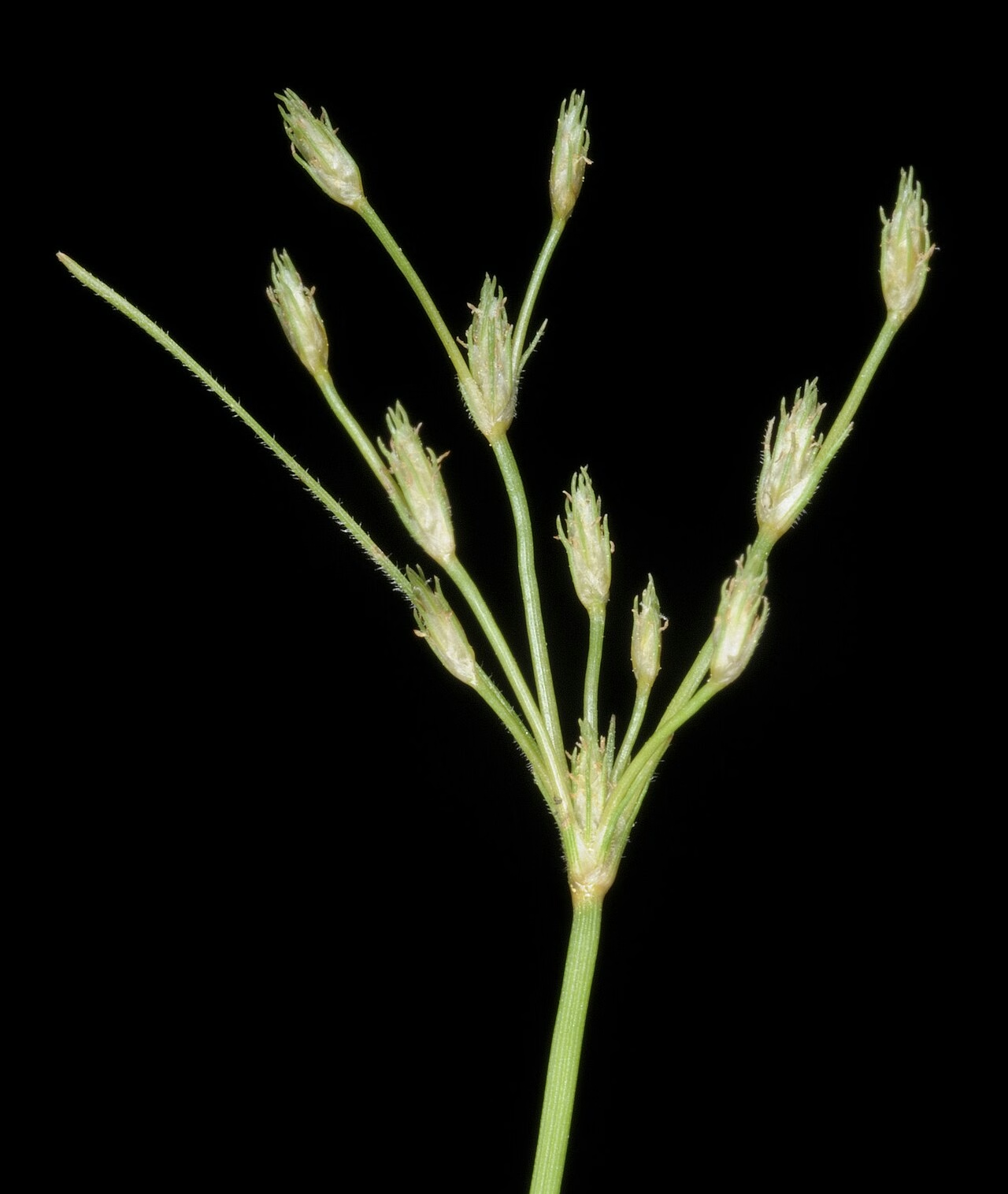
Fimbristylis velata
Fimbristylis velata
Forstera sedifolia
Forstera sedifolia
Plant Conservation
Euphrasia zelandica is ranked Not Threatened in the 2023 New Zealand Threat Classification System assessment. It has a wide range through the mountains of both main islands.
As with other small herbs of montane turf, it benefits from protection of short native grasslands and herbfields from weed invasion, overgrazing and heavy trampling at popular sites.
Frequently Asked Questions
How big does Euphrasia zelandica grow?
It is a very small annual, normally 20 to 100 mm tall, and NZPCN notes it can flower when it is less than 10 mm high.
How do you tell Euphrasia zelandica from Euphrasia australis?
NZPCN says E. zelandica is generally smaller (to 100 mm rather than 200 mm), has shorter flower stalks, and carries many short white hairs instead of sparse, longer glandular hairs.
When does New Zealand eyebright flower?
Euphrasia zelandica flowers from October to April, with seed capsules maturing from February to April.
Is Euphrasia zelandica a parasite?
Euphrasia species are semi-parasitic herbs that photosynthesise but also attach to the roots of nearby plants. Specific host plants for E. zelandica have not been documented in the sources consulted.
Sources and Further Reading
The botanical, growing, and conservation details for Eyebright (Euphrasia zelandica) on this page draw on the New Zealand plant references below. Consult them for full technical records and the latest distribution data.