Introduction
Overview
New Zealand's unique flora faces many challenges. Discover our most vulnerable native species and learn about the conservation efforts to protect them.
The causes of decline for New Zealand's native plants are varied, including habitat loss, introduced pests and weeds, climate change, and human activity. Many threatened species now survive only in small, isolated populations, making them vulnerable to local extinction events.
Conservation efforts include seed banking, habitat protection, pest control, and cultivation programs. By learning about these threatened plants and supporting conservation initiatives, we can all contribute to ensuring these botanical treasures survive for future generations to appreciate.
Understanding Conservation Status Categories
Threatened
Facing high risk of extinction in the wild, including Nationally Critical, Nationally Endangered, and Nationally Vulnerable categories.
At Risk
Not immediately threatened but could become so if population trends continue, including Declining, Recovering, Relict, and Naturally Uncommon categories.
Not Threatened
Evaluated and not found to be at risk currently.
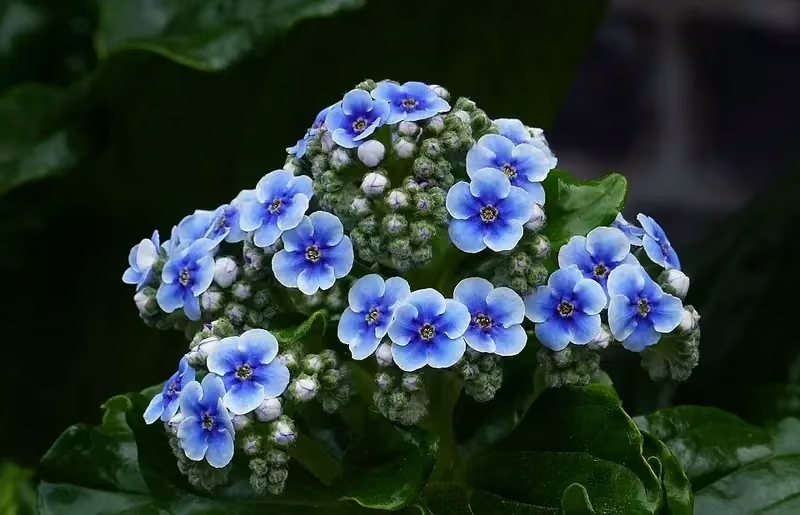
Chatham Island Forget-Me-Not
Myosotidium hortensia
Spectacular island mega-herb with giant leaves and vibrant blue flowers, threatened by habitat loss and browsing pests.
Learn more
Cheeseman's Daisy
Olearia cheesemanii
Cheeseman's Daisy is a rare streamside tree daisy with masses of white flowers, critically endangered and requiring urgent conservation efforts.
Learn more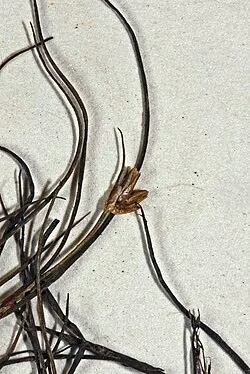
Dwarf Rush
Juncus pusillus
Diminutive native rush listed as 'At Risk - Naturally Uncommon', forming tufted patches in mountain bogs and muddy tarn margins.
Learn more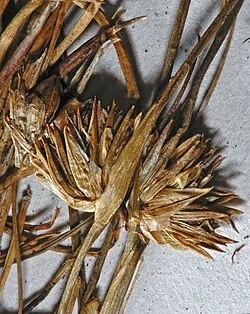
Short Rush
Juncus scheuchzerioides
Densely tufted subantarctic rush listed as 'At Risk - Naturally Uncommon', found in wet peaty turf and remote island stream margins.
Learn more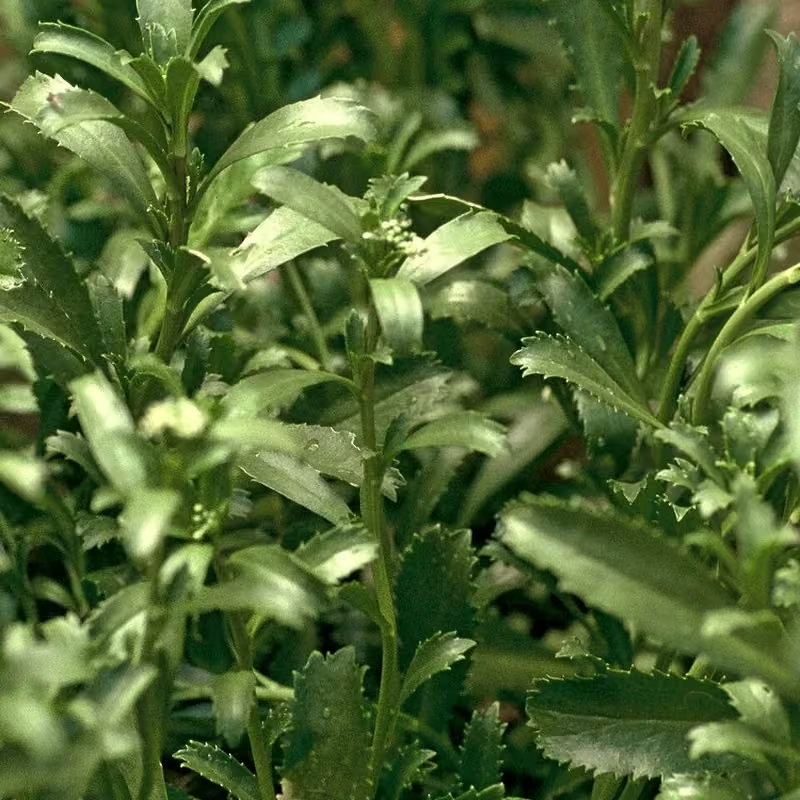
Coastal Peppercress
Lepidium banksii
Critically endangered coastal herb with fleshy leaves, historically used to combat scurvy and now functionally extinct in the wild.
Learn more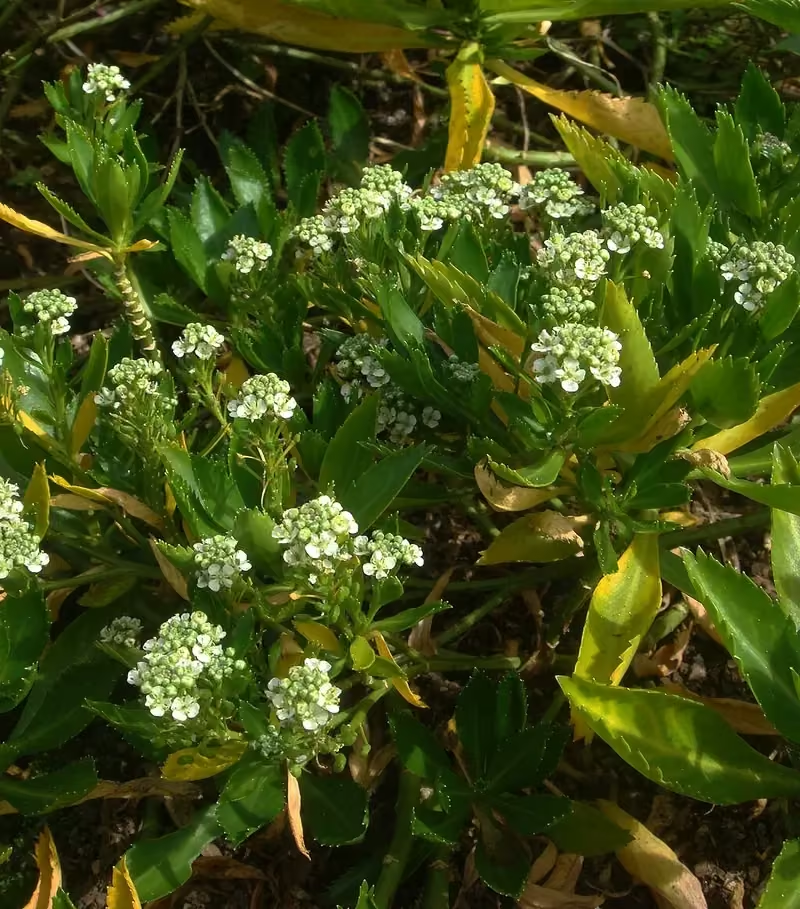
Cook's Scurvy Grass
Lepidium oleraceum
Coastal herb once valued for preventing scurvy, now threatened by habitat loss and browsing pressure.
Learn more
New Zealand Mint
Mentha cunninghamii
Fragrant native herb listed as 'At Risk - Declining' due to habitat degradation and competition from invasive weeds.
Learn more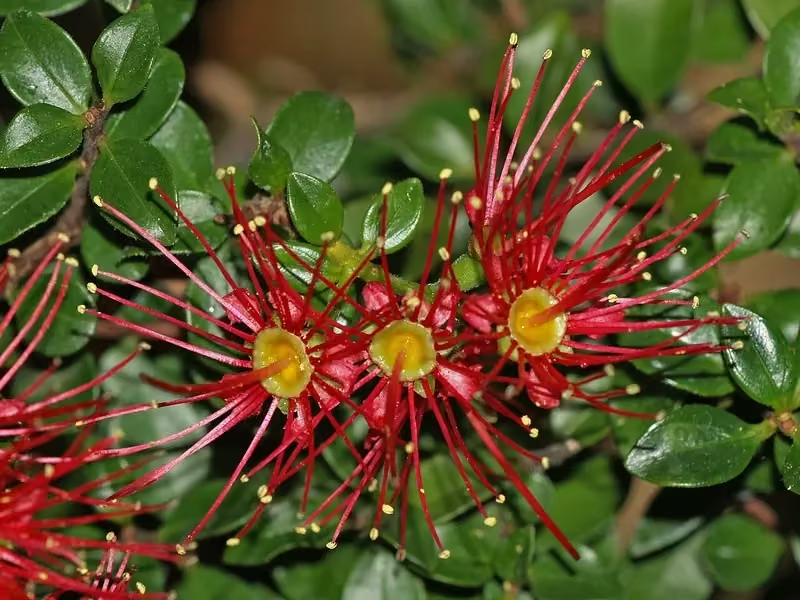
Crimson Rata
Metrosideros carminea
Once common, this beautiful climbing rata is now threatened by Myrtle Rust, making its cultivation vital for preservation.
Learn more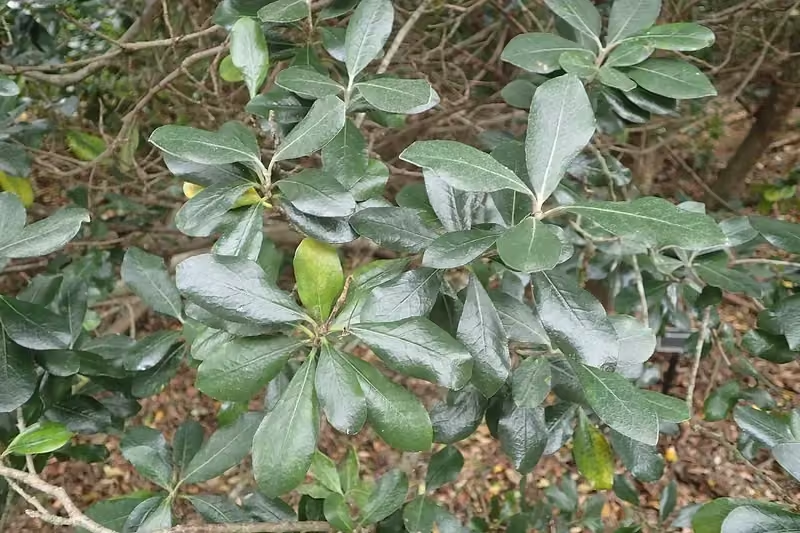
Fairchild's Kōhūhū
Pittosporum fairchildii
Fairchild's kōhūhū is a rare native tree with attractive foliage, found in specific forest habitats.
Learn more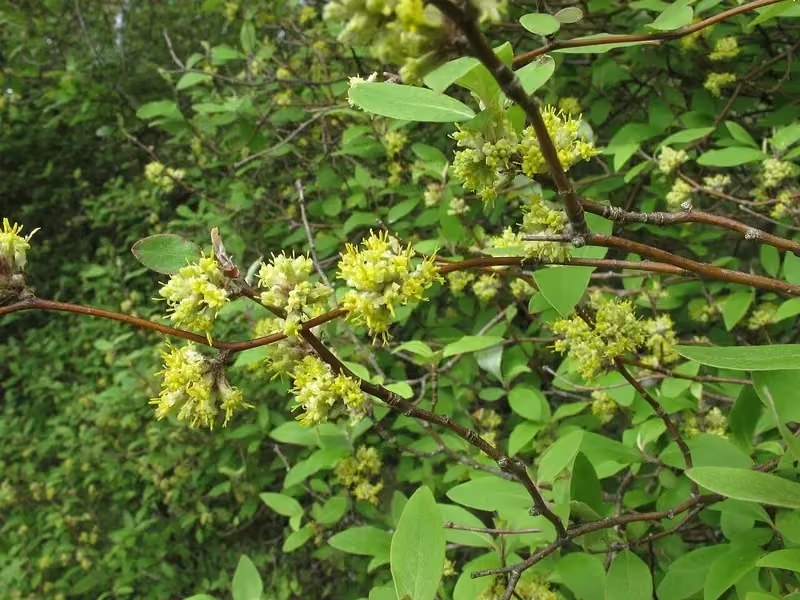
Fragrant Tree Daisy
Olearia fragrantissima
Fragrant Tree Daisy produces intensely fragrant apricot-peach scented flowers, an At Risk declining species valued for its exceptional perfume.
Learn more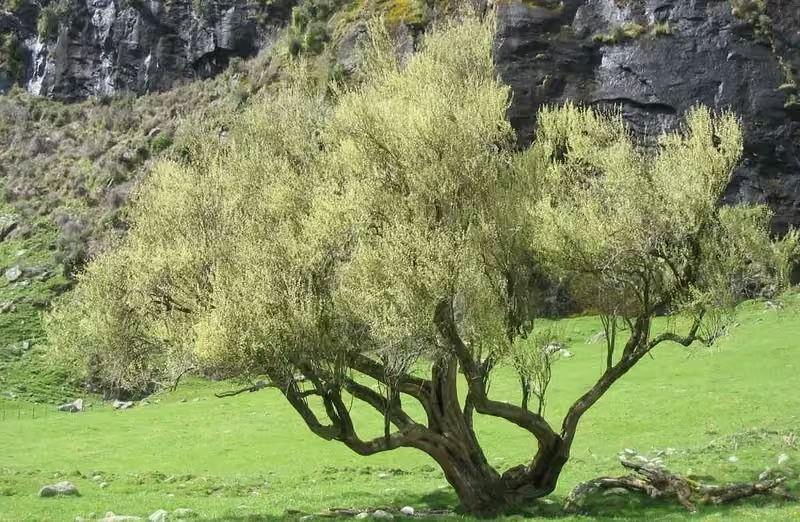
Hector's Tree Daisy
Olearia hectorii
Hector's Tree Daisy is a critically endangered deciduous native supporting endemic moths, requiring urgent conservation with fewer than 50 wild plants remaining.
Learn more
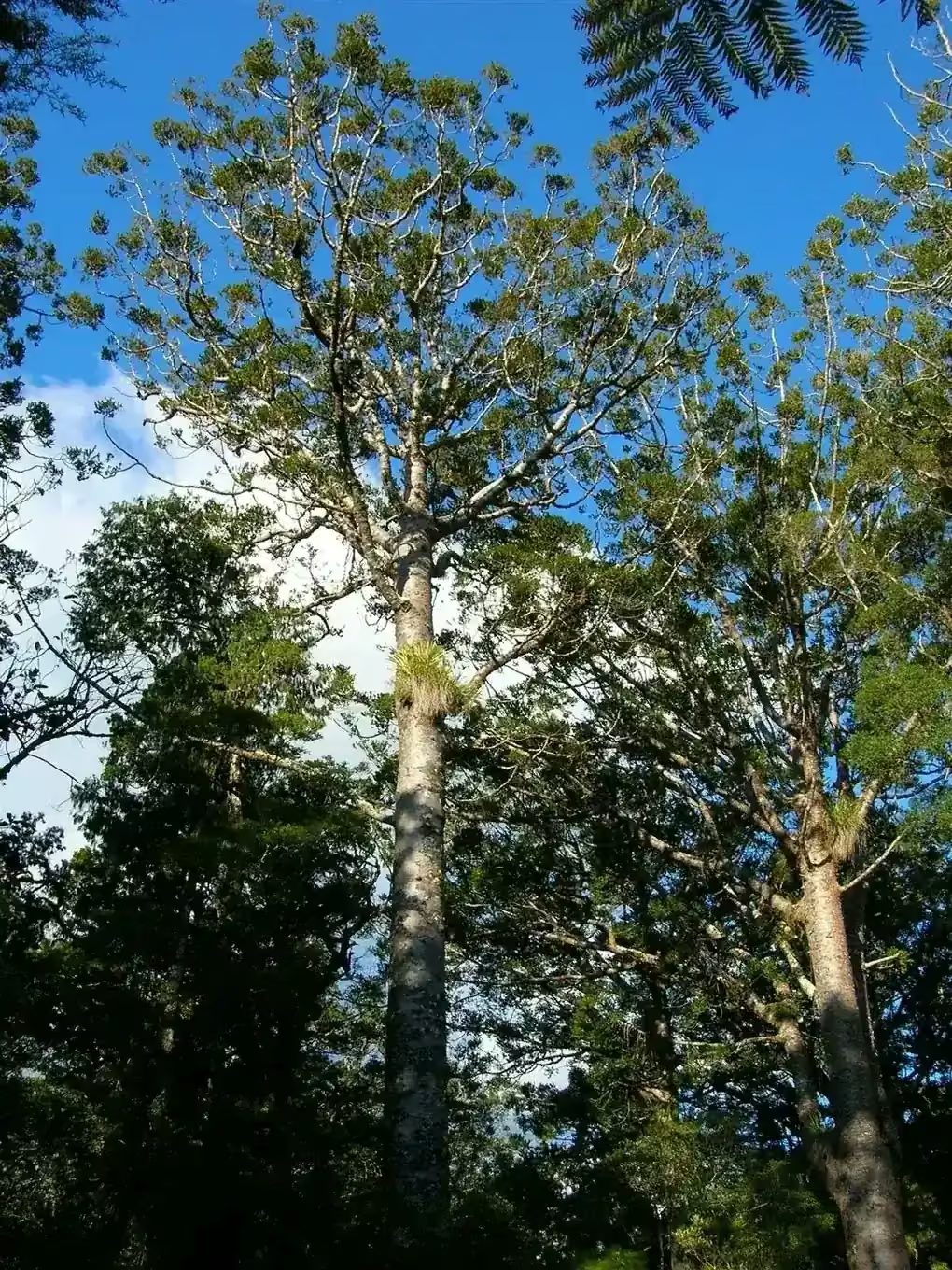
Kauri
Agathis australis
Ancient forest giant threatened by kauri dieback disease, a water mold that infects the tree through its roots and has spread rapidly in recent decades.
Learn more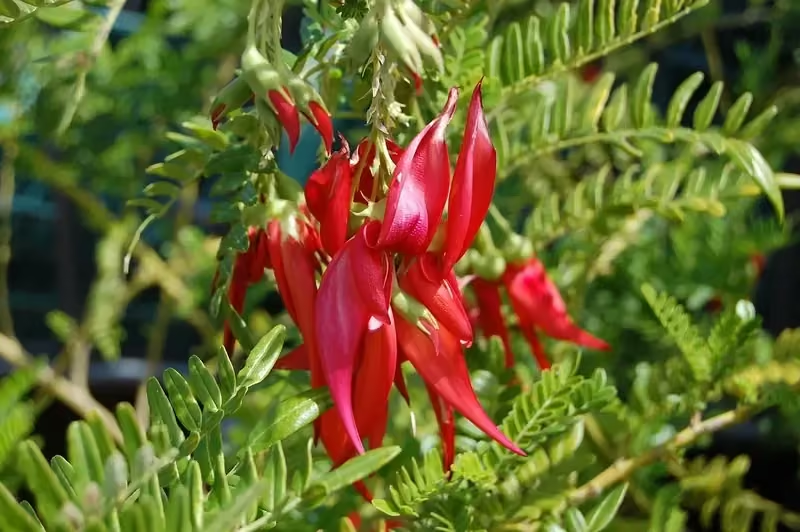
Kākābeak North Island
Clianthus maximus
Striking shrub with brilliant red, beak-shaped flowers that now has fewer than 200 plants remaining in the wild due to habitat loss and browsing animals.
Learn more
Kākābeak South Island
Clianthus puniceus
Kākābeak is a critically endangered native shrub with distinctive red flowers shaped like a parrot's beak.
Learn more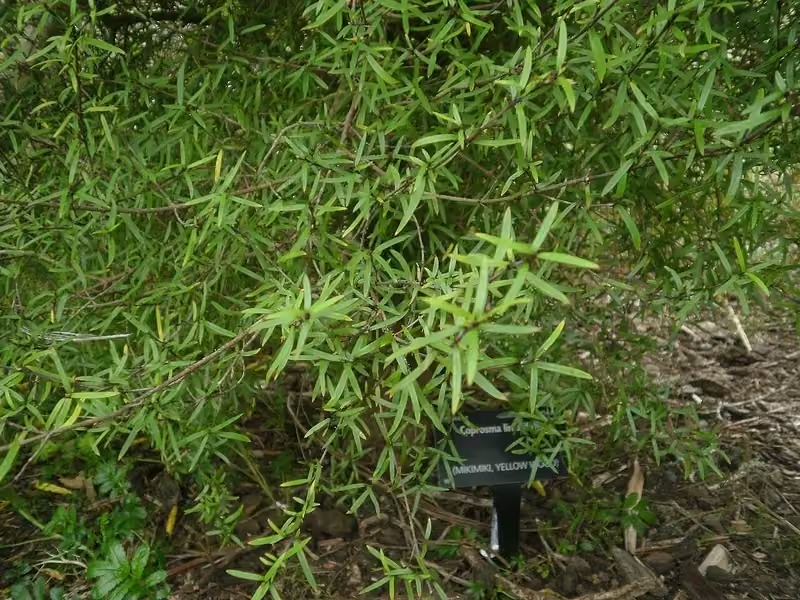
Mikimiki
Coprosma linariifolia
Mikimiki is a small native shrub with narrow leaves and small flowers, found in forest understories.
Learn more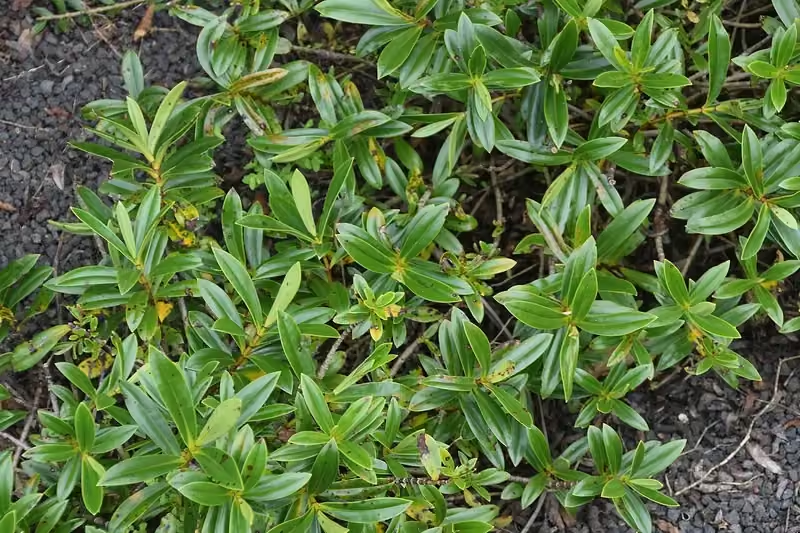
North Cape Hebe
Veronica punicea
Rare ultramafic endemic shrub with striking magenta flowers; found only at Surville Cliffs and classified as At Risk - Naturally Uncommon.
Learn more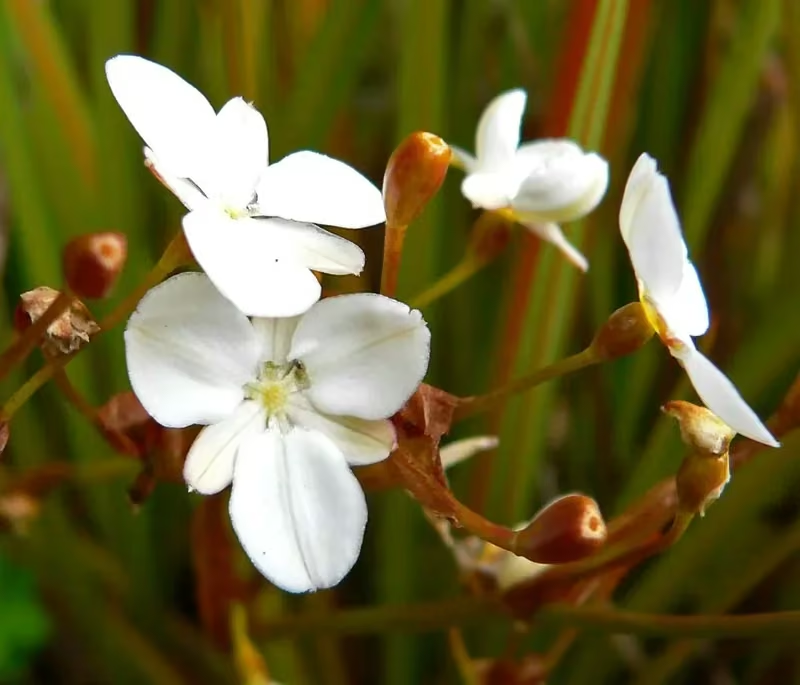
Orange New Zealand Iris
Libertia peregrinans
Orange New Zealand Iris features striking orange-copper foliage that glows in sunlight, with white flowers and important conservation needs in the wild.
Learn more
Poor Knights Lily
Xeronema callistemon
Poor Knights Lily displays spectacular red bottlebrush flowers unique to New Zealand, naturally restricted to offshore islands but popular in cultivation.
Learn more
Scented Tree Daisy
Olearia odorata
Scented Tree Daisy produces sweetly fragrant white flowers beloved by native moths, an At Risk declining species needing habitat protection.
Learn more
Scarlet Mistletoe
Peraxilla colensoi
Scarlet Mistletoe produces spectacular red explosive flowers. Featured on New Zealand's $2 note, it is one of our most endangered parasitic plants.
Learn more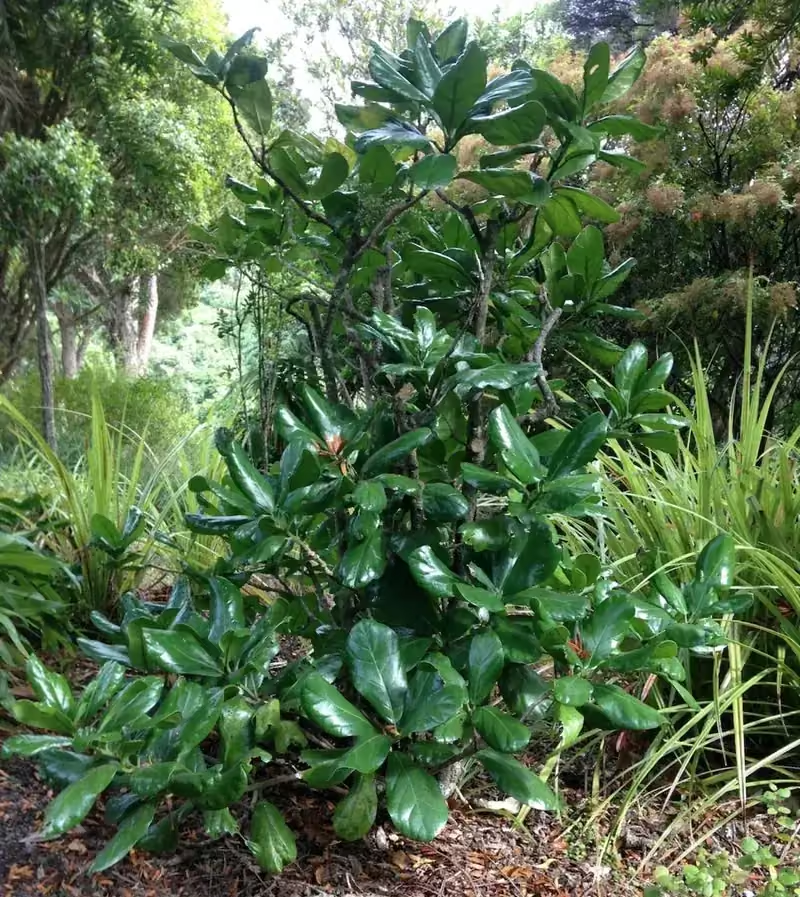
Three Kings Kaikomako
Pennantia baylisiana
One of the world's rarest trees, this island endemic was rescued from the absolute brink of extinction.
Learn more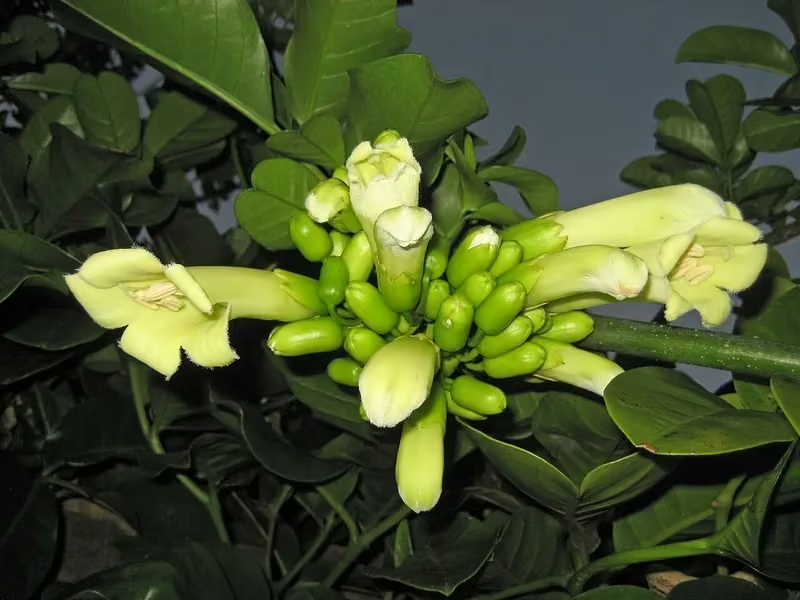
Three Kings Vine
Tecomanthe speciosa
Spectacular climber rescued from a single plant, now prized for its lush foliage and large creamy winter flowers.
Learn more
White Sedge
Carex albula
White Sedge is a critically threatened South Island endemic with distinctive pale foliage, found only in specialized wetland habitats requiring conservation.
Learn more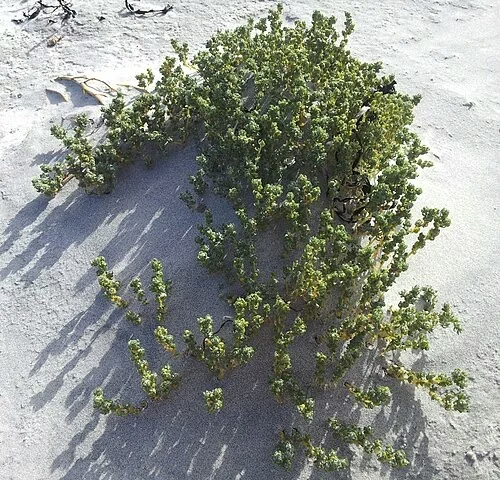
Holloway's Crystalwort
Atriplex hollowayi
Comprehensive guide to the Nationally Critical Holloway's Crystalwort (Atriplex hollowayi), featuring its unique frosted habit and the challenges of its conservation.
Learn more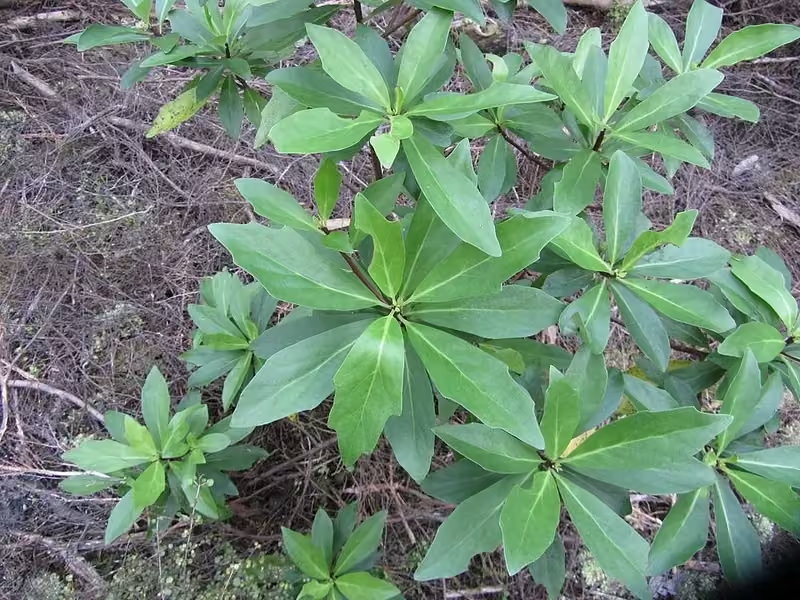
Kirk's Daisy
Brachyglottis kirkii
Nationally Vulnerable native shrub known for its white daisy-like flowers and unique ability to grow epiphytically in North Island forests.
Learn more
Wood Rose
Dactylanthus taylorii
Also known as Pua o te Rēinga, this rare parasitic plant grows entirely underground, emerging only to produce its extraordinary mushroom-like flowers.
Learn more
Dwarf Mistletoe
Korthalsella salicornioides
Tiny, succulent parasitic plant with beaded stems that resemble the branches of its common hosts, Mānuka and Kānuka.
Learn more
Bartlett's Rātā
Metrosideros bartlettii
One of the world's rarest trees, endemic to the far north and distinguished by its white flowers and unique papery bark.
Learn more
Shrubby Tororaro
Muehlenbeckia astonii
Unique and threatened divaricating shrub with interlaced orange branches, ideal for hedging and dry-land restoration.
Learn more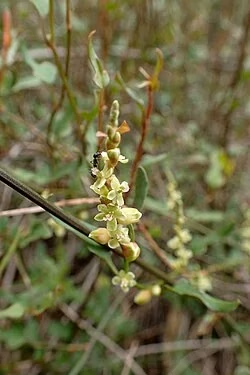
Leafless Pōhuehue
Muehlenbeckia ephedroides
A unique sprawling, grey-toned native shrub that often appears leafless, forming dense mats in rugged coastal and riverbed environments.
View details
Heart-leaved Kōhūhū
Pittosporum obcordatum
A rare and elegant columnar shrub with tiny heart-shaped leaves and a distinctive divaricating growth habit, specialized for fertile lowland river flats.
View details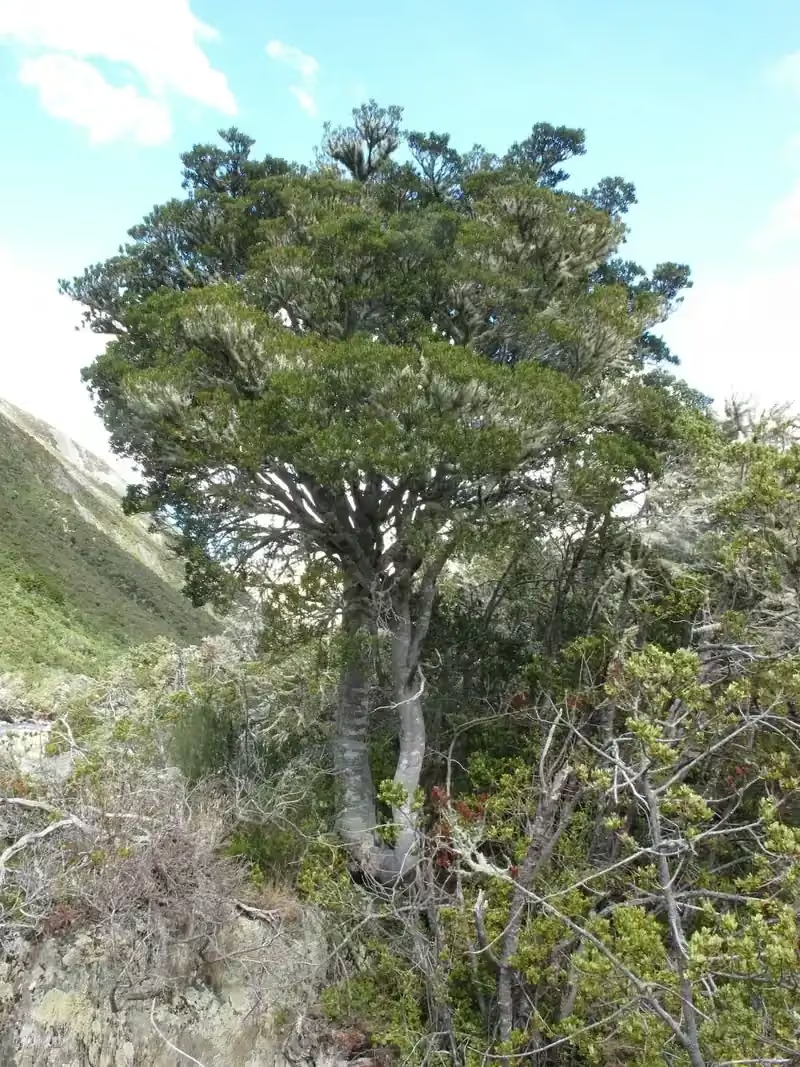
Red-Flowered Pittosporum
Pittosporum patulum
A rare and threatened South Island shrub or small tree with a distinctive upright form and sweetly scented flowers, naturally at home in montane forest margins.
View details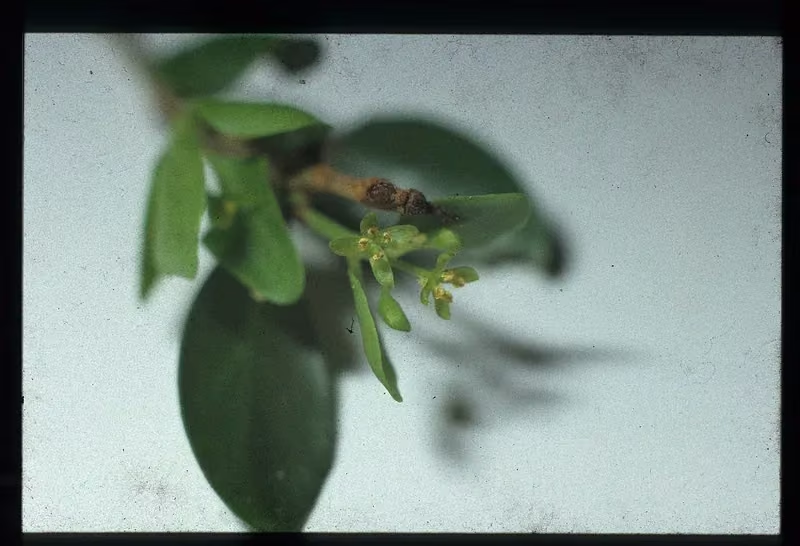
White Mistletoe
Tupeia antarctica
A rare and fascinating semi-parasitic shrub with pale grey bark and bright green leaves, producing small white to pinkish berries beloved by native birds.
View details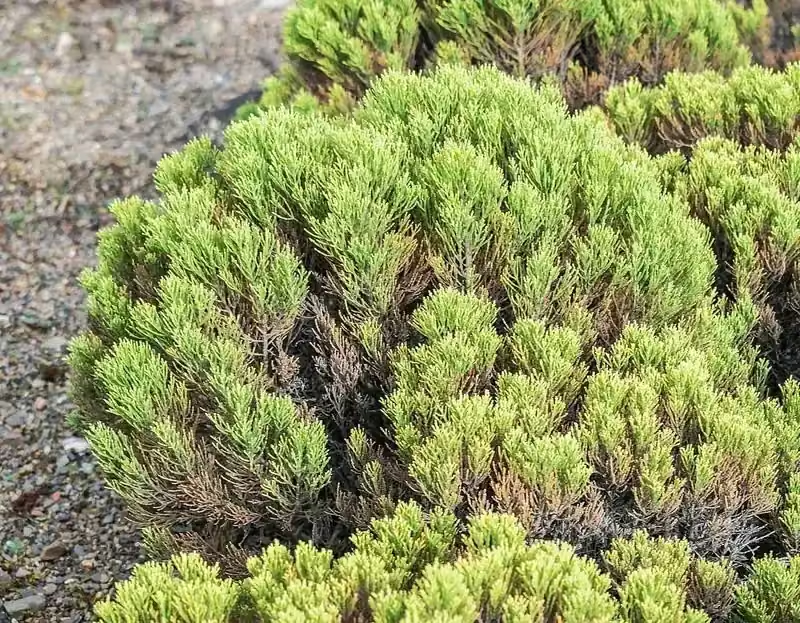
Cypress Hebe
Veronica cupressoides
A rare and highly distinctive native shrub with whipcord branches that mimic a cypress tree, emitting a delightful turpentine scent and producing delicate pale flowers.
View details
Napuka
Veronica speciosa
A showy and resilient coastal shrub with glossy leathery leaves and striking magenta flower spikes, now Nationally Vulnerable due to habitat loss and hybridization.
View details
Fringed Tree Daisy
Olearia fimbriata
Rare and distinctive divaricating shrub with small leaves and highly fragrant flowers, found in the eastern South Island.
Learn more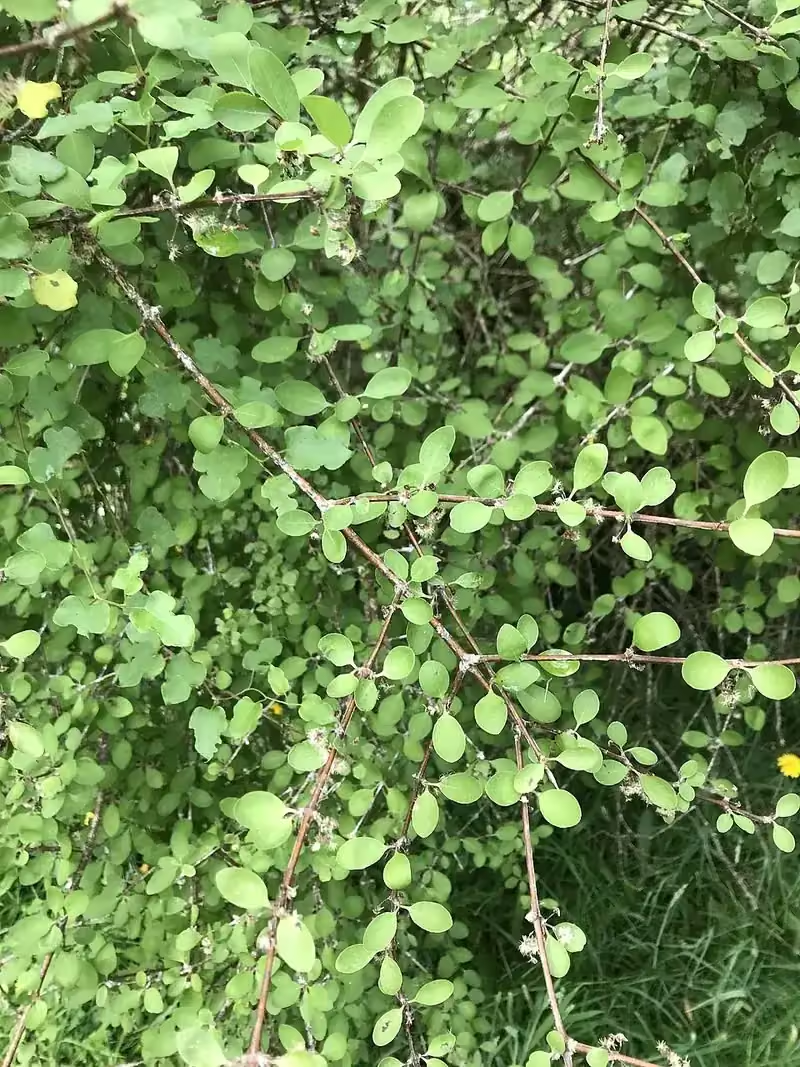
Gardner's Tree Daisy
Olearia gardneri
Critically threatened deciduous shrub with small leaves and pale yellow flowers, found in only a few North Island locations.
Learn more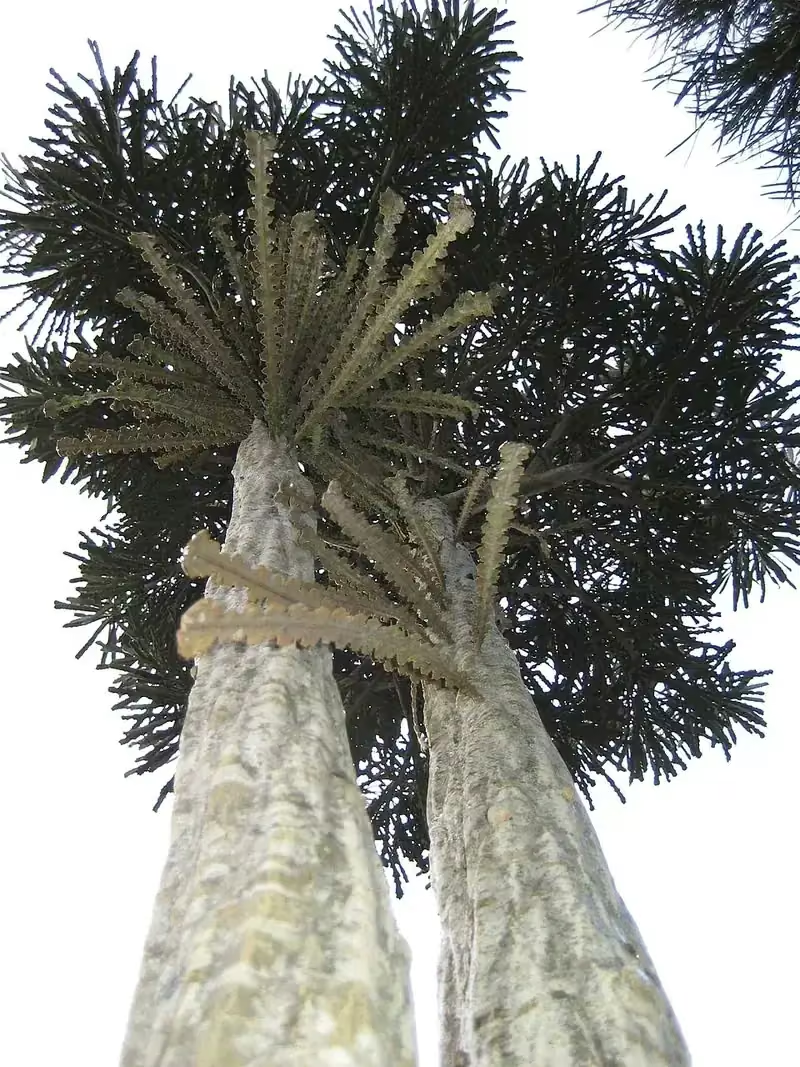
Fierce Lancewood
Pseudopanax ferox
Striking and rare native tree known for its unusual juvenile leaves that point downwards, eventually maturing into a more conventional tree form.
Learn more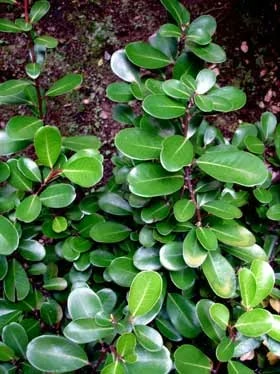
Northland Horopito
Pseudowintera insperata
Rare and localized evergreen shrub with glossy leaves, endemic to Northland and distinguished by its unique floral characteristics.
Learn more