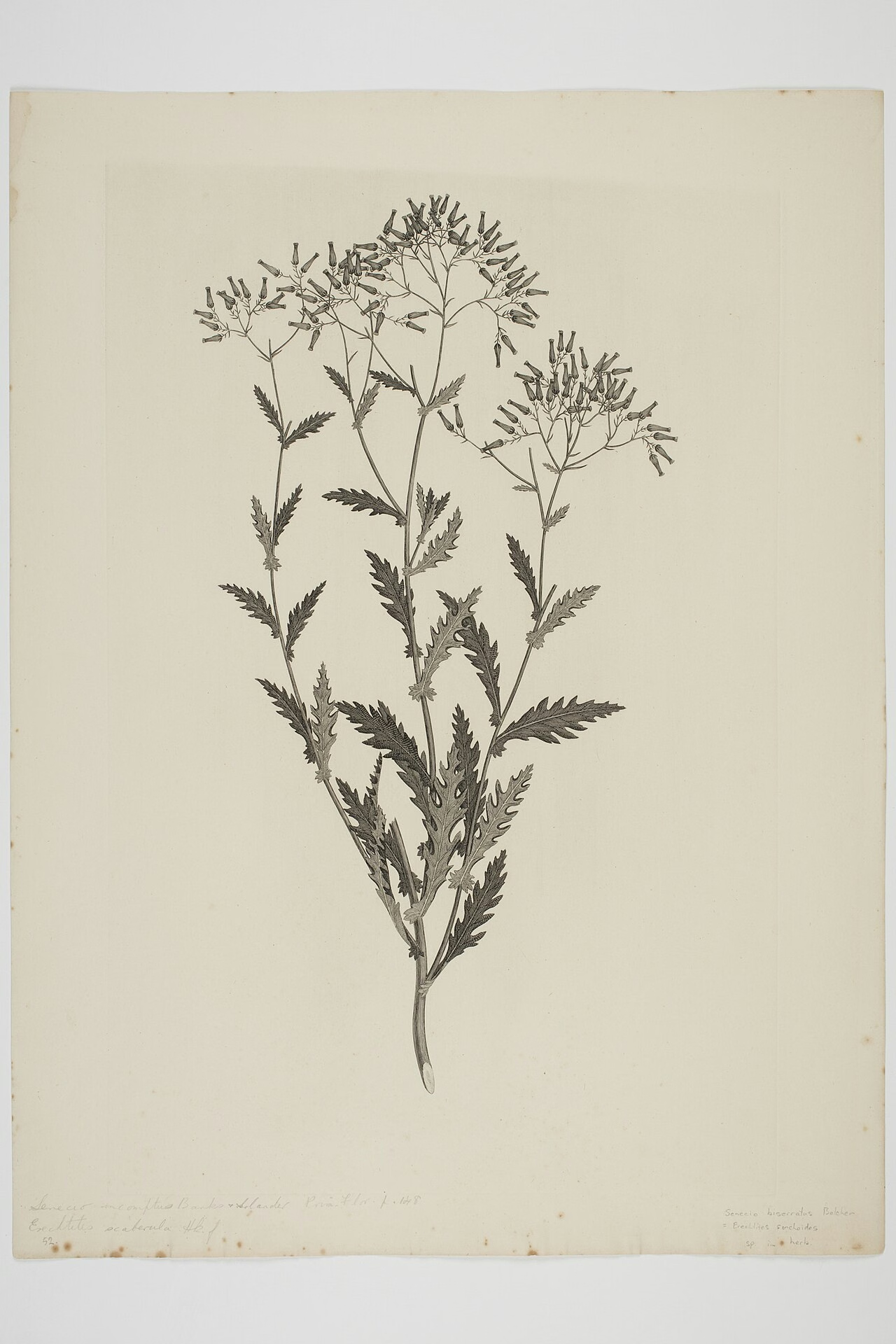
Fireweed
Senecio scaberulus
Last updated:
Fireweed (Senecio scaberulus) is a grey-green to silvery grey-green annual or short-lived perennial daisy that grows up to 1.5 m tall, with every leafy part covered in short, dense hairs. It carries small, rayless sulphur-yellow flower heads from spring into late summer. Once found from the Three Kings Islands to Raglan Harbour and as far as the Chatham Islands, it is now seen mainly in eastern Northland and on a few Hauraki Gulf islands such as Fanal, Ponui and Goat Islands. It is ranked Threatened - Nationally Critical, with weed competition, browsing and hybridisation with its close relative Senecio hispidulus among the main threats. Explore more native flowering plants in our native plant guide.
Plant Description
Senecio scaberulus is an erect annual or short-lived perennial herb up to 1.5 m tall. All its vegetative parts are clothed in dense, short hairs that give the plant a grey-green to silvery grey-green colour and a soft, slightly roughened feel; the epithet scaberulus means 'a little roughened'. Leaves from the middle of the stem are 30 to 200 mm long and 0.5 to 6 mm wide, dark on the upper surface and pale grey to purple beneath. Leaf shape is variable, from narrowly to broadly ovate-elliptic, with toothed, pinnately lobed or deeply divided margins.
The flower heads are carried in one to three sparse to dense corymbs. They have no ray florets: each head is a small disc of sulphur-yellow florets about 2 to 3 mm across, surrounded by 10 to 13 hairless involucral bracts. The seeds are subcylindric, 2 to 3 mm long, deeply ribbed and lightly hairy, and are carried away on a pappus of fine bristles.
Fireweed is most often confused with Senecio hispidulus, which is usually larger, has harsh rasp-like hairs instead of velvety ones and has smaller seeds. It differs from Senecio glomeratus by lacking the long white cobwebby hairs of that species. Because the two species hybridise, intermediate plants can occur where they grow together.
Quick Facts
| Scientific Name | Senecio scaberulus |
|---|---|
| Height | Up to 1.5 m |
| Spread | Usually under 0.5 m |
| Water Needs | Low to moderate; free-draining sites |
| Light | Semi-shade to partial sun |
| Frost Tolerance | Low; a northern coastal species |
| Salt Tolerance | Moderate; grows on banks and cliffs near the sea |
| Growth Rate | Fast |
| Lifespan | Annual or short-lived perennial |
Climate Best Suited to
Suits the warm, mild, frost-free coastal climate of northern New Zealand. It is unlikely to thrive in cold, frosty inland or southern districts.
Regional Suitability
| City | Climate Suitability |
|---|---|
| Auckland | High |
| Wellington | Medium |
| Christchurch | Low |
| Dunedin | Low |
Plant Habitat
Senecio scaberulus is endemic to New Zealand. Historically it ranged through the North Island from the Three Kings Islands south to Raglan Harbour and the Purua River north of Thames, and it was also found on the Chatham Islands, where it was last seen in February 1996. Old South Island records from Picton, Akaroa and Dunedin are thought to be accidental introductions carried by shipping, and there have been no reliable South Island records since the 1860s. Today it is seen mainly in eastern Northland and on Fanal, Ponui and Goat Islands.
It grows in coastal scrub, forest margins and clearings, often in shaded spots among short grasses, under coastal pōhutukawa forest or low scrub, and on rock outcrops, cliffs and banks near the sea. Inland it has been recorded on bare lava and in canopy gaps in forest, frequently alongside Senecio hispidulus. Like many groundsels it depends on open, recently disturbed ground and disappears as taller vegetation closes over.
Growing Requirements
Soil Requirements
NZPCN advises a free-draining site; in the wild it grows on thin coastal soils, banks and rock outcrops.
- Free-draining, light soil or gritty bank
- Bare or sparsely vegetated ground for seedlings
- Avoid rich, heavy soils where weeds will overtop it
Light Requirements
It is recorded from shaded sites under coastal forest and scrub as well as more open clearings, and NZPCN recommends a semi-shaded position in cultivation.
- Semi-shade or dappled light
- Keep taller competing plants away
Water Requirements
A coastal plant of banks and outcrops, it copes with summer dryness better than with waterlogging.
- Water seedlings until established
- Do not plant in poorly drained ground
Planting and Establishing
Because Senecio scaberulus is Nationally Critical and hybridises with Senecio hispidulus, plants or seed should only be used in restoration under the guidance of DOC or a regional council, with material sourced from the nearest population. Do not plant it near S. hispidulus, as crossing between the two is one of the main threats to the species.
Plant in a free-draining, semi-shaded site with as little competition from taller plants as possible. As a short-lived plant, it persists only where seedlings can keep establishing, so leave some bare ground around parent plants and manage weeds such as kikuyu and other dense grasses.
Ecological Role
Fireweed is a colonist of open, disturbed coastal ground, filling gaps after slips, fires or canopy collapse before shrubs and trees take over. Its small yellow disc flowers are visited by generalist insects such as flies and native bees, though specific pollinator studies were not found. The plumed seeds are dispersed by wind.
Its dependence on early successional habitat means that populations shift over time and disappear when scrub closes in or when exotic grasses and weeds smother the bare ground it needs. Browsing by stock, feral mammals and introduced invertebrates further limits its survival.
Uses & Significance
Garden Uses
It is not a typical ornamental, but has value in specialist conservation plantings within its natural range.
- Restoration of coastal scrub margins in Northland and Auckland, under expert guidance
- Conservation collections and seed-production plantings
- Not suited to tidy borders because of its weedy, short-lived habit
Ecological Value
As a critically threatened endemic, every self-sustaining population is important for the species' survival.
- Provides nectar and pollen for small native insects
- Represents the open, early successional phase of northern coastal vegetation
- Genetically distinct from the widespread Senecio hispidulus
Landscaping Uses
In a restoration planting, fireweed belongs at the open edges: on banks, rocky ground and clearings beneath coastal pōhutukawa or low scrub, where it can flower and seed before shrubs close in. It works best scattered informally rather than in groups.
Its grey-green foliage and small sulphur-yellow flower heads are subtle, so it is best appreciated for its rarity rather than as a feature plant. Keep a buffer of low groundcovers or bare ground around it rather than vigorous grasses.
Seasonal Care Calendar
Spring
New growth appears and flowering begins in October.
- Remove competing weeds
- Watch for browsing damage
Summer
Flowering continues until about February, with seeds ripening from November.
- Collect ripe seed for sowing
- Water young plants in dry spells
Autumn
Fruiting continues into April and many plants die back after seeding.
- Leave some seed to fall naturally
- Keep bare ground available for seedlings
Winter
Seedlings and surviving plants sit quietly through the mild northern winter.
- Protect seedlings from slugs and snails
- Clear weeds before spring growth
When to Prune and How Much
Pruning is not needed for this short-lived herb. Old stems can be cut back after seed has been shed, but leaving some plants to seed in place is more important than tidiness.
Where Senecio hispidulus or hybrids grow nearby, removing those plants before they flower is a more useful form of management than pruning fireweed itself.
How to Grow Fireweed
NZPCN describes Senecio scaberulus as easy to grow from fresh seed, and as a short-lived annual or perennial it is almost always raised this way. Because the species is Nationally Critical and hybridises readily with Senecio hispidulus, seed should only be collected with permission, from plants that are clearly true to type, and ideally from populations with no S. hispidulus nearby. Raised plants are best used for conservation plantings near their source population.
From Seed
Seed ripens from November to April. The small, ribbed seeds are attached to a fluffy pappus and can be collected when the heads turn white and fluffy. Fresh seed germinates readily without special treatment. Seedlings grow quickly and can flower within their first season.
Grow seedlings with good airflow and avoid rich potting mix, which produces soft, sprawling growth. Plant out while still small, because older plants transplant poorly and are short-lived anyway.
- Collect ripe seed heads in dry weather and rub off the pappus
- Sow fresh seed thinly on the surface of a free-draining seed mix
- Cover lightly with fine grit and keep evenly moist
- Prick out seedlings into small pots once they have their first true leaves
- Plant out into a semi-shaded, free-draining site with little competition
Allowing Natural Self-Sowing
Once established in a suitable site, fireweed can maintain itself by self-sowing, provided there is bare ground for seedlings. Light disturbance of the soil surface around parent plants in autumn can help seedlings establish.
- Leave mature plants to shed seed
- Keep the ground around them free of dense grass
- Thin seedlings if they crowd each other
Pests & Diseases
In the wild, browsing by domestic stock, feral mammals and exotic invertebrates is a recorded threat. In cultivation, slugs and snails can damage seedlings, and aphids are often found on groundsels.
Competition from exotic grasses and weeds is the biggest practical problem, smothering the bare ground fireweed needs. Hybridisation with Senecio hispidulus is a genetic threat rather than a pest, but it needs managing in the same way, by removing the other species near conservation sites.
Cultural Significance
No Māori name or traditional Māori use specific to Senecio scaberulus was found in the sources consulted. The English name fireweed reflects the habit of these groundsels of appearing quickly on burnt or disturbed ground.
Botanically, the species has a complicated naming history, having been placed in Erechtites and treated as a variety of Senecio hispidulus before being recognised as a species in its own right.
Bonus Tip
If you find a grey, velvety groundsel on a coastal bank in Northland or the Hauraki Gulf, record it on iNaturalist NZ with close-up photos of the leaf hairs and seed heads. New sightings of Senecio scaberulus are valuable, and the hair texture is the quickest way to separate it from the much commoner, rasp-haired Senecio hispidulus.
Related Plants
Explore other native plants that share similar characteristics or habitats with Fireweed (Senecio scaberulus), offering further insights into New Zealand's diverse flora. These related species provide context and opportunities for complementary planting in your garden.
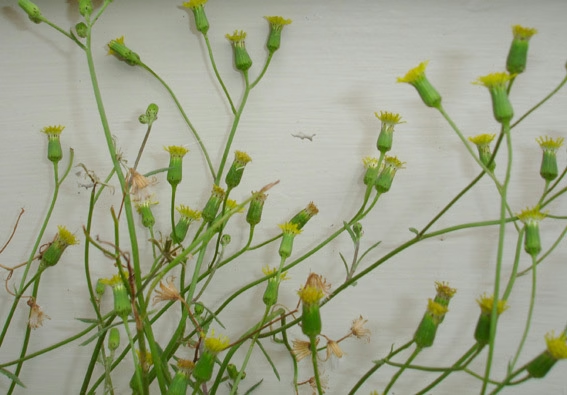
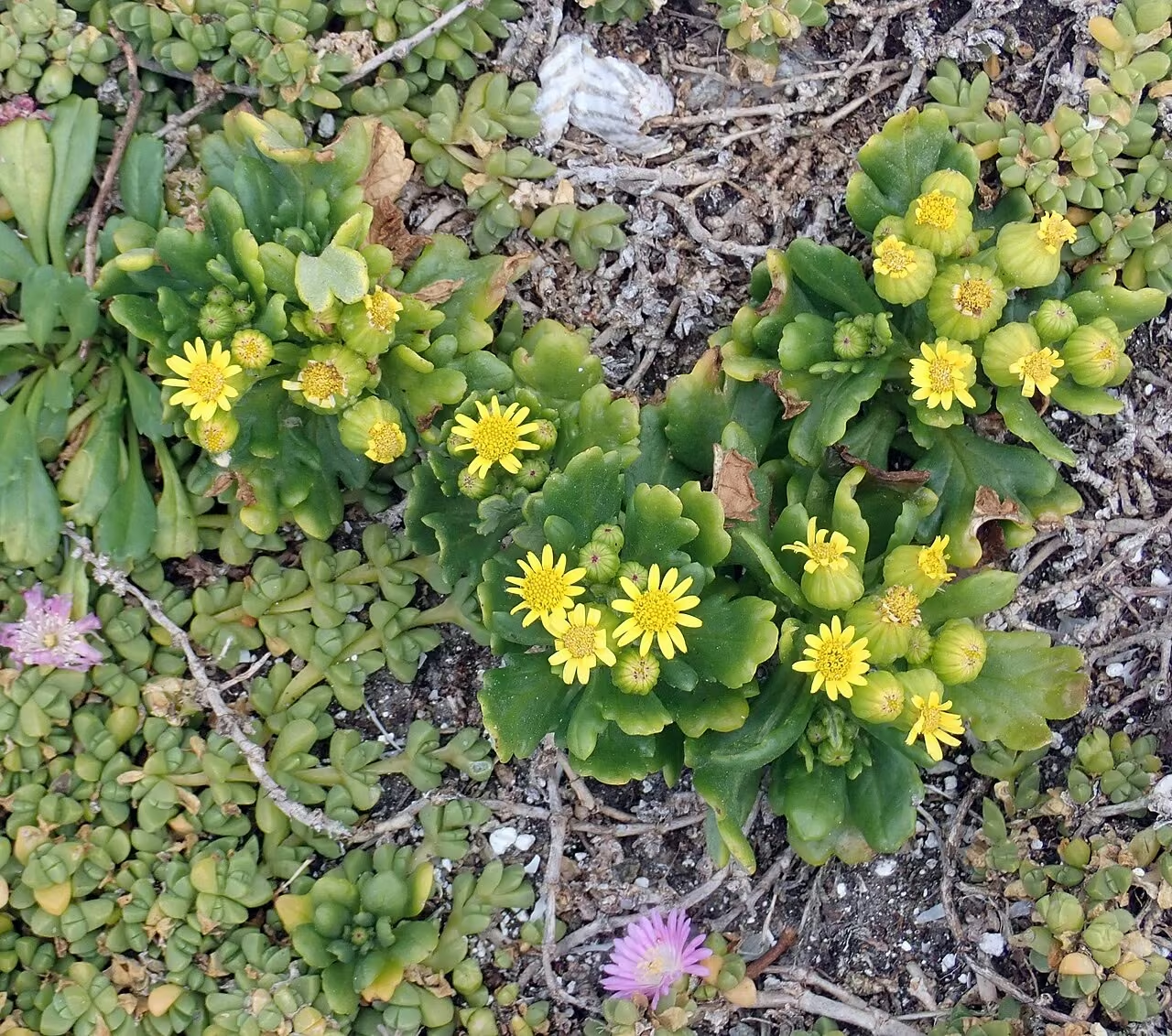
Senecio marotiri
Senecio marotiri
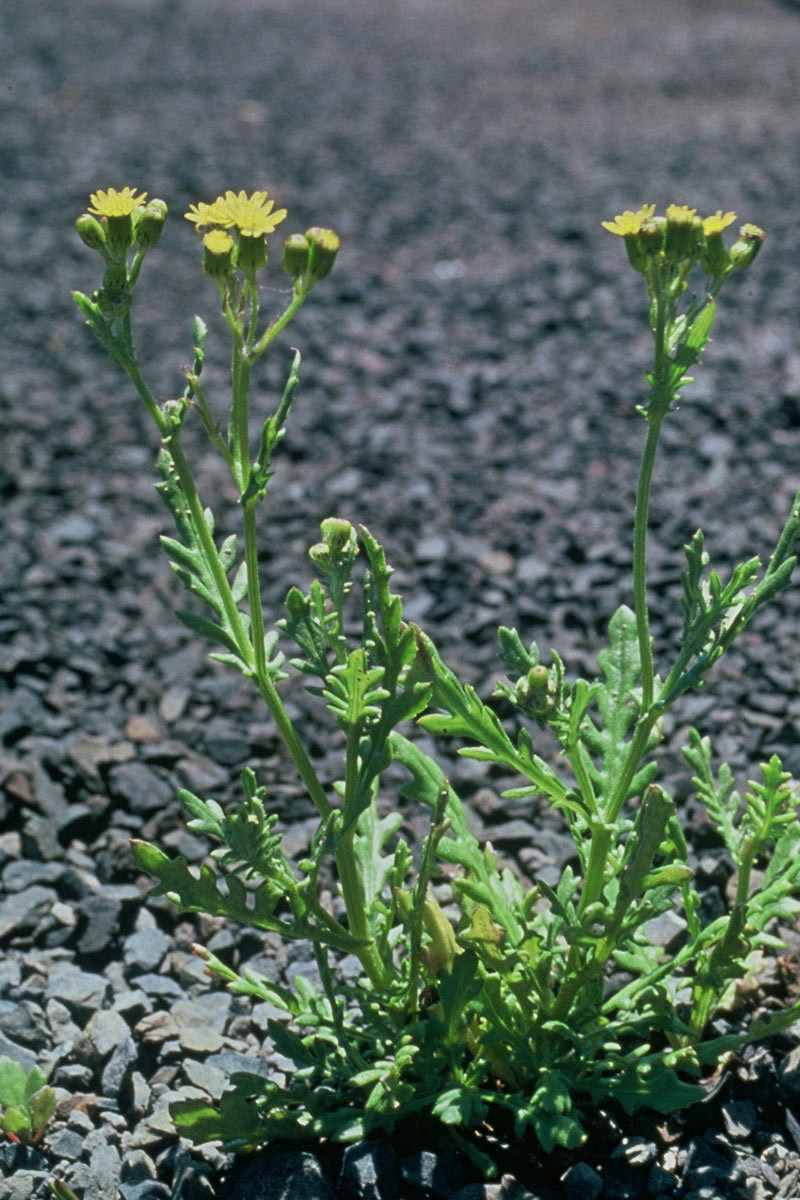
Senecio repangae
Senecio repangae
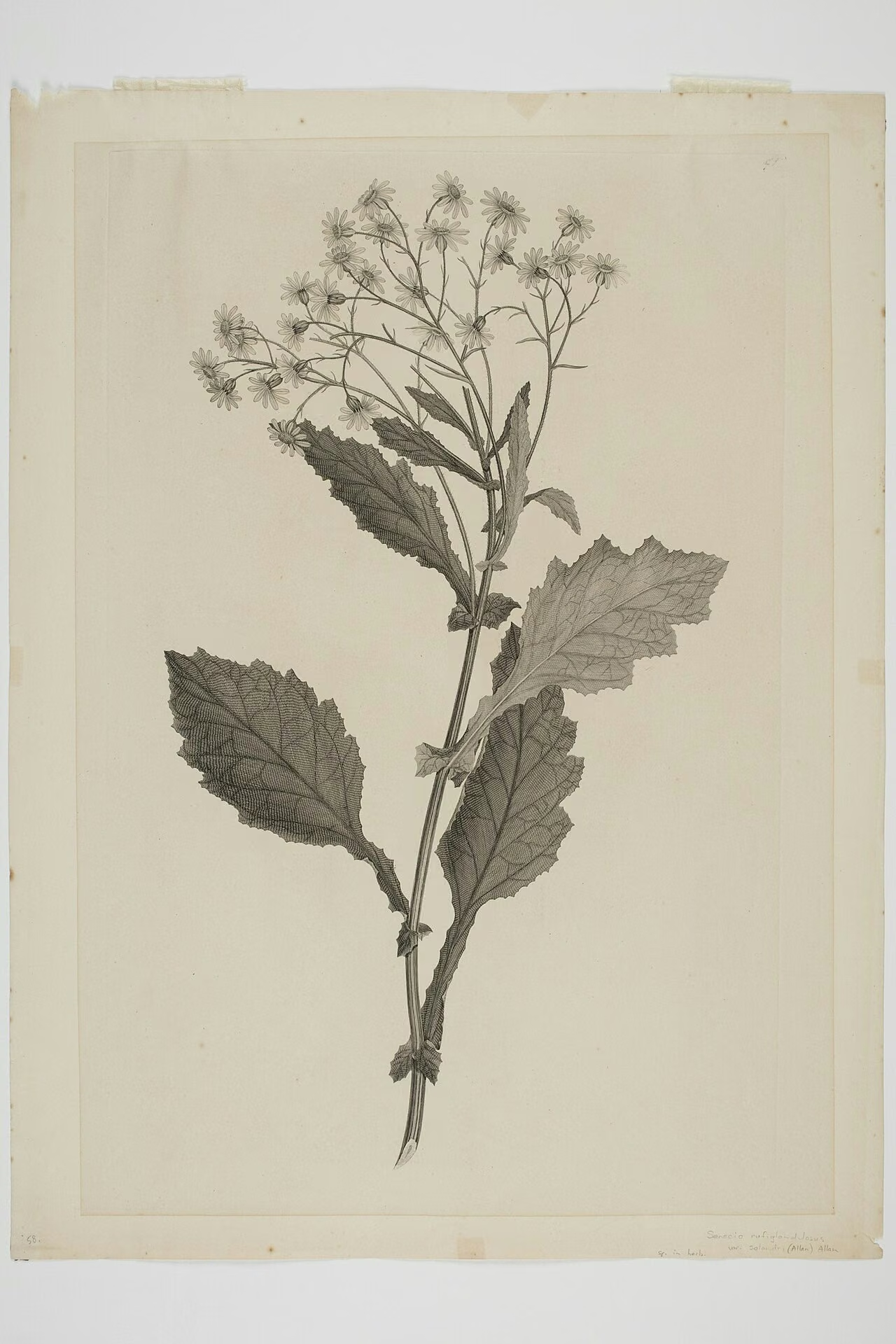
Senecio rufiglandulosus
Senecio rufiglandulosus
Guano Groundsel
Senecio sterquilinus
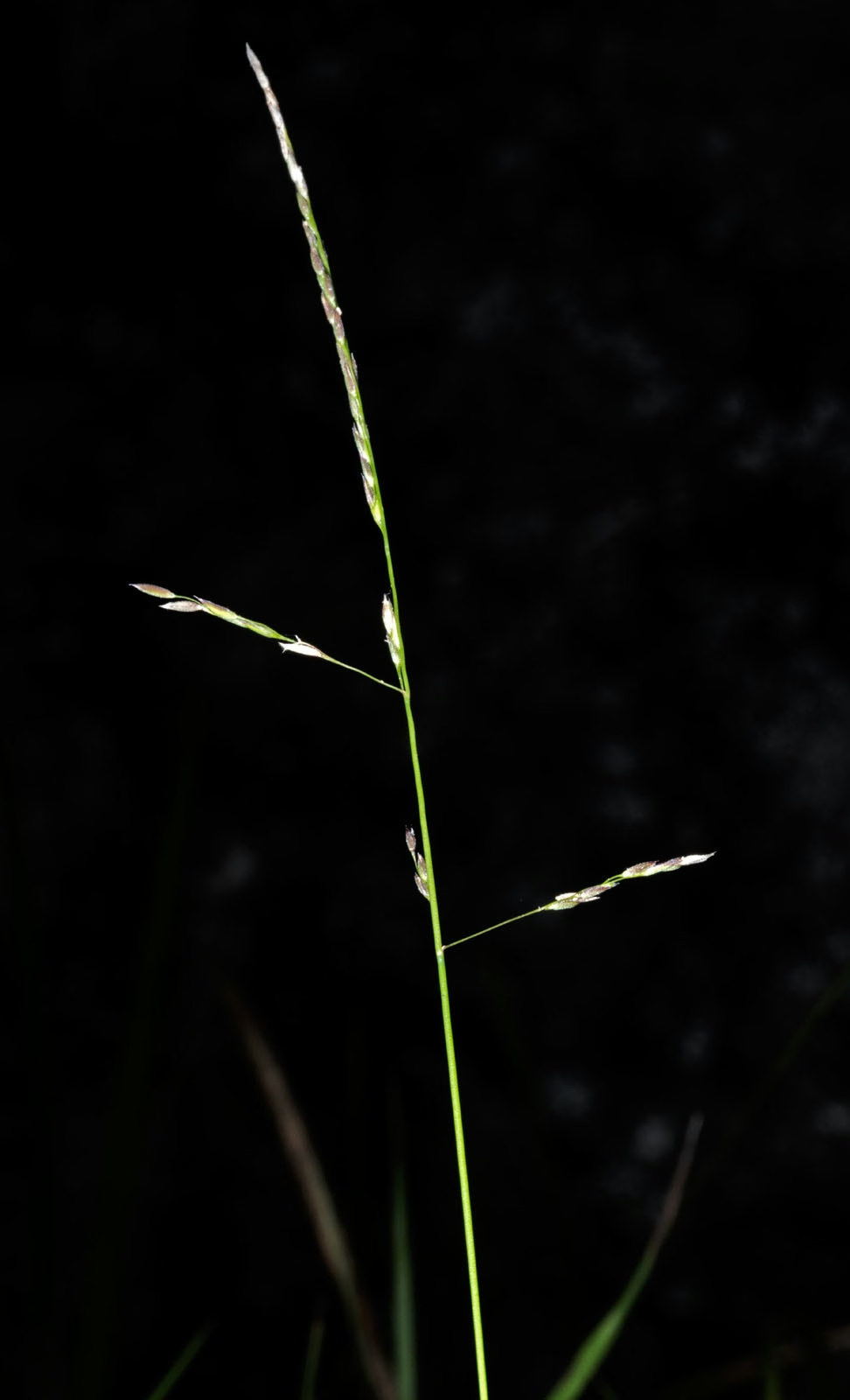
Simplicia buchananii
Simplicia buchananii
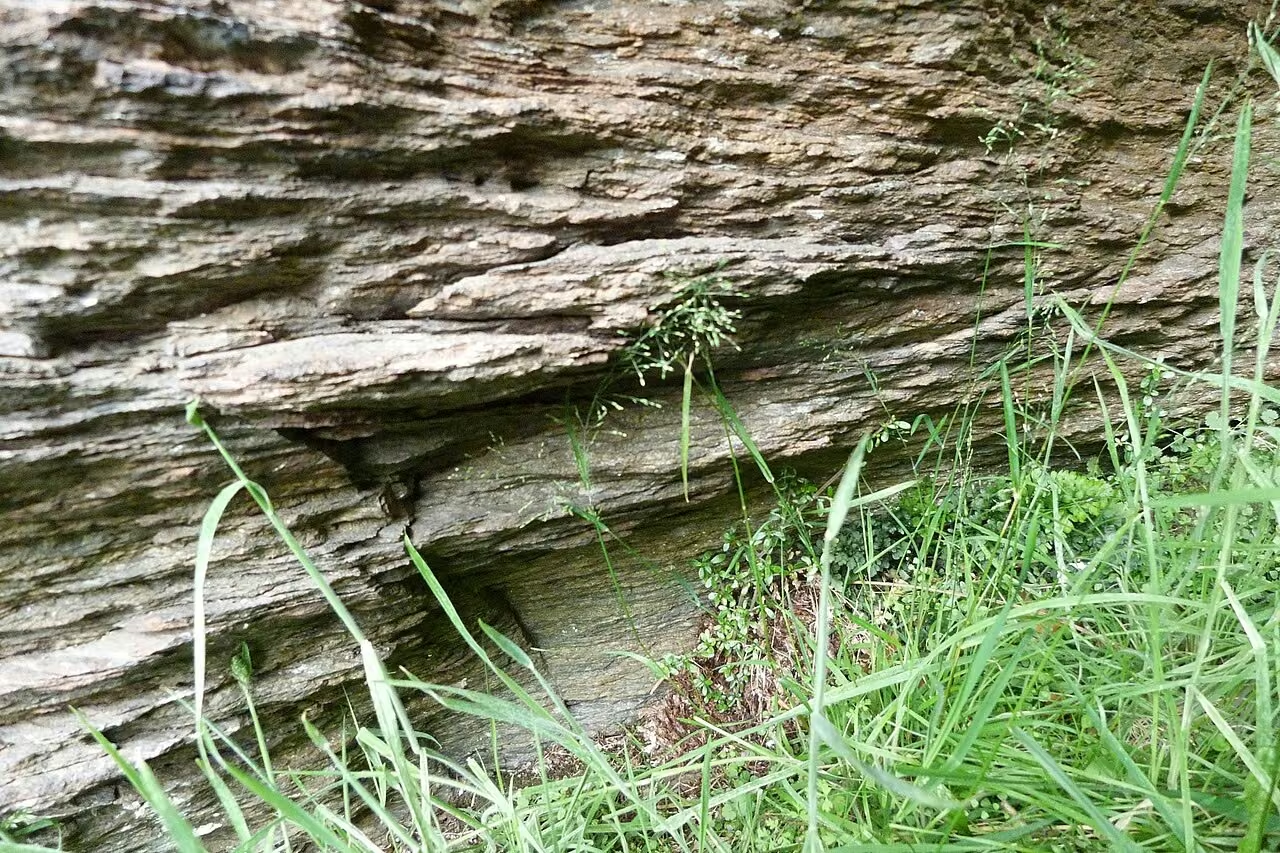
Simplicia laxa
Simplicia laxa
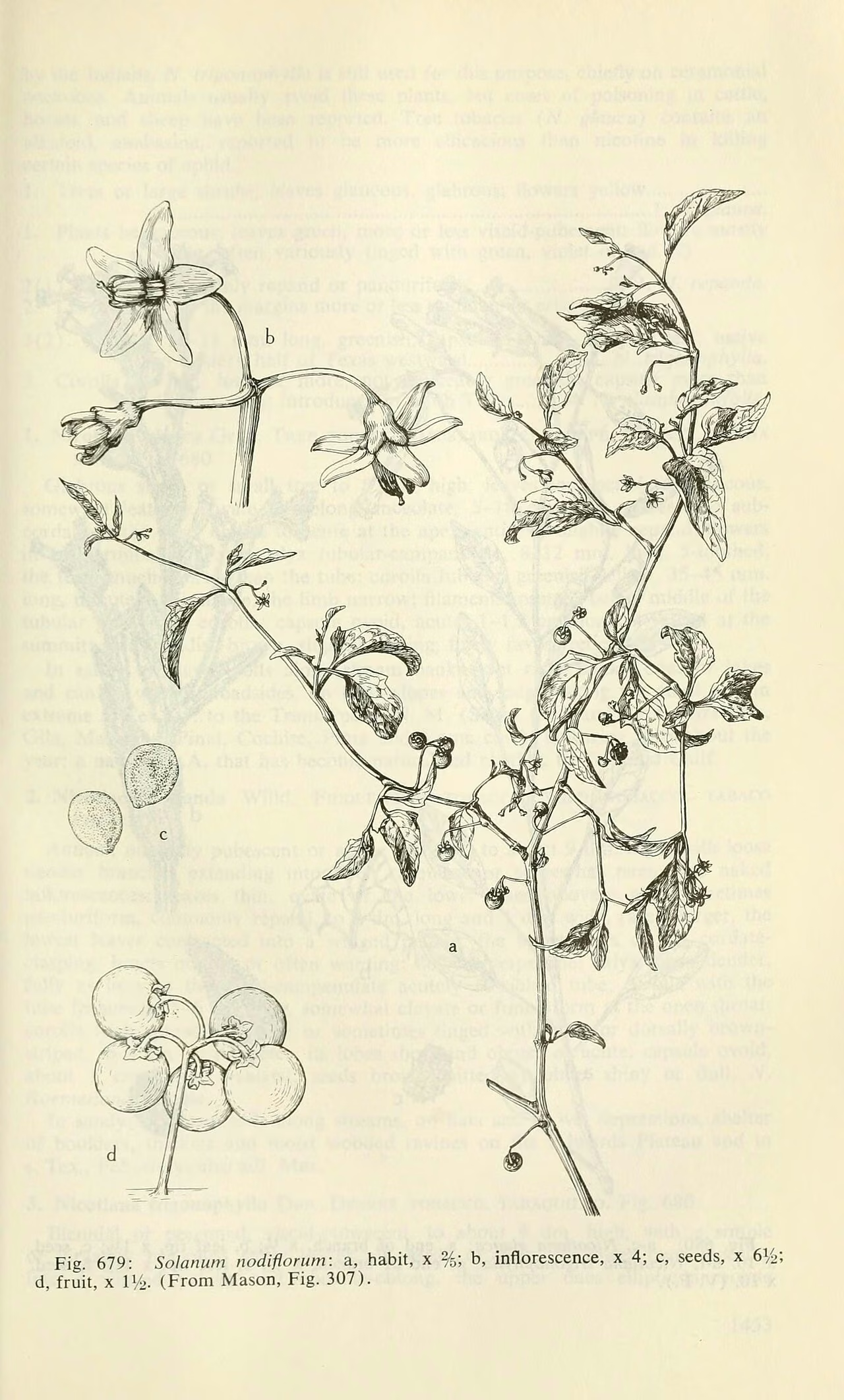
Small-Flowered Nightshade
Solanum americanum
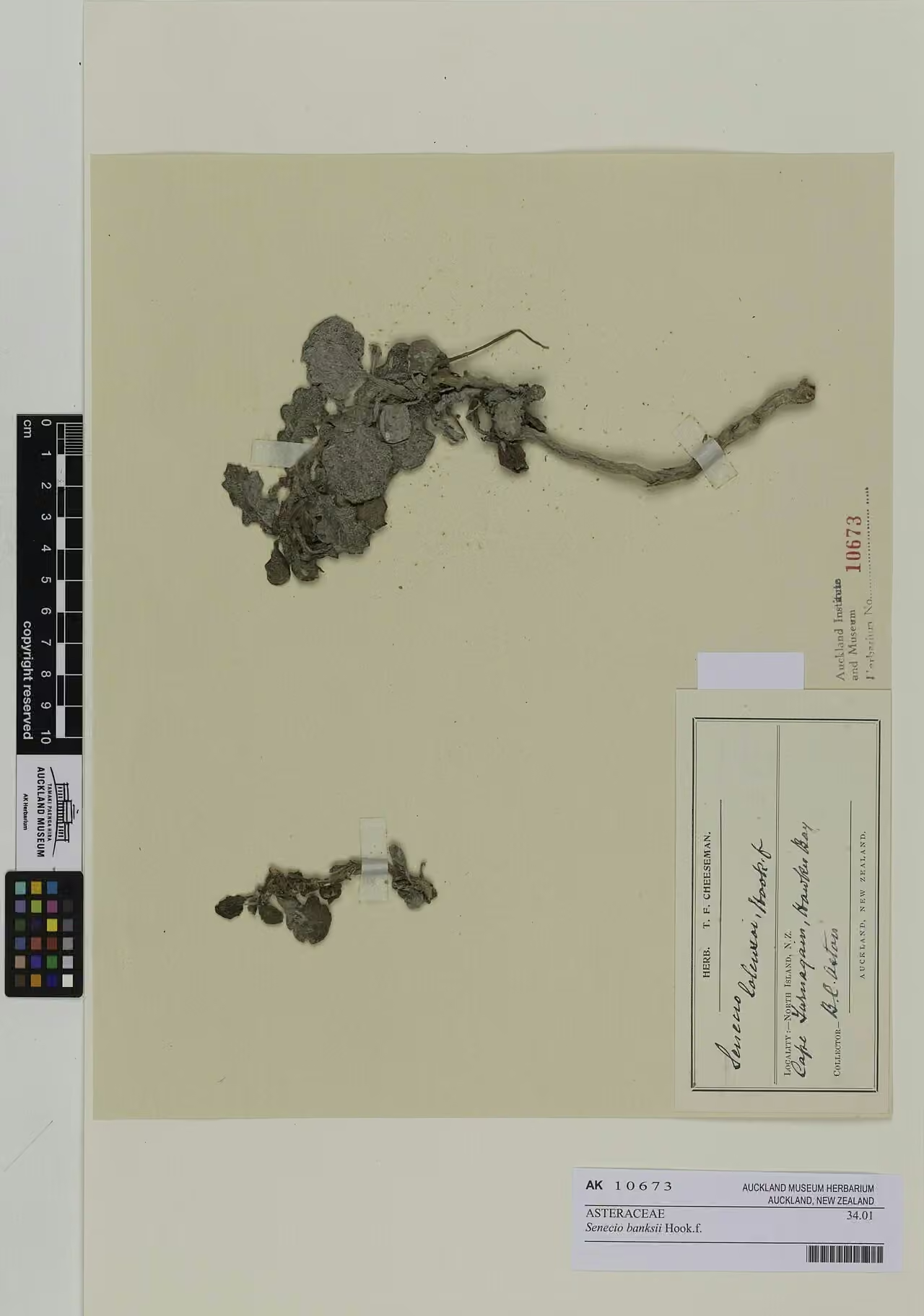
Senecio banksii
Senecio banksii
Plant Conservation
Senecio scaberulus has been ranked Threatened - Nationally Critical since at least 2004, and was ranked so again in 2023 with qualifiers including EF (extreme fluctuations). It is regionally critical in Northland and Auckland and is considered regionally extinct in Otago. It has not been recorded on the Chatham Islands since 1996.
Its open successional habitats have been lost to urbanisation or invaded by exotic weeds, it suffers from browsing, and hybridisation with Senecio hispidulus is believed to be a serious threat. Conservation depends on weed control, protection from browsing, maintaining open ground, removing nearby S. hispidulus, and carefully sourced seed for new populations.
Frequently Asked Questions
Where does Senecio scaberulus grow in New Zealand?
It is now mainly seen in eastern Northland and on Fanal, Ponui and Goat Islands in the Hauraki Gulf. Its historic range ran from the Three Kings Islands to Raglan Harbour, and it was last recorded on Chatham Island in 1996.
How do you tell Senecio scaberulus from Senecio hispidulus?
NZPCN notes that S. hispidulus is usually a larger plant with rasp-like rather than velvety hairs and smaller seeds. Fireweed looks grey-green and feels soft because of its dense short hairs.
Why is fireweed Nationally Critical?
Its open, successional coastal habitats have been lost to urbanisation and weeds, it is browsed by stock, feral mammals and exotic invertebrates, and hybridisation with Senecio hispidulus is believed to be a serious threat.
Is Senecio scaberulus a weed?
No, it is a rare endemic native. It is fast-growing and weedy in habit, which NZPCN says makes it unlikely to become popular in horticulture, but in the wild it is critically threatened.
Sources and Further Reading
The botanical, growing, and conservation details for Fireweed (Senecio scaberulus) on this page draw on the New Zealand plant references below. Consult them for full technical records and the latest distribution data.