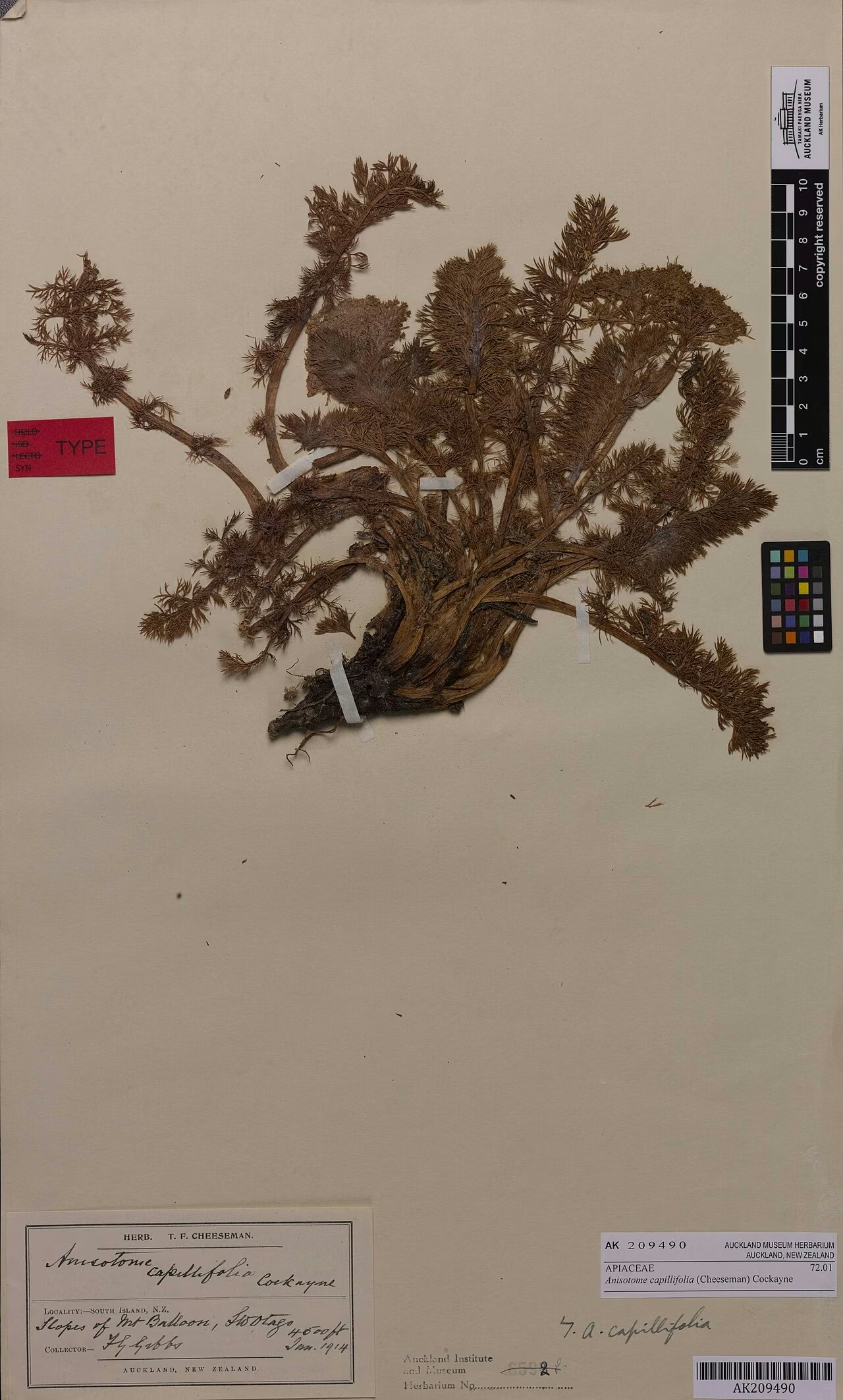
Anisotome
Anisotome capillifolia
Last updated:
Anisotome capillifolia is a small endemic alpine herb in the carrot family, found only in the mountains of western Otago and Fiordland. It grows to about 25 cm tall, with numerous crowded, erect leaves 5 to 10 cm long that are divided into very fine, hair-like segments arranged like feathers. White flowers in one to four compound umbels appear from November to February. It lives in higher montane to subalpine rocky places, fellfield and herbfield, and was first collected on Mount Balloon above McKinnon Pass on the Milford Track. It is ranked At Risk - Declining. Explore more native flowering plants in our native plant guide.
Plant Description
Anisotome capillifolia is a rather stout perennial herb with stems up to about 25 cm tall. It produces numerous crowded, erect leaves 5 to 10 cm long including the leaf stalk. The leaf blade is two to three, occasionally four, times pinnate, with the leaflets arranged in a plume-like way, and the final segments are only about 5 to 7 mm long and hair-fine.
The flowers are white and carried in one to four compound umbels, each with eight to 15 slender primary rays. The fruits are ovoid-oblong, about 5 mm long, and split into two mericarps that usually carry five, sometimes four, wings each.
Its very fine, almost thread-like leaf segments distinguish it from most other alpine Anisotome species, such as A. haastii, which have broader leaflets. Its range in the far south-west of the South Island also helps with identification.
Quick Facts
| Scientific Name | Anisotome capillifolia |
|---|---|
| Height | Up to about 0.25 m |
| Spread | Tufts of crowded erect leaves |
| Water Needs | Moderate to high; wet mountain climate |
| Light | Full sun on open alpine ground |
| Frost Tolerance | High; subalpine species |
| Salt Tolerance | Low; inland mountain plant |
| Growth Rate | Slow |
| Lifespan | Perennial |
Climate Best Suited to
Suits the cool, very wet and snowy mountain climate of Fiordland and western Otago. It is unlikely to thrive in warm or dry lowland climates.
Regional Suitability
| City | Climate Suitability |
|---|---|
| Auckland | Low |
| Wellington | Low |
| Christchurch | Low |
| Dunedin | Medium |
Plant Habitat
Anisotome capillifolia is endemic to the mountains of western Otago and Fiordland in the South Island. Its type locality is Mount Balloon, above McKinnon Pass, and herbarium specimens record it from Mount Flat Top in Fiordland and from Mt McPherson above Homer Saddle.
It grows in higher montane to subalpine rocky places, fellfield and herbfield, where it roots among rocks and in the thin soils of open alpine ground.
Growing Requirements
Soil Requirements
It grows in thin, stony soils among rocks in fellfield and herbfield.
- Gritty, free-draining mix
- Low fertility
- Moisture at the roots with no waterlogging
Light Requirements
Fellfield and herbfield are open, treeless habitats with good light.
- Full sun in cool climates
- Afternoon shade in any warmer garden
Water Requirements
Fiordland is one of the wettest regions in New Zealand, so the plant experiences frequent rain combined with fast drainage through rock.
- Regular moisture during the growing season
- Sharp drainage to avoid crown rot
Planting and Establishing
This species is not generally available and wild plants should not be collected, particularly given its declining status. It is suited only to specialist alpine growers with legally obtained material.
If attempted, grow it in a trough or raised scree bed of gritty, moisture-retentive mix in a cool, open spot, with a gravel mulch around the crown.
Ecological Role
Anisotome capillifolia is part of the herb flora of Fiordland's fellfields and herbfields. NZPCN notes its winged mericarps are dispersed by wind, which suits exposed alpine slopes.
Its listing includes a Recruitment Failure qualifier, suggesting few young plants are establishing in some populations. Its pollinators and associated insects are not documented in the sources consulted.
Uses & Significance
Garden Uses
It is a collector's plant for cool-climate alpine gardens only.
- Alpine troughs and scree beds
- Botanic garden alpine collections
- Conservation collections of Fiordland flora
Ecological Value
It adds to the high plant endemism of Fiordland's mountains and is now considered to be in decline.
- Endemic to western Otago and Fiordland
- Listed with Partial Decline and Recruitment Failure qualifiers
- Part of the fellfield and herbfield community
Landscaping Uses
It is not used in landscaping. In an alpine display its feathery, hair-fine foliage would contrast well with the broad silvery leaves of Celmisia and the rounded shapes of cushion plants.
Plant it in a raised position where the fine foliage and white umbels can be seen against rock.
Seasonal Care Calendar
Spring
New leaves emerge as snow melts from the alpine slopes.
- Keep cultivated plants moist as growth starts
- Check for slugs
Summer
White umbels appear from November to February, and fruit forms from January.
- Look for it on the Milford Track tops and around Homer Saddle
- Provide afternoon shade in warmer gardens
Autumn
Fruit ripens to March and is shed on the wind.
- Collect seed only from cultivated plants
- Sow fresh seed promptly
Winter
The plant rests under snow in its natural habitat.
- Keep containers cold but not waterlogged
- No feeding required
When to Prune and How Much
No pruning is needed. Remove spent flowering stems after seed has been collected or shed.
Clear away dead leaves from the crown in late winter so that the new growth is not smothered or prone to rot.
How to Grow Anisotome
No published propagation notes for Anisotome capillifolia were found in the sources consulted. The guidance below applies the general approach used for alpine Anisotome species, which are normally raised from fresh seed, to the documented flowering season of November to February and fruiting season of January to March. Because the species is ranked At Risk - Declining and is listed with a Recruitment Failure qualifier, wild seed should only be collected as part of an approved conservation programme, and wild plants must never be dug up. Division is rarely practical with this genus because plants grow from a single stout stock.
From Seed
Fresh seed from ripe, dry fruit sown in autumn and exposed to winter cold mimics natural conditions under alpine snow. Label each batch with its source and date, which is especially valuable for a declining species.
- Collect ripe winged fruit from cultivated plants between January and March
- Sow fresh into a gritty, free-draining seed mix
- Cover with a thin layer of fine grit and keep outdoors over winter
- Keep the mix moist and expect germination in spring
- Transplant seedlings into deep pots before the root lengthens
Division
Mature cultivated plants that have formed more than one crown can occasionally be split, but this risks losing the plant and seed is preferred.
- Divide only multi-crowned plants in early spring
- Ensure each piece has roots and a growing point
- Keep divisions cool and moist until new leaves appear
Pests & Diseases
No specific pests are recorded for this species. In cultivation, rot in warm, humid conditions and slug damage to new shoots are the likely problems.
The causes of its decline in the wild are not stated in the sources consulted, so no particular threat can be singled out here.
Cultural Significance
No traditional Māori name or use is recorded for Anisotome capillifolia in the sources consulted.
Thomas Cheeseman described it as Ligusticum capillifolium from Mount Balloon above McKinnon Pass, close to what became the Milford Track. Leonard Cockayne later transferred it to Anisotome.
Bonus Tip
Trampers crossing McKinnon Pass on the Milford Track in summer are close to the type locality on Mount Balloon. Look for low tufts of feathery, hair-fine foliage with small white umbels among the rocks, and log any sightings with a photograph on iNaturalist, since better data would help clarify this declining species.
Related Plants
Explore other native plants that share similar characteristics or habitats with Anisotome (Anisotome capillifolia), offering further insights into New Zealand's diverse flora. These related species provide context and opportunities for complementary planting in your garden.
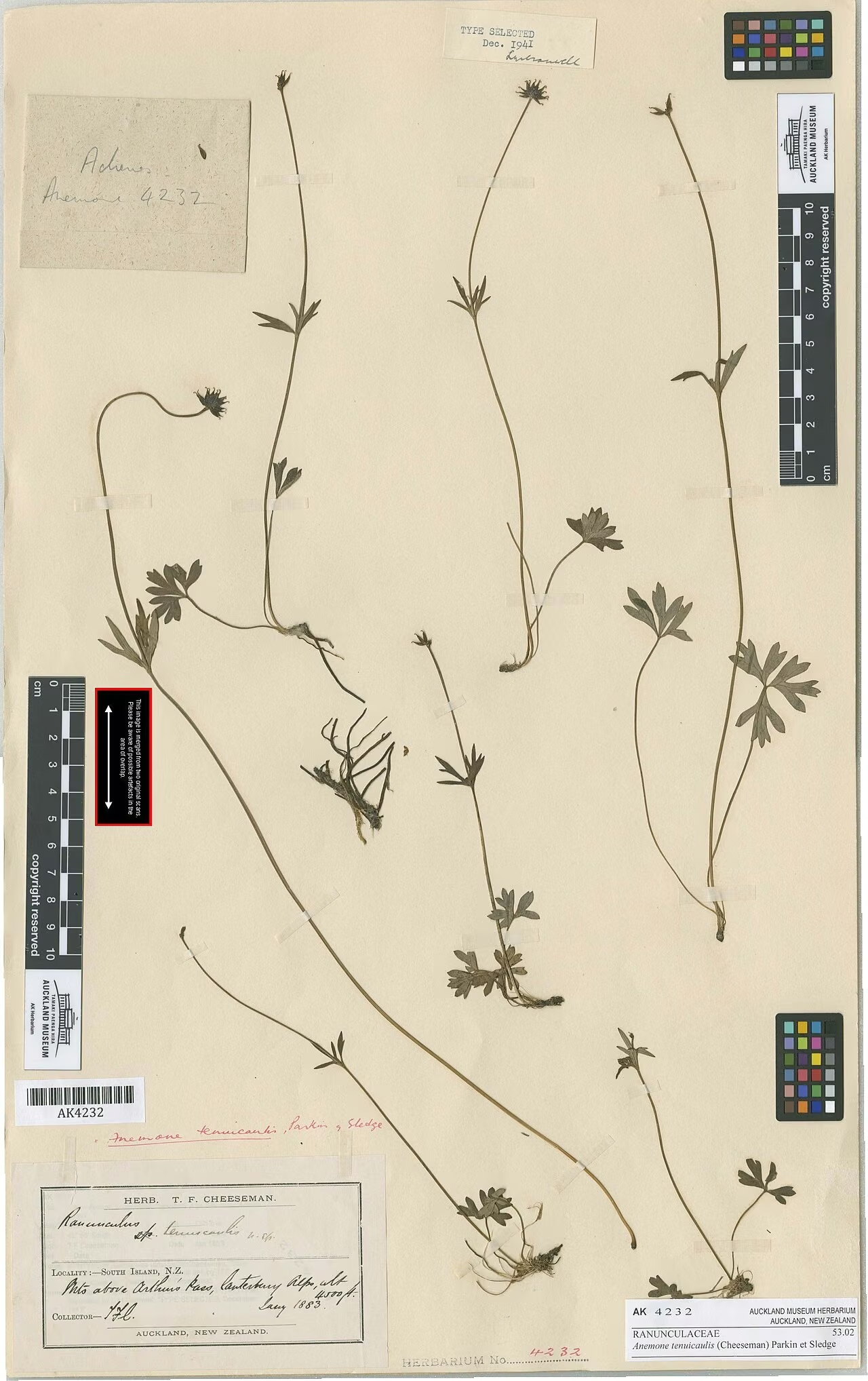
New Zealand Anemone
Anemonastrum tenuicaule
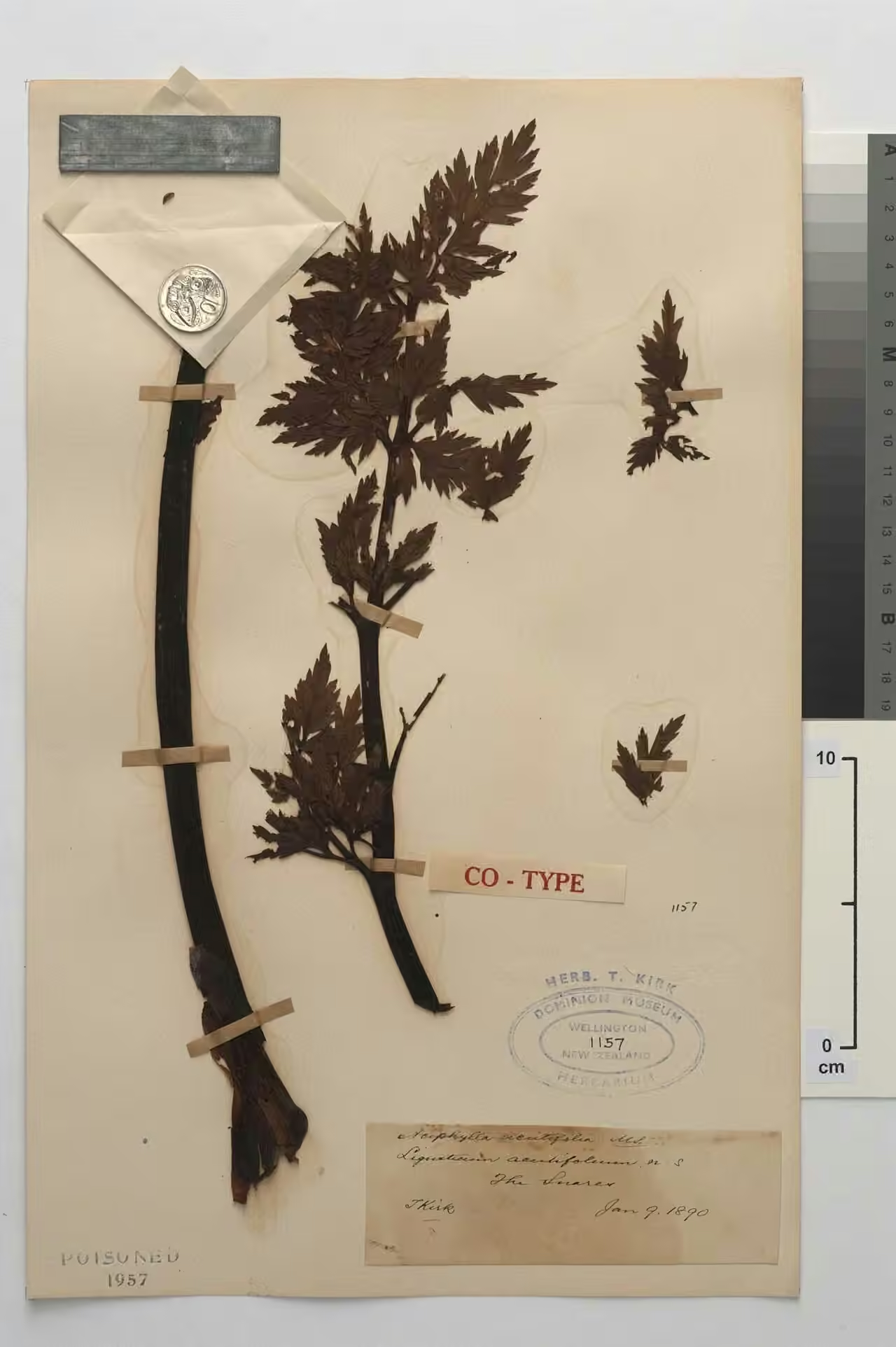
Snares Islands Anisotome
Anisotome acutifolia
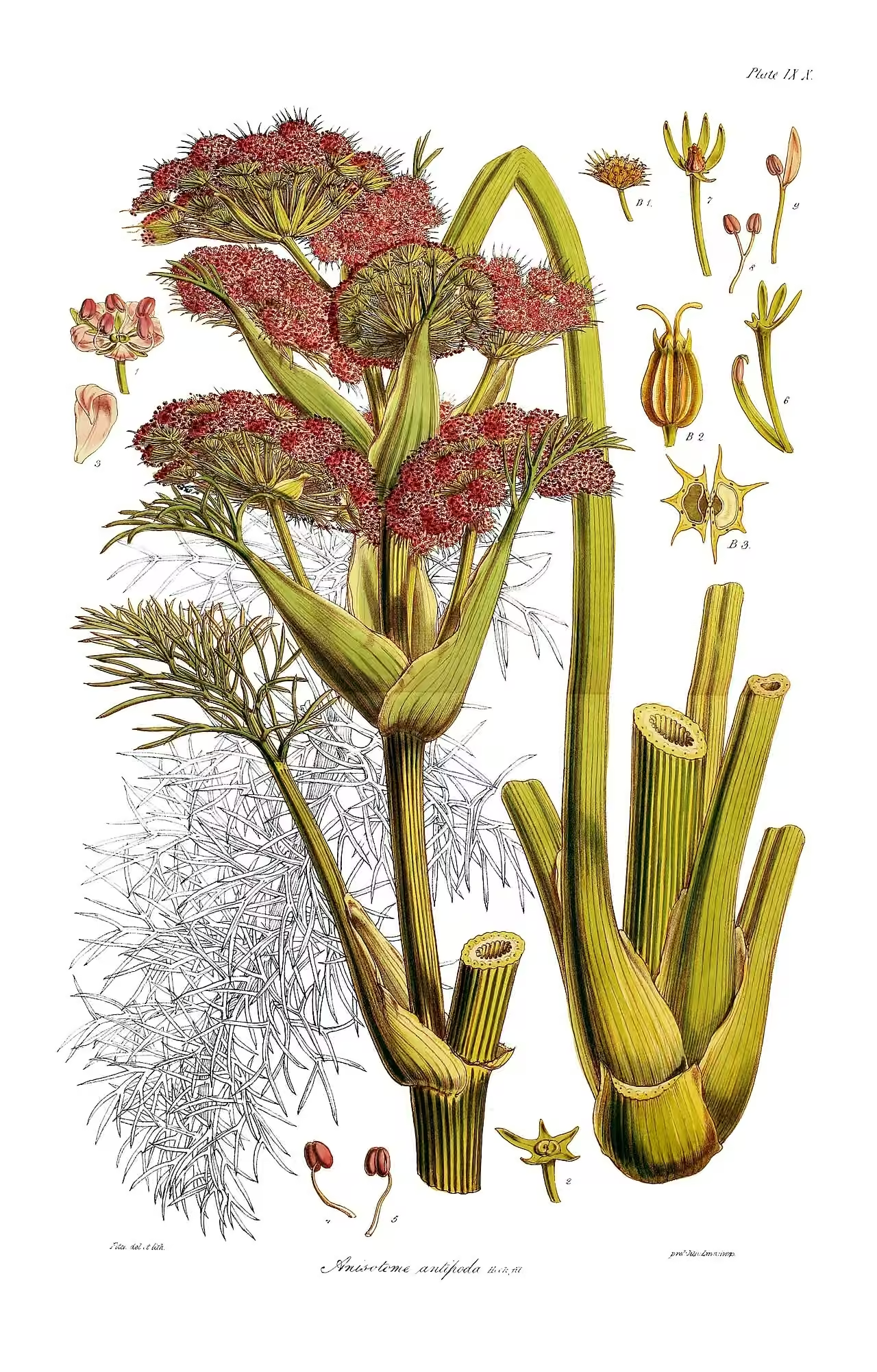
Anisotome antipoda
Anisotome antipoda
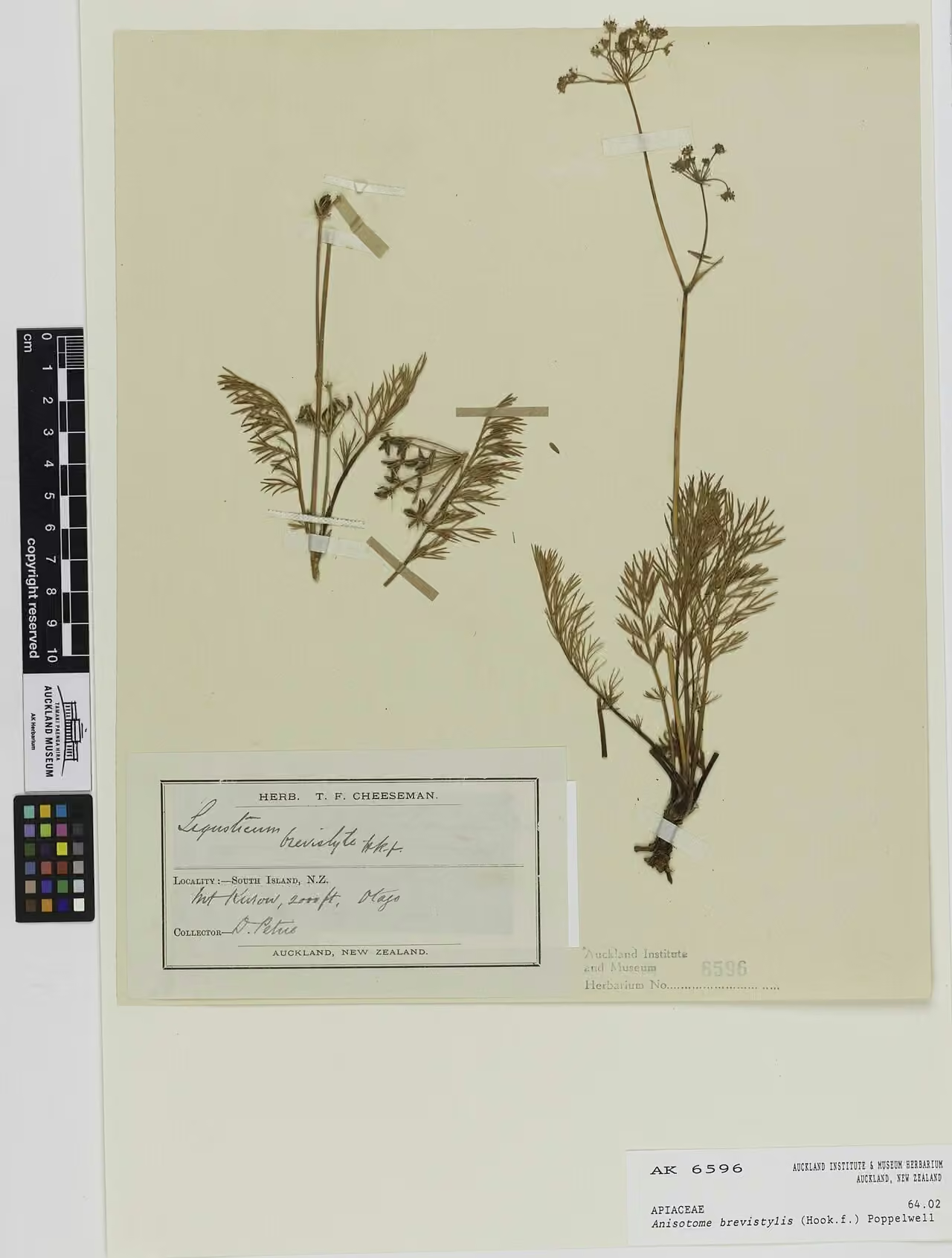
Native Carrot
Anisotome brevistylis
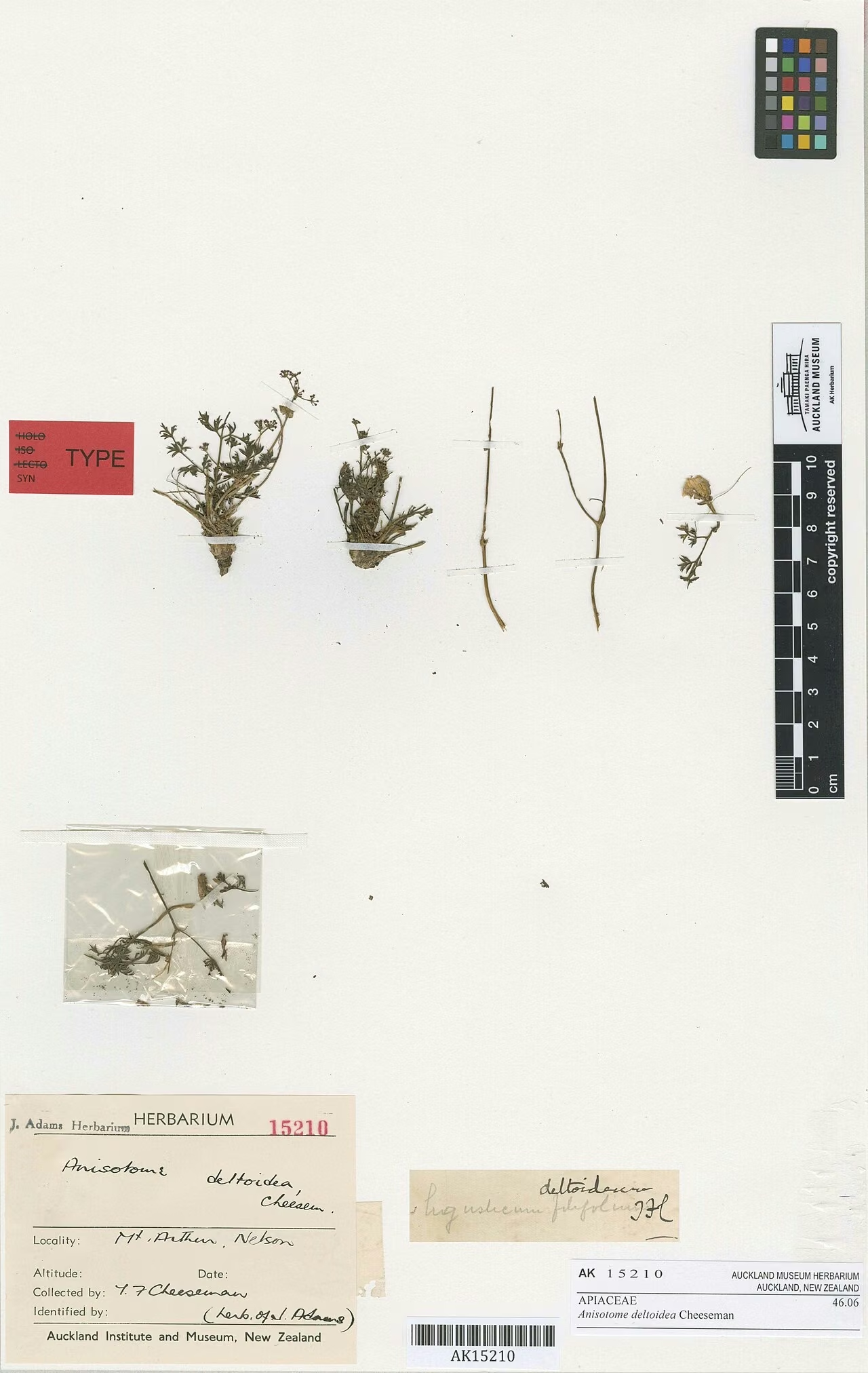
Anisotome deltoidea
Anisotome deltoidea
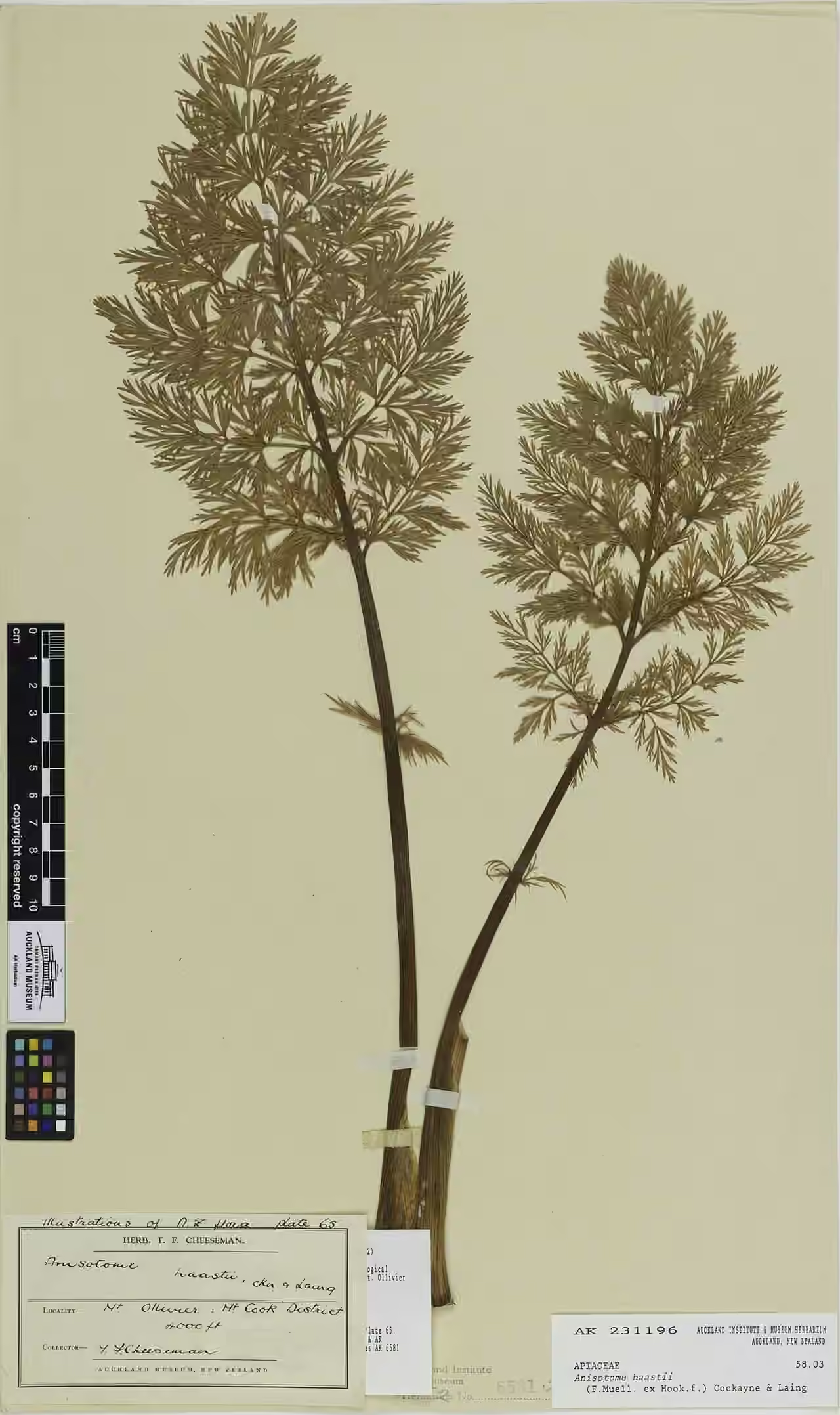
Haast's Carrot
Anisotome haastii
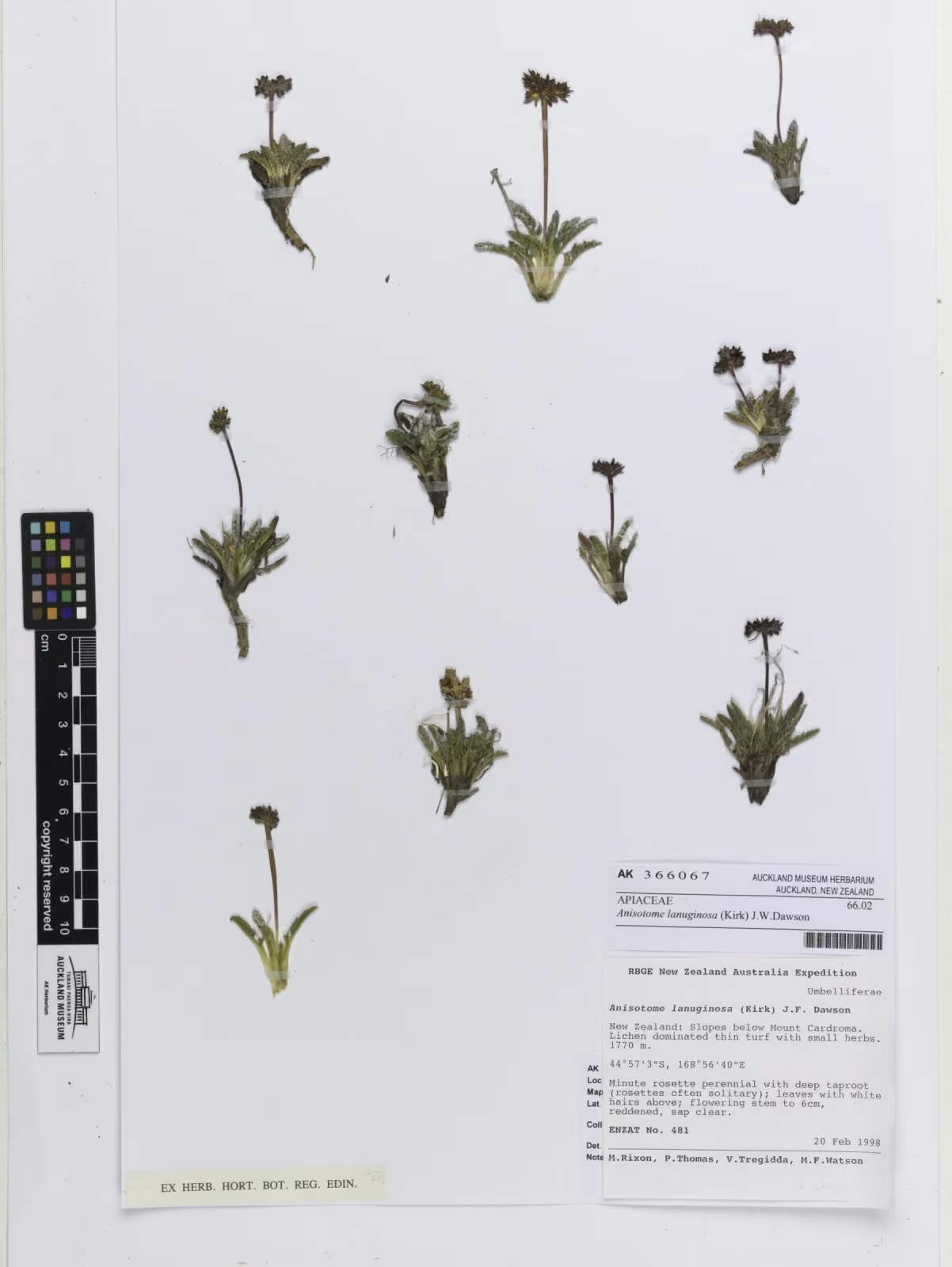
Anisotome lanuginosa
Anisotome lanuginosa
Odd-Leaved Orchid
Aporostylis bifolia
Plant Conservation
Anisotome capillifolia is ranked At Risk - Declining (2023) with the qualifiers Data Poor: Size, Data Poor: Trend, Partial Decline and Recruitment Failure. It was listed as Not Threatened until 2012, and in 2025 Otago ranked it Regionally Vulnerable.
Much of its range lies within Fiordland National Park. Better monitoring of populations and seedling recruitment would help identify the cause of its decline.
Frequently Asked Questions
Where does Anisotome capillifolia grow?
It occurs in higher montane to subalpine rocky places, fellfield and herbfield in the mountains of western Otago and Fiordland, including sites such as Mount Balloon above McKinnon Pass and Mt McPherson above Homer Saddle.
What does capillifolia mean?
It refers to the leaves, whose final segments are capillary or hair-like, only about 5 to 7 mm long and very fine, giving the plant a feathery look.
Why is Anisotome capillifolia ranked as declining?
It was moved from Not Threatened to At Risk - Declining in 2017, with qualifiers including Partial Decline and Recruitment Failure. The sources consulted do not explain the causes, and data on its population size and trend are poor.
Sources and Further Reading
The botanical, growing, and conservation details for Anisotome (Anisotome capillifolia) on this page draw on the New Zealand plant references below. Consult them for full technical records and the latest distribution data.