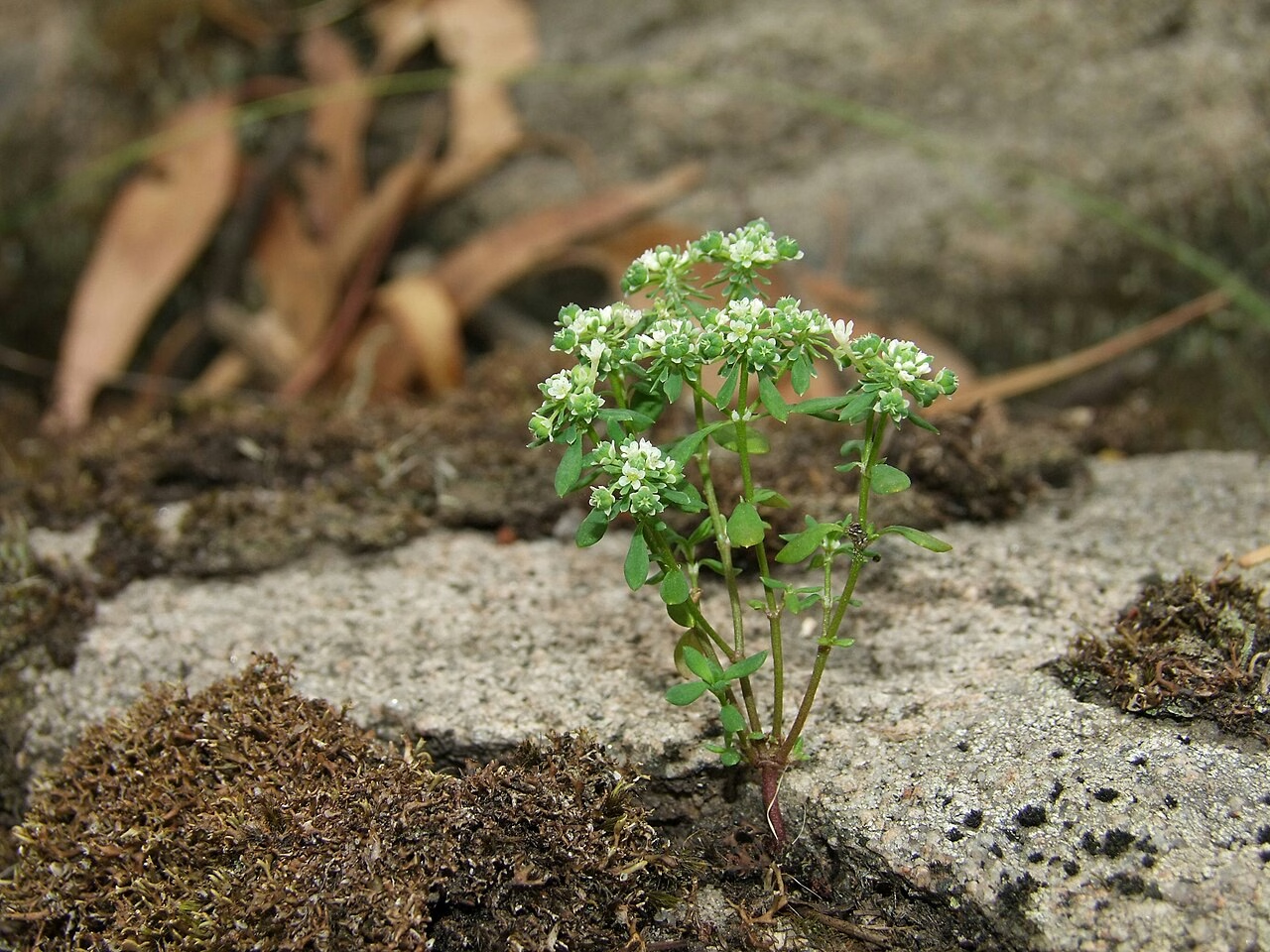
Small Poranthera
Poranthera microphylla
Last updated:
Small poranthera (Poranthera microphylla) is a slender, much-branched little herb up to about 25-30 cm tall, slightly woody at the base, with tiny blue-grey leaves 3-6 mm long and small white to greenish flowers. It is widespread in Australia but in New Zealand is known only from the top of the South Island, where the Flora of New Zealand records it from forest margins in the Maitai, Cobb, Pelorus and Tinline valleys. It is ranked At Risk - Naturally Uncommon because of its restricted range. It belongs to the Phyllanthaceae family and is the only Poranthera recorded in New Zealand. Explore more native flowering plants in our native plant guide.
Plant Description
Poranthera microphylla is a slender, diffuse herb, slightly woody at the base, with branches up to about 25 cm long and almost thread-like branchlets. Australian descriptions give heights to 30 cm and describe it as decumbent or upright and densely branched.
The leaves are small, about 3-6 mm long and 2-3.5 mm wide, membranous, oval to spoon-shaped and blue-grey, borne in distant pairs or alternately on short stalks. Plants carry separate male and female flowers on the same plant; the flowers are small, with white sepals tinged green and narrow petals, and are clustered at the stem tips. The fruit is a flattened, rounded capsule with three lobes.
It is the only Poranthera recorded in New Zealand, and its combination of tiny blue-grey paired leaves, thread-like stems and clusters of minute white flowers distinguishes it from other small herbs of Nelson forest margins. In New Zealand, fruit is recorded from November to February.
Quick Facts
| Scientific Name | Poranthera microphylla |
|---|---|
| Height | Up to about 25-30 cm |
| Spread | Small, diffuse plants |
| Water Needs | No reliable information for NZ populations |
| Light | Forest margins; likely light shade to sun |
| Frost Tolerance | Grows in inland Nelson and Marlborough valleys |
| Salt Tolerance | No information available |
| Growth Rate | Fast |
| Lifespan | Annual or short-lived perennial |
Climate Best Suited to
In New Zealand it grows in the inland valleys of Nelson and Marlborough, which have warm summers and cool winters. In Australia it occupies a wide range of climates, from temperate to montane.
Regional Suitability
| City | Climate Suitability |
|---|---|
| Auckland | Low |
| Wellington | Low |
| Christchurch | Low |
| Dunedin | Low |
Plant Habitat
In New Zealand, Poranthera microphylla is confined to the top of the South Island. The Flora of New Zealand records it from forest margins in the valleys of the Maitai, Cobb, Pelorus and Tinline Rivers, and NZPCN photographs are from Puponga Farm Park in North-west Nelson and Pelorus Bridge in Marlborough.
Overseas it is widespread in eastern and western Australia and Tasmania, growing in dry montane forest, woodland and grassland. Detailed habitat information for New Zealand populations beyond forest margins was not found in the sources consulted.
Growing Requirements
Soil Requirements
No specific soil information for New Zealand populations was found. In Australia it grows in forest, woodland and grassland soils.
- Forest-margin soils in Nelson and Marlborough
- Likely to need open, uncompetitive ground for a small herb
Light Requirements
Its recorded New Zealand habitat is forest margins, which offer partial light rather than deep shade.
- Forest edges
- Light shade to partial sun
Water Requirements
Water requirements for New Zealand plants are not documented. Australian populations occur in relatively dry forest and woodland.
- No reliable New Zealand data
- Australian habitats suggest moderate drought tolerance
Planting and Establishing
Small poranthera is not grown in New Zealand gardens and is not available from nurseries. Its value is as a rare wild plant, and it should not be collected.
Botanists interested in it should look along forest margins in the Nelson and Marlborough valleys where it has been recorded, taking care not to disturb plants.
Ecological Role
Little is known about its ecology in New Zealand. Plants carry separate male and female flowers, and the small flowers are presumably insect pollinated, but no New Zealand pollination studies were found.
As a small, fast-growing herb of forest margins, it likely depends on patches of open ground at the edges of forest where taller plants do not crowd it out.
Uses & Significance
Garden Uses
It has no practical garden use and is of interest mainly to botanists.
- Not available in cultivation
- Of botanical interest as New Zealand's only Poranthera
Ecological Value
It adds to the diversity of Nelson and Marlborough forest-margin herbs and is one of the plants New Zealand shares with Australia.
- Naturally uncommon indigenous herb
- Shared with Australia, but rare in New Zealand
Landscaping Uses
This tiny, delicate herb has no role in landscaping and would be lost among other garden plants.
Where restoration work takes place near its known sites, keeping forest margins open and free of smothering weeds is more useful than planting.
Seasonal Care Calendar
Spring
Plants grow and begin to flower; in Australia flowering runs mostly from September to April.
- Search Nelson forest margins for flowering plants
- Record sightings on iNaturalist NZ
Summer
In New Zealand fruit is recorded from November to February.
- Look for small three-lobed capsules
- Avoid trampling forest-margin herbs
Autumn
Fruiting finishes and plants may die back.
- Seed is shed near the parent plants
- Note population sizes for monitoring
Winter
Little is known about its winter state in New Zealand.
- No action required
- Keep weeds from overgrowing known sites
When to Prune and How Much
No pruning is relevant. It is a tiny, short-lived herb that is not cultivated.
At wild sites, the only management likely to help is controlling taller weeds that could shade it out.
How to Grow Small Poranthera
No propagation information for Poranthera microphylla in New Zealand was found in the sources consulted; NZPCN gives no propagation notes and the species is not grown by native nurseries. As a small herb that sets plenty of capsules, it is most likely to be raised from seed. Because it is At Risk - Naturally Uncommon in New Zealand, wild material should only be collected with permission and for conservation purposes, and the steps below are general guidance for small herbs of this type rather than a proven protocol. Any seedlings raised should be returned to suitable forest-margin habitat close to where the seed was collected.
From Seed
Capsules ripen from November to February in New Zealand. Ripe capsules split to release very small seeds, so they should be collected just as they begin to open.
- Collect ripe capsules from a small number of plants with permission
- Dry them in a paper bag to release the seed
- Sow on the surface of a fine, free-draining seed mix
- Keep lightly moist in bright, indirect light
- Grow seedlings on in small pots before planting back at a suitable site
From Cuttings
Cuttings are not documented for this species and are unlikely to be practical because the stems are very slender. Seed should be the first choice.
- If attempted, take short soft tips in late spring
- Insert into a fine, moist propagating mix
- Keep humid and shaded until roots form
Pests & Diseases
No pests or diseases of Poranthera microphylla are recorded for New Zealand.
The more likely pressures on such a small herb are smothering by weeds, changes to forest margins and accidental trampling at its few known sites.
Cultural Significance
No Māori name or traditional Māori use is recorded for this plant in the sources consulted.
It was described by the French botanist Adolphe-Théodore Brongniart in 1833. The genus name comes from the Greek poros, an opening, and anthera, an anther, referring to the way the anthers open, and microphylla means small-leaved.
Bonus Tip
If you find a tiny, wiry, blue-grey herb with minute white flowers on a forest edge near Nelson or Pelorus Bridge, photograph the leaves, flowers and three-lobed capsules and upload them to iNaturalist NZ: records help clarify the status of this little-known plant.
Related Plants
Explore other native plants that share similar characteristics or habitats with Small Poranthera (Poranthera microphylla), offering further insights into New Zealand's diverse flora. These related species provide context and opportunities for complementary planting in your garden.
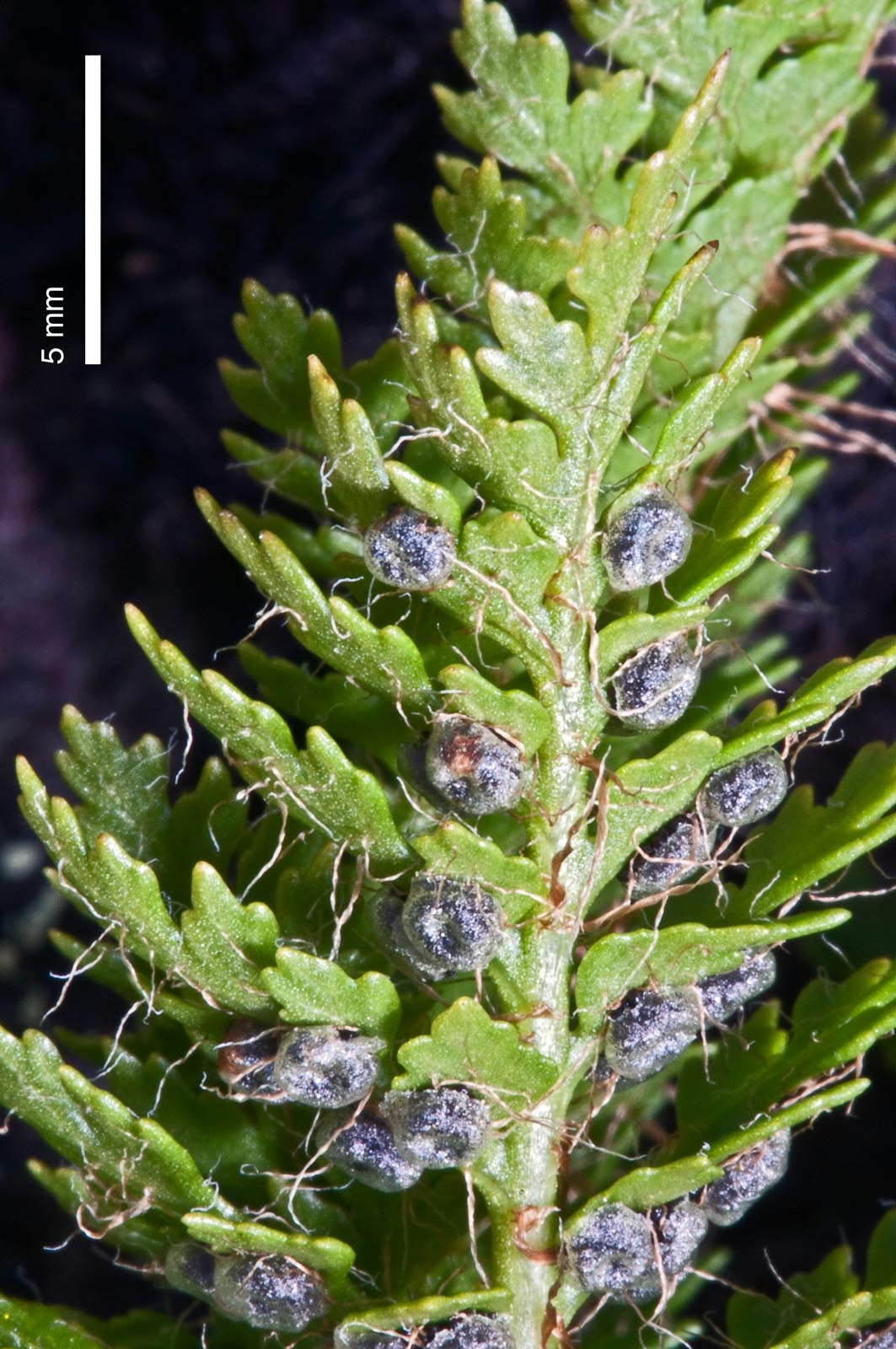
Alpine Shield Fern
Polystichum cystostegia
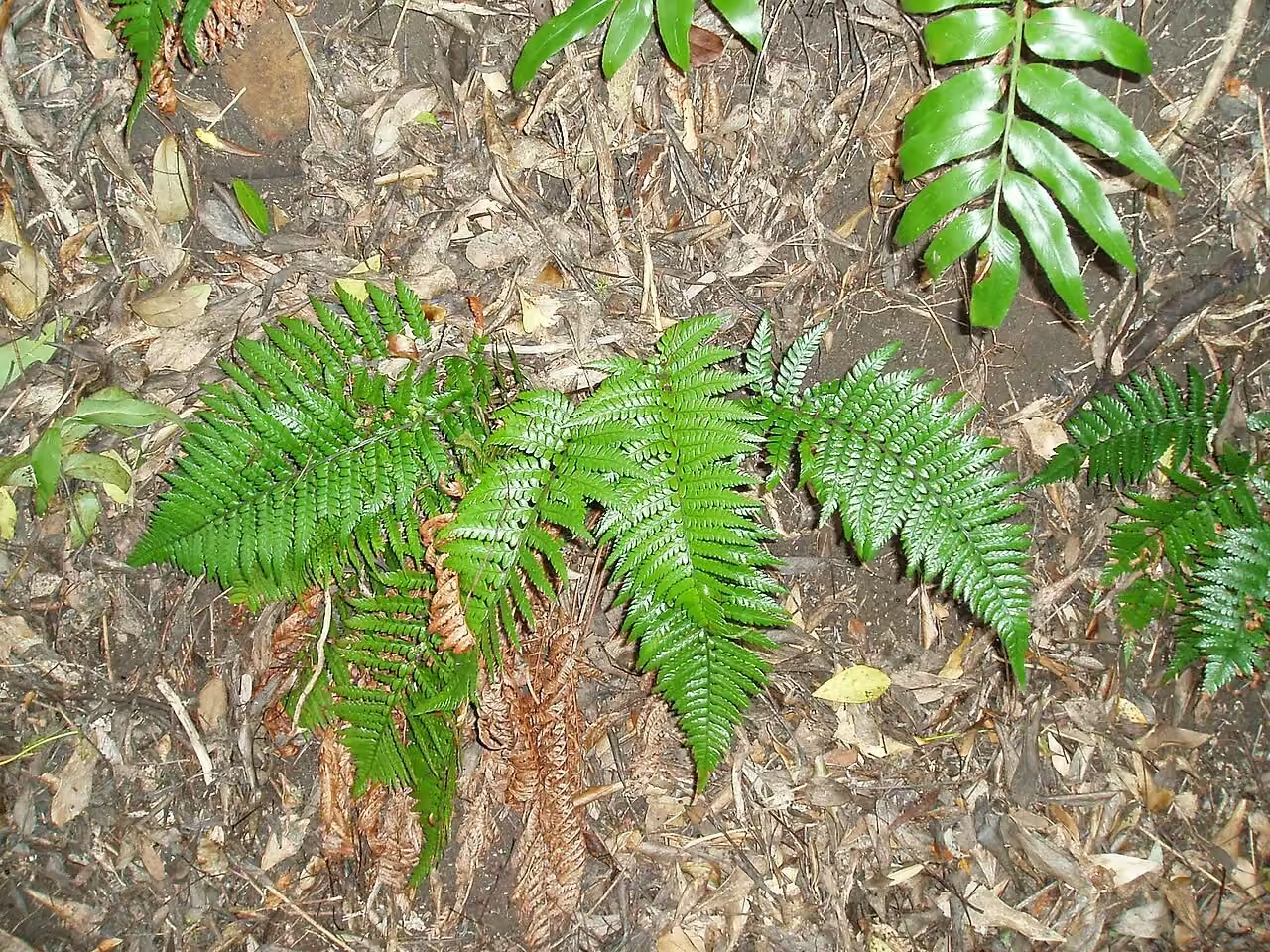
Polystichum wawranum
Polystichum wawranum
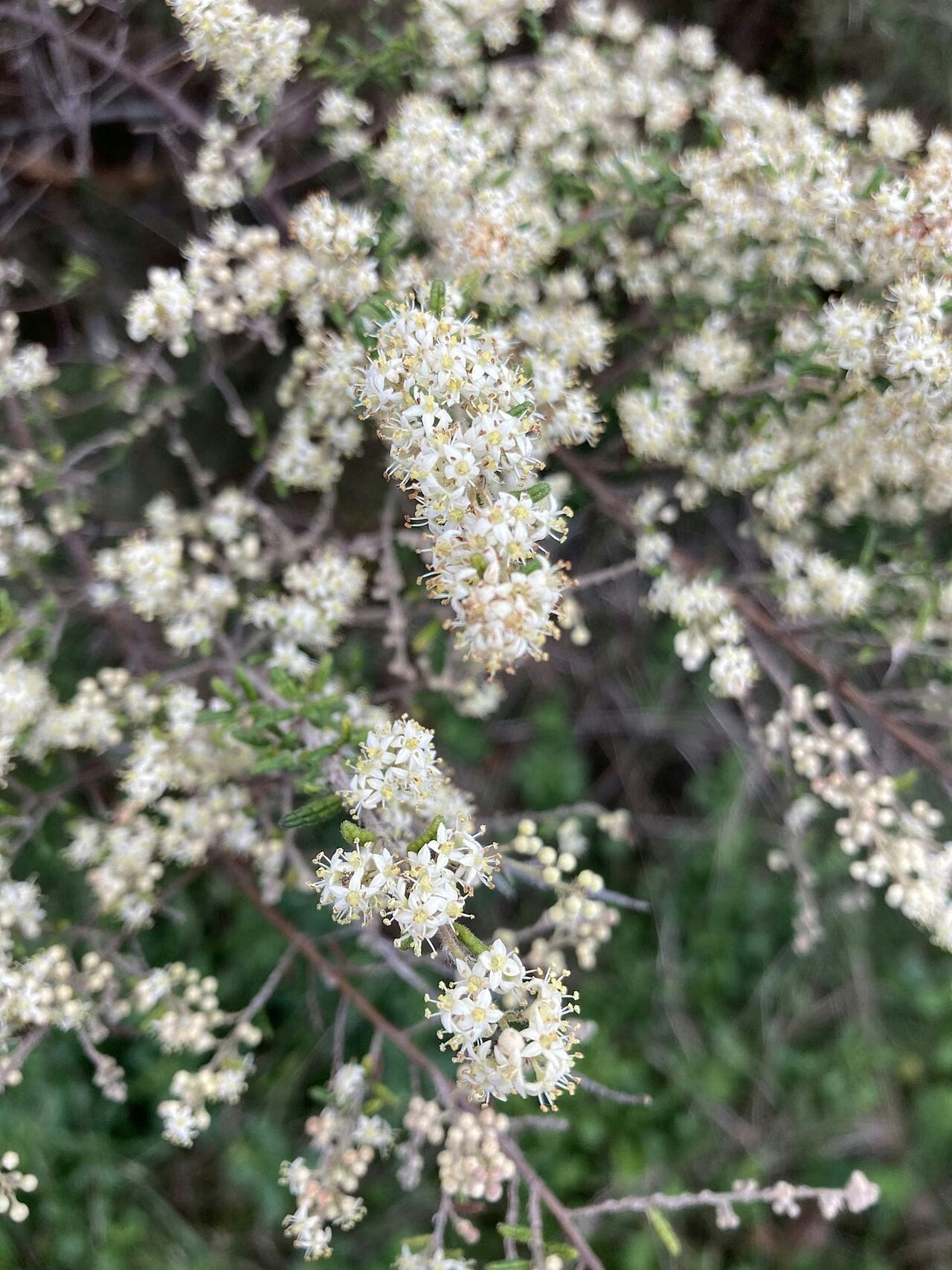
Pomaderris amoena
Pomaderris amoena
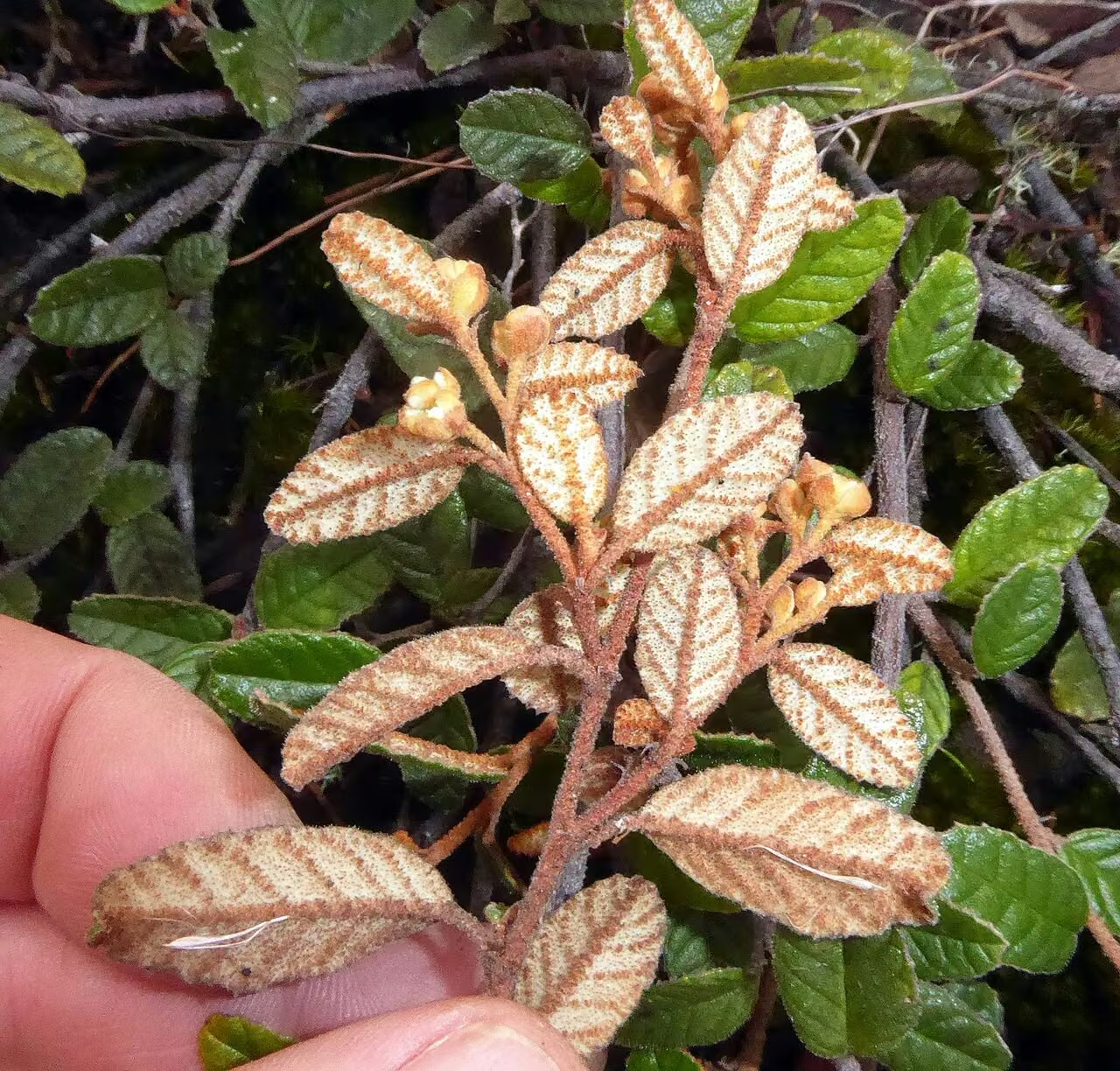
Pomaderris edgerleyi
Pomaderris edgerleyi
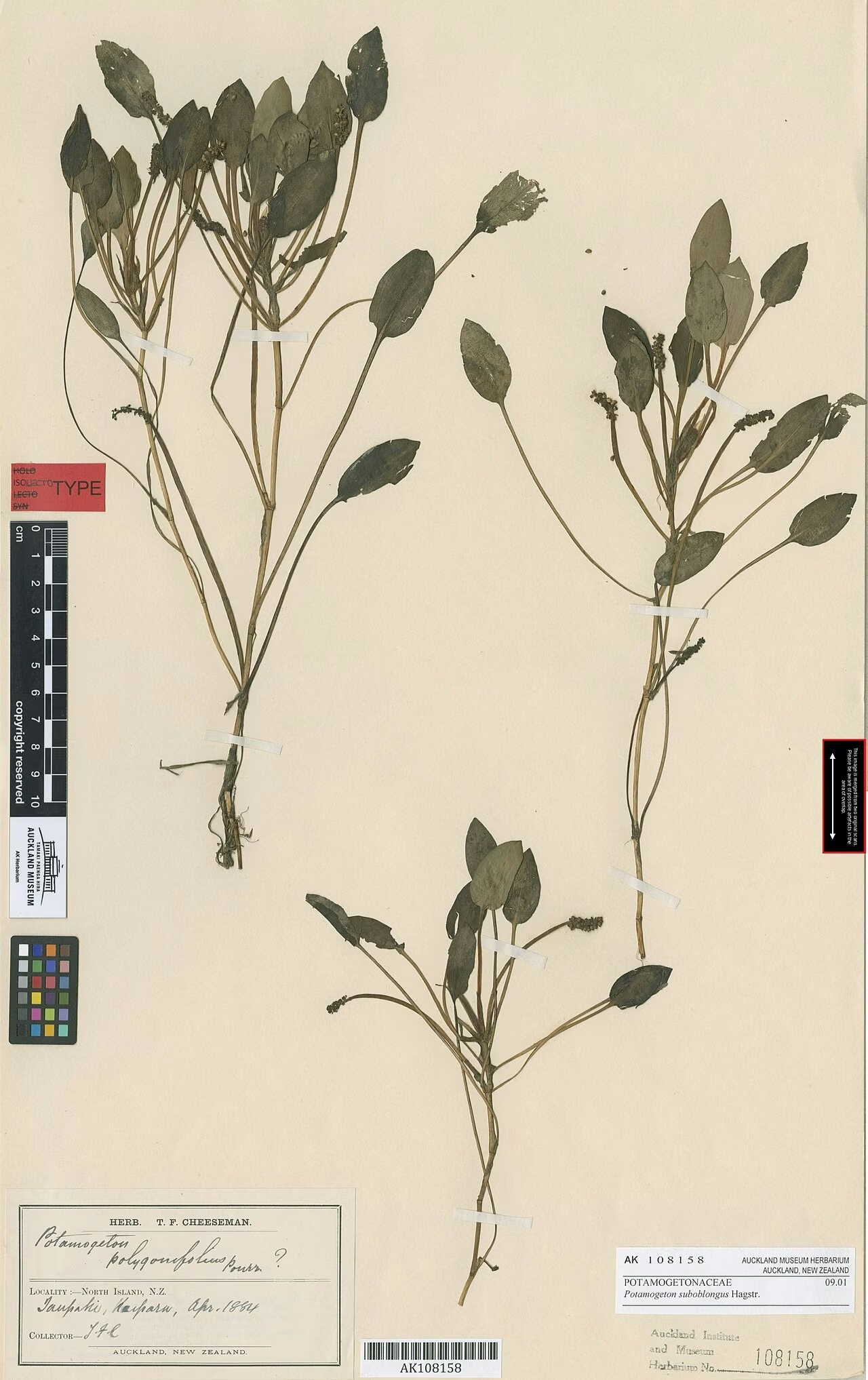
Mud Pondweed
Potamogeton suboblongus
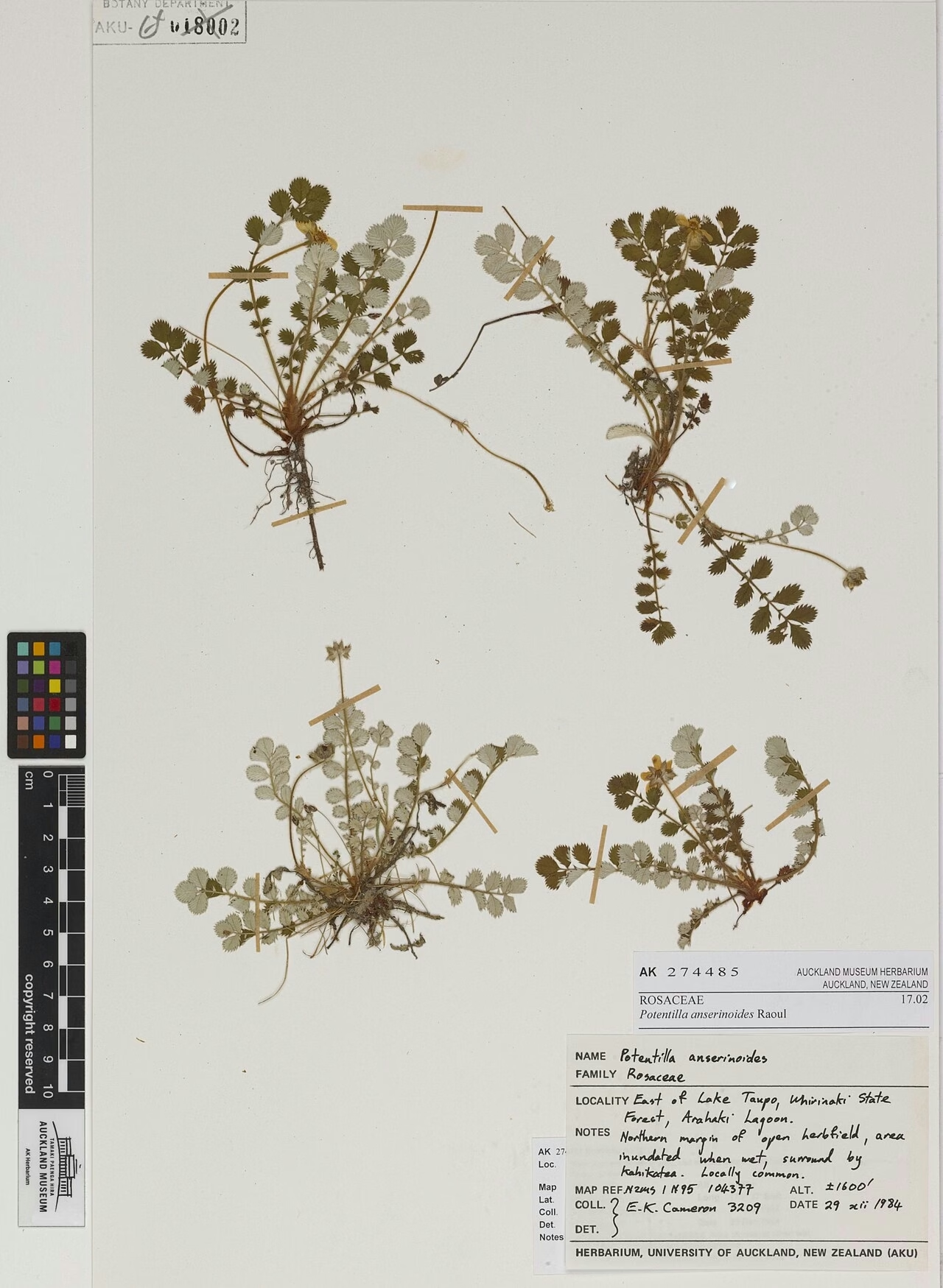
Argentina anserinoides
Argentina anserinoides
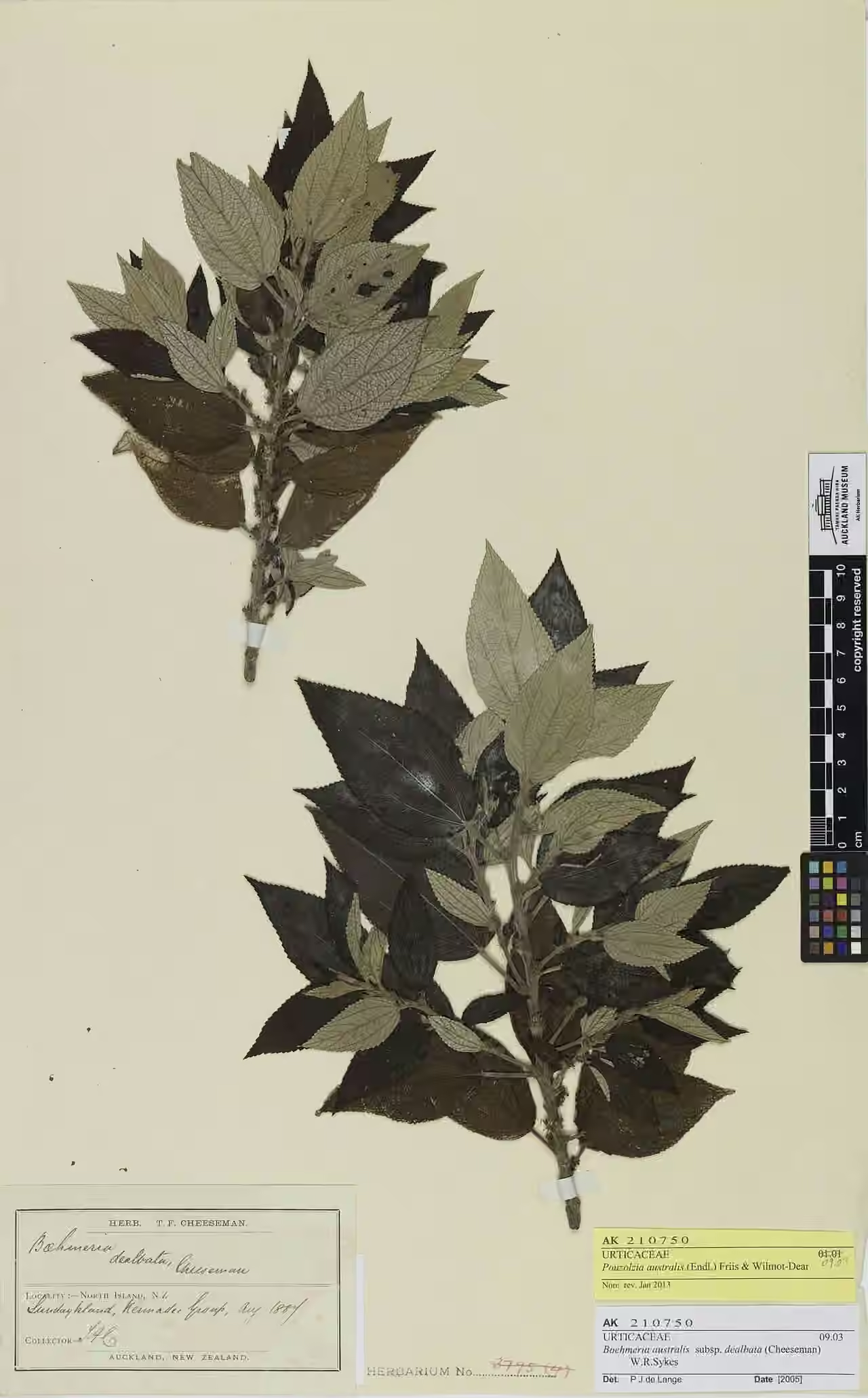
Kermadec Nettle-Tree
Pouzolzia australis
Prasophyllum colensoi
Prasophyllum colensoi
Plant Conservation
Poranthera microphylla is ranked At Risk - Naturally Uncommon (2023) with qualifiers RR (range restricted), SO (secure overseas) and Sp (sparse). It has held a Naturally Uncommon or Range Restricted ranking since 2004.
Its New Zealand populations are few and localised. Protecting forest margins in the Nelson and Marlborough valleys where it occurs, controlling weeds and recording new sites are the main ways to secure it.
Frequently Asked Questions
Where does Poranthera microphylla grow in New Zealand?
It is known only from the top of the South Island. The Flora of New Zealand lists forest margins in the Maitai, Cobb, Pelorus and Tinline valleys, and NZPCN images come from Puponga Farm Park and Pelorus Bridge.
Is small poranthera endemic to New Zealand?
No. It is indigenous to New Zealand but is also widespread in Australia, including Tasmania, where it grows in dry montane forest, woodland and grassland.
What does small poranthera look like?
It is a delicate, diffuse herb with thread-like branchlets, tiny oval to spoon-shaped leaves 3-6 mm long and small white or pink-tinged flowers, followed by small, rounded, three-lobed capsules.
Why is Poranthera microphylla classed as Naturally Uncommon?
It has a naturally restricted New Zealand range in the Nelson and Marlborough area, and is secure overseas, which is reflected in its RR, SO and Sp qualifiers.
Sources and Further Reading
The botanical, growing, and conservation details for Small Poranthera (Poranthera microphylla) on this page draw on the New Zealand plant references below. Consult them for full technical records and the latest distribution data.