Fireweed
Senecio diaschides
Last updated:
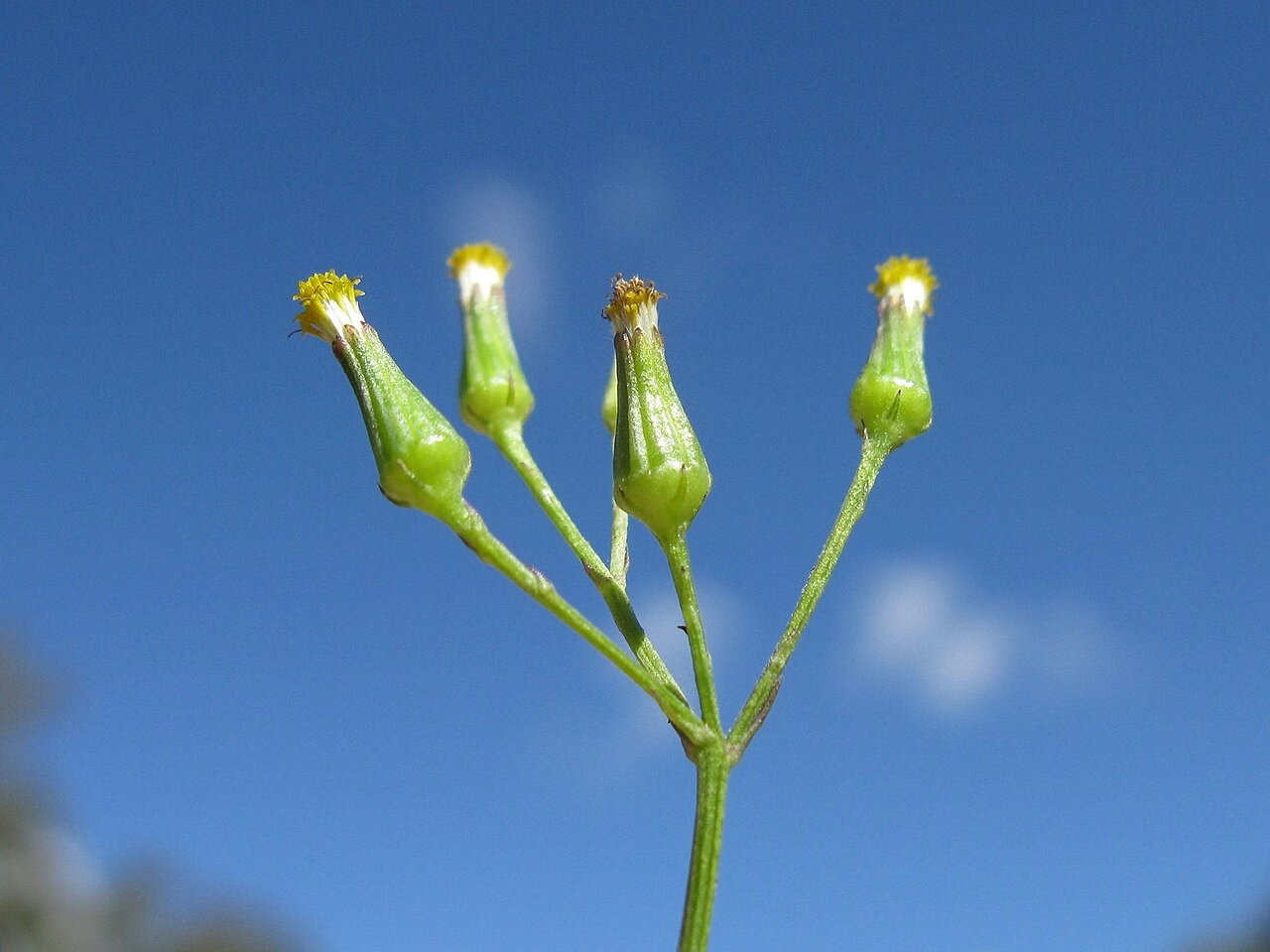
Fireweed (Senecio diaschides) is an erect, hairless herb up to about 1.5 m tall, living as a biennial or short-lived perennial, or as an annual in harsh conditions. It has long, narrow, toothed leaves that often clasp the stem and loose panicles of small yellow flower heads with no ray petals. In New Zealand it grows in the North Island from Northland to the Waikato and East Cape, with a disjunct occurrence near Wellington, and its range is spreading south. It colonises slips, burnt ground, stream sides and roadsides. It is ranked Not Threatened and also occurs in eastern Australia. Explore more native flowering plants in our native plant guide.
Plant Description
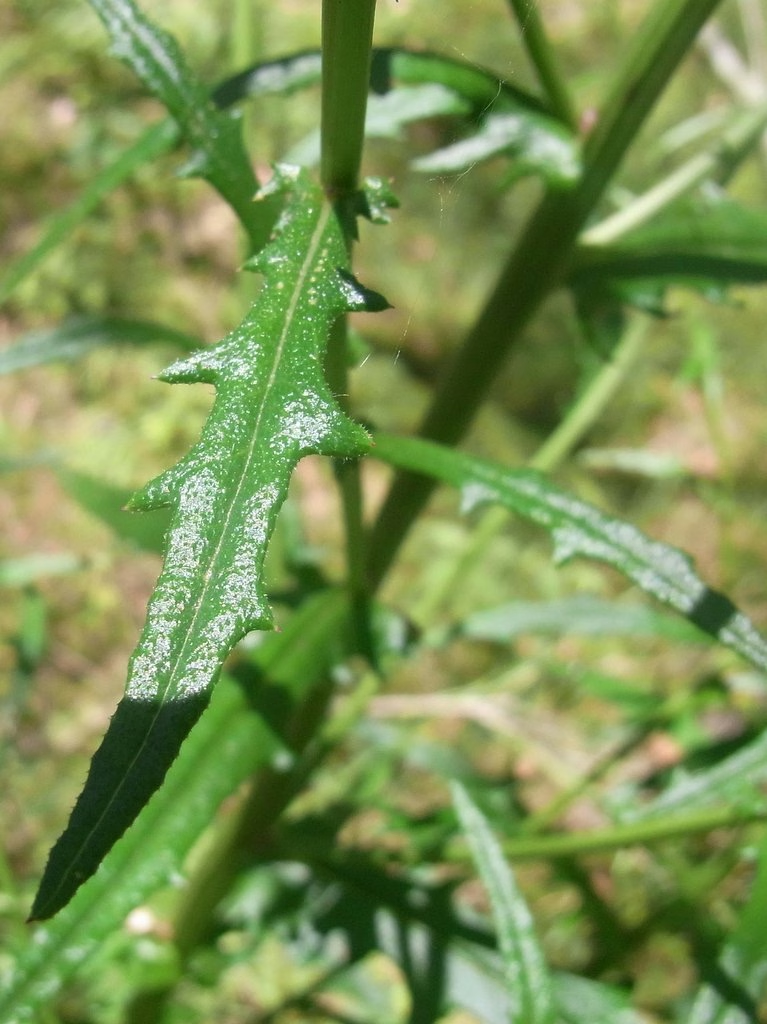
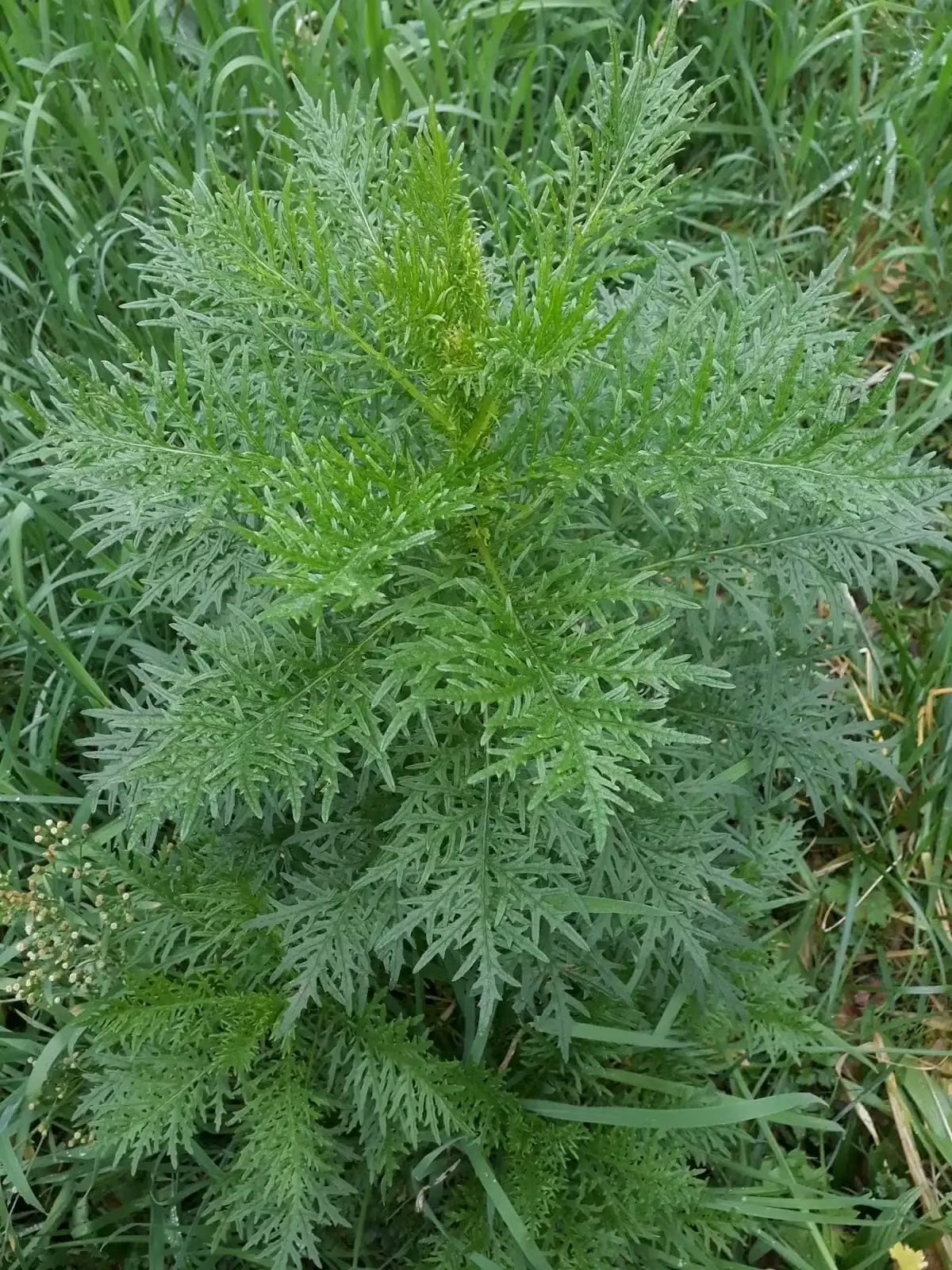
Senecio diaschides is an erect herb up to about 1.5 m tall, with hairless stems that branch above to form the flowering head. The lower and middle leaves are hairless and stalkless, linear to lanceolate, about 4-20 cm long and 0.3-3.5 cm wide, with pinnate veins. Their margins are distantly toothed or shallowly lobed, and the base is narrowed and often clasps the stem with 1-3 deep lobes. Upper leaves are smaller and often entire.
The flower heads are carried in loose panicles. Each is narrow, with 8-12 hairless involucral bracts 4.5-5.5 mm long, 4-6 small supplementary bracts, and a yellow disc 1-2 mm across with no ray florets. Flowering is from November to April. The seeds (achenes) are 1.5-2.8 mm long with rows of hairs in grooves between broad ribs and a pappus 4-6 mm long, carried away by wind.
It was once included in Senecio cahillii. Several other rayless fireweeds grow in similar disturbed places, and they are separated by leaf shape and hairiness, involucral bract numbers and seed hairs.
Quick Facts
| Scientific Name | Senecio diaschides |
|---|---|
| Height | Up to about 1.5 m |
| Spread | 0.3-0.6 m |
| Water Needs | Moderate |
| Light | Full sun to light shade |
| Frost Tolerance | Moderate |
| Salt Tolerance | No information available |
| Growth Rate | Fast |
| Lifespan | Biennial to short-lived perennial, sometimes annual |
Climate Best Suited to
It suits the warm to mild, moist climates of the northern and central North Island, and is spreading south.
Regional Suitability
| City | Climate Suitability |
|---|---|
| Auckland | High |
| Wellington | Medium |
| Christchurch | Low |
| Dunedin | Low |
Plant Habitat
In New Zealand Senecio diaschides is recorded from Northland to the Waikato and East Cape, then disjunctly near Wellington, and NZPCN notes its range is actively spreading south. Regional assessments differ: Not Threatened in Northland, Regionally Declining in Auckland and Regionally Naturally Uncommon in Wellington. In Australia it grows from Queensland to Victoria, where it is a listed threatened species.
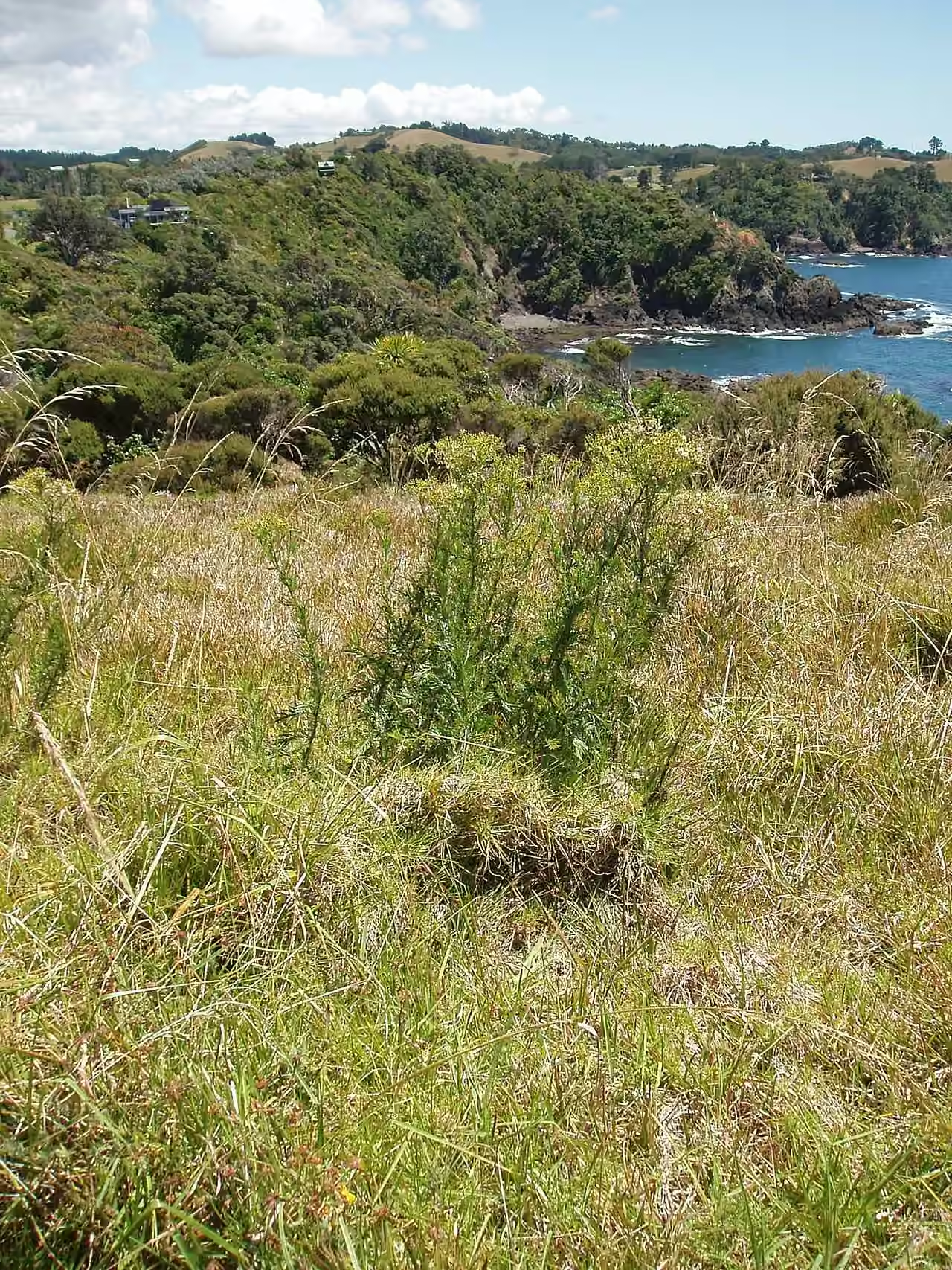
It is a pioneer of disturbed and open ground. Herbarium specimen labels record it on recently burned ground, slips and limestone stacks, along stream sides in open regenerating forest, on roadsides and on barren, stony river margins. In Victoria it grows in sand or among rocks beside watercourses in river valleys.
Growing Requirements
Soil Requirements
It colonises bare mineral soil, stony river margins and freshly exposed slip faces.
- Tolerates poor, disturbed soils
- Free-draining stony or sandy ground
- No fertiliser needed
Light Requirements
As a pioneer it needs open light and fades as taller vegetation closes in.
- Full sun or light shade
- Open forest margins and clearings
Water Requirements
It is often found near streams but also on dry slips and roadsides.
- Moderate moisture
- Copes with short dry spells
Planting and Establishing
Senecio diaschides is rarely planted deliberately. It establishes itself from wind-blown seed on slips, burns and other disturbed ground.
If included in a restoration project, sow it on bare ground as a short-term cover that will give way to shrubs as they grow.
Ecological Role
It is an early successional plant, appearing quickly after fire, slips or flooding and dying out as shrubs and trees take over. Its abundant wind-dispersed seed lets it reach new openings rapidly.
Flower visitors and insect associations for this species have not been documented in the sources consulted, although fireweeds as a group are food plants for some moth caterpillars.
Uses & Significance
Garden Uses
It has little ornamental use and can be weedy, so it is best left in natural sites.
- Short-term cover on slips and burnt ground
- Not recommended for gardens
Ecological Value
It plays a part in natural recovery after disturbance.
- Rapid coloniser of bare ground
- Helps stabilise slip faces and stream margins in the short term
- Short-lived stage in forest succession
Landscaping Uses
This fireweed is not a landscaping plant. Its narrow leaves and sparse heads of tiny yellow flowers have little ornamental value.
In revegetation of eroding sites, accept it where it arises naturally, as it gives quick cover before planted shrubs establish.
Seasonal Care Calendar
Spring
Rosettes and young stems grow quickly.
- Seedlings appear on fresh bare ground
Summer
Flowering begins in November with loose panicles of small yellow heads.
- Seed starts to disperse
Autumn
Flowering continues to April and seed is shed on the wind.
- Remove heads before seeding if unwanted
Winter
Plants that behave as biennials or perennials persist; others die.
- Little activity
When to Prune and How Much
No pruning is needed. Where it is unwanted, pull plants before they set seed.
In restoration sites, leave plants alone; they will be shaded out naturally as woody plants grow.
How to Grow Fireweed
NZPCN states that Senecio diaschides reproduces by wind-dispersed seed and is easily grown from fresh seed, but it is inclined to be weedy and aggressive in cultivation. For that reason there is rarely a need to propagate it. If it is wanted for a particular restoration or research purpose, raise it only from local seed and grow it away from gardens where it could spread. Several similar fireweeds, including introduced species, grow in the same disturbed places, so confirm identification using the stem-clasping, distantly toothed leaves and rayless heads before collecting seed.
From Seed
Seed is produced over a long season from about November to April. Collect heads once they turn fluffy and sow without delay, as NZPCN recommends fresh seed.
- Collect fluffy seed heads on a dry day and bag them so seed does not blow away.
- Sow on the surface of a free-draining seed mix and cover very lightly.
- Keep moist in a sunny, sheltered place.
- Prick out seedlings into small pots once they have a few true leaves.
- Plant out on bare, disturbed ground where a short-lived pioneer is wanted.
- Dispose of surplus seed heads carefully to avoid unwanted spread.
Natural Regeneration from Wind-Blown Seed
On slips, burns and stream margins within its range, this fireweed usually arrives on its own from wind-blown seed within a season or two of disturbance, as its pioneer habit suggests. Rather than sowing it, restoration managers can simply leave self-sown plants in place as temporary cover while slower native shrubs establish beneath and around them.
- Leave self-sown seedlings on bare slip faces.
- Plant woody natives among them.
- Allow the fireweed to fade as the canopy closes.
Pests & Diseases
No specific pest problems are recorded. As a short-lived pioneer, its main limit is competition from taller vegetation, which shades it out.
Because it is a fireweed, check plants carefully before removing them as weeds; other fireweeds such as Senecio bipinnatisectus look similar.
Cultural Significance
No Māori name or traditional Māori use is recorded for Senecio diaschides in the sources consulted. It was described by D.G. Drury in 1974 in the New Zealand Journal of Botany.
The name fireweed refers to the habit of these plants of springing up after fires, which made them conspicuous after forest burning and clearance.
Bonus Tip
When tidying a slip or burn site, do not assume every tall yellow fireweed is a weed: Senecio diaschides is regarded as native. Look for hairless stems, long narrow leaves with distant teeth and clasping, lobed bases, and tiny rayless heads in loose panicles.
Related Plants
Explore other native plants that share similar characteristics or habitats with Fireweed (Senecio diaschides), offering further insights into New Zealand's diverse flora. These related species provide context and opportunities for complementary planting in your garden.
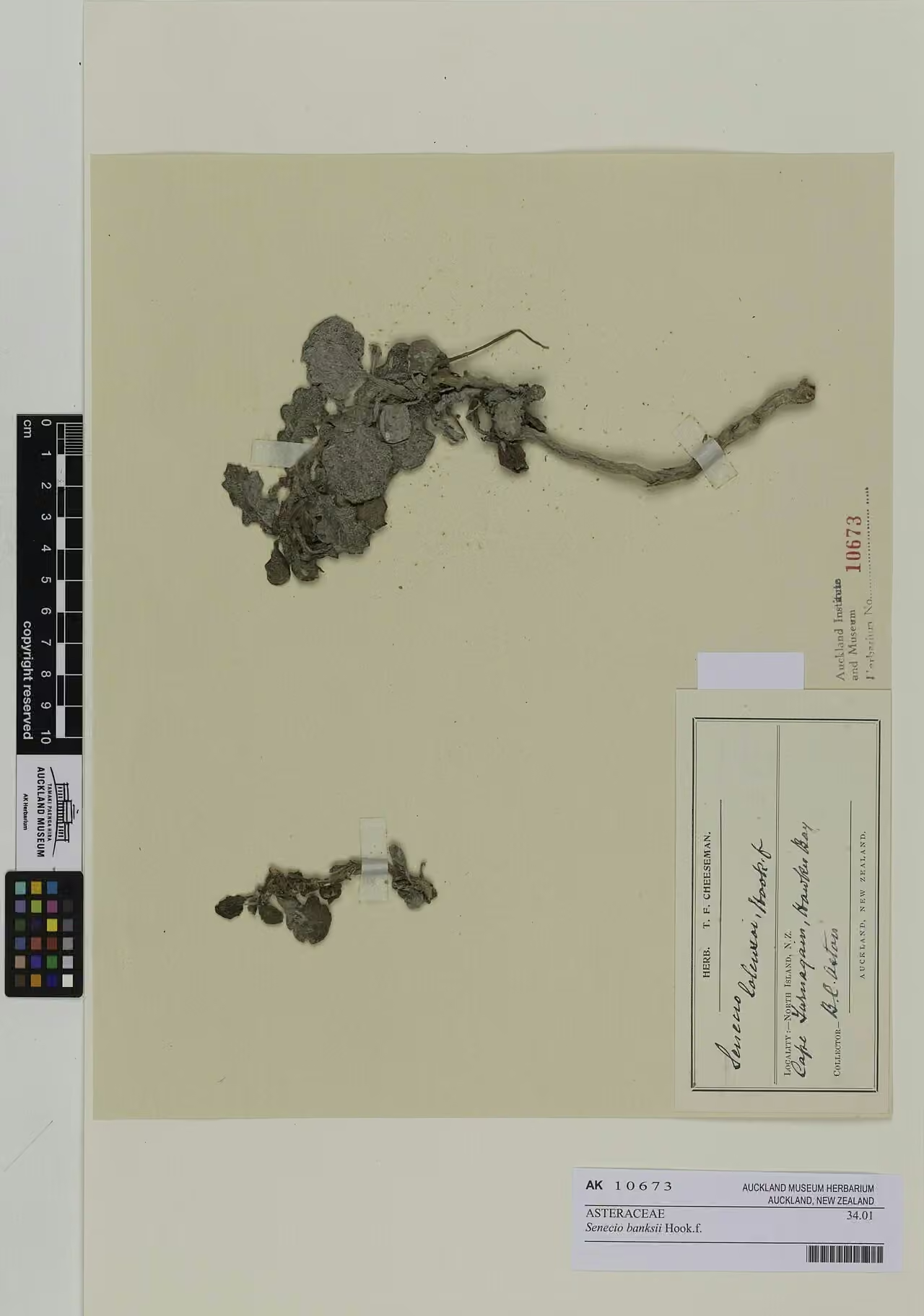
Senecio banksii
Senecio banksii
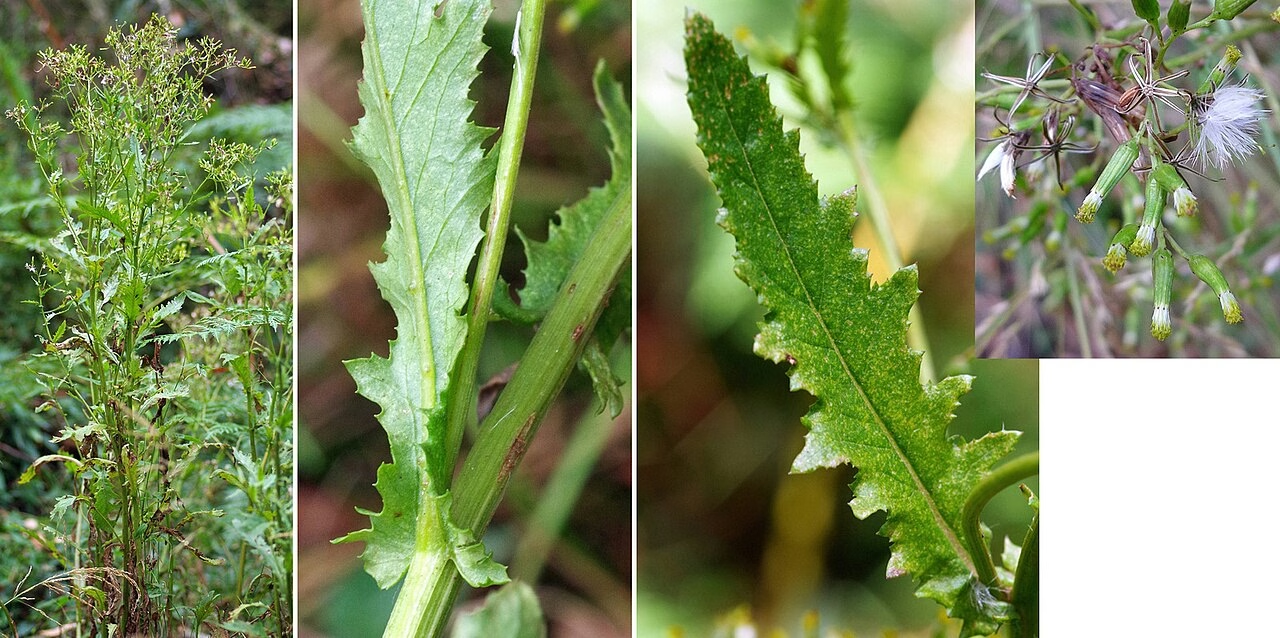
Jagged Fireweed
Senecio biserratus
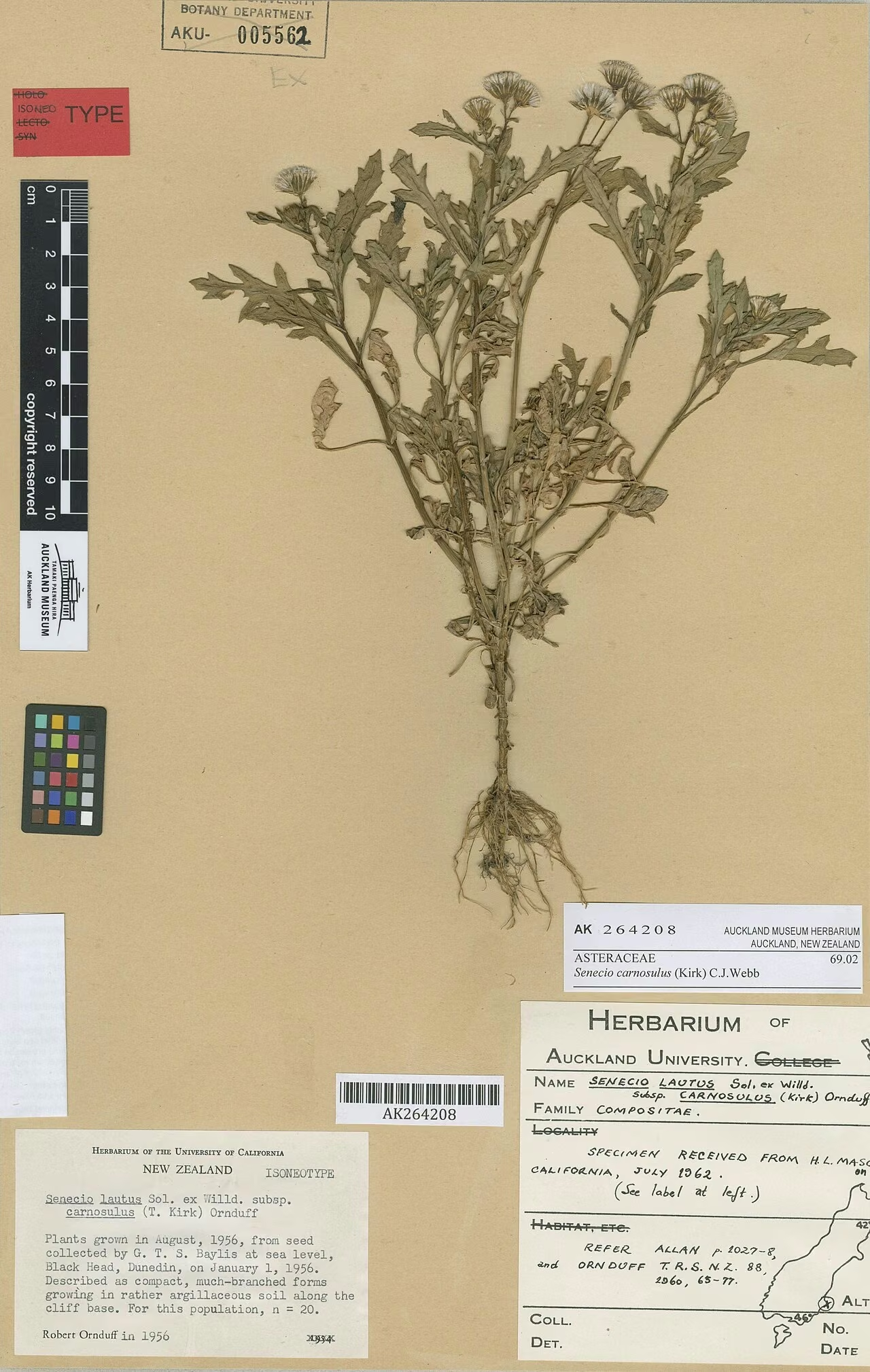
Senecio carnosulus
Senecio carnosulus
Esler's Fireweed
Senecio esleri
Senecio matatini subsp. discoideus
Senecio matatini subsp. discoideus
Senecio glaucophyllus
Senecio glaucophyllus
Senecio hispidulus
Senecio hispidulus
NZ Flora
NZ Flora
Plant Conservation
Senecio diaschides is ranked Not Threatened (2023) with the qualifier SO (secure overseas). Regionally it is considered Declining in Auckland and Naturally Uncommon in Wellington.
As a pioneer of disturbed ground it is not under significant threat nationally. In Australia it is listed as threatened in Victoria.
Frequently Asked Questions
Is Senecio diaschides native to New Zealand?
NZPCN and the Flora of New Zealand treat it as indigenous but not endemic, as it also grows in eastern Australia. The NZPCN page also notes it may have naturalised from Australia by 1975, so its origin here is debated.
Where does Senecio diaschides grow?
It occurs in the North Island from Northland to the Waikato and East Cape, then disjunctly near Wellington. Herbarium records note it on slips, burnt ground, stream sides and roadsides.
Should I grow Senecio diaschides in my garden?
NZPCN notes it is easily grown from fresh seed but inclined to be weedy and aggressive in cultivation, so it is better left to natural regeneration sites.
Sources and Further Reading
The botanical, growing, and conservation details for Fireweed (Senecio diaschides) on this page draw on the New Zealand plant references below. Consult them for full technical records and the latest distribution data.