Buttercup
Ranunculus maculatus
Last updated:
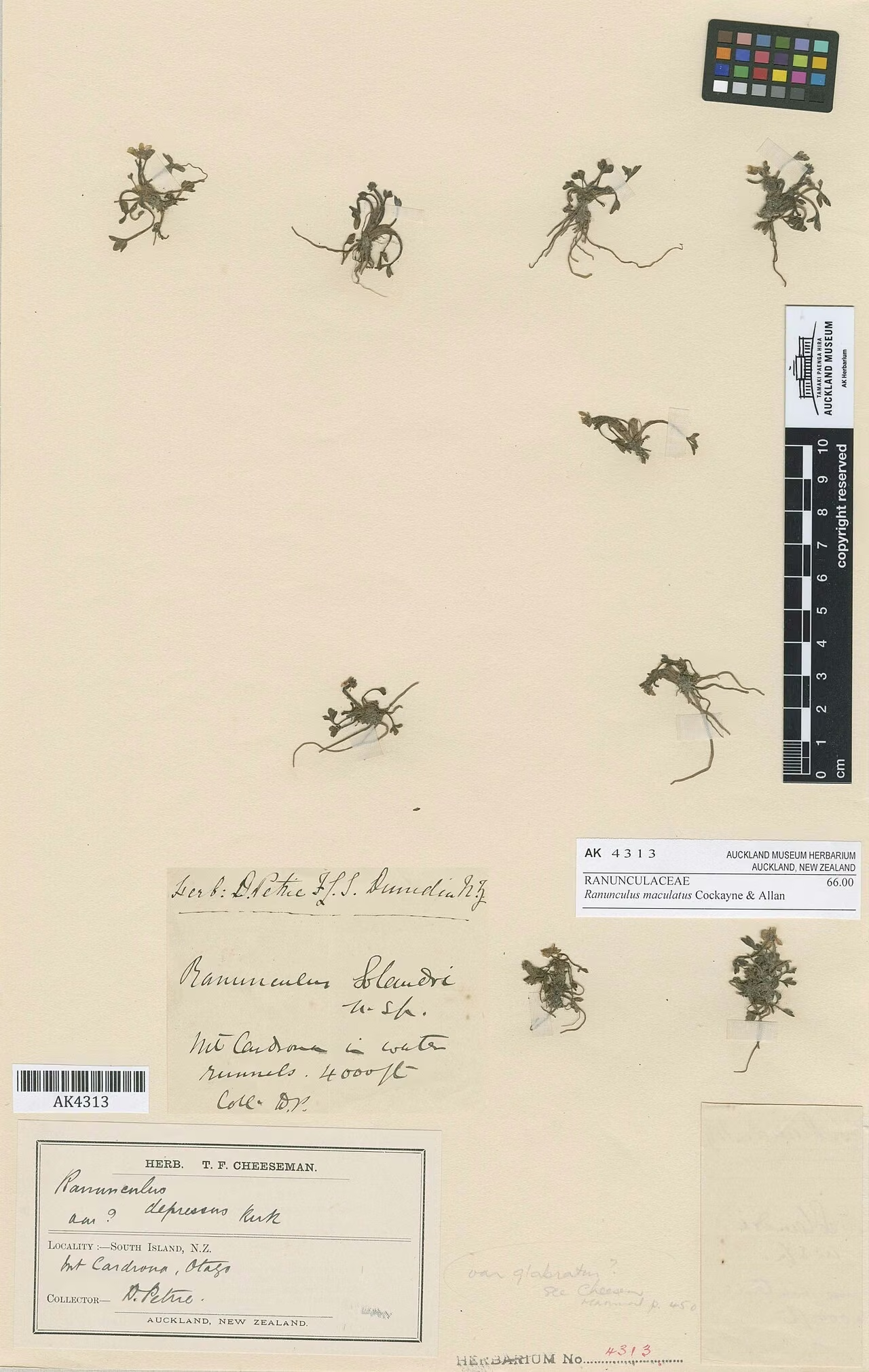
Ranunculus maculatus is a diminutive buttercup endemic to the South Island, growing no more than 5 cm tall. Its name means blotched, and it is easily recognised by its dark green, three-lobed leaves flecked with brown or black and its purple-mottled leaf sheaths. Solitary yellow flowers 8 to 10 mm across appear from November to February. It lives in montane to alpine turf on lake and tarn margins, in bogs, seepages, alpine flushes and cushion bogs from south-western Canterbury to Otago and northern Southland. It is ranked At Risk - Naturally Uncommon because, though widespread, it is sparse. Explore more native flowering plants in our native plant guide.
Plant Description
Ranunculus maculatus is a tiny tufted perennial forming small rosettes up to 50 mm tall, occasionally producing offset rosettes. It is sparsely hairy or almost hairless. The leaf stalks are up to 16 mm long with membranous, notably hairy sheaths about 14 by 3 mm, mottled purple-green or entirely purple-black. The leaf blades are about 9 by 10 mm, dark green flecked with darker brown or black, broadly elliptic to obovate-wedge-shaped and deeply cut into three lobes.
The flowers are solitary and 8 to 10 mm across, with five broad, sparsely hairy sepals about 3 by 2 mm and five yellow, oblong to spoon-shaped petals about 5 by 2 mm. Each petal has a single shallow, pocket-like nectary 1 to 1.5 mm from the base, and the receptacle is hairy. The fruit is a head of 15 to 25 achenes 1.5 to 1.9 mm long, dull brown and often blotched or wholly dark purple-brown, with a short beak usually curled or hooked.
Its closest relative is Ranunculus royi, which has densely and evenly hairy leaves with three to five toothed or scalloped lobes and 25 to 35 achenes per head. The blotched leaves and purple-mottled sheaths of R. maculatus are the easiest field clues.
Quick Facts
| Scientific Name | Ranunculus maculatus |
|---|---|
| Height | Up to 0.05 m |
| Spread | 0.03-0.1 m; occasionally forms offset rosettes |
| Water Needs | Constantly wet; obligate wetland plant |
| Light | Full sun in open turf |
| Frost Tolerance | High; montane to alpine |
| Salt Tolerance | None recorded; an inland wetland plant |
| Growth Rate | Slow |
| Lifespan | Perennial |
Climate Best Suited to
It suits cold montane to alpine climates of the inland southern South Island, with frosty winters, snow and cool summers. Humid lowland climates encourage powdery mildew.
Regional Suitability
| City | Climate Suitability |
|---|---|
| Auckland | Low |
| Wellington | Low |
| Christchurch | Low |
| Dunedin | Medium |
Plant Habitat
Ranunculus maculatus is endemic to the South Island, from south-western Canterbury through Otago to northern Southland. NZPCN describes it as apparently widespread and at times locally common, but generally biologically sparse.
It grows at montane to alpine elevations in turf on lake and tarn margins, in bogs and seepages among short tussock grasses, and in alpine flushes and cushion bogs. It is an obligate wetland plant, almost always found in wet places.
Growing Requirements
Soil Requirements
It grows in permanently wet, often peaty turf and bog soils, among short vegetation.
- Wet peat, silt or turf on tarn and lake margins
- Low fertility
- Little competition from taller plants
Light Requirements
Its turf and bog habitats are open and well lit.
- Full sun
- Short surrounding vegetation; it is easily overgrown
Water Requirements
It needs constant moisture from seepage, snowmelt or a high water table.
- Never let the root zone dry
- Moving seepage water is better than stagnant conditions
Planting and Establishing
Ranunculus maculatus is not commercially available. Specialist growers raising it from fresh seed should keep it in a shallow pan of wet, gritty peat in a cool, airy spot, ideally in a southern climate.
Because NZPCN warns it is prone to powdery mildew in moist or humid climates, good air movement is as important as constant moisture. Avoid crowding it with other plants.
Ecological Role
It flowers from November to February and fruits from December to April. Its small yellow flowers are suited to visits from small flies and native bees, though specific pollinators have not been recorded.
It belongs to the turf and cushion bog communities of southern South Island uplands, alongside other small herbs that rely on wet, open conditions. Its sparse distribution makes it vulnerable to local loss where tarns or bogs are drained, trampled or invaded by weeds.
Uses & Significance
Garden Uses
It is a curiosity for alpine enthusiasts rather than a general garden plant.
- Small pan in an alpine house or cold frame
- Damp trough garden in a cool southern climate
Ecological Value
It adds to the diversity of the specialised small-herb flora of upland wetlands in the southern South Island.
- Early-summer nectar in alpine flushes and bogs
- A component of cushion bog and tarn-margin turf
- An indicator of intact upland wetland turf
Landscaping Uses
It has no landscaping role at normal garden scale because of its tiny size and need for cool, wet, open turf.
In upland wetland restoration in Otago or Canterbury, protecting existing turf and bog margins from stock and vehicles is far more effective than planting.
Seasonal Care Calendar
Spring
Rosettes emerge from winter dormancy as snow melts from upland turf.
- Keep cultivated plants wet and well ventilated
- Look for purple-mottled sheaths on new leaves
Summer
Flowering runs from November to February, with achenes ripening from December.
- Watch cultivated plants for powdery mildew
- Collect fresh seed as heads ripen
Autumn
Fruit continues to ripen until April and growth slows.
- Sow seed fresh
- Reduce humidity around plants
Winter
Plants are dormant or reduced to small rosettes under frost and snow.
- No action needed
- Keep pans cool rather than in a warm glasshouse
When to Prune and How Much
No pruning is needed for this tiny herb.
Remove dead leaves from cultivated plants to improve airflow and reduce powdery mildew.
How to Grow Buttercup
NZPCN states that Ranunculus maculatus is easily grown from fresh seed but is prone to powdery mildew in moist or humid climates. Seed is therefore the main method, with occasional offset rosettes providing a second option. Because the species is naturally uncommon and sparse, seed should only be gathered in small amounts from plants already in cultivation or under authority from the Department of Conservation where it grows on public conservation land. Keep cultivated plants cool, constantly wet and well ventilated, and grow them on in their own pots to limit the spread of mildew.
From Seed
Fruit ripens between December and April. The small dark achenes are best sown as soon as they are ripe. Germination of fresh seed is usually reliable, and the main challenge comes later, in keeping the young rosettes free of mildew through their first warm, humid summer.
- Collect ripe achene heads when they loosen at a touch
- Sow on wet, gritty peat in a shallow pan
- Cover with a fine layer of grit
- Stand the pan in a shallow tray of water in a cool, bright place with good airflow
- Prick out seedlings into individual pots once they have several leaves
By Division of Offset Rosettes
The Flora notes that plants occasionally form offset rosettes, which can be separated from established cultivated plants.
- Lift a cultivated clump in spring
- Separate an offset rosette with its own roots
- Pot into wet gritty peat and keep shaded and cool until established
Pests & Diseases
Powdery mildew is the main problem in cultivation, especially in moist or humid climates, as NZPCN notes for this species. Slugs can also graze the small rosettes.
In the wild, no specific pests are documented. As with other upland wetland herbs, drainage, trampling by stock and invasion of turf by exotic grasses are likely to reduce suitable habitat.
Cultural Significance
No Māori name or traditional Māori use is recorded for Ranunculus maculatus in the sources consulted.
The species was named by Leonard Cockayne and Harry Allan, and was previously known as Ranunculus depressus var. glabratus before being recognised as a distinct species. Its chromosome number, 2n = 32, differs from the 2n = 48 common in many of its relatives.
Bonus Tip
To find this buttercup, scan the wettest turf right at the edge of upland tarns in Otago and look for tiny rosettes whose leaves look as if they have been splashed with dark ink. The blotching is visible even when the plant is not flowering, making it one of the easier tiny buttercups to name.
Related Plants
Explore other native plants that share similar characteristics or habitats with Buttercup (Ranunculus maculatus), offering further insights into New Zealand's diverse flora. These related species provide context and opportunities for complementary planting in your garden.
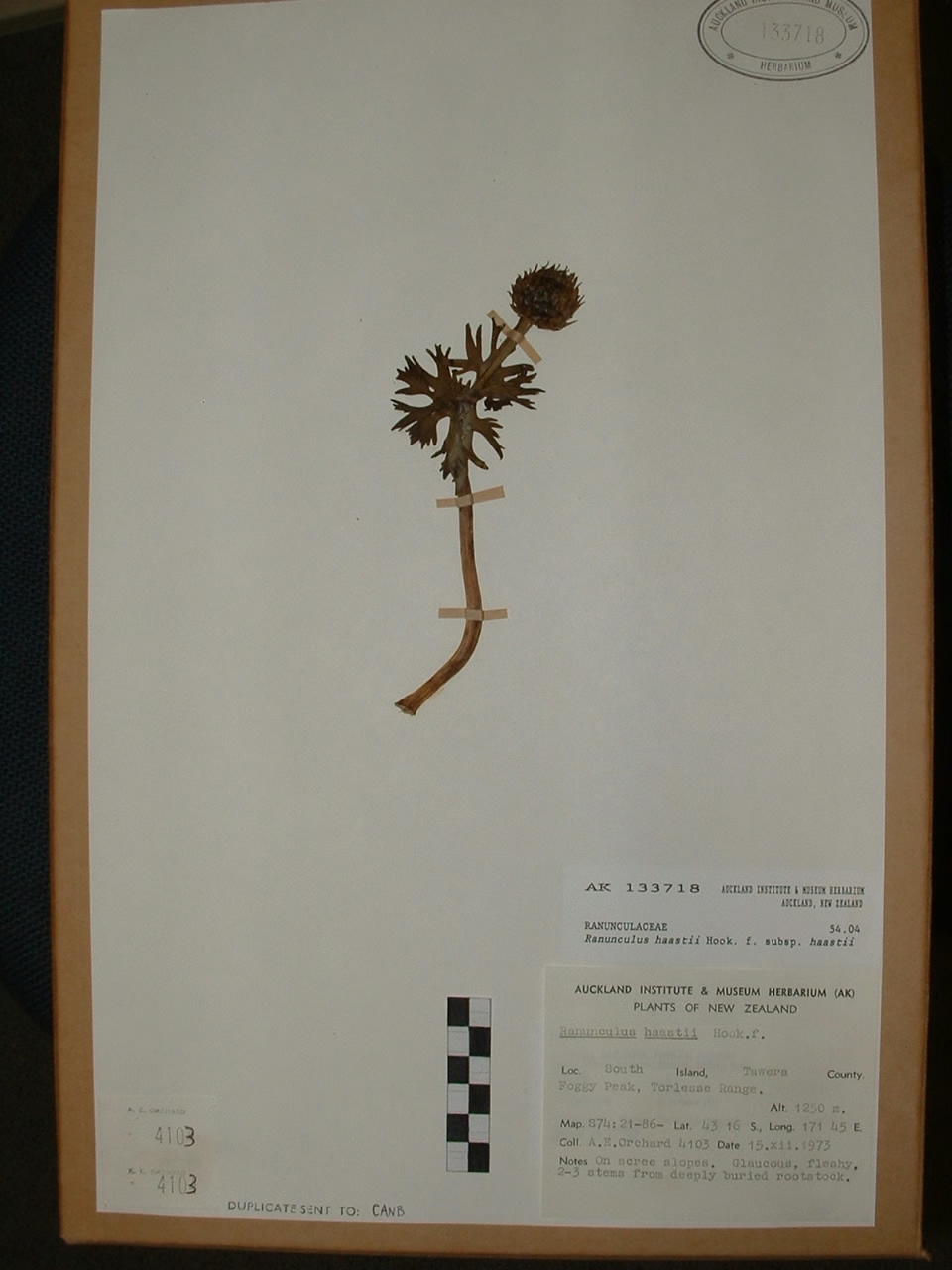
Haast's Buttercup
Ranunculus haastii
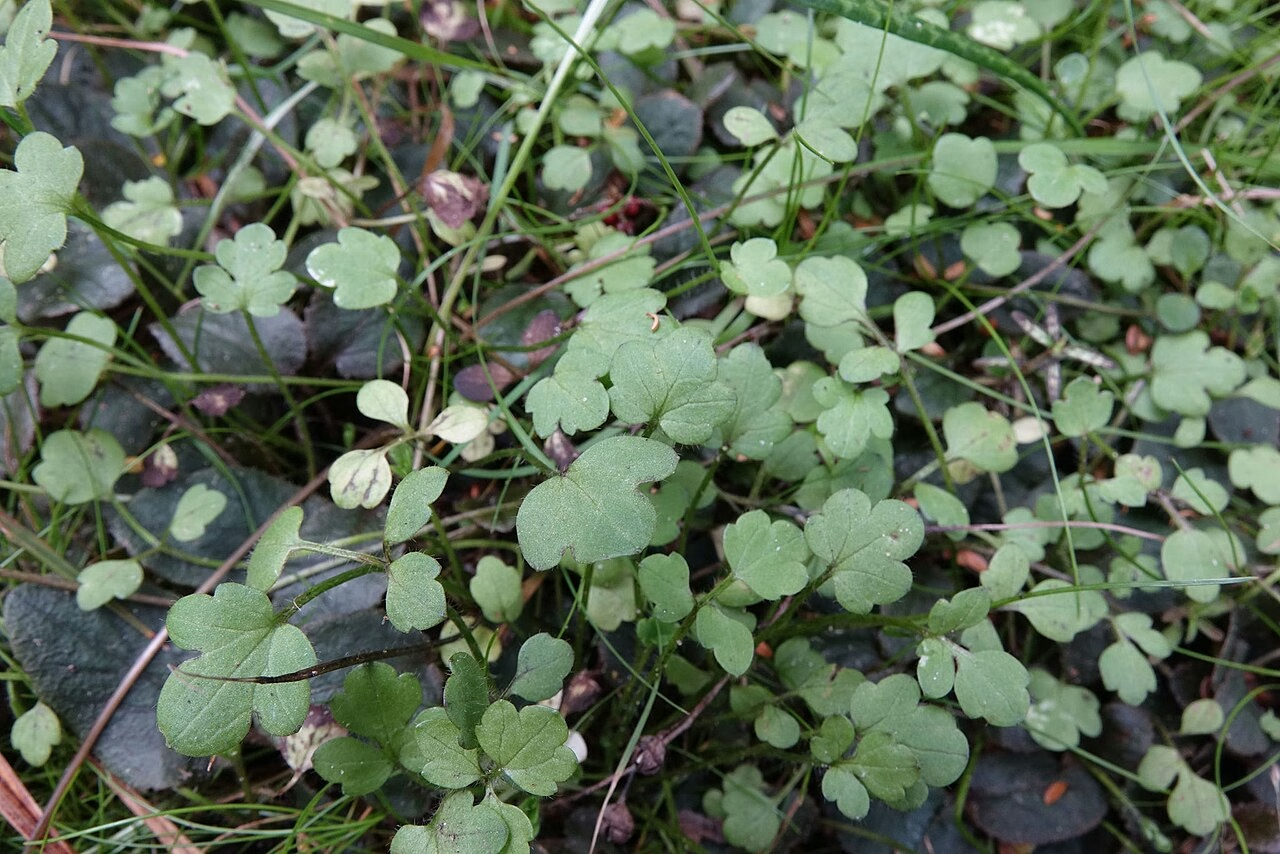
Ranunculus kirkii
Ranunculus kirkii
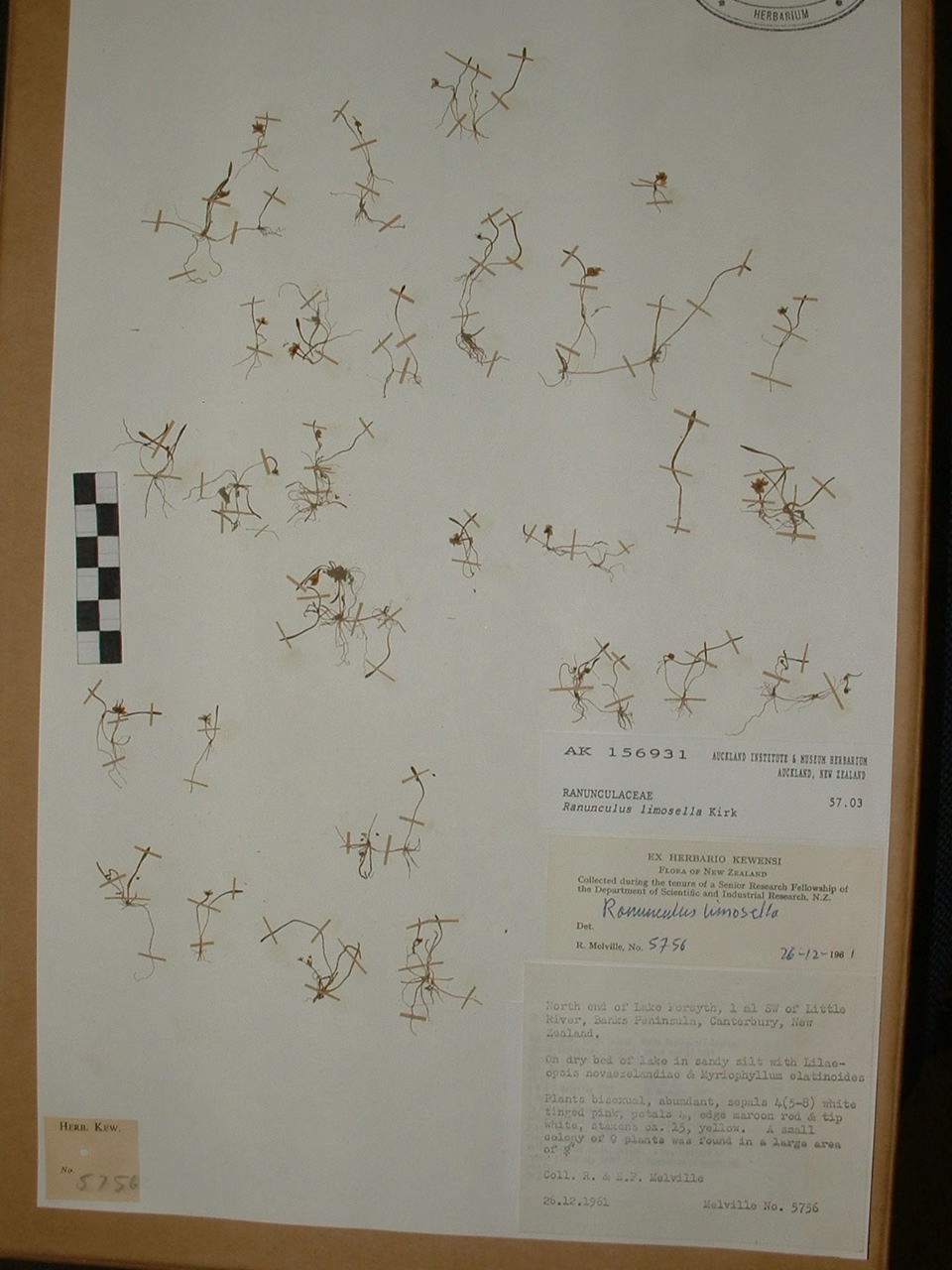
Mud Buttercup
Ranunculus limosella
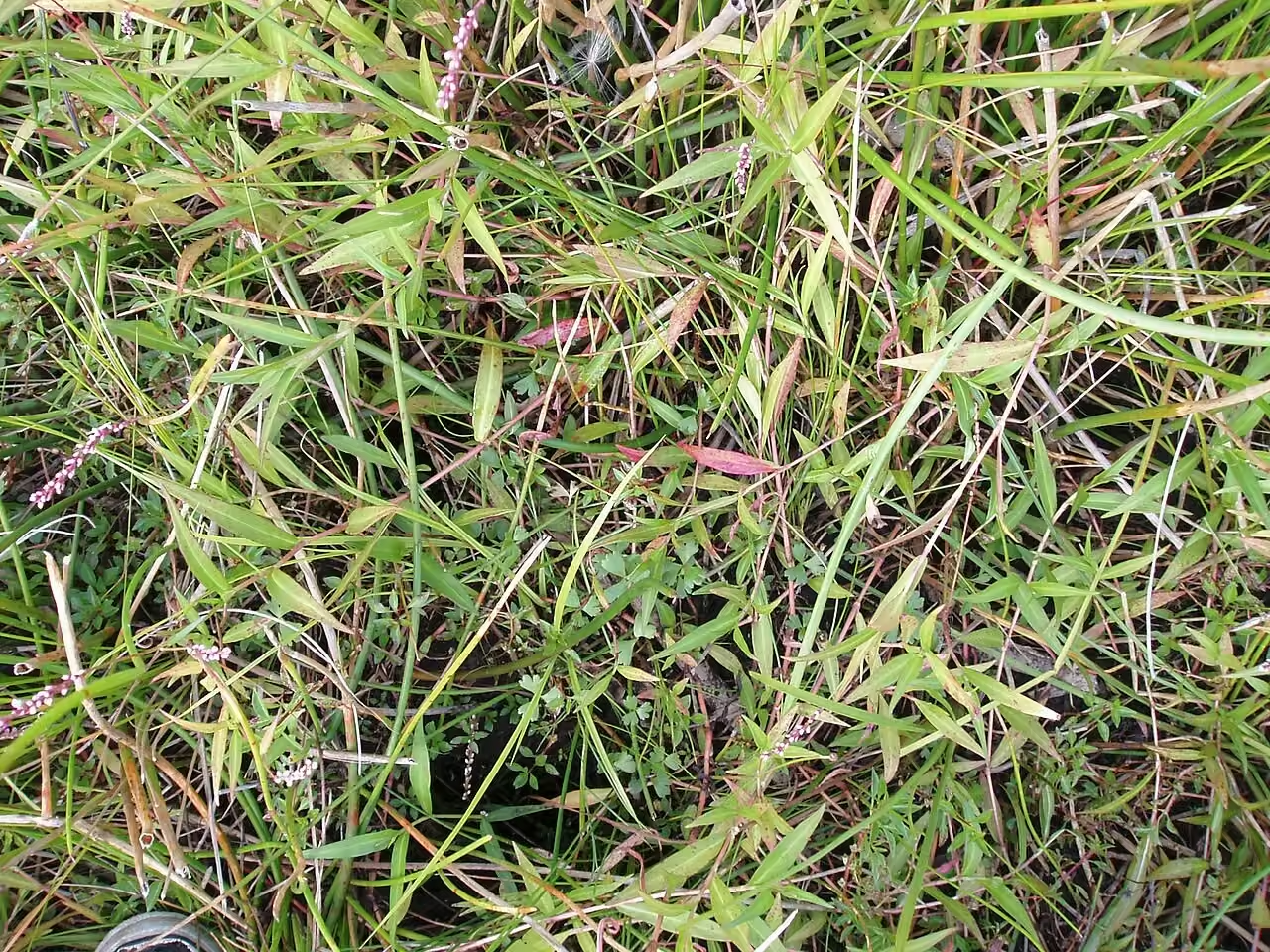
Swamp Buttercup
Ranunculus macropus
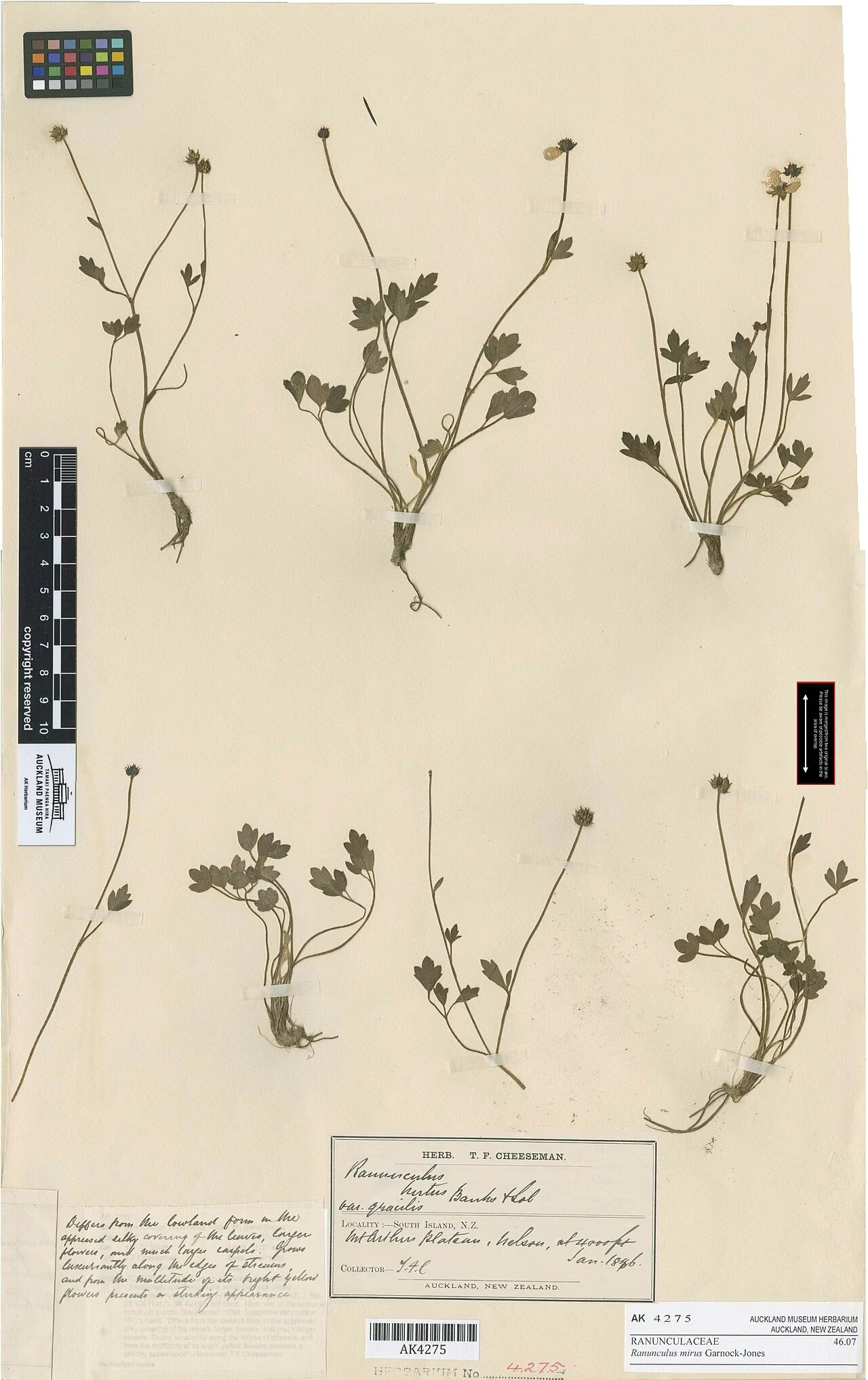
Ranunculus mirus
Ranunculus mirus
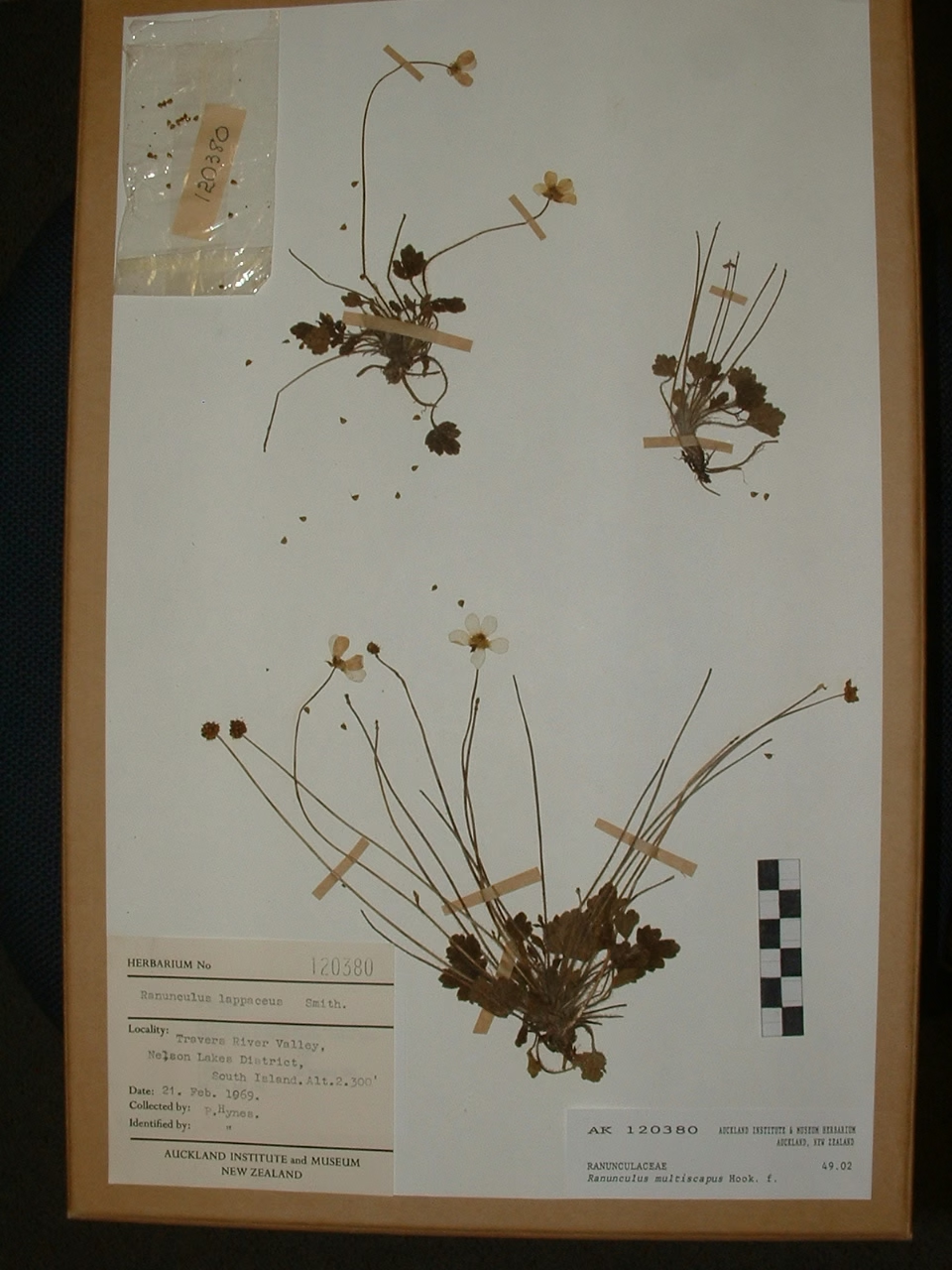
Grassland Buttercup
Ranunculus multiscapus
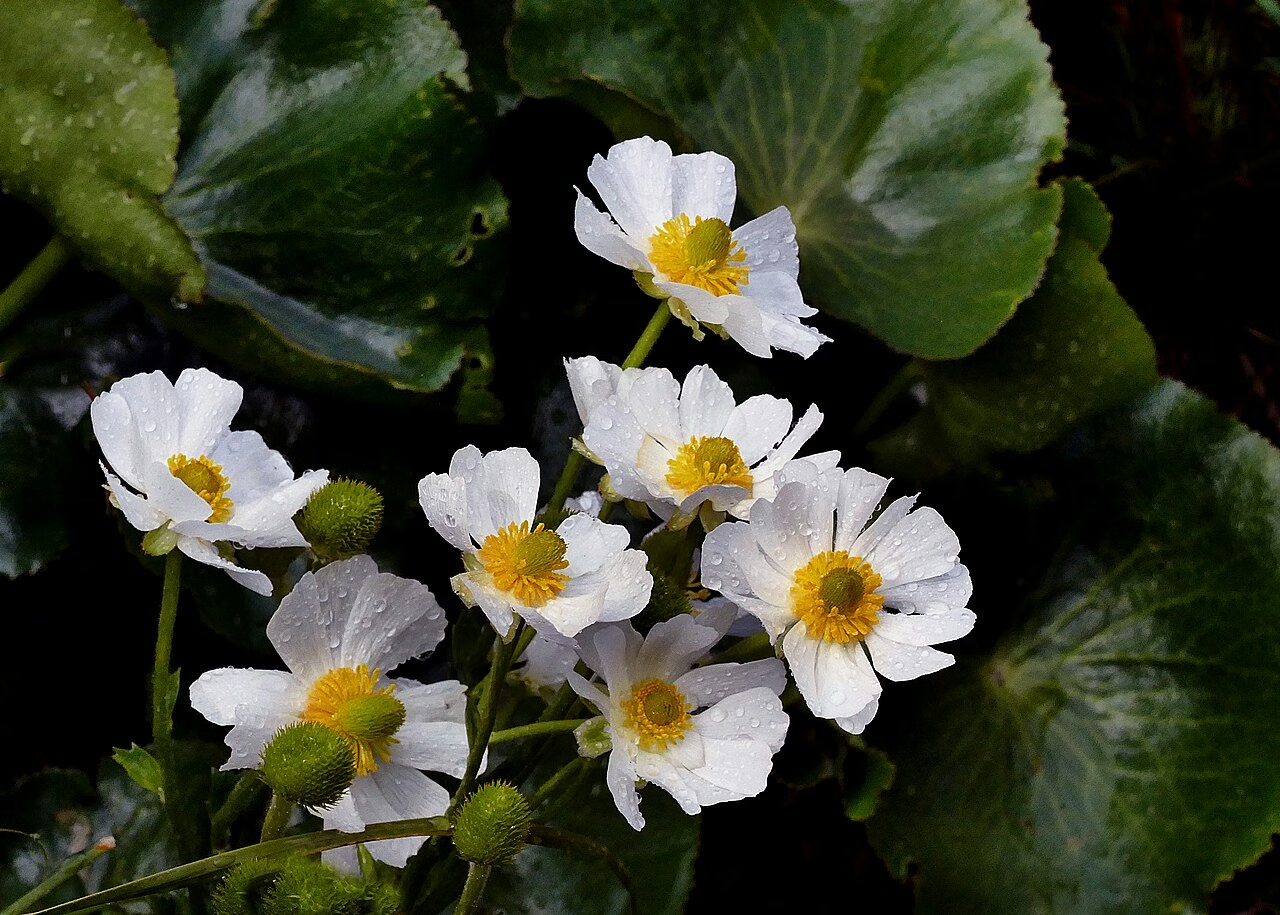
Mount Egmont Buttercup
Ranunculus nivicola
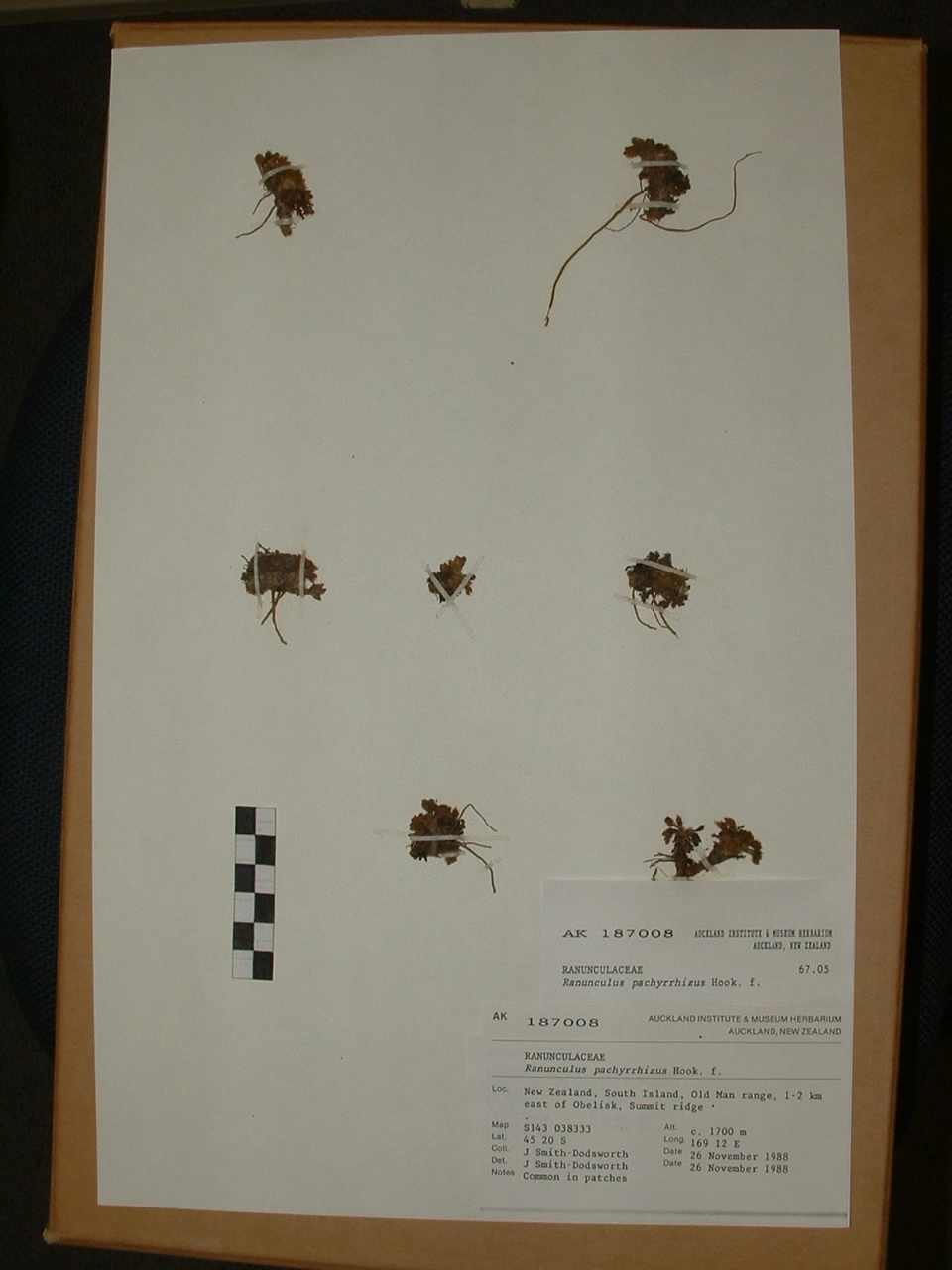
Ranunculus pachyrrhizus
Ranunculus pachyrrhizus
Plant Conservation
Ranunculus maculatus is ranked At Risk - Naturally Uncommon (2023) with the qualifier Range Restricted. In Otago it is listed as Regionally Naturally Uncommon (2025). NZPCN considers it not under active threat, but its sparse populations mean local losses matter.
Protecting tarns, bogs and seepages in the southern high country from drainage, stock damage and weed invasion is the best way to safeguard it.
Frequently Asked Questions
Why is it called Ranunculus maculatus?
Maculatus is Latin for blotched. The leaves are dark green flecked with brown or black, and the hairy leaf sheaths are mottled purple-green or wholly purple-black.
How do you tell Ranunculus maculatus from Ranunculus royi?
R. maculatus has three-lobed leaves that are hairless or sparsely hairy and 15 to 25 achenes per head. R. royi has densely hairy, toothed leaves with three to five lobes and 25 to 35 achenes.
Where does Ranunculus maculatus grow?
In montane to alpine wetlands of the South Island, from south-western Canterbury through Otago to northern Southland, in turf, bogs, seepages, flushes and cushion bogs.
Is Ranunculus maculatus easy to grow?
NZPCN says it is easily grown from fresh seed but is prone to powdery mildew in moist or humid climates, so it suits cool, airy conditions.
Sources and Further Reading
The botanical, growing, and conservation details for Buttercup (Ranunculus maculatus) on this page draw on the New Zealand plant references below. Consult them for full technical records and the latest distribution data.