Brachyscome
Brachyscome montana
Last updated:
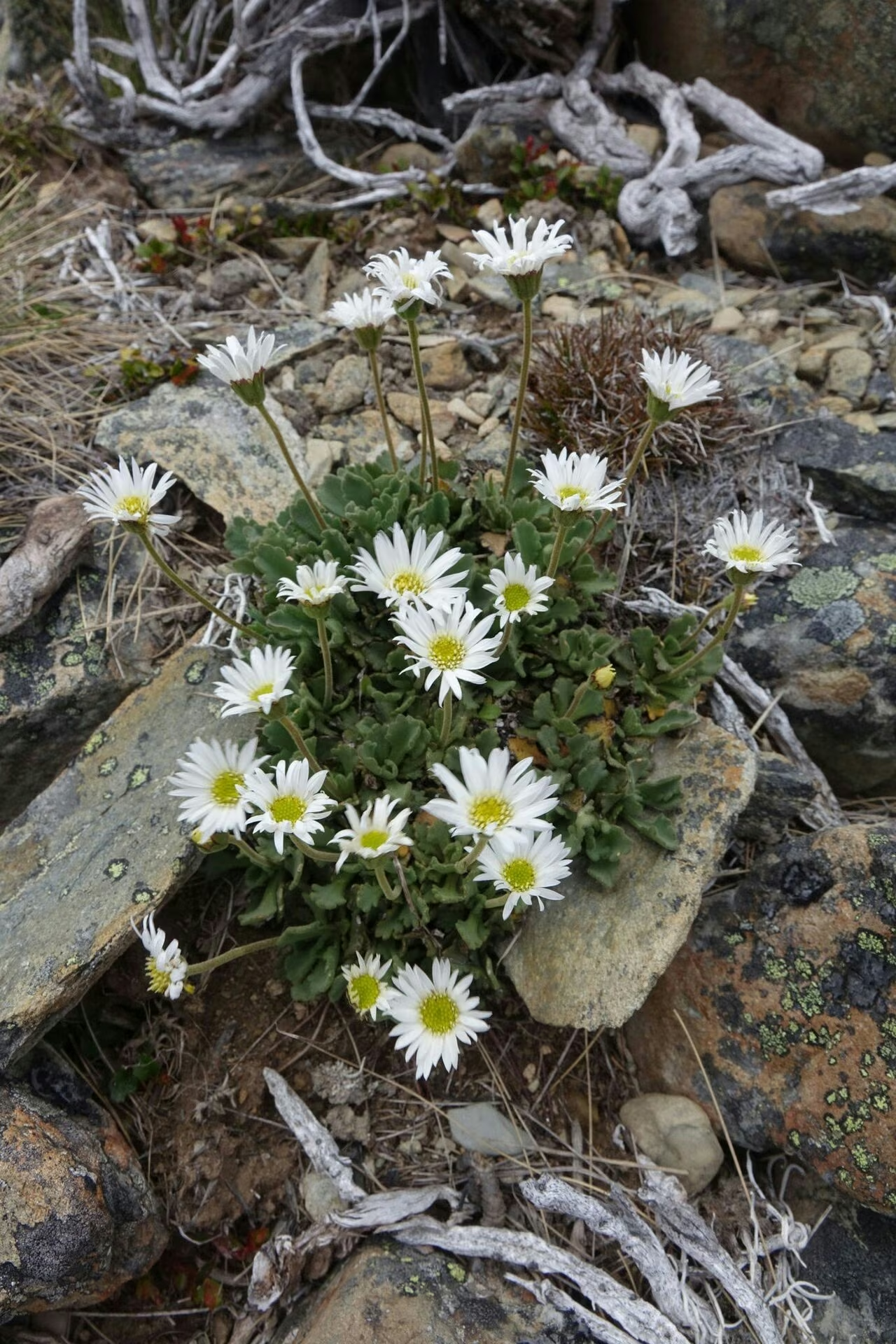
Brachyscome montana is a small, clump-forming mountain daisy endemic to the South Island. Its short rootstock produces tufts of fleshy, grey-green leaves 2 to 3 cm long, dotted with tiny stiff glandular hairs and bearing a few irregular rounded lobes. Slender stalks 4 to 6 cm tall carry daisy heads about 1 cm across, with recurved white rays around a yellowish centre. It grows in montane to alpine grassland and herbfield on schist and greywacke in inland South Canterbury and Central Otago. Long listed as Data Deficient, it is now ranked At Risk - Naturally Uncommon. It is easily grown from division. Explore more native flowering plants in our native plant guide.
Plant Description
Brachyscome montana branches close to the ground to form small, dense clumps. The rootstock is short, 2 to 3 mm in diameter, with many slender roots. All the leaves arise from the base of the plant.
The leaves are 2 to 3 cm long and 4 to 8 mm wide, narrowly obovate to spoon-shaped and rather fleshy, greyish green, with the surfaces and margins closely dotted with small, stiff glandular hairs. The leaf stalk is as long as or up to twice as long as the blade, and the blade carries two to seven conspicuous, rounded lobes arranged irregularly.
The flowering stems are 4 to 6 cm long, each with a single head about 1 cm across. The white ray florets are about 5 mm long, in two rows, rounded at the tips and strongly recurved, around numerous yellowish disc florets. New Zealand Brachyscome species are hard to separate, but this one is recognised by its variably lobed, greyish green, glandular-hairy and somewhat fleshy leaves.
Quick Facts
| Scientific Name | Brachyscome montana |
|---|---|
| Height | Flower stalks 4 to 6 cm; leaves 2 to 3 cm |
| Spread | Small dense clumps |
| Water Needs | Moderate; well-drained mountain soils |
| Light | Full sun |
| Frost Tolerance | High; montane to alpine species |
| Salt Tolerance | No information available; an inland mountain species |
| Growth Rate | Slow to moderate |
| Lifespan | Perennial |
Climate Best Suited to
Suits the dry, continental mountain climate of Central Otago and inland South Canterbury, with cold winters, hard frosts and warm, dry summers. Humid, mild lowland climates are less suitable.
Regional Suitability
| City | Climate Suitability |
|---|---|
| Auckland | Low |
| Wellington | Low |
| Christchurch | Medium |
| Dunedin | Medium |
Plant Habitat
Brachyscome montana is endemic to the South Island, with collections from the Canterbury and Otago land districts, centred on inland South Canterbury and the Central Otago mountains. One herbarium specimen comes from Chionochloa macra tussock grassland at about 1470 m on the Ewe Range near Omarama.
It grows in montane to alpine grassland and herbfield on soils derived from schist and greywacke, typically among tussocks and low herbs in open sites.
Growing Requirements
Soil Requirements
In the wild it grows in stony mountain soils over schist and greywacke.
- Gritty, free-draining soil
- Low to moderate fertility
- Avoid heavy soils that stay wet in winter
Light Requirements
It is a plant of open tussock grassland and herbfield with little shade.
- Full sun
- Keep clear of taller plants that would overshadow the small clumps
Water Requirements
Its mountain habitat is relatively dry in summer, but soils hold some moisture from snowmelt and rain.
- Water in prolonged dry spells in cultivation
- Let the surface dry between waterings
- Excess winter wet is the main risk
Planting and Establishing
Grow legitimately sourced divisions in a rock garden, alpine trough or raised scree bed in full sun. Set the crown at soil level and surround it with a collar of fine gravel so the fleshy leaves do not sit on damp soil.
Because the clumps are small, plant it where it will not be swamped by vigorous neighbours, such as at the front of a trough beside small tussocks.
Ecological Role
NZPCN records that its fruits (cypselae) carry a pappus and are dispersed by wind. The small white daisies are likely visited by generalist native insects, but specific pollinators are not documented in the sources consulted.
It is a small component of the short tussock grassland and herbfield of the southern inland mountains, filling gaps between tussocks in open ground.
Uses & Significance
Garden Uses
A neat miniature daisy for alpine enthusiasts in cool, dry southern gardens.
- Alpine troughs and rock gardens
- Pots in an unheated alpine house
- Collections of Central Otago native flora
Ecological Value
It is a little-known endemic of the Central Otago and South Canterbury mountains whose status was only clarified in 2023.
- Part of the endemic flora of inland South Island grasslands
- Records of new populations help clarify its uncertain range
- Its glandular, fleshy leaves are a distinctive adaptation within the genus
Landscaping Uses
In a trough or rock garden, combine it with other small Central Otago natives such as cushion plants and dwarf tussocks so its grey-green rosettes and small white daisies can be seen at close range.
It is too small for general landscape planting and is best treated as a collector's plant.
Seasonal Care Calendar
Spring
New leaves emerge from the rootstock as mountain soils warm.
- Divide established clumps
- Top up gravel around the crown
Summer
Plants produce their white daisies on short stalks. Exact flowering months are not given in the sources consulted.
- Water cultivated plants in long dry spells
- Record any wild flowering populations on iNaturalist
Autumn
Wind-dispersed seed is released from the flower heads.
- Remove spent stalks if seed is not wanted
- Reduce watering
Winter
Clumps sit dormant through hard mountain frosts, often under snow.
- Keep pots dry and cold
- Protect from prolonged winter wet
When to Prune and How Much
No pruning is needed. Simply remove spent flowering stalks and any dead leaves at the base to keep the crown dry and healthy.
Overcrowded clumps can be renewed by division rather than cutting back.
How to Grow Brachyscome
NZPCN describes Brachyscome montana as easily propagated from plant divisions, and this is the most reliable method. Plants must not be removed from public conservation areas without a permit, so only divide plants that are already in cultivation or obtained legally. Seed is an alternative because the fruits carry a pappus and are wind dispersed, but specific germination information for this species was not found in the sources consulted, so the seed method below is general guidance for small mountain daisies. Brachyscome species can be hard to tell apart, so label any plants clearly with their origin.
By Division
The plants branch close to the ground into small dense clumps, which can be gently teased apart into rooted pieces in spring.
- Lift a healthy, established clump in early spring
- Tease it apart into pieces, each with roots and several leaves
- Pot into a gritty mix of pumice and a little compost
- Keep in light shade and just moist until new growth appears
- Move into full sun once established
From Seed
Collect the seed heads as they turn fluffy and before the wind carries the fruits away.
Because NZPCN singles out division as the easy method, treat seed as a back-up for when you want a larger number of plants and can wait for them to reach flowering size.
- Collect ripe heads from cultivated plants
- Sow on the surface of a gritty seed mix
- Keep the tray outdoors in a cool, bright place
- Prick out seedlings into small pots when large enough to handle
Pests & Diseases
No specific pests or diseases are recorded for this species. In cultivation, crown rot in wet, humid conditions is the most likely problem for fleshy-leaved mountain daisies.
Slugs and snails may graze young leaves in lowland gardens, so check troughs after rain.
Cultural Significance
No traditional Māori name or use is recorded for Brachyscome montana in the sources consulted.
The species was described by George Simpson in 1945. The genus name comes from the Greek brachys, short, and comus, hair, referring to the short pappus on the fruit, and montana is Latin for growing on mountains.
Bonus Tip
If you photograph a small white daisy with fleshy, grey-green, glandular-hairy lobed leaves in the Central Otago or South Canterbury mountains, upload it to iNaturalist NZ. Because the extent of this species' range is unclear, well-documented records can genuinely help botanists.
Related Plants
Explore other native plants that share similar characteristics or habitats with Brachyscome (Brachyscome montana), offering further insights into New Zealand's diverse flora. These related species provide context and opportunities for complementary planting in your garden.
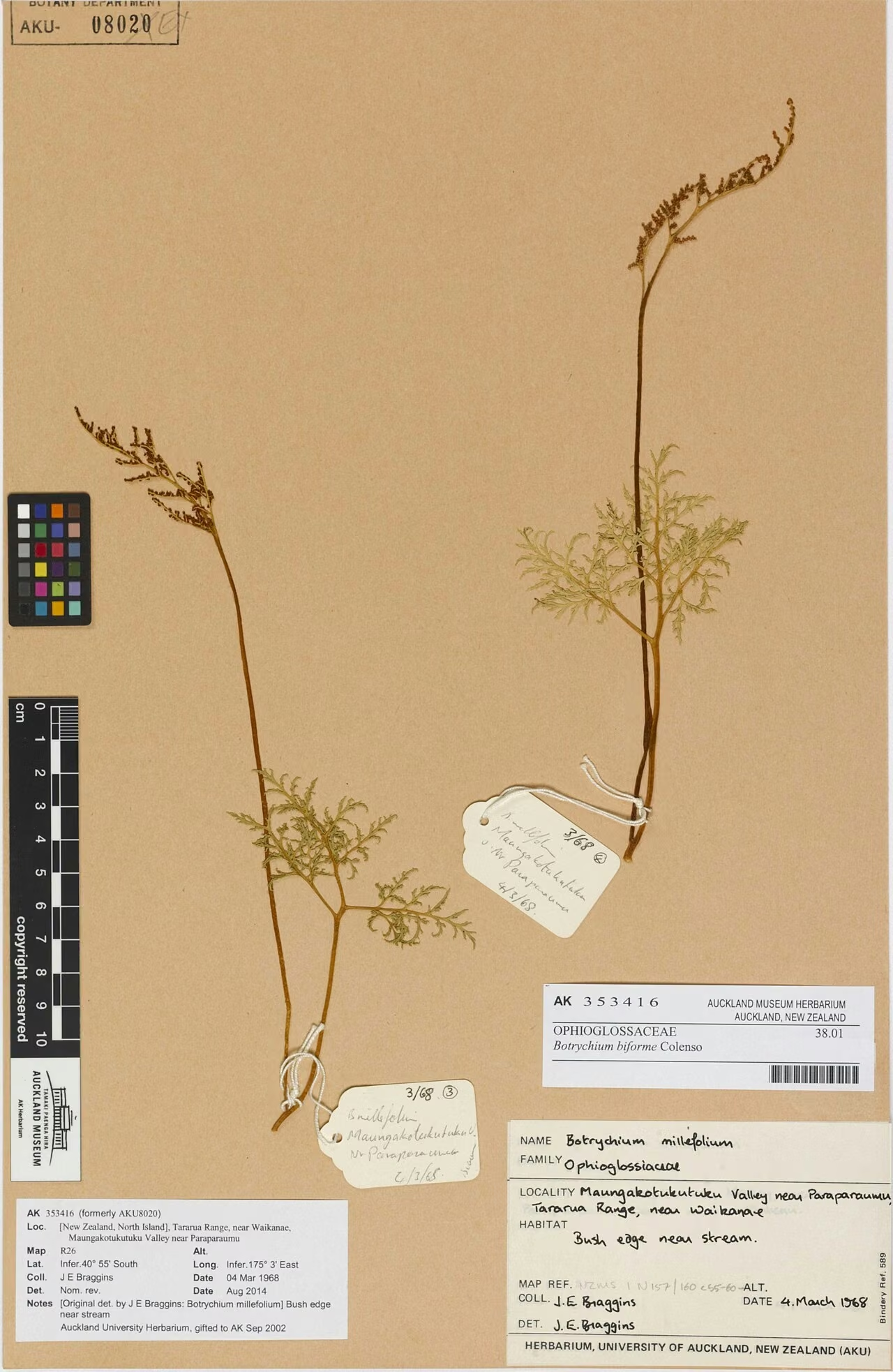
Fine-Leaved Parsley Fern
Botrychium biforme
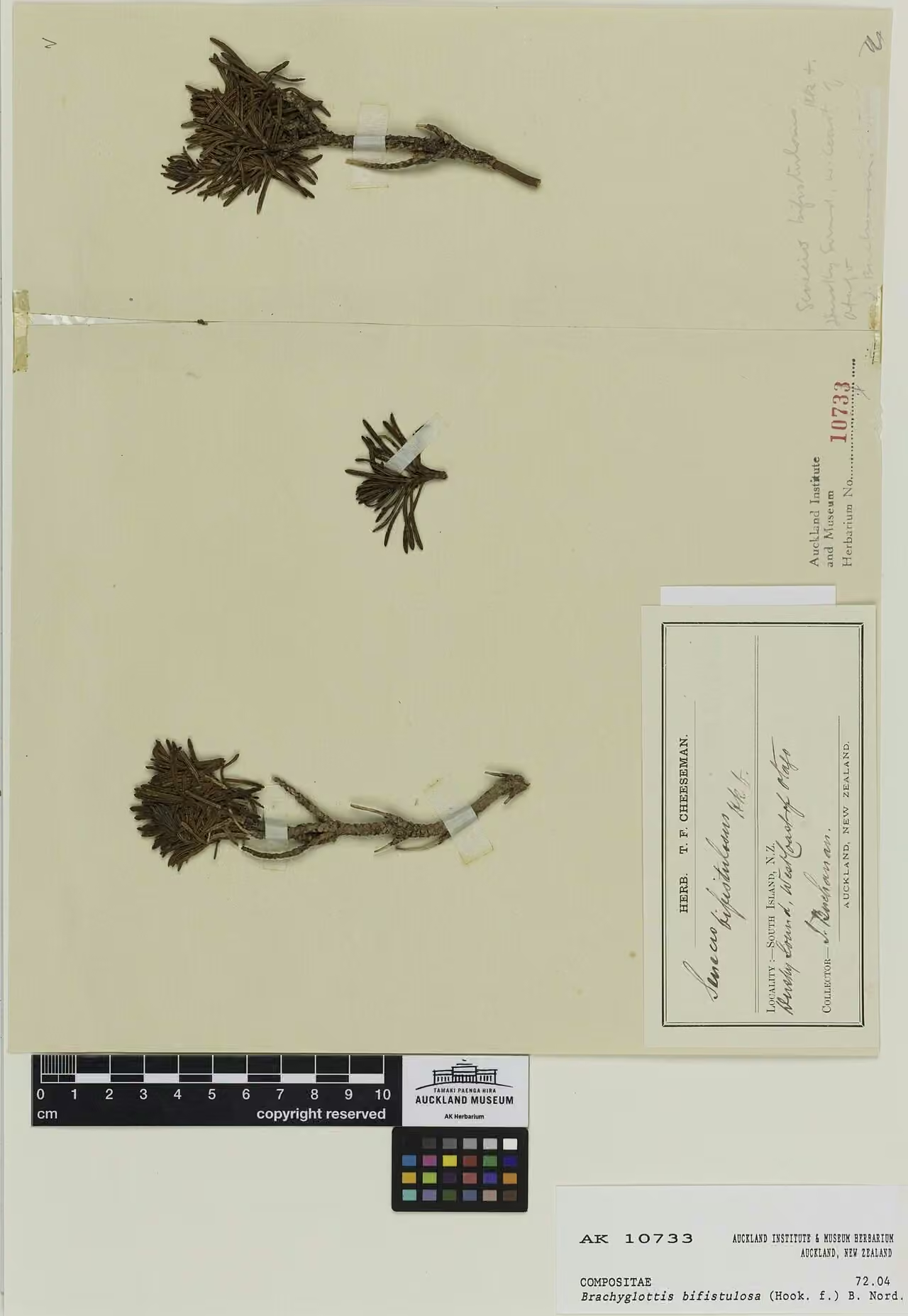
Brachyglottis bifistulosa
Brachyglottis bifistulosa
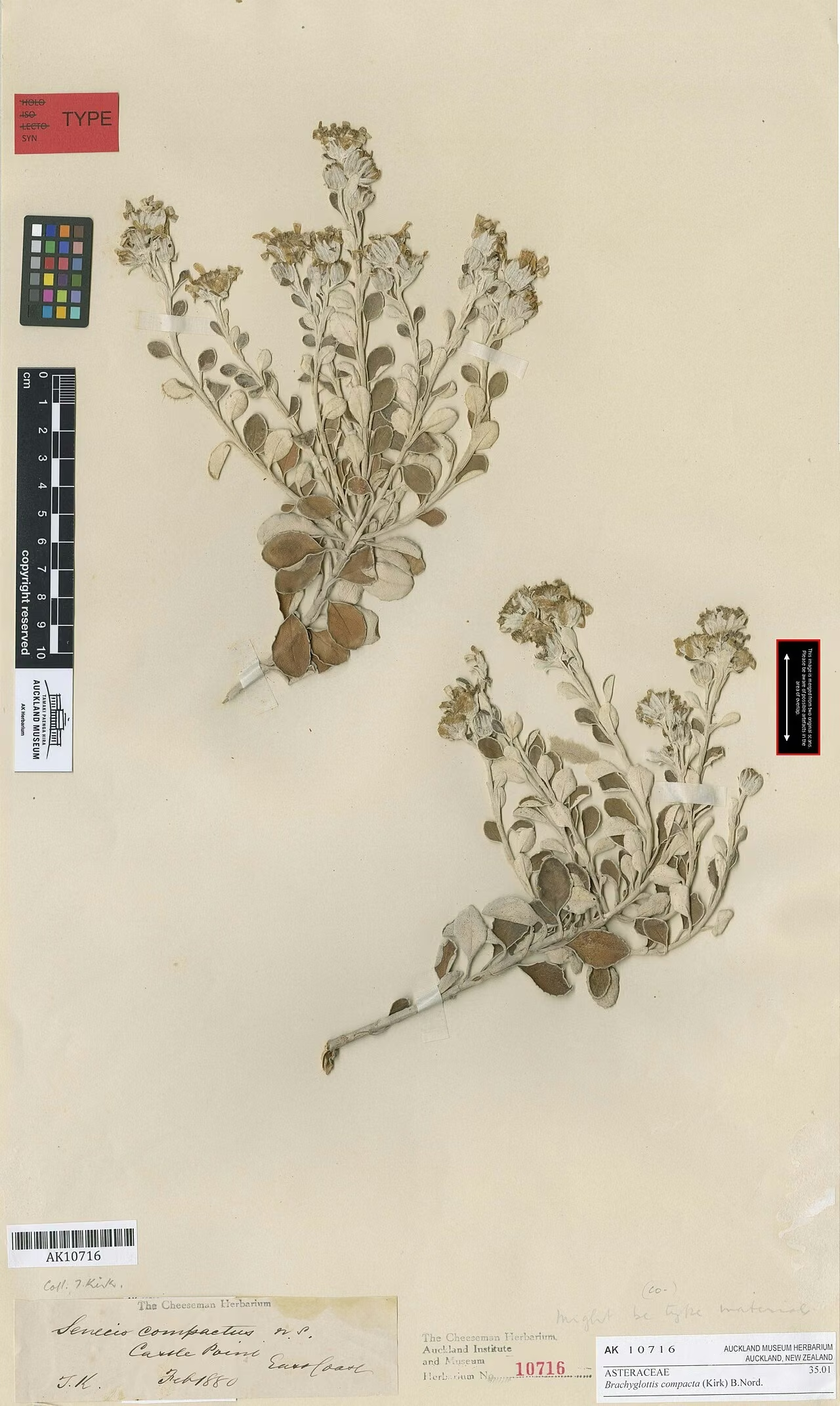
Castlepoint Daisy
Brachyglottis compacta
Brachyglottis revoluta
Brachyglottis revoluta
Lees Valley Daisy
Brachyscome pinnata
Grassland Daisy
Brachyscome sinclairii
Callitriche aucklandica
Callitriche aucklandica
Mueller's Starwort
Callitriche muelleri
Plant Conservation
Brachyscome montana is ranked At Risk - Naturally Uncommon (2023) with the qualifiers DPS (Data Poor: Size) and DPT (Data Poor: Trend). It was listed as Data Deficient in 2013 and 2018. In Otago it is ranked Regionally Naturally Uncommon (2025).
Better survey information is the main need. Protecting short tussock grassland and herbfield from weed invasion, overgrazing and land development helps this and other small grassland herbs.
Frequently Asked Questions
Where is Brachyscome montana found?
It is recorded from the mountains of inland South Canterbury and Central Otago, in montane to alpine grassland and herbfield on schist and greywacke. NZPCN notes that the exact extent of its range is unclear.
How do you identify Brachyscome montana?
Look for small dense clumps of greyish green, rather fleshy leaves dotted with tiny stiff glandular hairs, with two to seven irregular rounded lobes, and white daisies only about 1 cm across.
Is Brachyscome montana threatened?
It is ranked At Risk - Naturally Uncommon (2023), with qualifiers noting that data on its population size and trend are poor. It was previously listed as Data Deficient.
Can Brachyscome montana be grown from division?
Yes. NZPCN says it is easily propagated from plant divisions, but plants must not be removed from public conservation areas without a permit.
Sources and Further Reading
The botanical, growing, and conservation details for Brachyscome (Brachyscome montana) on this page draw on the New Zealand plant references below. Consult them for full technical records and the latest distribution data.