Forstera
Forstera sedifolia
Last updated:
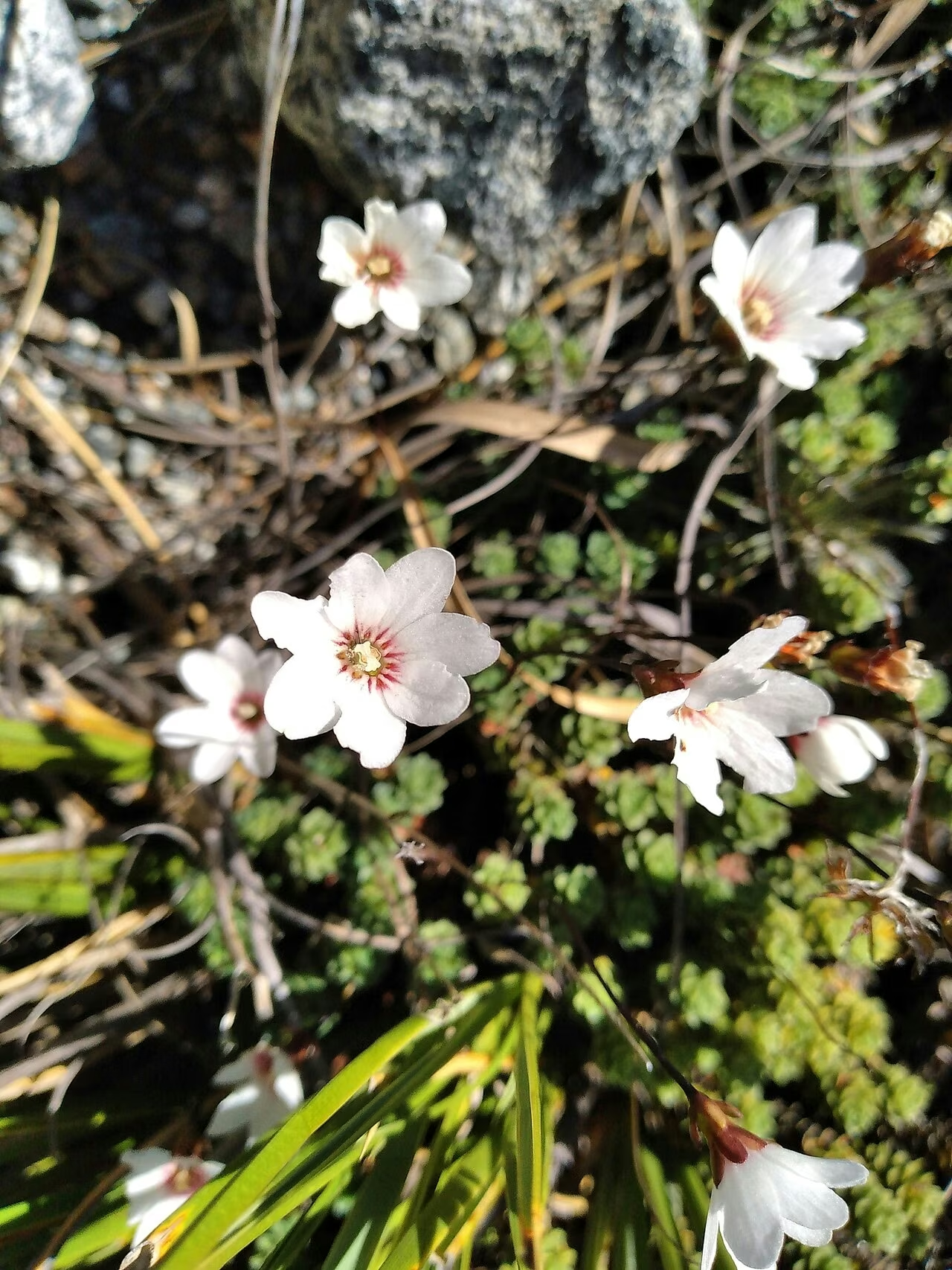
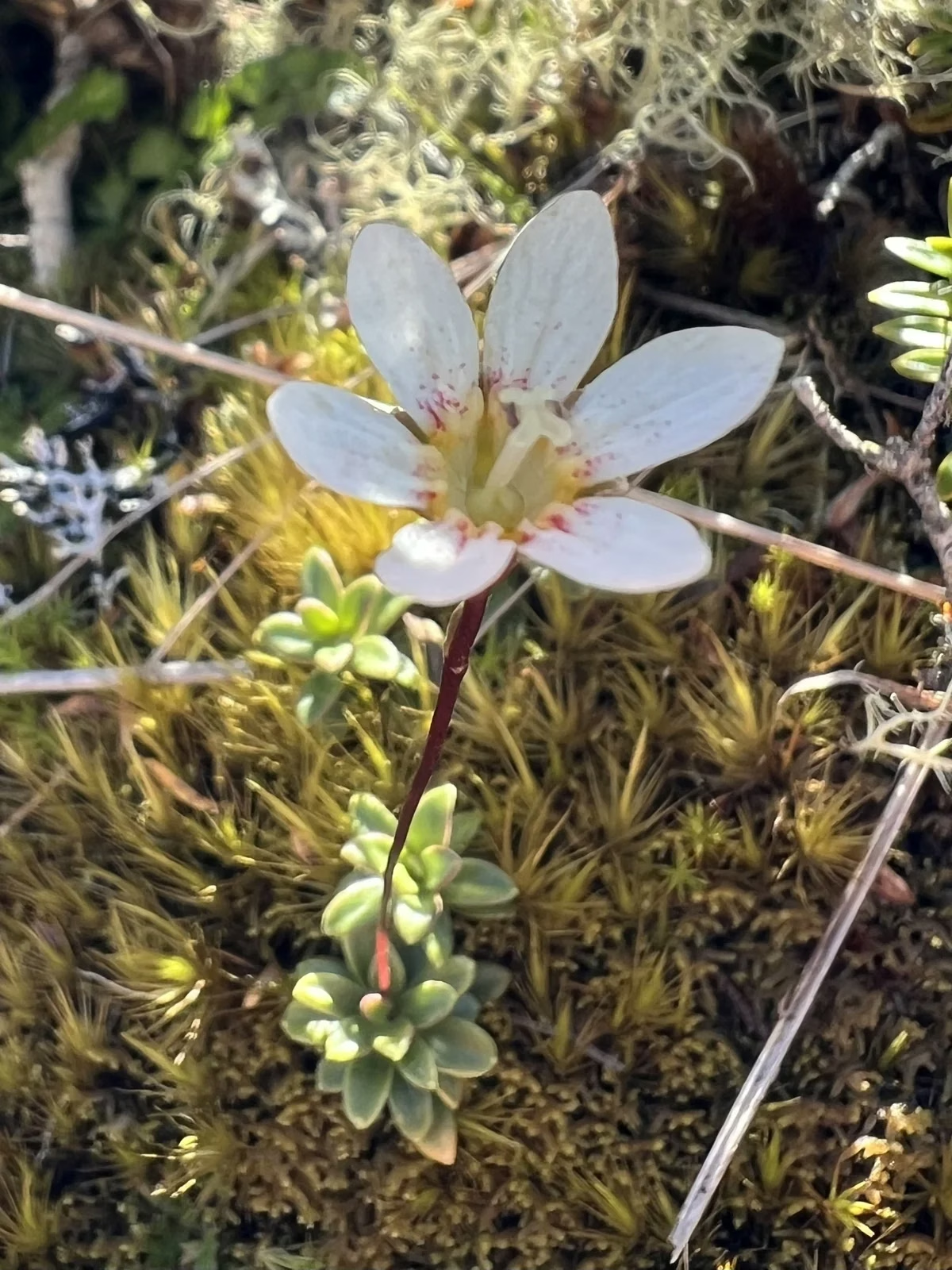
Forstera sedifolia is a low, creeping alpine herb endemic to the South Island and Stewart Island/Rakiura. Its stems creep and root, sending up short, erect leafy shoots up to about 15 cm tall, clothed in small, tightly overlapping, glossy green leaves that recall a stonecrop, which is what sedifolia means. White flowers, usually speckled crimson in the throat, sit on slender dark red stalks in summer. It grows in herbfields and rocky places in the wetter subalpine and alpine zones. It is ranked Not Threatened and is the type species of Forstera, a genus named after Cook's naturalists Johann Reinhold and Georg Forster. Explore more native flowering plants in our native plant guide.
Plant Description
Forstera sedifolia is a perennial herb in the family Stylidiaceae. Its stems creep along the ground and root from old leaf axils, reaching 170 to 450 mm long, and they send up erect green leafy shoots. Fresh stems are about 2 to 3 mm thick and branch frequently. The leaves are tightly imbricate (overlapping like roof tiles), panduriform (fiddle-shaped), mid-green with a glossy upper surface and occasionally tinged purple. Each leaf has a hydathode, a small water-secreting pore, on the upper surface near the tip.
The flowers are white, usually with crimson speckles in the throat, and have six lobes. Flowering stems are usually one or two per plant, with a dark crimson to red-brown peduncle about 41 to 62 mm long carrying one or two flowers. As in other Forstera, the anthers are fused into a single curved structure with the style, a feature typical of the triggerplant family. The seeds are winged and dispersed by wind.
Forstera differs from its close relative Phyllachne, which forms hard cushions with stalkless flowers, by its long flower stalks. Within Forstera, F. sedifolia is recognised by its creeping, rooting stems and closely overlapping fiddle-shaped leaves; other species, such as F. tenella and F. bidwillii, differ in leaf shape and habit.
Quick Facts
| Scientific Name | Forstera sedifolia |
|---|---|
| Height | 0.05-0.15 m |
| Spread | Creeping stems 17-45 cm long |
| Water Needs | High; constantly moist but free draining |
| Light | Full sun to light shade in cool sites |
| Frost Tolerance | High; subalpine to alpine |
| Salt Tolerance | No information available; a mountain species |
| Growth Rate | Slow |
| Lifespan | Perennial |
Climate Best Suited to
It suits cool, wet mountain climates with high rainfall, snow cover in winter and mild summers. It dislikes heat and dry air.
Regional Suitability
| City | Climate Suitability |
|---|---|
| Auckland | Low |
| Wellington | Low |
| Christchurch | Low |
| Dunedin | Medium |
Plant Habitat
Forstera sedifolia is endemic to New Zealand, occurring in the South Island and on Stewart Island/Rakiura. It is widespread in the wetter alpine regions of the South Island, especially the high-rainfall western and southern mountains.
It grows in subalpine to alpine herbfields and rocky places, including open turf, seepages and damp rocky slopes. NZPCN rates it Facultative Upland, meaning it occasionally grows in wetlands but usually occurs on non-wetland ground.
Growing Requirements
Soil Requirements
It grows in thin, peaty or stony alpine soils that stay moist but drain freely.
- Gritty, humus-rich, free-draining mix
- Constant moisture without waterlogging
- Low fertility; avoid heavy feeding
Light Requirements
In the mountains it grows in open herbfield, often under frequent cloud. In cultivation it needs a cool position.
- Full sun in cool climates
- Light shade in warmer districts
- Shelter from hot afternoon sun
Water Requirements
This is a plant of high-rainfall mountains and needs steady moisture at the roots throughout the growing season.
- Never allow to dry out
- Use water-retentive grit such as pumice
- Avoid stagnant, waterlogged mix
Planting and Establishing
Grow it in a trough, alpine house or raised rock garden filled with gritty, humus-rich mix, ideally in a cool, moist district. Plant in spring and keep the roots cool with a stone mulch.
It does not tolerate heat or waterlogging, so in lowland gardens a shaded trough kept moist is more likely to succeed than an open sunny bed. Do not collect plants from the wild.
Ecological Role
Forstera sedifolia is part of the rich herbfield flora of New Zealand's wetter mountains, growing with plants such as Celmisia, Ourisia and cushion species. Its creeping, rooting stems let it form small patches among rocks and turf.
Its white flowers with crimson speckling are likely visited by small native insects, but the specific pollinators have not been documented in the sources consulted. Its winged seeds are dispersed by wind.
Uses & Significance
Garden Uses
A choice plant for alpine enthusiasts who can give it cool, moist growing conditions.
- Troughs and alpine houses
- Raised rock gardens in cool districts
- Collections of New Zealand alpine herbs
Ecological Value
As an endemic member of the Stylidiaceae and the type species of its genus, it has botanical significance in New Zealand's alpine flora.
- Part of wet alpine herbfield communities
- Forms small patches that hold thin soil among rocks
- Flowers provide nectar for small alpine insects
Landscaping Uses
It has no general landscaping role. In a specialist alpine garden, plant it between rocks where its creeping stems can root into cool crevices and its white flowers can be seen at close range.
Pair it with other small moisture-loving alpines rather than vigorous groundcovers, which would quickly smother it.
Seasonal Care Calendar
Spring
New shoots grow as snow melts. This is a good time to divide rooted stems.
- Divide or pot on
- Resume regular watering
Summer
White flowers with crimson-speckled throats open on slender dark red stalks, from about November to February.
- Flowering
- Keep plants cool and moist
Autumn
Flowering continues into autumn in some sites, and winged seed ripens.
- Collect fresh seed
- Second chance to divide plants
Winter
In the wild, plants rest under snow. In cultivation, keep them moist but not sodden.
- Dormant period
- Protect from prolonged wet and still air
When to Prune and How Much
Pruning is not required. Snip off spent flower stalks after seed is collected and remove any shoots that brown off.
If a patch becomes congested, thin it by lifting and dividing in spring rather than cutting back.
How to Grow Forstera
Forstera sedifolia is not widely grown, and NZPCN gives no propagation notes. Growing notes from a Nelson native plant nursery say it can be propagated from fresh seed, which germinates readily in cool conditions, or by division of rooted creeping stems in spring or autumn. Because its stems root as they creep, division is the simplest and most reliable method for keeping a plant going in cultivation. Source material from cultivated plants or with permission, never by digging up wild plants.
From Seed
Collect the small winged seeds as capsules ripen after flowering, and sow promptly, since the nursery profile specifies fresh seed. Cool conditions are important for germination.
- Collect ripe capsules in late summer or autumn.
- Sow fresh seed on the surface of a moist, gritty seed mix.
- Cover very lightly with fine grit.
- Keep the tray in a cool, shaded, well ventilated spot and never let it dry out.
- Prick out seedlings into individual pots once they have several leaves.
- Grow on in cool, moist conditions before planting out.
By Division
Because its creeping stems root from the old leaf axils, sections that already carry roots can be separated and potted up. Spring or autumn, when temperatures are cool, are the best times.
- Choose a creeping stem that has rooted at the nodes.
- Cut it from the parent with clean scissors, keeping the roots intact.
- Pot into gritty, humus-rich mix and water in well.
- Keep in a cool, shaded place until new growth shows.
Pests & Diseases
No specific pests or diseases are recorded for Forstera sedifolia. In cultivation, the most common problems are heat stress and rot in waterlogged or poorly ventilated pots.
Slugs and snails may graze young shoots and flowers, especially on plants grown in damp shade.
Cultural Significance
No traditional Māori name or use for Forstera sedifolia is recorded in the sources consulted.
The genus honours Johann Reinhold Forster and his son Georg Forster, naturalists on James Cook's second voyage to New Zealand in the 1770s. Forstera sedifolia was described by Georg Forster in 1780 and was the only species in the genus for 72 years.
Bonus Tip
To spot Forstera sedifolia in the hills, look in damp alpine herbfield for short shoots of neatly stacked, glossy little leaves, then follow them to see whether they join creeping, rooting stems; that creeping habit and the long dark red flower stalks separate it from cushion-forming Phyllachne.
Related Plants
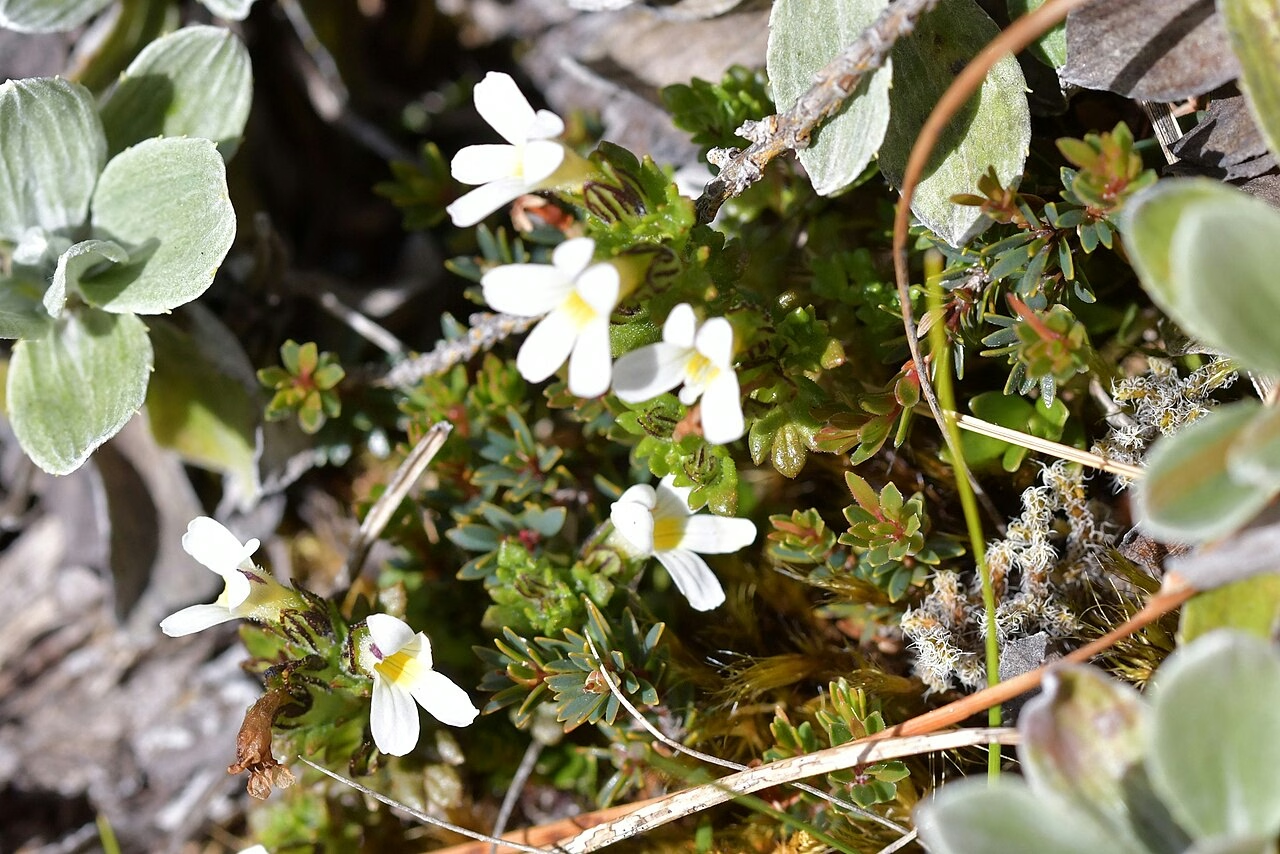
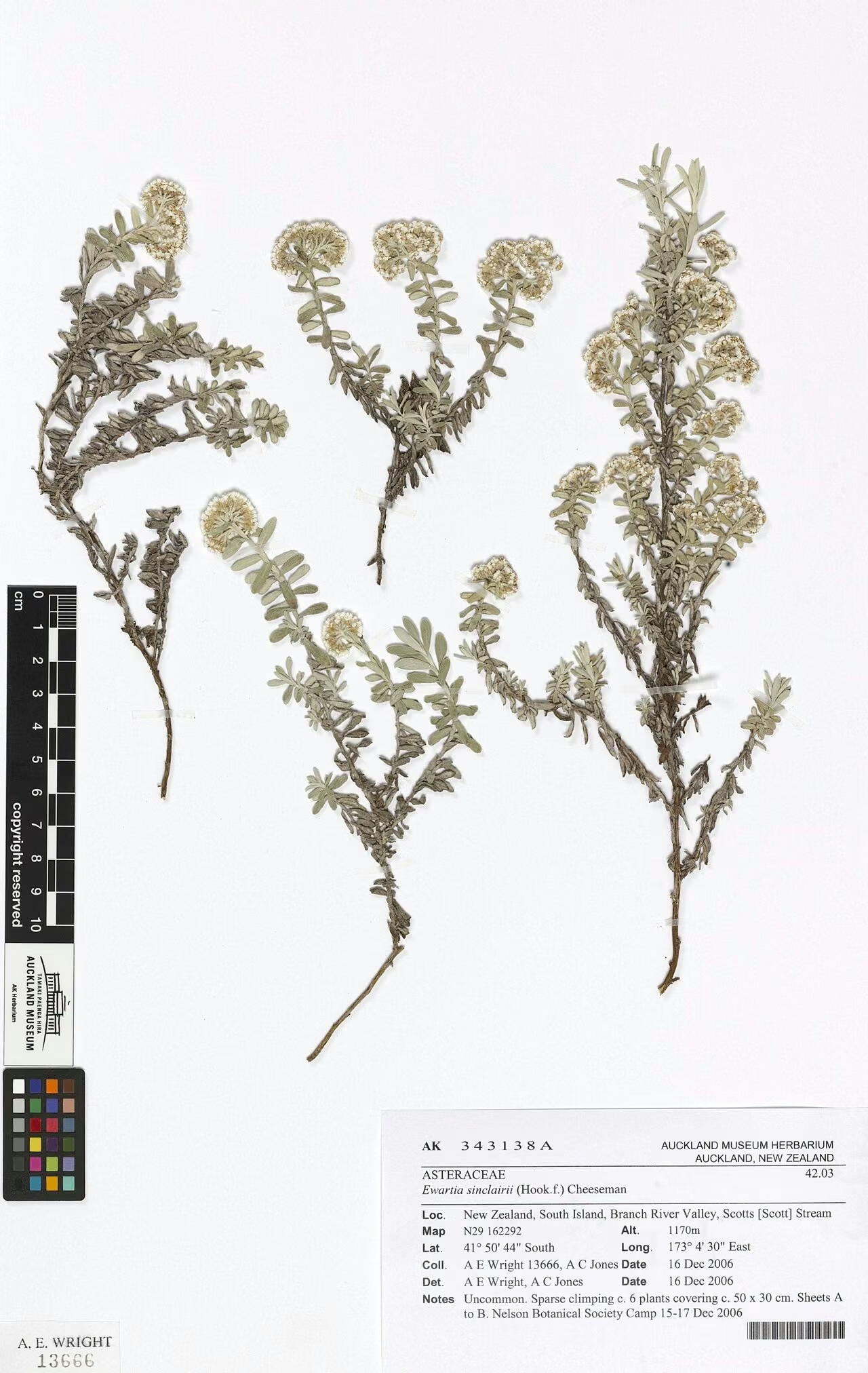
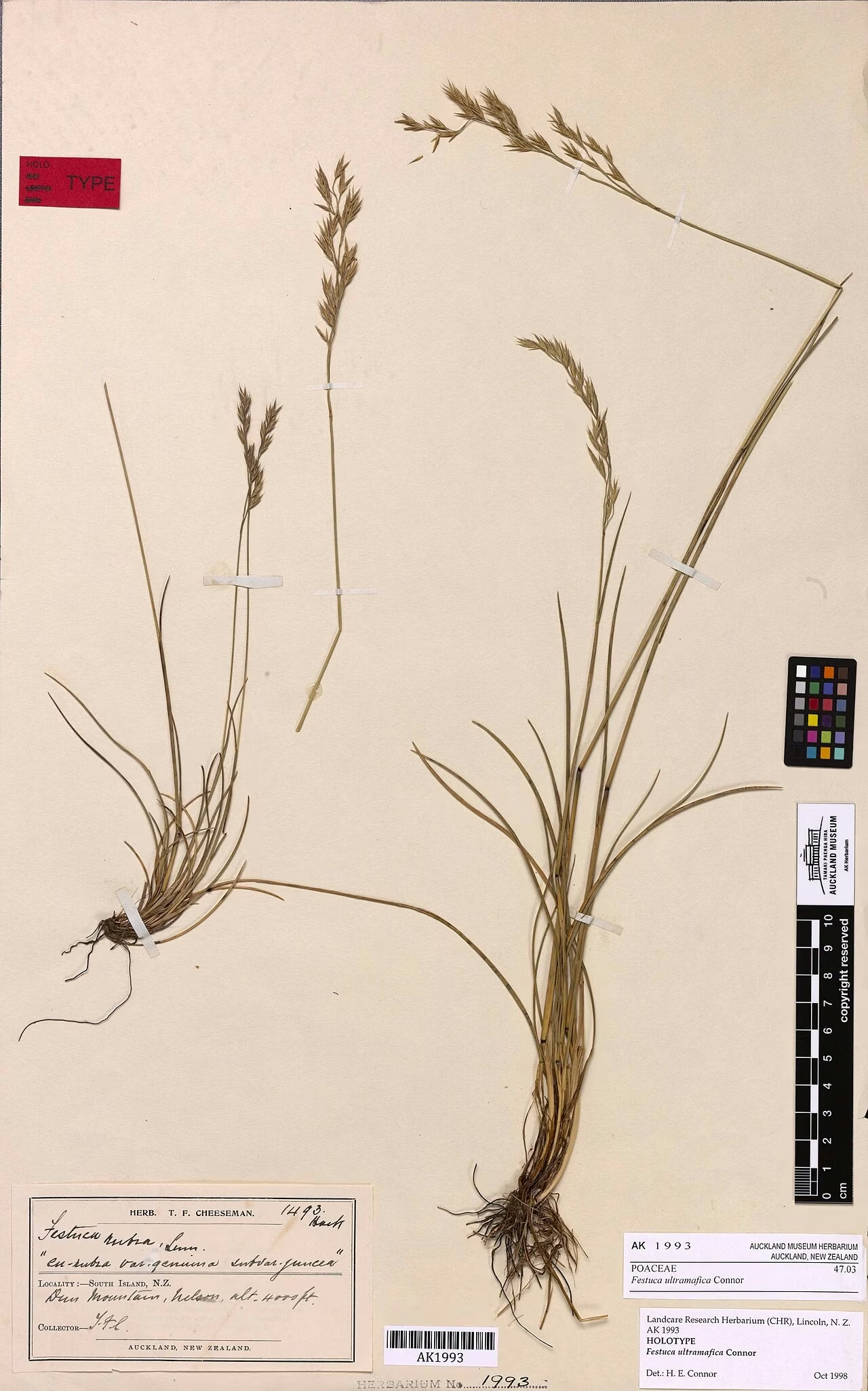
Explore other native plants that share similar characteristics or habitats with Forstera (Forstera sedifolia), offering further insights into New Zealand's diverse flora. These related species provide context and opportunities for complementary planting in your garden.
Plant Conservation
Forstera sedifolia is ranked Not Threatened (2023) and has held that status in every assessment since 2004. It is also Regionally Not Threatened in Otago.
It is widespread in the wetter mountains, much of which lies within national parks. Keeping alpine herbfields free of invasive weeds and browsing mammals benefits it along with the wider alpine flora.
Frequently Asked Questions
Where does Forstera sedifolia grow?
It is endemic to New Zealand and is widespread in the wetter subalpine and alpine areas of the South Island and Stewart Island/Rakiura, in herbfields and rocky places.
What does sedifolia mean?
Sedifolia means sedum-leaved. Its small, fleshy-looking, tightly overlapping leaves resemble those of stonecrops in the genus Sedum.
What family is Forstera in?
Forstera belongs to the Stylidiaceae, the triggerplant family. Its closest relative in New Zealand is Phyllachne, which differs in lacking a long flower stalk.
Can you grow Forstera sedifolia in a garden?
It can be grown by alpine enthusiasts in troughs, alpine houses or raised rock gardens with excellent drainage and constant moisture, but it dislikes heat and is not an easy lowland garden plant.
Sources and Further Reading
The botanical, growing, and conservation details for Forstera (Forstera sedifolia) on this page draw on the New Zealand plant references below. Consult them for full technical records and the latest distribution data.