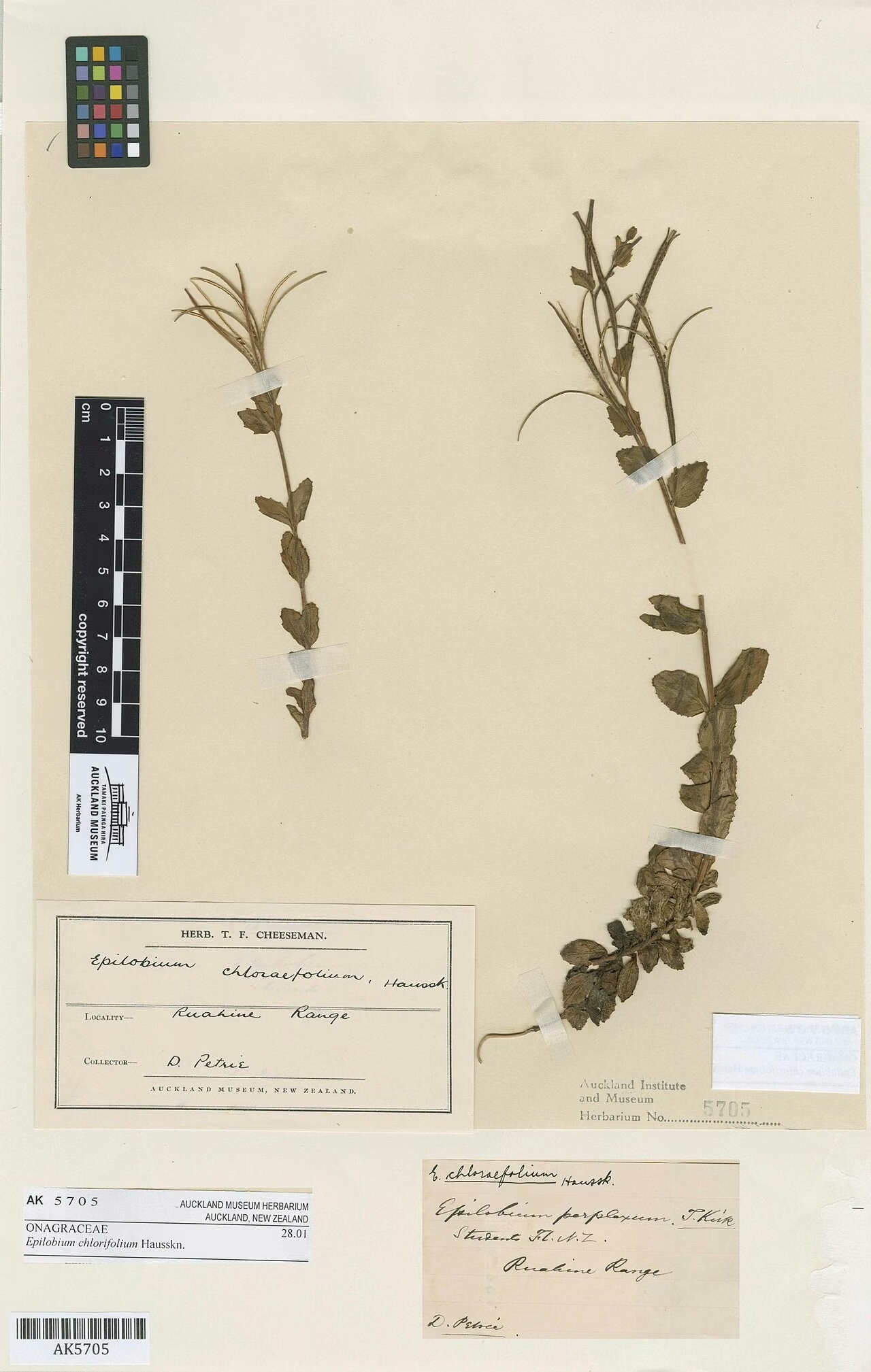
Mountain Willowherb
Epilobium chlorifolium
Last updated:
Mountain willowherb (Epilobium chlorifolium) is an endemic willowherb of subalpine and alpine tussock grassland and herbfield. It forms sparse clumps 7 to 45 cm tall with broad, finely toothed, opposite green leaves (the name means green-leaved) and relatively large white flowers with notched petals 7 to 11 mm long. It ranges from Mt Hikurangi, the main North Island ranges, Mt Taranaki and the Central Volcanic Plateau south through the South Island, extending down streamsides into the bushline. It is ranked Not Threatened. In gardens it does best in a rockery and dislikes warm, humid climates. Explore more native flowering plants in our native plant guide.
Plant Description
Epilobium chlorifolium is a clumped perennial herb with stems 70 to 450 mm tall, very sparsely branched from the base and sometimes above. The leaves are opposite, narrowly to broadly ovate, about 10 to 30 mm long and 12 to 20 mm wide, green, with finely toothed (serrulate) margins.
The white flowers are relatively large for a native willowherb, with petals 7 to 11 mm long and 5 to 8 mm wide, each notched 1.2 to 1.6 mm deep. Capsules are 3.9 to 5.2 cm long and release small seeds carrying a coma 5 to 11 mm long for wind dispersal.
It is closely related to Epilobium wilsonii, which has larger sepals (5 to 10.5 mm) and petals, a shorter coma and a much narrower, more specialised distribution. Mountain willowherb is far more widespread and occurs across a broader range of alpine habitats.
Quick Facts
| Scientific Name | Epilobium chlorifolium |
|---|---|
| Height | 0.07-0.45 m |
| Spread | Small clumps |
| Water Needs | Moderate; moist but well drained |
| Light | Full sun |
| Frost Tolerance | High; subalpine to alpine |
| Salt Tolerance | No information available |
| Growth Rate | Moderate |
| Lifespan | Perennial |
Climate Best Suited to
Suits cool montane to alpine climates with cold winters and fresh, breezy summers. Warm, humid lowland climates encourage powdery mildew.
Regional Suitability
| City | Climate Suitability |
|---|---|
| Auckland | Low |
| Wellington | Medium |
| Christchurch | Medium |
| Dunedin | High |
Plant Habitat
Mountain willowherb is endemic to the North and South Islands. In the North Island it is found on Mt Hikurangi, along the main axial ranges, on Mt Taranaki and on the Central Volcanic Plateau, and from there it extends south through the mountains of the South Island.
It is a subalpine to alpine plant, mostly growing in tussock grassland and herbfield, but it also follows streamsides down into the bushline.
Growing Requirements
Soil Requirements
In the mountains it grows in tussock and herbfield soils and along stream banks. In cultivation a gritty, free-draining rockery mix suits it.
- Free-draining, gritty soil
- Moist but not waterlogged
- Low to moderate fertility
Light Requirements
As a plant of open tussock grassland and herbfield it needs good light.
- Full sun
- Light shade tolerated where summers are hot
Water Requirements
It grows where moisture is reliable, including streamsides, but cultivation advice stresses drainage and dry air over wet roots.
- Keep evenly moist in summer
- Avoid stagnant, waterlogged soil
- Water at the base to keep foliage dry
Planting and Establishing
NZPCN says mountain willowherb does best in a rockery. Plant it among rocks in gritty, free-draining soil in full sun, where breezes keep the foliage dry.
In humid districts a raised scree bed or trough gives the best chance of success.
Ecological Role
Mountain willowherb is a widespread member of New Zealand's alpine herbfield and tussock grassland flora. Its wind-dispersed seeds allow it to colonise streamsides and disturbed patches in the mountains.
The insects that pollinate its white flowers are not identified in the sources consulted.
Uses & Significance
Garden Uses
It is a good choice for alpine and rock gardens in cooler regions.
- Rockeries
- Alpine troughs
- Native alpine collections
Ecological Value
As a common endemic alpine herb, it contributes to the diversity of tussock grassland and herbfield communities across both main islands.
- Endemic to New Zealand
- Widespread in alpine herbfield
- Colonises streamsides
Landscaping Uses
Use it as a small flowering accent among rocks, where the fresh green foliage and clean white flowers contrast with grey stone and tussocks.
It combines well with other small alpine natives that share its preference for cool, airy, well-drained conditions.
Seasonal Care Calendar
Spring
Shoots emerge and flowering can begin from October.
- Top-dress with grit
- Divide established clumps
Summer
The main flowering period, with white flowers through December to February.
- Water in dry spells
- Watch for powdery mildew
Autumn
Capsules continue ripening into autumn, with fruiting recorded from October to July.
- Collect fresh seed
- Sow immediately
Winter
A hardy alpine plant that tolerates hard frost and snow cover.
- Protect potted plants from waterlogging
- No feeding needed
When to Prune and How Much
Remove old flowering stems once seed has been shed to keep the clump tidy.
Cut out any mildewed shoots promptly to reduce the spread of infection.
How to Grow Mountain Willowherb
NZPCN describes mountain willowherb as easily grown from fresh seed and rooted pieces, and adds that it does best in a rockery. The one caveat is climate: it dislikes warm, humid conditions, where it is prone to powdery mildew. Raise plants in an open, airy place rather than a closed propagation case, and avoid overwatering seedlings. Because the species is widespread and Not Threatened, small amounts of seed can reasonably be collected, but any collecting on public conservation land requires permission from the Department of Conservation, and garden-grown plants are a simpler source. Seed is available over a long fruiting season, while established clumps can be divided to give flowering-sized plants quickly.
From Seed
Fresh seed germinates readily. Sow it soon after collection, as the coma helps it blow away once the capsule splits.
- Collect capsules just as they start to split
- Sow on the surface of a gritty seed-raising mix
- Press in lightly and keep just moist
- Place in a cool, bright, well-ventilated spot
- Pot seedlings individually once they have two or three leaf pairs
By Division
Rooted pieces from the edge of an established clump grow on easily. Division is useful for keeping a favourite garden plant going, and it gives a flowering-sized plant much sooner than seed.
- Lift the clump in early spring
- Separate pieces with roots attached
- Replant into gritty, free-draining mix
- Keep lightly moist until new growth starts
Pests & Diseases
Powdery mildew is the main problem in cultivation, especially in warm, humid climates. Good airflow, full sun and watering at the base help prevent it.
No specific pests are recorded in the wild in the sources consulted.
Cultural Significance
No traditional Māori name or use is recorded for Epilobium chlorifolium in the sources consulted.
The species was described by Carl Haussknecht in 1879. Its name means green-leaved, and Thomas Kirk's Epilobium perplexum is among the names now treated as synonyms.
Bonus Tip
In lowland gardens, treat mountain willowherb as a trough plant: a shallow container of gritty mix raised on bricks in a sunny, breezy spot keeps the roots cool and the leaves dry, which is the best defence against the powdery mildew that NZPCN warns it suffers in warm, humid climates.
Related Plants
Explore other native plants that share similar characteristics or habitats with Mountain Willowherb (Epilobium chlorifolium), offering further insights into New Zealand's diverse flora. These related species provide context and opportunities for complementary planting in your garden.
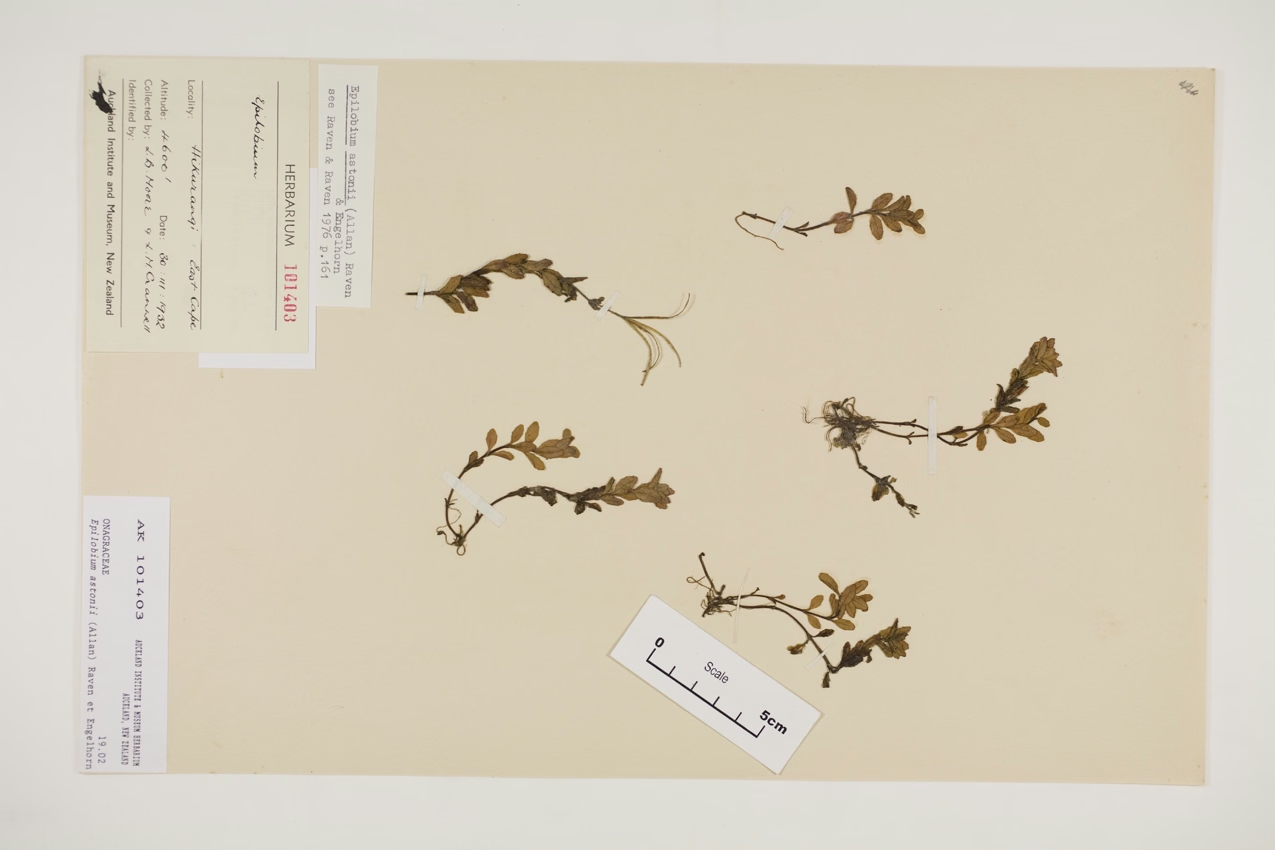
Aston's Willowherb
Epilobium astonii
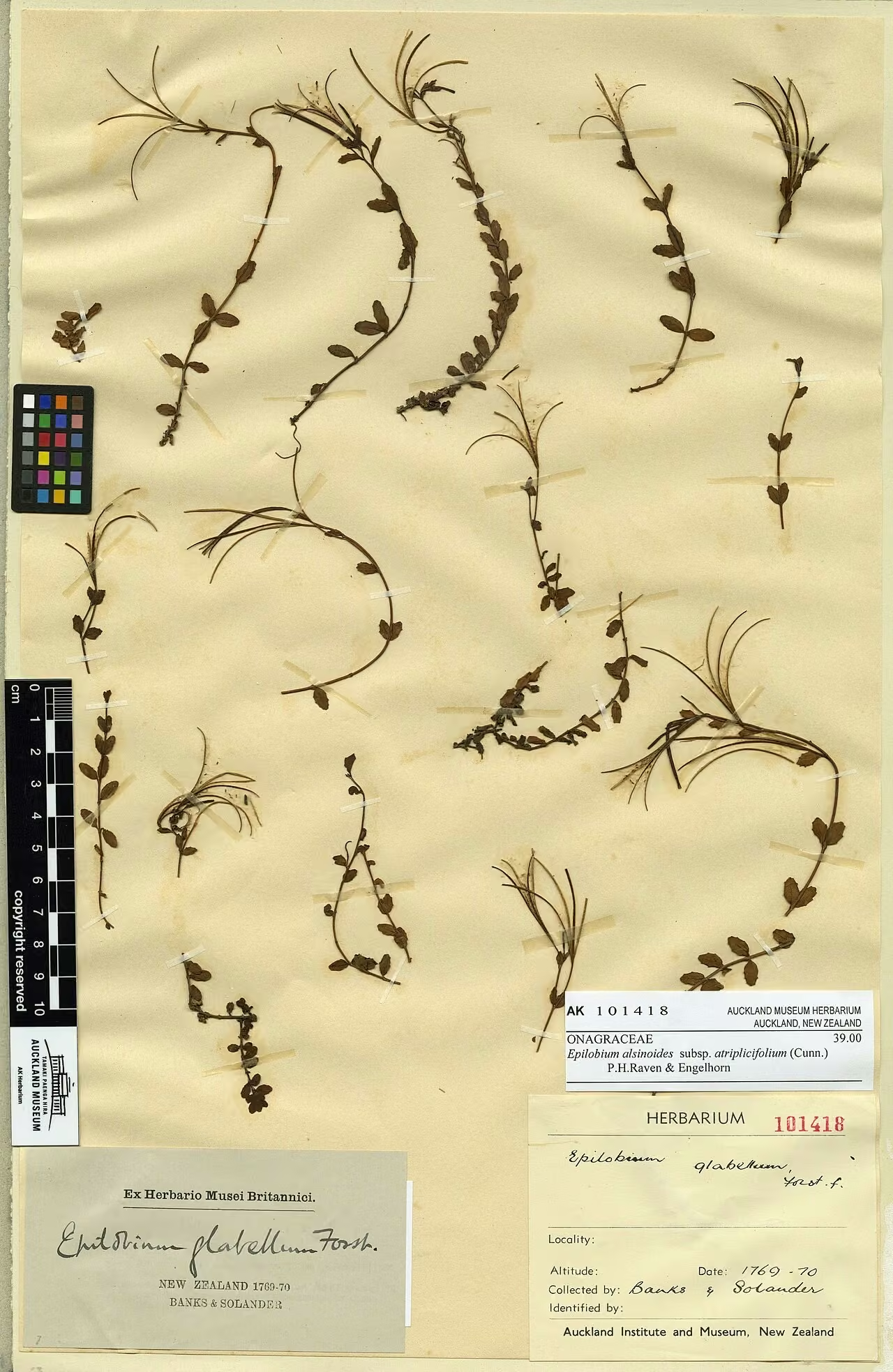
Epilobium atriplicifolium
Epilobium atriplicifolium
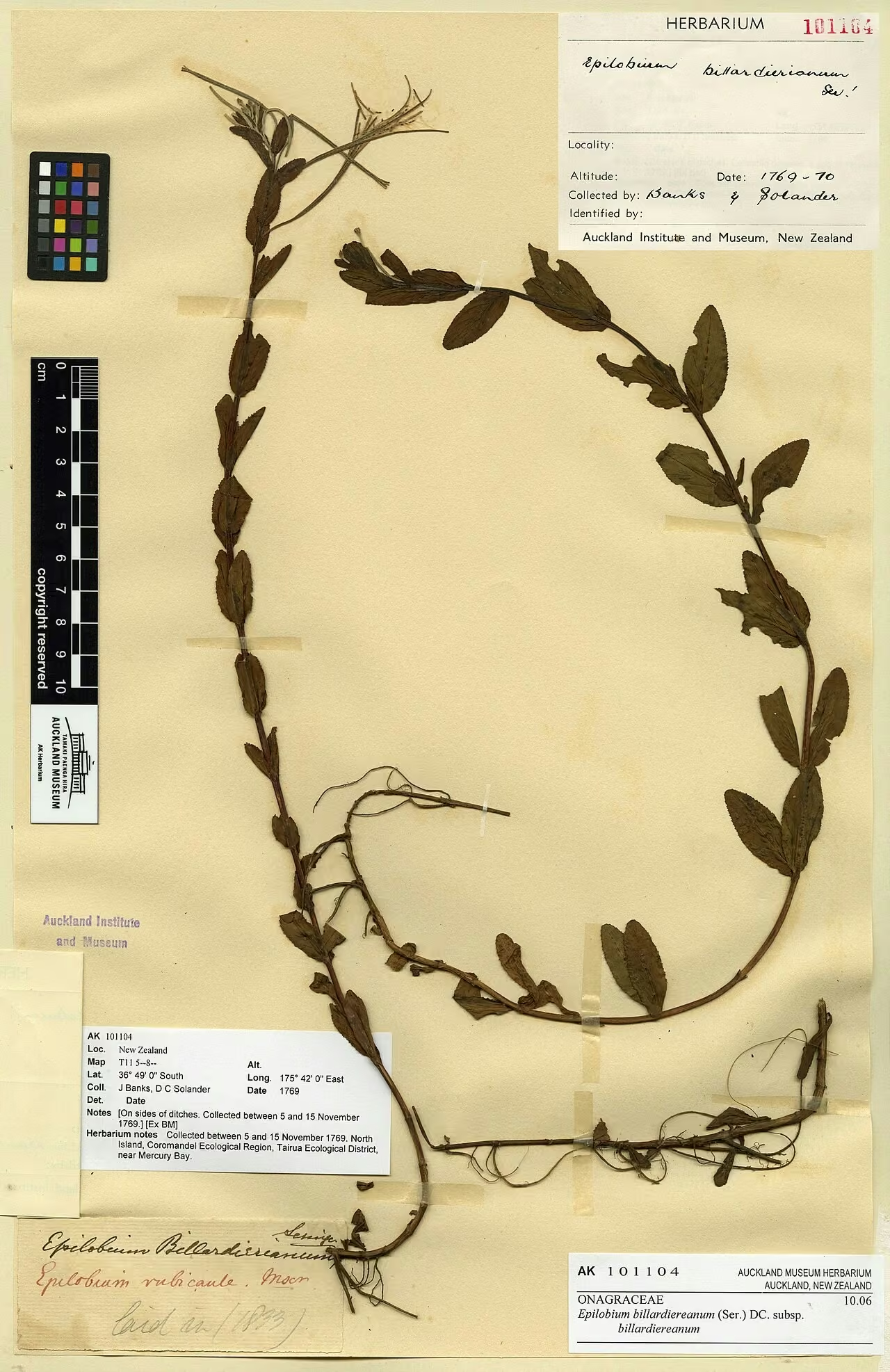
Epilobium billardiereanum
Epilobium billardiereanum
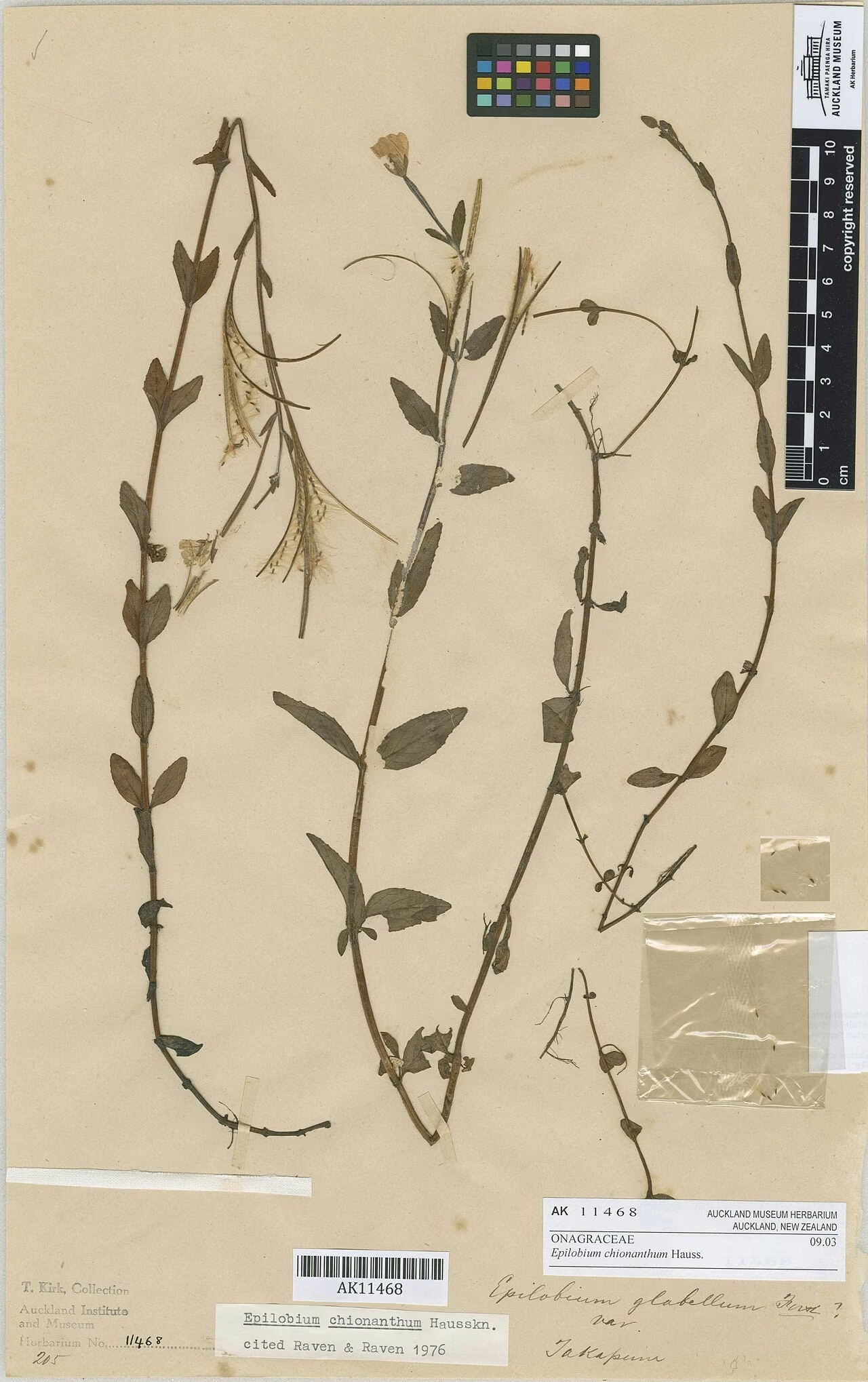
Marsh Willowherb
Epilobium chionanthum
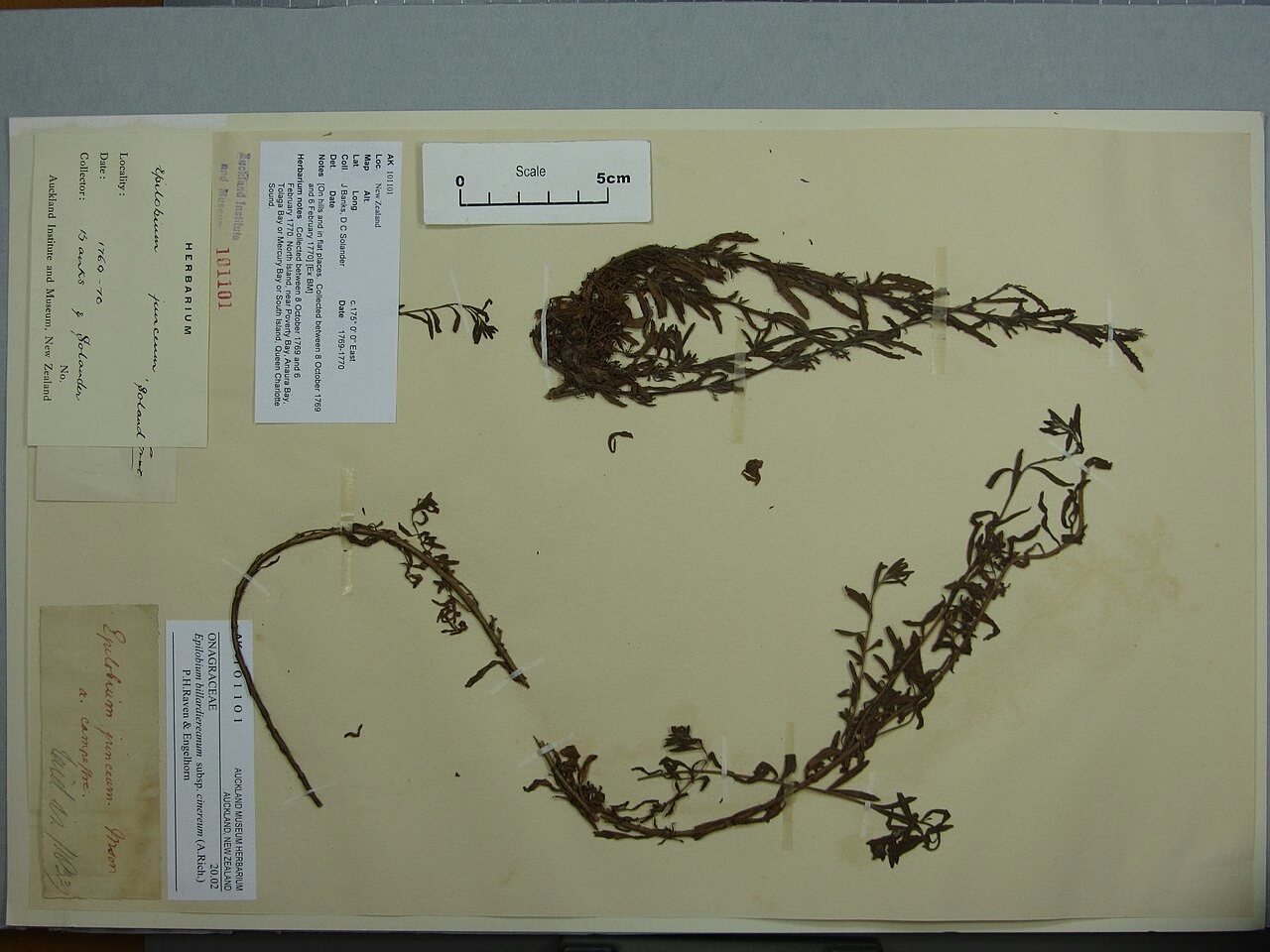
Epilobium cinereum
Epilobium cinereum
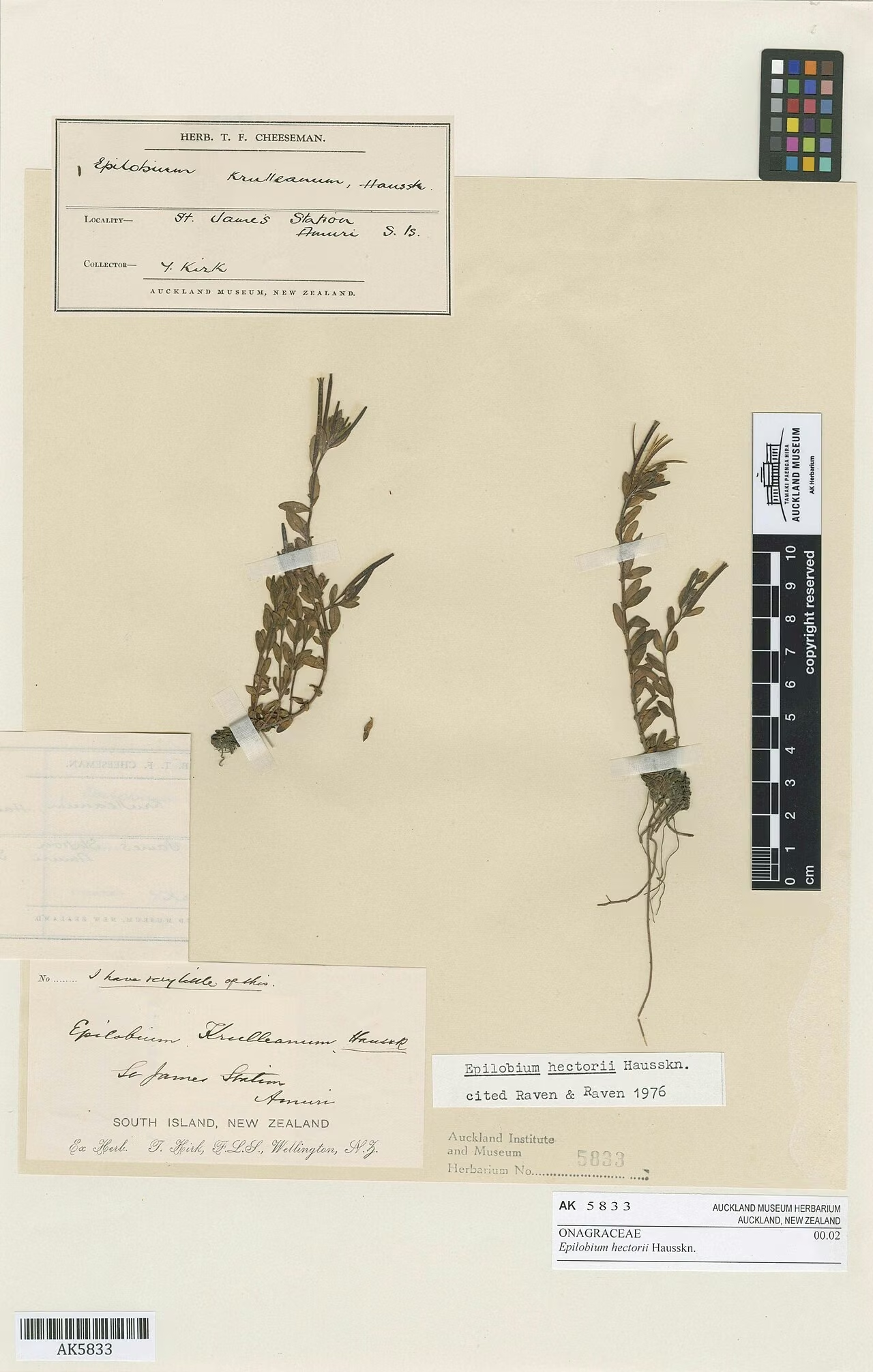
Epilobium hectorii
Epilobium hectorii
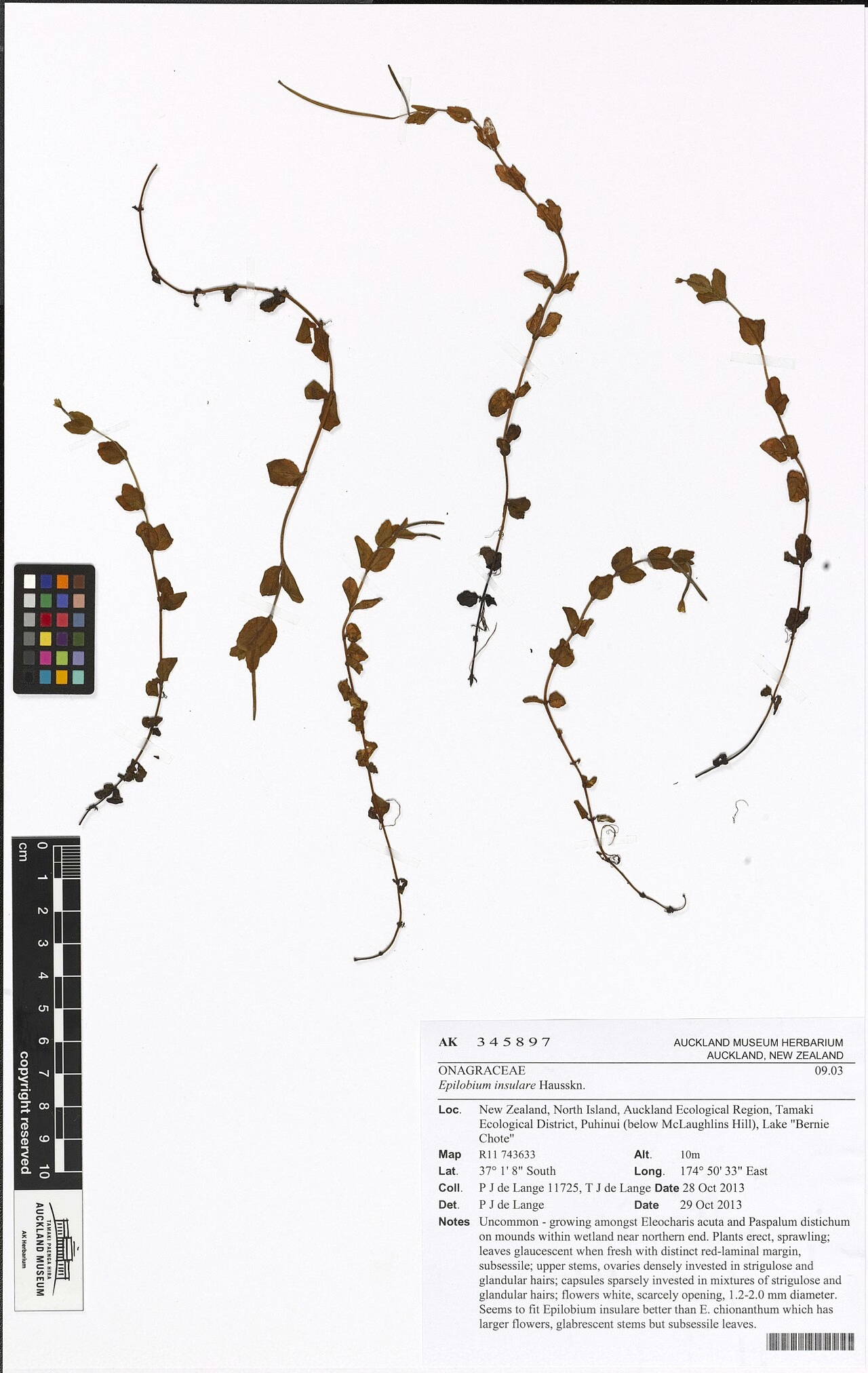
Epilobium insulare
Epilobium insulare
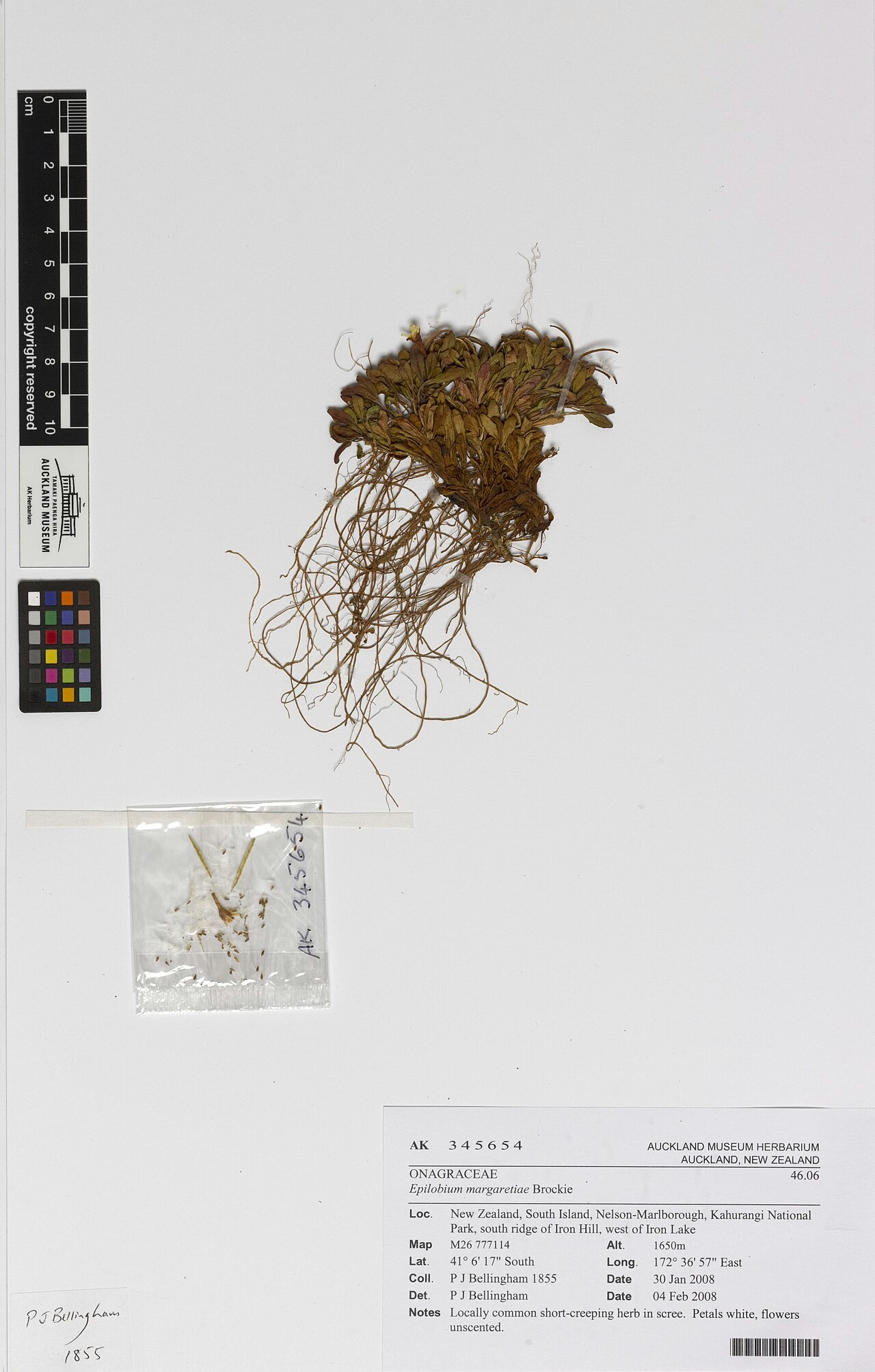
Epilobium margaretiae
Epilobium margaretiae
Plant Conservation
Mountain willowherb is ranked Not Threatened (2023). It is widespread and common in subalpine and alpine habitats on both main islands.
Much of its range lies within national parks and conservation land. Controlling weeds and browsing animals in alpine grassland benefits it along with other alpine herbs.
Frequently Asked Questions
Where does mountain willowherb grow?
It is found in subalpine to alpine tussock grassland and herbfield on the North and South Islands, from Mt Hikurangi, the main ranges, Mt Taranaki and the Central Volcanic Plateau southward, extending along streamsides into the bushline.
How is Epilobium chlorifolium different from Epilobium wilsonii?
NZPCN notes mountain willowherb has a much wider and less ecologically confined distribution, smaller sepals (3 to 5.6 mm rather than 5 to 10.5 mm), smaller petals and a longer seed coma of 5 to 11 mm.
Can I grow mountain willowherb in Auckland?
It is likely to struggle. NZPCN says it dislikes warm, humid climates, where it is prone to powdery mildew, and does best in a rockery.
Sources and Further Reading
The botanical, growing, and conservation details for Mountain Willowherb (Epilobium chlorifolium) on this page draw on the New Zealand plant references below. Consult them for full technical records and the latest distribution data.