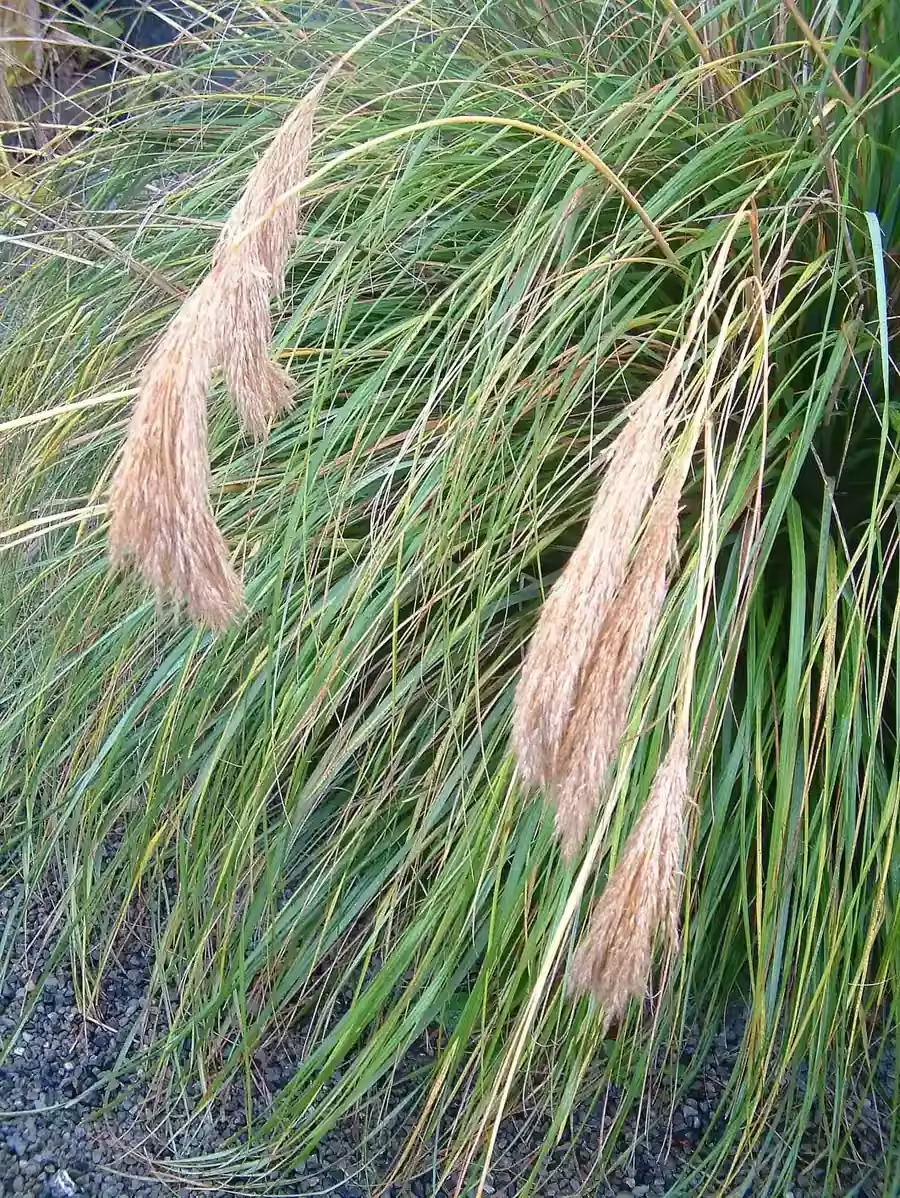
Introduction
Overview
New Zealand's alpine plants are specially adapted to survive in harsh, high-altitude environments with extreme temperatures, strong winds, and intense sunlight. These plants often have compact forms, hairy or waxy leaves, and vibrant flowers. Notable species includes Raoulia eximia (Vegetable Sheep), Celmisia spectabilis (Alpine Daisy), Leather-Leaved Daisy with its distinctive orange-striped leaves, Cotton Daisy with its silvery cushion habit, Aciphylla aurea (Golden Speargrass), and Bush Astelia with its striking bronze foliage. Alpine plants play a vital role in stabilizing fragile soils and supporting unique alpine ecosystems. They are also prized in rock gardens and alpine plantings for their resilience and striking appearance. Hardy shrubs like Bush Snowberry , Large-Flowered Snowberry , and Leatherwood provide year-round structure with their distinctive foliage textures and seasonal flowers.
New Zealand's alpine plants have evolved in isolation, resulting in high levels of endemism - species found nowhere else on Earth. Many form compact cushion-like growths or low mats to withstand harsh conditions, while others have developed woolly coverings, waxy surfaces, or antifreeze compounds in their tissues. Some species like Musky Tree Daisy have evolved aromatic compounds and silvery foliage to cope with intense mountain conditions.
Beyond their natural mountain habitats, many alpine species make excellent additions to rock gardens or container plantings, bringing a touch of New Zealand's high country to more accessible settings. Subalpine shrubs like Lacebark with its distinctive narrow leaves and textured bark create architectural interest. Their compact growth habits and often striking flowers make them prized by plant enthusiasts worldwide. Spectacular alpine bloomers like Mountain Buttercup create brilliant golden carpets across high-country landscapes. Suitable species include distinctive alpine herbs like Black-Stemmed Willow Herb with its purple-black stems and specialized endemics such as NZ Plantain with its distinctive rosette form. For shaded rock gardens, consider pairing with delicate ferns like Maidenhair Spleenwort , while exposed areas can accommodate hardy species like Prickly Shield Fern with its robust, cold-tolerant fronds.
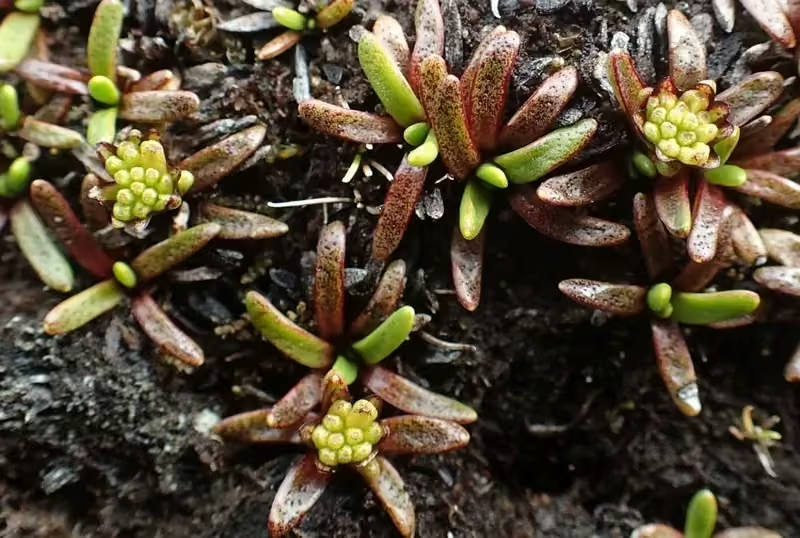
Cushion Daisy
Abrotanella caespitosa
Cushion Daisy is a specialized mat-forming alpine cushion plant perfectly adapted to high-country bogs.
Learn more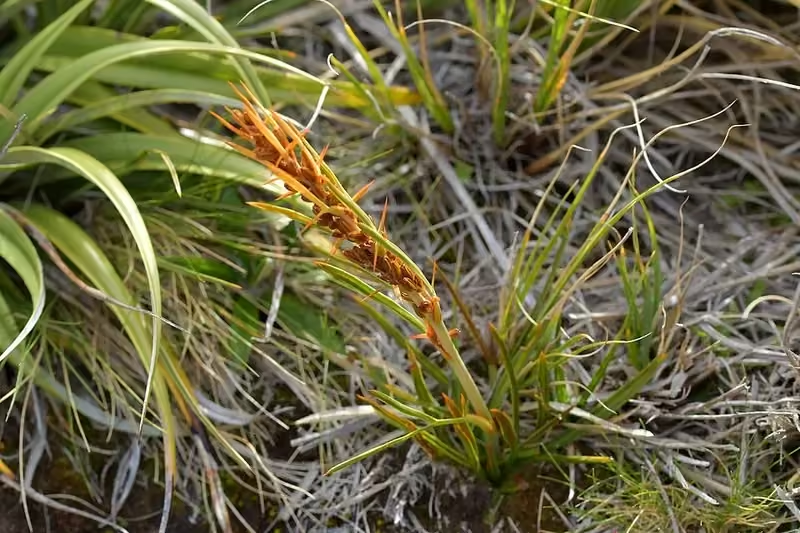
Narrow-leaved Speargrass
Aciphylla crenulata
Narrow-leaved Speargrass is an elegant subalpine perennial with slender rosettes and striking flower spikes.
Learn more
Dobson's Speargrass
Aciphylla dobsonii
Dobson's Speargrass is a robust alpine perennial forming dense, spiny cushions in South Island fellfields.
Learn more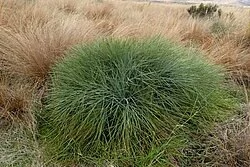
Blue Spaniard
Aciphylla glaucescens
Dramatic alpine perennial with rigid blue-grey foliage and towering flower spikes, widespread in the South Island.
Learn more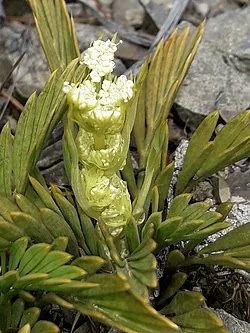
Little Speargrass
Aciphylla monroi
Little Speargrass is a charming, compact alpine perennial with sharp green rosettes and dense flower clusters.
Learn more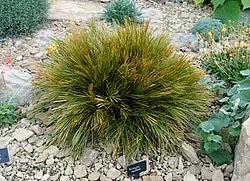
Armstrong's Speargrass
Aciphylla montana
Armstrong's Speargrass is an architectural alpine perennial forming spiny green rosettes with impressive flower stalks.
Learn more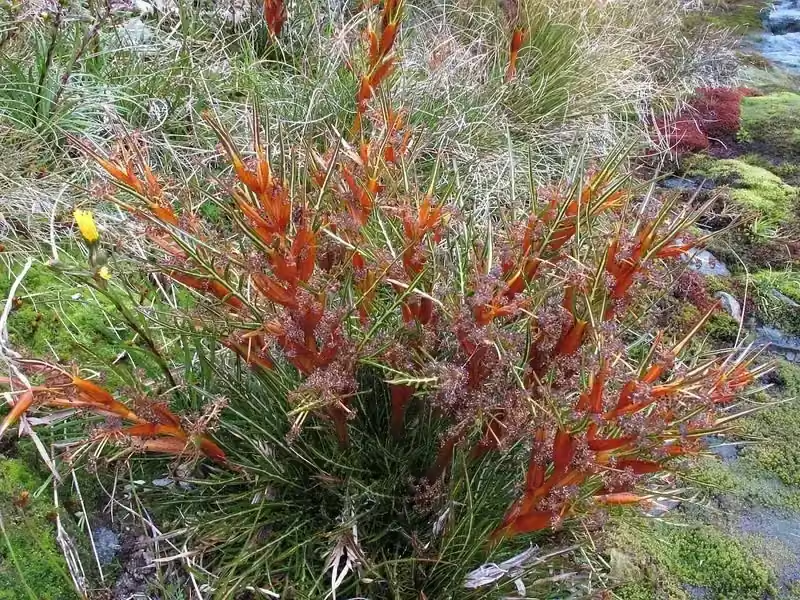
Subalpine Spaniard
Aciphylla pinnatifida
Compact and robust speargrass specialized for South Island alpine wetland environments, featuring deeply divided green rosettes.
Learn more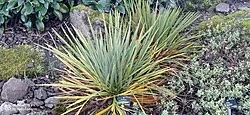
Giant Speargrass
Aciphylla scott-thomsonii
Magnificent alpine speargrass with massive flower stalks reaching up to 4 meters, native to South Island grasslands.
Learn more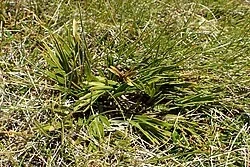
Alpine Speargrass
Aciphylla similis
Compact alpine perennial with rigid rosettes and spiny leaves, characteristic of open South Island mountain grasslands.
Learn more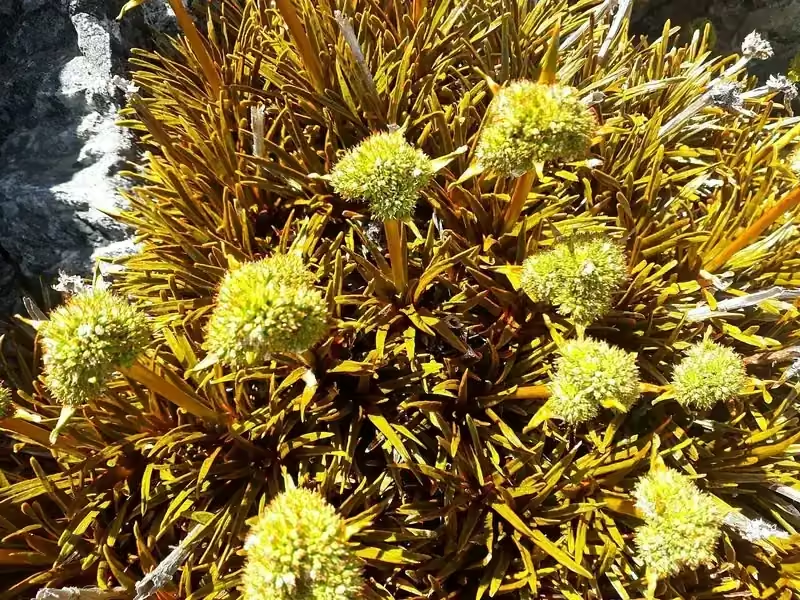
Cushion Speargrass
Aciphylla simplex
Specialized alpine perennial forming dense, prickly cushions on high-altitude fellfields and bluff ledges.
Learn more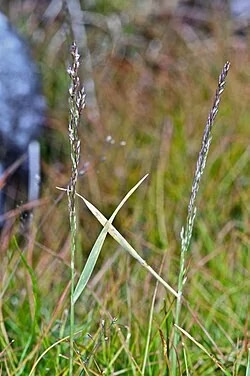
Dyer's Bentgrass
Agrostis dyeri
Resilient alpine grass forming stiff green tufts with delicate flowering panicles, native to New Zealand's mountain regions.
Learn more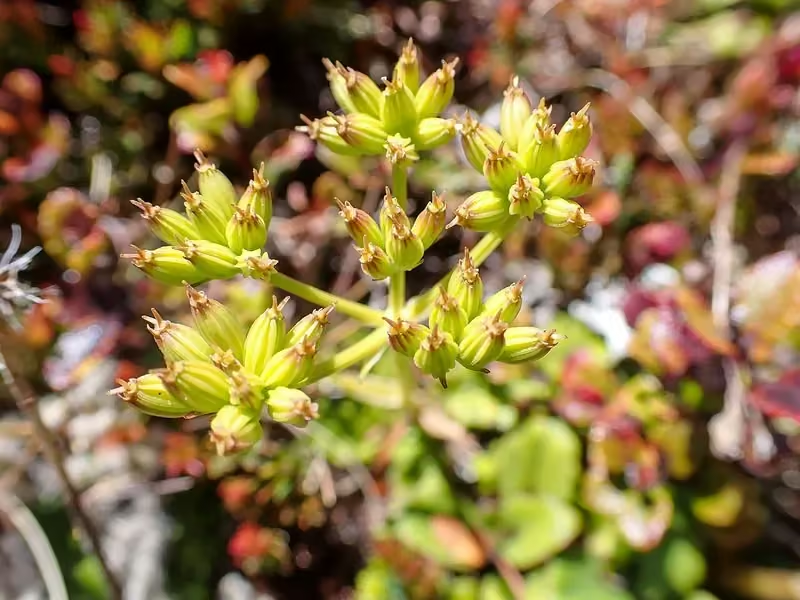
Kopoti
Anisotome aromatica
Robust and highly fragrant alpine perennial forming attractive rosettes of fern-like foliage, endemic to New Zealand.
Learn more
Imbricate Anisotome
Anisotome imbricata
Compact subalpine herb with unique overlapping leaves, thriving in rocky, exposed alpine environments.
Learn more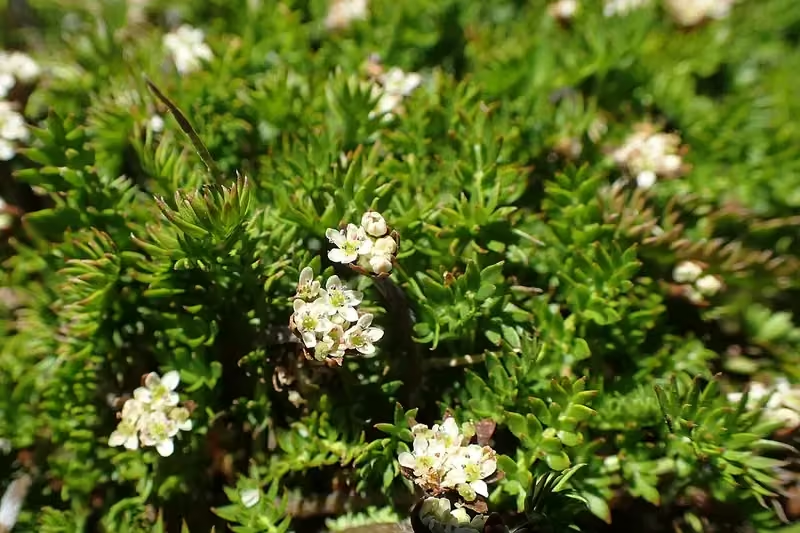
Wavy-leaved Anisotome
Anisotome flexuosa
Diminutive alpine perennial with flexuous stems and deeply divided foliage, native to South Island mountain ranges.
Learn more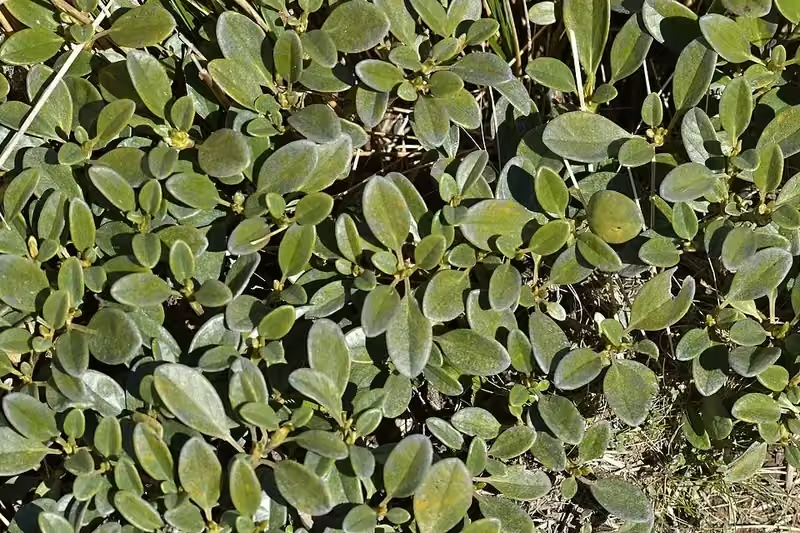
Adams' Brachyglottis
Brachyglottis adamsii
An endemic New Zealand shrub with sticky foliage and bright yellow daisy-like flowers, thriving in subalpine rocky habitats.
Learn more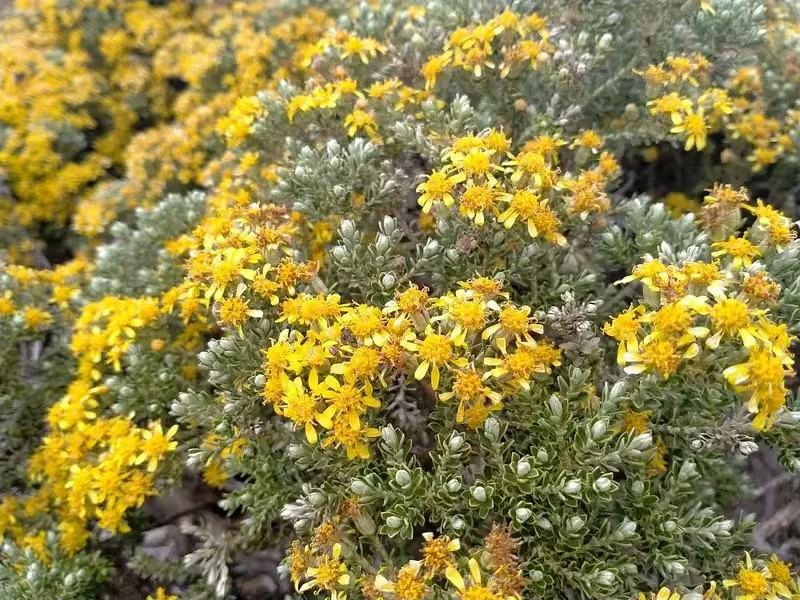
Cassinia Brachyglottis
Brachyglottis cassinioides
A bushy, grey-green, drought-tolerant endemic New Zealand shrub with yellow daisy-like flowers.
Learn more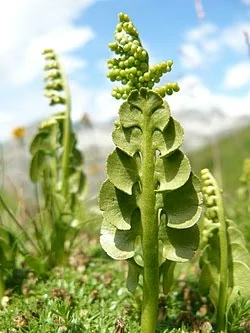
Moonwort
Botrychium lunaria
A rare and critically endangered small fern, distinctive for its moon-shaped sterile fronds and reliance on specific microhabitats.
Learn more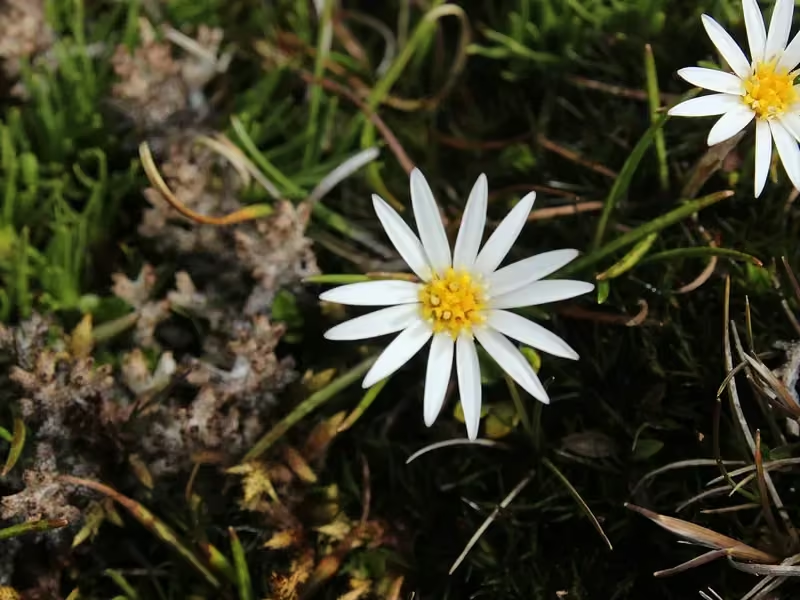
Alpine Daisy
Celmisia alpina
Alpine Daisy is a distinctive alpine cushion herb forming dense mats with white flowers, found in high-country bogs.
Learn more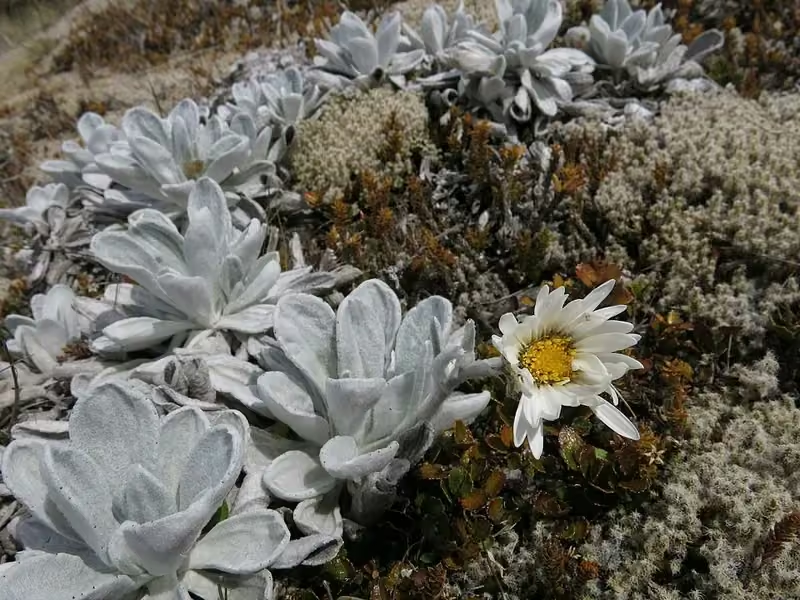
Allan's Daisy
Celmisia allanii
Charming alpine perennial with soft, furry grey leaves and abundant white daisy-like flowers.
Learn more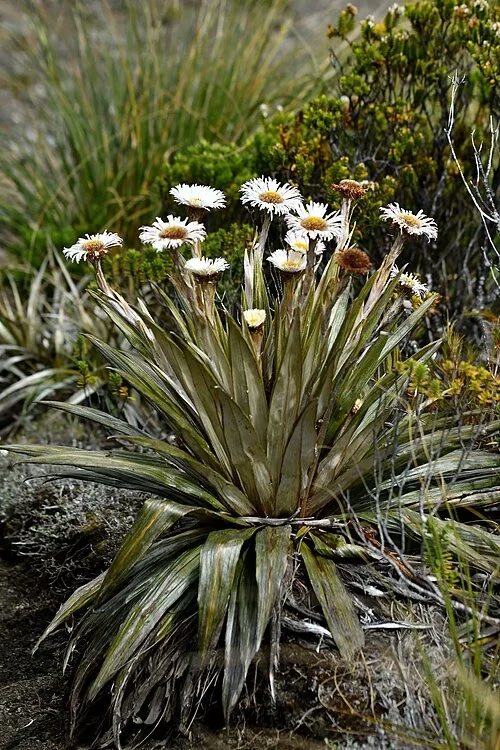
Silver Mountain Daisy
Celmisia coriacea
Majestic alpine perennial with sword-shaped leaves, thriving in wet montane grasslands.
Learn more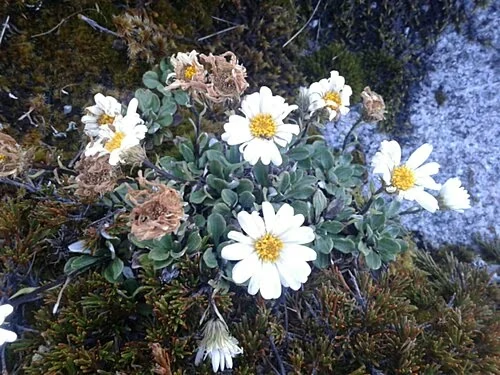
Small Mountain Daisy
Celmisia discolor
Resilient alpine perennial with contrasting leaf colours, thriving in exposed mountain environments.
Learn more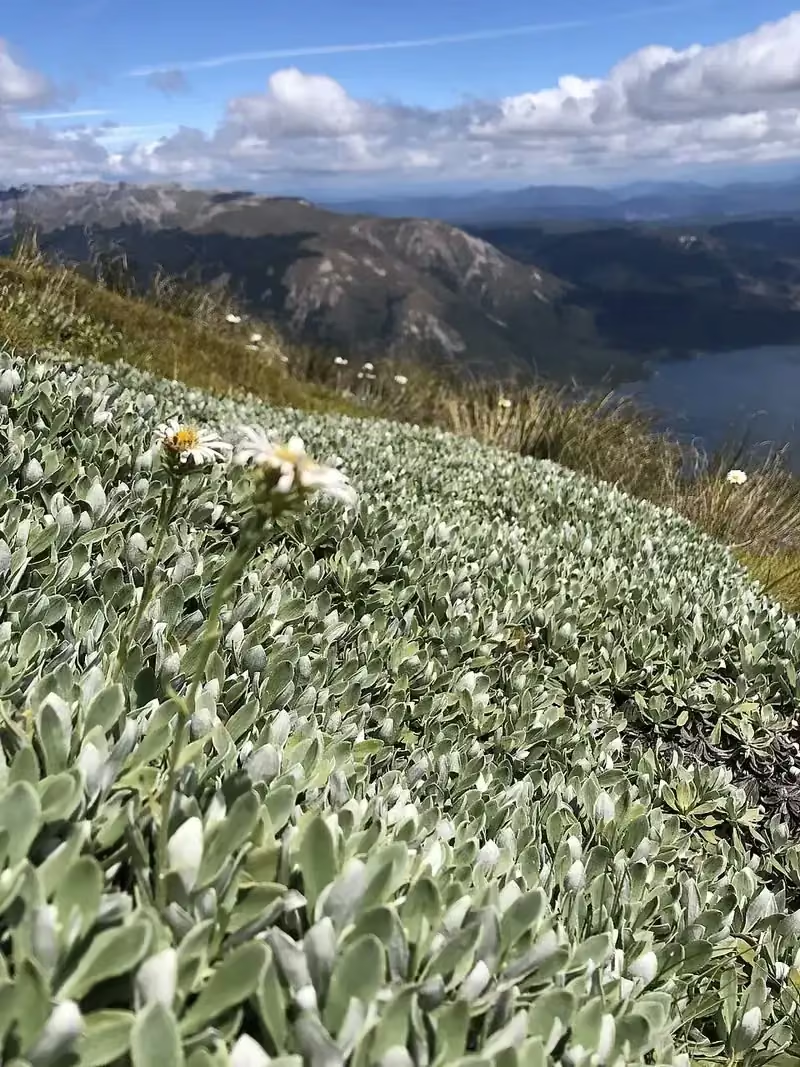
Durietz's Mountain Daisy
Celmisia durietzii
Robust alpine perennial with broad, leathery leaves and striking white daisy flowers.
Learn more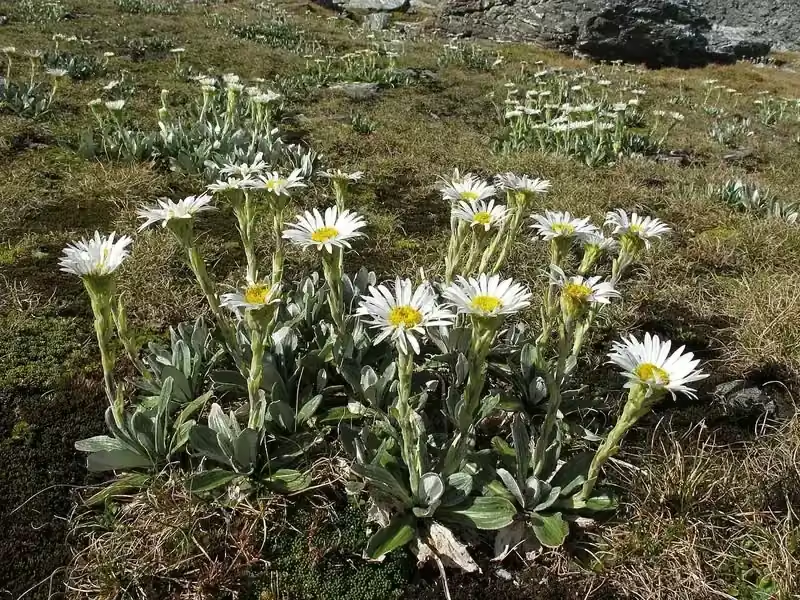
Haast's Mountain Daisy
Celmisia haastii
Distinctive alpine perennial with grey-green, leathery leaves forming low patches in high-country landscapes.
Learn more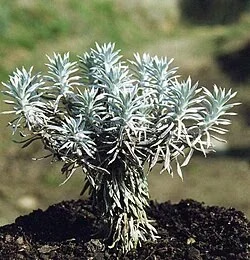
Hector's Daisy
Celmisia hectori
Hector's Daisy is a striking silver-foliaged subshrub forming low alpine patches with delicate white flowers.
Learn more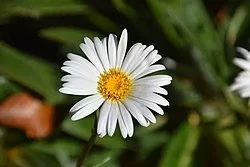
Silky Mountain Daisy
Celmisia holosericea
Elegant perennial forming rosettes of shimmering silvery-white leaves, adaptable to diverse habitats.
Learn more
Large Mountain Daisy
Celmisia semicordata
Large Mountain Daisy is a bold alpine herb with striking silver sword-like leaves and large white daisy flowers.
Learn more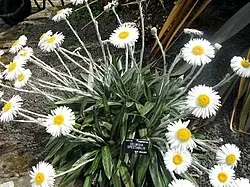
Cotton Daisy
Celmisia spectabilis
Cotton Daisy is a magnificent alpine perennial forming striking rosettes of silvery-white felted leaves and large flowers.
Learn more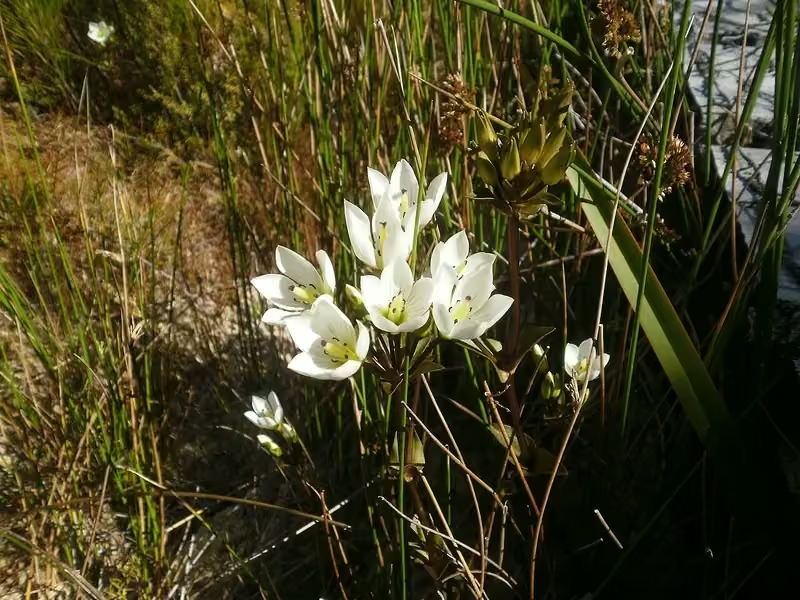
Dwarf Mountain Gentian
Gentianella bellidifolia
Spectacular alpine perennial with large brilliant white flowers and thick green fleshy leaves.
Learn more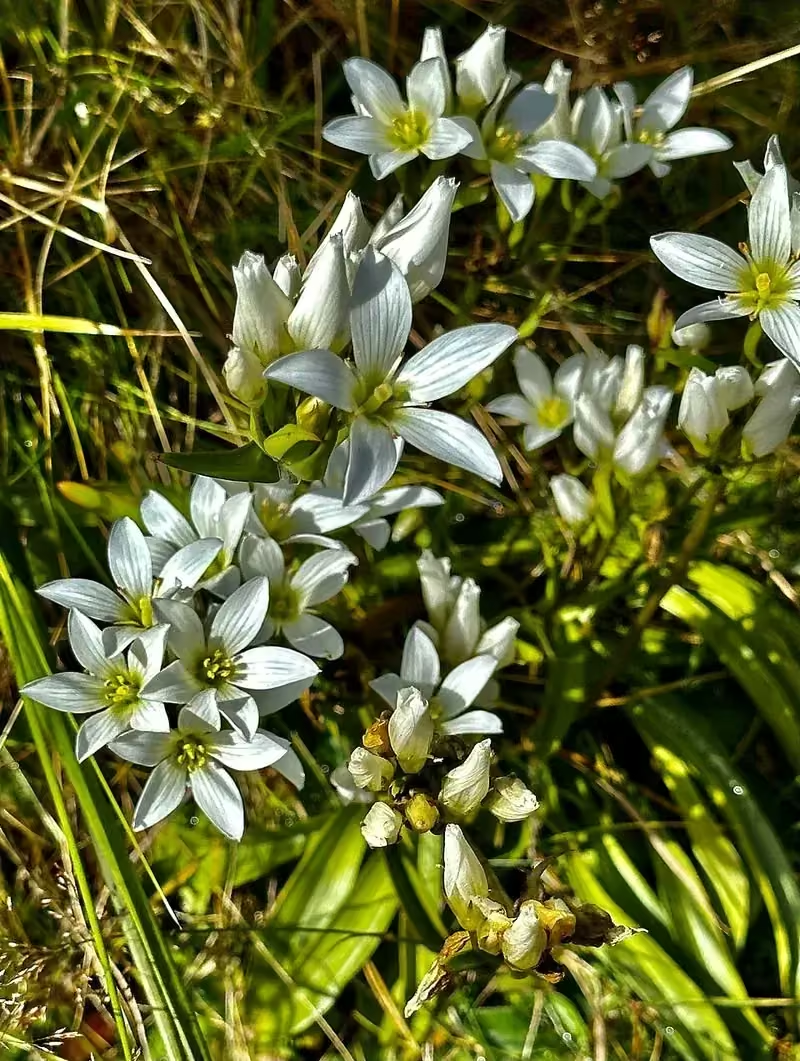
Tall Gentian
Gentianella corymbifera
Elegant South Island alpine herb featuring tall clusters of Snowy white flowers above a green rosette.
Learn more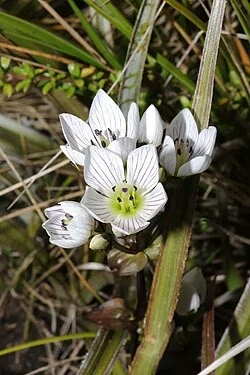
Mountain Gentian
Gentianella montana
A classic alpine herb with pristine white, cup-shaped flowers, found in subalpine grasslands and herbfields.
Learn more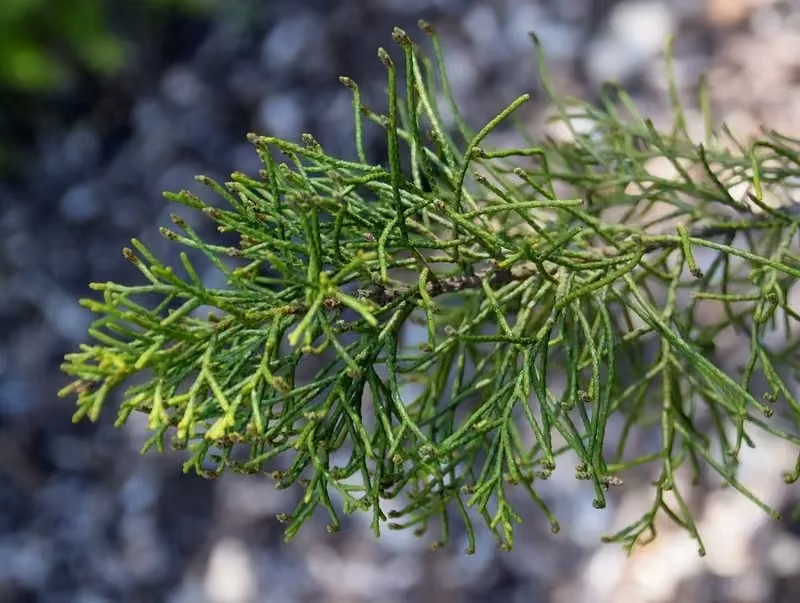
Yellow Pine
Halocarpus biformis
Yellow pine is a small native conifer with distinctive yellow-green foliage, found in alpine and subalpine areas.
Learn more
Hectorella
Hectorella caespitosa
Unique alpine cushion plant forming dense mounds in South Island fell-fields.
Learn more
Yellow Silver Pine
Lepidothamnus intermedius
Yellow silver pine is a small alpine conifer with distinctive golden-yellow foliage, found in high mountain regions.
Learn more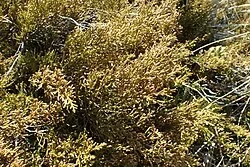
Pygmy Pine
Lepidothamnus laxifolius
Pygmy pine is a prostrate alpine conifer that forms low mats in harsh mountain environments.
Learn more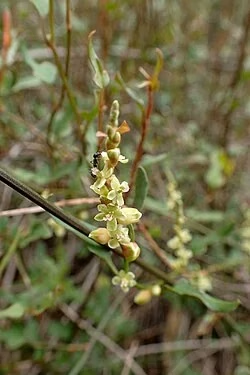
Leafless Pōhuehue
Muehlenbeckia ephedroides
A unique sprawling, grey-toned native shrub that often appears leafless, forming dense mats in rugged coastal and riverbed environments.
View details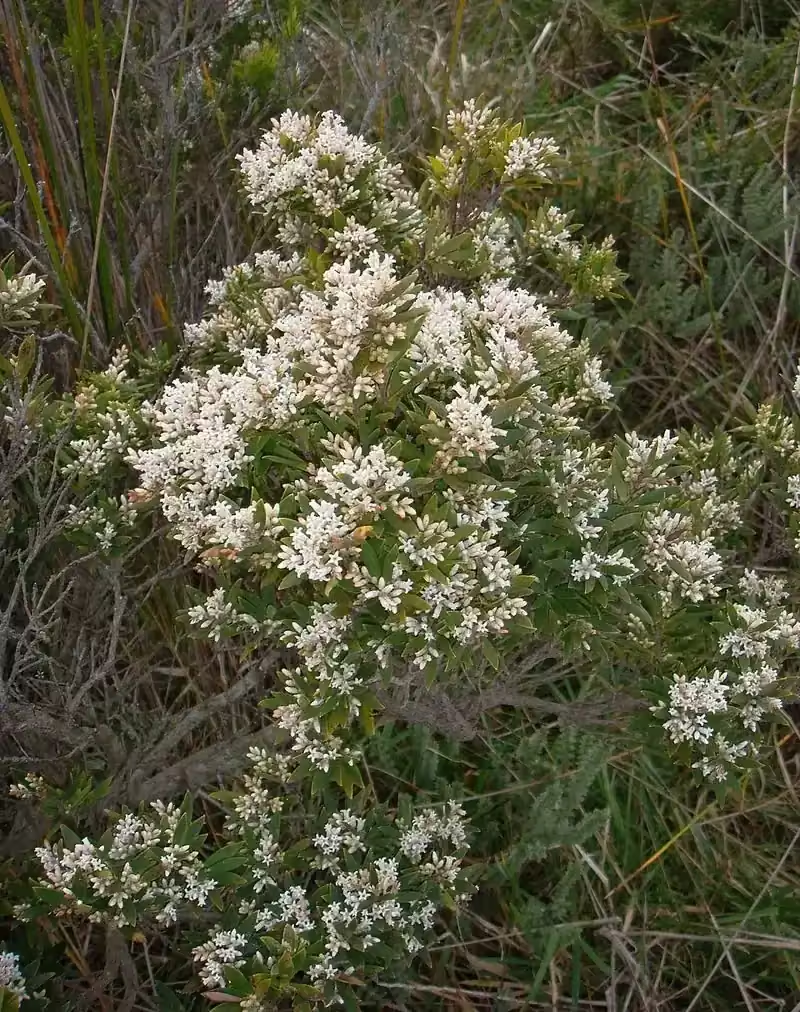
Parviflorus Leucopogon
Leucopogon parviflorus
Parviflorus Leucopogon is a remarkable New Zealand native, valued for its unique form and ecological importance.
Learn more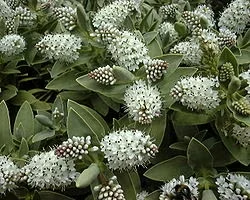
Snow Hebe
Veronica albicans
A compact and hardy alpine hebe with striking bluish-green foliage and clusters of white flowers, ideal for rock gardens and exposed sites.
View details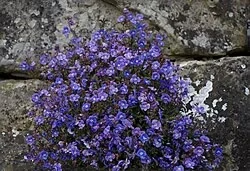
Bentham's Hebe
Veronica benthamii
A stunning blue-flowered hebe endemic to New Zealand's subantarctic islands, featuring distinctive white-edged leaves and vibrant terminal flower spikes.
View details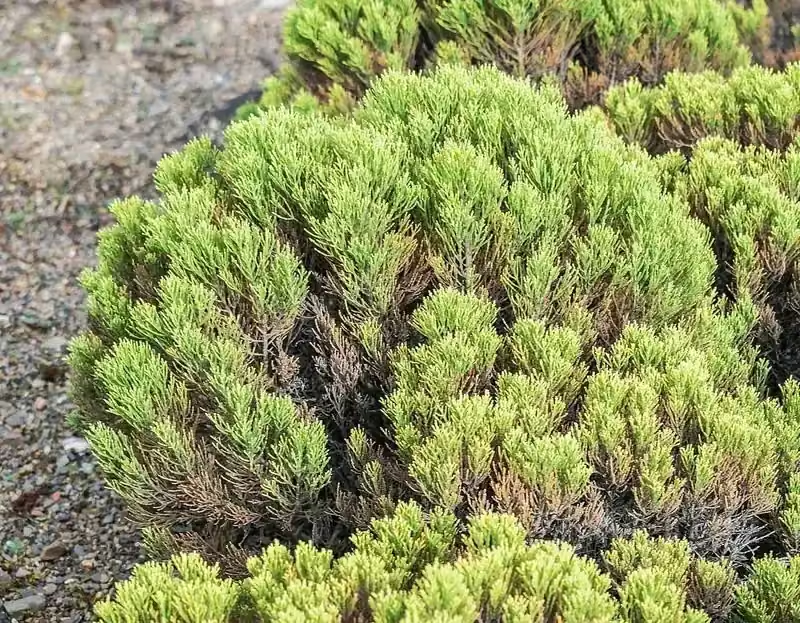
Cypress Hebe
Veronica cupressoides
A rare and highly distinctive native shrub with whipcord branches that mimic a cypress tree, emitting a delightful turpentine scent and producing delicate pale flowers.
View details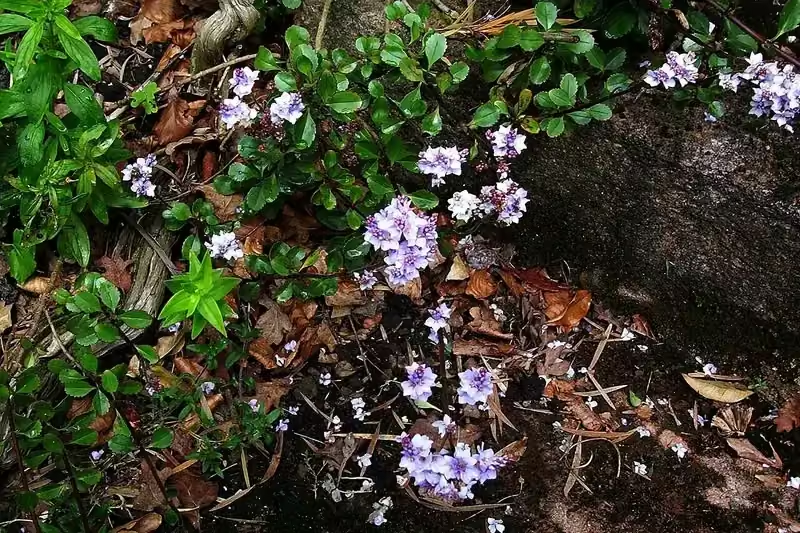
Fairy Foxglove
Veronica hulkeana
A stunning small shrub known as the New Zealand lilac, producing spectacular, large panicles of pale mauve flowers that drape elegantly over rocky outcrops.
View details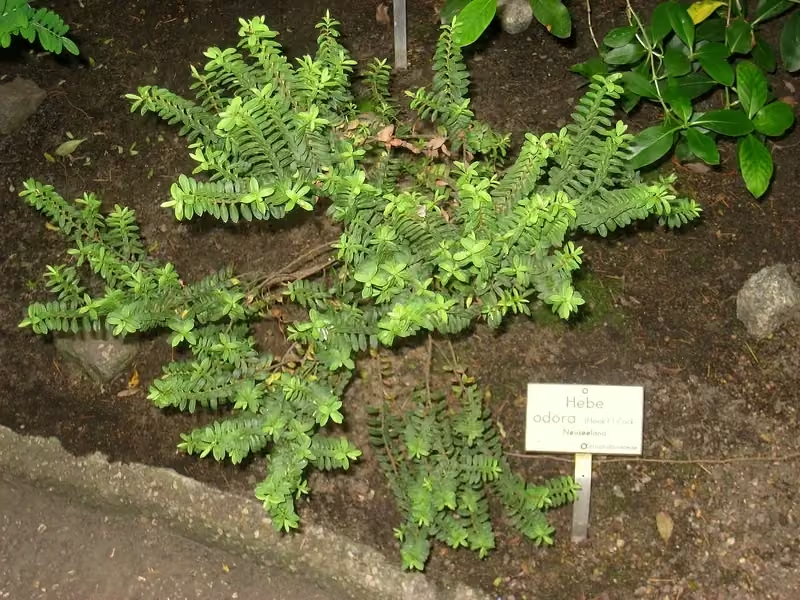
Box-leaf Hebe
Veronica odora
A compact, hardy native shrub with small glossy leaves and short spikes of white flowers, versatile enough for both subalpine and coastal gardens.
View details
Disc Hebe
Veronica pinguifolia
A compact and very hardy alpine shrub with distinctive thick, blue-green scoop-shaped leaves and profuse clusters of white flowers in summer.
View details
Willow-Leaf Hebe
Veronica salicifolia (synonym)
Fast-growing evergreen shrub with willow-like leaves and long, drooping spikes of fragrant white to pale lilac flowers.
View details
Koromiko
Veronica stricta
A highly adaptable pioneer shrub found from coastal to subalpine regions, featuring long pale green leaves and dense spikes of white flowers.
View details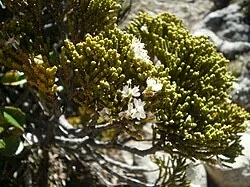
Whipcord Hebe
Veronica tetragona
A unique North Island alpine shrub with four-sided branches and scale-like leaves that mimic a conifer, perfectly adapted to the harsh conditions of mountain fellfields.
View details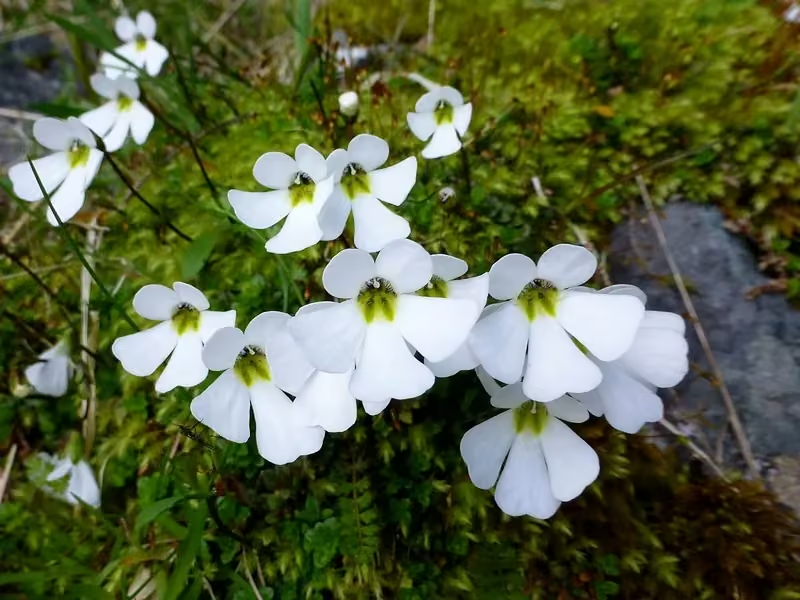
Creeping Foxglove
Ourisia caespitosa
Ourisia caespitosa is a distinctive alpine cushion herb forming dense mats with white flowers. Found in herbfields and grasslands above bushline.
Learn more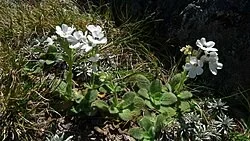
Sessile Mountain Foxglove
Ourisia sessilifolia
An alpine perennial with white tubular flowers and sessile leaves, forming low cushions across scree slopes and herbfields.
Learn more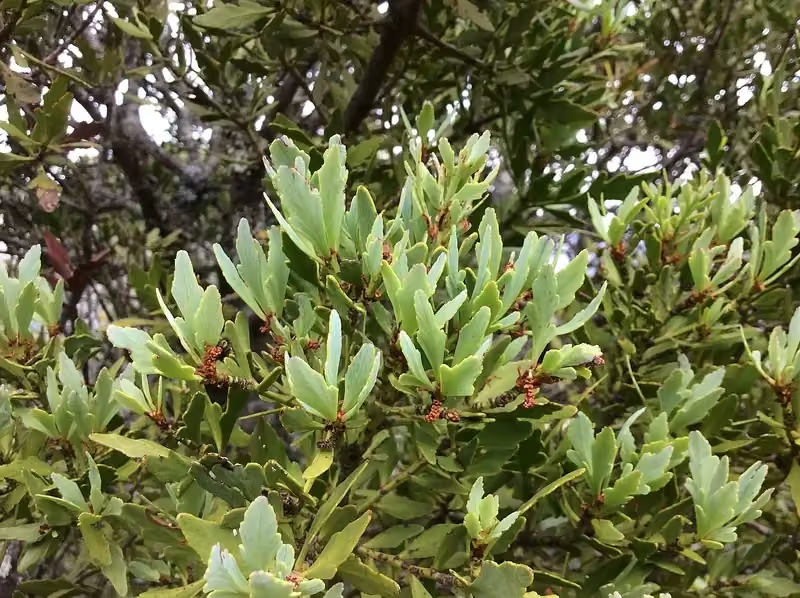
Mountain Toatoa
Phyllocladus alpinus
Mountain toatoa is an alpine conifer with distinctive flattened 'leaves' that are actually modified branches.
Learn more