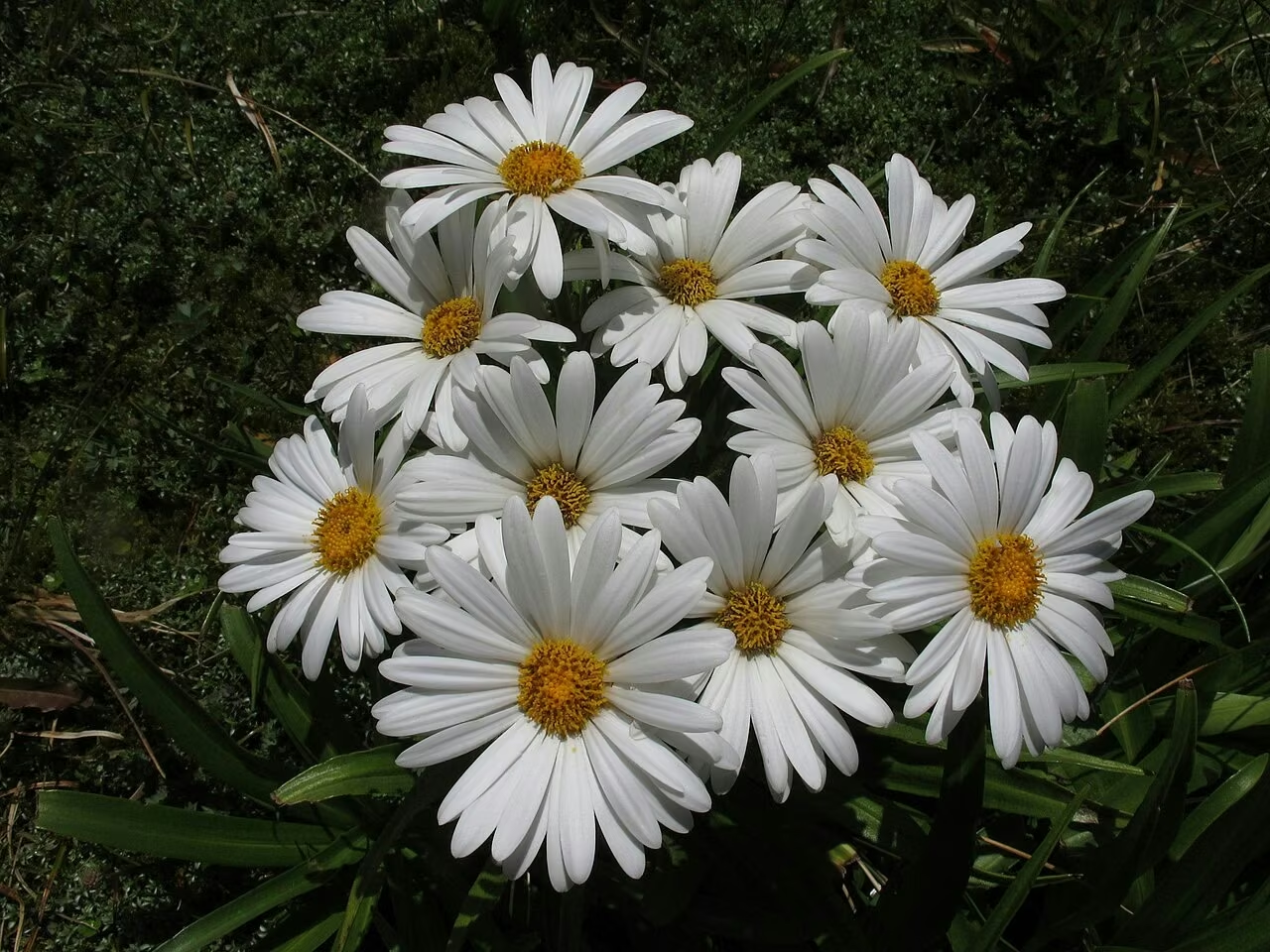
White Snow Marguerite
Dolichoglottis scorzoneroides
Last updated:
White snow marguerite (Dolichoglottis scorzoneroides) is a robust alpine daisy found only in the mountains of the South Island. From a stout rootstock wrapped in old leaf bases it produces fleshy, lance-shaped leaves up to 20 cm long and leafy, glandular-hairy stems up to about 50 cm tall, topped with broad clusters of white daisies 4 to 6 cm across. It grows in wet montane to alpine tussockland, herbfield and peaty ground, and lights up places such as Arthur's Pass in early summer. It belongs to Dolichoglottis, a genus of just two species found only in New Zealand, and is ranked Not Threatened nationally. Explore more native flowering plants in our native plant guide.
Plant Description
Dolichoglottis scorzoneroides is a perennial herb with a stout stock clothed in the remains of old leaf bases. The basal leaves are linear to ovate-lanceolate, up to about 20 cm long and 2 cm wide, tapering to a long point and narrowing to a sheathing base with soft woolly hairs. They are rather fleshy and covered in short glandular hairs, giving them a slightly sticky feel.
The flowering stems are stout, unbranched and leafy, reaching about 50 cm, and are covered above with soft slender hairs mixed with glandular ones. Each ends in a broad, flat-topped cluster of several flower heads. The heads are about 4 to 6 cm across, with white ray florets (ligules) up to 3 cm long around a yellow centre. Seeds are small achenes (cypselae) carrying a pappus of bristles that is caught by the wind.
The only other member of the genus, yellow snow marguerite (Dolichoglottis lyallii), has yellow ray florets and narrow, grass-like leaves. White snow marguerite has broader, fleshier leaves and slightly larger white flowers. Where the two meet, plants with intermediate features occur, and herbarium specimens of the hybrid have been recorded, for example from the Kepler Mountains.
Quick Facts
| Scientific Name | Dolichoglottis scorzoneroides |
|---|---|
| Height | Up to about 0.5 m in flower |
| Spread | Clumps about 0.3-0.5 m across |
| Water Needs | High; constantly moist to wet soil |
| Light | Full sun to light shade in open alpine sites |
| Frost Tolerance | Very high; tolerates snow cover and hard alpine frosts |
| Salt Tolerance | Low; an inland mountain plant with no coastal record |
| Growth Rate | Slow |
| Lifespan | Long-lived perennial |
Climate Best Suited to
Suits the cool, wet, snowy climate of the South Island mountains, with reliable summer moisture and a winter rest under snow. It dislikes heat, humidity and summer drought.
Regional Suitability
| City | Climate Suitability |
|---|---|
| Auckland | Low |
| Wellington | Low |
| Christchurch | Low |
| Dunedin | Medium |
Plant Habitat
White snow marguerite is endemic to the South Island, where it is found in the wetter mountain ranges. It is familiar to visitors at Arthur's Pass and has been photographed along the Routeburn Track on the edge of Fiordland, and it extends south into Otago, where it is now considered regionally declining.
It grows in montane to alpine tussock grassland, herbfield and peat bogs, typically where the ground stays wet through summer, such as seepages, damp hollows and boggy slopes among snow tussocks. These sites are snow-covered for part of the year and receive high rainfall.
Growing Requirements
Soil Requirements
In the wild it roots into wet, peaty or stony alpine soils that are low in nutrients but rarely dry out.
- Moist, humus-rich peaty soil or a gritty, stony mix
- Cool root run that never bakes in summer
- Avoid rich garden soil and stagnant clay
Light Requirements
It grows in open tussockland and herbfield with full exposure to mountain light, but the air there is cool and often cloudy.
- Full sun in cool, cloudy climates
- Light afternoon shade in warmer lowland gardens to keep roots cool
- Will not flower well under trees
Water Requirements
This is a plant of permanently wet ground, so steady moisture through the growing season is essential.
- Keep the root zone consistently moist from spring to autumn
- Water with cool rainwater during dry spells
- Good aeration still matters; sitting in warm stagnant water causes rot
Planting and Establishing
Only nursery-raised plants or seedlings grown from responsibly collected seed should be used; NZPCN advises that it should not be removed from the wild and it is rarely offered for sale. Plant in spring, after hard frosts but before warm weather, so roots can establish while temperatures are cool.
Set plants into a deep, moist bed of peat-rich gritty mix, such as the damp margin of a rock garden, a bog garden or a large trough kept in a cool, bright position. In lowland gardens an alpine house or shade-house with good ventilation gives the best chance of success.
Ecological Role
The large, open white flower heads are accessible to a wide range of alpine insects, and the plant supplies nectar and pollen during the short mountain summer. Its seeds are cypselae with a pappus that are dispersed by wind across tussock grassland and bog.
As a large herb of wet alpine ground it forms part of the colourful tall-herb community of the Southern Alps, growing alongside snow tussocks (Chionochloa), mountain daisies (Celmisia) and other herbs. Hybridisation with yellow snow marguerite where the two overlap shows how closely related the two members of this endemic genus are.
Uses & Significance
Garden Uses
This is a specialist plant for experienced alpine growers rather than a general garden subject.
- Bog or seepage garden in cool southern districts
- Alpine house or large trough collections
- Educational planting to show endemic alpine daisies
Ecological Value
It is a characteristic member of wet alpine herbfield in the South Island and a resource for mountain pollinators.
- Summer nectar and pollen for alpine insects
- Part of an endemic genus found nowhere else
- Contributes to the diversity of tussock grassland and bog vegetation
Landscaping Uses
In the mountains its white flower heads stand above the tussock like scattered stars, and the same effect can be recreated on a small scale in a cool, damp rockery. Plant several together so the flower clusters read as a group, and pair them with low cushion plants and small tussocks that enjoy the same wet, gritty conditions.
It looks best where its bold, fleshy leaf rosettes can be seen at close range, such as at the edge of a path or beside a small pond, rather than at the back of a border where it would be lost among larger plants.
Seasonal Care Calendar
Spring
New leaves emerge from the stout rootstock as the snow melts and soil warms.
- Keep the root zone moist as growth begins
- Top up gritty mulch around the crown
Summer
Flowering stems rise and the white daisies open, mainly in December and January.
- Never let the soil dry out
- Provide shade from hot afternoon sun in lowland gardens
Autumn
Seed heads ripen and release their wind-borne seed, and the foliage starts to tire.
- Collect fresh seed from cultivated plants as it ripens
- Remove spent stems once seed has been gathered
Winter
In the wild the plant rests under snow; in cultivation it needs cold and moisture but not prolonged waterlogging.
- Protect crowns from winter wet in mild districts
- Watch for slugs on dormant crowns
When to Prune and How Much
No structural pruning is needed. Cut flowering stems back to the basal leaves once seed has been collected or has shed, which keeps the plant tidy and reduces the chance of rot in the old stems.
Remove dead, blackened leaves from around the base during the growing season so that air can move around the crown. Avoid cutting into the green rosette itself.
How to Grow White Snow Marguerite
NZPCN rates propagation of white snow marguerite as difficult, and plants must not be taken from the wild. Seed is the usual method used by alpine specialists, and success depends on sowing it fresh and keeping seedlings cool and evenly moist. Division of established cultivated clumps is sometimes possible but carries a high risk of losing the plant, so it should only be attempted with vigorous, multi-crowned specimens.
From Seed
Seed should be gathered from cultivated plants in late summer or autumn as the pappus-tipped seeds begin to loosen from the heads. Viability falls quickly, so sow immediately rather than storing it. A period of cold over winter helps germination, which mirrors the snow cover the plant experiences in the mountains.
- Collect seed heads when the pappus fluffs out and seeds come away easily
- Sow straight away on the surface of a gritty, peat-based seed mix
- Cover lightly with fine grit and stand the tray outdoors in a cool, shaded spot over winter
- Keep the mix evenly moist and protect from slugs
- Prick out seedlings into deep pots once they have two or three true leaves
- Grow on in a cool, bright shade-house for at least a year before planting out
By Division
Large cultivated clumps with several crowns can be split in early spring as growth begins. Each piece must keep a good portion of the fleshy root system.
- Lift the clump carefully in early spring
- Separate crowns with a clean, sharp knife, keeping roots attached
- Pot each division into moist, gritty peat mix
- Keep in a cool, shaded place until new leaves appear
Pests & Diseases
Slugs and snails are the main threat in cultivation and will graze emerging leaves and flower buds, especially in damp lowland gardens. Regular checks and barriers help. Warm, humid conditions encourage crown and root rots, which are the most common cause of death away from the mountains.
In the wild, browsing animals and changes to wet alpine habitats are the main pressures. The Otago regional assessment lists it as Regionally Declining, although the specific causes in that region were not detailed in the sources consulted.
Cultural Significance
No Māori name or traditional use for white snow marguerite was found in the sources consulted. The genus name Dolichoglottis means long tongue, a reference to the long ray florets, and scorzoneroides means resembling Scorzonera, a European genus in the daisy family.
Joseph Dalton Hooker originally described the plant as Senecio scorzoneroides, and it was later treated as a variety of Senecio lyallii before Bertil Nordenstam placed both snow marguerites in their own endemic genus in 1978. Its summer displays are a highlight for trampers and botanists at places like Arthur's Pass.
Bonus Tip
If you want to see white snow marguerite at its best, plan an alpine walk at Arthur's Pass or a similar wet South Island pass in late December or early January; by February, as Canterbury Botanical Society members found at Temple Basin, the Dolichoglottis flowers can already be over.
Related Plants
Explore other native plants that share similar characteristics or habitats with White Snow Marguerite (Dolichoglottis scorzoneroides), offering further insights into New Zealand's diverse flora. These related species provide context and opportunities for complementary planting in your garden.
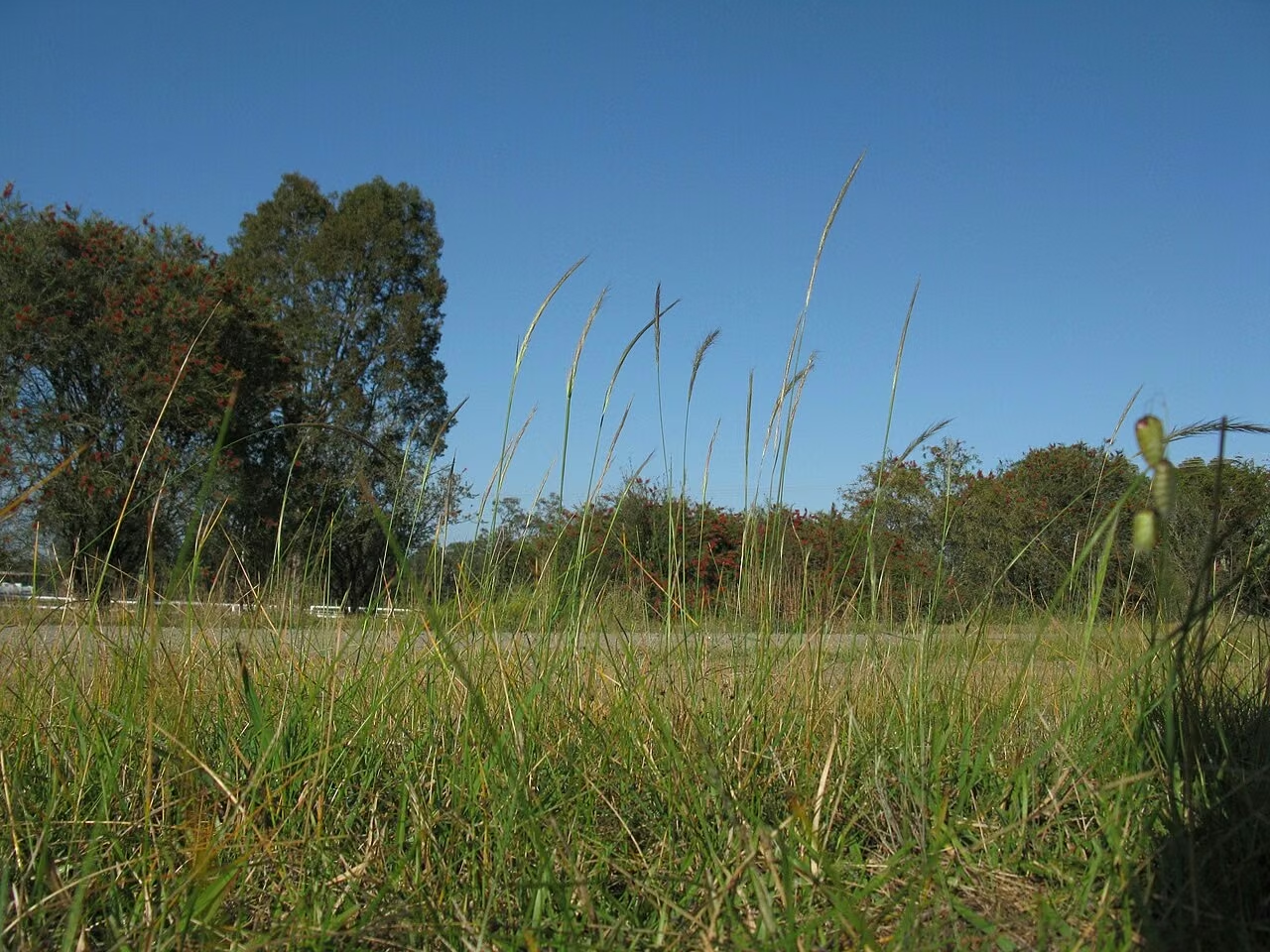
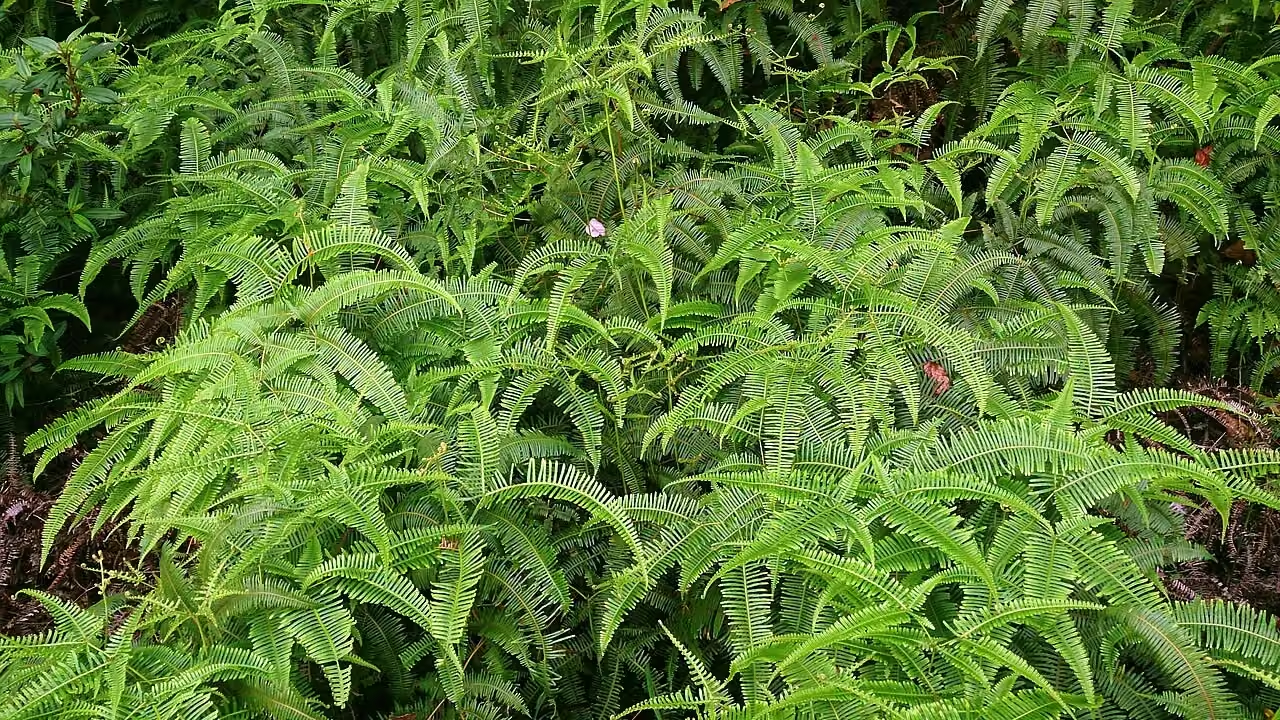
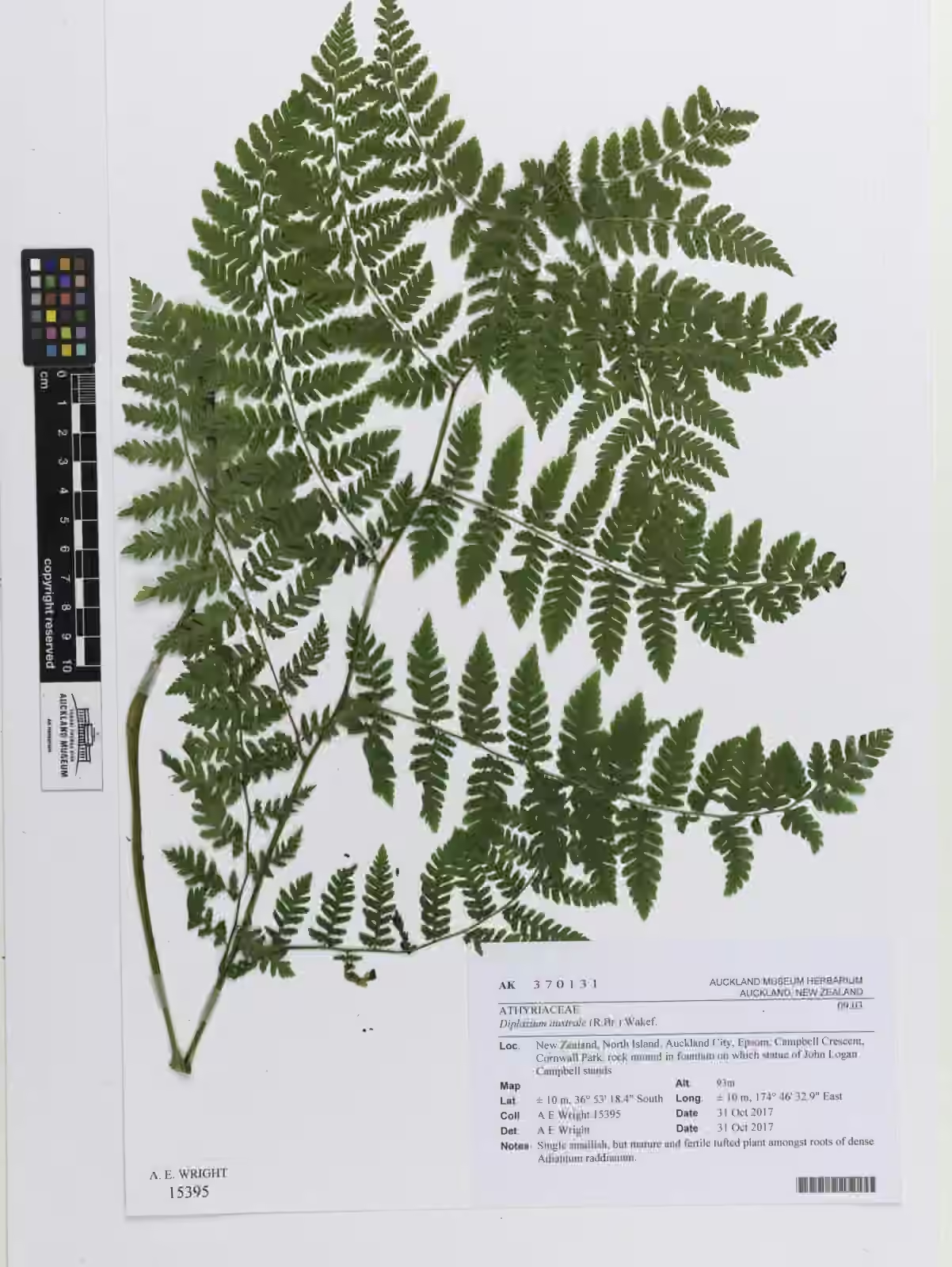
Plant Conservation
White snow marguerite is ranked Not Threatened under the New Zealand Threat Classification System (2023), with the qualifiers Data Poor: Size and Data Poor: Trend, meaning population size and trend are not well understood. In Otago, the 2025 regional assessment lists it as Regionally At Risk - Regionally Declining.
Protecting wet alpine tussockland and bogs from drainage, trampling and browsing animals helps this species. Visitors should admire it in place and stay on tracks in boggy areas, and gardeners should only grow it from cultivated sources.
Frequently Asked Questions
What is the difference between white and yellow snow marguerite?
White snow marguerite (Dolichoglottis scorzoneroides) has white ray florets up to 3 cm long and broader, fleshy leaves, while yellow snow marguerite (Dolichoglottis lyallii) has yellow ray florets and long, grass-like leaves. The two occasionally hybridise where they grow together.
Where can you see white snow marguerite in flower?
It grows in wet alpine and subalpine country of the South Island, including Arthur's Pass and the Routeburn Track area, and flowers mainly in December and January.
Can I grow Dolichoglottis scorzoneroides in my garden?
It is difficult to grow, is not commercially available according to NZPCN, and should not be dug from the wild. Specialist alpine gardeners sometimes raise it from fresh seed in cool, moist, gritty conditions.
Is white snow marguerite endangered?
No. It is ranked Not Threatened nationally, but the Otago regional assessment of 2025 lists it as Regionally Declining in that region.
Sources and Further Reading
The botanical, growing, and conservation details for White Snow Marguerite (Dolichoglottis scorzoneroides) on this page draw on the New Zealand plant references below. Consult them for full technical records and the latest distribution data.