Coast Beard-Heath
Leucopogon parviflorus
Last updated:
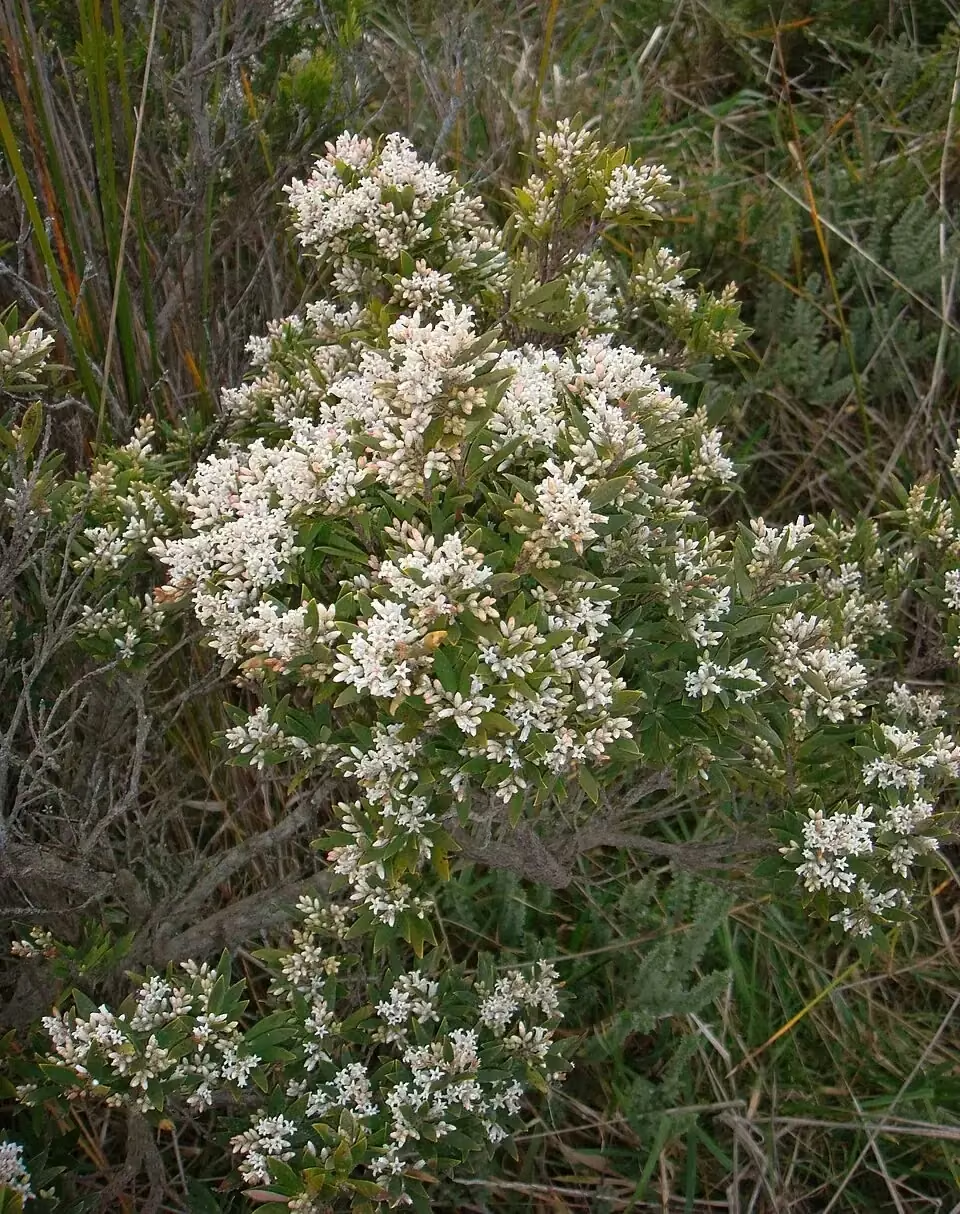
Coast Beard-Heath (Leucopogon parviflorus) is a resilient evergreen shrub or small tree, reaching 1 to 5 metres, that specialises in New Zealand coastal habitats. It has small, stiff, lance-shaped leaves and bears spikes of tiny white tubular flowers, distinctively bearded inside the petals, which give the genus its name (Greek for white beard). These are followed by small, translucent white edible berries. A key component of sand dune and coastal cliff ecosystems, in New Zealand it occurs mainly on the Chatham Islands, where it stabilises soils. Highly tolerant of salt spray, wind and sandy, nutrient-poor soils, it is classed At Risk - Naturally Uncommon and valued for coastal planting. Explore more native shrubs in our native plant guide.
Plant Description
Identification and Physical Characteristics
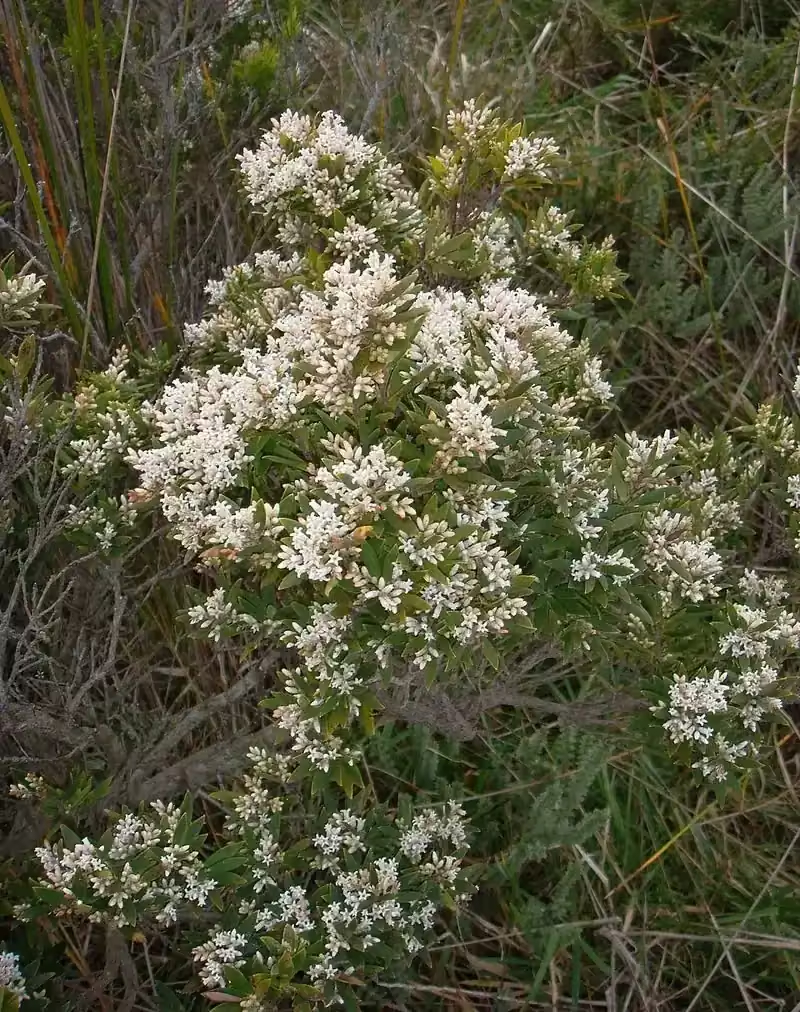
Leucopogon parviflorus , commonly known as the Coast Beard-Heath, is a resilient evergreen shrub or small tree that typically reaches heights between one and five metres. It is characterized by its small, stiff, lance-shaped leaves that are approximately 11 to 29 mm long and often feature a slightly curved tip. The plant is most famous for its stunning display of tiny, white, tubular flowers that appear in spikes of seven to thirteen throughout the year. These flowers have a distinctively "bearded" appearance inside the petals, which gives the genus its name Leucopogon (Greek for "white beard"). Following the flowering period, the plant produces small, translucent white berries that are edible and attract a variety of native bird species.
Quick Facts
| Scientific Name | Leucopogon parviflorus |
|---|---|
| Height | 1-5 metres |
| Spread | 2-3 metres |
| Water Needs | Low to Moderate |
| Light | Full Sun to Light Shade |
| Frost Tolerance | Moderate |
| Salt Tolerance | High |
| Growth Rate | Slow |
| Lifespan | 20-100 years |
Climate Best Suited to
Coast Beard-Heath is exceptionally well-suited to coastal climates, where it has evolved to thrive in challenging environments. It is highly tolerant of salt spray, strong winds, and sandy, nutrient-poor soils. While it prefers the temperate conditions found across much of New Zealand and the Chatham Islands, it is remarkably hardy and can withstand moderate frosts once established. The plant performs best in locations that receive ample sunlight, which encourages dense foliage and prolific flowering. Its ability to tolerate drought makes it an excellent choice for coastal gardens or areas with low rainfall, where other species might struggle to survive.
Regional Suitability
| City | Climate Suitability |
|---|---|
| Auckland | High |
| Wellington | High |
| Christchurch | Moderate |
| Dunedin | Moderate |
| Chatham Islands | High |
Plant Habitat
Natural Occurrence and Ecology
In its natural state, Leucopogon parviflorus is predominantly found in coastal environments. It is a key component of sand dune ecosystems, often growing on stabilized dunes, coastal cliffs, and rocky headlands. It also inhabits coastal scrublands and open woodlands near the sea. In New Zealand, its primary natural occurrence is on the Chatham Islands, where it plays a vital role in stabilizing soil and providing habitat for local fauna. The plant is adapted to neutral to slightly acidic pH soils and is frequently found in association with other salt-tolerant native species that can withstand the rigors of the maritime environment.
Growing Requirements
Soil Requirements
This species requires well-drained soil to prevent root rot, particularly during the winter months. It is highly adaptable to various soil types but thrives most in sandy or loamy soils that mimic its natural coastal habitat. While it can tolerate nutrient-poor conditions, the addition of organic matter during planting can help establish a strong root system. It is important to avoid heavy clay soils that retain excessive moisture, as this can lead to poor health and a shortened lifespan for the plant.
- Sandy coastal soils
- Well-drained loam
- Rocky cliff-side sites
Light Requirements
For optimal growth and flowering, Coast Beard-Heath should be planted in a position that receives full sun for most of the day. It can also tolerate light shade, particularly in hotter regions where some afternoon protection may be beneficial. However, too much shade can result in leggy growth and a reduction in the number of flowers and berries produced.
- Full sun for best flowering
- Light dappled shade
- Exposed coastal sites
Water Requirements
Once established, Leucopogon parviflorus is quite drought-tolerant and requires minimal supplemental watering. During the first two years of growth, it is important to provide regular water to help the plant establish its root system, especially during dry summer periods. Care should be taken not to overwater, as the plant does not like to have "wet feet" and prefers soil that dries out slightly between waterings.
- Regular water during establishment
- Drought tolerant once mature
- Avoid waterlogged soil
Planting and Establishing
Establishment Guidance
When planting Coast Beard-Heath, choose a site that offers good drainage and adequate sunlight. Dig a hole twice as wide as the root ball and just as deep. If the soil is particularly heavy, consider raising the planting bed or adding coarse sand to improve drainage. Gently remove the plant from its container, being careful not to disturb the sensitive roots. Place the plant in the hole at the same depth it was in the pot and backfill with soil, firming it gently as you go. Water the plant thoroughly after planting to settle the soil and apply a layer of organic mulch around the base to retain moisture and suppress weeds.
Ecological Role
Biodiversity and Ecosystem Impact
As a coastal specialist, Leucopogon parviflorus plays a crucial role in its ecosystem. Its dense growth habit provides excellent shelter and nesting sites for small coastal birds and insects. The "bearded" flowers are a significant source of nectar for pollinators, including native bees and butterflies. Perhaps most importantly, the edible white berries are a vital food source for birds, who in turn help to disperse the seeds across the landscape. Its root system also contributes to the stabilization of sandy soils and dunes, helping to prevent erosion in vulnerable coastal areas.
Uses & Significance
Garden Uses
Coast Beard-Heath is a versatile plant for New Zealand gardens, particularly those located near the sea. It makes an excellent low-maintenance hedge or screen, providing year-round privacy and wind protection. Its attractive foliage and delicate white flowers make it a beautiful specimen plant for rock gardens or coastal-themed landscapes. It can also be grown in large containers on patios or balconies, provided the potting mix is well-draining.
- Coastal windbreaks
- Low-maintenance hedging
- Specimen rock garden plant
Ecological Value
The plant is highly valued for its contribution to local biodiversity. By providing food and habitat for a wide range of native species, it helps to maintain a healthy and balanced ecosystem. Its resilience in harsh conditions makes it an ideal candidate for coastal restoration projects, where it can help re-establish native vegetation and protect against the elements.
- Pollinator attraction
- Bird food source (berries)
- Soil stabilization
Landscaping Uses
In landscaping, Leucopogon parviflorus is often used to create structure and texture. Its fine-textured foliage contrasts beautifully with larger-leaved native plants like Puka or Coprosma. It is particularly effective when mass-planted on embankments or used to define boundaries in exposed sites. Its ability to tolerate salt and wind makes it one of the most reliable choices for seaside developments and public parks.
Seasonal Care Calendar
Spring
In spring, apply a balanced slow-release fertilizer to encourage new growth and flowering. This is also a good time to check the mulch layer and replenish it if necessary.
- Apply slow-release fertilizer
- Replenish mulch layer
- Monitor for new growth
Summer
During the hot summer months, monitor young plants and provide supplemental water during extended dry spells. Established plants should be fine but will benefit from an occasional deep watering.
- Water young plants regularly
- Deep water established plants in drought
- Enjoy the berry display
Autumn
Autumn is an ideal time for light pruning to maintain shape and remove any dead or damaged wood. You can also start preparing for any new plantings while the soil is still warm.
- Light tip pruning
- Remove dead branches
- Plan new coastal plantings
Winter
In winter, Coast Beard-Heath requires very little attention. Ensure that drainage remains clear to prevent waterlogging during the wetter months.
- Check soil drainage
- Minimal watering required
- Protect from severe frost if young
When to Prune and How Much
Leucopogon parviflorus generally maintains a good shape without extensive pruning. However, it responds well to light tip pruning, which can encourage a bushier growth habit and more prolific flowering. Pruning should ideally be done after the main flowering period has ended. Avoid cutting back into old wood, as the plant may be slow to recover or fail to produce new growth from older branches.
- Light tip pruning after flowering
- Remove crossing or dead branches
- Maintain desired height and width
If you are using Coast Beard-Heath as a hedge, regular light trims will help maintain a dense and tidy appearance. Always use sharp, clean tools to ensure clean cuts and minimize the risk of disease.
How to Grow Coast Beard-Heath
Cultivating Coast Beard-Heath ( Leucopogon parviflorus ) is a rewarding endeavor for any gardener interested in New Zealand's unique flora. This species can be propagated through several methods, each requiring specific conditions to ensure healthy growth and establishment. Successful propagation depends on mimicking the plant's natural environment and providing consistent care during the early stages of development.
From Seed
Propagation from seed is often the most effective way to produce a large number of Coast Beard-Heath plants. Seeds should be collected when they are fully mature. Freshly collected seeds generally have higher germination rates than those that have been stored for long periods.
Growing Coast Beard-Heath from seed can be a challenging but rewarding process. The seeds have a natural dormancy that can make germination slow and sometimes unpredictable, often taking anywhere from 6 to 18 months to sprout. To improve your chances, collect berries when they are fully ripe and white. Clean the pulp from the seeds immediately, as the inhibitors in the fruit can prevent germination. Sowing the seeds in a well-drained seed-raising mix and placing them in a cold frame can help mimic the natural seasonal changes that trigger growth.
- Collect ripe white berries in late summer
- Clean pulp thoroughly from seeds
- Sow in well-drained seed-raising mix
- Place in a protected, cool environment
- Be patient as germination is slow
While the process is slow, seedlings once established are generally robust. Ensure they are kept in a well-lit but sheltered position until they are large enough to be potted on into individual containers.
From Cuttings
For those wishing to replicate specific characteristics of a parent plant, vegetative propagation via cuttings is the preferred method. This technique ensures that the new plants are genetically identical to the source. Semi-hardwood cuttings taken during the appropriate season usually yield the best results for this species.
Vegetative propagation through cuttings is often more reliable than growing from seed. Take semi-hardwood cuttings (about 10-15 cm long) from the current season's growth, ideally in late summer or early autumn. Choose healthy, disease-free stems and remove the leaves from the bottom half of the cutting. Using a rooting hormone can significantly increase the success rate.
- Take 10-15cm semi-hardwood cuttings
- Remove lower leaves from the stem
- Dip base in rooting hormone powder
- Insert into a mix of peat and perlite
- Keep humid and in bright, indirect light
Additional Methods
Depending on the growth habit of Coast Beard-Heath, other methods such as division or layering might also be viable options. Division is particularly suitable for plants that form dense clumps or have spreading root systems, while layering can be used for species with trailing or flexible stems.
While seeds and cuttings are the most common methods, some success can be found with layering. This involves pegging a low-growing branch to the ground and covering a section with soil until roots develop. This method is slow but can be effective for larger plants with flexible branches.
- Identify a flexible, low-growing branch
- Wound the underside of the stem slightly
- Peg the wounded section into the soil
- Keep moist until roots are established
- Sever from parent plant once rooted
Pests & Diseases
Coast Beard-Heath is generally resistant to most pests and diseases. However, like many coastal plants, it can occasionally be affected by scale insects or aphids, which can be managed with neem oil or insecticidal soap. Root rot is the most significant threat, which is why providing excellent drainage is so critical. Ensuring good air circulation around the plant will also help prevent fungal issues during humid weather.
Cultural Significance
The edible berries of the Coast Beard-Heath were historically a source of food for indigenous peoples in both Australia and New Zealand. While small and slightly sweet, they provided a seasonal treat and a source of nutrients. In a modern context, the plant is highly valued for its role in coastal conservation and as a representative of the unique flora found on the Chatham Islands. Its presence in the garden serves as a connection to the wild, windswept landscapes of New Zealand's coastlines.
- Historical food source (berries)
- Important for coastal conservation
- Symbol of Chatham Islands flora
Bonus Tip
To attract more native birds to your garden, plant Coast Beard-Heath alongside other berry-producing natives like Coprosma species. The combination of different fruiting times will provide a year-round food source for your local feathered friends!
Related Plants
Explore other native plants that share similar characteristics or habitats with Coast Beard-Heath ( Leucopogon parviflorus ), offering further insights into New Zealand's diverse flora. These related species provide context and opportunities for complementary planting in your garden.
Coprosma Acerosa
Coprosma acerosa
Coprosma Repens
Coprosma repens

Muehlenbeckia Complexa
Muehlenbeckia complexa

Phormium Cookianum
Phormium cookianum
Pimelea Prostrata
Pimelea prostrata
Corokia Cotoneaster
Corokia cotoneaster
Discaria Toumatou
Discaria toumatou

Melicytus Crassifolius
Melicytus crassifolius
Plant Conservation
Conservation Status and Threats
In New Zealand, Leucopogon parviflorus is classified as "At Risk - Naturally Uncommon." This status is primarily due to its restricted natural distribution, being found mainly on the Chatham Islands. While it is not currently facing an immediate threat of extinction, its localized populations make it vulnerable to habitat loss and environmental changes. Conservation efforts focus on protecting its natural habitat and encouraging its use in coastal restoration and private gardens to ensure the long-term survival of the species.
Frequently Asked Questions
How tall does Coast Beard-Heath grow?
It reaches between 1 and 5 metres tall with a spread of about 2 to 3 metres.
Is Coast Beard-Heath salt tolerant?
Yes, it has high salt tolerance and thrives on dunes, cliffs and headlands exposed to salt spray.
What is the conservation status of Leucopogon parviflorus?
In New Zealand it is classed as At Risk - Naturally Uncommon.
Are the berries of Coast Beard-Heath edible?
Yes, it produces small translucent white berries that were historically eaten as a seasonal food.
Sources and Further Reading
The botanical, growing, and conservation details for Coast Beard-Heath (Leucopogon parviflorus) on this page draw on authoritative New Zealand plant references and citizen-science observation records. Consult the sources below for full technical records and the latest distribution data.