Adams' Brachyglottis
Brachyglottis adamsii
Last updated:
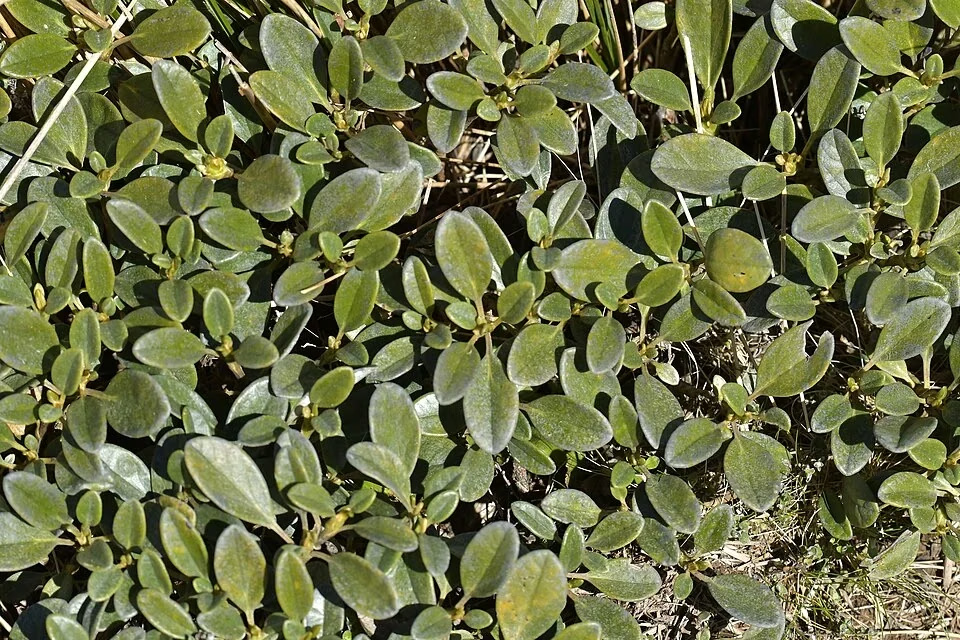
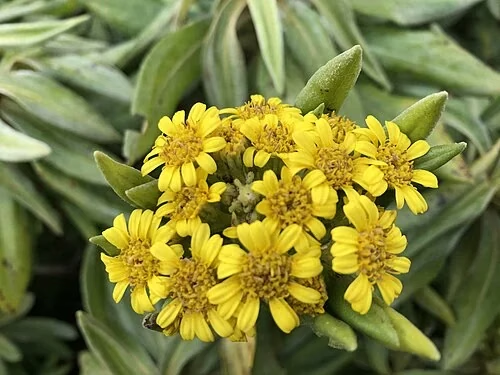
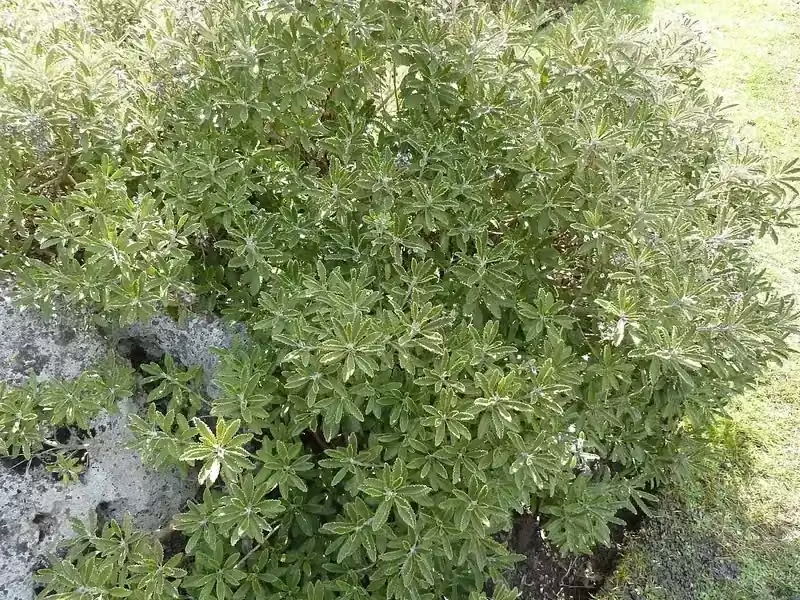
Brachyglottis adamsii, known as Adams' Brachyglottis, is a much-branched shrub growing to about 1 metre or more tall, whose young shoots, leaves and flower heads are distinctively viscid, or sticky to the touch. Its leathery, elliptic leaves are 25 to 55 mm long, smooth and slightly wrinkled above and coated beneath with dense white to buff felted hairs. In late summer it bears showy clusters of bright yellow, daisy-like flowers. Endemic to New Zealand, it grows in exposed subalpine to alpine shrubland and fellfield on rocky ground, from Mt Holdsworth south to the mountains of Marlborough and Nelson at around 1100 to 1600 m. It is classed Not Threatened and is highly frost hardy. Explore more native shrubs in our native plant guide.
Plant Description
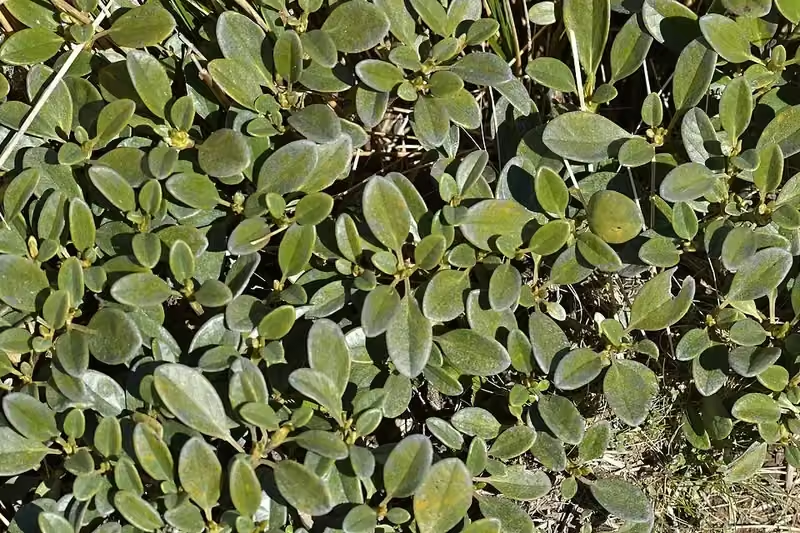
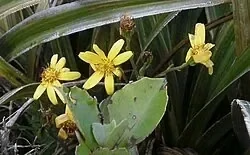
Brachyglottis adamsii is a much-branched shrub typically growing to 1 meter or more tall. Its young growth, leaves, and inflorescence are distinctively viscid (sticky to the touch). The leaves are coriaceous (leathery), elliptic to obovate-oblong, measuring between 25-55 mm in length and 10-20 mm in width. The upper surface of the leaves is glabrous (smooth) and somewhat rugose (wrinkled), while the underside is covered with a dense white to pale buff appressed tomentum (a furry, matted layer of hairs). The leaf tips are obtuse, and the margins are entire and revolute (rolled downwards and backwards). In late summer, the plant produces obvious clusters of bright yellow, daisy-like flowers, with capitula (flower heads) up to 20 mm in diameter, featuring 10-15 spreading yellow ray-florets.
Quick Facts
| Scientific Name | Brachyglottis adamsii |
|---|---|
| Height | 1 meter or more |
| Spread | Up to 1 meter |
| Water Needs | Moderate (Sharp Drainage Required) |
| Light | Full Sun to Partial Shade |
| Frost Tolerance | High |
| Salt Tolerance | Low |
| Growth Rate | Moderate |
| Lifespan | Medium to Long |
Climate Best Suited to
Adams' Brachyglottis is endemic to New Zealand and naturally thrives in subalpine to alpine environments, typically found at altitudes between 1100 and 1600 meters. Its distribution spans from Mt Holdsworth in the North Island south to the mountains of North Marlborough and Nelson in the South Island. It is well-adapted to cooler climates, tolerating high frost levels and requiring sharp drainage, reflecting its rocky natural habitats.
Regional Suitability
| City | Climate Suitability |
|---|---|
| Best suited to alpine and subalpine conditions; precise city suitability depends on local microclimates and altitude. | |
Plant Habitat
Brachyglottis adamsii is typically found in exposed subalpine to alpine shrubland and fellfield areas, preferring rocky habitats. Its natural range extends from Mt Holdsworth in the southern North Island down to the mountains of North Marlborough and Nelson in the South Island. These environments are characterized by harsh conditions, including strong winds, intense sunlight, and significant frost, to which the plant is well-adapted.
Growing Requirements
Soil Requirements
This species requires exceptionally sharp drainage to mimic its natural rocky, subalpine habitats. While it can tolerate a range of soil types, including sandy or loamy compositions, excellent drainage is crucial to prevent root rot. It is likely tolerant of neutral to slightly acidic pH levels.
- Well-drained to very well-drained
- Rocky or gritty texture beneficial
- Sharp drainage essential
- Neutral to slightly acidic pH preferred
Light Requirements
Brachyglottis adamsii thrives in full sun conditions, which is typical of its exposed subalpine and alpine native environments. It can also tolerate partial shade, though this may result in less vigorous growth and reduced flowering. Ample sunlight is key for optimal health and blooming.
- Full Sun (preferred)
- Partial Shade (tolerated)
Water Requirements
Adams' Brachyglottis has moderate water needs. It requires regular watering during its establishment period, but once mature, it demonstrates good drought tolerance. The most critical factor is ensuring sharp drainage to avoid any waterlogging, which can be detrimental to the plant.
- Moderate watering
- Drought tolerant once established
- Excellent drainage is paramount
Planting and Establishing
Planting Adams' Brachyglottis successfully involves replicating its preferred well-drained, rocky habitats. Choose a site in full sun with excellent drainage, such as a rock garden, a raised bed, or a slope. Incorporate plenty of grit or pumice into the planting mix to ensure sharp drainage. Dig a hole twice as wide as the root ball but no deeper, ensuring the top of the root ball is level with or slightly above the surrounding soil to prevent water accumulation around the crown. Water thoroughly after planting and maintain consistent moisture during the first growing season until the plant is well-established. Minimal fertilizer is needed, as it is adapted to nutrient-poor alpine soils.
Ecological Role
As a New Zealand endemic, Brachyglottis adamsii plays a role in the unique biodiversity of its native subalpine and alpine ecosystems. Although assessed as "Not Threatened," its presence contributes to the structural diversity of shrublands and fellfields, potentially offering shelter and a food source (nectar, pollen, and seeds) for local insect fauna. Its adaptation to harsh, rocky environments highlights the resilience of native flora in extreme conditions.
Uses & Significance
Garden Uses
Adams' Brachyglottis is a highly desirable ornamental shrub for gardeners seeking hardy, low-maintenance plants for rock gardens, alpine gardens, or mixed shrub borders. Its attractive sticky foliage and bright yellow daisy-like flowers provide seasonal interest. It is particularly well-suited for exposed, sunny locations where sharp drainage can be provided, making it an excellent choice for adding a touch of New Zealand's high country to domestic landscapes.
- Rock Gardens
- Alpine Gardens
- Mixed Shrub Borders
- Feature/Specimen Plant
- Low-maintenance landscaping
Ecological Value
The ecological value of Brachyglottis adamsii lies in its contribution to the endemic flora of New Zealand's subalpine and alpine regions. It serves as a natural component of these ecosystems, supporting local biodiversity through its flowers, which may attract pollinators, and its structure, which provides microhabitats. Its "Not Threatened" status reflects a healthy population within its natural range.
- Endemic species conservation
- Habitat provision
- Pollinator support
- Erosion control on rocky slopes
Landscaping Uses
Brachyglottis adamsii is an excellent candidate for landscaping in cooler temperate and alpine-mimicking environments. Its ability to thrive in poor, rocky soils with sharp drainage makes it suitable for xeriscaping or gardens aiming for a naturalistic, low-water-use aesthetic. It can be effectively used in mass plantings for ground cover on slopes, as a structural plant in rockeries, or as an accent shrub in mixed native plantings, providing year-round interest with its unique foliage and seasonal blooms.
Seasonal Care Calendar
Spring
New growth emerges in spring. Ensure adequate moisture during dry spells, especially for newly established plants. Light fertilization with a slow-release native plant formula can be beneficial if soil nutrients are very low.
- Monitor new growth
- Provide water during dry periods
- Light fertilization (if needed)
Summer
Flowering occurs in January-February, followed by fruiting in February-March. Maintain moderate watering, ensuring excellent drainage. Protect from extreme heat in very hot climates by providing some afternoon shade if possible.
- Peak flowering and fruiting
- Maintain moderate moisture
- Ensure good air circulation
Autumn
Continue to ensure good drainage as rainfall may increase. Prepare the plant for winter by reducing watering as temperatures drop. Minimal care is needed as the plant prepares for its dormant or semi-dormant period.
- Reduce watering
- Ensure sharp drainage
Winter
Brachyglottis adamsii is highly frost-tolerant. Ensure the plant is not sitting in waterlogged soil, as this can be more damaging than cold temperatures. Minimal watering is required during this period.
- Dormant or semi-dormant
- Avoid waterlogging
- Very little water needed
When to Prune and How Much
Minimal pruning is typically required for Brachyglottis adamsii . The primary purpose of pruning is to maintain the plant's shape, encourage bushiness, and remove any dead, damaged, or spent branches.
- Prune lightly after the main flowering period (late summer/early autumn).
- Remove spent flower heads to maintain tidiness.
- Trim back any leggy or straggly growth to encourage a denser habit.
- Remove any dead or diseased wood as soon as it is noticed.
Avoid heavy pruning into old, woody stems, as this can stress the plant and may not result in vigorous regrowth. Regular light tip-pruning is more effective for shaping and maintaining plant health.
How to Grow Adams' Brachyglottis
Growing Adams' Brachyglottis ( Brachyglottis adamsii ) is a rewarding experience for those looking for a hardy, endemic New Zealand shrub that thrives in challenging conditions. Its adaptability to subalpine and alpine environments means it is more forgiving than many specialized native plants, provided its fundamental requirements for sharp drainage and sun are met. Propagation can be achieved through both seed and cuttings, offering flexibility for cultivators.
From Seed
Propagation from seed is a viable method for Brachyglottis adamsii , particularly for generating a larger number of plants. Seeds are typically dispersed by wind in February-March.
- Collect seeds when ripe, usually from late summer to early autumn.
- Clean seeds thoroughly to remove any chaff or debris.
- Seeds may benefit from a period of cold stratification (e.g., placing in a refrigerator for 4-6 weeks in moist sand or paper towel) to break dormancy, mimicking natural winter conditions.
- Sow seeds thinly on a well-draining seed-raising mix in late winter or early spring.
- Lightly cover seeds with a fine layer of mix or vermiculite, as some light may aid germination.
- Keep the seed tray consistently moist but not waterlogged, and maintain a cool, bright environment.
- Germination can be erratic and may take several weeks to months.
- Once seedlings are large enough to handle, prick them out into individual pots with a free-draining potting mix.
- Grow on in a sheltered, well-lit position, gradually hardening off before planting into their final outdoor location.
From Cuttings
Propagating Brachyglottis adamsii from cuttings is an effective way to ensure genetic fidelity to the parent plant and can be quicker than growing from seed.
- Take semi-hardwood cuttings (about 10-15 cm long) from healthy, non-flowering shoots in late summer or early autumn.
- Remove the lower leaves, leaving a few at the top.
- Dip the cut end into a rooting hormone powder or gel.
- Insert cuttings into a free-draining propagation mix (e.g., equal parts peat and perlite or sand).
- Place the cuttings in a warm, humid environment, ideally with bottom heat and under a propagator lid or plastic bag.
- Keep the medium consistently moist but not wet.
- Rooting typically occurs within 6-10 weeks.
- Once rooted, gradually acclimatize the new plants to ambient conditions before potting up into larger containers.
Additional Methods
While not commonly practiced, established plants in suitable conditions may also be propagated through layering, where a stem is encouraged to root while still attached to the parent plant. This method is slower but can be successful for larger specimens. However, seed and cutting methods are generally preferred due to their efficiency and practicality for this shrub.
Pests & Diseases
Brachyglottis adamsii is generally a robust and healthy shrub, not commonly plagued by significant pests or diseases. The most crucial factor for its health is proper cultural care, particularly ensuring sharp drainage to prevent issues like root rot, which can occur in waterlogged conditions. Good air circulation also helps prevent fungal diseases. In natural habitats, it may be subject to browsing by animals, but in cultivated settings, this is less of a concern. Regular inspection for common garden pests like aphids or scale is always advisable, though infestations are rare.
Cultural Significance
The species name adamsii honours James Adams (1839-1906), an amateur botanist and the founder of Thames High School, recognizing his contributions to the study of New Zealand's flora. While no specific traditional Māori cultural uses or significant folklore are detailed in the available botanical information for Brachyglottis adamsii , its endemic status underscores its inherent value as part of New Zealand's unique natural heritage. Its presence enriches the biodiversity of the subalpine and alpine regions where it thrives.
- Named after James Adams, amateur botanist
- Part of New Zealand's unique endemic flora
- Contributes to alpine biodiversity
Bonus Tip
For optimal growth and flowering, plant Adams' Brachyglottis in a sunny position with exceptionally well-drained soil. Consider incorporating it into rockeries or raised beds where its unique sticky foliage and vibrant yellow flowers can be admired without risking waterlogging.
Related Plants
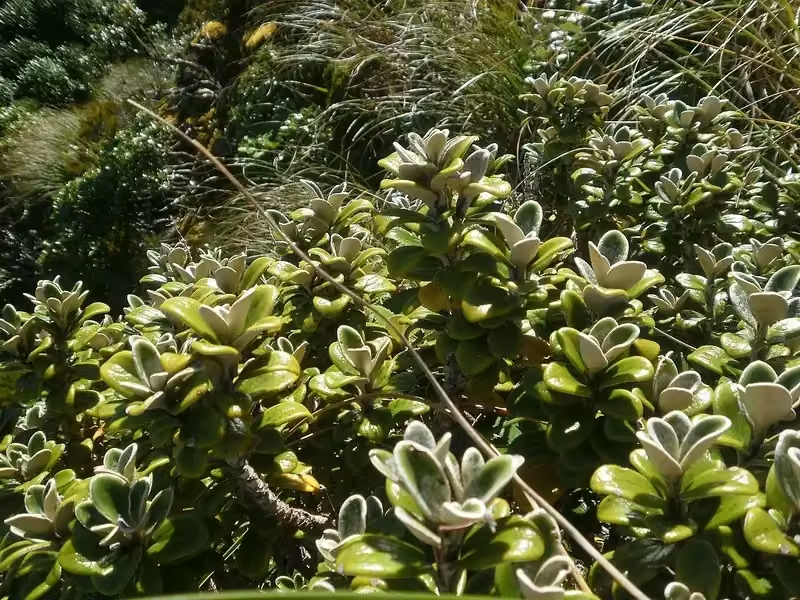
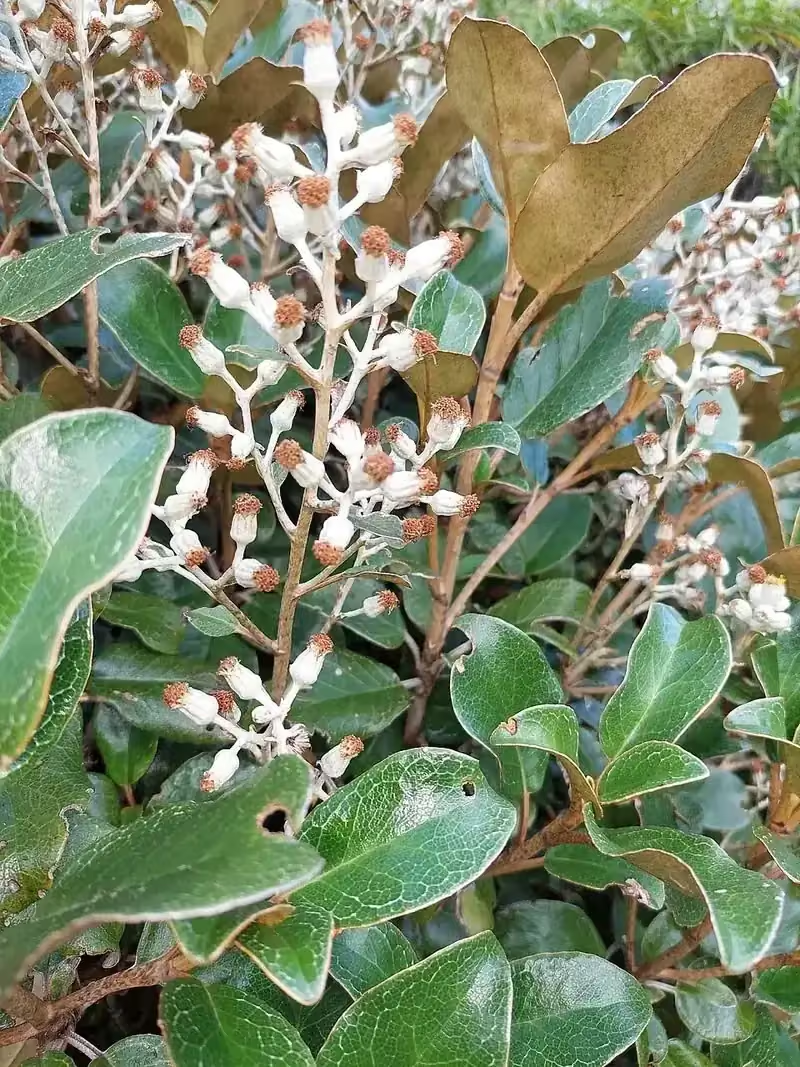
Explore other native plants that share similar characteristics or habitats with Adams' Brachyglottis ( Brachyglottis adamsii ), offering further insights into New Zealand's diverse flora. These related species provide context and opportunities for complementary planting in your garden.



Plant Conservation
Brachyglottis adamsii is currently assessed as "Not Threatened" under the New Zealand Threat Classification System, indicating a stable population within its natural range. This conservation status reflects its relatively widespread distribution in suitable subalpine and alpine habitats across parts of the North and South Islands. While not facing immediate extinction threats, ongoing habitat monitoring and responsible land management practices are important to ensure its continued stability within New Zealand's unique flora.
Frequently Asked Questions
How tall does Brachyglottis adamsii grow?
It is a much-branched shrub reaching about 1 metre or more, with a spread of up to 1 metre.
Where does Adams' Brachyglottis grow naturally?
It grows in subalpine to alpine shrubland and fellfield, from Mt Holdsworth to the Marlborough and Nelson mountains at about 1100 to 1600 m.
Is Brachyglottis adamsii frost tolerant?
Yes, it has high frost tolerance, suiting the harsh subalpine and alpine sites where it grows.
When does Adams' Brachyglottis flower?
It produces clusters of bright yellow, daisy-like flowers in late summer.
Sources and Further Reading
The botanical, growing, and conservation details for Adams' Brachyglottis (Brachyglottis adamsii) on this page draw on authoritative New Zealand plant references and citizen-science observation records. Consult the sources below for full technical records and the latest distribution data.