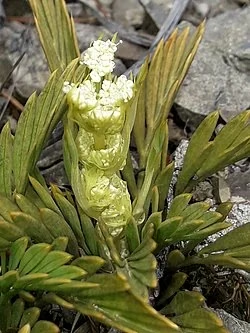
Little Speargrass
Aciphylla monroi
Last updated:
Aciphylla monroi, or little speargrass, is a compact South Island alpine speargrass that forms small, neat rosettes of stiff, leathery leaves. The leaves are pinnately divided into narrow, sharp-pointed segments up to about 18 cm long, medium green often with a slight glaucous tinge. In the flowering season it sends up a stout central stalk 20 to 35 cm high bearing dense umbels of small cream to pale yellow flowers framed by rigid spiny bracts. It grows across the South Island mountains from low to high alpine zones, favouring rocky outcrops, fellfields and open snow-tussock grasslands with sharp surface drainage. Slow growing and very frost hardy, it is an alpine specialist that dislikes humid, still conditions. Explore more native plants such as Anomalous Speargrass.
Plant Description
Identification and Physical Characteristics
Aciphylla monroi forms small, neat rosettes of stiff, leathery leaves. These leaves are typically pinnately divided into several pairs of narrow, sharp-pointed segments, reaching up to 18 cm in length. The overall foliage colour is a healthy medium green, often with a slight glaucous or greyish tinge. During the flowering season, the plant sends up a stout, central flower stalk that rises above the foliage to a height of approximately 20-35 cm. These inflorescences are dense, compact umbels of small, cream to pale yellow flowers, which are beautifully framed by rigid, spiny bracts.
Quick Facts
| Scientific Name | Aciphylla monroi |
|---|---|
| Height | 0.2 - 0.35 metres (when flowering) |
| Spread | 0.2 - 0.3 metres |
| Water Needs | Moderate; requires sharp drainage |
| Light | Full sun - requires bright, open conditions |
| Frost Tolerance | High - adapted to alpine winters |
| Salt Tolerance | Low |
| Growth Rate | Slow |
| Lifespan | Long-lived perennial |
Climate Best Suited to
Little Speargrass is an alpine specialist, thriving in the cool, clear air of the South Island high country. It is well-suited to climates with distinct seasonal changes, including cold winters with snow cover and cool, bright summers. It requires excellent air circulation and does not tolerate humidity or stagnant lowland heat well.
Regional Suitability
| City | Climate Suitability |
|---|---|
| Auckland | Low (too warm and humid) |
| Wellington | Medium (requires a very airy, well-drained site) |
| Christchurch | High (in appropriate garden settings) |
| Invercargill | High |
Plant Habitat
Natural Occurrence and Ecology
In its natural environment, Aciphylla monroi is found across the South Island mountains, from low alpine to high alpine zones. It specifically favors rocky outcrops, fellfields, and open snow-tussock grasslands. It is often found growing in stable, well-drained, and mineral-rich soils where moisture is available at depth but the surface drainage is rapid.
Growing Requirements
Soil Requirements
Must have exceptionally well-drained soil. A gritty, rocky substrate that mimics alpine scree is ideal. It prefers lean, low-fertility soils and will likely suffer in rich, heavy garden beds.
- Excessively well-drained
- Gritty / Stony
- Low fertility
Light Requirements
Requires full sun. It is a plant of the open mountain slopes and will not tolerate shade. High light intensity is necessary to keep the foliage rosettes compact and healthy.
- Full Sun only
Water Requirements
Water needs are moderate. While the plant requires consistent moisture around its root zone, it is vital that the crown remains dry and that water does not pool around the base, which can lead to rapid rot.
- Moderate
- Sharp surface drainage
Planting and Establishing
Establishment Guidance
Like all speargrasses, Aciphylla monroi is sensitive to root disturbance. It should be planted into its final position while young. Prepare a gritty, deep hole and plant at the original level. Applying a deep mulch of stone chips or small rocks around the base is essential to protect the crown and keep the root system cool and moist.
Ecological Role
Biodiversity and Ecosystem Impact
In alpine ecosystems, Little Speargrass provides specialized habitat for high-country invertebrates. Its flowers are a source of nectar for native insects, and its structural rosettes can provide shelter from the wind for other small alpine organisms. Its presence is indicative of a healthy and stable alpine rock-outcrop community.
Uses & Significance
Garden Uses
A highly prized specimen for alpine garden enthusiasts. Its small size makes it perfect for alpine troughs, trough gardens, or as a foreground plant in specialized native rockeries. It provides excellent textural interest and represents the unique character of New Zealand's alpine flora.
- Alpine troughs
- Small rock gardens
- Trough displays
Ecological Value
Supports specialized alpine biodiversity and contributes to the intricate web of life in the South Island high country.
- Pollinator resource
- Alpine habitat contributor
Landscaping Uses
In specialized landscape projects, Aciphylla monroi is used to create authentic alpine-themed areas. It is particularly useful for small-scale rock features or containers where a larger speargrass would be overwhelming. Its sculptural form and tough nature make it a durable and visually interesting plant for high-altitude native parks.
Seasonal Care Calendar
Spring
Monitor for signs of new growth. Check that the stones around the base haven't shifted, and ensure the drainage remains clear as the spring rains begin.
- Monitor growth
- Check stones
Summer
The main flowering period. Ensure the plant receives enough moisture during the peak of summer, but always ensure the crown can dry out quickly after any watering.
- Watch for flowering
- Maintain root moisture
Autumn
Collect mature seeds. Tidy up the area by removing any dead leaves that have fallen into the rosette to prevent fungal issues as the weather cools.
- Seed collection
- Remove debris
Winter
The plant enters a dormant phase. It is extremely cold-hardy. Simply ensure that no water sits around the plant which could freeze and damage the crown.
- Maintain dormancy
- Ensure drainage
When to Prune and How Much
Minimal pruning is necessary. Remove the flowering stalks at the base once they have finished and seeds have been harvested. Occasionally, trim off any individual dead leaves at the base of the rosette to maintain a tidy appearance.
- Remove spent flower stems
- Trim dead base leaves
Always wear gloves and use sharp, clean tools when working with speargrasses.
How to Grow Little Speargrass
Cultivating Little Speargrass ( Aciphylla monroi ) from seed or division is a rewarding challenge for the alpine plant enthusiast. This species, adapted to the extreme conditions of South Island mountain ranges, requires careful attention to detail to succeed in a domestic garden setting. The most important factors for success are providing sharp drainage, absolute full sun, and a cool, moist root run that never becomes stagnant. Because it is an alpine specialist, it is often easier to manage in containers or specialized alpine houses where its environment can be precisely controlled.
From Seed
Seed propagation is the most reliable method for Aciphylla monroi . Collect seeds in late summer when the flower umbels have turned dry and brown. Fresh seed should be sown immediately for the best results. Sow the seeds onto the surface of a very gritty seed-raising mix-a blend of fine gravel, pumice, and sterilized potting soil is ideal. Lightly cover with a thin layer of fine grit. The seeds require a period of cold stratification to break their natural dormancy. In colder climates, leaving the trays outdoors in a sheltered spot over winter provides this naturally. In warmer regions, a 6-week period in a refrigerator may be necessary before moving them to a cool, bright spot for germination. Germination can be slow and irregular, sometimes taking several months.
- Collect fresh seeds in autumn
- Sow on gritty, sterile mix
- Provide cold stratification
- Maintain moisture
Once seedlings are robust enough, move them into individual deep pots to allow for their developing taproots.
From Cuttings / Division
Vegetative propagation via division is possible but risky. Mature plants have a sensitive taproot system that resents disturbance. If division is attempted, it should be done in early spring as new growth begins. Carefully lift the clump and use a sharp, sterilized knife to separate individual rosettes, ensuring each piece has a good portion of the root system attached.
Replant the divisions immediately into a gritty mix and maintain consistent moisture until established. This method is often less successful than growing from seed.
- Divide in early spring
- Use clean, sharp tools
- Replant immediately
Additional Methods
Because the plant is so difficult to transplant once mature, the best "additional method" is meticulous site selection and preparation. Creating a dedicated rockery or trough with a deep layer of drainage material at the bottom ensures that the roots can remain cool while the surface drainage stays sharp. Using a deep mulch of stone chips or fine gravel around the base of the plant is vital; it protects the crown from excess moisture, keeps the roots cool, and beautifully mimics the plant's natural mineral-rich mountain habitat.
- Select bright, airy position
- Use deep stone mulch
- Avoid root disturbance
Pests & Diseases
Little Speargrass is generally resistant to many common pests. However, in lowland settings, it can be susceptible to aphids on the new growth and root rot if the soil is too heavy or poorly drained. Fungal issues can occur in humid environments with poor air movement. Maintain sharp drainage and a bright, airy position to prevent these problems.
Cultural Significance
Speargrasses, or Taramea, have a significant place in New Zealand's cultural and botanical heritage. While Aciphylla monroi is a smaller alpine species, it is part of this broader lineage of unique and resilient plants that characterize the high country of Aotearoa. It is highly valued by botanists and alpine collectors for its distinctive form and its role in New Zealand's unique mountain biodiversity.
- High-country botanical heritage
- Alpine biodiversity specialist
Bonus Tip
Group several Little Speargrasses together in a large alpine trough to create a miniature representation of a South Island mountain herbfield display naturally.
Cultivating this species effectively involves a deep understanding of its natural adaptations and environmental preferences. By mimicking its native habitat-whether that be the cool, moist understory of a temperate rainforest or the exposed, well-drained slopes of an alpine range-gardeners can ensure robust growth and long-term health. Regular observation and minimal, targeted intervention are often the best strategies for maintaining the unique characteristics and ecological contributions of this remarkable New Zealand native plant.
Related Plants
Explore other native plants that share similar characteristics or habitats with Little Speargrass ( Aciphylla monroi ), offering further insights into New Zealand's diverse flora. These related species provide context and opportunities for complementary planting in your garden.
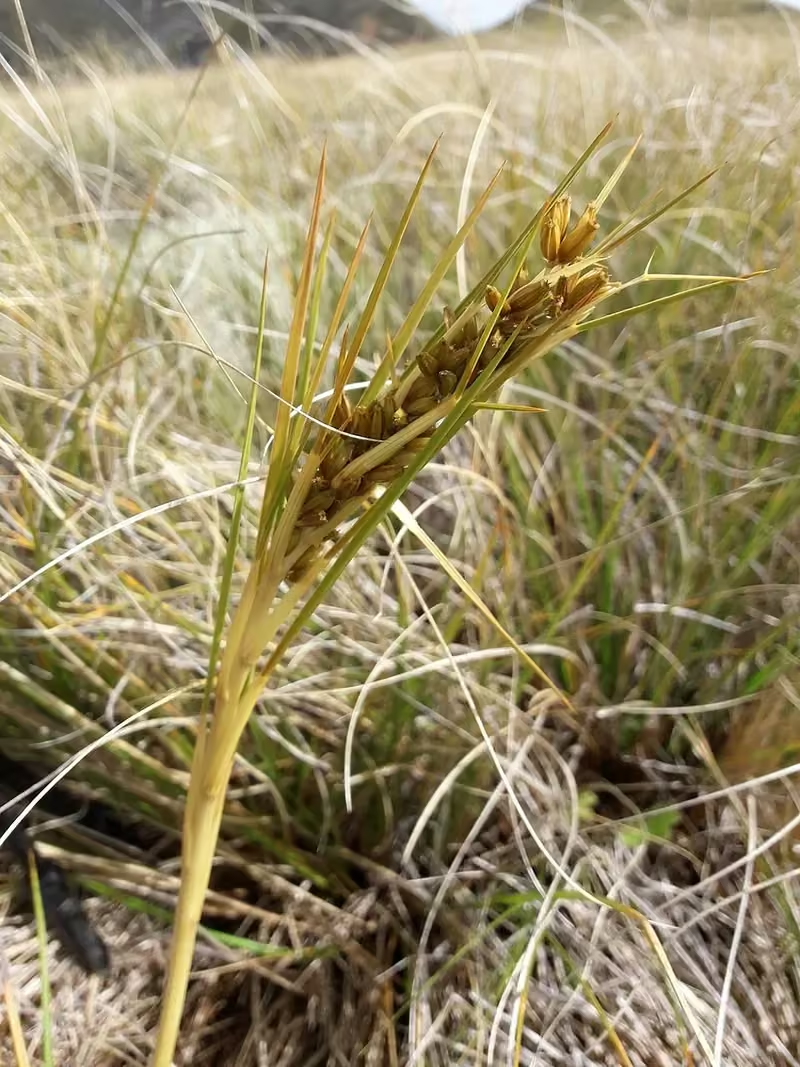
Needle Speargrass
Aciphylla anomala

Golden Speargrass
Aciphylla aurea

Giant Speargrass
Aciphylla colensoi
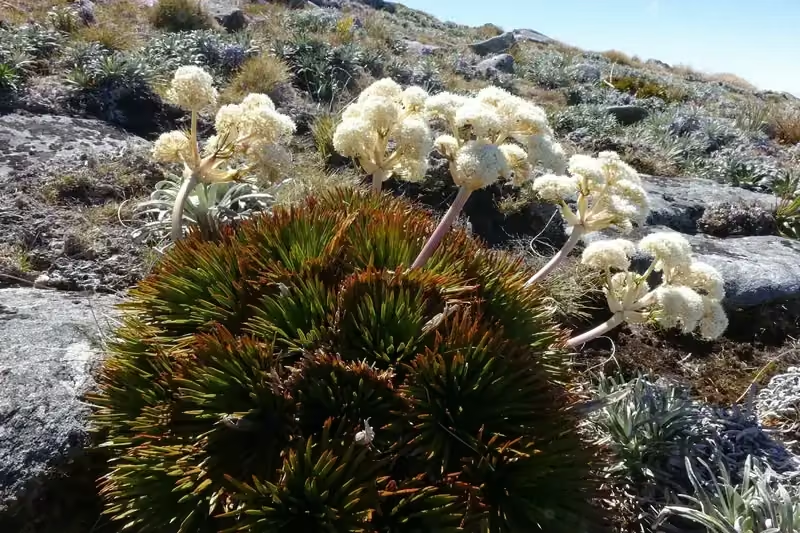
Congested Speargrass
Aciphylla congesta
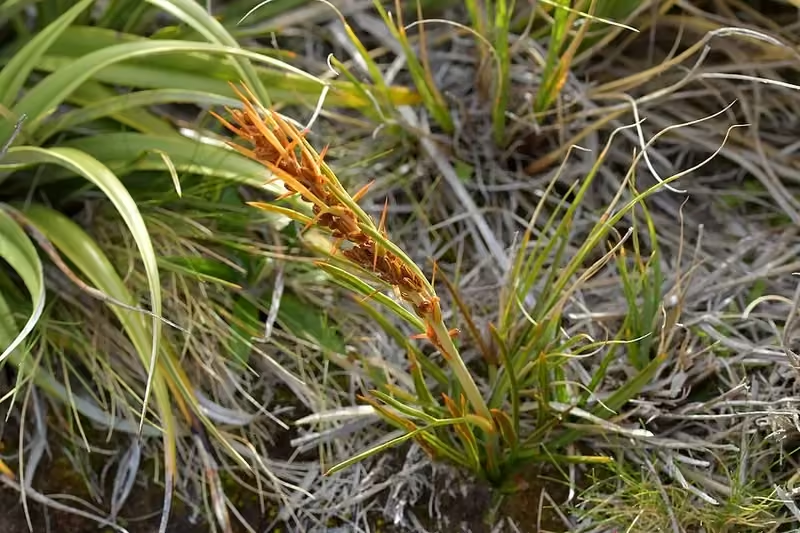
Narrow-leaved Speargrass
Aciphylla crenulata
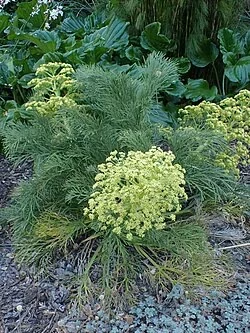
Dieffenbach's Speargrass
Aciphylla dieffenbachii
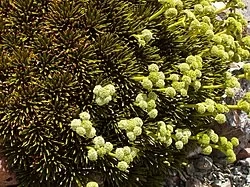
Dobson's Speargrass
Aciphylla dobsonii
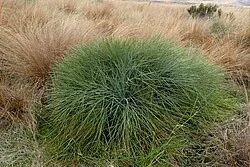
Blue Spaniard
Aciphylla glaucescens
Plant Conservation
Conservation Status and Threats
Currently classified as "Not Threatened," Aciphylla monroi is common throughout its high-altitude range. However, it remains vulnerable to the long-term impacts of climate change and the continued threat of grazing by introduced mammals. Maintaining the integrity of New Zealand's alpine environments is essential for the continued success of this and other mountain-dwelling natives.
Frequently Asked Questions
How tall does Aciphylla monroi grow?
When flowering it reaches about 0.2 to 0.35 metres tall, with a spread of roughly 0.2 to 0.3 metres.
Where does little speargrass grow naturally?
It grows across the South Island mountains, from low to high alpine rocky outcrops, fellfields and tussock grasslands.
Does Aciphylla monroi tolerate frost?
Yes, it is highly frost tolerant and well adapted to cold alpine winters.
What growing conditions does it need?
It needs full sun and sharply drained soils, and dislikes humid, stagnant air.
Sources and Further Reading
The botanical, growing, and conservation details for Little Speargrass (Aciphylla monroi) on this page draw on authoritative New Zealand plant references and citizen-science observation records. Consult the sources below for full technical records and the latest distribution data.