Imbricate Anisotome
Anisotome imbricata
Last updated:
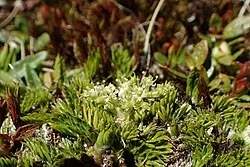
Anisotome imbricata, commonly known as Imbricate Anisotome, is a compact alpine herb in the carrot family (Apiaceae) that is endemic to New Zealand. It grows only up to about 5 cm tall and spreads into low patches across rocky subalpine ground. Its name comes from the 4 to 8 close-set, overlapping (imbricate) pairs of pinnae on its small 1 to 4 cm leaves. From December to February it bears tiny yellow or white flowers in simple umbels. High frost tolerance and a moderate growth rate suit it to cool, exposed scree slopes and fellfields, where it helps stabilise loose alpine substrates. Explore more New Zealand alpine plants in our native plant guide.
Plant Description
Identification and Physical Characteristics
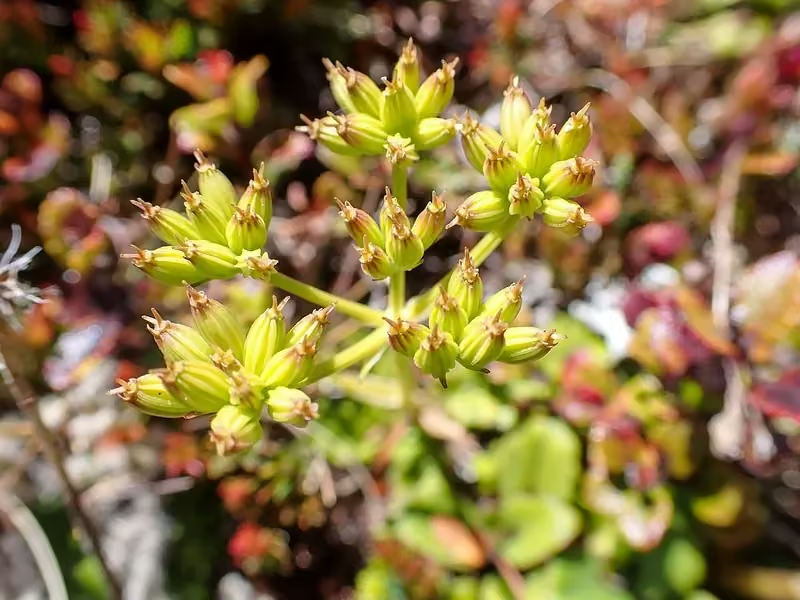
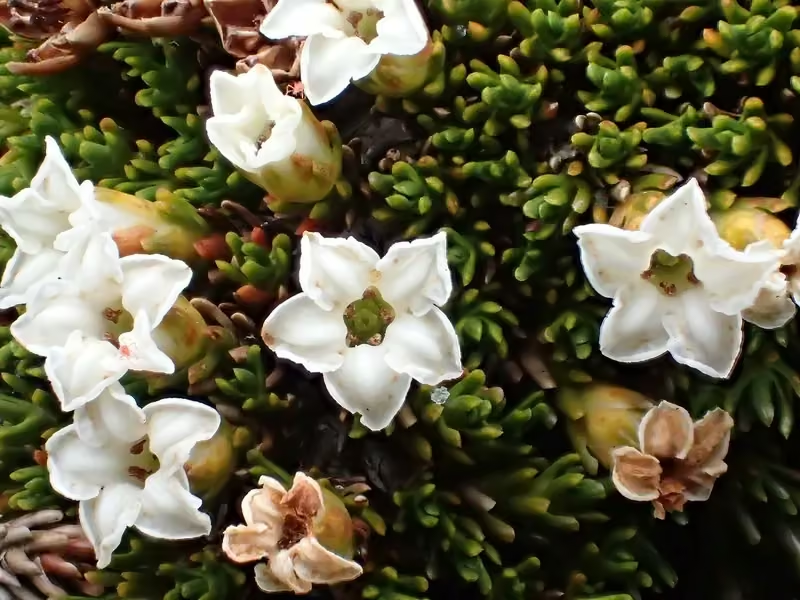
Anisotome imbricata , commonly known as Imbricate Anisotome, is an endemic New Zealand vascular herb belonging to the Apiaceae family. This compact plant typically grows up to 5 cm tall, often forming extensive patches through its spreading habit. Its distinctive leaves are 1-4 cm long, featuring short petioles and broad, membranous sheaths. The most notable characteristic, referenced in its scientific name, is its 4-8 close-set, overlapping (imbricate) pairs of pinnae, which are usually 3-6-lobed or toothed. Small, inconspicuous flowers, typically yellow (var. imbricata ) or white (var. prostrata ), are borne in simple umbels, appearing from December to February. These are followed by broad-ovoid fruits, about 3-4 mm long, with distinctly 5-winged mericarps adapted for wind dispersal. The plant's name "imbricata" directly refers to the overlapping nature of its leaves.
Quick Facts
| Scientific Name | Anisotome imbricata |
|---|---|
| Height | Up to 5 cm |
| Spread | Forms spreading patches |
| Water Needs | Moderate |
| Light | Full sun |
| Frost Tolerance | High |
| Salt Tolerance | Low |
| Growth Rate | Moderate |
| Lifespan | Perennial |
Climate Best Suited to
Imbricate Anisotome is best suited to cool, temperate climates, specifically thriving in subalpine and alpine zones of New Zealand. Its high frost tolerance makes it ideal for areas with harsh winters and cooler summers. It prefers exposed, open environments.
Regional Suitability
| City | Climate Suitability |
|---|---|
| Auckland | Unsuitable |
| Wellington | Unsuitable |
| Christchurch | Suitable (alpine areas nearby) |
| Dunedin | Suitable (alpine areas nearby) |
| Hamilton | Unsuitable |
| Tauranga | Unsuitable |
Plant Habitat
Natural Occurrence and Ecology
Anisotome imbricata is predominantly found in subalpine regions of New Zealand, frequently growing on rocky substrates. While primarily occurring in upland, non-wetland environments, it exhibits some ecological flexibility, occasionally being found as a hydrophyte, tolerating temporary dampness. Its natural environment includes exposed, often harsh, alpine and subalpine zones, from scree slopes to rocky outcrops.
Growing Requirements
Soil Requirements
Requires very well-drained soil, ideally a gritty or sandy loam. Tolerates various soil types if drainage is excellent.
- Well-drained, gritty/sandy loam
- Tolerant of various pH levels
- Avoid heavy, waterlogged soils
Light Requirements
Thrives in full sun, reflecting its natural exposed subalpine habitat. Can tolerate some light shade but may become leggy.
- Full sun is preferred
- Tolerates light partial shade
Water Requirements
Moderate water needs. Established plants are relatively drought-tolerant but benefit from consistent moisture during active growth.
- Water regularly during dry periods
- Ensure good drainage to prevent root rot
Planting and Establishing
Establishment Guidance
When planting Imbricate Anisotome, choose a site that mimics its natural subalpine, rocky habitat, focusing on excellent drainage and full sun exposure. It is ideal for rock gardens, scree beds, or raised alpine planters. Ensure the root ball is well hydrated before planting, and backfill with a gritty soil mix. Water thoroughly after planting and keep consistently moist until established.
Ecological Role
Biodiversity and Ecosystem Impact
As a native alpine herb, Anisotome imbricata plays a role in the unique subalpine ecosystems of New Zealand. It contributes to ground stabilization in rocky, exposed areas and provides habitat for small invertebrates adapted to these harsh environments. Its flowers may also offer a nectar source for native alpine insects during its flowering season.
Uses & Significance
Garden Uses
An excellent choice for alpine gardens, rockeries, or containers, where its compact form and unique foliage can be appreciated.
- Alpine gardens
- Rock gardens
- Scree beds
- Containers
Ecological Value
Important component of subalpine ecosystems, contributing to biodiversity and ground stabilization.
- Soil stabilization
- Habitat for alpine invertebrates
Landscaping Uses
In landscaping, Imbricate Anisotome is particularly valued for its use in specialized alpine or rock gardens. Its compact, mat-forming habit makes it an ideal plant for filling crevices between rocks, providing textural contrast, and creating a naturalistic subalpine landscape. Its hardiness and unique foliage add interest to difficult, exposed areas.
Seasonal Care Calendar
Spring
New growth emerges. This is a good time for light fertilization and propagation by division.
- Light fertilization
- Propagation by division
Summer
Flowering period. Ensure consistent moisture, especially if in full sun during dry spells.
- Monitor water levels
- Enjoy flowers
Autumn
Fruiting occurs. Collect seeds for propagation if desired. Minimal care required.
- Collect seeds
- Minimal watering
Winter
Dormant period. High frost tolerance. Ensure good drainage to prevent rot during wet winters.
- Ensure good drainage
- Protect from excessive wetness
When to Prune and How Much
Pruning for Anisotome imbricata is minimal, primarily focusing on removing any spent flower stalks or old, damaged foliage to maintain its compact form and encourage fresh growth. This can be done as needed, typically after the main flowering and fruiting period.
- Remove spent flower stalks.
- Trim dead or damaged leaves.
- Light tidy-up to maintain shape.
Given its slow to moderate growth rate and compact habit, extensive pruning is generally not required. Use sharp, clean snips to avoid damaging the plant.
How to Grow Imbricate Anisotome
Growing Imbricate Anisotome ( Anisotome imbricata ) successfully involves replicating the conditions of its native subalpine New Zealand habitat. This compact, hardy herb is a rewarding addition to specialized gardens, particularly alpine rockeries or containers where its unique foliage and resilient nature can be showcased. Its ability to withstand harsh conditions makes it an excellent choice for gardeners seeking to cultivate authentic alpine flora.
Site Selection and Soil Preparation
The most critical factor for Anisotome imbricata is excellent drainage, as it naturally grows on rocky slopes and scree. Choose a planting site that receives full sun exposure for most of the day. For soil, aim for a gritty or sandy loam mix. If planting in a garden bed, amend heavy clay soils with plenty of coarse sand, grit, and fine gravel to improve drainage significantly. In containers or raised beds, a well-draining alpine mix (e.g., pumice, gravel, and a small amount of compost) is ideal. While specific pH requirements are not documented, it generally adapts well to neutral to slightly acidic conditions typical of mountain environments.
Planting Instructions
When transplanting, gently remove the plant from its nursery pot, being careful not to disturb the root ball more than necessary. Dig a hole slightly larger than the root ball. Place the plant so that the crown is level with the surrounding soil or potting mix. Backfill carefully, firming the soil lightly around the base to eliminate air pockets. Water thoroughly after planting to help settle the soil. If planting multiple specimens, space them approximately 15-20 cm apart to allow for their spreading habit.
Watering and Ongoing Care
While Imbricate Anisotome can withstand periods of dryness once established, especially in shaded locations, it appreciates consistent moisture. It is relatively drought-tolerant but benefits from consistent moisture, especially during prolonged dry spells in summer and during its flowering and fruiting periods (December to April). Avoid overhead watering during colder months to prevent fungal issues. During winter, ensuring sharp drainage is paramount to prevent root rot, as plants in their natural habitat are often covered by snow, providing insulation without excessive moisture around the crown.
From Seed
Propagation can be achieved through fresh seed or by division. Seed germination can be slow and sometimes erratic, requiring patience and possibly a cold stratification period to break dormancy.
By Division
Pests & Diseases
Anisotome imbricata is generally robust and free from significant pest and disease problems in appropriate growing conditions. The primary concern is root rot in poorly drained or overly wet conditions. Occasionally, slugs and snails might affect new growth.
Cultural Significance
As an endemic alpine plant, Anisotome imbricata contributes to the unique ecological and botanical heritage of New Zealand. While specific traditional Māori uses are not widely documented for this particular species, alpine flora as a whole holds significance in Māori understanding of the natural world, representing the resilience and diversity of Papatūānuku (Earth Mother). Its presence enriches the biodiversity of the high country and offers a unique aesthetic contribution to the landscape.
Bonus Tip
For gardeners in non-alpine regions, consider growing Imbricate Anisotome in a well-drained rock garden or alpine trough with plenty of grit and gravel to replicate its natural habitat. This will help prevent issues related to excessive moisture and heat.
Related Plants
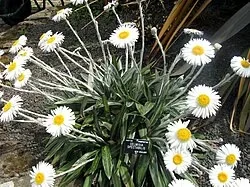
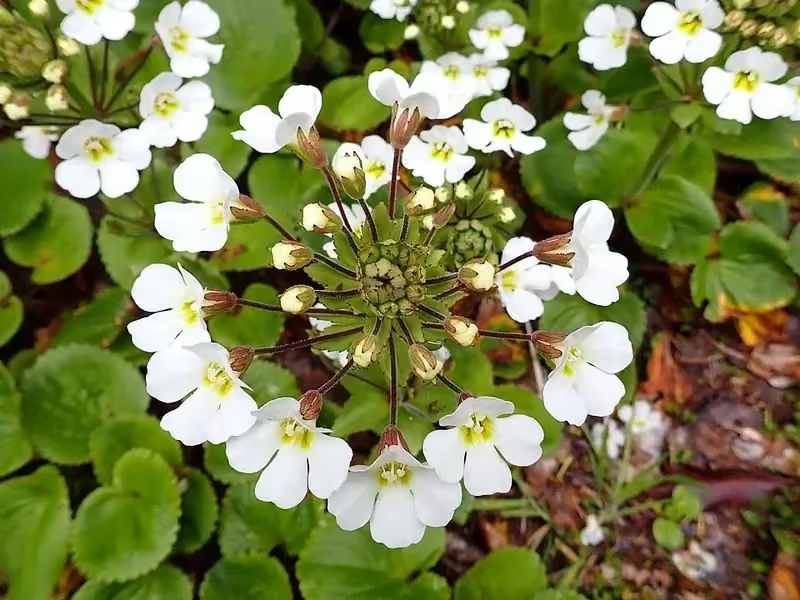
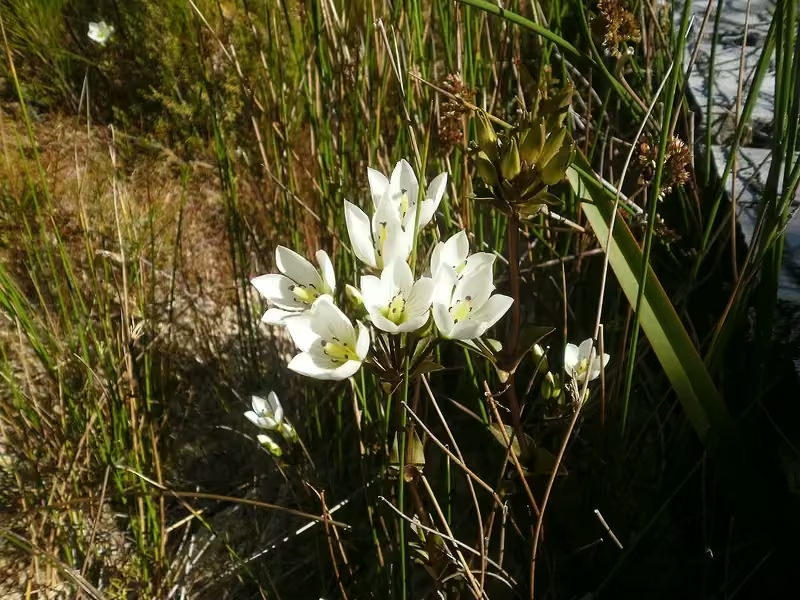
Explore other native plants that share similar characteristics or habitats with Imbricate Anisotome ( Anisotome imbricata ), offering further insights into New Zealand's diverse flora. These related species provide context and opportunities for complementary planting in your garden.

Plant Conservation
Conservation Status and Threats
Anisotome imbricata is classified as 'Not Threatened' in New Zealand. Both its varieties, Anisotome imbricata var. imbricata and Anisotome imbricata var. prostrata , have consistently been assessed with this status. Its presence across subalpine regions and its adaptability to rocky environments contribute to its secure conservation status. Ongoing monitoring of alpine ecosystems is important to ensure its continued stability.
Frequently Asked Questions
How tall does Anisotome imbricata grow?
It is a very low alpine cushion herb, reaching only up to about 5 cm in height while spreading into patches.
Does Imbricate Anisotome tolerate frost?
Yes, it has high frost tolerance and is well adapted to the harsh, cold subalpine and alpine zones of New Zealand.
Where does Anisotome imbricata grow naturally?
It grows in subalpine rocky habitats such as scree slopes and fellfields, in exposed, open, full-sun sites.
When does Imbricate Anisotome flower?
Small yellow or white flowers appear in simple umbels from December to February during the alpine summer.
Sources and Further Reading
The botanical, growing, and conservation details for Imbricate Anisotome (Anisotome imbricata) on this page draw on authoritative New Zealand plant references and citizen-science observation records. Consult the sources below for full technical records and the latest distribution data.