Campbell Island Carrot
Anisotome latifolia
Last updated:
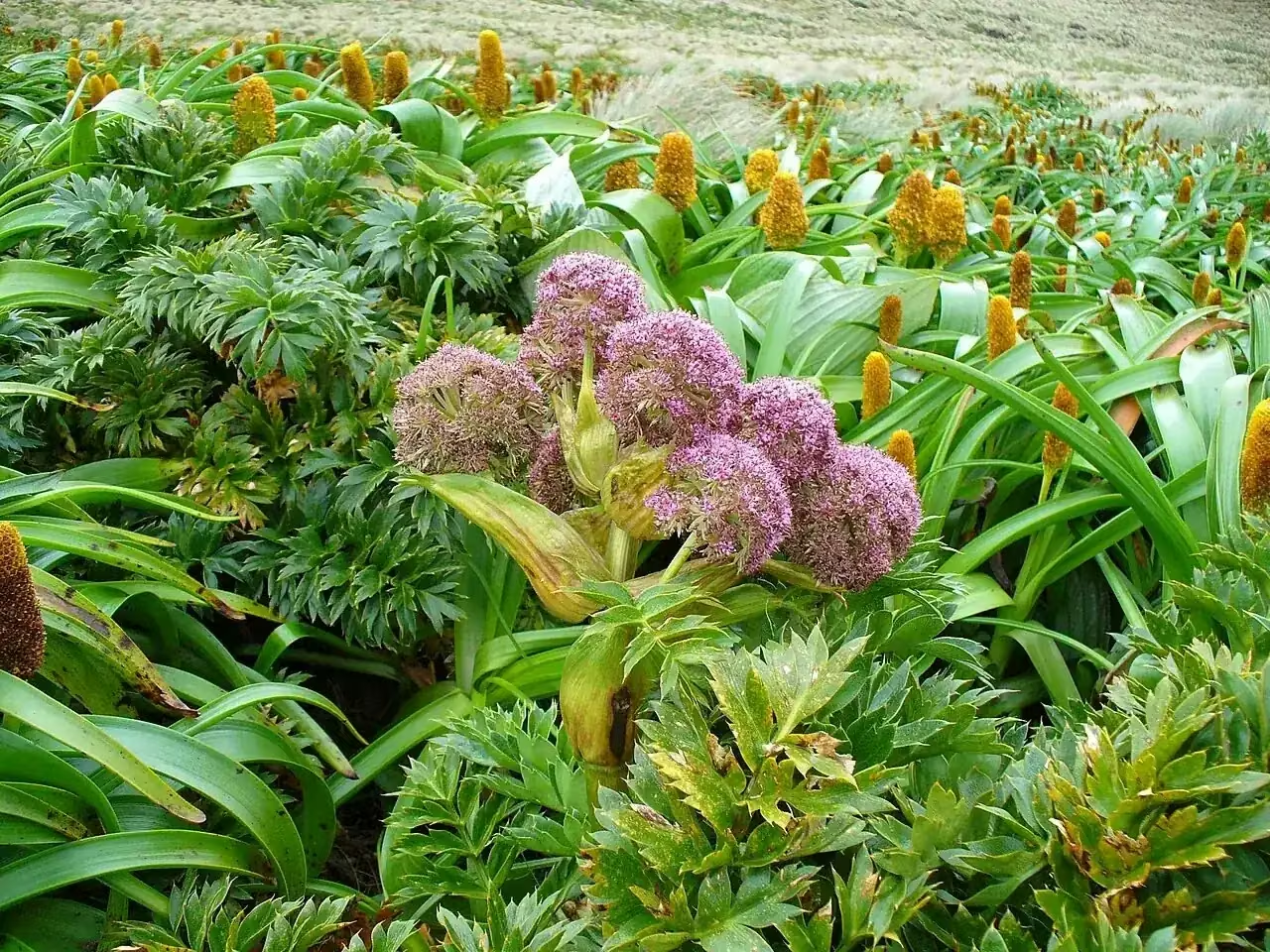
Anisotome latifolia, commonly called the Campbell Island Carrot, is a robust perennial megaherb in the carrot family, endemic to New Zealand's subantarctic Auckland and Campbell Islands. It is a signature member of the islands' famous megaherb community and can reach up to 2 metres tall, mostly in its towering flowering stems. Large, leathery basal leaves grow 300 to 600 mm long and are twice-divided into 5 to 7 pairs of dark to yellow-green leaflets. From October to February it produces showy off-white to pink flowers. Highly frost and salt tolerant, it thrives on peaty, permanently damp ground in exposed, windswept coastal to montane sites. Explore more New Zealand alpine plants in our native plant guide.
Plant Description
Identification and Physical Characteristics
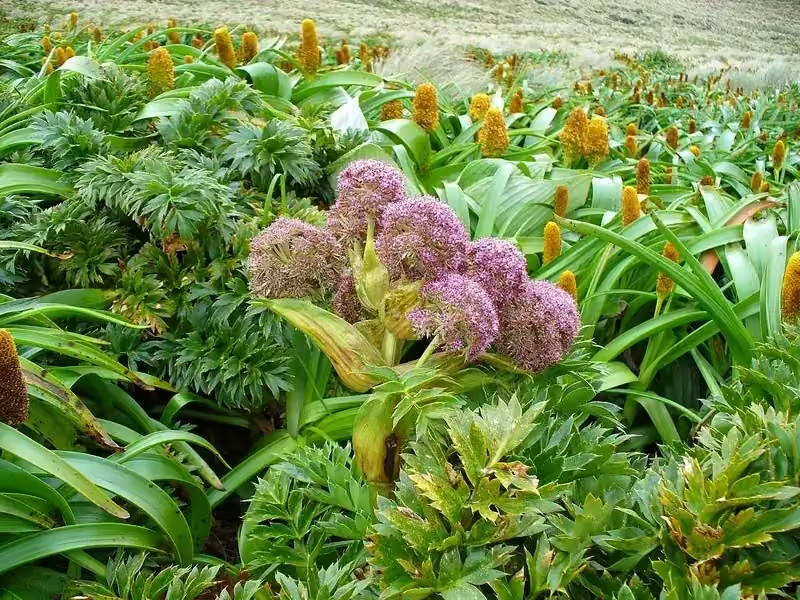
Anisotome latifolia , commonly known as the Campbell Island Carrot, is a robust and striking perennial herb endemic to New Zealand's subantarctic Auckland and Campbell Islands. It is a prominent member of the unique "megaherb" community found in these remote regions. This impressive plant can reach heights of up to 2 meters, particularly its towering flowering stems. It features large, leathery basal leaves, typically 300-600 mm long and 100-200 mm wide, which are 2-pinnate with 5-7 pairs of dark green to yellow-green leaflets. These leaves are less dissected and broader than those of its close relative, Anisotome antipoda . The flowers, appearing from October to February, range from off-white to pale creamy pink, sometimes with reddish mauve or purple tones, forming conspicuous umbels. Fruiting occurs from January to March, producing seeds well-suited for dispersal in its windswept environment.
Quick Facts
| Scientific Name | Anisotome latifolia |
|---|---|
| Height | Up to 2 m |
| Spread | Forms large clumps |
| Water Needs | High |
| Light | Full sun to semi-shade |
| Frost Tolerance | High |
| Salt Tolerance | High |
| Growth Rate | Moderate |
| Lifespan | Perennial |
Climate Best Suited to
Campbell Island Carrot is uniquely adapted to the harsh, cool, and windy conditions of New Zealand's subantarctic islands. It thrives in temperate, oceanic climates with high rainfall and constant moisture. It is highly frost-tolerant and can withstand strong winds, but does not tolerate hot or humid conditions.
Regional Suitability
| City | Climate Suitability |
|---|---|
| Auckland | Unsuitable |
| Wellington | Challenging (requires very specific conditions) |
| Christchurch | Challenging (requires very specific conditions) |
| Dunedin | Challenging (requires very specific conditions) |
| Hamilton | Unsuitable |
| Tauranga | Unsuitable |
Plant Habitat
Natural Occurrence and Ecology
Anisotome latifolia is found exclusively on New Zealand's subantarctic Auckland and Campbell Islands. It typically grows in coastal to montane zones on peaty ground, often nestled among boulders, tussock grasslands, and other megaherbs. It thrives in permanently damp yet well-drained conditions, often in exposed, windswept locations. It is most abundant at lower altitudes and in areas protected from browsing animals.
Growing Requirements
Soil Requirements
Prefers deep, peaty, and permanently damp soil. Good drainage is crucial to prevent root rot.
- Peaty, rich soil
- Excellent drainage is essential
- Layer of small stones around crown beneficial
Light Requirements
Thrives in full sun to semi-shade, provided it is kept cool and moist. Protect from intense, hot sun.
- Full sun (cool climates) to semi-shade
- Avoid hot, direct sunlight
Water Requirements
High water needs, requiring consistently damp soil conditions. Very sensitive to hot, humid weather.
- Permanently damp soil
- Avoid waterlogging
- Does not tolerate hot, humid conditions
Planting and Establishing
Establishment Guidance
Planting Campbell Island Carrot requires careful consideration of its specific environmental needs. Choose a location that offers cool temperatures, consistent moisture, and protection from excessive heat and humidity. Ensure the soil is deep, rich in organic matter (peaty), and exceptionally well-drained. When planting, gently settle the root ball into the prepared site and water thoroughly. A layer of small stones or gravel around the crown can help prevent root rot in damp conditions.
Ecological Role
Biodiversity and Ecosystem Impact
As a key component of the subantarctic megaherb community, Anisotome latifolia plays a vital ecological role. Its large size and dense foliage provide shelter for endemic invertebrates and small birds. It contributes to soil stability in its exposed habitats and its flowering stems offer a significant nectar source for native insects, essential for the overall biodiversity of these unique islands.
Uses & Significance
Garden Uses
A striking specimen plant for specialized cool-climate gardens or large containers where its unique form and megaherb status can be appreciated.
- Specimen plant (cool climates)
- Botanical gardens
- Large containers
- Alpine beds (if conditions are met)
Ecological Value
Crucial component of subantarctic megaherb communities, vital for island biodiversity.
- Habitat provision
- Pollinator support
- Soil stabilization
Landscaping Uses
In landscaping, Anisotome latifolia is a collector's plant, primarily sought after for its dramatic presence and as a representation of New Zealand's unique subantarctic flora. Due to its specific climate requirements, it is best suited for specialist botanical gardens or dedicated alpine sections in cooler climates where its needs for constant moisture, cool temperatures, and excellent drainage can be met. It provides a focal point with its bold foliage and impressive flowering stalks.
Seasonal Care Calendar
Spring
New growth emerges. Begin regular watering. Can be propagated from fresh seeds or divisions.
- Begin regular watering
- Propagate from seed or division
Summer
Flowering period (October to February). Ensure consistent moisture and protect from excessive heat.
- Ensure consistent moisture
- Protect from hot, humid conditions
Autumn
Fruiting occurs (January to March). Collect seeds. Reduce watering slightly as temperatures drop.
- Collect seeds
- Reduce watering
Winter
Dormant period. High frost tolerance. Ensure excellent drainage to prevent rot.
- Ensure excellent drainage
- Protect from waterlogging
When to Prune and How Much
Pruning for Anisotome latifolia is generally minimal, focusing on removing spent flower stalks and any old or damaged basal leaves to maintain plant health and aesthetics. This can be done after the fruiting period or as needed.
- Remove spent flower stalks after fruiting.
- Trim old or damaged basal leaves.
- Avoid heavy pruning, as it is a slow-growing plant.
Use sharp, sterile tools to prevent disease. Given its natural environment, it is not accustomed to extensive pruning, so a light touch is always best.
How to Grow Campbell Island Carrot
Growing the Campbell Island Carrot ( Anisotome latifolia ) is a unique and rewarding challenge for dedicated gardeners, particularly those in cooler climates or with specialized alpine garden setups. This magnificent megaherb requires conditions that closely mimic its native subantarctic environment to truly flourish. Its dramatic size and distinctive foliage make it a focal point in any collection.
From Seed
The primary challenge in cultivating Anisotome latifolia outside its native habitat is its intolerance to hot, humid weather. Ideal conditions involve cool, temperate climates with high atmospheric moisture and consistent, but not waterlogged, soil dampness. Choose a site that provides semi-shade to full sun, ensuring it is protected from intense afternoon sun in warmer regions. Protection from strong, drying winds is also beneficial, although the plant is naturally adapted to windy conditions. For gardeners in warmer areas, growing it in large pots that can be moved to cooler, shadier spots during summer heatwaves is advisable.
Additional Methods
This species thrives in deep, peaty, and perpetually damp soil, rich in organic matter. Despite its need for moisture, excellent drainage is paramount to prevent root rot, especially during periods of high rainfall or in cooler, dormant seasons. Amend heavy soils with plenty of coarse grit, pumice, or gravel, alongside generous amounts of sphagnum moss or high-quality peat to create the ideal substrate. In containers, ensure a very free-draining mix, potentially adding a layer of grit at the bottom for extra protection. Placing a layer of small stones around the crown of the plant can further help prevent moisture-related issues at the base.
Planting Instructions
When planting Anisotome latifolia , prepare a generous planting hole, twice the width of the root ball and of similar depth. Carefully remove the plant from its container, trying not to disturb the roots more than necessary. Position the plant so its crown is level with the soil surface. Backfill with your prepared peaty, gritty mix, gently firming around the base. Water immediately and thoroughly. For container plants, ensure adequate space for its large root system and provide consistent feeding with a balanced liquid feed during the growing season.
Watering and Ongoing Care
Maintain consistently damp soil conditions, but never waterlogged. Regular watering is crucial, particularly during dry spells. However, be vigilant about humidity and heat; * Anisotome latifolia * will quickly decline if exposed to prolonged periods of warm, moist air combined with poor air circulation. Protection from slugs and snails may be necessary for young plants, as they can damage the tender new growth. Minimal fertilization is typically required, especially if grown in rich, organic soil.
By Division
While less common due to root sensitivity, division can be attempted with care.
Pests & Diseases
Anisotome latifolia is generally resistant to most pests and diseases when grown in its preferred cool, moist, and well-drained conditions. The most significant threat is root rot, which can occur in poorly drained or overly humid environments. Slugs and snails may occasionally graze on young foliage. Good air circulation and appropriate watering practices are key to preventing issues.
Cultural Significance
As an iconic megaherb of New Zealand's subantarctic islands, Anisotome latifolia holds significant scientific and ecological value. While direct traditional Māori cultural uses are not widely recorded due to its remote habitat, its dramatic presence is an important part of the natural heritage of Aotearoa. It symbolizes the remarkable adaptations of flora in extreme environments and plays a crucial role in maintaining the unique biodiversity of its island home. Conservation efforts are focused on protecting its pristine habitats from introduced pests.
Bonus Tip
If growing in warmer climates, site Anisotome latifolia in the coolest, shadiest part of your garden and ensure excellent air circulation. Consider planting it in a large terracotta pot to help keep the root zone cool and provide easy mobility to protect it from heatwaves.
Related Plants
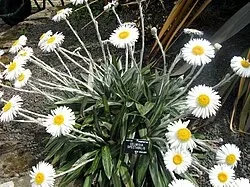
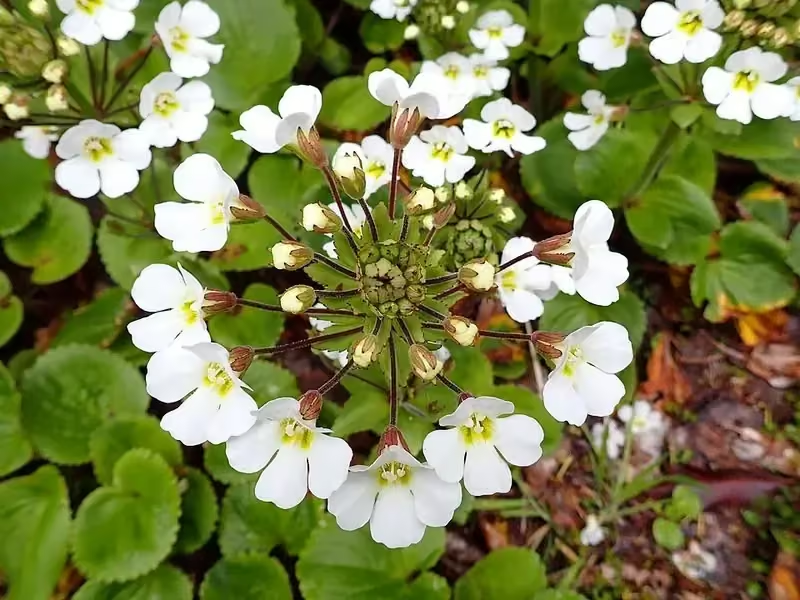
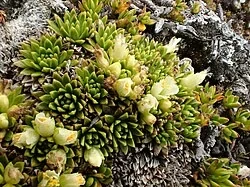
Explore other native plants that share similar characteristics or habitats with Campbell Island Carrot ( Anisotome latifolia ), offering further insights into New Zealand's diverse flora. These related species provide context and opportunities for complementary planting in your garden.

Plant Conservation
Conservation Status and Threats
Anisotome latifolia is classified as 'At Risk - Naturally Uncommon' in New Zealand. This status reflects its natural restriction to a small geographic area (Auckland and Campbell Islands), where it is locally abundant. Its conservation is primarily focused on protecting its remote island habitats from introduced pests and ensuring its continued health within its specialized megaherb communities. Ongoing monitoring and research are vital to safeguard this unique species.
Frequently Asked Questions
How tall does Anisotome latifolia grow?
This megaherb can reach up to 2 metres tall, mostly through its tall flowering stems above large basal leaves.
Where does the Campbell Island Carrot grow naturally?
It grows only on New Zealand's subantarctic Auckland and Campbell Islands, on peaty ground among tussocks and other megaherbs.
Is Anisotome latifolia salt and frost tolerant?
Yes, it has high salt and high frost tolerance, adapted to cold, windy, oceanic subantarctic conditions.
When does the Campbell Island Carrot flower?
Its off-white to pink flowers appear from October to February in the cool subantarctic summer.
Sources and Further Reading
The botanical, growing, and conservation details for Campbell Island Carrot (Anisotome latifolia) on this page draw on authoritative New Zealand plant references and citizen-science observation records. Consult the sources below for full technical records and the latest distribution data.