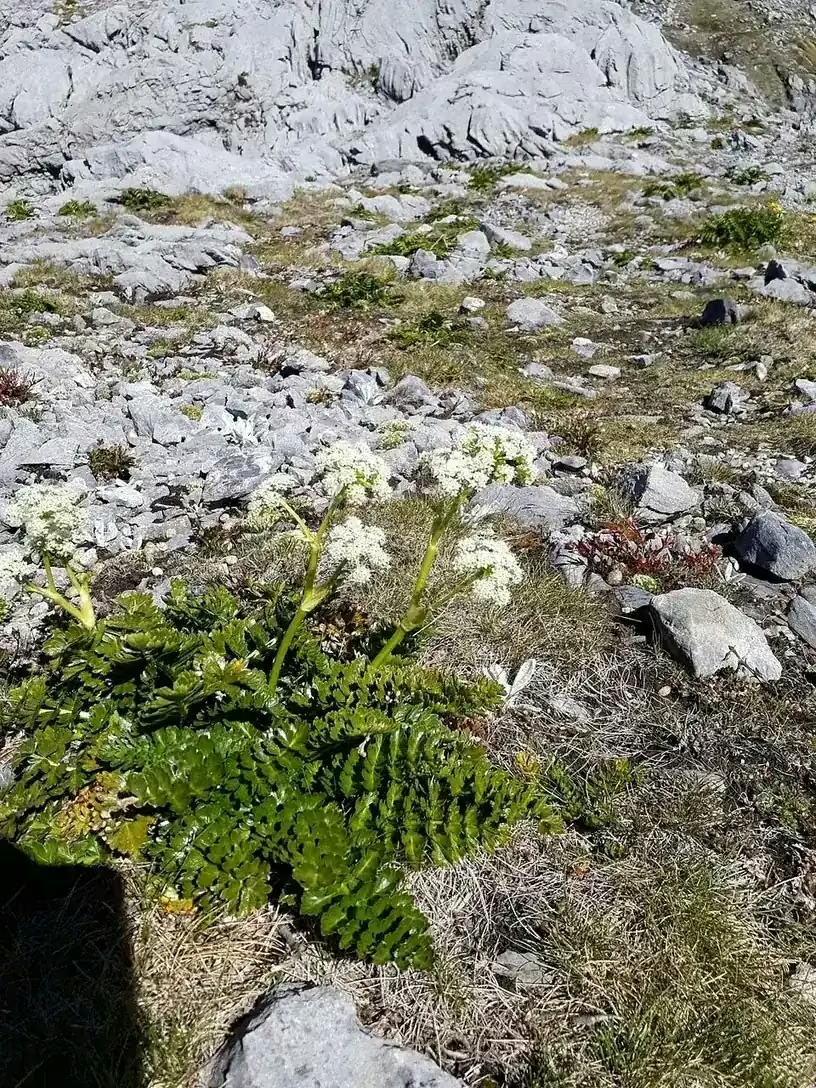
Woolly Anisotome
Anisotome pilifera
Last updated:
Anisotome pilifera, commonly known as Woolly Anisotome, is an endemic herb in the carrot family (Apiaceae) native to the South Island of New Zealand. Robust forms grow up to 60 cm tall, while exposed subalpine forms may stay compact at around 15 cm. Its species name refers to its hair-bearing, slightly woolly appearance. It bears white flowers and produces winged mericarps that are dispersed by wind. It grows in subalpine to subarctic rocky areas, herbfields and fellfields, such as the Hooker Valley and Mt Cook regions. With high frost tolerance, it thrives in cold, windswept, high-light sites but dislikes hot, humid conditions. Explore more New Zealand alpine plants in our native plant guide.

Plant Description
Identification and Physical Characteristics
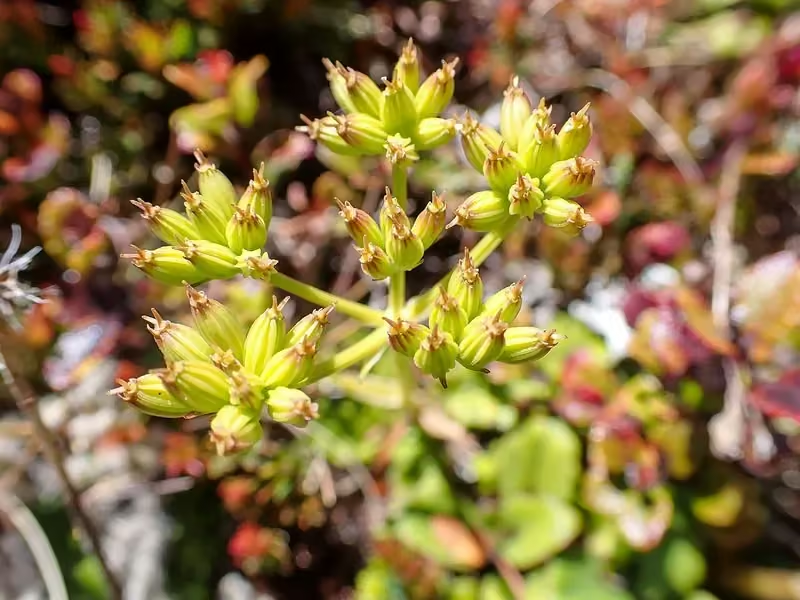
Anisotome pilifera , commonly known as Woolly Anisotome, is an endemic vascular herb native to New Zealand's South Island, belonging to the Apiaceae family. This species is characterized by its white flowers and can be quite robust, growing up to 60 cm tall in some forms, while subalpine forms may be more compact, around 15 cm. Its name "pilifera" refers to its "hair-bearing" nature, giving it a somewhat woolly appearance in some varieties. It thrives in subalpine and subarctic biomes, particularly in exposed, rocky areas like the Hooker Valley and Mt Cook regions. Its winged mericarps (fruits) are efficiently dispersed by wind, aiding its spread in its windswept habitats.
Quick Facts
| Scientific Name | Anisotome pilifera |
|---|---|
| Height | Up to 60 cm |
| Spread | Forms clumps |
| Water Needs | Moderate |
| Light | Full sun |
| Frost Tolerance | High |
| Salt Tolerance | Low |
| Growth Rate | Moderate |
| Lifespan | Perennial |
Climate Best Suited to
Woolly Anisotome is highly adapted to the cold, exposed conditions of New Zealand's South Island subalpine and subarctic zones. It exhibits high frost tolerance and thrives in areas with strong winds and intense sunlight. It does not tolerate hot or humid conditions and requires good air circulation.
Regional Suitability
| City | Climate Suitability |
|---|---|
| Auckland | Unsuitable |
| Wellington | Unsuitable |
| Christchurch | Suitable (alpine areas nearby) |
| Dunedin | Suitable (alpine areas nearby) |
| Hamilton | Unsuitable |
| Tauranga | Unsuitable |
Plant Habitat
Natural Occurrence and Ecology
Anisotome pilifera is endemic to the South Island of New Zealand, predominantly found in subalpine to subarctic biomes. It typically inhabits exposed rocky areas, herbfields, and fellfields, such as those found in the Hooker Valley and Mt Cook regions. Its natural environment is characterized by harsh conditions, including strong winds, intense sunlight, and significant temperature fluctuations.
Growing Requirements
Soil Requirements
Requires very well-drained, gritty or rocky soil. Adapted to nutrient-poor conditions.
- Well-drained, gritty/rocky soil
- Tolerant of various pH levels
- Avoid heavy, waterlogged soils
Light Requirements
Thrives in full sun, reflecting its natural exposed subalpine habitat. Good air circulation is important.
- Full sun is preferred
- Requires good air circulation
Water Requirements
Moderate water needs. Established plants are relatively drought-tolerant but benefit from consistent moisture during active growth.
- Water regularly during dry periods
- Ensure good drainage to prevent root rot
Planting and Establishing
Establishment Guidance
When planting Woolly Anisotome, select a site that closely mimics its natural subalpine, rocky habitat, prioritizing excellent drainage and full sun exposure. It is ideal for rock gardens, scree beds, or raised alpine planters. Ensure the root ball is well hydrated before planting, and backfill with a gritty soil mix. Water thoroughly after planting and maintain consistent moisture until established.
Ecological Role
Biodiversity and Ecosystem Impact
As a native alpine herb, Anisotome pilifera contributes significantly to the unique subalpine and subarctic ecosystems of New Zealand. It plays a role in ground stabilization in rocky, exposed areas and provides microhabitats for a variety of endemic invertebrates. Its white flowers may also offer a vital nectar source for native alpine insects during its flowering season.
Uses & Significance
Garden Uses
A specialized choice for alpine gardens, rockeries, or containers in cooler climates, where its unique form and woolly appearance can be appreciated.
- Alpine gardens
- Rock gardens
- Scree beds
- Containers
Ecological Value
Important component of subalpine ecosystems, contributing to biodiversity and ground stabilization.
- Soil stabilization
- Habitat for alpine invertebrates
- Pollinator support
Landscaping Uses
In landscaping, Woolly Anisotome is highly valued for its role in specialized alpine or rock garden settings. Its tough, compact growth habit makes it suitable for filling crevices and adding textural interest to harsh, exposed areas. For successful cultivation, replicating its natural conditions of excellent drainage, cool temperatures, and full sun is crucial.
Seasonal Care Calendar
Spring
New growth emerges. This is a good time for light fertilization and propagation from fresh seeds.
- Light fertilization (if necessary)
- Propagate from fresh seeds
Summer
Flowering period (November to March). Ensure consistent moisture, especially in full sun.
- Monitor water levels
- Enjoy flowers
Autumn
Fruiting occurs (January to April). Collect seeds for propagation. Minimal care required.
- Collect seeds
- Minimal watering
Winter
Dormant period. High frost tolerance. Ensure excellent drainage to prevent rot during wet winters.
- Ensure good drainage
- Protect from excessive wetness
When to Prune and How Much
Pruning for Anisotome pilifera is minimal, primarily focusing on removing any spent flower stalks or old, damaged foliage to maintain plant health and its natural compact form. This can be done as needed, typically after the main flowering and fruiting period.
- Remove spent flower stalks.
- Trim dead or damaged leaves.
- Light tidy-up to maintain shape.
Given its slow to moderate growth rate and adaptation to harsh environments, extensive pruning is generally not required. Use sharp, clean snips to avoid damaging the plant.
How to Grow Woolly Anisotome
Cultivating Woolly Anisotome ( Anisotome pilifera ) is an undertaking for gardeners who appreciate the unique beauty and resilience of New Zealand's subalpine flora. This endemic herb, with its distinctive 'hair-bearing' leaves and white flowers, adds a touch of the high country to specialized rock gardens or alpine container plantings. Success in growing Anisotome pilifera lies in closely mimicking the challenging conditions of its native habitat.
From Seed
Choose a planting location that receives full sun for most of the day, as this plant thrives in exposed conditions. Crucially, the site must offer excellent air circulation to prevent issues related to humidity. Woolly Anisotome is highly tolerant of cold, frost, and strong winds, reflecting its subalpine and subarctic origins. It is, however, intolerant of hot, humid conditions, which can lead to rapid decline. In warmer climates, consider providing some afternoon shade and growing in containers that can be moved to a cooler spot during heatwaves.
Additional Methods
The most vital factor for successful cultivation is exceptionally well-drained soil. In its natural habitat, Anisotome pilifera grows in gritty, rocky, and often nutrient-poor soils. Replicate this by using a lean, very free-draining mix. For garden beds, incorporate large quantities of coarse sand, gravel, and small stones, along with a minimal amount of organic matter like pumice or scoria. Avoid heavy clay soils or areas prone to waterlogging at all costs. For container growing, a specialist alpine potting mix designed for succulents or cacti often works well. A top dressing of grit or small stones can further aid drainage around the crown.
Planting Instructions
When planting, ensure the plant's root ball is well-hydrated. Dig a hole slightly larger than the root ball and set the plant so that the crown is level with the soil surface. Backfill with your prepared gritty soil mix, firming gently to remove air pockets. Water lightly to settle the soil, but avoid saturating. For propagation, fresh seeds can be sown directly into a similar well-drained, gritty medium. Germination can be slow and may benefit from natural temperature fluctuations.
Watering and Ongoing Care
Once established, Anisotome pilifera is relatively drought-tolerant but will benefit from consistent, moderate moisture during active growth. The key is to avoid both prolonged dryness and any hint of waterlogging. Always allow the soil to dry out somewhat between waterings. Fertilization should be minimal, if at all, as it is adapted to nutrient-poor soils. The main ongoing care involves protecting it from browsing animals, which pose a significant threat to its wild populations due to its 'At Risk - Declining' status.
Propagation
Propagation of Woolly Anisotome is typically achieved through fresh seed.
- Seed Collection: Collect mature seeds from the plant's mericarps after the fruiting period (January to April).
- Sowing: Sow fresh seeds directly onto a very well-drained, gritty seed-raising mix. A light covering of sand or fine grit is sufficient.
- Germination: Keep the seed tray cool and moist. Germination can be slow and irregular, often benefiting from natural temperature cycles that simulate winter conditions (cold stratification).
- Transplanting: Once seedlings are robust enough, carefully transplant them into individual pots or their final planting site, ensuring conditions for excellent drainage and air circulation are met.
Pests & Diseases
Anisotome pilifera is generally robust and free from significant pest and disease problems when grown in appropriate conditions. The primary concern is root rot, which is almost always a result of poor drainage or excessive soil moisture, particularly during cooler periods. Slugs and snails may occasionally feed on tender new growth. Protecting plants from browsing animals (e.g., deer) is crucial due to its 'At Risk - Declining' conservation status.
Cultural Significance
As an endemic species of New Zealand's South Island subalpine and subarctic regions, Anisotome pilifera holds ecological importance within these specialized ecosystems. While specific traditional Māori uses may not be widely documented due to its high-altitude habitat, alpine flora collectively represents the resilience and unique adaptations of Papatūānuku (Earth Mother) in Māori understanding. Its contribution to biodiversity and the harsh beauty of the high country makes it a valuable part of New Zealand's natural heritage. Its 'At Risk - Declining' conservation status underscores the need for ongoing protection efforts, particularly from threats like browsing animals.
Bonus Tip
For gardeners attempting to cultivate Woolly Anisotome, ensure its roots remain cool and dry, especially during winter. A deep layer of gravel or scree in the planting bed or container will provide the sharp drainage it needs and mimic its natural alpine environment perfectly.
Related Plants
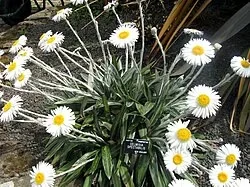
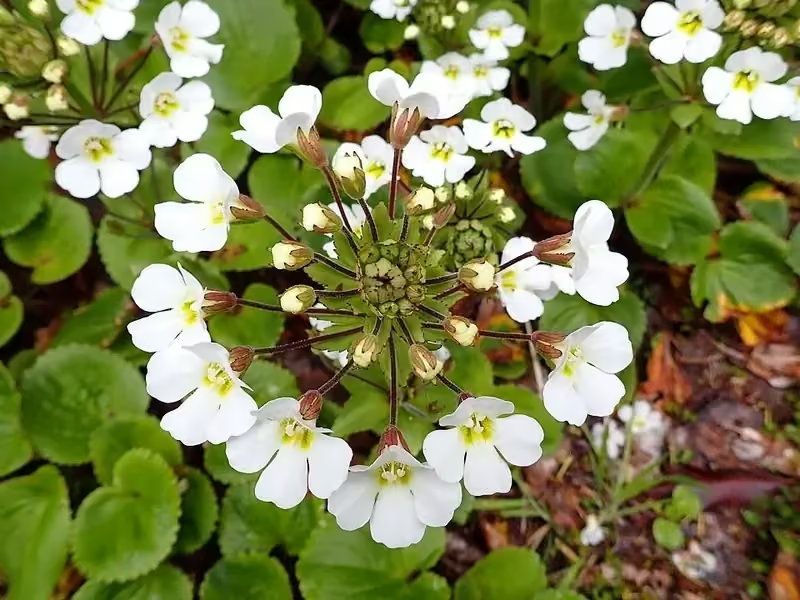
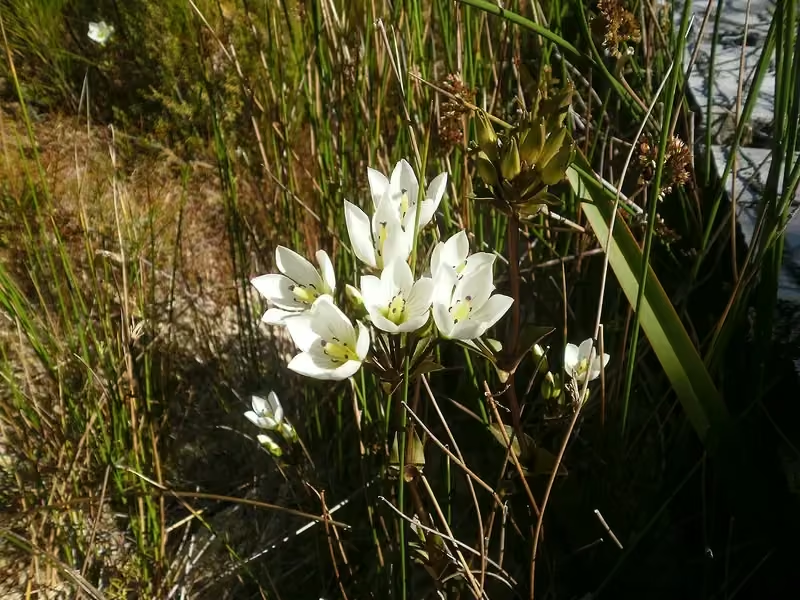
Explore other native plants that share similar characteristics or habitats with Woolly Anisotome ( Anisotome pilifera ), offering further insights into New Zealand's diverse flora. These related species provide context and opportunities for complementary planting in your garden. For another alpine plant, explore Ross's Lily.

Plant Conservation
Conservation Status and Threats
Anisotome pilifera is currently classified as 'At Risk - Declining' nationally in New Zealand, and 'Threatened - Regionally Vulnerable' in Otago. Its vulnerable status is primarily due to browsing pressure and habitat degradation. Conservation efforts focus on protecting its subalpine and subarctic habitats in the South Island, managing threats from introduced pests, and raising awareness of its unique ecological role. Continued monitoring and research are essential to ensure the long-term survival of this distinctive herb.
Frequently Asked Questions
How tall does Anisotome pilifera grow?
Robust plants reach up to 60 cm tall, though exposed subalpine forms may be compact at around 15 cm.
Where does Woolly Anisotome grow naturally?
It is endemic to the South Island, in subalpine rocky herbfields and fellfields such as the Hooker Valley and Mt Cook area.
Does Woolly Anisotome tolerate frost?
Yes, it has high frost tolerance and is adapted to cold, exposed subalpine and subarctic conditions.
What colour are Anisotome pilifera flowers?
It bears white flowers, followed by winged mericarps that are efficiently spread by the wind.
Sources and Further Reading
The botanical, growing, and conservation details for Woolly Anisotome (Anisotome pilifera) on this page draw on authoritative New Zealand plant references and citizen-science observation records. Consult the sources below for full technical records and the latest distribution data.