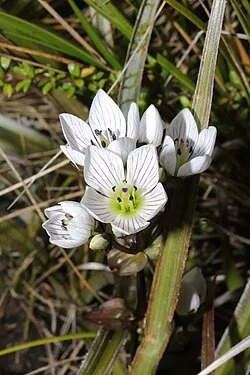
Mountain Gentian
Gentianella montana
Last updated:
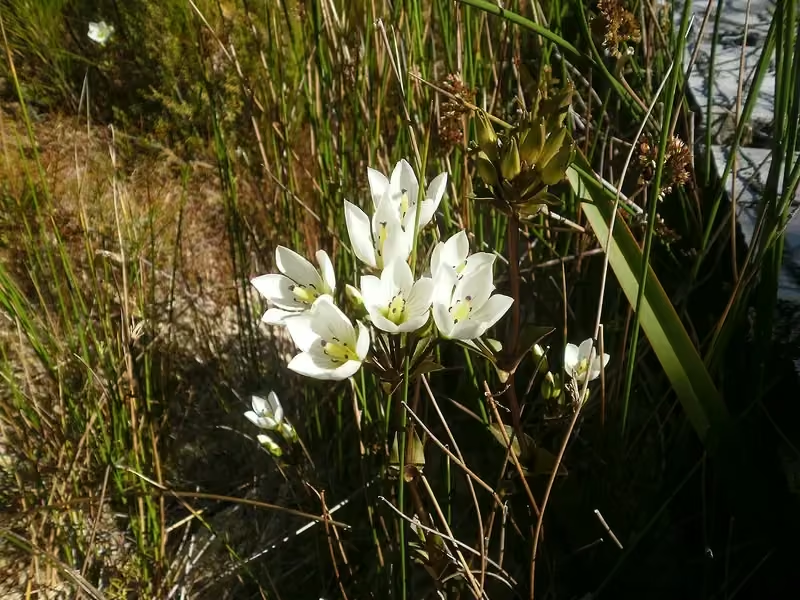
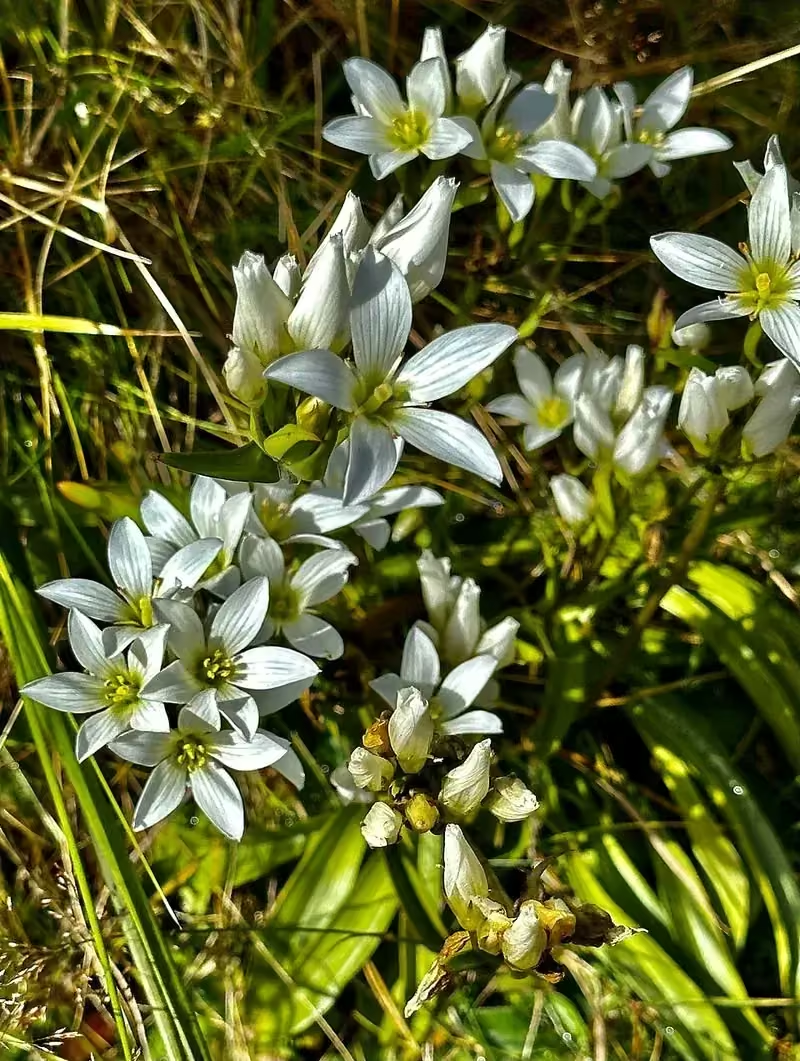
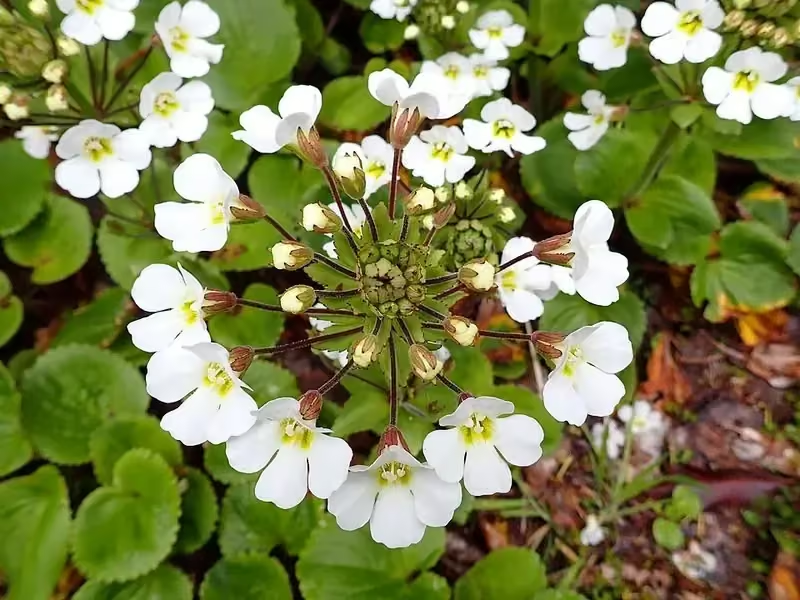
Gentianella montana, the Mountain Gentian, is a variable herbaceous plant of New Zealand's high country that forms a basal rosette and grows 10 to 50 cm tall. Its main feature is a spectacular display of large, pure-white flowers up to 2 cm across, sometimes veined with purple, carried in branched clusters of 50 or more blooms from late spring to autumn. It grows in subalpine to alpine grasslands, herbfields and fellfields, often sheltering among tussocks. Frost-hardy but short-lived, it behaves as a biennial or short-lived perennial and suits alpine or rock gardens in cool districts. Explore more New Zealand alpine plants in our native plant guide.
Plant Description
Identification and Physical Characteristics
Gentianella montana is a variable herbaceous plant that forms a basal rosette of leaves. It typically grows between 5 and 50 cm tall. The leaves are generally elliptic to orbicular, measuring up to 10 cm long, and can have a distinct bronze or crimson tint on the underside. The flowers are the main attraction, being large (up to 2 cm), pure white, and sometimes featuring delicate purple veins. They are borne in clusters (cymes) of up to 50 or more blooms on branched stems, creating a spectacular floral display from late spring to autumn.
Quick Facts
| Scientific Name | Gentianella montana |
|---|---|
| Height | 10-50 cm |
| Spread | 15-30 cm |
| Water Needs | Moderate |
| Light | Full Sun to Partial Shade |
| Frost Tolerance | High |
| Salt Tolerance | Low |
| Growth Rate | Medium |
| Lifespan | Biennial or Short-lived Perennial |
Climate Best Suited to
This species is adapted to cool, temperate climates typical of New Zealand's South Island high country and central North Island volcanoes. It requires cold winters to thrive and initiate flowering. In cultivation, it struggles in humid, warm northern regions and is best suited to alpine houses or rock gardens in cooler southern districts.
Regional Suitability
| City | Climate Suitability |
|---|---|
| Auckland | Not Suitable |
| Wellington | Challenging |
| Christchurch | Suitable |
| Dunedin | Suitable |
| Queenstown | Ideal |
Plant Habitat
Natural Occurrence and Ecology
Gentianella montana is found in subalpine to alpine grasslands, herbfields, and fellfields. It often grows amongst tussocks ( Chionochloa species) which provide some shelter from the wind and intense sun. Some varieties are also found in subalpine wetlands and damp seepages, indicating a preference for moisture-retentive soils.
Growing Requirements
Soil Requirements
Requires deep, cool, humus-rich soil.
- Free-draining but moisture-retentive
- Acidic to neutral pH
- Gritty alpine mix
- Avoid heavy clay
Light Requirements
Prefers bright light but cool roots.
- Full sun in cooler climates
- Dappled shade in warmer areas
- Protect from scorching afternoon sun
Water Requirements
Needs consistent moisture during the growing season.
- Keep moist in summer
- Drier conditions in winter
- Excellent drainage is crucial
Planting and Establishing
Establishment Guidance
Plant Gentianella montana in a raised rock garden, trough, or alpine pot where conditions can be controlled. Incorporate plenty of leaf mould and grit into the soil. Plant the crown slightly high and top-dress with stone chips to prevent water from collecting around the neck of the plant, which can cause rot.
Ecological Role
Biodiversity and Ecosystem Impact
Mountain Gentians are an important part of the alpine floral diversity. Their white flowers attract a range of native pollinators, including moths, butterflies, and beetles, which are active in the high-altitude environment.
Uses & Significance
Garden Uses
Highly prized by alpine plant enthusiasts.
- Alpine troughs
- Rock gardens
- Exhibition plant
Ecological Value
Supports alpine insect communities.
- Pollinator source
- Biodiversity indicator
The versatility of this plant makes it a valuable addition to many New Zealand gardens. Beyond its aesthetic appeal, it offers practical benefits such as soil stabilization and shelter for smaller plants. Its historical and modern uses highlight its enduring importance in both traditional practices and contemporary landscape design, making it a thoughtful choice for any restoration or gardening project.
Landscaping Uses
Best used as a specialist subject in a rockery or scree garden. Its pristine white flowers create a stunning contrast against dark rocks or grey-foliaged alpine plants like Raoulia or Celmisia .
Seasonal Care Calendar
Spring
Active growth begins.
- Increase watering
- Watch for aphids
Summer
Flowering season.
- Keep roots cool and moist
- Shade if necessary
Autumn
Seed collection.
- Collect ripe seeds
- Reduce watering
Winter
Dormancy.
- Keep relatively dry
- Protect from winter wet
When to Prune and How Much
Minimal pruning required.
- Remove spent flower stalks
- Clean up dead leaves
As many plants are short-lived or monocarpic (dying after flowering), pruning is often limited to tidying up before the plant is replaced by seedlings.
How to Grow Mountain Gentian
Growing Mountain Gentian ( Gentianella montana ) requires patience and attention to detail, as is typical for many true alpine species. The most effective method of propagation is by seed, which ensures a supply of vigorous young plants to replace older, short-lived specimens. Vegetative propagation via cuttings is possible but can be challenging and less reliable.
From Seed
Seeds should be sown as fresh as possible, ideally in autumn or winter. New Zealand alpine seeds often have a dormancy mechanism that requires a period of cold stratification to trigger germination.
Mimic winter conditions for success.
- Use a sterilized seed-raising mix with added grit or vermiculite to ensure excellent drainage.
- Sow seeds on the surface of the mix. Do not bury them deeply, as they may need light to germinate. Cover very lightly with a dusting of fine grit.
- Water gently and place the tray outdoors in a cold frame or a sheltered spot where it will be exposed to winter chill but protected from heavy rain. Alternatively, place the moist tray in a refrigerator for 4-8 weeks.
- Germination typically occurs in spring as temperatures rise (10-13°C). Be patient, as it can be irregular.
- Once seedlings are large enough to handle, carefully prick them out into small pots using a free-draining alpine potting mix.
From Cuttings
Non-flowering side shoots (rosettes) can be taken as cuttings in late spring or early summer.
Select healthy, vigorous rosettes.
- Cut a small rosette from the base of the plant using a sharp, sterile knife.
- Remove the lower leaves to expose a short stem section.
- Dip the cut end in rooting hormone powder suitable for soft cuttings.
- Insert the cutting into a pot of pure sharp sand or pumice.
- Place in a humid, cool environment out of direct sunlight. A plastic cover can help maintain humidity, but ensure good ventilation to prevent fungal rot.
- Rooting can take several weeks. Once roots are established, pot up individually.
Pests & Diseases
Aphids are the primary pest, clustering on soft new growth and flower buds. They can transmit viruses and deform the flowers. Slugs and snails also relish the succulent leaves. In humid conditions, botrytis (grey mould) and root rot can be issues, emphasizing the need for good air circulation and drainage.
Cultural Significance
The genus Gentianella holds a special place in the botanical identity of New Zealand's high country. While specific Māori uses for this species are not widely recorded, the plant contributes to the unique character of the alpine landscape (Te Wao Nui a Tāne).
- Iconic alpine wildflower
- Symbol of high country purity
Bonus Tip
Since Gentianella montana can be short-lived, allow a few flowers to set seed each year and scatter them around the parent plant to encourage a self-sustaining colony.
Cultivating this species effectively involves a deep understanding of its natural adaptations and environmental preferences. By mimicking its native habitat-whether that be the cool, moist understory of a temperate rainforest or the exposed, well-drained slopes of an alpine range-gardeners can ensure robust growth and long-term health. Regular observation and minimal, targeted intervention are often the best strategies for maintaining the unique characteristics and ecological contributions of this remarkable New Zealand native plant.
Related Plants
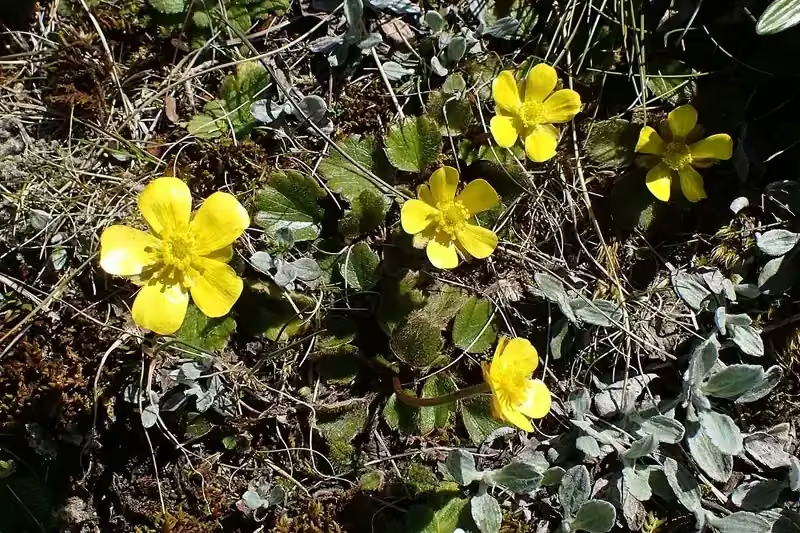
Explore other native plants that share similar characteristics or habitats with Mountain Gentian ( Gentianella montana ), offering further insights into New Zealand's diverse flora. These related species provide context and opportunities for complementary planting in your garden. For another alpine plant, explore Lyall's Carrot.

Plant Conservation
Conservation Status and Threats
Gentianella montana is classified as Not Threatened. However, alpine ecosystems are fragile and susceptible to damage from introduced mammals and climate change. Protection of these high-altitude habitats is essential for the continued abundance of this species.
Frequently Asked Questions
How tall does Mountain Gentian grow?
Gentianella montana grows between 10 and 50 cm tall, forming a low basal rosette of leaves.
Does Mountain Gentian tolerate frost?
Yes, it has high frost tolerance and is well suited to cold alpine conditions.
Where does Mountain Gentian grow naturally?
It grows in subalpine to alpine grasslands, herbfields and fellfields, often among tussocks.
When does Mountain Gentian flower?
It produces its large white flowers from late spring through to autumn.
Sources and Further Reading
The botanical, growing, and conservation details for Mountain Gentian (Gentianella montana) on this page draw on authoritative New Zealand plant references and citizen-science observation records. Consult the sources below for full technical records and the latest distribution data.