Cushion Daisy
Abrotanella caespitosa
Last updated:
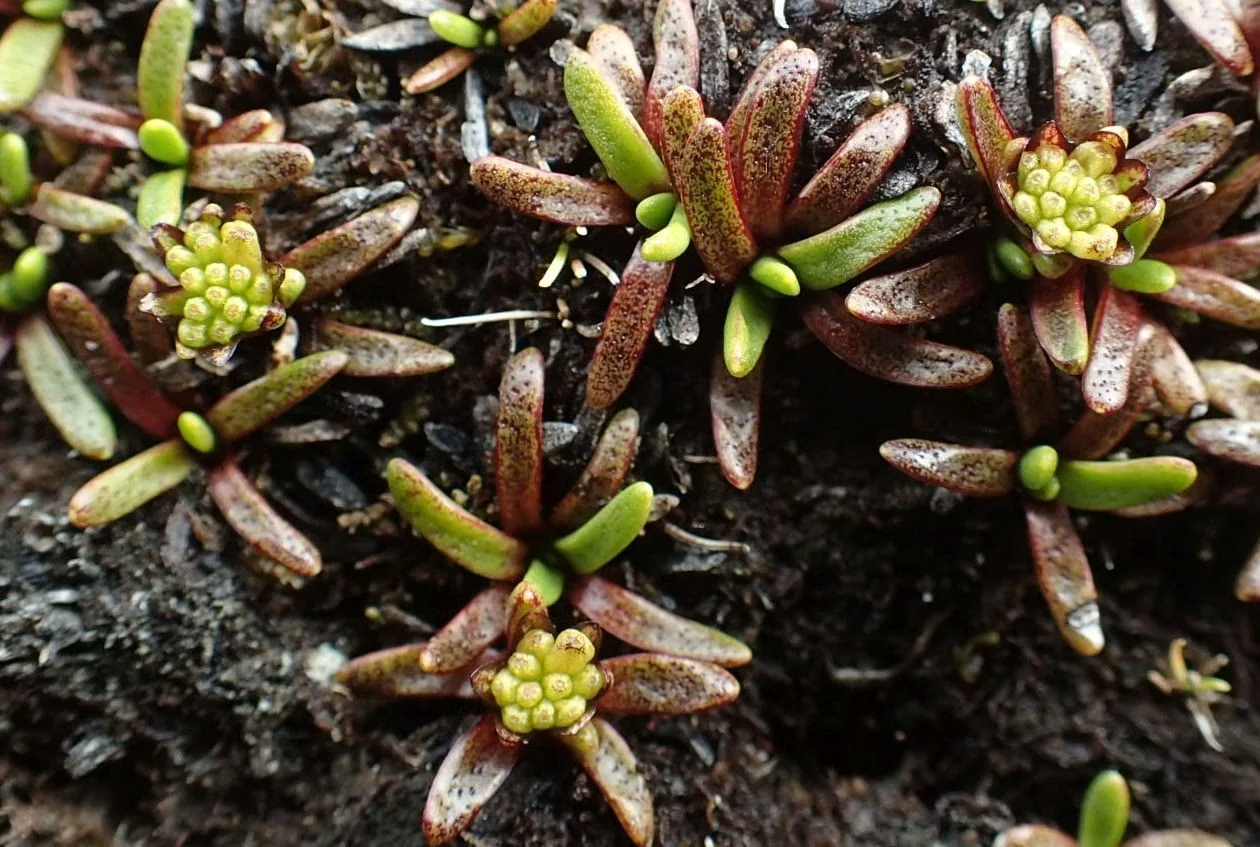
Cushion Daisy (Abrotanella caespitosa) is a New Zealand alpine cushion plant that grows as an extremely compact, hemispherical mound just 1 to 3 cm tall, spreading slowly to 20 to 40 cm across over many decades. Its tiny, awl-shaped leaves are densely packed into a firm, springy surface that feels like a pin cushion. It grows in wind-swept fellfields and rocky ridges between 1,200 and 2,300 metres, thriving in skeletal soils, full sun and intense frost. Highly frost tolerant and endemic to New Zealand, it is valued in rock and alpine gardens for its neat, ground-hugging form and its role in stabilising fragile high-country soils. Explore more native plants such as Small Cushion Daisy.
Plant Description
Identification and Physical Characteristics
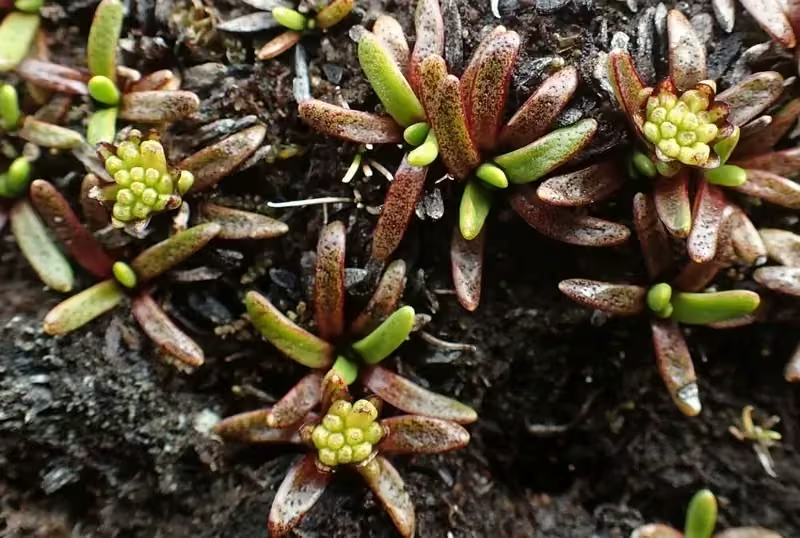
The growth form of Abrotanella caespitosa represents a masterclass in alpine adaptation Discover more about native shrubs. The plant develops as an extremely compact, hemispherical cushion, rarely exceeding 3 centimeters in height but potentially spreading to 40 centimeters in diameter over many decades. Individual shoots are densely packed, with internodes so short they are practically invisible. The leaves are minute, typically 2-4 millimeters long and less than 1 millimeter wide, narrowly linear to subulate (awl-shaped), and closely appressed to the stem. This creates a firm, almost rigid surface that feels springy to the touch, much like a well-stuffed pin cushion.The leaf surfaces are covered in minute hairs (trichomes) that help trap moisture and reduce water loss, while the thick cuticle provides additional protection against UV radiation and desiccation. The entire cushion is anchored by a deep, woody taproot that can penetrate surprisingly far into rocky crevices, accessing moisture and providing stability against the fierce alpine winds that can exceed 200 kilometers per hour.Flowering occurs from December to February, though blooms are easily overlooked. The flower heads (capitula) are solitary or in small clusters, sitting almost flush with the cushion surface. Each head is only 3-5 millimeters across, lacking the showy ray florets typical of many daisies. Instead, they consist solely of tiny disc florets, pale yellow to cream in colour. The flowers are functionally dioecious, with separate male and female plants, though hermaphrodite flowers also occur. Pollination is primarily by small alpine flies and beetles that shelter within the cushion structure. The seeds (technically cypselae) are minute, about 1-2 millimeters long, with a small pappus of bristles that aids in wind dispersal, though most seeds fall within a meter of the parent plant.
Quick Facts
| Scientific Name | Abrotanella caespitosa |
|---|---|
| Height | 1-3 cm |
| Spread | 20-40 cm (slowly) |
| Water Needs | Low; avoid waterlogging |
| Light | Full sun; high light |
| Frost Tolerance | High |
| Salt Tolerance | Low to moderate |
| Growth Rate | Fast |
| Lifespan | Long-lived perennial |
Climate Best Suited to
Cushion Daisy is well adapted to various New Zealand regions.
Regional Suitability
| City | Climate Suitability |
|---|---|
| Auckland | High |
| Wellington | High |
| Christchurch | Medium |
Plant Habitat
Natural Occurrence and Ecology
Thrives in extreme alpine environments, specifically wind-swept fellfields and rocky ridges between 1,200 and 2,300 metres. It is highly adapted to skeletal soils and intense UV exposure.
Growing Requirements
Soil Requirements
Prefers well-draining soil rich in organic matter.
- Well-drained
- Loamy
Light Requirements
Grows best in partial to full sun.
- Full Sun
- Partial Shade
Water Requirements
Requires regular watering during dry periods.
- Regular
- Drought tolerant once established
Planting and Establishing
Establishment Guidance
When planting Cushion Daisy in a garden setting, it is essential to replicate its natural alpine environment. Select a site with excellent drainage but consistent moisture, as this plant cannot tolerate drying out completely. Use a grit-heavy soil mix or a dedicated alpine potting medium. Gently place the plant in a hole twice the width of its root habit, ensuring the rosette sits just above the soil surface to prevent rot. Adding a layer of small stones or pebbles around the base can help mimic its native scree or fellfield habitat and regulate soil temperature.
Ecological Role
Biodiversity and Ecosystem Impact
As an endemic species, Abrotanella caespitosa plays a vital role in New Zealand's unique alpine ecosystems. Its dense, cushion-forming habit helps stabilize fragile soils on steep slopes and high-altitude ridges, preventing erosion from wind and snowmelt. These cushions often act as 'nurse plants,' creating a sheltered micro-habitat with more stable temperatures and moisture levels. This allow seeds of other less hardy plant species to germinate and establish where they otherwise might not survive. It also provides a essential refuge and foraging ground for specialized alpine insects, including native flies and small beetles.
Uses & Significance
Garden Uses
Due to its compact and attractive form, the Cushion Daisy is a prized addition to specialized rock gardens, alpine troughs, and container displays. It is particularly effective when used to create 'living tapestries' alongside other cushion-forming plants like Raoulia or small Scleranthus species. Its ability to withstand extreme cold and high winds makes it an excellent choice for exposed garden sites where other ground covers might fail.
- Rock gardens
- Alpine troughs
- Ground cover
Ecological Value
Beyond its structural role, this species supports local biodiversity by providing a food source and habitat for pollinators. While its flowers are small and inconspicuous to humans, they are frequented by specialized alpine invertebrates that have evolved alongside these plants over millennia.
- Soil stabilization
- Insects
Landscaping Uses
In modern landscape design, the Cushion Daisy offers a unique texture and architectural form. Its mottled dark green foliage and tight, hemispherical growth habit provide a striking contrast to larger-leaved plants or architectural hardscaping like stone walls and pavers. It is ideal for filling small gaps in rockeries or as a fine-textured edging plant along paths in cooler, high-altitude garden designs. Its slow growth rate ensures it maintains its shape without becoming invasive.
Seasonal Care Calendar
Spring
Check for any lifting caused by winter frost heave and gently firm the soil around the base. Ensure consistent moisture as the plant begins its active growth phase.
- Firm soil
- Monitor moisture
Summer
This is the primary flowering season. Ensure the plant does not dry out during hot spells, but avoid overhead watering in full sun to prevent scorch.
- Regular watering
- Observe flowering
Autumn
Tidy up any dead material that may have accumulated around the edges of the cushion to maintain a clean appearance and prevent fungal issues.
- Light cleaning
- Check drainage
Winter
Naturally tolerant of heavy snow and deep frosts. Ensure the site remains free of waterlogging during winter rains, as wet feet can cause the cushion to rot.
- Avoid waterlogging
- Frost protection
When to Prune and How Much
Abrotanella caespitosa requires very little to no pruning due to its slow-growing and naturally compact cushion habit. Any maintenance should be limited to the careful removal of dead or browning sections using fine, sharp scissors. Avoid cutting into the healthy green tissue, as the plant recovers slowly from damage. Periodic removal of debris or weeds that might attempt to grow through the cushion is important to maintain its integrity.
- Remove dead sections
- Weed removal
Always use clean, sharp tools to prevent the introduction of pathogens to the dense cushion.
How to Grow Cushion Daisy
Cultivating Cushion Daisy ( Abrotanella caespitosa ) is a rewarding endeavor for any gardener interested in New Zealand's unique flora. This species can be propagated through several methods, each requiring specific conditions to ensure healthy growth and establishment. Successful propagation depends on mimicking the plant's natural environment and providing consistent care during the early stages of development.
From Seed
Propagation from seed is often the most effective way to produce a large number of Cushion Daisy plants. Seeds should be collected when they are fully mature and typically show a dark, firm appearance. Freshly collected seeds generally have higher germination rates than those that have been stored for long periods. Sow the seeds on the surface of a fine, grit-based seed-raising mix and cover with a very thin layer of fine gravel or sand. They require exposure to cold temperatures (stratification) to break dormancy, mimicking the alpine winter.
Keep the seed trays in a cool, bright position but out of direct midday sun.
- Collect mature seeds
- Surface sow in grit mix
Maintain consistent moisture until germination occurs, which can be slow and sporadic.
From Cuttings
For those wishing to replicate specific characteristics of a parent plant, vegetative propagation via small rosettes or 'offsets' is the preferred method. This technique ensures that the new plants are genetically identical to the source. Small rosettes with a portion of the runner can be carefully detached in late spring or early summer when growth is most active. These should be placed in a very well-drained cutting mix consisting of mostly pumice or sharp sand.
Use a rooting hormone suited for semi-hardwood cuttings if necessary.
- Detach small rosettes
- Insert into sharp sand mix
Additional Methods
Division is another viable option for established, larger cushions. This should be done with extreme care in early spring. Gently lift the cushion and tease apart sections that have developed their own root systems. Replant these immediately into their permanent positions or into pots to establish further. Ensure the divided sections are kept well-watered and shaded until they show signs of new growth.
Division is best performed during cool, overcast weather.
- Carefully lift parent plant
- Separate rooted sections
- Replant immediately
Pests & Diseases
The Cushion Daisy is remarkably resilient and generally resistant to major pests and diseases in its natural habitat. However, in garden settings, the most significant risk is fungal rot, particularly 'damping off' or crown rot caused by poor drainage or excessive humidity. Keep the foliage clear of fallen leaves or mulch that could trap moisture. In some areas, slugs or snails might occasionally graze on the tender growth tips during damp weather. Ensuring good airflow around the plant is the best preventative measure.
Cultural Significance
A symbol of alpine resilience, these cushion plants act as 'nurse plants' in harsh environments, creating micro-habitats that allow other smaller plants and insects to establish themselves. Their presence is a hallmark of New Zealand's high-country heritage, representing the incredible survival strategies developed by our native flora over millions of years of isolation and mountain building.
- Alpine heritage
- Ecosystem engineering
Bonus Tip
To achieve the tightest cushion form and best leaf colour, ensure the plant receives high light levels. In lower light, the rosettes may become more elongated and lose their characteristic compact appearance. A gravel mulch not only looks natural but also keeps the foliage off damp soil.
Related Plants
Explore other native plants that share similar characteristics or habitats with Cushion Daisy ( Abrotanella caespitosa ), offering further insights into New Zealand's diverse flora. These related species provide context and opportunities for complementary planting in your garden.




Plant Conservation
Conservation Status
Currently classified as 'Not Threatened', the Cushion Daisy remains a stable component of New Zealand's alpine flora. However, its long-term survival is inextricably linked to the preservation of high-altitude ecosystems from the encroaching impacts of climate change and potential competition from invasive weeds moving into warmer alpine zones.
Frequently Asked Questions
How tall does Cushion Daisy grow?
It reaches just 1 to 3 cm in height, forming a dense hemispherical cushion.
Where does Abrotanella caespitosa grow naturally?
It grows in wind-swept alpine fellfields and rocky ridges between 1,200 and 2,300 metres in New Zealand.
Does Cushion Daisy tolerate frost?
Yes, it has high frost tolerance and is well adapted to intense alpine cold.
How wide does Cushion Daisy spread?
It spreads slowly to form cushions 20 to 40 cm across over many decades.
Sources and Further Reading
The botanical, growing, and conservation details for Cushion Daisy (Abrotanella caespitosa) on this page draw on authoritative New Zealand plant references and citizen-science observation records. Consult the sources below for full technical records and the latest distribution data.