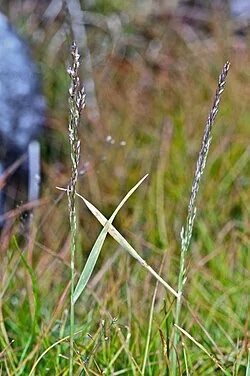
Dyer's Bentgrass
Agrostis dyeri
Last updated:
Dyer's bentgrass (Agrostis dyeri) is a tufted native grass of New Zealand's high country, forming dense, stiff clumps of narrow green to slightly glaucous foliage 10 to 55 cm tall. Its upright flowering culms rise well above the leaves, carrying delicate branched panicles 5 to 15 cm long whose small spikelets often take on a purplish or reddish tinge, creating a misty haze across mountain slopes in bloom. It grows in subalpine to alpine tussock grasslands, herbfields and stable screes, typically between 1000 and 2000 metres. Exceptionally frost hardy, it thrives in cold, snow-prone winters and cool summers, and is classed Not Threatened. Explore more native plants such as Mueller's Bent Grass.
Plant Description
Identification and Physical Characteristics
Agrostis dyeri forms dense, stiff tufts of foliage that typically reach 10 to 55 cm in height. The leaves are narrow, often somewhat rolled or flat, and possess a healthy green to slightly glaucous coloration. The most distinctive feature of this grass is its upright flowering culms (stems), which usually extend well above the leaf rosettes. These culms bear delicate, branched panicles that can range from 5 to 15 cm in length. The individual spikelets are small and often possess a purplish or reddish tinge, creating a beautiful misty effect when the grass is in full bloom across a mountain slope.
Quick Facts
| Scientific Name | Agrostis dyeri |
|---|---|
| Height | 0.1 - 0.55 metres |
| Spread | 0.2 - 0.3 metres (tufted clumping) |
| Water Needs | Moderate; prefers consistent moisture |
| Light | Full sun to partial shade |
| Frost Tolerance | High - adapted to alpine winters |
| Salt Tolerance | Low |
| Growth Rate | Moderate |
| Lifespan | Long-lived perennial grass |
Climate Best Suited to
Dyer's Bentgrass is perfectly adapted to the cool, moist, and often harsh climates of New Zealand's high country. It thrives in regions with significant seasonal variation, including cold, snow-prone winters and cool, airy summers. It is exceptionally frost-hardy and well-equipped to handle the high light levels and intense ultraviolet radiation of alpine zones. It is not well-suited to the humidity and persistent warmth of northern lowland climates.
Regional Suitability
| City | Climate Suitability |
|---|---|
| Auckland | Low (too warm and humid) |
| Wellington | High |
| Christchurch | High |
| Dunedin | High |
Plant Habitat
Natural Occurrence and Ecology
In the wild, Agrostis dyeri is found in subalpine to alpine environments, typically between 1000 and 2000 meters above sea level. It is a common component of tussock grasslands, alpine herbfields, and open scrublands. It also successfully colonizes stable scree slopes and rocky banks where the soil is mineral-rich and well-drained. Its distribution spans the southern ranges of the North Island and is widespread across the South Island, particularly favoring areas west and south of the Main Divide.
Growing Requirements
Soil Requirements
Requires moist but well-drained soil. It thrives in gritty, loamy, or stony substrates that mimic the mineral-rich soils of the Southern Alps. Avoid heavy clay that remains waterlogged for extended periods.
- Moist but well-drained
- Gritty loam
- Mineral-rich
Light Requirements
Performs best in full sun to partial shade. As an alpine specialist, it is adapted to high light intensity but will also tolerate the filtered light of subalpine scrub margins. Bright, open positions result in the sturdiest growth.
- Full Sun
- Partial Shade
Water Requirements
Water needs are moderate. While the plant is quite drought-tolerant once its root system is established, it prefers consistent moisture during the active growing season to maintain its healthy green appearance.
- Moderate
- Consistent root moisture
Planting and Establishing
Establishment Guidance
Dyer's Bentgrass is best planted in autumn or early spring to take advantage of the natural rainfall and mild temperatures. Select a permanent, sunny position with good drainage. Dig a hole twice the width of the root ball and incorporate some gritty compost. Water thoroughly after planting and maintain consistent moisture until the grass is clearly established. Due to its clumping habit, it is very effective when planted in groups to create a natural, meadow-like effect.
Ecological Role
Biodiversity and Ecosystem Impact
In alpine ecosystems, Agrostis dyeri provides vital ground-level structure and resource diversity. Its dense tufts offer shelter for a variety of native invertebrates and may provide nesting material for ground-nesting birds. The flowering panicles are a source of food for specialized alpine insects. Furthermore, its vigorous root system plays an important role in binding mountain soils and preventing erosion in high-rainfall alpine zones.
Uses & Significance
Garden Uses
An excellent choice for native rockeries, alpine troughs, and gravel gardens. Its fine texture and upright habit provide a beautiful contrast to broader-leaved plants. It is particularly effective when used in a 'meadow' style planting alongside other native grasses and alpine herbs.
- Rock gardens
- Alpine troughs
- Native meadows
Ecological Value
Essential for supporting alpine biodiversity and providing resources for native high-country fauna.
- Soil stabilization
- Invertebrate habitat
Landscaping Uses
In modern landscape design, Agrostis dyeri is used to create strong textural patterns. Its fine, upright foliage is perfect for minimalist designs or for large-scale ecological restorations in rocky areas where a robust and visually impactful grass is required. It is an ideal plant for representing the beauty of the New Zealand Southern Alps.
Seasonal Care Calendar
Spring
Watch for the emergence of new growth. This is the best time for a light application of organic fertilizer if the soil is poor and ensuring the drainage remains sharp after winter snowmelt.
- Monitor growth
- Light feeding
Summer
The primary flowering season. Maintain root moisture during hot, dry spells. Enjoy the delicate misty effect of the purplish flowering panicles.
- Consistent watering
- Enjoy flowering
Autumn
Collect mature seeds for immediate sowing. Tidy up the area by removing any dead foliage from the base of the tufts to improve air circulation.
- Seed collection
- Remove dead foliage
Winter
The plant enters a dormant phase and is extremely hardy. Simply ensure the site is free-draining and the plant is not smothered by non-native leaf litter.
- Maintain dormancy
- Ensure drainage
When to Prune and How Much
Minimal pruning is required. The main task is to remove the spent flowering culms at the base once the seeds have been harvested. This keeps the tufts looking fresh and tidy. Occasionally, the entire tuft can be cut back hard in early spring to encourage a flush of healthy new foliage.
- Remove spent flower stems
- Trim dead base leaves
Always use sharp, clean tools to ensure healthy recovery.
How to Grow Dyer's Bentgrass
Growing Dyer's Bentgrass ( Agrostis dyeri ) from seed or division is a rewarding process for the native plant enthusiast. This robust alpine species, adapted to the extreme conditions of New Zealand's South Island mountain ranges, requires specific care to ensure successful germination and healthy long-term development. The most critical factors for success are providing sharp drainage, high light levels, and a cool root run. Because it is a resilient species, it is often easier to establish than many more delicate alpine herbs.
From Seed
Seed propagation is the most reliable method for Agrostis dyeri . Collect seeds in late summer when the panicles have turned dry and straw-coloured. Fresh seed is highly recommended for the best results. Sow the seeds onto the surface of a well-draining, gritty seed-raising mix-a blend of fine gravel, pumice, and sterilized potting soil is ideal. Lightly cover with a thin layer of fine grit. While many alpine species require cold stratification, Agrostis dyeri often germinates readily if sown fresh. However, if germination is slow, a 4-week period in a refrigerator may help break any lingering dormancy. Keep the soil consistently moist but not waterlogged throughout the process. Germination typically occurs within a few weeks under bright, cool conditions.
- Collect fresh seeds in autumn
- Sow on gritty, sterile mix
- Maintain moisture
- Provide bright, indirect light
Once seedlings are large enough to handle, move them into individual deep pots to accommodate their root development.
From Division
Vegetative propagation via division is a very successful method for this clumping grass. The best time to divide Agrostis dyeri is in early spring as new growth begins. Carefully lift a mature tuft and use a sharp knife or spade to separate it into smaller pieces, ensuring each new division has a healthy portion of roots and several active shoots.
Replant the divisions immediately into well-prepared, gritty soil and water thoroughly. They should establish quickly and can be moved to their final garden position within a few months.
- Divide in early spring
- Ensure healthy root systems
- Replant immediately
Additional Methods
Dyer's Bentgrass can also be established from young nursery-grown plants, which is often the easiest route for home gardeners. The best "additional method" for success is meticulous site selection and preparation. Creating a dedicated rockery or native meadow area with plenty of organic matter and gritty drainage material will provide the perfect start. Using a stone mulch around the base of the tufts is vital; it keeps the roots cool, suppresses weeds, and beautifully mimics the plant's natural mineral-rich mountain habitat.
- Select a bright, open position
- Use deep stone mulch
- Avoid root disturbance once planted
Pests & Diseases
Dyer's Bentgrass is generally resistant to many common pests. However, in lowland settings, it can occasionally be susceptible to aphids on the new growth or rust in very humid conditions. Maintain good air movement and sharp drainage to prevent these problems.
Cultural Significance
As an endemic species of the South Island high country, Agrostis dyeri is part of the unique botanical heritage of Aotearoa. While not as prominently featured in traditional records as larger tussock species, it is a respected member of the alpine grassland community. Its delicate form and resilience are symbolic of the incredible biodiversity that characterizes the New Zealand mountain landscape.
- Alpine botanical heritage
- Unique mountain identity
Bonus Tip
Plant in a row to create a soft, fine-textured border along a gravel path or around a rock feature.
Cultivating this species effectively involves a deep understanding of its natural adaptations and environmental preferences. By mimicking its native habitat-whether that be the cool, moist understory of a temperate rainforest or the exposed, well-drained slopes of an alpine range-gardeners can ensure robust growth and long-term health. Regular observation and minimal, targeted intervention are often the best strategies for maintaining the unique characteristics and ecological contributions of this remarkable New Zealand native plant.
Related Plants
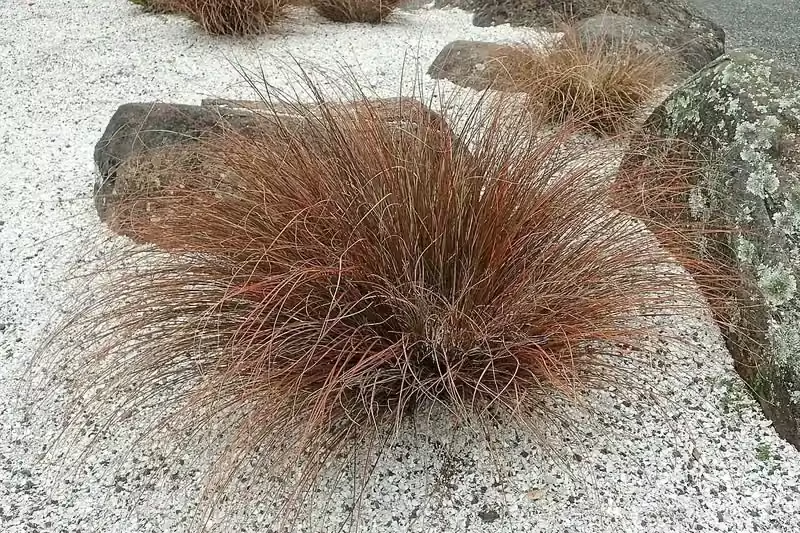
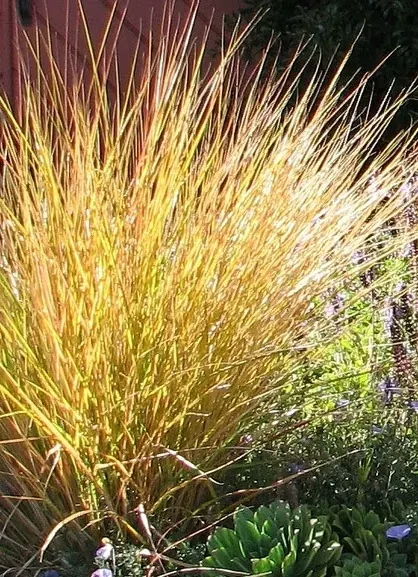
Explore other native plants that share similar characteristics or habitats with Dyer's Bentgrass ( Agrostis dyeri ), offering further insights into New Zealand's diverse flora. These related species provide context and opportunities for complementary planting in your garden.



Plant Conservation
Conservation Status and Threats
Currently classified as "Not Threatened," Agrostis dyeri has stable populations throughout its South Island and southern North Island range. However, it is essential to monitor its alpine grassland habitats for any impacts from climate change or localized habitat degradation. Protecting the integrity of New Zealand's subalpine and alpine ecosystems is vital for the continued success of this and many other mountain-dwelling species.
Frequently Asked Questions
How tall does Dyer's bentgrass grow?
It forms tufts 10 to 55 cm tall, with flower culms rising above the foliage.
Where does Agrostis dyeri grow?
It grows in subalpine to alpine tussock grasslands, usually between 1000 and 2000 metres.
Is Dyer's bentgrass frost hardy?
Yes, it is exceptionally frost hardy and adapted to cold, snow-prone alpine winters.
What conditions does Dyer's bentgrass prefer?
It prefers full sun to partial shade and consistent moisture in well-drained mountain soils.
Sources and Further Reading
The botanical, growing, and conservation details for Dyer's Bentgrass (Agrostis dyeri) on this page draw on authoritative New Zealand plant references and citizen-science observation records. Consult the sources below for full technical records and the latest distribution data.