Ross's Lily
Bulbinella rossii
Last updated:
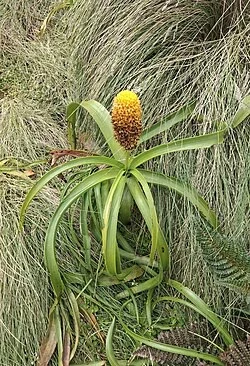
Ross's Lily (Bulbinella rossii) is a stout, perennial megaherb endemic to New Zealand's subantarctic Auckland and Campbell Islands. Growing up to 1 metre tall, it has fleshy, dark green, strap-like leaves reaching 0.6 to 1 metre long and up to 60 mm wide. From October to January it produces a striking cylindrical flower spike up to 600 mm long, densely packed with golden-yellow to sulphur-yellow flowers. It forms dense colonies in open herbfields and tussock grasslands from sea level to the island tops, favouring cool, moist, peaty soils. Classed as At Risk - Naturally Uncommon, it is an iconic symbol of the subantarctic flora. Explore more New Zealand alpine plants in our native plant guide.
Plant Description
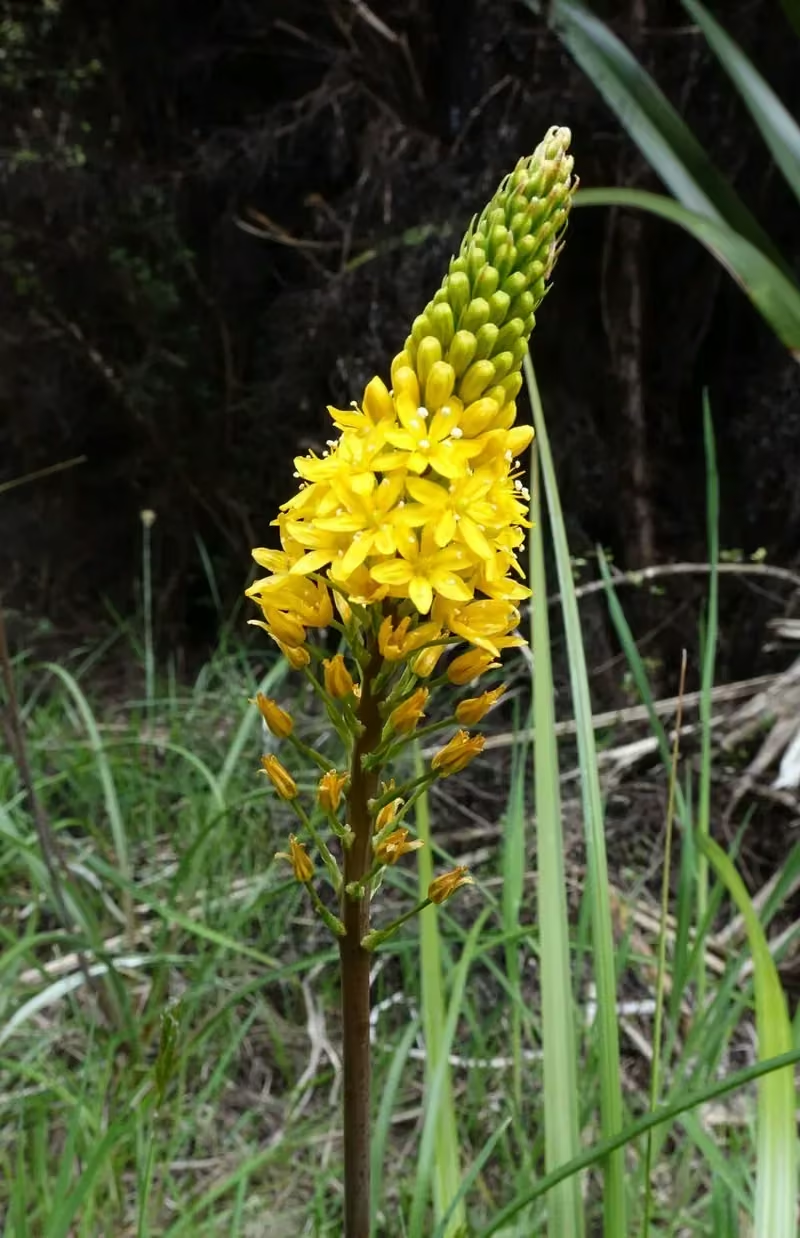
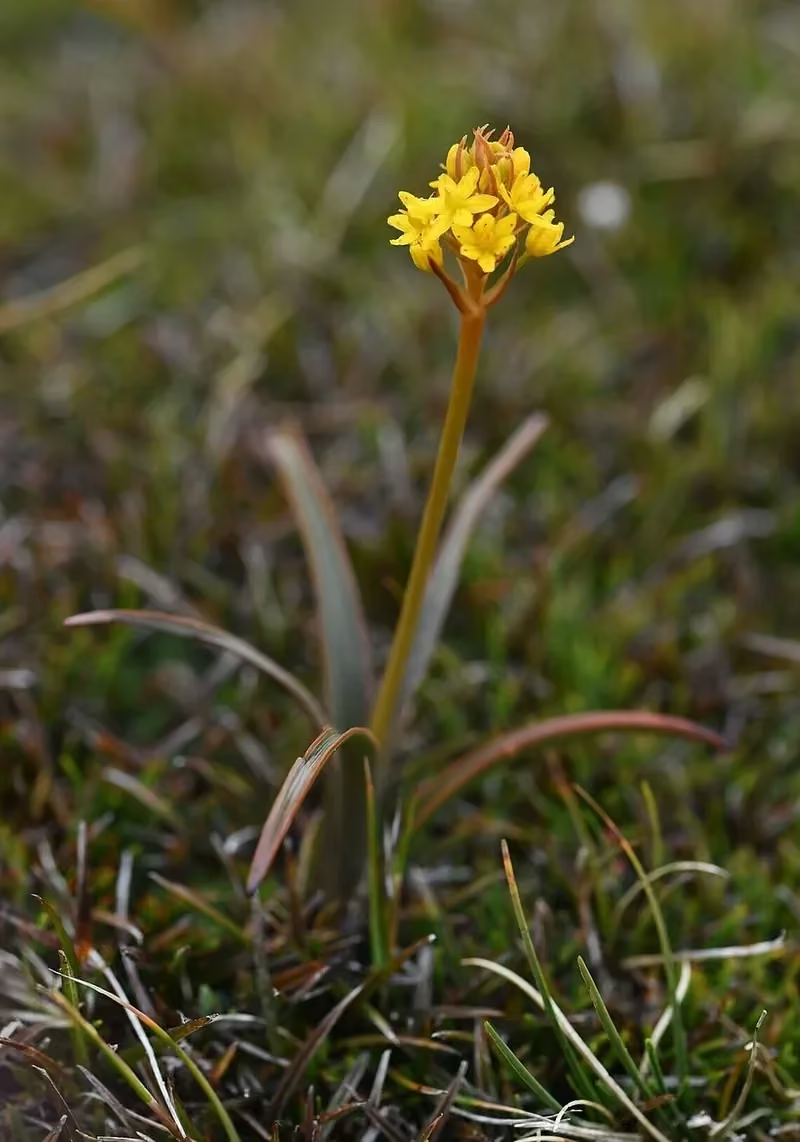
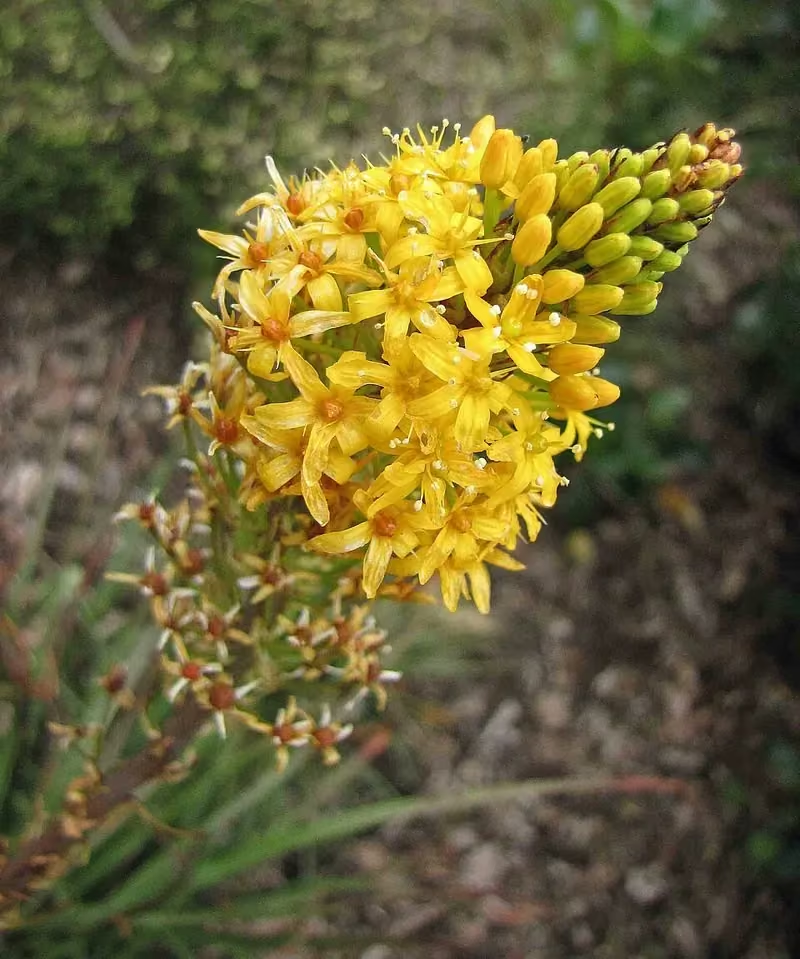
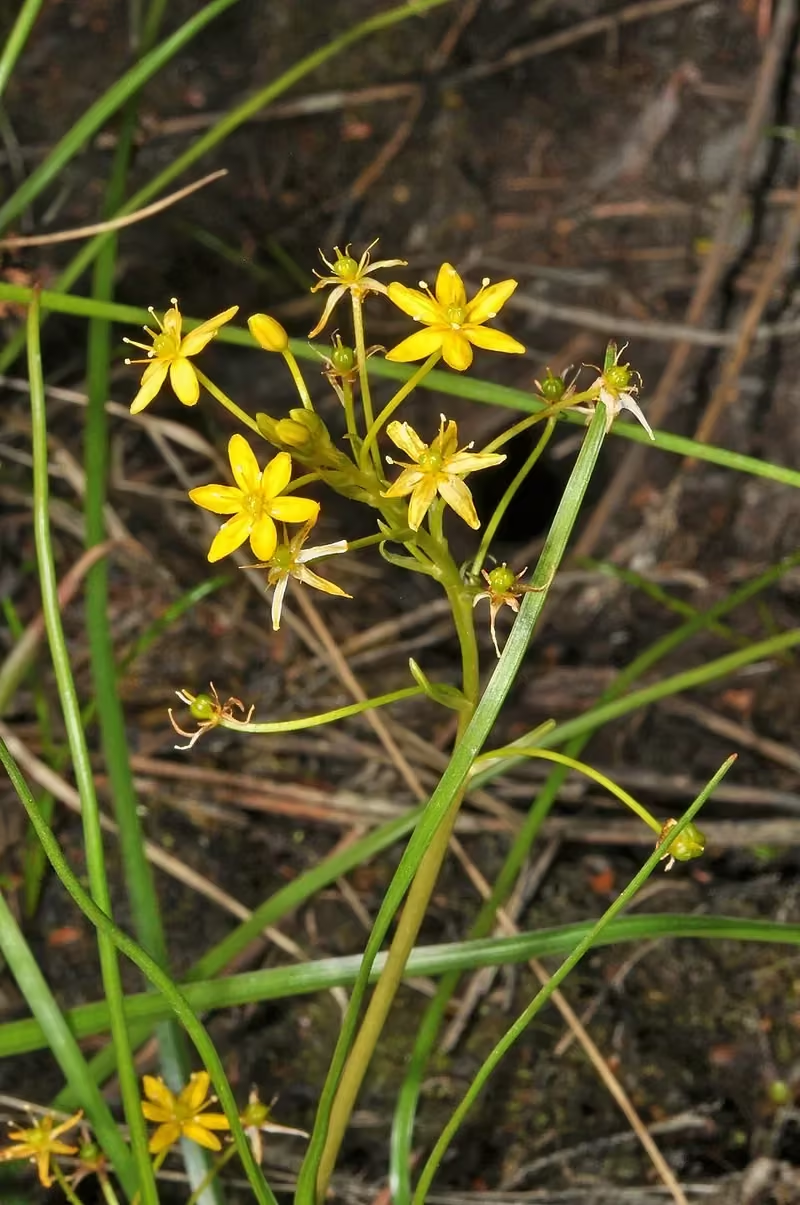
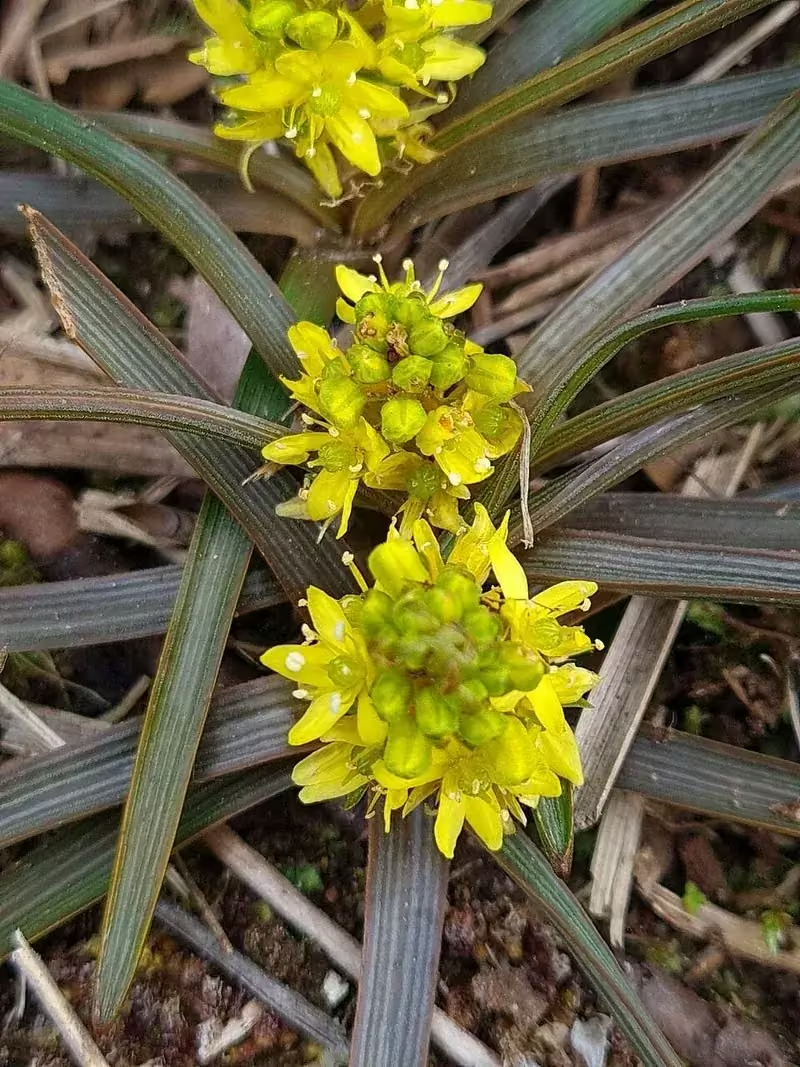
Ross's Lily ( Bulbinella rossii ) is a magnificent, stout, perennial lily, often referred to as a megaherb due to its substantial size, growing up to 1 meter tall with a basal diameter of up to 40 mm. Its leaves are fleshy, dark green, and strap-like, reaching lengths of 0.6-1 meter and widths of 15-60 mm. The plant produces a striking cylindrical flower spike (raceme), up to 600 mm long, densely packed with numerous golden-yellow to sulfur-yellow flowers, sometimes faintly tinged with orange. Each flower is approximately 10-14 mm in diameter. Following the flowering period from October to January, it develops broadly ovoid capsules about 10 mm long, containing dark brown to black, narrowly winged seeds, which mature from December to March. This dioecious species is a truly iconic part of the New Zealand subantarctic flora.
Quick Facts
| Scientific Name | Bulbinella rossii |
|---|---|
| Height | Up to 1 meter (3 feet 3 inches) |
| Spread | 0.5 to 1 meter (estimated) |
| Water Needs | High (prefers moist, peaty soil) |
| Light | Full Sun to Partial Shade |
| Frost Tolerance | High (down to -12°C) |
| Salt Tolerance | Moderate to High (coastal subantarctic habitat) |
| Growth Rate | Moderate |
| Lifespan | Perennial (Long) |
Climate Best Suited to
Ross's Lily is endemic to the subantarctic Auckland and Campbell Islands of New Zealand, thriving in their cool, moist, and often windy climates. It is adapted to open herbfields and tussock grasslands from sea level to the tops of the island ranges, preferring soils with high water content, often peaty. Its high frost tolerance (down to -12°C) makes it suitable for cool temperate zones, but it generally requires consistent moisture and cool conditions.
Regional Suitability
| City | Climate Suitability |
|---|---|
| Best suited to cool, moist, and temperate climates, particularly those mimicking subantarctic conditions. Requires consistent moisture and can tolerate frosts. Difficult to cultivate outside its natural range. | |
Plant Habitat
Bulbinella rossii is endemic to New Zealand's subantarctic Auckland Islands and Campbell Island/Motu Ihupuku. It is a widespread and common species from sea level to the highest points of these islands, flourishing in open herbfields and tussock grasslands. It prefers disturbed sites and is often found in dense colonies, particularly near old habitations. Its habitat is characterized by cool temperatures and soils with high water content, typically peaty. While primarily a hydrophyte (a plant adapted to grow in water or very wet conditions), it can occasionally be found in drier uplands.
Growing Requirements
Soil Requirements
Ross's Lily thrives in deep, moist, peaty soil with good drainage. It is adaptable to a range of soil types but consistently moist conditions are crucial. Enriching the soil with organic matter will help mimic its natural peaty habitat.
- Deep, moist, peaty soil
- Good drainage
- Rich in organic matter
Light Requirements
Bulbinella rossii prefers full sun to partial shade. In its natural subantarctic environment, it experiences long daylight hours during summer. When cultivated, a cool, lightly shaded environment can be beneficial, especially in warmer climates, to prevent stress.
- Full Sun to Partial Shade
- Cool, lightly shaded environment beneficial in cultivation
Water Requirements
This megaherb requires consistent and high levels of moisture, preferring wet to boggy conditions due to its natural habitat in areas with high water content. The soil should never be allowed to dry out completely. Good drainage is still important to prevent waterlogging and root rot.
- High, consistent moisture
- Wet to boggy conditions preferred
- Good drainage still required
Planting and Establishing
Cultivating Ross's Lily is generally considered difficult outside its natural subantarctic habitat. For successful establishment, replicate its preferred conditions: deep, moist, peaty soil in a cool, lightly shaded to full sun environment. Ensure excellent drainage while maintaining consistent high moisture. Plant in spring in a location protected from harsh winds. If growing from root cuttings, place them just below the soil surface. For seeds, cold stratification (4 weeks) can speed up germination, which can otherwise take weeks to months. Seedlings grown indoors for two years before transplanting have a better chance. Space plants approximately 40 cm apart in rich, moist, acidic soil.
Ecological Role
As an endemic megaherb of New Zealand's subantarctic islands, Bulbinella rossii plays a crucial ecological role. It forms dense colonies in open herbfields and tussock grasslands, contributing significantly to the biomass and structure of these unique ecosystems. Its large size and abundant flowering provide food and habitat for various insects and possibly other fauna. Its presence helps define the character of the subantarctic flora and contributes to the overall biodiversity of these remote islands. Its classification as 'At Risk - Naturally Uncommon' highlights its vulnerability and the importance of its preservation. It is a key example of the unique megaherbs found in these regions.
Uses & Significance
Garden Uses
Ross's Lily is highly prized by collectors and specialist gardeners for its dramatic form and vibrant golden-yellow flower spikes. While challenging to cultivate outside its specific subantarctic climate, it can be a spectacular specimen plant in cool, moist, and sheltered gardens, or in specialized alpine houses in southerly New Zealand regions. Its striking appearance makes it an ornamental focal point where conditions allow.
- Ornamental Specimen
- Specialist & Alpine Gardens
- Collectors' Plant
- Educational Display
Ecological Value
The ecological value of Bulbinella rossii is immense due to its endemic and 'At Risk - Naturally Uncommon' status. It is a foundational component of the subantarctic island ecosystems, providing habitat and food resources within its herbfield and grassland communities. Its biomass contributes to soil development, and its role as a dioecious species highlights complex reproductive strategies in challenging environments. The plant's conservation is vital for maintaining the unique biodiversity of New Zealand's remote islands.
- Endemic Megaherb
- Habitat and Food Source
- Biodiversity Contributor
- Conservation Priority
Landscaping Uses
Due to its specific climatic and growing requirements, Bulbinella rossii is not a common landscaping plant. However, in suitable cool, moist, and temperate regions of New Zealand, particularly the more southerly parts, it can be a magnificent addition to specialist native plant gardens, large rockeries, or bog gardens where its conditions can be met. Its bold form and bright flowers make it a dramatic feature, best used as a specimen plant or in groups where its impressive size can be appreciated. It offers unique aesthetic value in landscapes designed to showcase New Zealand's rare and iconic flora.
Seasonal Care Calendar
Spring
New growth emerges. Ensure consistent high moisture levels. If propagating from seed, this is the time to start indoors.
- Consistent high moisture
- Seed propagation (indoors)
Summer
Flowering occurs from October to January. Maintain consistent high moisture, protecting from any prolonged dry periods. Fruit develops.
- Flowering (Oct-Jan)
- Consistent high moisture
- Fruit development (Dec-Mar)
Autumn
As temperatures cool, maintain moisture but ensure good drainage to prevent rot. Collect seeds for propagation.
- Maintain moisture
- Ensure good drainage
- Seed collection
Winter
Highly frost-tolerant, but continued high moisture is crucial. Protect from extreme winds if in exposed positions. Minimal maintenance required.
- High frost tolerance
- Consistent moisture
- Protect from extreme winds
When to Prune and How Much
Pruning for Ross's Lily is minimal. The main focus is on tidying and maintaining plant health rather than shaping.
- Remove spent flower stalks after fruiting to redirect energy to the plant.
- Clear away any dead or decaying leaves to prevent fungal issues.
- Avoid excessive disturbance to the rootstock.
Given its 'At Risk' status, careful handling during any maintenance is paramount.
How to Grow Ross's Lily
Cultivating Ross's Lily ( Bulbinella rossii ) outside its native subantarctic islands presents a significant challenge, making it a plant for specialist growers. Its 'At Risk - Naturally Uncommon' status means it should never be removed from the wild. Propagation is primarily for conservation and specialized horticultural efforts, with seed and root cuttings being the main methods. Success hinges on meticulously replicating its cool, moist, peaty habitat.
From Seed
Propagating Bulbinella rossii from seed is the most common method, though germination can be slow and erratic.
- Collect fresh, dark brown to black, narrowly winged seeds from mature capsules between December and March.
- Sow seeds thinly on the surface of a deep, well-draining, moist, peaty seed-raising mix in early spring. Lightly cover with a fine layer of mix or grit.
- While seeds can germinate without pre-treatment, a cold stratification period of 4 weeks (mixing seeds with moist sand and refrigerating) can significantly improve and speed up germination.
- Maintain consistent moisture in the seed tray, ensuring it is always damp but never waterlogged.
- Keep the tray in a cool environment (around 13°C or 55°F). Germination can take anywhere from two weeks to three months.
- Once seedlings have developed a few true leaves and are large enough to handle, carefully prick them out into individual pots containing a rich, moist, acidic, well-draining potting mix.
- Grow seedlings indoors in a cool, well-lit position for up to two years to allow them to establish a robust root system before attempting to transplant them outdoors.
From Root Cuttings/Division
Propagation from root cuttings or carefully dividing established clumps is another method, though it must be done with extreme care due to the plant's sensitivity.
- In late winter or early spring, carefully unearth an established plant, minimizing disturbance to the main root system.
- Gently separate offsets or small root sections with developing shoots. Ensure each section has some roots attached.
- Plant these sections just below the soil surface in individual pots filled with the same rich, moist, peaty, well-draining mix used for seedlings.
- Maintain consistent moisture and cool temperatures. Protect from direct sun until new growth is evident and the plant is clearly established.
- This method can be more direct than seed propagation but carries a higher risk of shock to the parent plant and the cuttings if not done meticulously.
Additional Considerations
Due to its vulnerability and specialized needs, commercial propagation and sale of wild-collected Bulbinella rossii are generally discouraged. Focus on creating an environment that mimics its natural subantarctic conditions, including high humidity, cool temperatures, and constant moisture, coupled with good drainage.
Pests & Diseases
Ross's Lily ( Bulbinella rossii ), while generally robust in its native environment, can be susceptible to issues when cultivated outside its ideal conditions. Its primary vulnerabilities are environmental rather than specific pests or diseases.
- Root Rot: The most significant threat, often caused by poor drainage combined with high moisture. Despite preferring wet conditions, excellent drainage is crucial to prevent waterlogging around the roots.
- Desiccation: Although it prefers moist conditions, strong, hot, dry winds or inadequate watering in cultivation can lead to the plant drying out and becoming stressed.
- Fungal Issues: In overly humid conditions without good air circulation, fungal diseases can occur. Maintaining good airflow is important.
- Browsing Pests: In its native habitat, introduced mammalian pests, if present, could pose a threat, but this is less of a concern in cultivated, protected environments.
- General Garden Pests: While not specifically noted, like most plants, it could theoretically be affected by general garden pests such as slugs or snails, especially young plants, but these are usually minor concerns.
The best defense against problems for Ross's Lily is to diligently provide its preferred growing conditions: consistently moist, well-drained, peaty soil, cool temperatures, and protection from harsh elements.
Cultural Significance
Ross's Lily ( Bulbinella rossii ) holds significant cultural and national importance in New Zealand. As an endemic megaherb of the remote subantarctic Auckland and Campbell Islands, it symbolizes the unique and fragile biodiversity of these extreme environments. Its iconic status is further cemented by its depiction on the reverse of the New Zealand five-dollar note. The species is named after Dr. James Ross, a British naval officer and polar explorer. Its classification as 'At Risk - Naturally Uncommon' emphasizes its protected status and the need for ongoing conservation efforts to safeguard this extraordinary component of New Zealand's natural heritage.
- Endemic New Zealand megaherb
- Iconic status, featured on the NZ five-dollar note
- Named after Dr. James Ross
- Symbol of subantarctic biodiversity
- 'At Risk - Naturally Uncommon' conservation status
Bonus Tip
To truly appreciate the unique beauty of Ross's Lily, consider its scale and dramatic form. If cultivating, ensure it has ample space and a consistent supply of moisture, particularly if attempting to grow it in a temperate garden that does not naturally mimic its cool, wet subantarctic home.
Related Plants
Explore other native plants that share similar characteristics or habitats with Ross's Lily ( Bulbinella rossii ), offering further insights into New Zealand's diverse flora. These related species provide context and opportunities for complementary planting in your garden. For another alpine plant, explore Mountain Daisy.


Plant Conservation
Bulbinella rossii is classified as 'At Risk - Naturally Uncommon' under the New Zealand Threat Classification System. This status is primarily due to its confined geographical distribution to the subantarctic Auckland and Campbell Islands. While common within these islands, its limited range makes it vulnerable to threats such as climate change, habitat degradation, and the introduction of pests. Conservation efforts are crucial and focus on protecting its unique island habitats and monitoring its populations to ensure the long-term survival of this iconic New Zealand megaherb.
Frequently Asked Questions
How tall does Ross's Lily grow?
Ross's Lily grows up to about 1 metre tall, with a flower spike reaching up to 600 mm long.
Where does Bulbinella rossii grow naturally?
It is endemic to New Zealand's subantarctic Auckland and Campbell Islands, from sea level to the highest points.
When does Ross's Lily flower?
It flowers from October to January, producing dense spikes of golden-yellow to sulphur-yellow flowers.
Is Ross's Lily frost tolerant?
Yes, it has high frost tolerance down to about -12 degrees Celsius and prefers cool, moist, peaty soils.
Sources and Further Reading
The botanical, growing, and conservation details for Ross's Lily (Bulbinella rossii) on this page draw on authoritative New Zealand plant references and citizen-science observation records. Consult the sources below for full technical records and the latest distribution data.