Parahebe
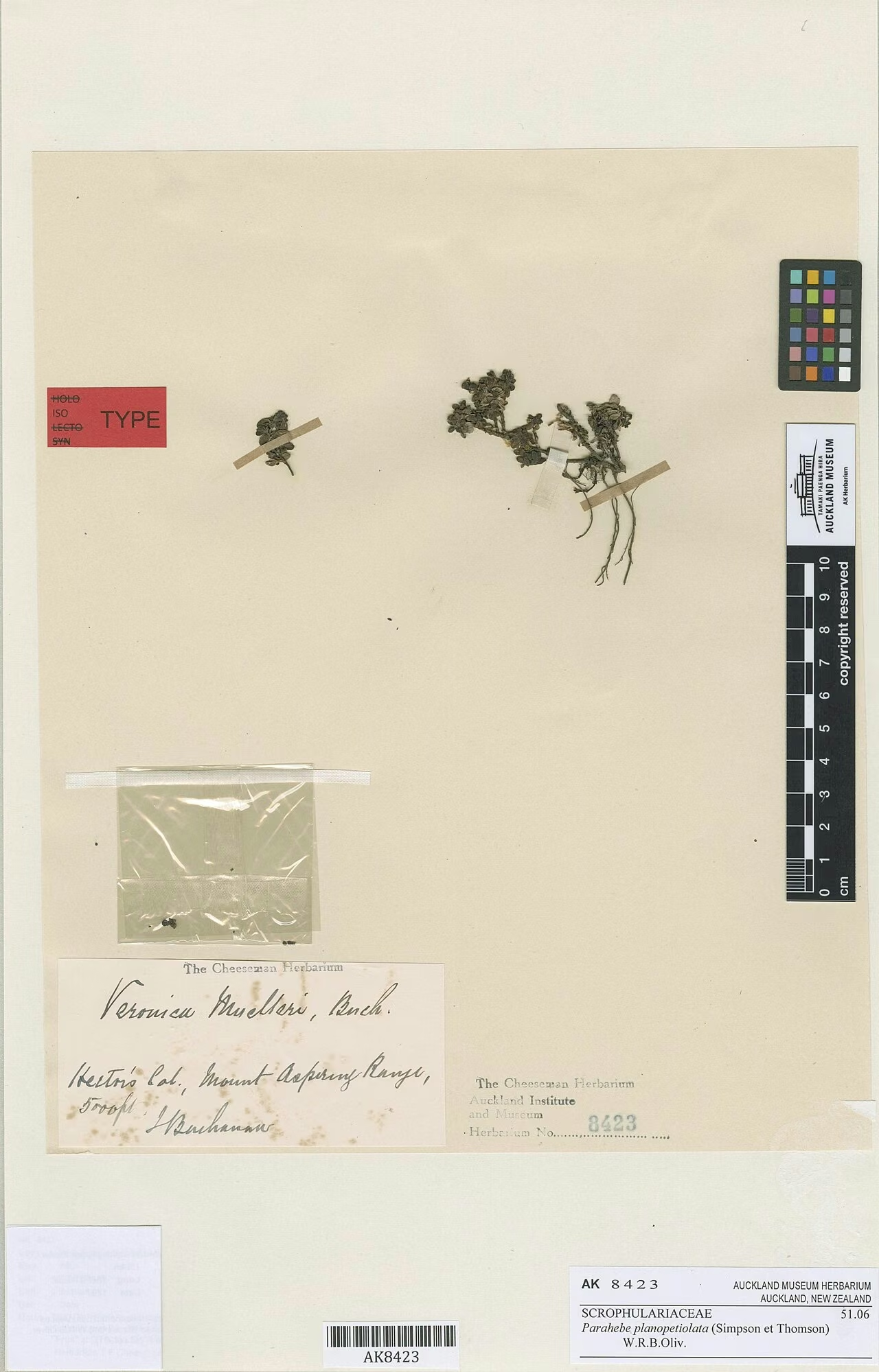
Veronica planopetiolata
Last updated:
Veronica planopetiolata, formerly Parahebe planopetiolata, is a tiny alpine subshrub endemic to the southern South Island. It forms loose cushions or mats no more than about 5 cm tall, with prostrate branches and small glossy green leaves on flattened stalks. In summer it carries one or two relatively large white, pink or violet flowers per inflorescence, followed by strongly flattened capsules. It lives on scree, moraine, fellfield and cliffs between about 1220 and 1770 m in South Westland, western Otago, the Eyre Mountains and Fiordland. It is ranked At Risk - Naturally Uncommon and is difficult to cultivate. Explore more native ground covers in our native plant guide.
Plant Description
Veronica planopetiolata is a subshrub forming loose cushions or mats up to 50 mm tall. The stems are brown, the branches prostrate, and the branchlets red-brown. Leaves are hairless except for finely ciliate petioles, oblanceolate to rhomboid, 2-10 mm long and 1-6 mm wide, glossy green above and dull beneath.
Flowers are borne one or two per inflorescence and are relatively large for the size of the plant, with a corolla 7-9 mm across. The tube and throat are white, pink or violet at opening. Capsules are strongly flattened, notched or two-lobed, 3-4 mm long and 4-4.5 mm wide. NZPCN gives flowering from November to January and fruiting from December to April, while the Flora of New Zealand records flowers from January to March.
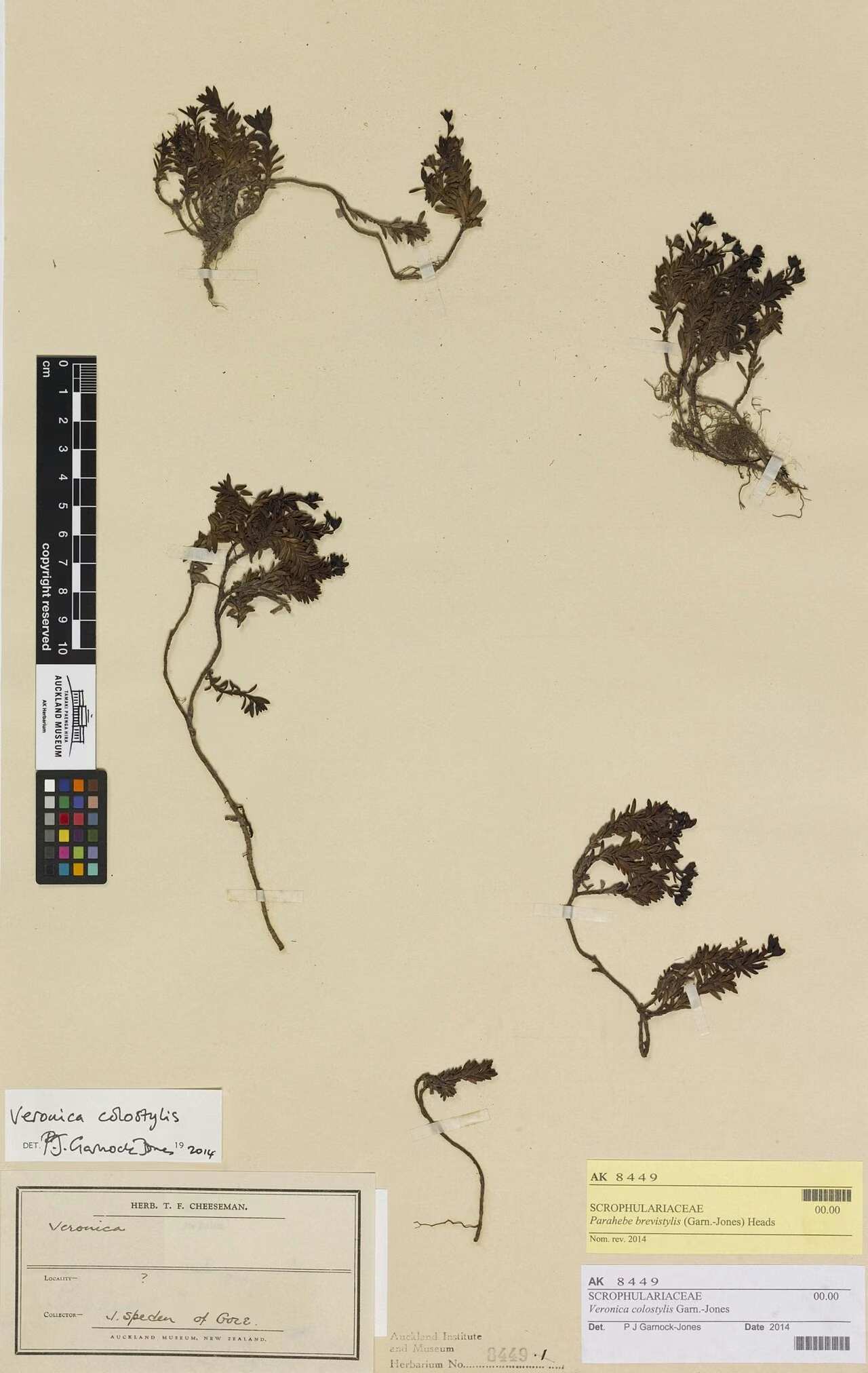
It belongs to the snow hebe group of alpine veronicas. The Flora of New Zealand separates it from Veronica zygantha by its more compact habit and narrower leaves, and from Veronica colostylis by its more flattened capsules and larger seeds, 0.8-1.1 mm long compared with 0.5-0.8 mm.
Quick Facts
| Scientific Name | Veronica planopetiolata |
|---|---|
| Height | Up to 0.05 m |
| Spread | Loose mats; width not recorded in sources consulted |
| Water Needs | Moderate; cool, moist root run with sharp drainage |
| Light | Full sun |
| Frost Tolerance | Very high; an alpine species |
| Salt Tolerance | Not recorded; an inland alpine plant, so assume none |
| Growth Rate | Slow |
| Lifespan | Perennial |
Climate Best Suited to
A plant of cold, snowy high-alpine climates in the southern Southern Alps and Fiordland. It needs cool summers and does poorly in warm, humid lowland gardens.
Regional Suitability
| City | Climate Suitability |
|---|---|
| Auckland | Low |
| Wellington | Low |
| Christchurch | Low |
| Dunedin | Medium |
Plant Habitat
Veronica planopetiolata is endemic to the South Island. It is recorded from South Westland and western Otago along the main divide in Mount Aspiring and Westland National Parks, from Mt Tyndall, from the Symmetry Peaks in the Eyre Mountains of Southland, and from Fiordland at Mt McPherson and near Lake Wapiti.
It is a subalpine to alpine plant, recorded by the Flora of New Zealand between about 1220 and 1769 m. It inhabits scree, moraine, fellfield and cliff faces, where its flat mats creep across stony ground that is snow covered for part of the year.
Growing Requirements
Soil Requirements
In the wild it grows in raw rock debris with almost no soil. Cultivation demands a very gritty, sharply drained mix.
- Use mostly coarse grit, pumice or scoria with a little loam
- Never use rich or water-retentive potting mix
- Top-dress with stone chips to keep the collar dry
- A deep root run keeps roots cool
Light Requirements
It grows on open alpine slopes with no tree cover. NZPCN recommends a sunny position with a cool root run.
- Full sun for the foliage
- Shade the roots with rocks or plunge pots in sand
- Avoid hot, reflected heat in summer
Water Requirements
Alpine screes are well watered by rain and snowmelt but drain instantly. Keep roots steadily moist without letting the crown sit wet.
- Water from below or at the edge of the mat
- Never let pots dry right out in summer
- Keep plants drier and well ventilated in winter
Planting and Establishing
This is a plant for an alpine house, trough or carefully built scree in a cool district. Plant among rocks with a deep layer of grit, so the roots can reach cool moisture under the stones while the foliage stays dry.
Only use plants raised in cultivation; it is a naturally uncommon species and should never be collected from the wild.
Ecological Role
Its relatively large white to violet flowers on a tiny mat attract insect visitors during the short alpine summer; native flies, bees and moths are likely pollinators, though no species-specific study was found.
As a mat-former on scree, moraine and fellfield it is part of the sparse pioneer vegetation of high alpine rock, where it helps trap fine debris and provides shelter for alpine invertebrates.
Uses & Significance
Garden Uses
Suitable only for experienced alpine plant growers.
- Alpine house pans
- Troughs in cool southern gardens
- Specialist scree beds
- Botanic garden alpine collections
Ecological Value
It is a range-restricted endemic of the southern alpine zone and part of New Zealand's distinctive snow hebe group.
- Contributes to alpine plant diversity
- Flowers provide nectar in the short alpine season
- Stabilises fine scree material
Landscaping Uses
In a trough or alpine bed, set it against a flat stone so its mat can spread across the rock face. The large pale flowers stand out against dark stone.
Combine with other small alpine natives that need the same cool, gritty conditions, and keep the planting open so the mat is not shaded.
Seasonal Care Calendar
Spring
Growth resumes as the snow melts in its natural habitat; in cultivation, new shoots appear in early spring.
- Refresh the grit top-dressing
- Begin regular watering
Summer
Flowers appear from late spring into late summer, followed by flattened capsules.
- Shade the pot or roots in heat
- Keep evenly moist
Autumn
Capsules ripen and can persist after the flowering season.
- Collect seed from cultivated plants
- Take small cuttings
Winter
Dormant under snow in the wild. In cultivation, keep it cold, airy and on the dry side.
- Protect from winter wet
- Ensure good air movement
When to Prune and How Much
No pruning is needed. Remove dead shoots carefully with fine scissors to prevent rot spreading through the mat.
Avoid disturbing the mat beyond tidying, as slow-growing alpines recover poorly from heavy cutting.
How to Grow Parahebe
NZPCN notes that Veronica planopetiolata is difficult to cultivate, and no detailed propagation protocol for this species was found in the sources consulted. The methods below follow the general practice used for related alpine parahebes and snow hebes: small cuttings and fresh seed from cultivated plants. Propagation material should come from existing cultivated stock or be collected only under the appropriate permits, since the wild populations are naturally uncommon and grow largely within national parks.
From Cuttings
Short shoots taken from the edge of a healthy mat offer the best chance of rooting. Keep them cool; heat and humidity quickly cause rot in alpine material.
- Take 1-3 cm shoot tips from the mat edge in late spring or early autumn
- Remove the lowest leaves
- Insert into pure pumice or a sand and pumice mix
- Keep in a cool, shaded frame with good ventilation
- Pot into a gritty alpine mix once roots form
From Seed
Seeds are relatively large for the group, 0.8-1.1 mm long. Fresh seed from ripe capsules should be sown promptly, and exposure to winter cold may help, as with many alpine species.
- Collect capsules when they dry and begin to split
- Sow on a gritty seed mix and cover lightly with fine grit
- Stand the pot outside over winter to experience cold
- Keep moist and watch for germination in spring
- Grow seedlings on slowly in a cool, bright place
Pests & Diseases
No specific pests are recorded for this species. In cultivation, slugs, snails and aphids can damage the small mat.
Rot caused by warm, humid or poorly drained conditions is the main cause of failure. Good ventilation and a grit collar help prevent it.
Cultural Significance
No Māori name or traditional Māori use is recorded for Veronica planopetiolata in the sources consulted. It grows in remote high-alpine country.
The species was described by George Simpson and J. Scott Thomson as a Veronica and later placed in Parahebe by W.R.B. Oliver, who also described Parahebe muelleri, now treated as a synonym. The epithet refers to its flat leaf stalks.
Bonus Tip
Grow it in a clay pot plunged into a bed of damp sand in an alpine house or shaded frame. The sand keeps the roots cool and evenly moist, imitating the cool root run beneath alpine scree that NZPCN recommends.
Related Plants
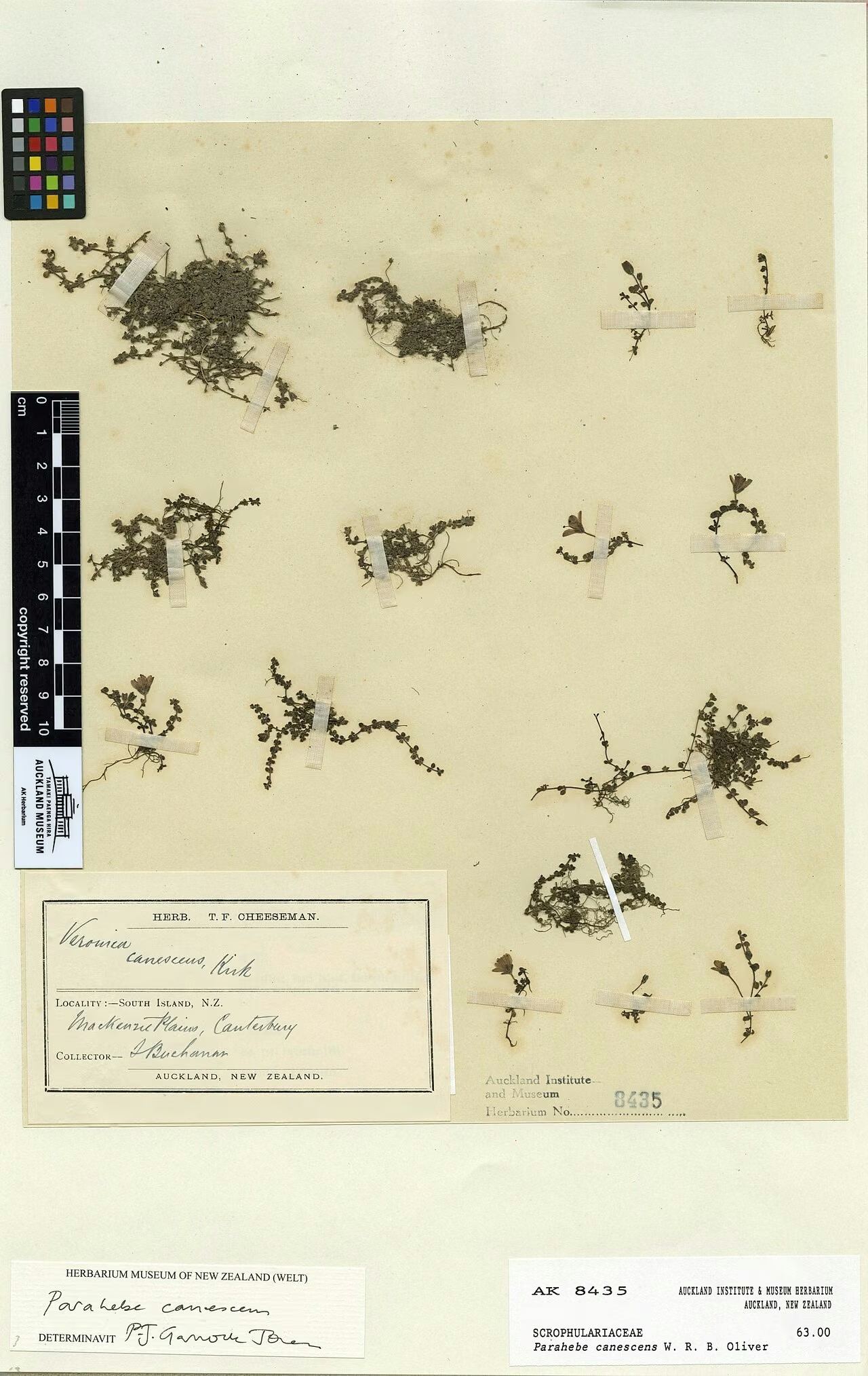
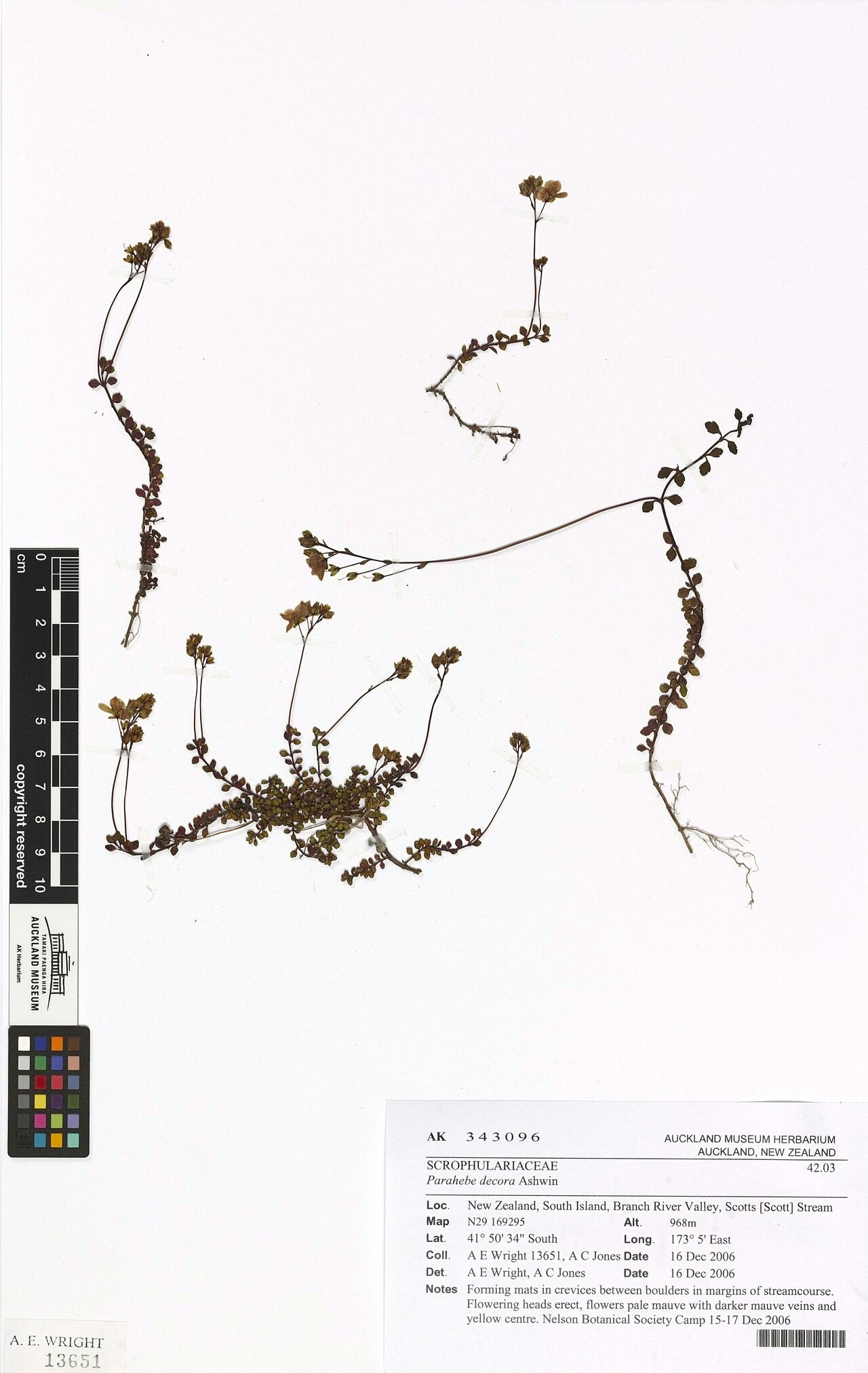
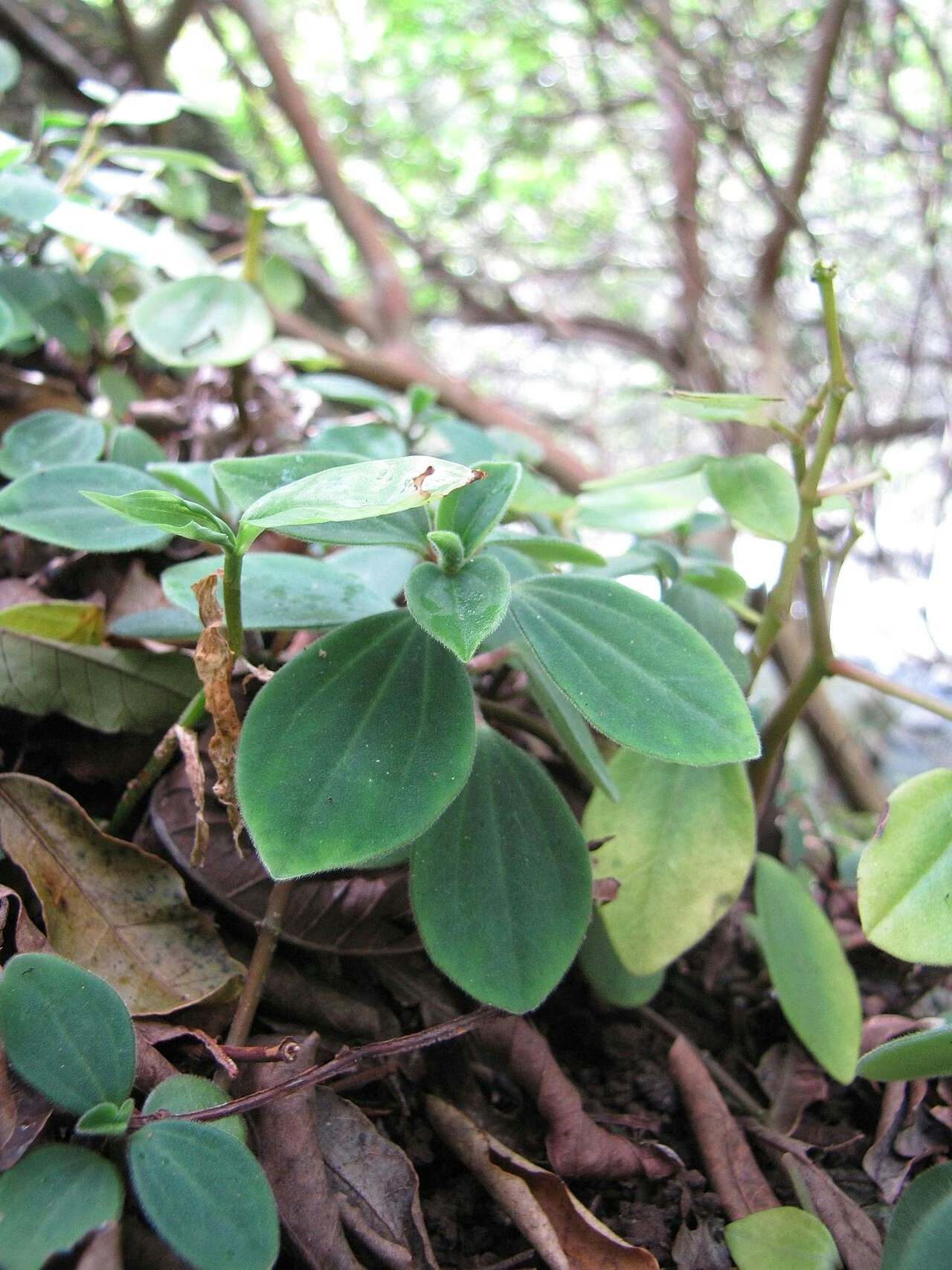
Explore other native plants that share similar characteristics or habitats with Parahebe (Veronica planopetiolata), offering further insights into New Zealand's diverse flora. These related species provide context and opportunities for complementary planting in your garden.
Plant Conservation
Veronica planopetiolata is ranked At Risk - Naturally Uncommon (2023), with qualifiers indicating it is sparse (Sp), range restricted (RR) and data poor for size and trend (DPS, DPT).
Most known sites lie in remote, protected country, so direct threats are limited. Climate warming that reduces snow cover and allows other plants to move upslope could affect high-alpine specialists like this in future. Do not collect plants from the wild.
Frequently Asked Questions
Why is Veronica planopetiolata classed as Naturally Uncommon?
It is ranked At Risk - Naturally Uncommon because it occupies a small range of high alpine scree, moraine and fellfield in the southern South Island, with qualifiers noting it is sparse and range restricted.
Where can you see Veronica planopetiolata in the wild?
It grows along the main divide in Mount Aspiring and Westland National Parks, on Mt Tyndall, the Symmetry Peaks in the Eyre Mountains, and in Fiordland at Mt McPherson and near Lake Wapiti.
Can Veronica planopetiolata be grown in a garden?
NZPCN says it is difficult to cultivate and best grown in a rock garden or alpine house in a sunny position with a cool root run, so it suits specialist alpine growers only.
What does the name planopetiolata mean?
It refers to the flat leaf stalks (petioles), a feature of this species, whose leaves are hairless apart from finely fringed petioles.
Sources and Further Reading
The botanical, growing, and conservation details for Parahebe (Veronica planopetiolata) on this page draw on the New Zealand plant references below. Consult them for full technical records and the latest distribution data.