Hebe
Veronica kellowiae
Last updated:
Veronica kellowiae, previously known as Hebe ramosissima, is one of the smallest New Zealand hebes: a sprawling, fleshy-leaved alpine shrub only about 15 cm tall. Its reddish branches carry pairs of small, thick, dark green oval leaves 3-9.5 mm long, and in summer the shoot tips bear short spikes up to 2 cm long of small white flowers with magenta anthers. It is endemic to the mountains of east Marlborough, south-east Nelson and north Canterbury, especially the Inland and Seaward Kaikōura Ranges, where it grows on alpine rock and scree, often in moist places, from about 1200 m to 2652 m. It is ranked At Risk - Naturally Uncommon. Explore more native shrubs in our native plant guide.
Plant Description
Veronica kellowiae is a diminutive sprawling shrub or subshrub reaching about 0.15 m tall, with decumbent stems that are reddish and finely hairy. The leaves are in opposite pairs joined at their bases, narrowly obovate to diamond-shaped, 3.3-9.5 mm long and 1.5-5.5 mm wide, thick, leathery and dark green, giving the plant a fleshy look.
The small white flowers are carried in short spikes up to about 2 cm long at the tips of the twigs. Each corolla is 3-6 mm across with a white tube 2.8-3.5 mm long and four white lobes, and the anthers are magenta. Flowering is from December to February, and the hairless, pointed capsules, 3.7-4 mm long, ripen from December to March.
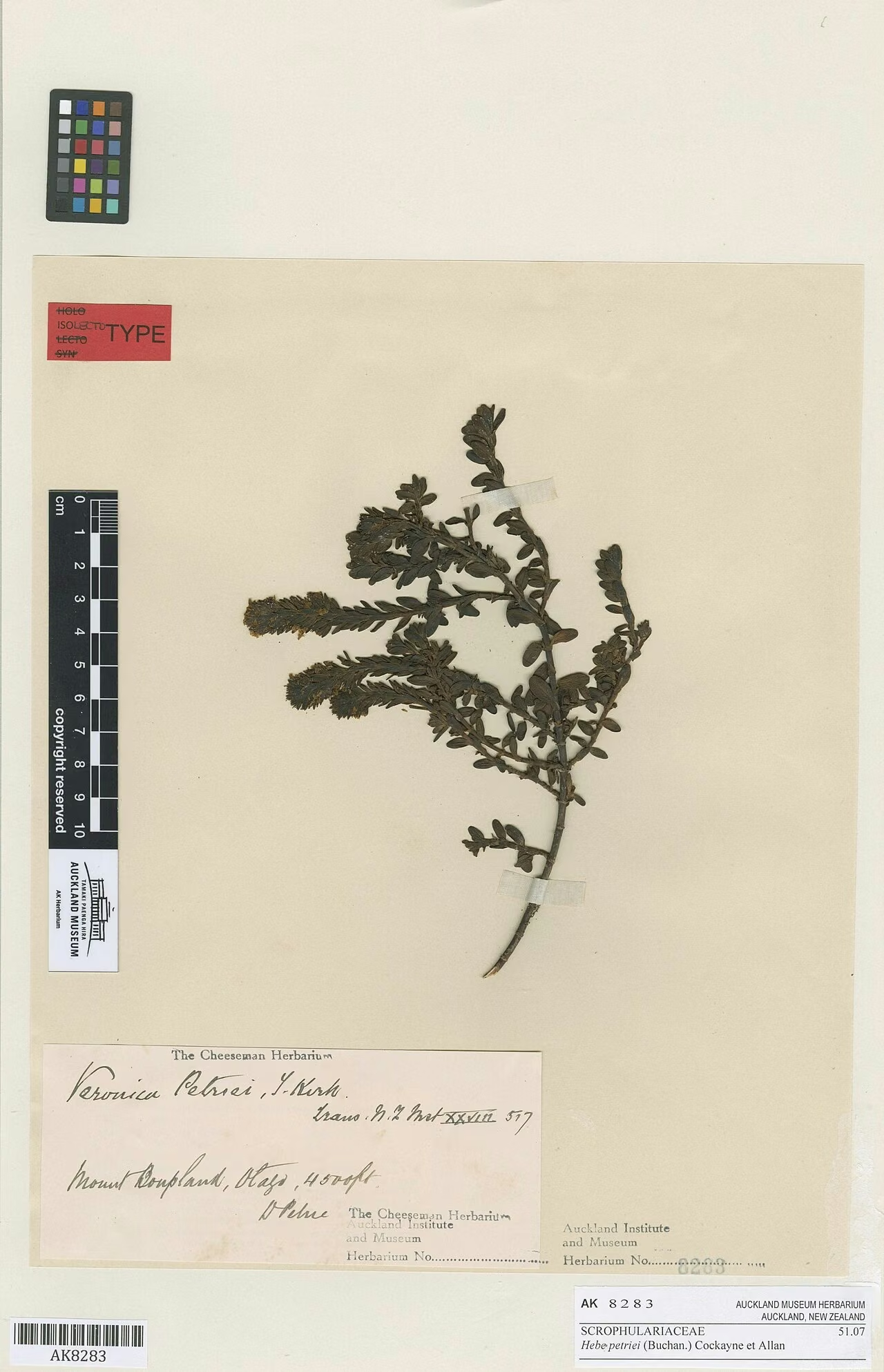
Its closest relative is Veronica macrocalyx, which usually has more flower spikes and a longer calyx. Veronica petriei of Otago and Southland shares the sprawling fleshy-leaved habit but has puberulent leaves and stalked flowers, and the two species do not overlap geographically.
Quick Facts
| Scientific Name | Veronica kellowiae |
|---|---|
| Height | Up to 0.15 m |
| Spread | Sprawling, decumbent stems; exact spread not recorded |
| Water Needs | Moist; often grows in damp scree |
| Light | Full sun on open alpine rock |
| Frost Tolerance | Very high; recorded to 2652 m |
| Salt Tolerance | Low; an inland alpine species |
| Growth Rate | Slow |
| Lifespan | Perennial |
Climate Best Suited to
It is adapted to the harsh high-alpine climate of the Kaikōura Ranges, with intense frost, snow cover, strong sun and dry north-westerly winds. It is unsuited to warm or humid lowland conditions.
Regional Suitability
| City | Climate Suitability |
|---|---|
| Auckland | Low |
| Wellington | Low |
| Christchurch | Medium |
| Dunedin | Medium |
Plant Habitat
Veronica kellowiae is endemic to the South Island, in the mountains of east Marlborough, south-east Nelson and north Canterbury. It is best known from the Inland and Seaward Kaikōura Ranges, with records from Mount Weld, Mount Terako and Mount Lyford.
It grows on alpine rocks and scree, often in moist places such as seepages or damp hollows in the scree, at recorded elevations from about 1200 m up to 2652 m. This high-alpine zone is snow-covered for much of winter and has a short growing season.
Growing Requirements
Soil Requirements
In the wild it roots into greywacke scree and rock crevices with little soil but steady moisture below the surface. In cultivation use an extremely free-draining scree mix.
- Coarse grit and pumice with only a little loam
- Moist at depth but never waterlogged
- Low nutrient levels
- Stone chip mulch around the stems
Light Requirements
It grows on open alpine slopes with strong sunlight, but often in moister niches, so cool roots are as important as bright light.
- Full sun in cool climates
- Shade the pot or roots from hot afternoon sun
- Good ventilation at all times
Water Requirements
Its preference for moist places in scree means it needs reliable moisture through summer, combined with fast drainage.
- Keep the root zone evenly moist in summer
- Water at the base, not over the foliage
- Drier in winter, but not bone dry
Planting and Establishing
Veronica kellowiae is a specialist alpine and is rarely seen in cultivation; no cultivation notes specific to it were found. It would be best attempted in an alpine house, a deep trough or a purpose-built scree bed in a cool district. Never collect plants from the wild.
Plant in spring, setting the crown slightly proud of the surface and surrounding it with stone chip. A large stone beside the plant helps keep its roots cool and moist, mimicking scree conditions.
Ecological Role
Its small white flowers with magenta anthers provide summer nectar and pollen for high-alpine insects. No pollination study specific to this species was found, though small alpine hebes are generally visited by native flies, bees and moths. The seeds are small and likely carried by wind.
On unstable scree, low sprawling shrubs like this one help trap fine material and moisture, creating small sheltered patches used by alpine invertebrates.
Uses & Significance
Garden Uses
This is a collector's plant for alpine enthusiasts and botanic gardens, not a general garden shrub.
- Alpine house and trough culture
- Scree beds in cool South Island gardens
- Conservation and teaching collections of Kaikōura alpine flora
Ecological Value
As a narrow endemic of the Kaikōura Ranges and nearby mountains, it adds to one of the most distinctive alpine floras in New Zealand.
- Part of the specialised high-alpine scree flora
- Nectar and pollen source in a short summer season
- Recorded at elevations up to 2652 m
Landscaping Uses
In a trough or scree garden, Veronica kellowiae can be planted between rocks with other small alpines, where its red stems and dark green leaf pairs show up against pale stone.
Keep it at the front of any planting and away from vigorous neighbours, since a plant only 15 cm tall is easily smothered.
Seasonal Care Calendar
Spring
Growth resumes late in its alpine home as the snow melts.
- Refresh stone chip mulch
- Check for winter rot
Summer
Flowers appear from December to February in short white spikes at the shoot tips.
- Keep roots cool and moist
- Shade pots in hot weather
Autumn
Capsules ripen from December to March.
- Collect seed from cultivated plants
- Take small tip cuttings
Winter
Extremely frost-hardy, but wet, still air around the plant can cause rot.
- Keep drainage clear
- Protect pots from constant rain if needed
When to Prune and How Much
No pruning is needed. Remove dead shoots with fine scissors and snip off spent flower spikes if seed is not wanted.
Do not cut into old wood; this tiny, slow-growing shrub has little capacity to recover from hard pruning.
How to Grow Hebe
No published propagation method specific to Veronica kellowiae was found, so the guidance below follows standard practice for small fleshy-leaved alpine hebes in the Connatae group. Use only material from plants already in legal cultivation; wild populations are naturally uncommon and some lie within conservation land. Alpine hebes from high altitudes are especially prone to rot, so keep propagation material cool, bright and well ventilated at every stage, and avoid heated, enclosed propagating cases.
From Seed
Capsules ripen from December to March. Collect them as they turn brown and sow promptly. Leaving seed trays outdoors over winter exposes the seed to natural cold, which suits many high-alpine species.
- Gather ripe capsules from cultivated plants and dry them in a paper envelope
- Sow thinly onto a gritty seed mix
- Cover with a fine layer of grit
- Place outdoors in a cool, bright, sheltered spot and keep moist
- Pot seedlings individually once they have a few leaf pairs
From Cuttings
Short tip cuttings of firm growth offer the most reliable way to multiply a plant of known origin. Because the shoots are tiny, handle them gently and use a very open rooting medium.
- Take 2-3 cm tip cuttings in late summer
- Remove the lowest pair or two of leaves
- Insert into pure pumice or a pumice and sand mix
- Keep in bright shade with free air movement
- Pot into scree mix once roots have formed
Pests & Diseases
No pests or diseases specific to Veronica kellowiae are recorded. In cultivation, root and collar rot in warm or poorly drained conditions is the main risk, and fungal problems such as downy mildew can appear in humid, stagnant air.
In the wild, browsing by introduced herbivores such as chamois and hares is a potential pressure on alpine plants in the Kaikōura Ranges.
Cultural Significance
No traditional Māori name or use is recorded for Veronica kellowiae. Hebes generally are known as koromiko, a name mostly used for larger lowland species.
The plant was first described as Veronica kellowiae in 1942 by George Simpson and John Scott Thomson. When hebes were merged into Veronica it was given the new name Veronica kellowiae, honouring Alison Valerie Kellow, who revised the taxonomy of the Connatae group and co-authored An Illustrated Guide to New Zealand Hebes.
Bonus Tip
When searching herbarium records, older literature or nursery lists for this species, try all three names: Veronica kellowiae, Veronica kellowiae and Leonohebe ramosissima. In the field, its very small size, red stems and short white spikes with magenta anthers on Kaikōura scree are the best clues.
Related Plants
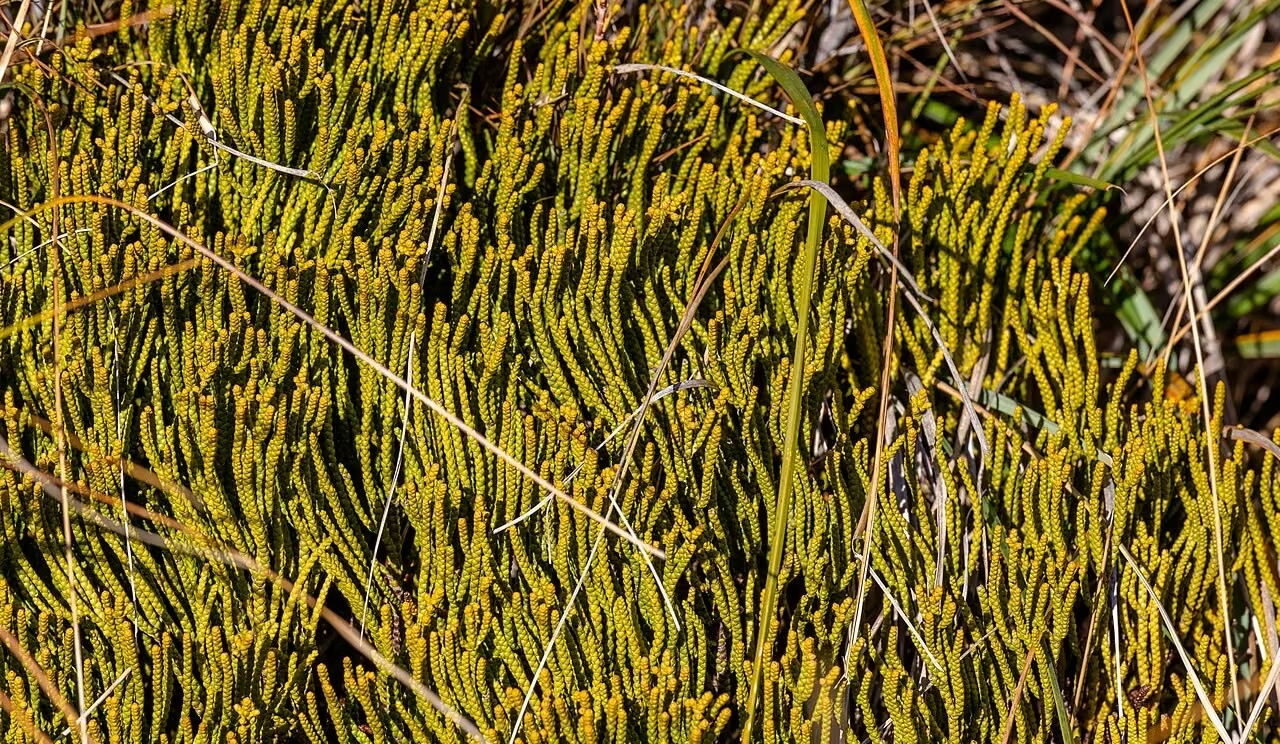
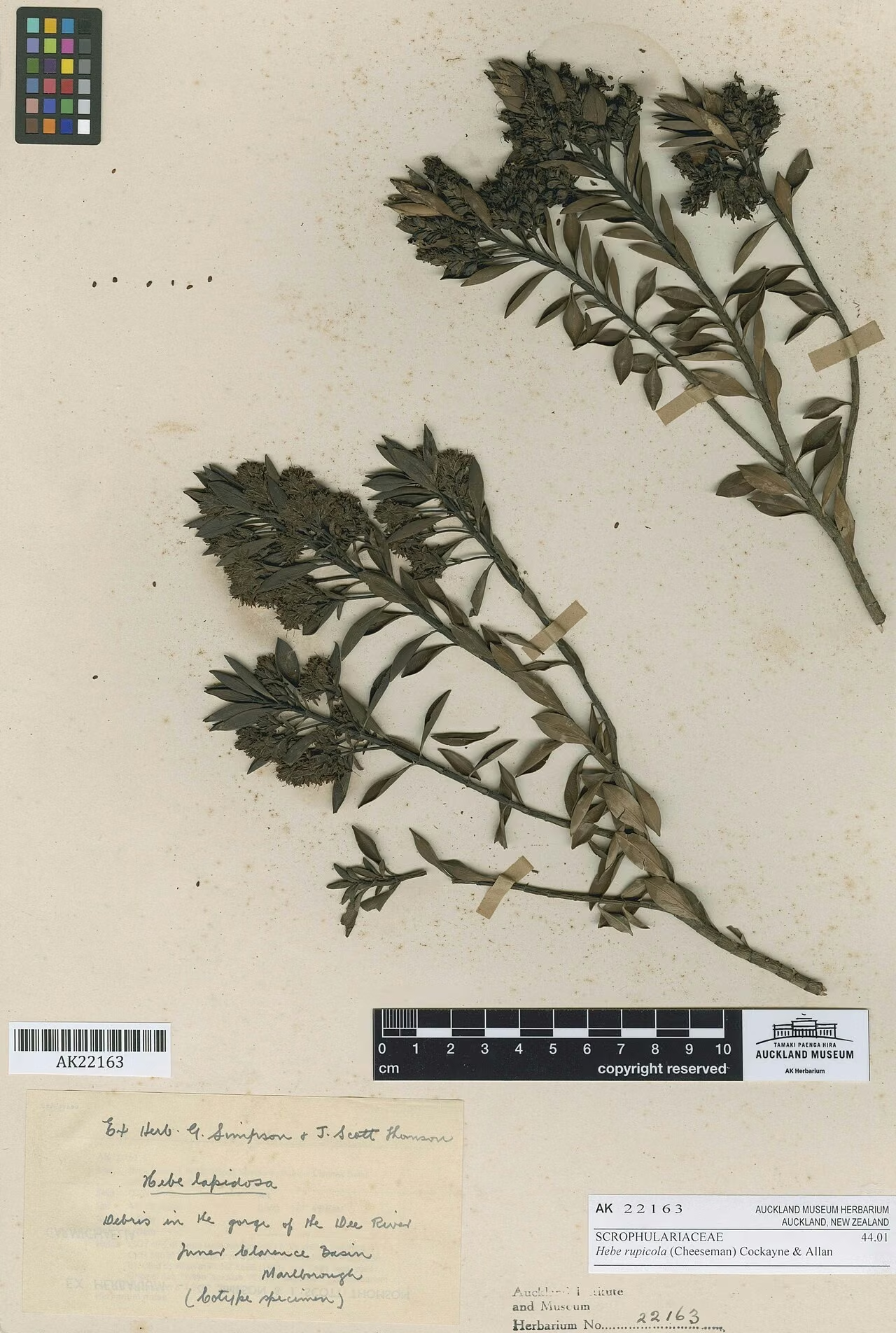
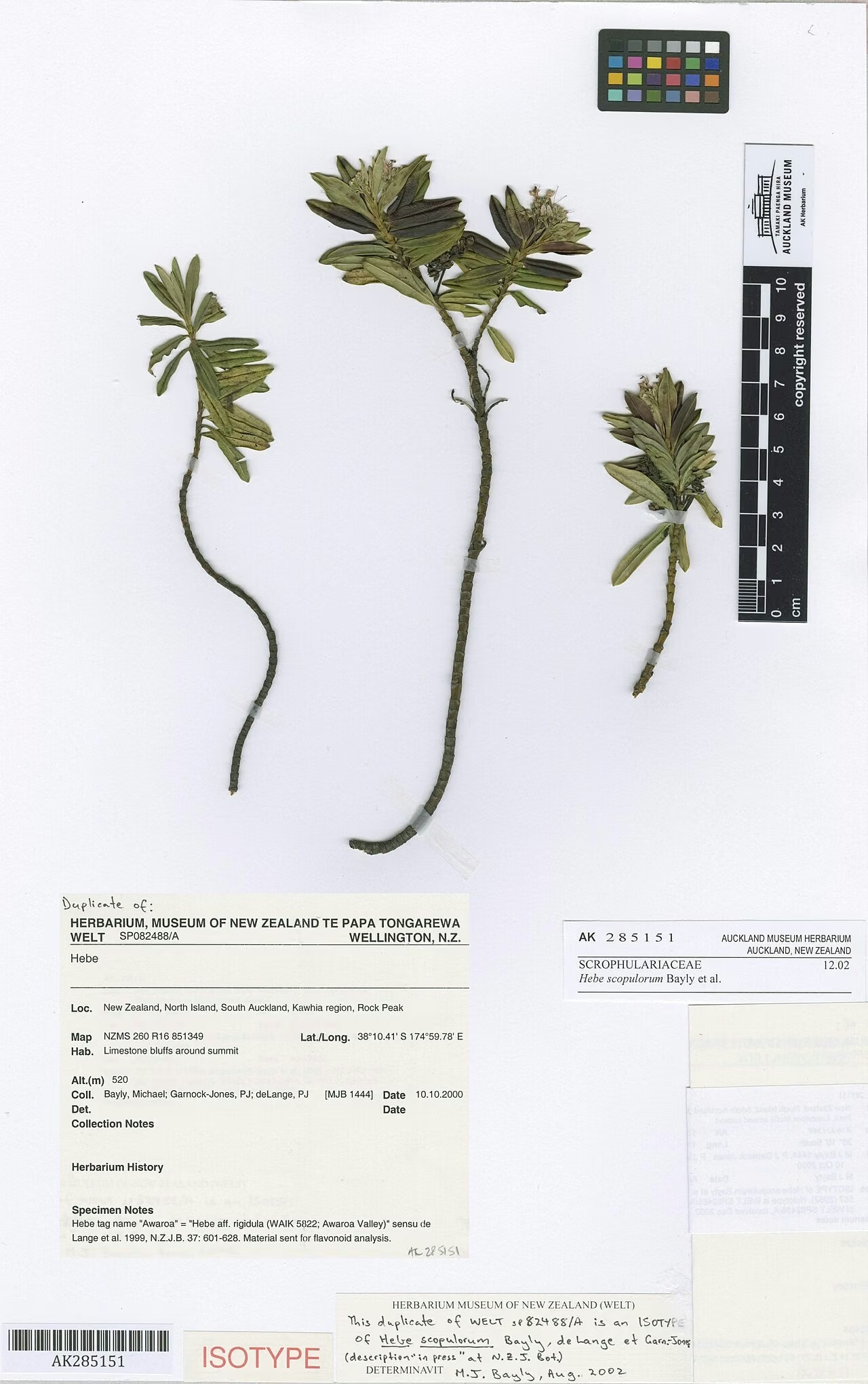
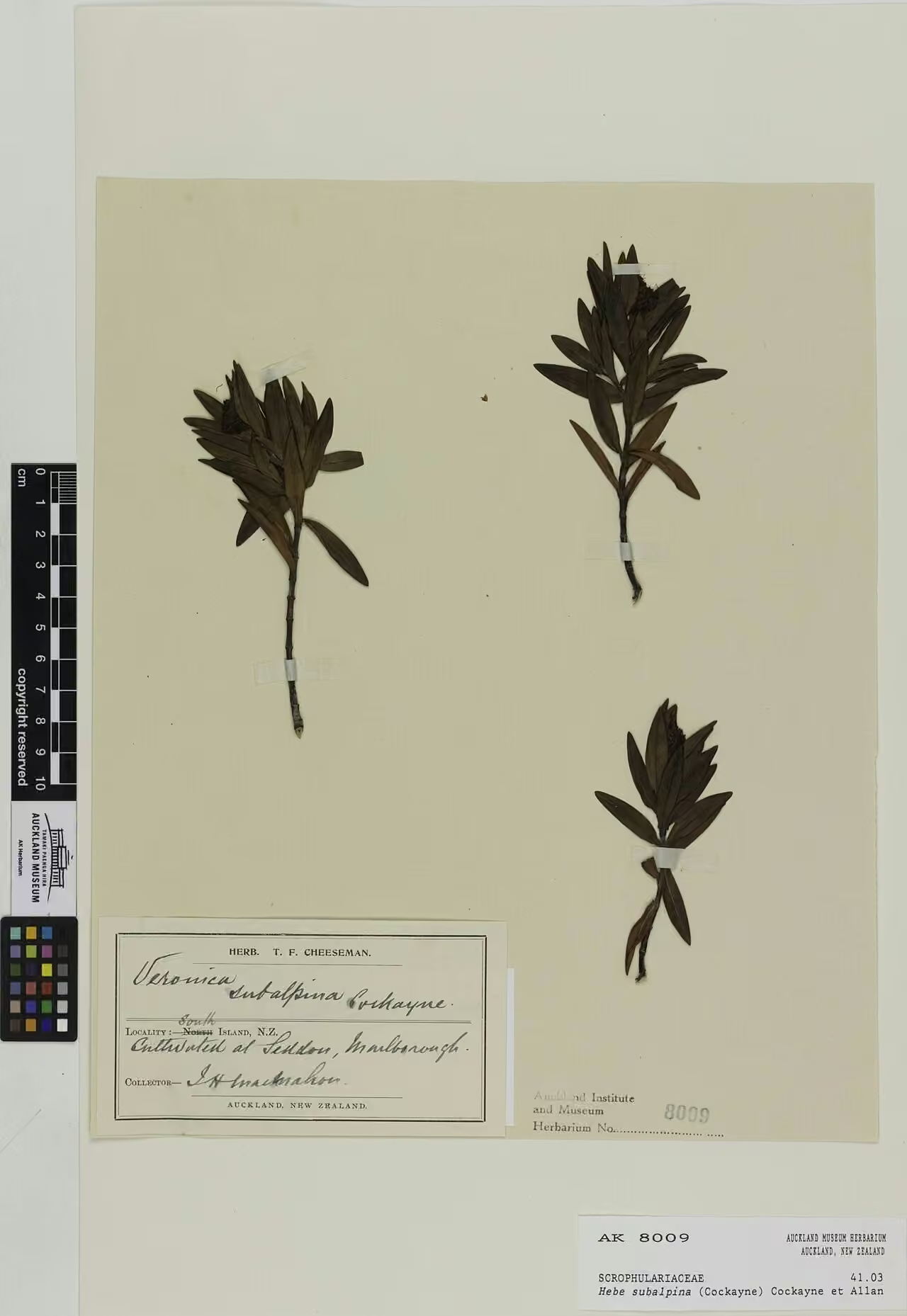
Explore other native plants that share similar characteristics or habitats with Hebe (Veronica kellowiae), offering further insights into New Zealand's diverse flora. These related species provide context and opportunities for complementary planting in your garden.
Plant Conservation
Veronica kellowiae is ranked At Risk - Naturally Uncommon in the 2023 New Zealand Threat Classification assessment, with the qualifier Sp (sparse), and has held that ranking since at least 2012. It is naturally sparse across a restricted range of high mountains.
Its remote high-alpine habitat offers some protection, but browsing animals and climate warming, which may shrink the area of suitable alpine scree, are potential threats. Control of chamois and hares in the Kaikōura Ranges benefits this and other alpine plants.
Frequently Asked Questions
What is the new name for Veronica kellowiae?
Hebe ramosissima is now called Veronica kellowiae. When New Zealand hebes were transferred into Veronica, this species received a new epithet honouring the botanist Alison Kellow.
Who was Veronica kellowiae named after?
It honours Alison Valerie Kellow, who revised the taxonomy of the fleshy-leaved Connatae group of hebes and co-wrote An Illustrated Guide to New Zealand Hebes.
Where does Veronica kellowiae grow?
It grows on alpine rock and scree, often in moist spots, in the Inland and Seaward Kaikōura Ranges and nearby peaks such as Mount Terako, Mount Lyford and Mount Weld, at about 1200-2652 m.
How is Veronica kellowiae different from Veronica macrocalyx?
Veronica macrocalyx is its closest relative but usually has more flower spikes and a longer calyx. Veronica petriei is similar in form but has finely hairy leaves and stalked flowers.
Sources and Further Reading
The botanical, growing, and conservation details for Hebe (Veronica kellowiae) on this page draw on the New Zealand plant references below. Consult them for full technical records and the latest distribution data.