Hebe
Veronica colensoi
Last updated:
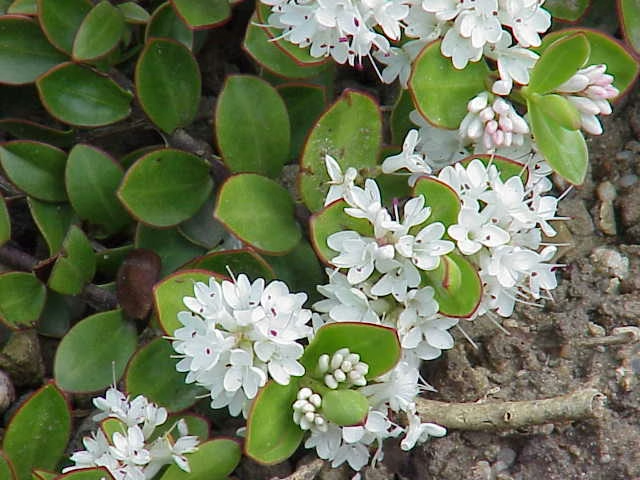
Veronica colensoi (formerly Hebe colensoi) is a low-growing, blue-green shrub usually up to 0.4 m tall, occasionally to 0.75 m, with pairs of glaucous leaves that are M-shaped in cross-section and spikes of small white flowers in spring. It is a rock specialist endemic to the central North Island, growing on outcrops, bluffs, gorges and riverbanks in the upper catchments of the Moawhango, Mohaka, Rangitīkei, Taruarau and Ngaruroro rivers. It is ranked At Risk - Naturally Uncommon because of its restricted range and sparse populations, and makes an attractive grey-blue rock garden plant. Explore more native shrubs in our native plant guide.
Plant Description
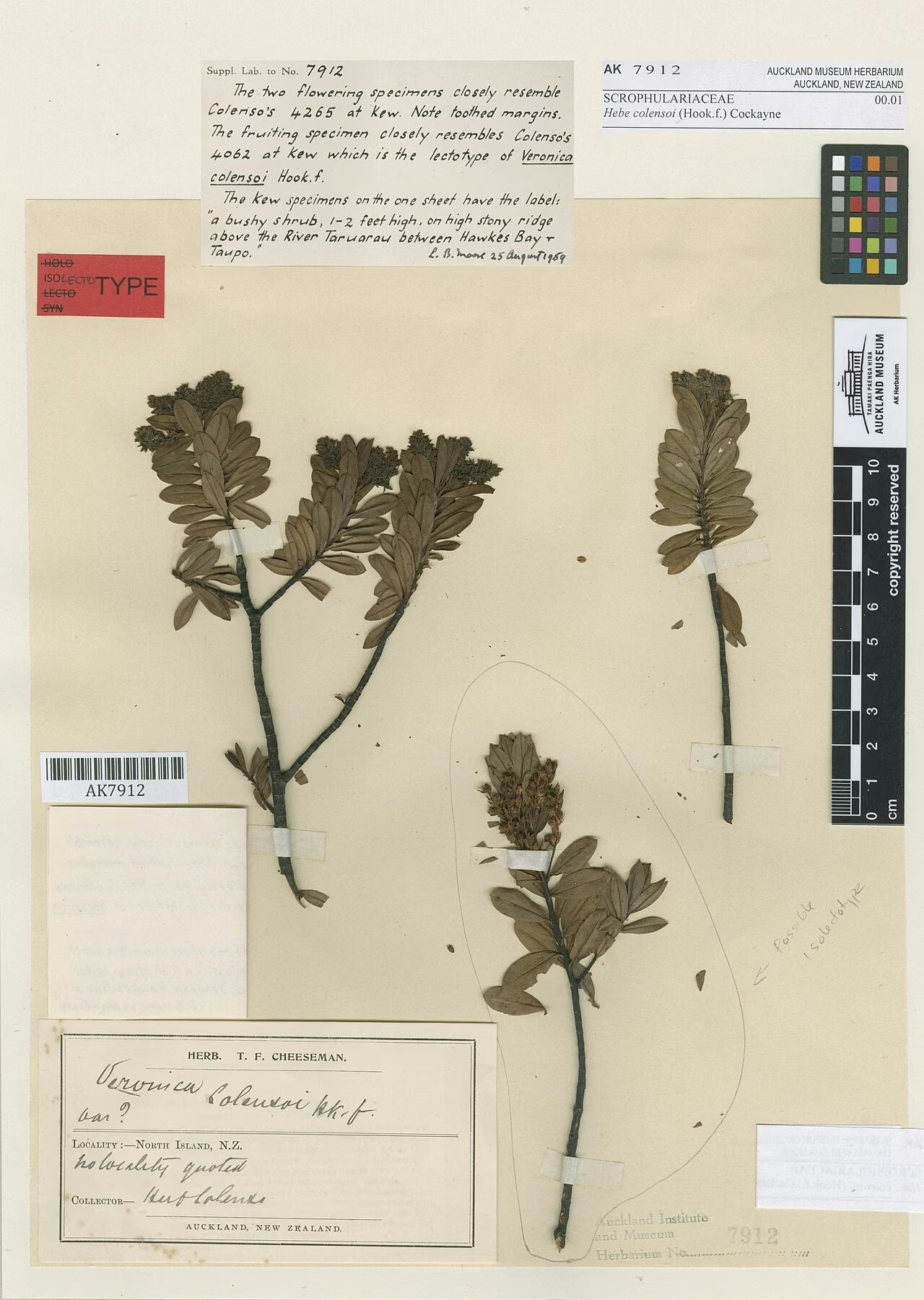
Veronica colensoi is an openly branched small bushy shrub or spreading low shrub, usually up to 0.4 m tall and occasionally to 0.75 m, with erect branches. Old stems are brown or grey and the young branchlets are green, becoming brown, and hairless or very sparsely hairy.
The leaves are obovate or elliptic, leathery, mostly 14 to 27 mm long and 4.5 to 9 mm wide, glaucous (blue-green with a waxy bloom) on both surfaces, and shallowly M-shaped in cross-section with slightly rolled margins that may bear small notches. The leaf bud has a narrow, acute sinus. Spikes of about 15 to 21 white flowers, 2.5 to 4.5 cm long, appear mainly from September to November, and the small capsules ripen from December to April.
Its low-growing rock-dwelling habit, leaf bud sinus, leaves glaucous on both surfaces and M-shaped in section, and corolla tubes shorter than or equal to the calyx distinguish it. It is most similar to Veronica scopulorum, which differs in having hairs along the midrib on the upper leaf surface rather than a glaucous surface.
Quick Facts
| Scientific Name | Veronica colensoi |
|---|---|
| Height | Usually up to 0.4 m, occasionally 0.75 m |
| Spread | 0.3-0.6 m |
| Water Needs | Low to moderate; sharp drainage |
| Light | Full sun |
| Frost Tolerance | High; grows in cold inland gorges |
| Salt Tolerance | Low; an inland plant |
| Growth Rate | Slow to moderate |
| Lifespan | Perennial shrub |
Climate Best Suited to
It suits the cool, frosty inland climate of the central North Island high country, with cold winters, warm dry summer spells and good air movement. It dislikes humid, stagnant conditions.
Regional Suitability
| City | Climate Suitability |
|---|---|
| Auckland | Low |
| Wellington | Medium |
| Christchurch | High |
| Dunedin | Medium |
Plant Habitat
Veronica colensoi is endemic to the central North Island, where it is confined to the upper catchments of the Moawhango, Mohaka, Rangitīkei, Taruarau and Ngaruroro rivers, inland of Hawke's Bay and east of the volcanic plateau.
It grows on rock outcrops on bluffs, in gorges and along riverbanks. These cliff and rock habitats are naturally scattered, which is why its populations are sparse and separated.
Growing Requirements
Soil Requirements
In the wild it roots into rock crevices and thin, stony soil. In gardens it needs very free-draining, gritty soil of low to moderate fertility.
- Gritty or rocky soil
- Excellent drainage essential
- Little or no fertiliser
Light Requirements
As a plant of open rock faces, it needs full sun to keep its glaucous colour and compact shape.
- Full sun
- Avoid shade from overhanging plants
Water Requirements
Rock outcrops shed water fast but gorge and riverbank sites can be humid with mist and spray. Aim for regular moisture with no waterlogging.
- Water deeply but infrequently in dry spells
- Do not let water sit around the roots
Planting and Establishing
Plant in spring into a rock garden, dry stone wall, crevice garden or raised bed with plenty of grit. Set the plant slightly high so the collar stays dry.
It is particularly suited to growing in the pockets of a stone wall, which mimics the bluff and gorge faces where it grows naturally.
Ecological Role
Its white spring flowers provide nectar and pollen for insects such as native bees and flies. NZPCN notes the seeds are wind dispersed, allowing them to lodge in crevices on cliffs and river banks.
As a rupestral (rock-dwelling) specialist, it occupies cliff and gorge habitats where competition from taller vegetation is limited, alongside other rock-loving plants of the central North Island ranges.
Uses & Significance
Garden Uses
A compact blue-green hebe that suits rock gardens and walls, valued for its waxy foliage.
- Rock and crevice gardens
- Stone wall plantings
- Low foliage contrast in dry borders
Ecological Value
It is part of the specialised rock-face flora of central North Island river gorges, a habitat with several uncommon plants.
- Spring nectar for native insects
- Restricted-range North Island endemic
- Colonises bare rock outcrops
Landscaping Uses
Use its blue-green foliage as a cool contrast to bronze sedges and green mat plants in a rock garden. It looks best tucked between boulders, where its spreading habit softens hard edges.
A few plants in a dry stone wall or on a terraced bank can echo the river gorge habitat it comes from.
Seasonal Care Calendar
Spring
The main flowering season, with spikes of white flowers from September to November.
- Plant out new stock
- Enjoy the main flowering display
Summer
Flowering finishes by January and capsules develop.
- Water in prolonged dry spells
- Remove spent spikes
Autumn
Capsules ripen and semi-hardwood cuttings can be taken.
- Collect seed
- Take cuttings
Winter
Hardy to frost; the glaucous foliage stays attractive.
- Keep drainage clear
- Little maintenance needed
When to Prune and How Much
Trim spent flower spikes after flowering in early summer to keep the plant tidy and encourage dense growth.
Avoid hard pruning into old wood. If plants become leggy, take cuttings and replace them rather than cutting back severely.
How to Grow Hebe
NZPCN does not give specific propagation notes for Veronica colensoi, but like most hebes it can be raised from semi-hardwood cuttings and from fresh seed. Cuttings reliably reproduce the parent plant, while seed from garden plants growing near other hebes may give hybrids. For restoration in its native river catchments, use locally sourced material and collect only small amounts from wild plants with permission, as populations are sparse.
From Cuttings
Semi-hardwood cuttings taken after flowering usually give the best results. Use a gritty mix to avoid rot, as this species is adapted to dry rock faces.
- In summer or autumn, take 5 to 8 cm cuttings from non-flowering shoots
- Remove the lower leaves and dip the base in rooting hormone
- Insert into a mix of pumice and fine bark
- Keep lightly shaded and just moist until roots form
- Pot on into gritty mix and harden off in full sun
From Seed
Capsules ripen from December to April. The small seeds can be sown fresh in autumn. Germination is usually best after a cool winter outdoors, with seedlings appearing in spring as temperatures rise.
- Collect capsules as they brown and start to split
- Sow thinly on the surface of a fine, gritty seed mix
- Cover with a thin layer of fine grit
- Keep cool and moist in a sheltered spot
- Prick out seedlings when large enough to handle and grow on in pots
Pests & Diseases
In gardens the main problem is root and collar rot in wet or heavy soils. Downy mildew and leaf spot can appear in humid, still conditions.
In the wild its rock-face habitat offers some protection from browsing, but weeds and browsing animals can affect more accessible riverbank sites.
Cultural Significance
The species honours William Colenso (1811-1899), a Cornish Christian missionary to New Zealand who was also a printer, botanist, explorer and politician, and who travelled widely in the central North Island and Hawke's Bay. No Māori name or traditional use specific to this species was found in the sources consulted.
Plants from some areas were once separated as Veronica hillii or Veronica colensoi var. hillii, but these are now included within Veronica colensoi.
Bonus Tip
To keep the striking blue-green colour, grow it hard: full sun, lean gritty soil and little fertiliser. Plants grown soft in rich, shaded soil lose much of their waxy bloom and become more prone to fungal disease.
Related Plants
Explore other native plants that share similar characteristics or habitats with Hebe (Veronica colensoi), offering further insights into New Zealand's diverse flora. These related species provide context and opportunities for complementary planting in your garden.
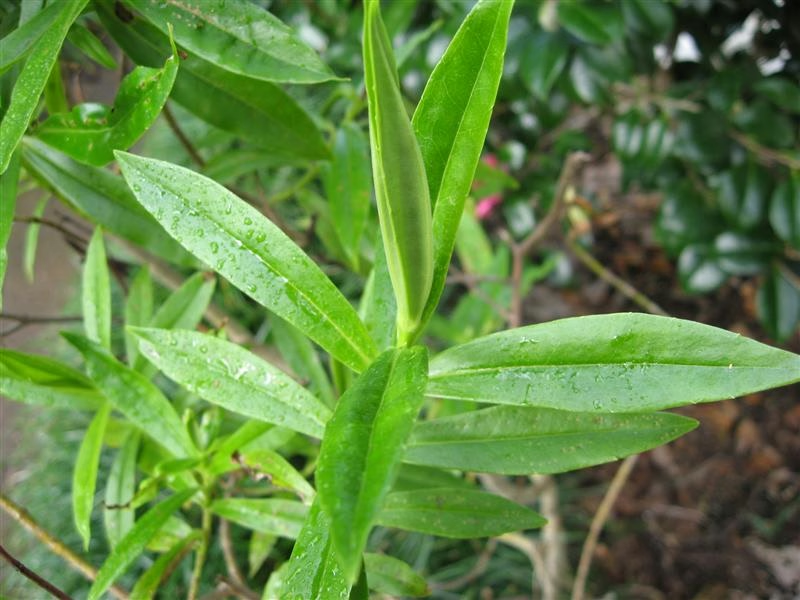
Kermadec Koromiko
Veronica breviracemosa
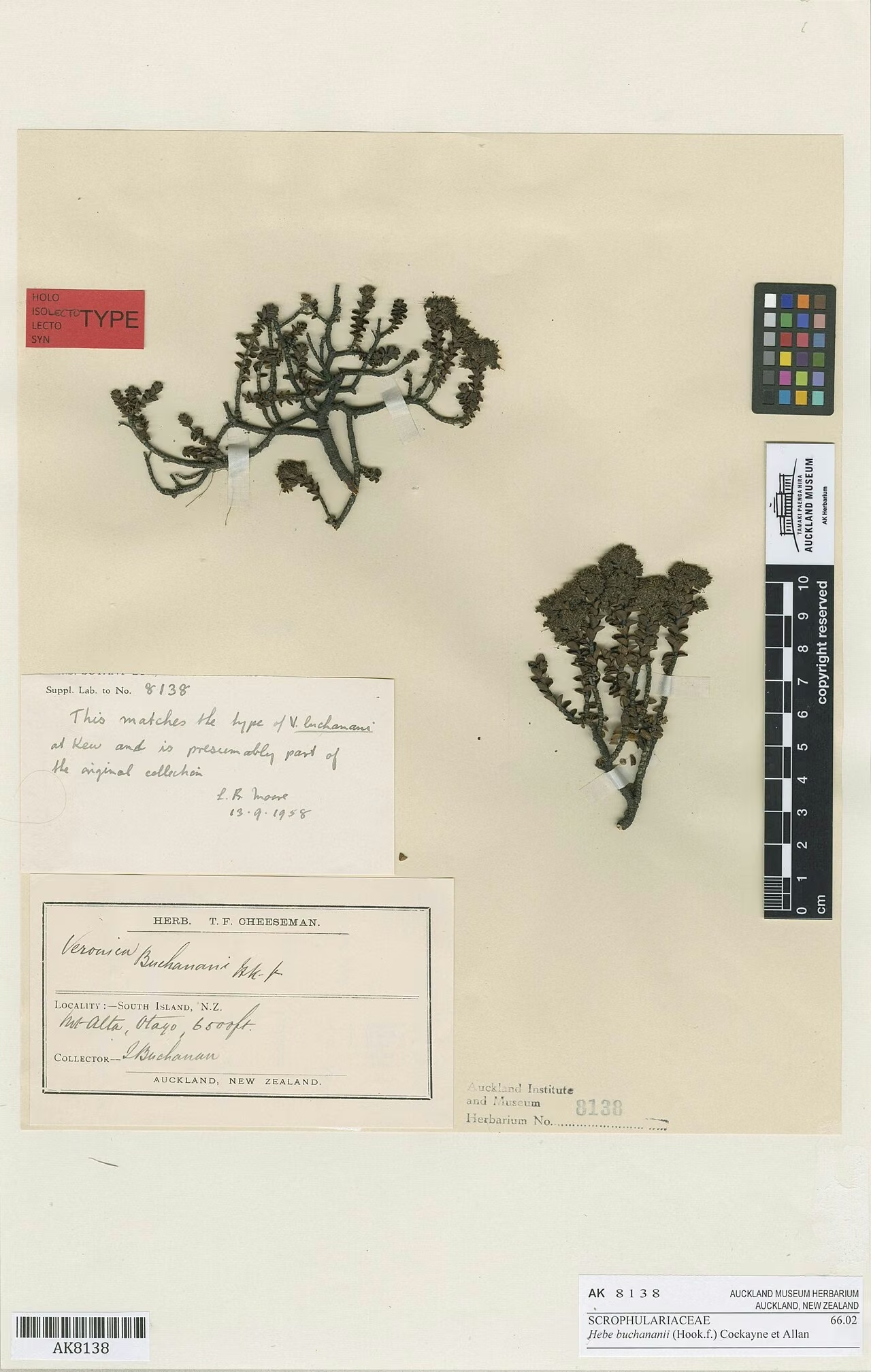
Veronica buchananii
Veronica buchananii
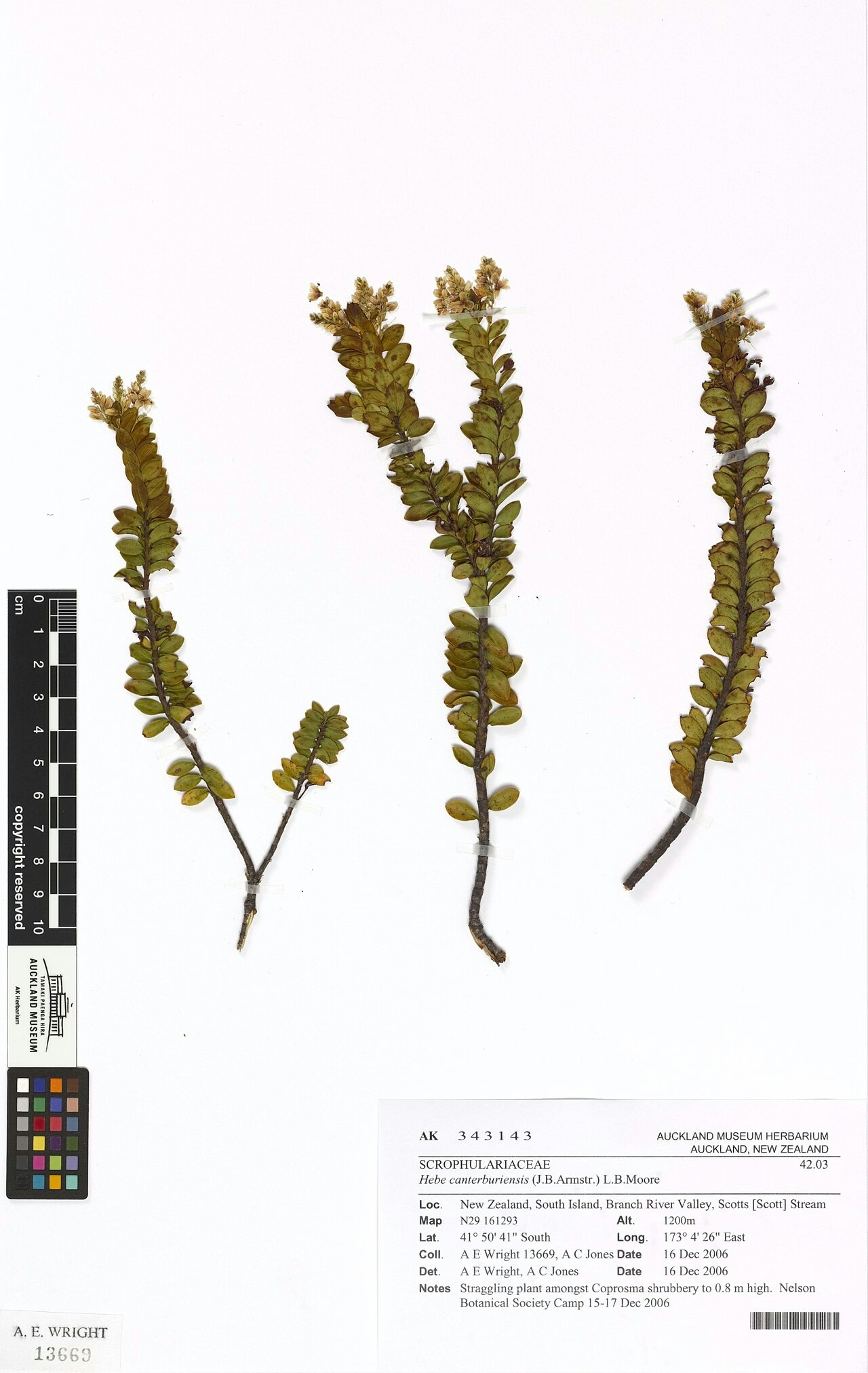
Canterbury Hebe
Veronica canterburiensis
Red Hills Hebe
Veronica baylyi
Veronica corriganii
Veronica corriganii
Veronica simulans
Veronica simulans
Veronica cryptomorpha
Veronica cryptomorpha
Veronica decumbens
Veronica decumbens
Plant Conservation
Veronica colensoi is ranked At Risk - Naturally Uncommon (2023) with the qualifiers RR (range restricted) and Sp (sparse). It was ranked Not Threatened in 2004 and has been Naturally Uncommon since 2009.
Its rock outcrop habitat is naturally scattered. Protecting gorge and riverbank sites from weeds and browsing animals, and growing plants from known sources, help keep it secure.
Frequently Asked Questions
Where is Veronica colensoi found?
It is endemic to the central North Island, on rock outcrops in bluffs, gorges and riverbanks of the upper Moawhango, Mohaka, Rangitīkei, Taruarau and Ngaruroro river catchments.
When does Veronica colensoi flower?
Mainly from September to November, sometimes starting in August and continuing into January. Its white flowers are carried in spikes of about 15 to 21 flowers.
How do you tell Veronica colensoi from Veronica scopulorum?
Both grow on rock, but Veronica colensoi has a glaucous upper leaf surface, while Veronica scopulorum has hairs along the midrib on the upper side of the leaf.
Who was Veronica colensoi named after?
It honours William Colenso (1811-1899), the Cornish missionary, printer, botanist, explorer and politician who explored the central North Island ranges.
Sources and Further Reading
The botanical, growing, and conservation details for Hebe (Veronica colensoi) on this page draw on the New Zealand plant references below. Consult them for full technical records and the latest distribution data.