Red Hills Hebe
Veronica baylyi
Last updated:
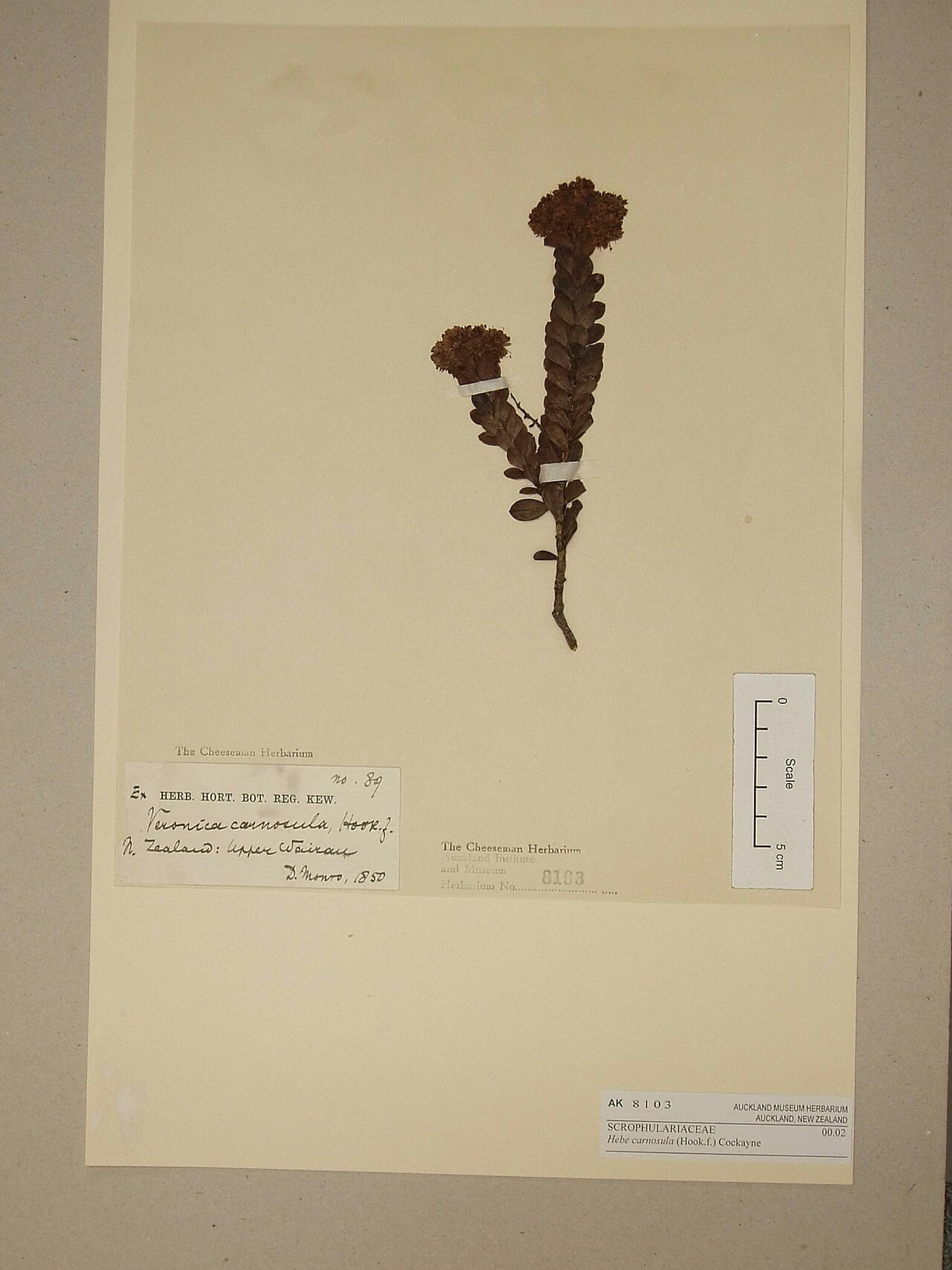
Red Hills hebe (Hebe carnosula, now named Veronica baylyi) is a low, spreading or bushy shrub up to about 0.6 m tall with small, thick, glaucous leaves and short spikes of white flowers with magenta anthers. It is a specialist of ultramafic rock, the mineral-rich serpentine-type ground of the Nelson mineral belt, and grows only on the Bryant Range (Dun Mountain, Mount Starveall and the Dew Lakes) and the Red Hills Range, at about 760 to 1600 m. It is ranked At Risk - Naturally Uncommon because of this very small range, although it can be locally abundant within its habitat. Explore more native shrubs in our native plant guide.
Plant Description
Veronica baylyi is a spreading low or bushy shrub up to about 0.6 m tall (the Flora of New Zealand gives up to 1 m) with erect branches. Its leaves are in opposite pairs, elliptic or obovate, thick and leathery, about 6 to 12 mm long and 4 to 9 mm wide, olive-green to glaucous and glaucous on both surfaces. The leaf bud has an acute sinus between the young leaves.
White flowers about 5 to 9 mm across are carried in unbranched lateral spikes 12 to 30 mm long, with the bracts not overtopping the flower buds. The anthers are magenta. Flowering runs from November to April and capsules, mostly hairless, ripen from January to April.
Its combination of a habitat restricted to ultramafic rock, leaves glaucous on both surfaces, an acute leaf bud sinus, unbranched inflorescences and bracts that do not overtop the buds separates it from other small-leaved hebes of the Nelson mountains.
Quick Facts
| Scientific Name | Veronica baylyi |
|---|---|
| Height | Up to 0.6 m (occasionally to 1 m) |
| Spread | 0.3-0.8 m |
| Water Needs | Low to moderate; very free-draining soil |
| Light | Full sun |
| Frost Tolerance | High; a montane to alpine species |
| Salt Tolerance | Low; an inland mountain plant |
| Growth Rate | Slow |
| Lifespan | Long-lived perennial shrub |
Climate Best Suited to
It suits a cool montane to alpine climate with frost and snow in winter and bright sun. It grows best where summers are not hot and humid.
Regional Suitability
| City | Climate Suitability |
|---|---|
| Auckland | Low |
| Wellington | Medium |
| Christchurch | Medium |
| Dunedin | Medium |
Plant Habitat
Veronica baylyi is endemic to the Nelson area of the South Island. It is restricted to the Bryant Range, including the Dew Lakes, Mount Starveall and Dun Mountain, and to the Red Hills Range, at elevations from about 760 to 1600 m.
It grows only on ultramafic rock, the magnesium-rich, nutrient-poor rock of the Nelson mineral belt. Typical habitats are sparse grassland dominated by Chionochloa defracta, scrub, ultramafic boulder fields and talus slopes, where the toxic soil chemistry keeps vegetation open and stunted.
Growing Requirements
Soil Requirements
Its native ultramafic soils are thin, stony and low in nutrients, with high magnesium and heavy metals. In gardens it needs very free-draining, gritty, low-fertility soil.
- Gritty mix with stone chip and pumice
- Avoid rich garden soil and fertiliser
- Never waterlogged
Light Requirements
The open boulder fields and sparse grassland where it grows give it full exposure to sun.
- Full sun
- Open, airy site
Water Requirements
Talus and boulder slopes drain quickly, so it is adapted to periodic dryness but not to prolonged drought in a pot.
- Water in long dry spells
- Allow the surface to dry between waterings
- Keep the crown dry in winter
Planting and Establishing
Plant in spring in a scree bed, rock crevice or deep trough with sharp drainage and lean soil. Topdress with angular stone chip to keep the collar dry and roots cool.
Because cultivation results are variable, grow several plants in different spots to find a position that suits it in your garden.
Ecological Role
Its white flowers with magenta anthers provide nectar and pollen for insects on the mineral belt, where flowering plants are relatively sparse. Seeds released from the capsules are spread by wind and gravity across talus slopes.
It is one of a suite of plants specialised for ultramafic soils on the Nelson mineral belt, a habitat whose unusual chemistry excludes many common species and supports several local endemics.
Uses & Significance
Garden Uses
A compact, glaucous hebe for alpine collectors and rock gardens, interesting for its specialised mineral-belt origin.
- Scree and crevice gardens
- Alpine troughs
- Collections of rare Nelson plants
Ecological Value
As a narrow endemic of the Nelson mineral belt, it contributes to one of New Zealand's most distinctive plant communities.
- Part of ultramafic grassland and scrub
- Nectar for insects on sparsely vegetated slopes
- Range-restricted endemic
Landscaping Uses
Pair it with other low alpines and small tussocks in a gravel or scree garden. Its glaucous foliage looks striking against dark reddish or rust-coloured stone, echoing the colour of the Red Hills.
Use it singly or in small groups at the front of an alpine bed, where its neat form and summer flowers can be seen.
Seasonal Care Calendar
Spring
New growth begins and plants can be set out.
- Plant in scree or troughs
- Topdress with grit
Summer
Flowering begins from November and continues through summer.
- Water in dry spells
- Keep the collar dry
Autumn
Capsules ripen from January to April and flowering may continue.
- Collect ripe seed
- Take cuttings
Winter
Hardy to frost and snow, but vulnerable to rot in wet soil.
- Protect troughs from constant rain
- Check drainage
When to Prune and How Much
Prune very little. Remove spent flower spikes and any dead shoots after flowering to keep the plant tidy.
Do not cut into old bare wood, as small alpine hebes often fail to regrow from it.
How to Grow Red Hills Hebe
NZPCN notes that results with Veronica baylyi in cultivation are variable, with some growers finding it easy and others difficult, and that it can be difficult to strike from cuttings. It is worth trying both seed and cuttings, and taking more cuttings than you need. Any material should come from cultivated plants of known origin, or be collected with permission, because its wild habitat is small and much of it lies within conservation land.
From Cuttings
Because strike rates can be low, use firm, healthy shoots and a very free-draining mix to reduce rot. Taking a batch of cuttings at two or three different times of year improves the chance of success.
- In late summer or autumn, take 4 to 6 cm semi-hardwood cuttings of non-flowering shoots
- Remove the lower leaves and dip the base in rooting hormone
- Insert into a mix of coarse pumice and a little fine bark
- Keep cool, lightly shaded and just moist; avoid excess humidity
- Be patient, as rooting may take several months
- Pot on into a lean, gritty mix once well rooted
From Seed
Seed ripens between January and April. Use seed from isolated plants where possible, as hebes in gardens can hybridise.
- Collect capsules as they turn brown
- Sow on the surface of a gritty seed mix
- Cover lightly with fine grit
- Leave outdoors in a cool, sheltered spot over winter
- Prick out seedlings in spring and grow on in a lean mix
Pests & Diseases
NZPCN records no known threats to the species in the wild, although wilding pines pose a long-term risk to the Red Hills vegetation as a whole.
In cultivation the main problem is rot from wet or rich soil. Downy mildew and leaf spot may also occur in humid conditions.
Cultural Significance
The species is named after Michael Bayly, whose research with Alison Kellow on New Zealand hebes reinstated the plant previously known as Hebe carnosula. Its holotype came from Morse's Mountain near Nelson. No Māori name or traditional use specific to this species was found in the sources consulted.
The older epithet carnosula means somewhat fleshy, referring to the thick leaves. The name Veronica baylyi has long been used in horticulture, so plants labelled this way may still be found in nurseries and gardens.
Bonus Tip
Grow it as a companion to other mineral-belt plants in a trough of lean, stony mix rather than in rich garden soil. Its ultramafic origins mean it is adapted to poor soil, and extra fertility tends to produce soft growth that rots.
Related Plants
Explore other native plants that share similar characteristics or habitats with Red Hills Hebe (Veronica baylyi), offering further insights into New Zealand's diverse flora. These related species provide context and opportunities for complementary planting in your garden.
Veronica bollonsii
Veronica bollonsii
Kermadec Koromiko
Veronica breviracemosa
Veronica buchananii
Veronica buchananii
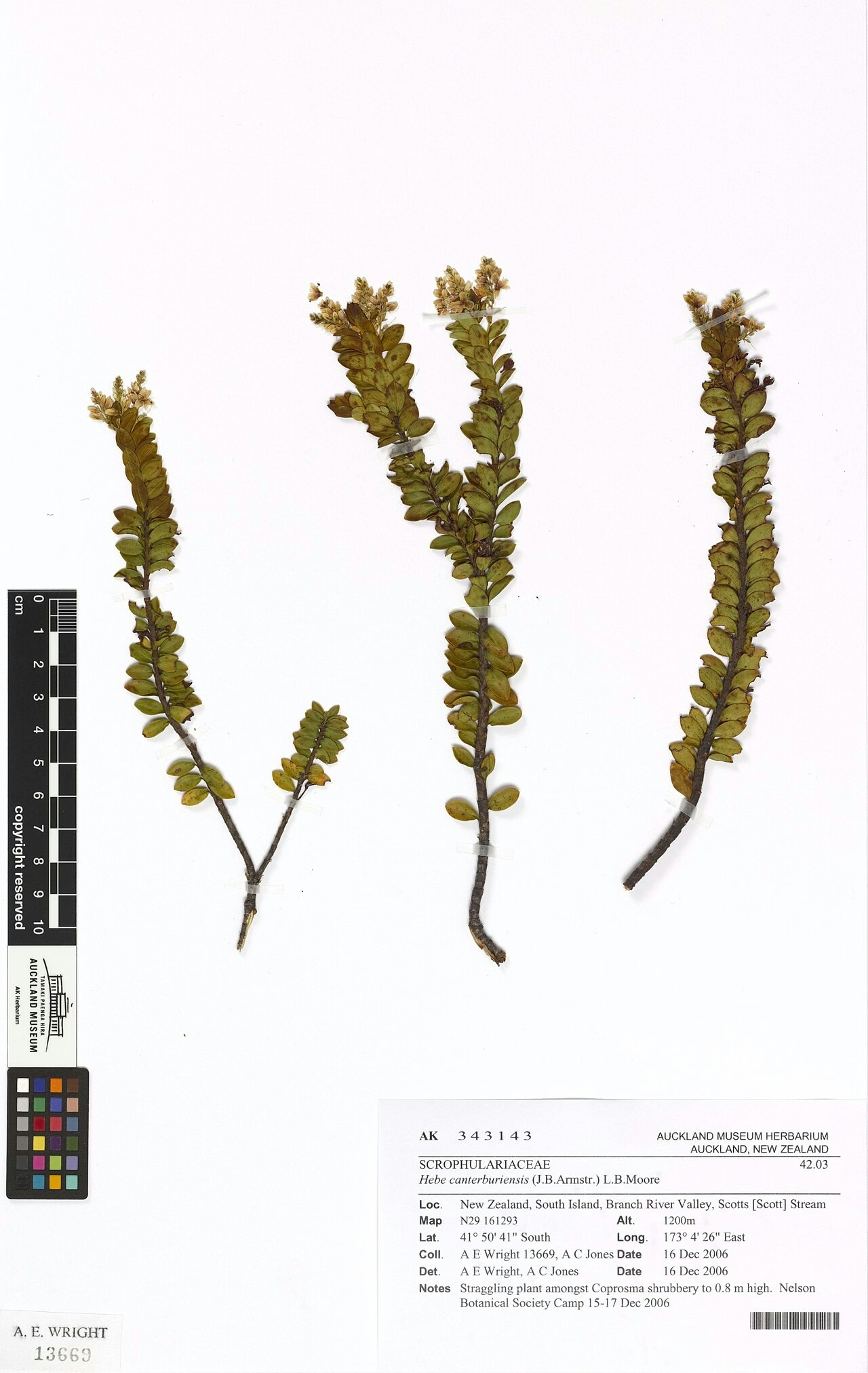
Canterbury Hebe
Veronica canterburiensis
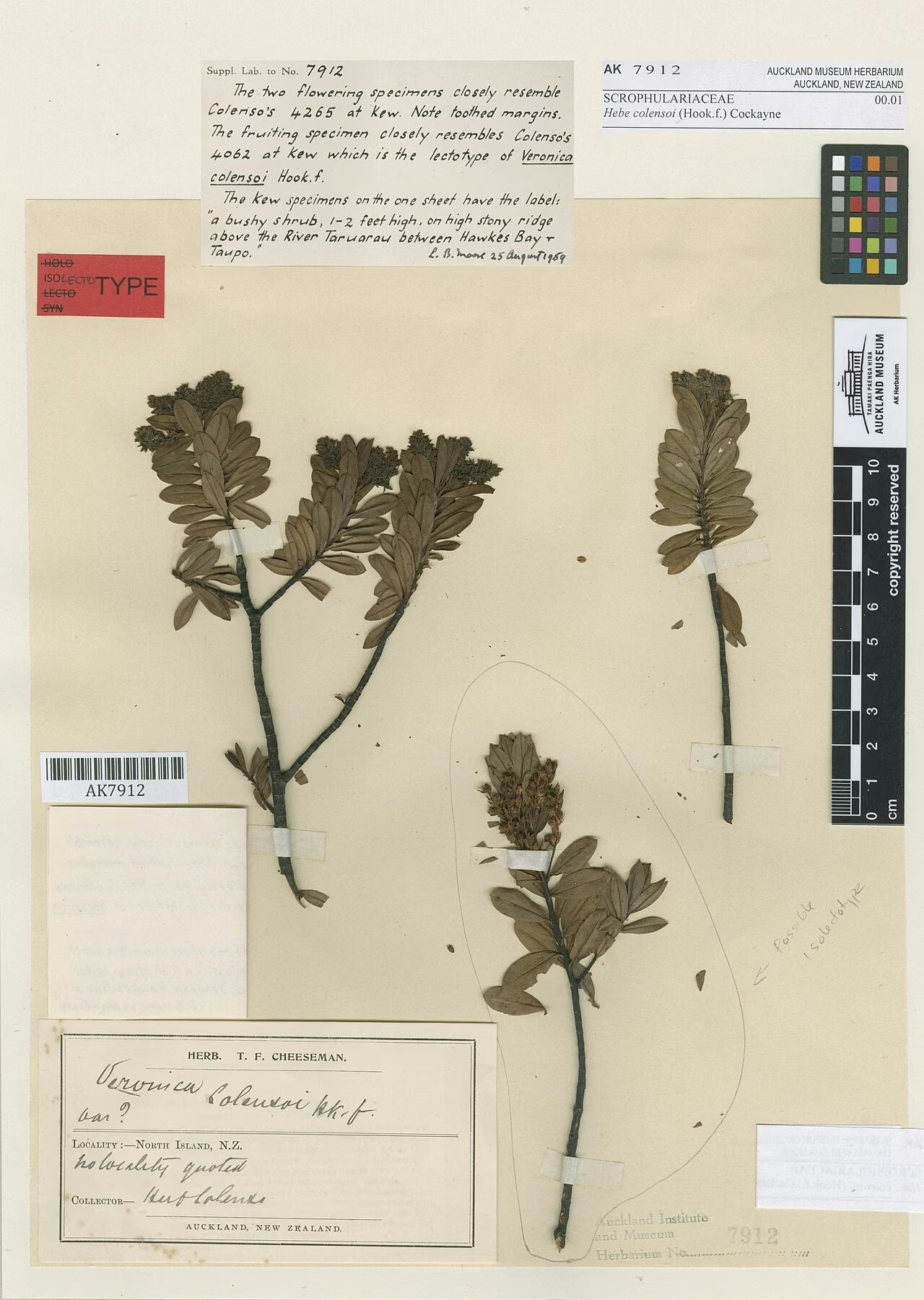
Veronica colensoi
Veronica colensoi
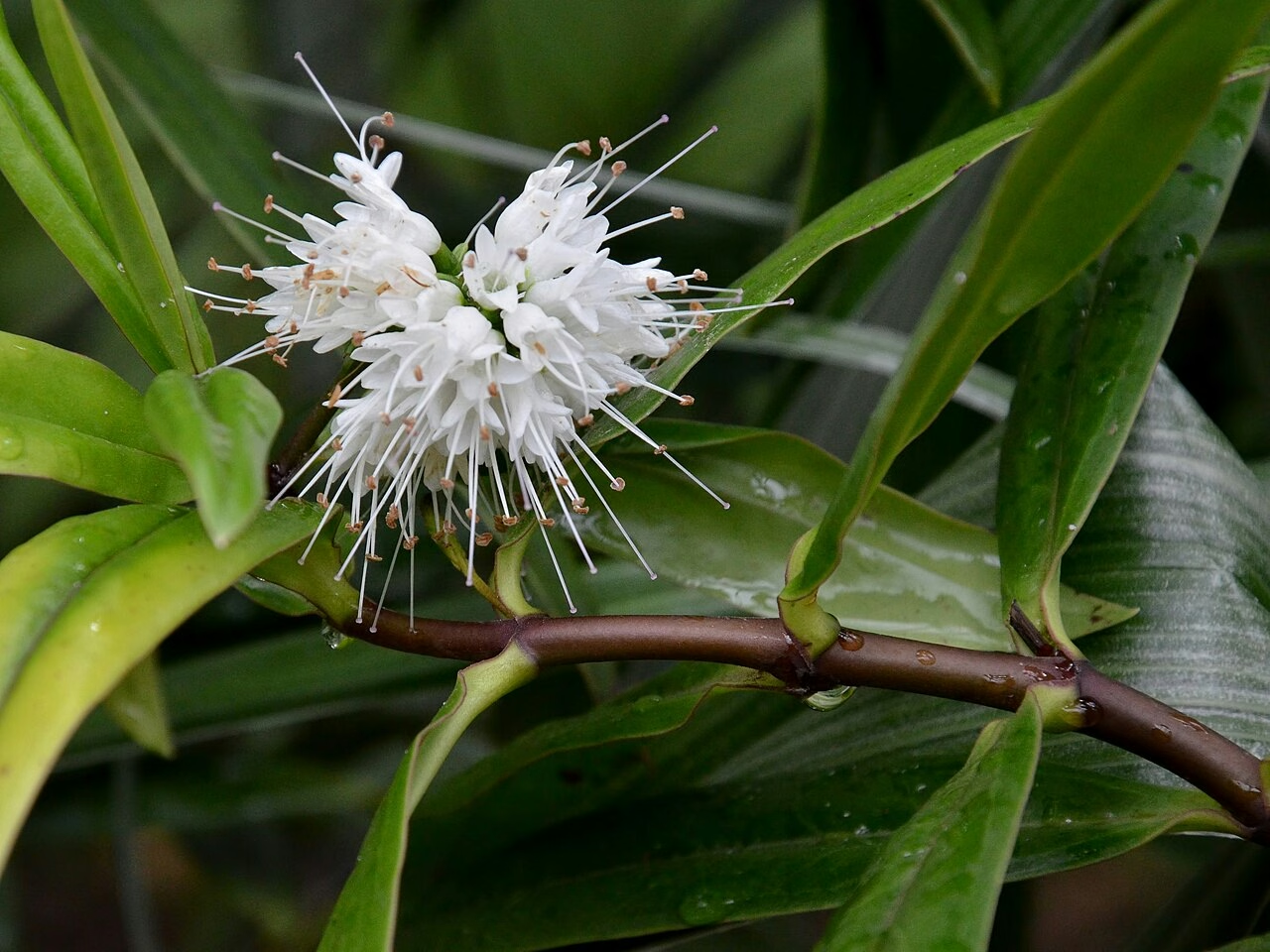
Veronica corriganii
Veronica corriganii
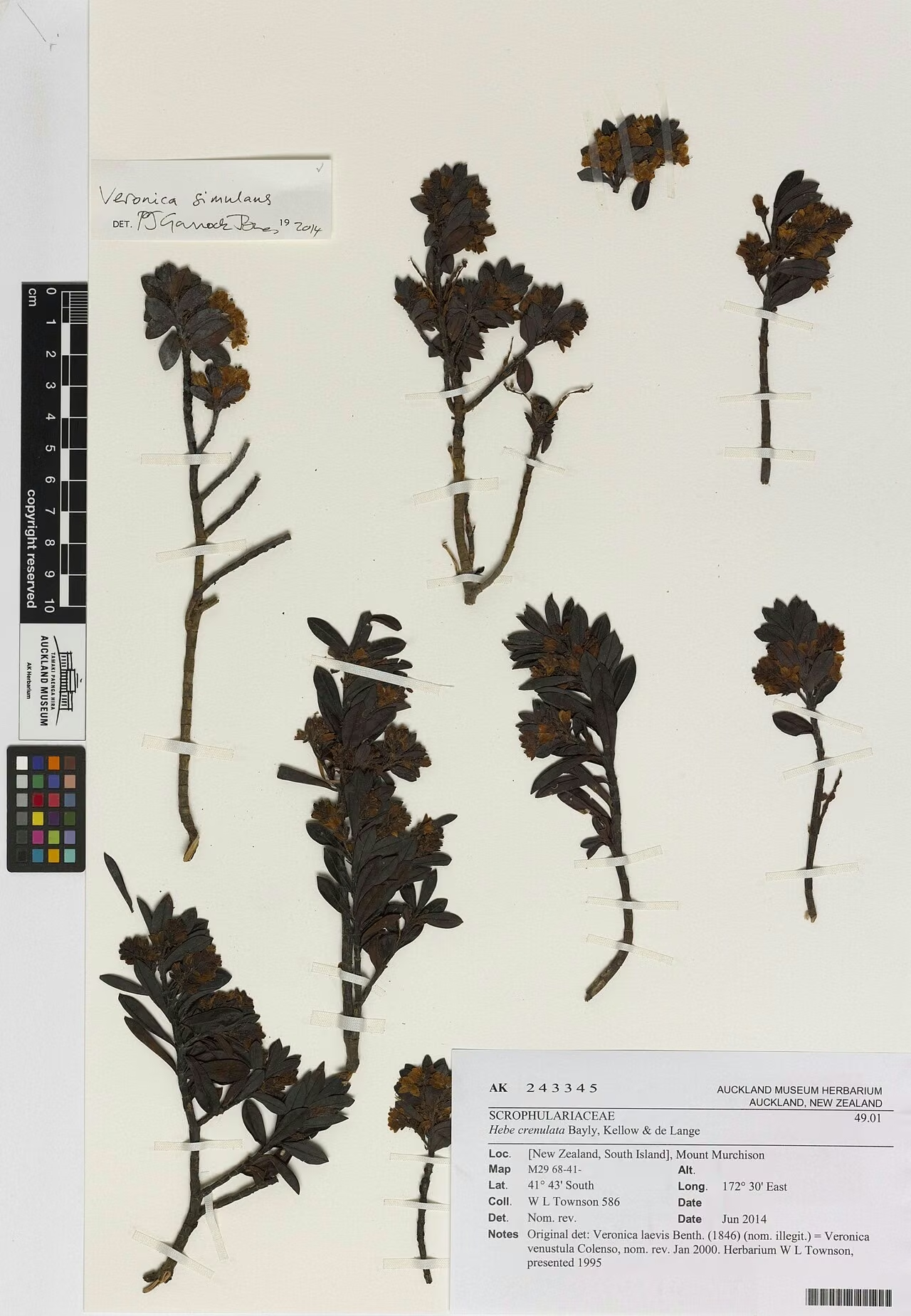
Veronica simulans
Veronica simulans
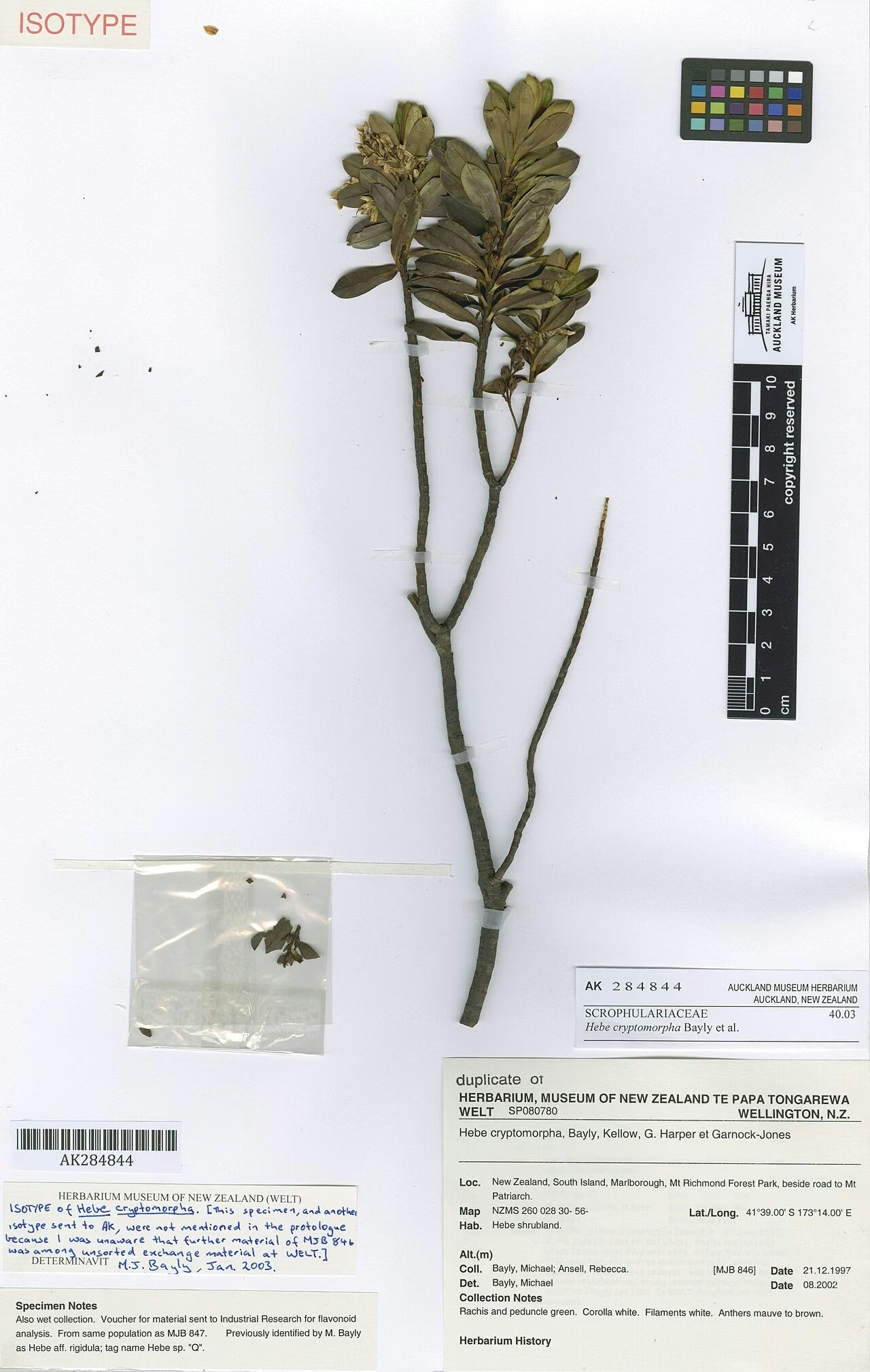
Veronica cryptomorpha
Veronica cryptomorpha
Plant Conservation
Veronica baylyi is ranked At Risk - Naturally Uncommon (2023) with the qualifier RR (range restricted). NZPCN describes it as sparse to locally abundant within its ultramafic habitat, with no known direct threats.
Wilding pines are a long-term risk to the Red Hills vegetation, so wilding conifer control on the mineral belt helps protect it along with other ultramafic specialists.
Frequently Asked Questions
What is the current name for Veronica baylyi?
It is now Veronica baylyi. The older name Veronica carnosula turned out to be illegitimate, so Phil Garnock-Jones published Veronica baylyi as a replacement name in 2007.
Where does Red Hills hebe grow?
Only on ultramafic rocks in the Nelson area: the Bryant Range, including Dun Mountain, Mount Starveall and the Dew Lakes, and the Red Hills Range, between about 760 and 1600 m.
Is Red Hills hebe easy to grow?
Results vary. NZPCN notes that some growers find it easy and others difficult, and that it can be hard to strike from cuttings.
How do you recognise Veronica baylyi?
Look for small, thick leaves that are glaucous on both surfaces, an acute sinus in the leaf bud, unbranched white flower spikes 12 to 30 mm long and a habitat on ultramafic rock.
Sources and Further Reading
The botanical, growing, and conservation details for Red Hills Hebe (Veronica baylyi) on this page draw on the New Zealand plant references below. Consult them for full technical records and the latest distribution data.