Biggar's Hebe
Veronica biggarii
Last updated:
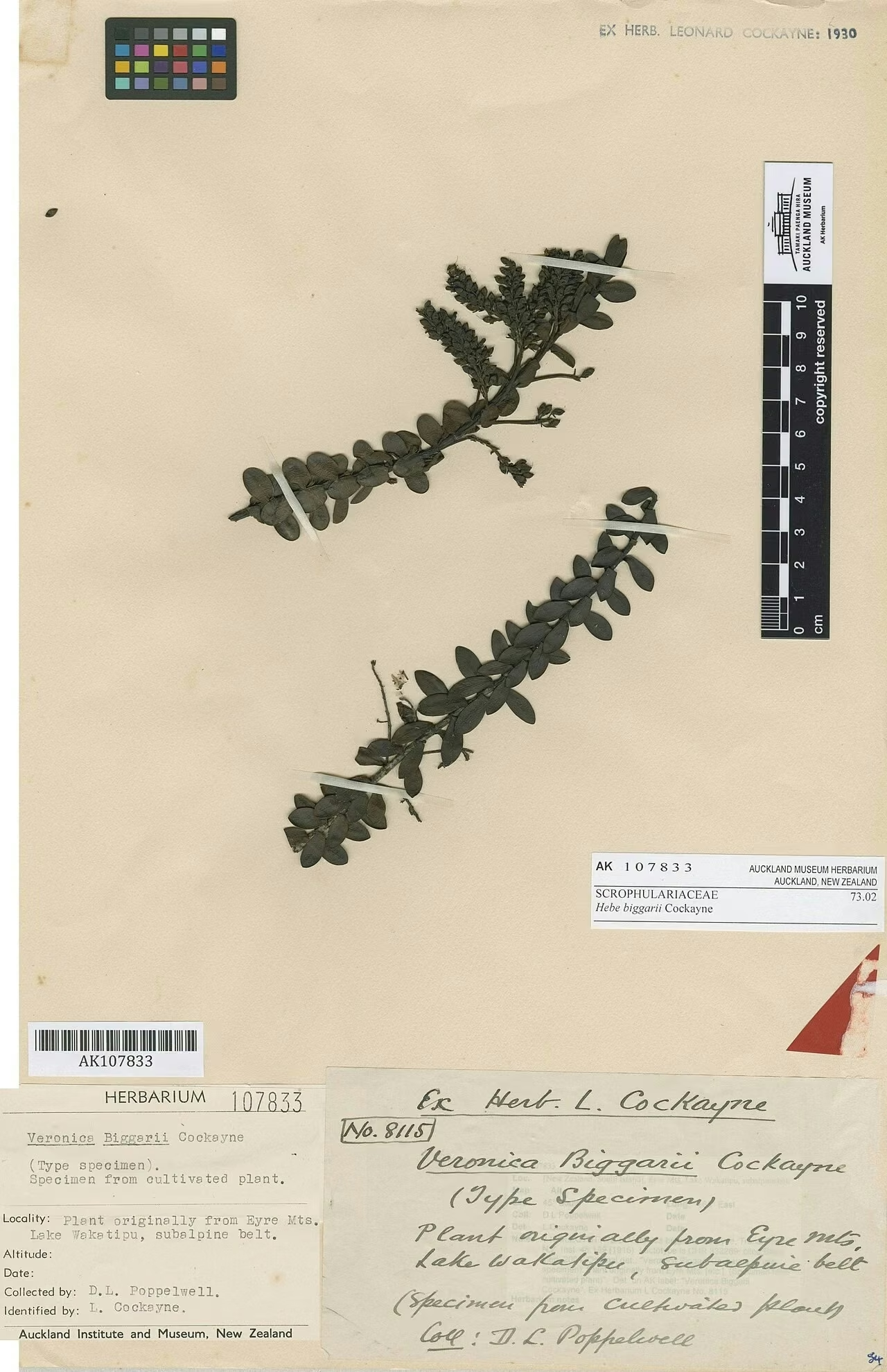
Biggar's hebe (Veronica biggarii, now Veronica biggarii) is a small, erect, sparingly branched alpine shrub up to about 0.5 m tall. Its thick, leathery leaves are only 5 to 20 mm long and have neat red-tinged margins, and its white or pink-tinged flowers are carried on unusually long-stalked spikes. It is endemic to a small part of northern Southland, the Eyre and Thomson Mountains and Mid Dome, where it grows on rock outcrops, cliffs and bluffs and in open snow tussock grassland. It is ranked At Risk - Naturally Uncommon because of its very restricted range, though NZPCN notes it faces no obvious threats. It was previously known as Hebe biggarii. Explore more native shrubs in our native plant guide.
Plant Description
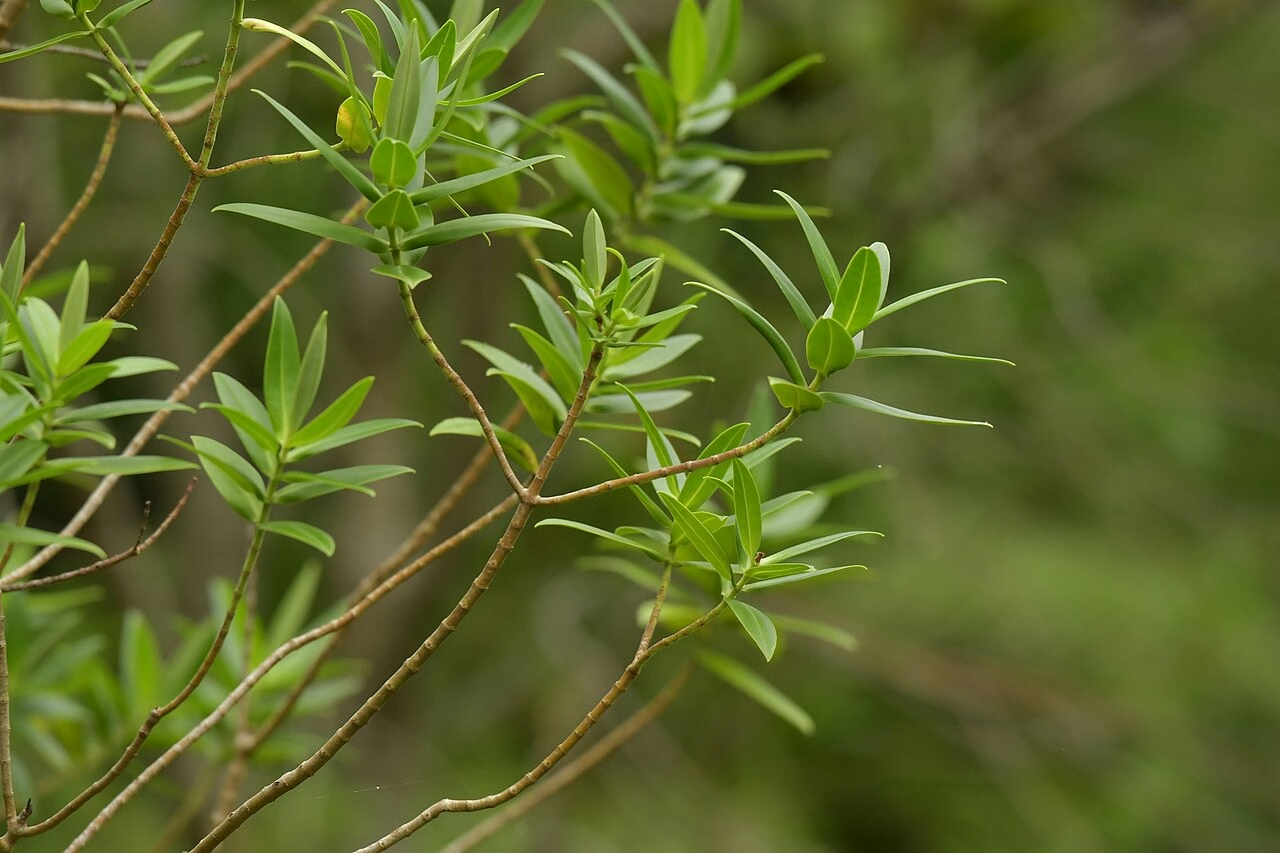
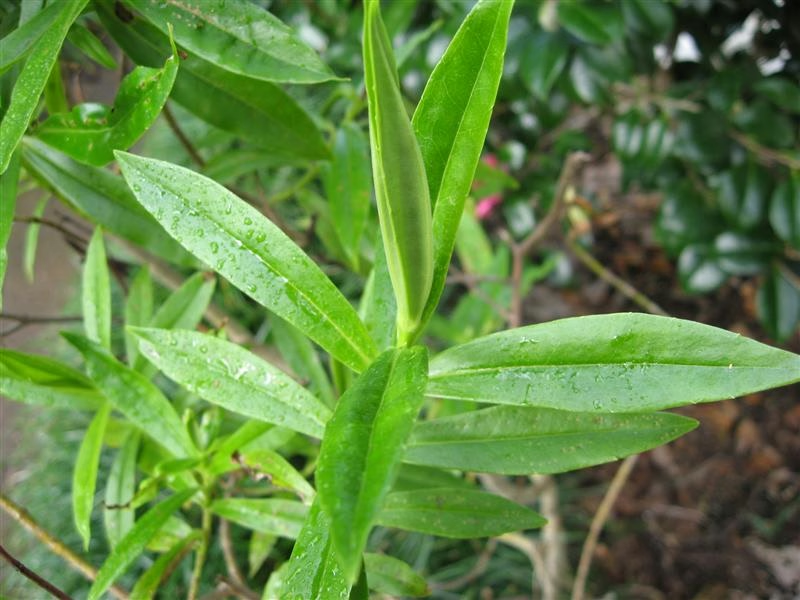
Veronica biggarii is a small, erect to sparingly branched bushy shrub up to about 0.5 m tall. Its leaves are narrowly to broadly elliptic, thick and leathery, 5 to 20 mm long and 2 to 10 mm wide, with margins that are tinged red.
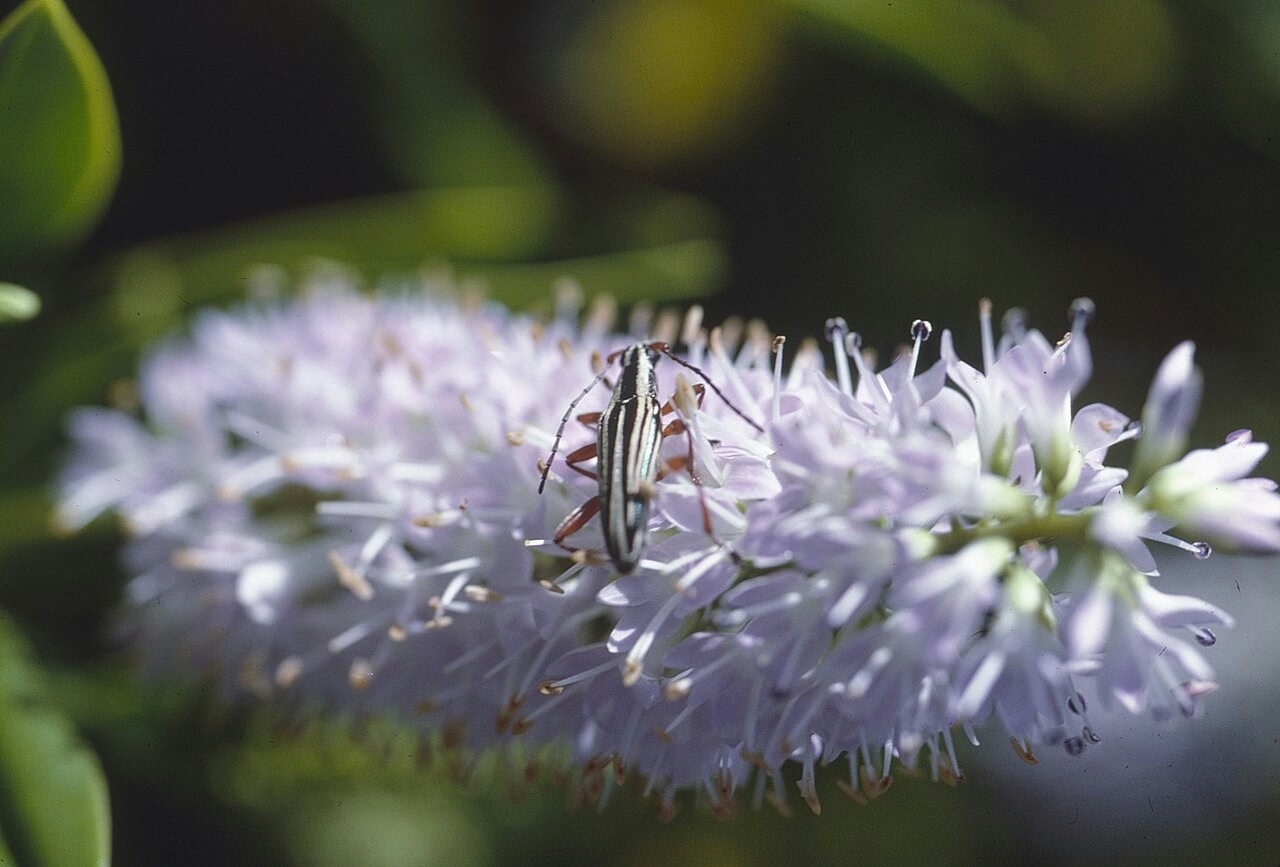
The inflorescences carry 8 to 25 flowers on long stalks of 20 to 50 mm. The corolla tube is hairless, 1.5 to 1.8 mm long, and the lobes are white or tinged pink. The capsules are pinkish red when immature and 3.5 to 4 mm long. Flowering is recorded from October to June and fruiting from November to May.
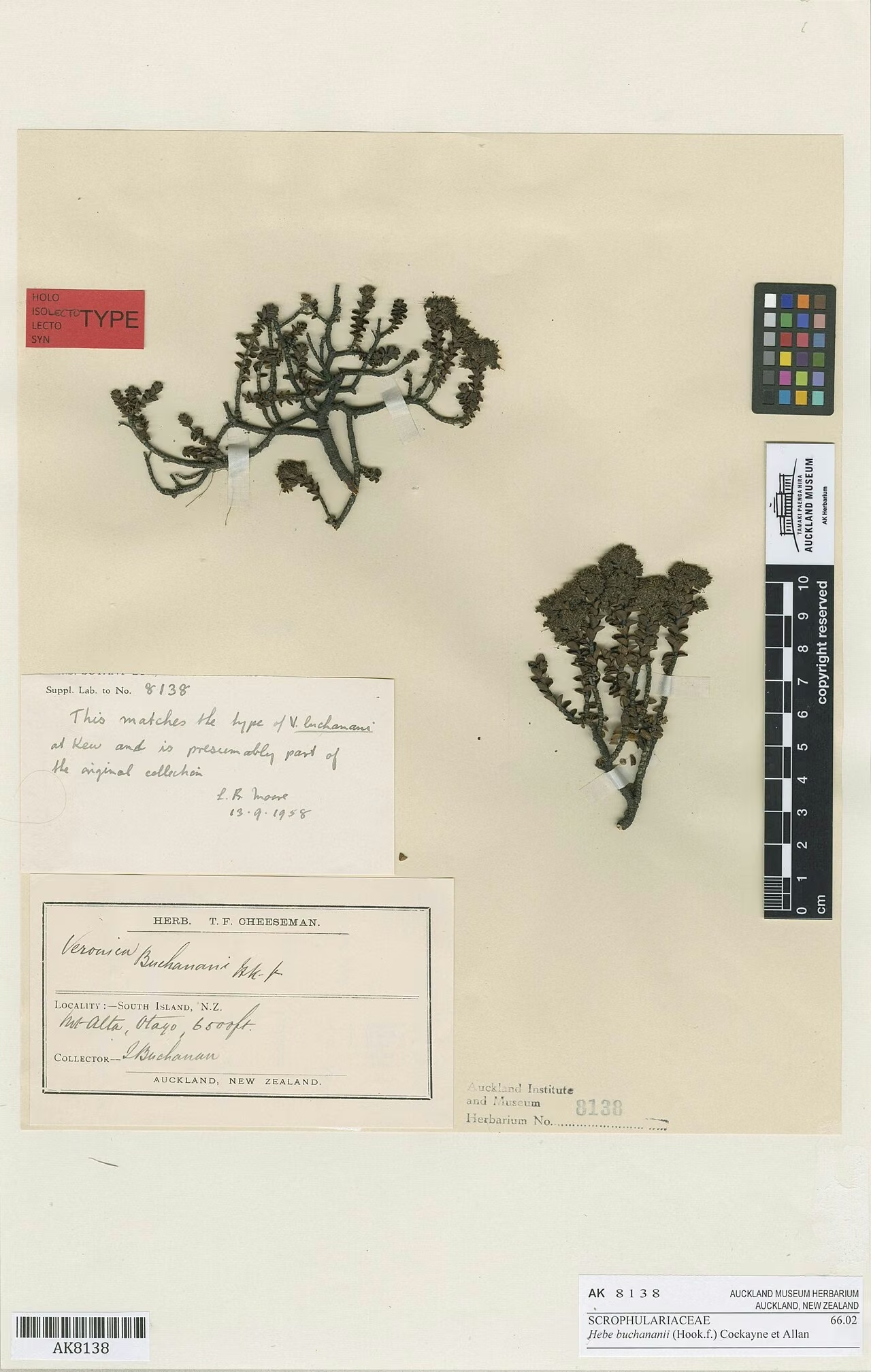
It most resembles Veronica buchananii and Veronica pinguifolia, which also grow in southern South Island mountains. Veronica biggarii differs in its erect growth, its flowers having individual stalks (pedicels), and its hairless ovaries.
Quick Facts
| Scientific Name | Veronica biggarii |
|---|---|
| Height | Up to 0.5 m |
| Spread | 0.3-0.5 m |
| Water Needs | Low to moderate; sharp drainage essential |
| Light | Full sun |
| Frost Tolerance | High; an alpine species |
| Salt Tolerance | Low; an inland mountain plant |
| Growth Rate | Slow |
| Lifespan | Long-lived perennial shrub |
Climate Best Suited to
It suits a cold, continental alpine climate with hard winter frosts, snow cover and cool summers. It dislikes warm, humid lowland conditions.
Regional Suitability
| City | Climate Suitability |
|---|---|
| Auckland | Low |
| Wellington | Low |
| Christchurch | Medium |
| Dunedin | Medium |
Plant Habitat
Veronica biggarii is known only from northern Southland in the South Island: the Eyre Mountains, the Thomson Mountains and Mid Dome, a small cluster of mountain ranges in the high country of northern Southland.
It grows in the alpine zone on rock outcrops, cliffs and bluffs, and also in open snow tussock grassland. NZPCN describes it as locally common within these habitats despite its small overall range.
Growing Requirements
Soil Requirements
In the wild it roots into crevices and thin, stony soils on rock outcrops and in tussock grassland. In cultivation it needs very free-draining, gritty, low-fertility soil.
- Gritty mix with plenty of stone chip or pumice
- Never waterlogged in winter
- No heavy fertiliser
Light Requirements
As a plant of open bluffs and tussock grassland, it needs full sun and open air to stay compact.
- Full sun all day
- Avoid shading by taller plants
Water Requirements
Mountain rock outcrops drain quickly but receive regular rain and snowmelt, so roots get moisture without sitting wet.
- Water in prolonged dry spells
- Allow the surface to dry between waterings
- Keep the crown dry in winter
Planting and Establishing
Plant in spring into a raised bed, scree garden, rock crevice or deep alpine trough with sharp drainage. Topdress with stone chip to keep the collar dry.
It is best suited to cool southern and inland gardens. In warmer districts, a pot in an airy, sunny spot that can be shaded from the hottest afternoon sun gives the best chance.
Ecological Role
Its flowers, produced over a long season from October to June, provide nectar and pollen for alpine insects such as native bees and flies. The small seeds are released from dry capsules and spread by wind and gravity across rocky slopes.
As a rock-outcrop specialist it is part of the distinctive alpine flora of the Eyre and Thomson Mountains, an area that also supports several other range-restricted plants.
Uses & Significance
Garden Uses
A neat, small-leaved hebe for alpine enthusiasts, valued for its red-edged leaves and long-stalked white to pink flowers.
- Rock gardens and scree beds
- Alpine troughs and containers
- Collections of rare Southland plants
Ecological Value
It contributes to the floral diversity of a small and distinctive alpine area and provides an extended flowering season for alpine insects.
- Long flowering season supports pollinators
- Range-restricted endemic of northern Southland
- Part of snow tussock and bluff communities
Landscaping Uses
Group it with other small alpines such as cushion plants, small tussocks and Celmisia in a scree or crevice garden, where its upright habit adds height among mat-forming plants.
Its red-margined leaves stand out best against pale grey stone, so use local schist or greywacke in the planting.
Seasonal Care Calendar
Spring
New shoots appear and flowering can begin from October.
- Plant or repot
- Topdress with fresh grit
Summer
Main flowering period, with white to pink spikes on long stalks.
- Water in dry spells
- Shade pots on very hot days
Autumn
Pinkish red capsules ripen and can be collected; flowering may continue into autumn.
- Collect seed as capsules brown
- Take cuttings
Winter
Dormant and fully frost hardy, often under snow in the wild.
- Ensure drainage keeps roots from rotting
- Keep potted plants out of persistent rain
When to Prune and How Much
Little or no pruning is needed. Remove spent flower stalks after flowering if you want a tidier look, and cut out any dead shoots.
Avoid cutting into old leafless wood, which seldom resprouts on small alpine hebes.
How to Grow Biggar's Hebe
NZPCN records that Veronica biggarii is easily grown from both cuttings and fresh seed. Cuttings are the most reliable way to keep plants true to type, because hebes growing together in gardens readily hybridise and garden-collected seed may produce hybrids. Seed from wild plants should only be collected with permission and in small amounts, as the species has a very limited range.
From Cuttings
Semi-hardwood cuttings from non-flowering shoots root readily, much like other small hebes. Choose firm shoots from the current season's growth, and avoid soft tips in midsummer, which wilt easily in alpine potting mixes that drain fast.
- In late summer or autumn, take 4 to 6 cm cuttings of non-flowering side shoots
- Strip the lower leaves and dip the base in rooting hormone
- Insert into a gritty mix of pumice and fine bark
- Keep cool, shaded and lightly moist until rooted, usually 6 to 10 weeks
- Pot individually into gritty alpine mix and grow on in full light
From Seed
Fresh seed germinates well. Alpine seed may benefit from a cool period, so autumn sowing outdoors is a good approach. Seedlings are small and slow at first, so keep them in pots for a full season before planting out.
- Collect brown capsules between November and May
- Sow on the surface of a fine, gritty seed mix
- Cover lightly with fine grit
- Leave the tray outdoors in a cool, sheltered position over winter
- Prick out seedlings in spring and pot on into alpine mix
Pests & Diseases
In the wild NZPCN lists no obvious threats. In gardens, the main risk is root rot in poorly drained or wet winter soils.
Like other hebes it can be affected by downy mildew and leaf spot in humid weather, and aphids occasionally attack soft new growth.
Cultural Significance
No Māori name or traditional use specific to this species was found in the sources consulted. The sources consulted did not explain who the epithet biggarii honours.
It is one of several hebes first named by Leonard Cockayne in the early twentieth century, and its restriction to a few Southland ranges makes it of interest to botanists studying the alpine flora of the Eyre Mountains.
Bonus Tip
To tell this hebe from the similar Veronica buchananii in a collection, look at the flower spikes: Veronica biggarii carries its flowers on noticeably long stalks of 20 to 50 mm and each flower has its own short stalk, while V. buchananii is lower and more mat-forming with very short spikes.
Related Plants
Explore other native plants that share similar characteristics or habitats with Biggar's Hebe (Veronica biggarii), offering further insights into New Zealand's diverse flora. These related species provide context and opportunities for complementary planting in your garden.
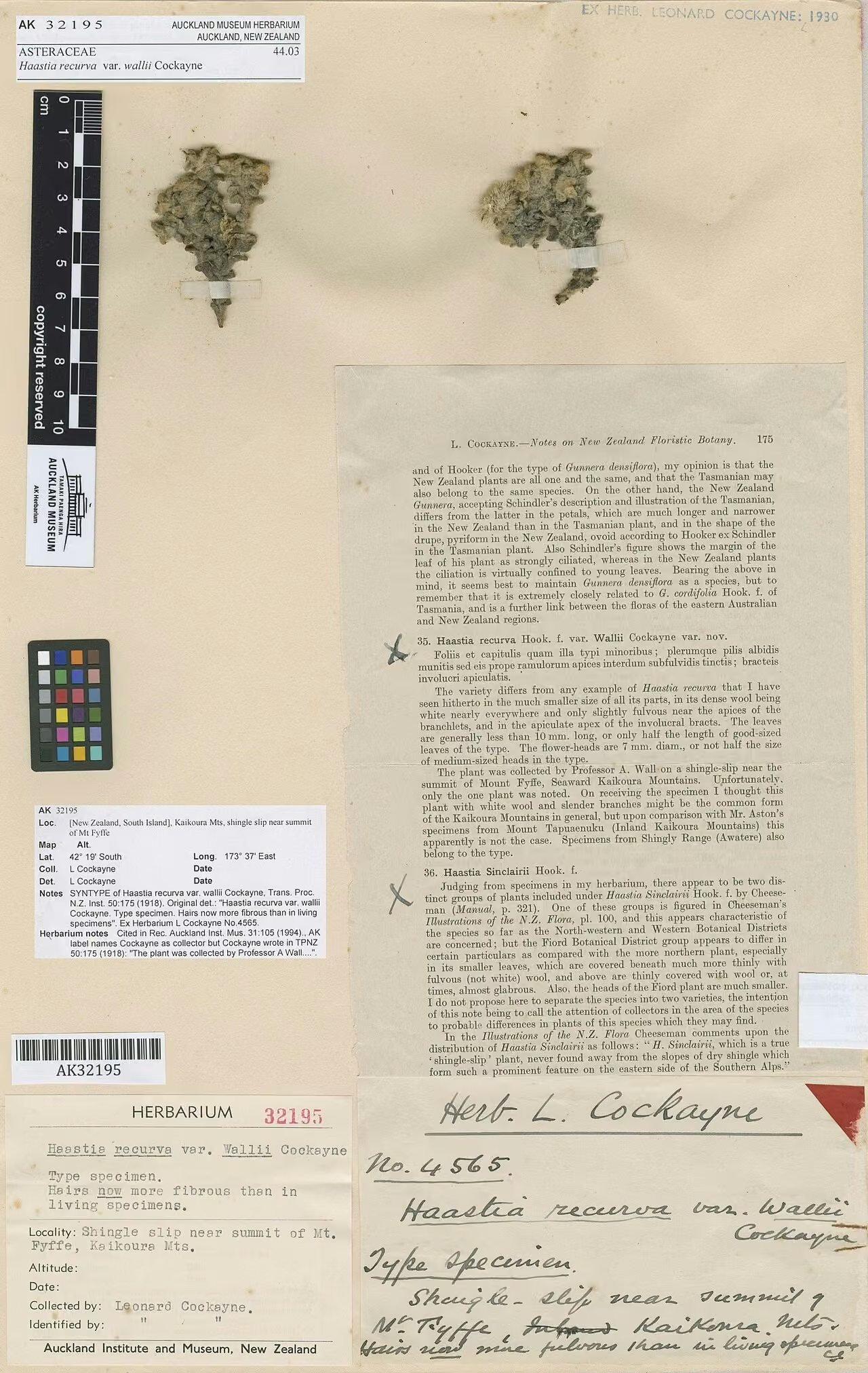
Haastia recurva var. wallii
Haastia recurva var. wallii
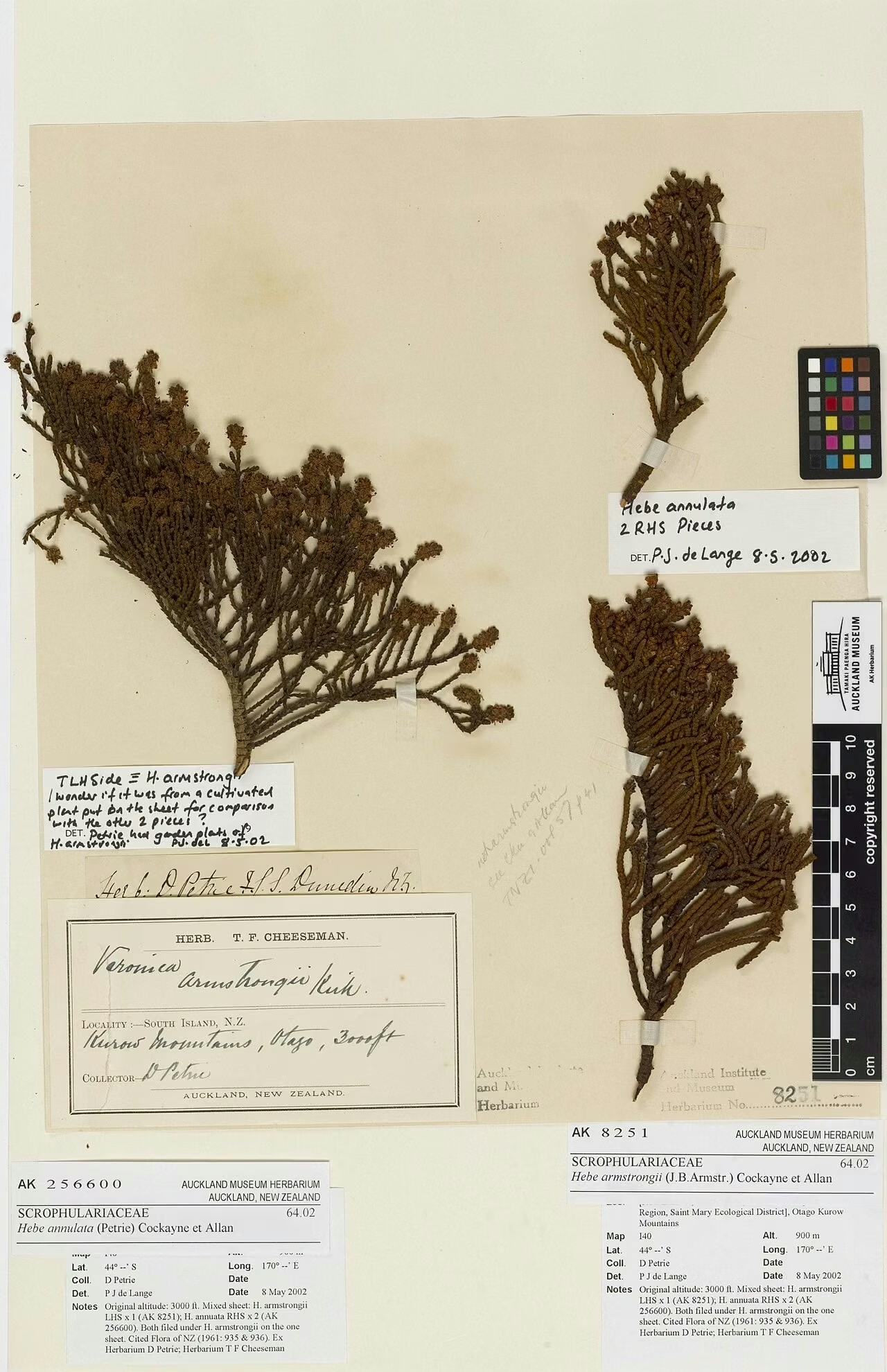
Veronica annulata
Veronica annulata
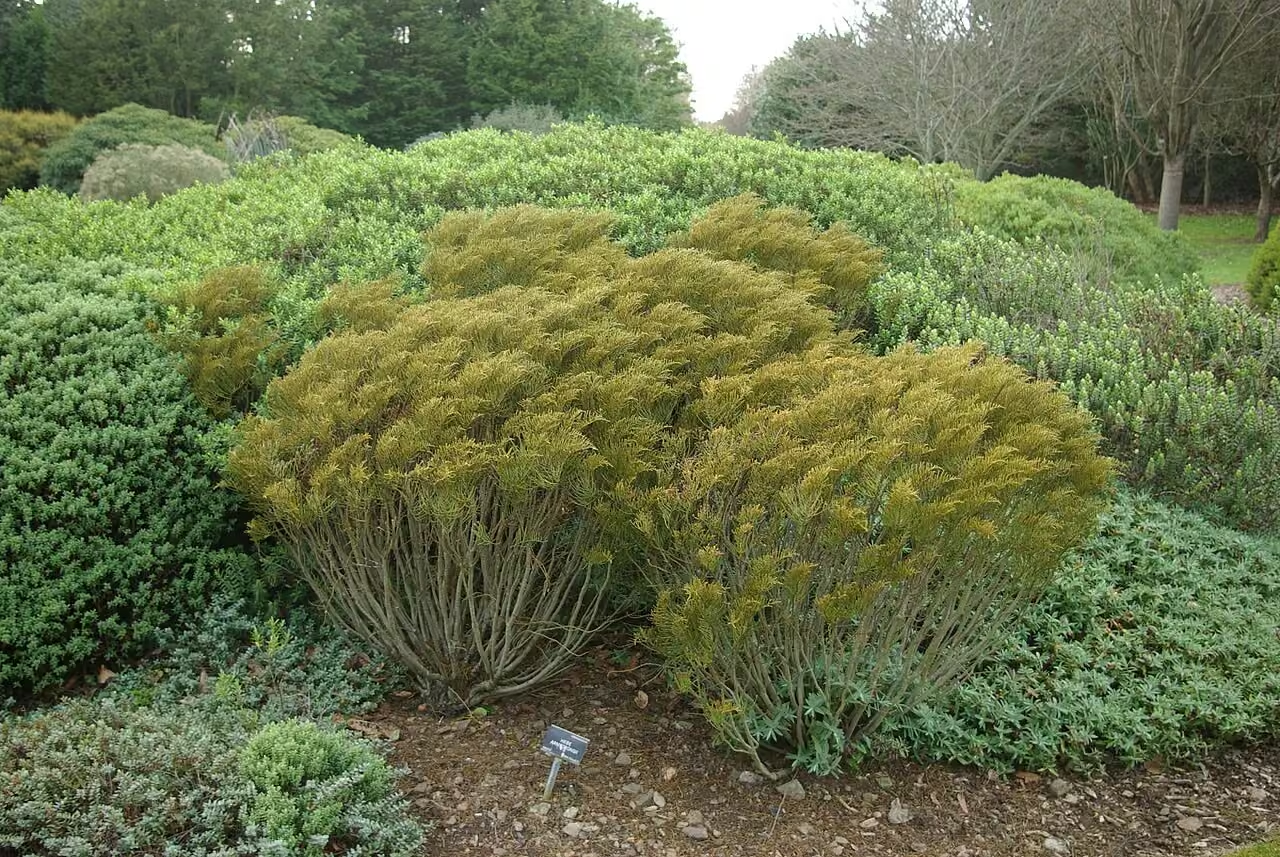
Armstrong's Whipcord
Veronica armstrongii
Chatham Island Tree Hebe
Veronica barkeri
Veronica bollonsii
Veronica bollonsii
Kermadec Koromiko
Veronica breviracemosa
Veronica buchananii
Veronica buchananii
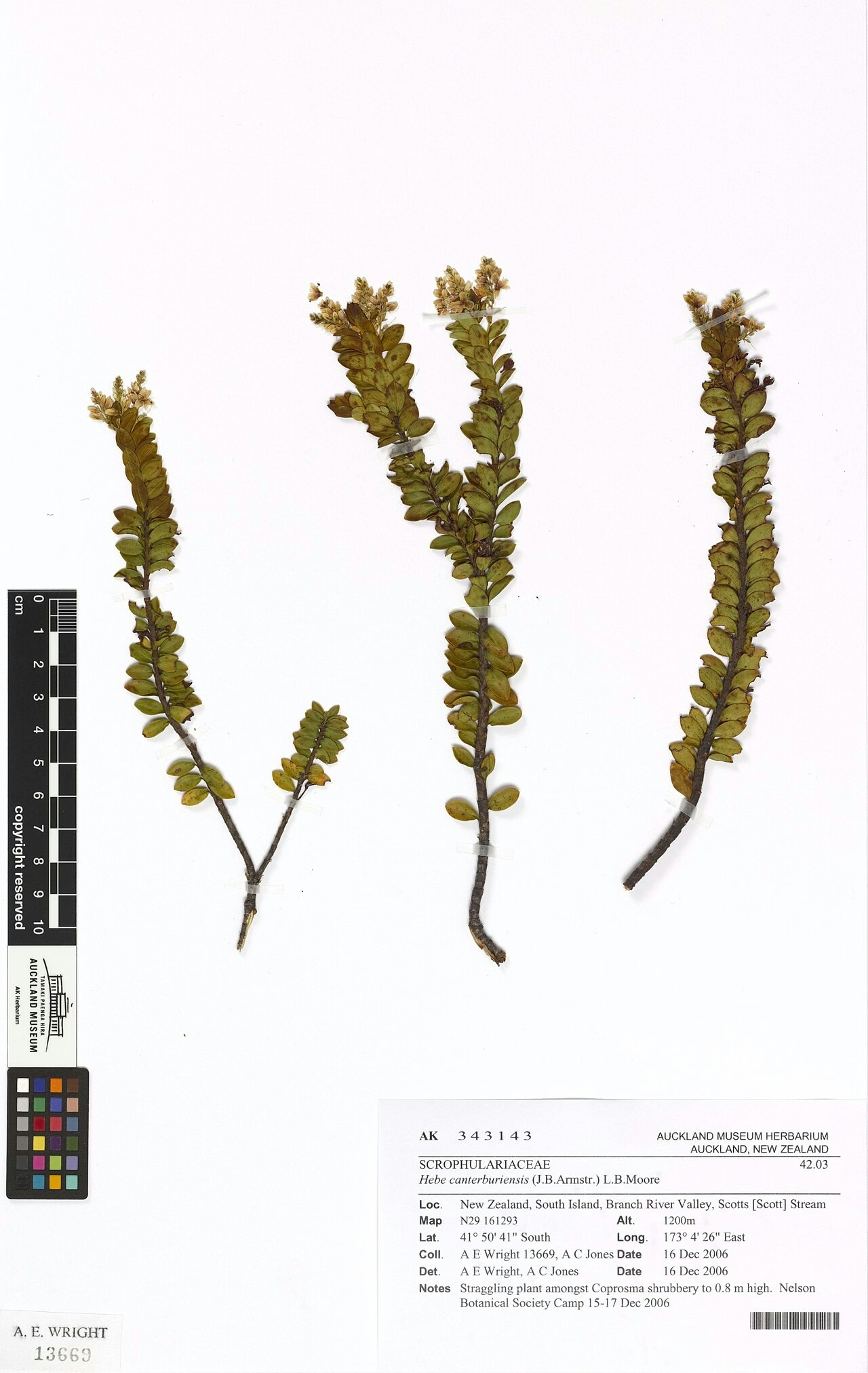
Canterbury Hebe
Veronica canterburiensis
Plant Conservation
Veronica biggarii is ranked At Risk - Naturally Uncommon (2023) with the qualifier RR (range restricted). NZPCN describes it as a naturally uncommon endemic that is locally common within its habitat and under no obvious threats.
Its small range means a single large disturbance could affect much of the population. Controlling weeds such as wilding conifers, which are a major problem around Mid Dome, and minimising damage to alpine rock and tussock habitats help keep it secure.
Frequently Asked Questions
Where is Veronica biggarii found?
It is endemic to the South Island and found only in northern Southland, on the Eyre Mountains, the Thomson Mountains and Mid Dome, in alpine rocky places and snow tussock grassland.
How do you identify Biggar's hebe?
Look for a small erect shrub with leathery leaves 5 to 20 mm long edged in red, and flower spikes of 8 to 25 flowers on stalks 20 to 50 mm long, whose flowers have stalks and hairless ovaries.
Is Veronica biggarii easy to grow?
NZPCN describes it as easily grown from cuttings and fresh seed. It needs a sharply drained, sunny site such as a rock garden or alpine trough.
Sources and Further Reading
The botanical, growing, and conservation details for Biggar's Hebe (Veronica biggarii) on this page draw on the New Zealand plant references below. Consult them for full technical records and the latest distribution data.