Chatham Island Tree Hebe
Veronica barkeri
Last updated:
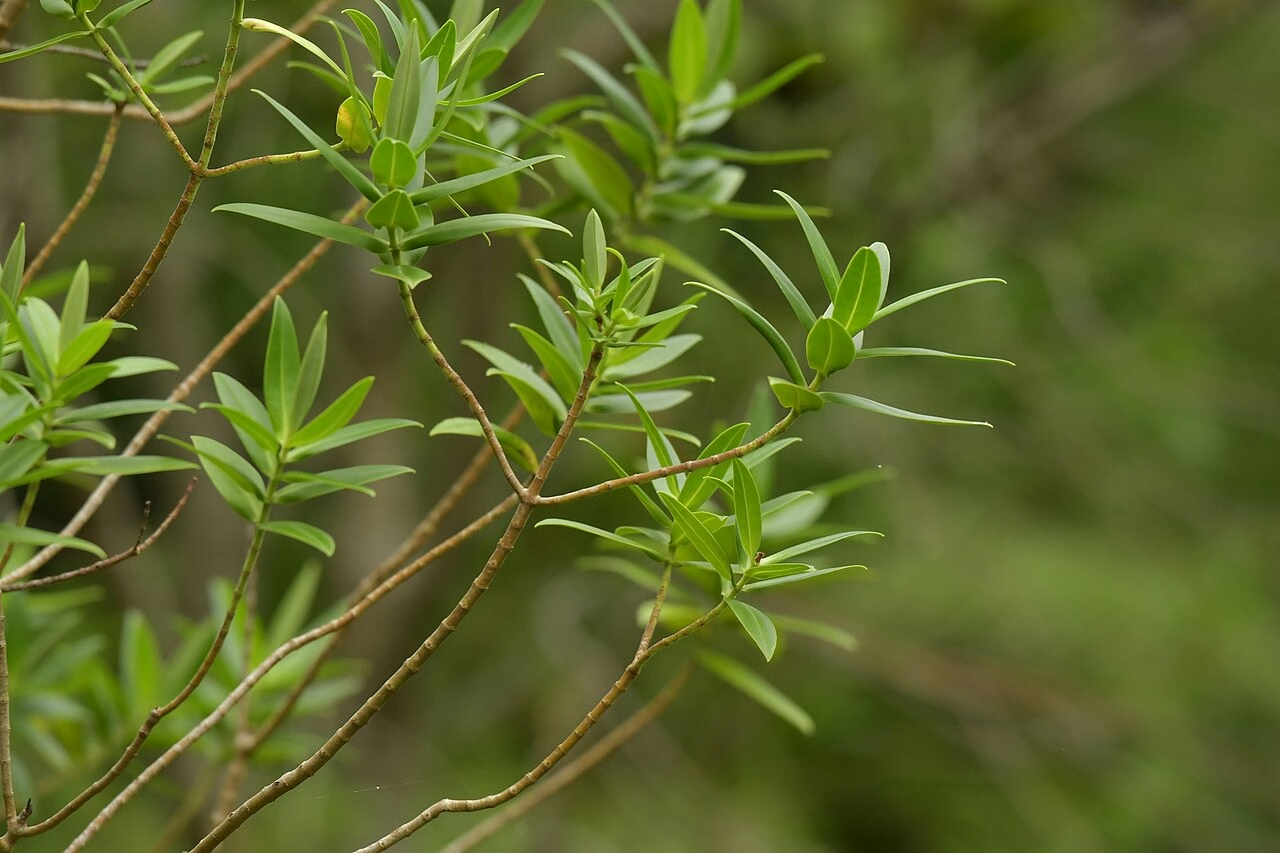
Chatham Island tree hebe (Veronica barkeri, now Veronica barkeri), also called Barker's koromiko, is a bushy small tree with a dense rounded to conical crown that can reach 13 m tall, making it by far the largest member of the hebe group. It is found only on the Chatham Islands, on Rēkohu/Chatham Island, Rangiauria/Pitt Island and Rangatira/South East Island, where it grows in forest and scrub on coastal scarps and stream banks and often perches on tree fern trunks. It is ranked Threatened - Nationally Critical because browsing stock, possums and pigs, fire and farm clearance have reduced it to scattered remnants. It was previously known as Hebe barkeri. Explore more New Zealand native trees in our native plant guide.
Plant Description
Veronica barkeri is a bushy small tree up to 13 m tall with a dense, rounded to conical canopy and upright branches. Its leaves are narrow and arranged in opposite pairs, 24 to 90 mm long and 4 to 30 mm wide, tapering towards the tip. They are slightly leathery, with finely hairy margins and a distinctly hairy midrib on the upper surface.
The flowers are whitish and carried in spikes up to about 8 cm long from December to March. Small capsules follow from January to April, each splitting to release many tiny flat seeds.
On the Chathams it can be confused with Veronica dieffenbachii, the other endemic Chatham Island hebe. Veronica barkeri differs in its tree form, its upright branches and features of the corolla tube; V. dieffenbachii is a spreading shrub rather than a tree.
Quick Facts
| Scientific Name | Veronica barkeri |
|---|---|
| Height | Usually 3-8 m, up to 13 m |
| Spread | 2-5 m, with a dense rounded crown |
| Water Needs | Moist but free-draining soil |
| Light | Full sun to light shade |
| Frost Tolerance | Moderate; suited to a cool oceanic climate |
| Salt Tolerance | Moderate to good; grows on coastal scarps |
| Growth Rate | Moderate |
| Lifespan | Long-lived perennial tree |
Climate Best Suited to
It suits a cool, windy and moist oceanic climate with mild winters and no long dry spells, much like the Chatham Islands themselves. It struggles in warm, humid conditions.
Regional Suitability
| City | Climate Suitability |
|---|---|
| Auckland | Low |
| Wellington | Medium |
| Christchurch | Medium |
| Dunedin | High |
Plant Habitat
Veronica barkeri is endemic to the Chatham Islands, about 800 km east of mainland New Zealand. It has been recorded on Rēkohu/Wharekauri/Chatham Island, Rangihaute/Rangiauria/Pitt Island and Hokorereoro/Rangatira/South East Island.
It grows in forest and scrub, especially on coastal scarps, forested streamsides and the banks of incised streams, where steep ground has given some protection from stock. It is often epiphytic, germinating and growing on the trunks of tree ferns.
Growing Requirements
Soil Requirements
In the wild it grows on damp, organic soils along streams and scarps and even in the fibrous trunks of tree ferns. In cultivation it needs moist, well-drained ground rich in organic matter.
- Humus-rich loam or peaty soil
- Good drainage; avoid waterlogged clay
- Mulch to keep roots cool and moist
Light Requirements
It grows in forest margins and scrub, so it tolerates some shade, but forms the densest crown in good light.
- Full sun in cool climates
- Light or dappled shade in warmer districts
- Shelter from hot afternoon sun in the north
Water Requirements
The Chatham Islands are cool and frequently misty, and this hebe expects steady moisture rather than summer drought.
- Water deeply through dry spells, especially when young
- Do not let the root zone dry out completely
- Good air movement reduces humidity-related problems
Planting and Establishing
Plant in autumn or spring into a moist, well-drained site with room for a small tree. Space plants 3 to 4 m apart if forming a grove, and stake young trees in exposed spots until roots establish.
Because NZPCN notes it is difficult to maintain in humid climates, choose an open, breezy position rather than a still, sheltered hollow, particularly in northern districts. Plant material should come from nursery-raised stock of known Chatham Islands origin.
Ecological Role
Like other hebes, its white flower spikes are visited by insects such as native bees, flies and butterflies, which act as pollinators. The tiny seeds are released from dry capsules and are dispersed by wind and gravity, which explains its ability to establish on tree fern trunks.
NZPCN reports that stem borers may limit fruit production. Its tendency to germinate on tree ferns may give seedlings a refuge above the reach of browsing animals.
Uses & Significance
Garden Uses
In cooler gardens it makes an unusual small specimen tree with a dense, rounded head, and it is valuable in collections of Chatham Islands plants.
- Specimen tree for cool coastal gardens
- Conservation planting of a Nationally Critical species
- Shelter and screening in windy sites
Ecological Value
As one of the few endemic small trees of the Chatham Islands, it contributes to the structure of remnant forest and scrub and provides summer nectar for insects.
- Nectar and pollen source for native insects
- Part of Chatham Islands streamside and scarp forest
- Retaining genetic diversity is critical given its tiny wild population
Landscaping Uses
Use it as a focal tree in a cool, coastal native garden, where its tidy conical crown contrasts with flax, tree ferns and other Chatham Islands species such as Chatham Island forget-me-not.
In streamside restoration on the Chathams themselves, it suits fenced gullies and scarps alongside akeake and tree ferns, recreating its natural associations.
Seasonal Care Calendar
Spring
New growth begins and it is a good time to plant or pot on seedlings.
- Plant out nursery stock
- Apply mulch before soils dry
Summer
Whitish flower spikes appear from December and continue to March, attracting insects.
- Water in dry spells
- Watch for leaf spot in humid weather
Autumn
Capsules ripen from January to April and can be collected for seed.
- Collect ripe capsules before they split
- Sow fresh seed promptly
Winter
Growth slows. Established trees cope with cool, windy winters.
- Protect young plants from hard frost inland
- Check stakes and ties
When to Prune and How Much
Little pruning is needed. Remove dead, crossing or storm-damaged branches after flowering, and lift the lower crown if you want it to read as a tree rather than a large shrub.
Avoid cutting hard into old bare wood, as hebes often regrow poorly from it. Light trimming after flowering keeps the crown dense.
How to Grow Chatham Island Tree Hebe
NZPCN states that Veronica barkeri is easily grown from fresh seed but can be hard to strike from cuttings, so seed is the primary method. Use seed from known wild-origin or carefully isolated plants, because hebes hybridise readily in gardens and seedlings from mixed collections may not be true to type. For a Nationally Critical species, propagation for restoration should be coordinated with the Department of Conservation and local Chatham Islands landowners.
From Seed
Capsules ripen from January to April. Collect them when they turn brown and are just beginning to split, then dry them in a paper bag to release the tiny flat seeds. Fresh seed germinates best.
- Collect brown capsules in late summer or autumn
- Sow seed thinly on the surface of a fine, moist seed-raising mix
- Cover very lightly with fine grit or vermiculite
- Keep in a cool, bright, sheltered place and do not let the mix dry out
- Prick out seedlings into individual pots when they have two or three pairs of true leaves
- Grow on for at least a year before planting out
From Cuttings
Cuttings are possible but strike less reliably than in most hebes. Semi-hardwood material taken in late summer or autumn has the best chance.
- Take 8 to 12 cm semi-hardwood cuttings from healthy, non-flowering shoots
- Remove the lower leaves and dip the base in rooting hormone
- Insert into a free-draining mix of bark and perlite
- Keep in a humid but well-ventilated position out of direct sun
- Pot on once roots have formed, which may take several months
Pests & Diseases
In the wild the main threats are browsing animals, especially cattle, sheep, possums and pigs, which eat foliage and seedlings. Stem borers may attack branches and reduce fruiting.
In cultivation, hebes can suffer from downy mildew and leaf spot in humid, still conditions, which matches NZPCN's note that this species is difficult to maintain in humid climates. Good air movement and avoiding overhead watering help.
Cultural Significance
The species is named after Samuel Delabere Barker (1848-1901), who collected on the Chatham Islands during a two-month visit in 1873. No Moriori or Māori name or traditional use specific to this species could be found in the sources consulted.
Its common name Barker's koromiko borrows koromiko, the Māori name applied to several mainland hebes. Radio New Zealand featured it as a Critter of the Week in 2019, raising its profile as one of the Chathams' rarest trees.
Bonus Tip
If you are planting it in a northern or humid garden, put it where wind moves freely through the crown and keep it away from irrigation sprinklers. The species copes far better with cool, breezy conditions like its island home than with warm, still humidity.
Related Plants
Explore other native plants that share similar characteristics or habitats with Chatham Island Tree Hebe (Veronica barkeri), offering further insights into New Zealand's diverse flora. These related species provide context and opportunities for complementary planting in your garden.
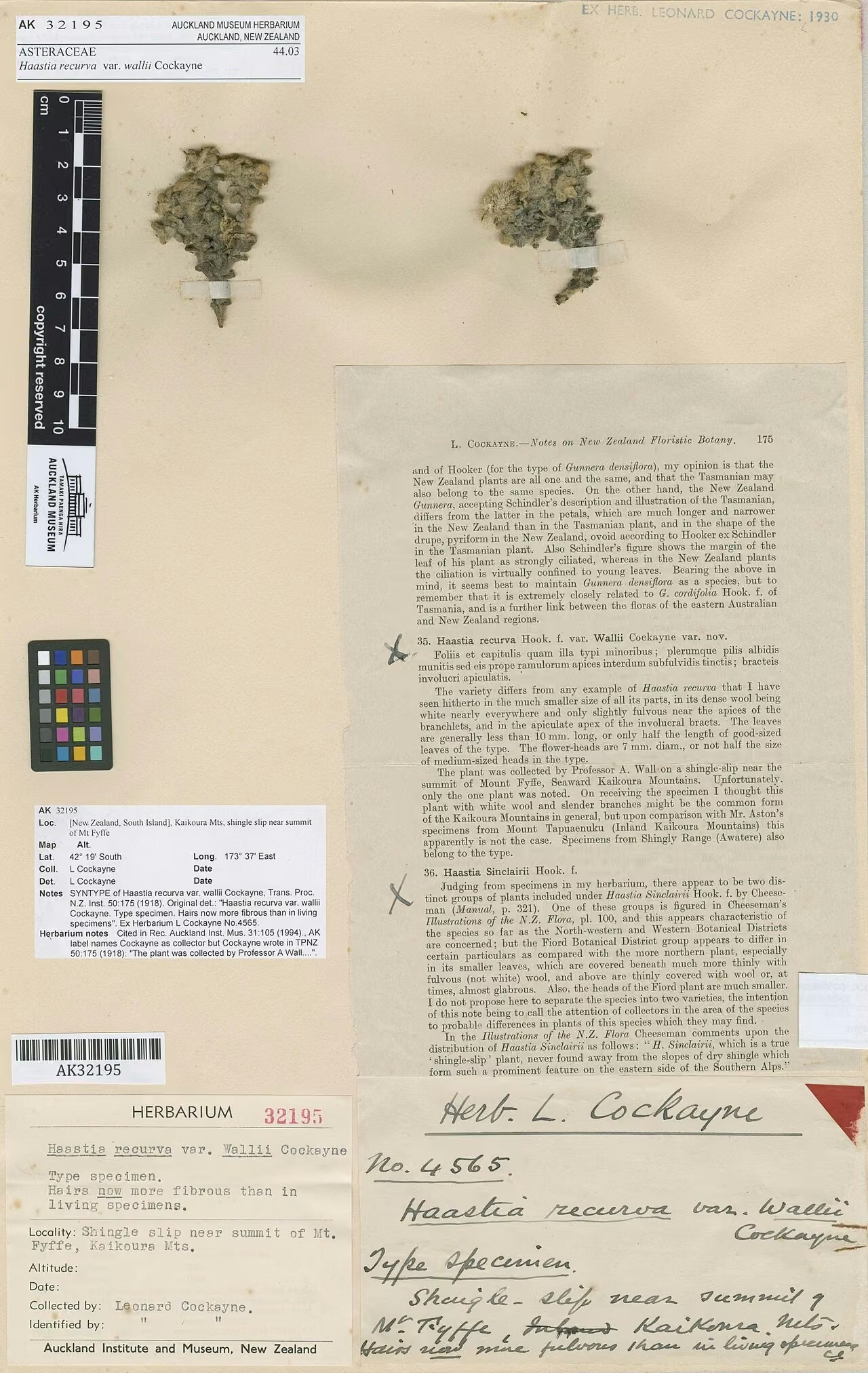
Haastia recurva var. recurva
Haastia recurva var. recurva
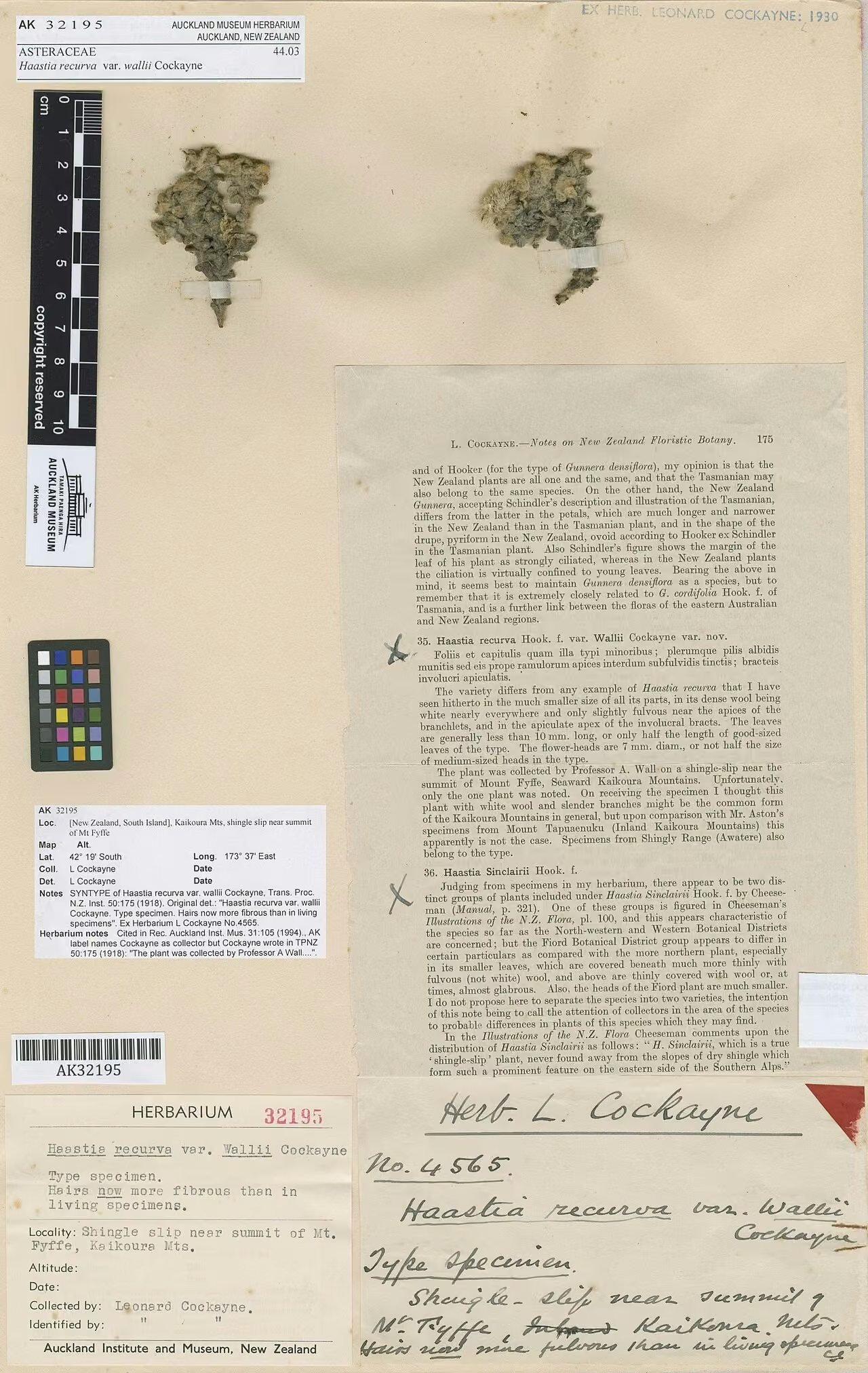
Haastia recurva var. wallii
Haastia recurva var. wallii
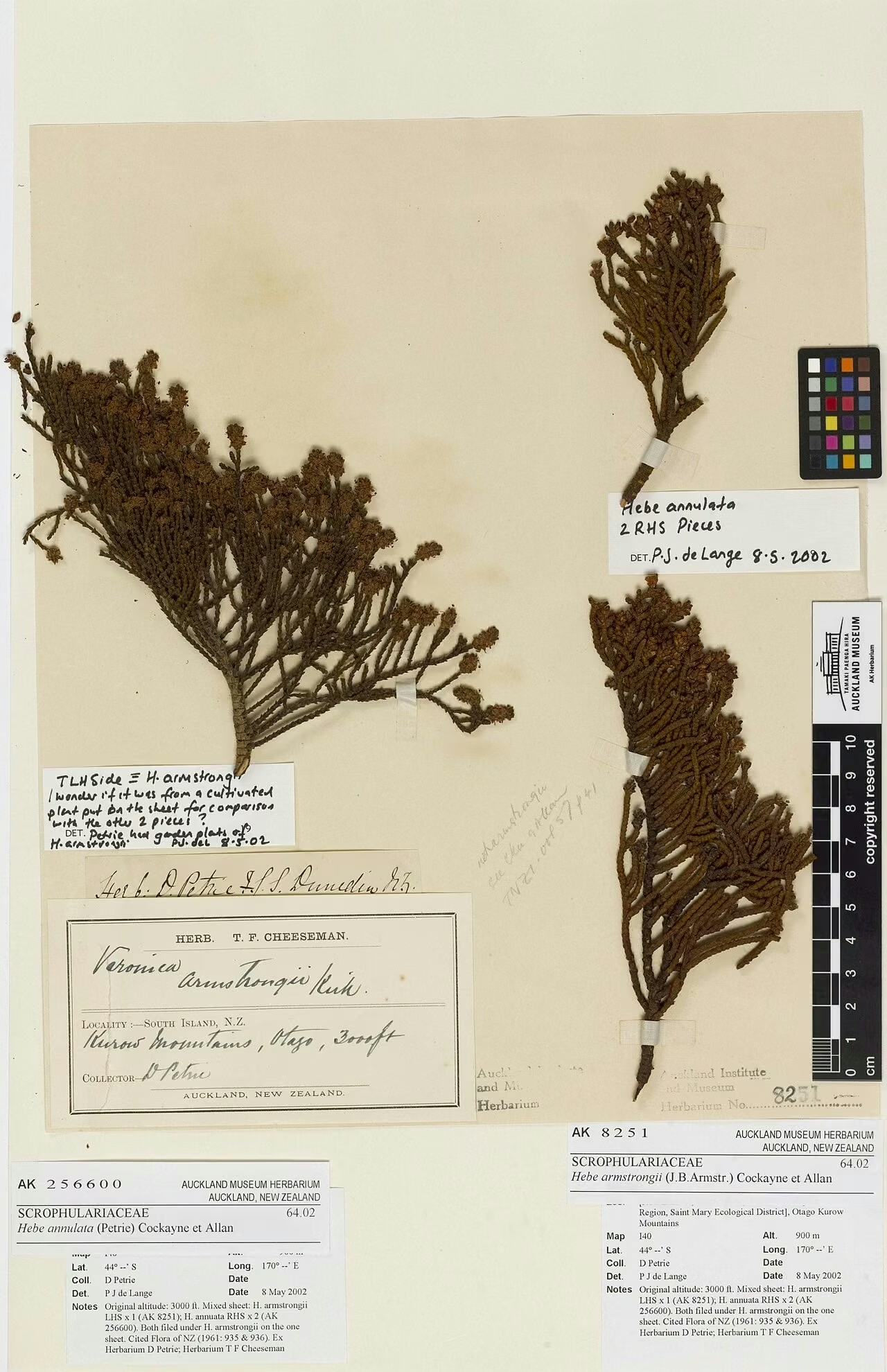
Veronica annulata
Veronica annulata
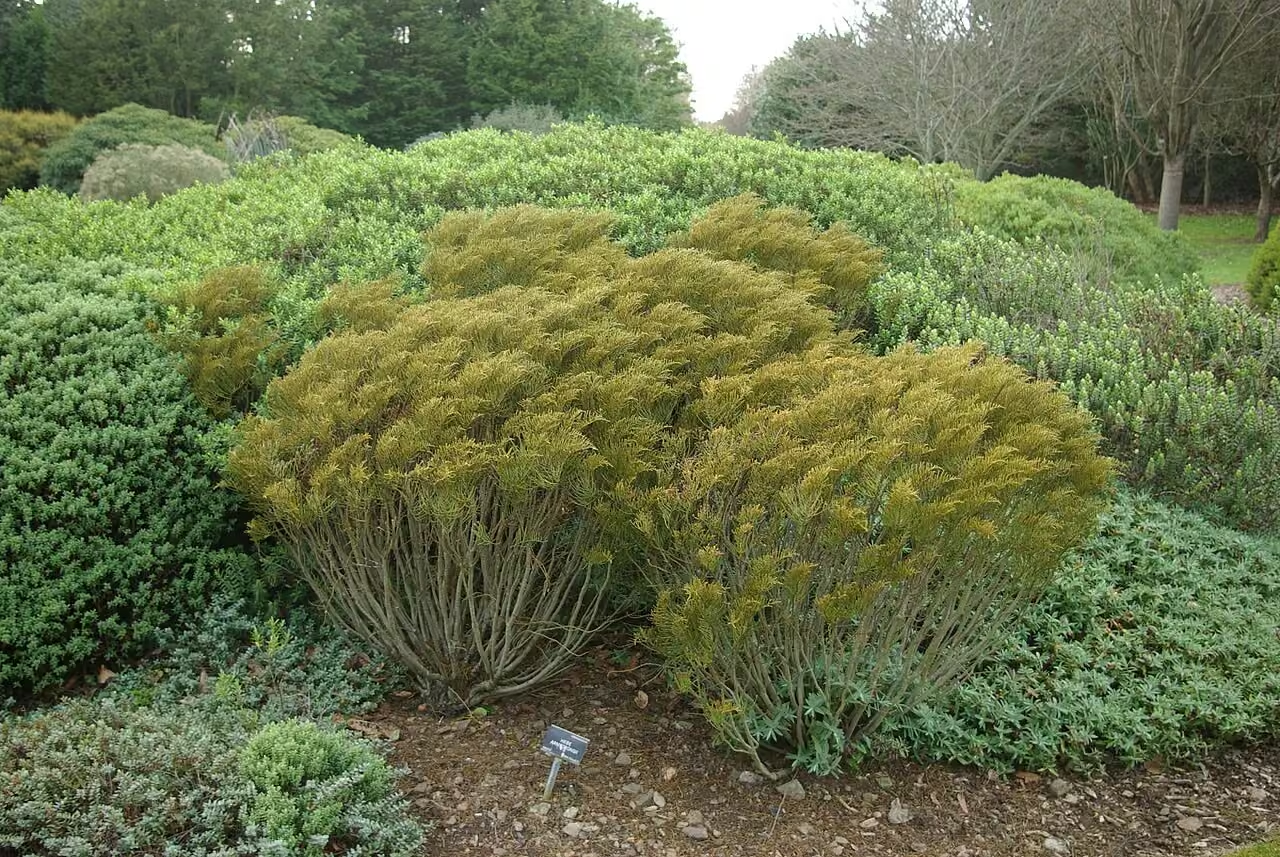
Armstrong's Whipcord
Veronica armstrongii
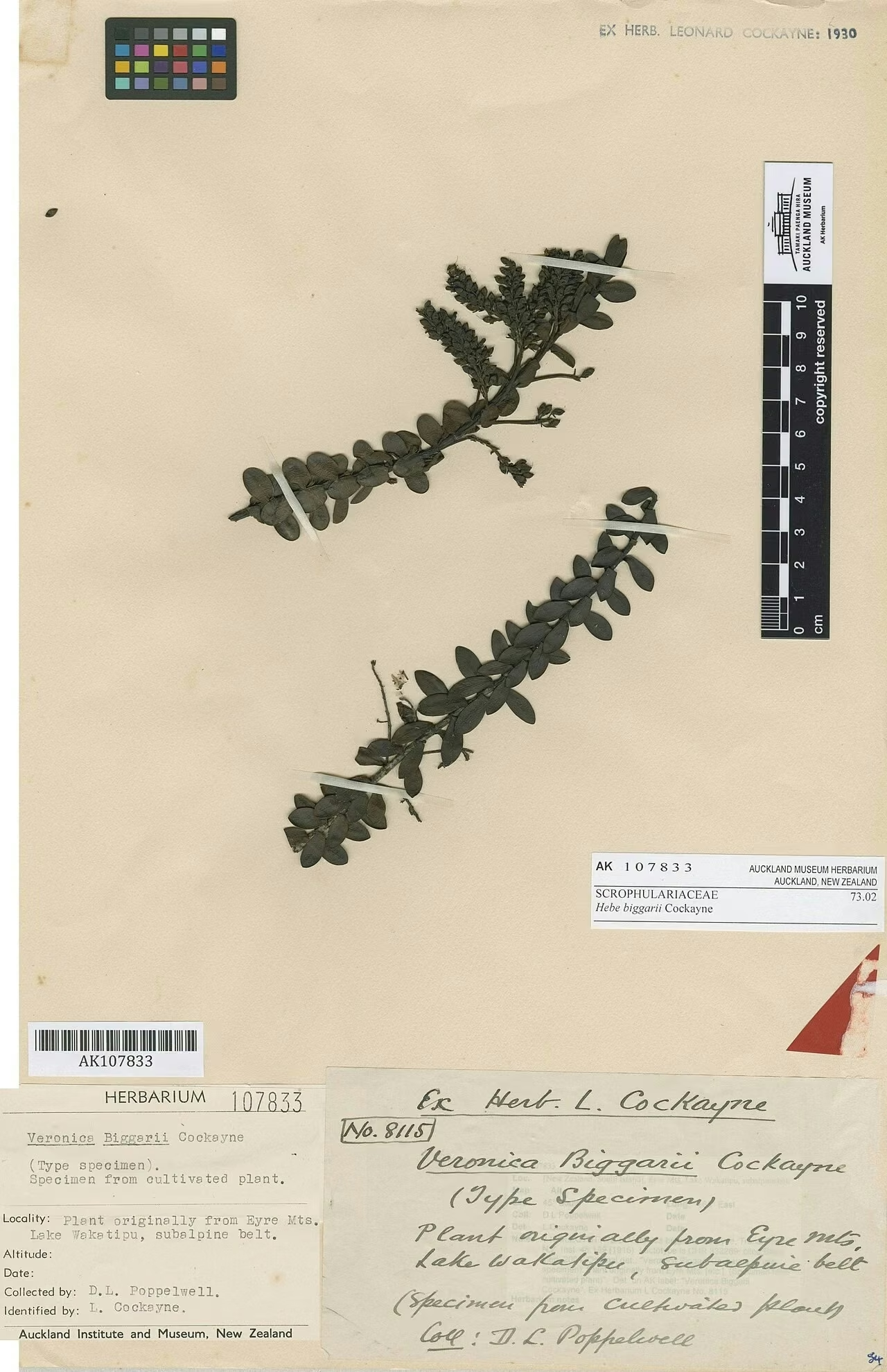
Biggar's Hebe
Veronica biggarii
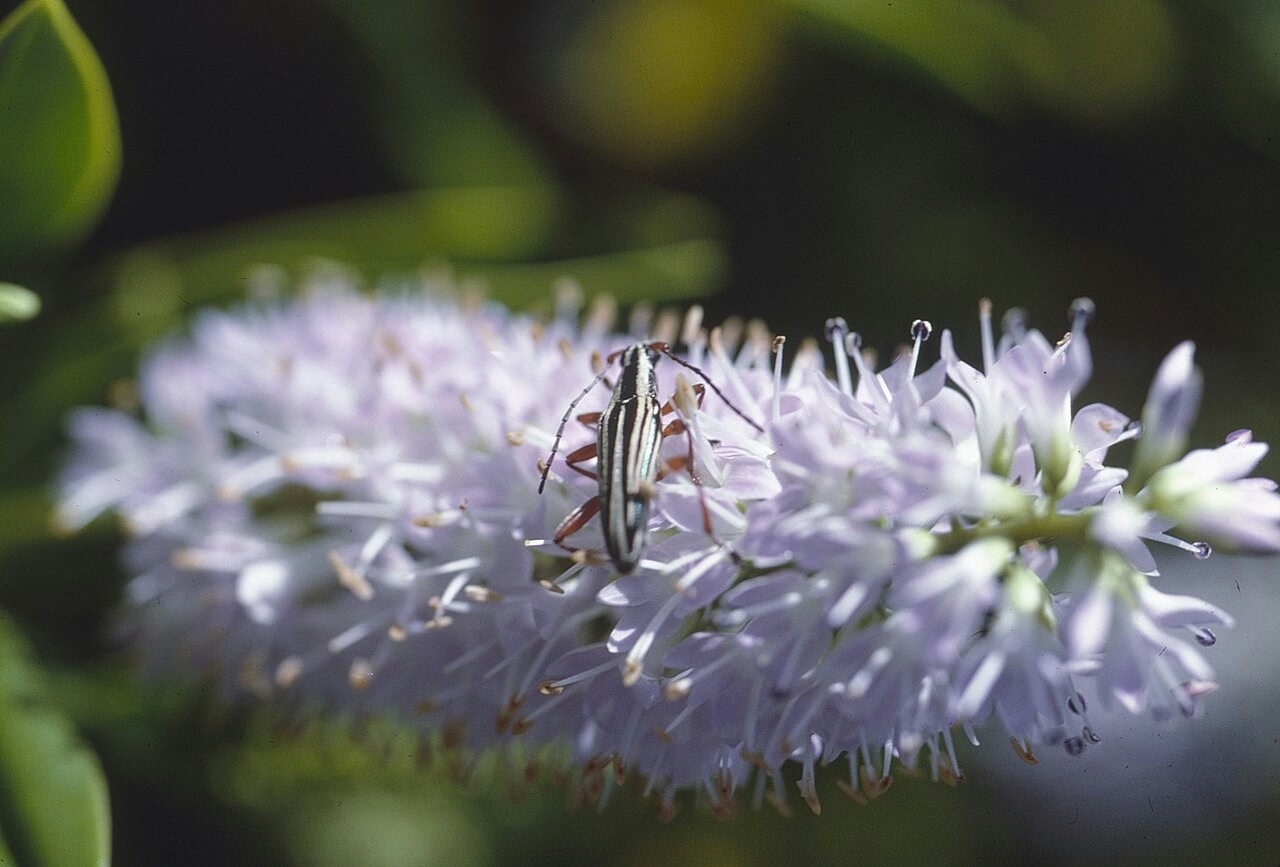
Veronica bollonsii
Veronica bollonsii
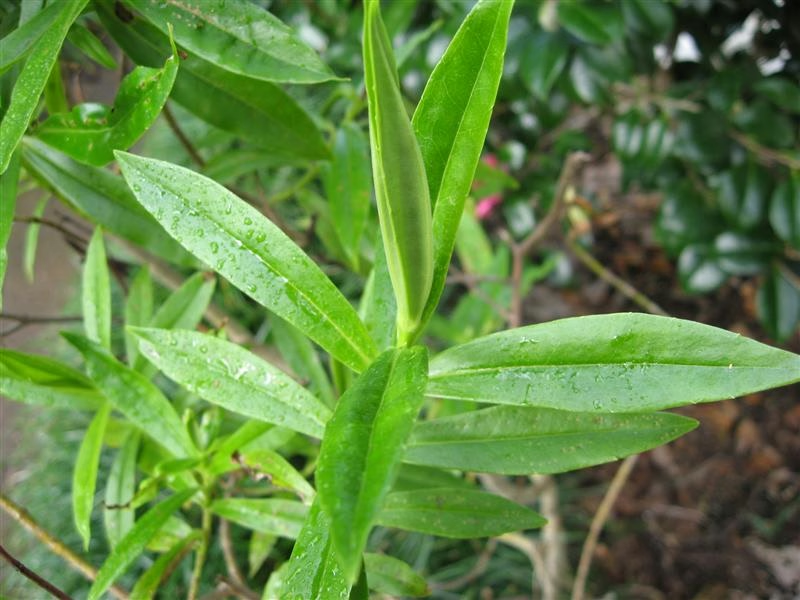
Kermadec Koromiko
Veronica breviracemosa
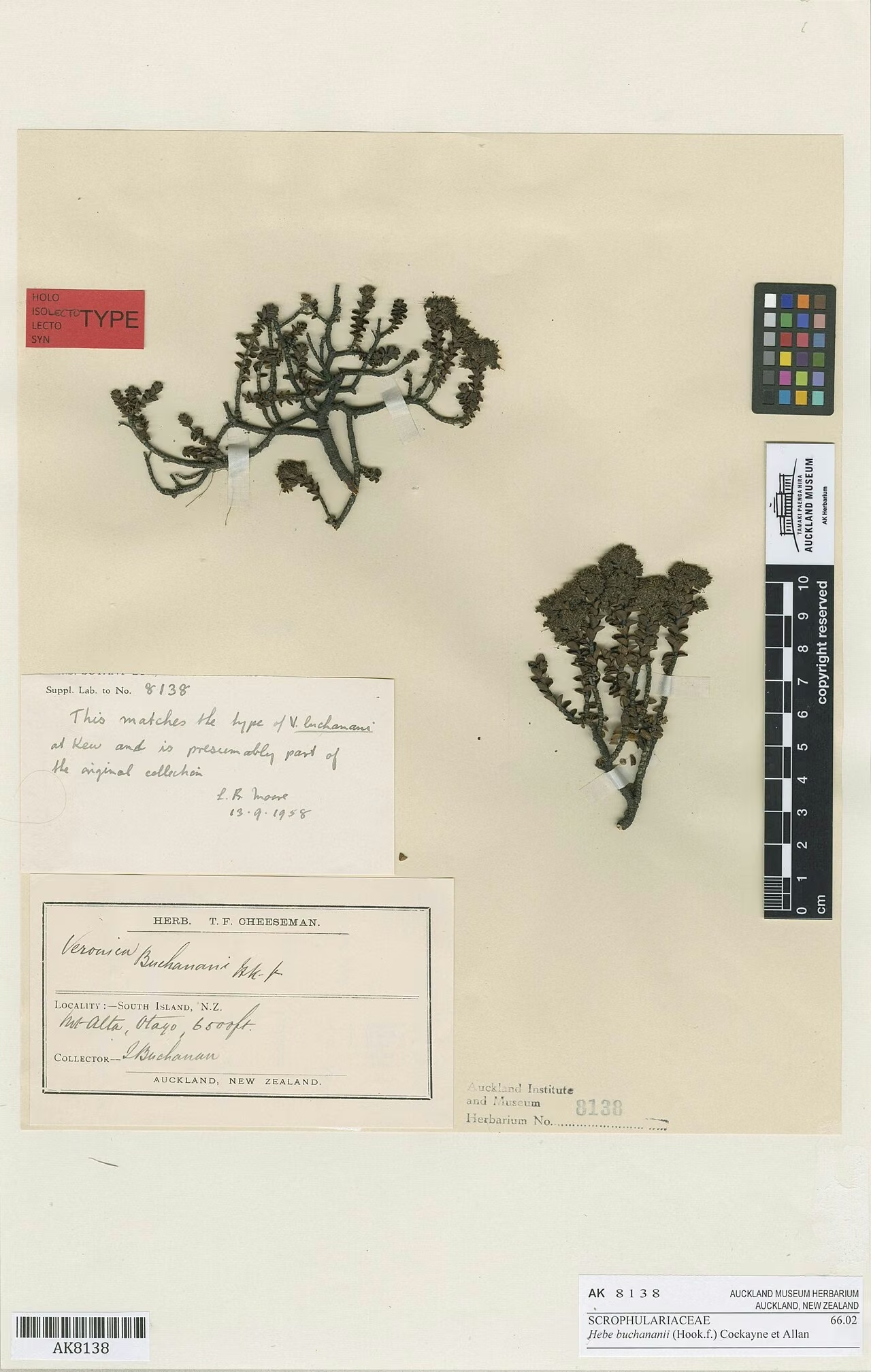
Veronica buchananii
Veronica buchananii
Plant Conservation
Veronica barkeri is ranked Threatened - Nationally Critical (2023) with the qualifiers CD (conservation dependent), IE (island endemic) and RF (recruitment failure). Browsing by cattle, sheep, possums and pigs is the greatest threat, with fire and clearance for farming also having reduced its habitat.
Fencing remnant forest and streamsides to exclude stock, controlling possums and pigs, and planting nursery-raised seedlings from local seed are the main ways to help. Rangatira/South East Island, a predator and stock-free nature reserve, provides an important refuge.
Frequently Asked Questions
What is the tallest hebe in New Zealand?
Veronica barkeri, the Chatham Island tree hebe, is the tallest. It grows into a bushy tree up to 13 m tall, far larger than any mainland hebe.
Where does Veronica barkeri grow in the wild?
Only on the Chatham Islands: Rēkohu/Chatham Island, Rangiauria/Pitt Island and Rangatira/South East Island, in forest and scrub on coastal scarps, streamsides and incised stream banks.
Why is the Chatham Island tree hebe endangered?
NZPCN identifies browsing by cattle, sheep, possums and pigs as the greatest threat, along with fire and clearance for farming. Stem borers may also limit fruit production.
How do you grow Veronica barkeri?
It grows easily from fresh seed but can be hard to strike from cuttings, and it is difficult to keep in humid climates. A cool, windy, moist site suits it best.
Sources and Further Reading
The botanical, growing, and conservation details for Chatham Island Tree Hebe (Veronica barkeri) on this page draw on the New Zealand plant references below. Consult them for full technical records and the latest distribution data.