Whipcord Hebe
Veronica annulata
Last updated:
Veronica annulata, long known as Hebe annulata, is a whipcord hebe endemic to the mountains of Otago and Southland. It is a low, spreading shrub about 0.5 m tall and 1 m across, with whip-like branches clothed in tiny scale leaves that are joined in pairs to ring the stem, which is what annulata (ringed) refers to. Small heads of 4 to 10 white flowers with pink to purple anthers appear at the branch tips in early summer. It grows on the Remarkables, Hector Mountains, Criffel Range and Takitimu Mountains, usually among boulders at the foot of steep slopes, and is ranked At Risk - Naturally Uncommon. Explore more native shrubs in our native plant guide.
Plant Description
Veronica annulata is a spreading low shrub up to about 0.5 m tall and 1 m wide. Its branches are whip-like, the typical form of the whipcord hebes, because the leaves are reduced to tiny scales pressed against the stem. The leaves are 1 to 2 mm long, arranged in opposite pairs that are fused at the base so that each pair encircles the stem, and they have finely hairy margins. Under a hand lens a fuzzy line can be seen where the hairy margins of adjacent leaves meet.
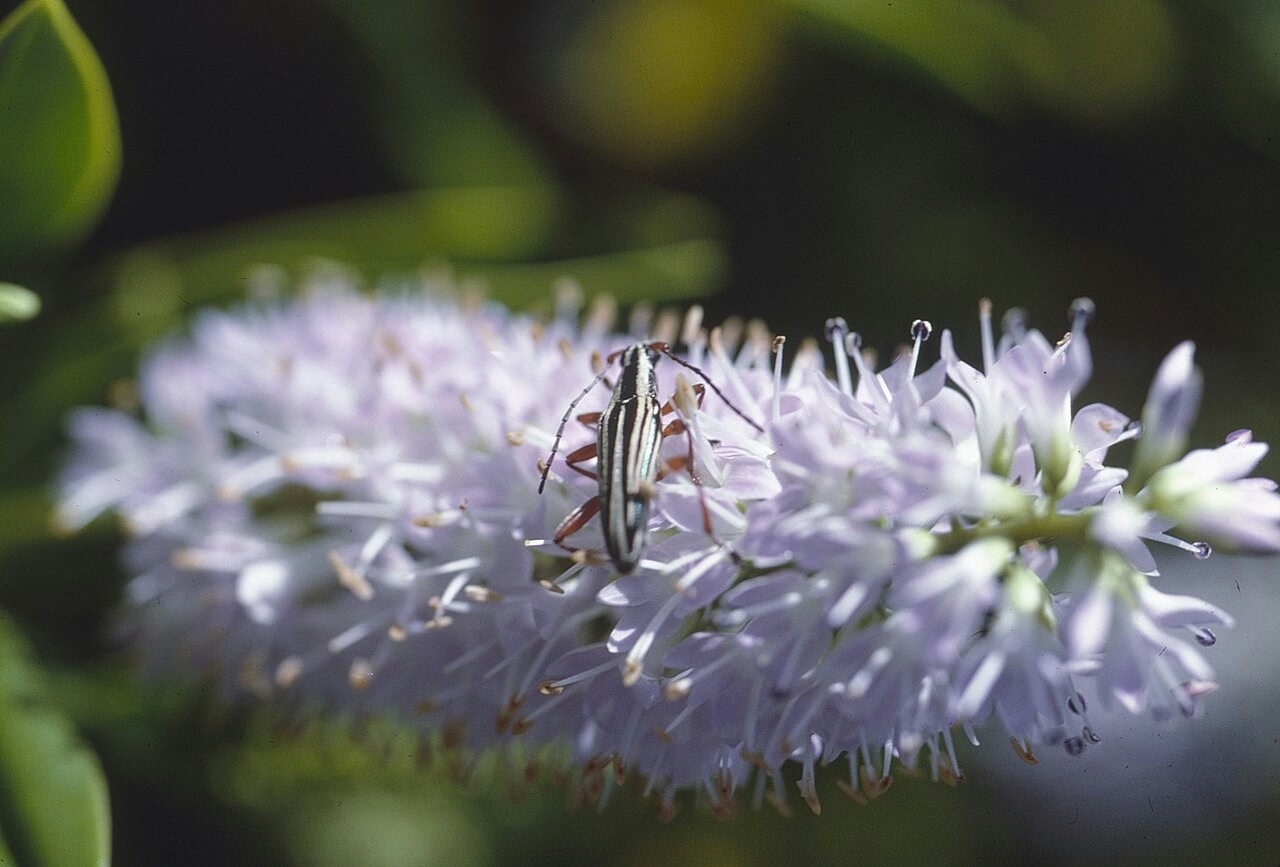
Flowers are produced in small terminal heads of 4 to 10, each flower white and stalkless with pink or purple anthers. The capsules that follow are pale brown and blunt. The species is diploid, with a chromosome number of 2n = 42.
It most closely resembles Veronica armstrongii, which is tetraploid and grows in wet ground with bog pine in Canterbury. Veronica annulata has stouter branchlets, more strongly appressed and overlapping leaves that are usually blunt rather than pointed, fused front calyx lobes and obscure nodal joints.
Quick Facts
| Scientific Name | Veronica annulata |
|---|---|
| Height | About 0.5 m |
| Spread | About 1 m |
| Water Needs | Moderate; moist but free-draining |
| Light | Full sun |
| Frost Tolerance | High; montane to subalpine |
| Salt Tolerance | No information available; an inland mountain plant |
| Growth Rate | Slow |
| Lifespan | Long-lived perennial shrub |
Climate Best Suited to
Suits a continental mountain climate with cold winters, warm dry summers and low humidity, as found in Central Otago and northern Southland ranges.
Regional Suitability
| City | Climate Suitability |
|---|---|
| Auckland | Low |
| Wellington | Low |
| Christchurch | Medium |
| Dunedin | Medium |
Plant Habitat
Veronica annulata is endemic to the South Island and restricted to Otago and Southland. It is known from the Remarkables, the Hector Mountains, the Criffel Range and the Takitimu Mountains, at about 710 to 1350 m. A single historic collection from near Kurow has not been relocated in over 100 years.
It grows in the upper montane to subalpine zone, usually at the toe of steep slopes in and around boulders, often at the base of avalanche debris or rotational slumps. It favours well-drained, rocky ground with sparse scrub and rock outcrops, and occurs as scattered mature plants rather than dense stands.
Growing Requirements
Soil Requirements
In the wild it roots among boulders and rock debris where drainage is sharp but moisture collects between the rocks.
- Free-draining, stony or gritty soil
- Moisture available at depth
- Low to moderate fertility; no heavy feeding
Light Requirements
It grows in open, sunny mountain sites among rocks and sparse scrub.
- Full sun
- Good air movement around the plant
Water Requirements
NZPCN recommends a moist, sunny situation in a free-draining soil. The plant dislikes humid, wet climates even though its roots need steady moisture.
- Keep roots moist in dry spells
- Avoid wet, poorly drained or humid sites
Planting and Establishing
Plant in autumn or spring in a sunny rock garden, raised bed or scree with plenty of stones mixed into the soil. Placing it beside large rocks mimics its natural boulderfield habitat and keeps the roots cool and moist.
It will do best in dry eastern and southern districts of the South Island. In humid northern gardens it is likely to struggle.
Ecological Role
Its seeds are dispersed by wind (Thorsen et al. 2009). The small white flowers are typical of hebes visited by native insects, although no specific pollinator records for this species were found.
It appears to be inherently rare across its range, with only scattered mature individuals recorded, and it flowers shyly. Its boulderfield habitat is naturally unstable, created by avalanches and slope slumps.
Uses & Significance
Garden Uses
An interesting, compact whipcord for alpine and rock gardens in cool, dry districts.
- Rock gardens and screes
- Alpine and native collections
- Troughs and large containers in dry climates
Ecological Value
It is a naturally uncommon member of the Otago and Southland mountain flora and contributes to the diversity of whipcord hebes.
- Endemic to a small set of southern ranges
- Part of montane boulderfield and sparse scrub communities
Landscaping Uses
Its fine, conifer-like whipcord texture contrasts well with broad-leaved alpine plants and grey rocks. Use it as a low, spreading feature at the base of a rock outcrop or tumbling over the edge of a raised bed.
Combine with other dry-climate natives such as small tussocks, Raoulia mats and Aciphylla to create a Central Otago-style rock garden.
Seasonal Care Calendar
Spring
New growth begins in spring and the first flowers can appear from October.
- Plant new stock
- Check drainage after winter
Summer
Flowering continues to January, though plants often flower sparingly. Capsules develop from December.
- Water deeply in dry spells
- Take semi-hardwood cuttings
Autumn
Capsules ripen through to March. This is the time to collect seed.
- Collect and sow fresh seed
- Plant out rooted cuttings
Winter
Dormant and fully frost-hardy. Ensure the site does not become waterlogged.
- Keep drainage clear
- No feeding needed
When to Prune and How Much
Little pruning is needed. Lightly trim after flowering only if the plant becomes untidy, cutting back into green growth rather than old bare wood.
Remove any dead or broken whipcord stems in spring.
How to Grow Whipcord Hebe
NZPCN notes that Veronica annulata is easily grown from semi-hardwood cuttings and from fresh seed. Cuttings are the most reliable way to reproduce a particular plant, while seed gives more genetic variety for restoration. Because it is naturally uncommon, wild collection should be limited and only done with permission. Young plants need a sunny, airy position, as the species is intolerant of humidity. Seedlings and rooted cuttings are slow, so allow a season or two before planting them into the garden or a restoration site, and keep them in pots in full sun meanwhile.
From Cuttings
Semi-hardwood cuttings taken from summer to early autumn root readily. Whipcord stems are thin, so take several cuttings per pot.
- Take 5 to 8 cm cuttings of firm, current-season growth
- Strip scale leaves from the lowest 1 to 2 cm
- Dip in a semi-hardwood rooting hormone if available
- Insert into a free-draining mix of pumice or sand and peat
- Keep in a bright, well-ventilated place, avoiding a humid enclosed tent
- Pot on once roots have formed, usually within a few months
From Seed
Fresh seed is collected from ripe capsules between December and March. It is wind dispersed, so collect capsules as they turn brown.
- Collect brown capsules before they shed
- Sow on a gritty seed mix and cover lightly
- Keep moist in a cool, bright outdoor spot
- Prick out seedlings when large enough and grow on in free-draining pots
Pests & Diseases
No specific pests are recorded. In cultivation the main problems are fungal rots and decline in humid or wet conditions, which NZPCN notes it does not tolerate.
Ensure good air flow and drainage to reduce disease risk.
Cultural Significance
No Māori name or traditional Māori use is recorded for Veronica annulata in the sources consulted.
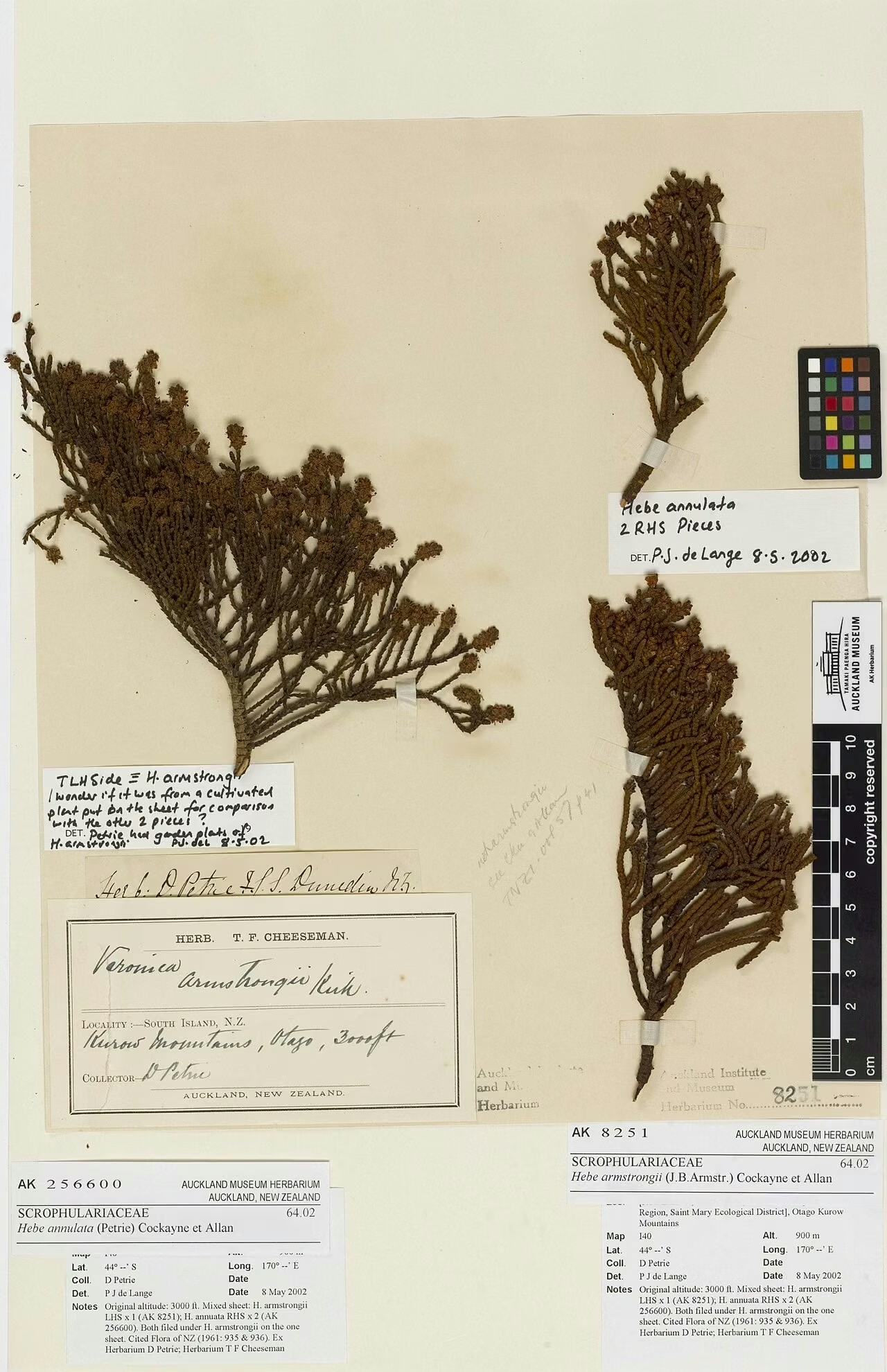
Donald Petrie first described it as a variety of Veronica armstrongii, and Thomas Cheeseman raised it to species rank. The epithet annulata comes from the Latin annulatus, meaning ringed, referring to the leaf pairs that encircle the stem.
Bonus Tip
NZPCN describes this whipcord as shy-flowering and intolerant of humidity, so give it conditions close to its home ranges: full sun, lean gritty soil, no fertiliser, good air flow and a cold winter. Treat any flowering as a bonus and grow it chiefly for its neat, ringed whipcord stems.
Related Plants
Explore other native plants that share similar characteristics or habitats with Whipcord Hebe (Veronica annulata), offering further insights into New Zealand's diverse flora. These related species provide context and opportunities for complementary planting in your garden.
Sand Gunnera
Gunnera dentata
Creeping Gunnera
Gunnera prorepens
Haastia recurva var. recurva
Haastia recurva var. recurva
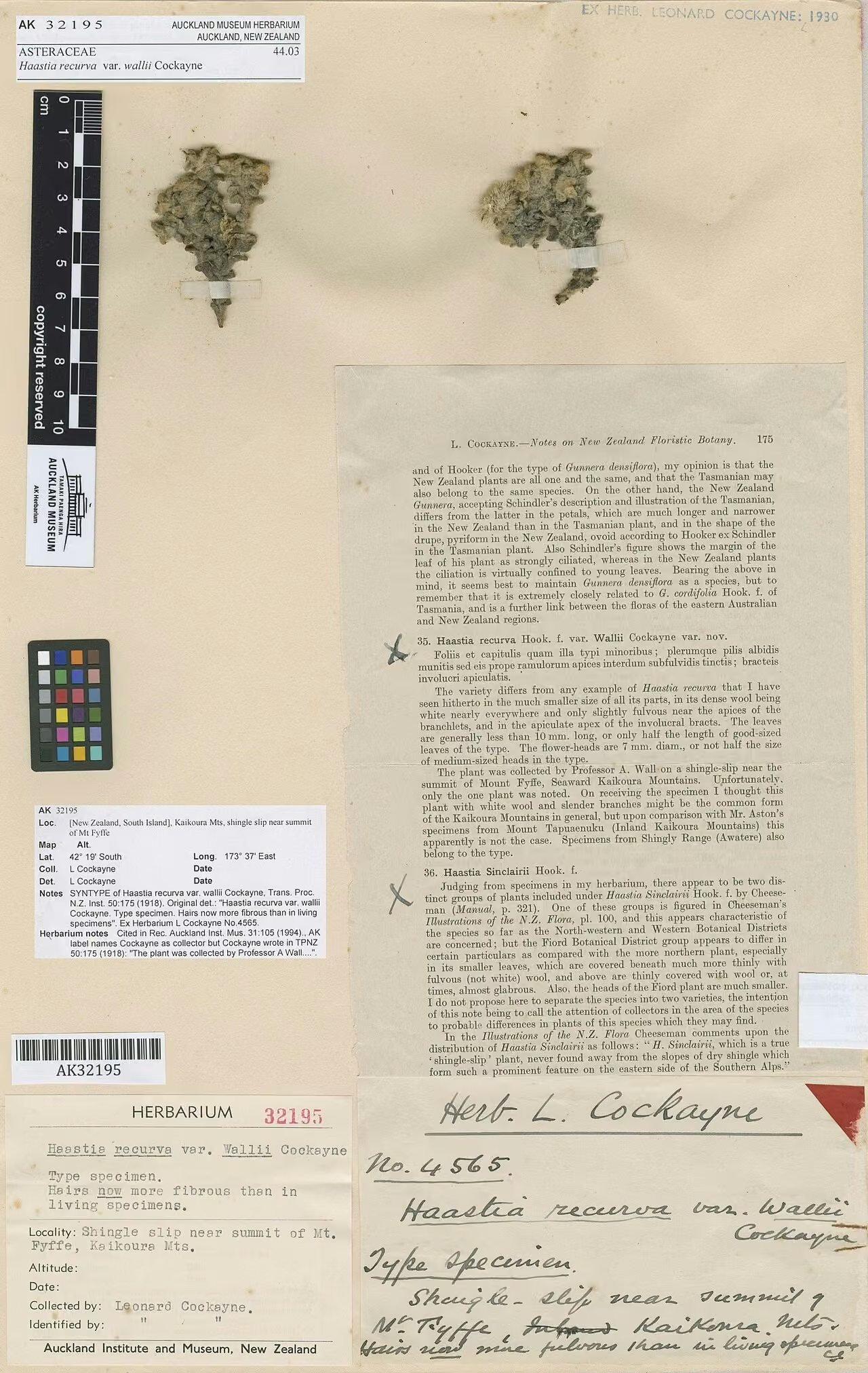
Haastia recurva var. wallii
Haastia recurva var. wallii
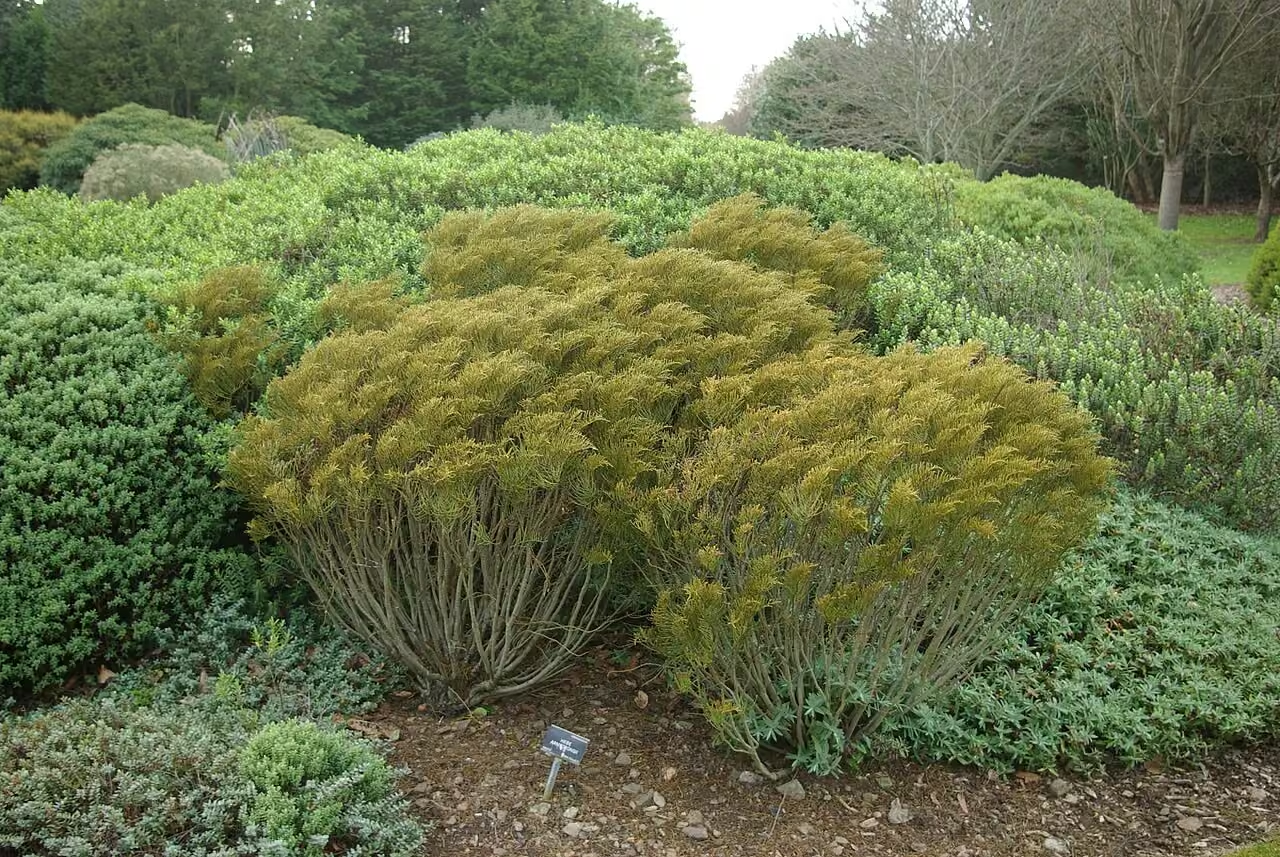
Armstrong's Whipcord
Veronica armstrongii
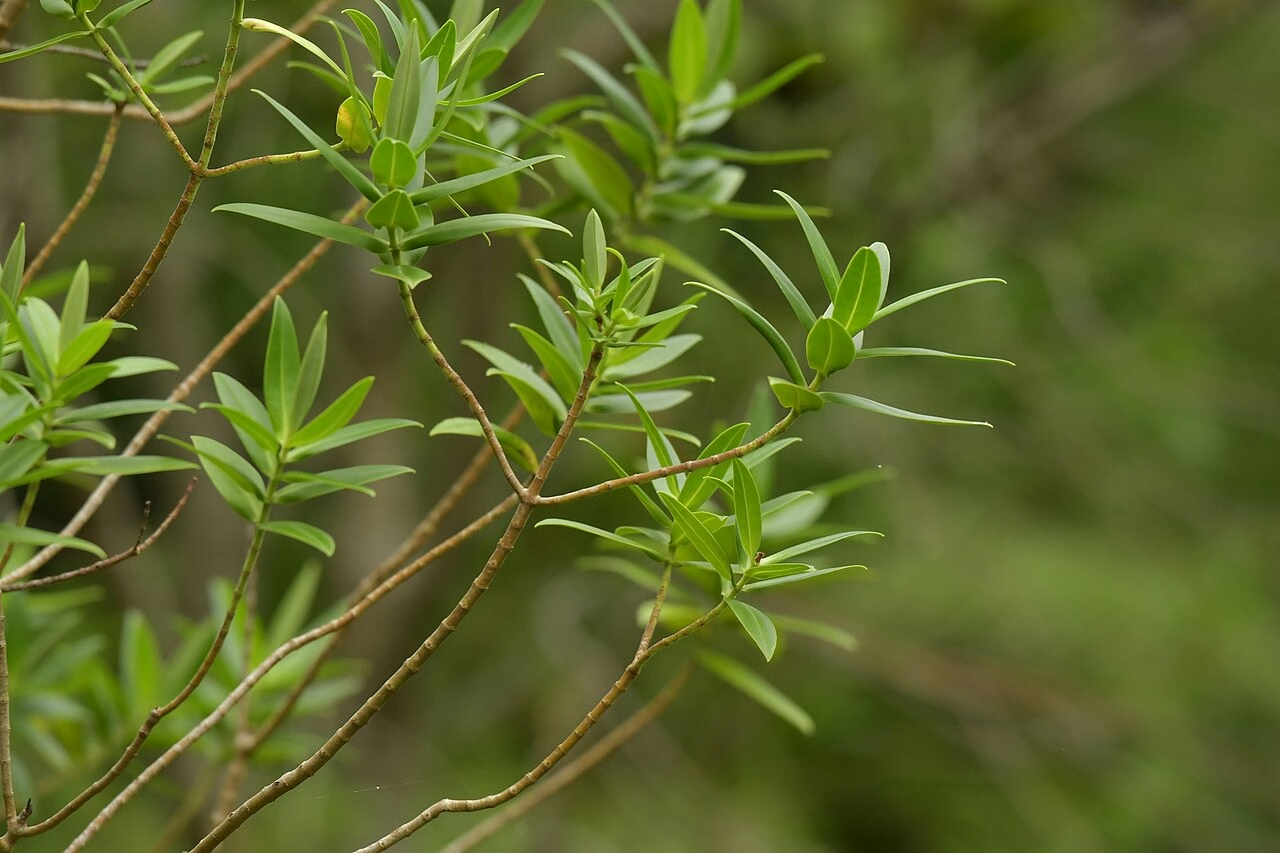
Chatham Island Tree Hebe
Veronica barkeri
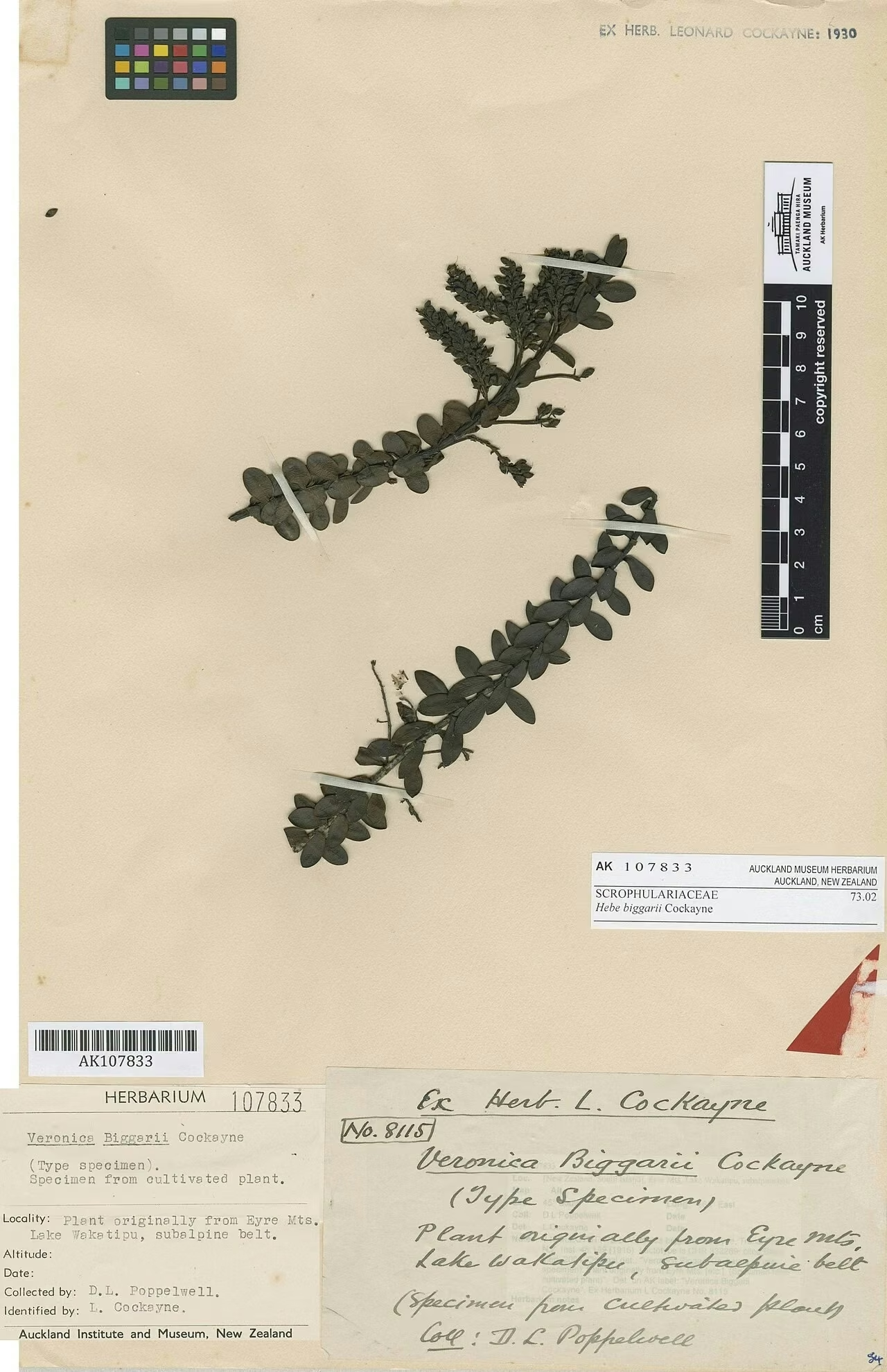
Biggar's Hebe
Veronica biggarii
Veronica bollonsii
Veronica bollonsii
Plant Conservation
Veronica annulata is ranked At Risk - Naturally Uncommon (2023), because it is restricted to a few ranges and occurs as scattered plants. In Otago it is ranked Regionally Vulnerable.
NZPCN found no evidence of decline apart from the unconfirmed Kurow site, and the species appears to be inherently rare. Protecting its boulderfield habitat from fire, weeds and disturbance and recording new sightings will help maintain it.
Frequently Asked Questions
Is Hebe annulata the same as Veronica annulata?
Yes. New Zealand hebes have been returned to the genus Veronica, and Hebe annulata is now treated as a synonym of Veronica annulata. It has also been called Leonohebe annulata.
How do you tell Veronica annulata from Veronica armstrongii?
Veronica annulata has stouter branchlets with more tightly overlapping leaves that are usually blunt, and grows on dry rocky ground. Veronica armstrongii has more slender branchlets and grows on wet ground with bog pine in Canterbury.
Is Veronica annulata easy to grow?
NZPCN says it grows easily from semi-hardwood cuttings and fresh seed and likes a moist, sunny site with free-draining soil, but it flowers shyly and does not tolerate high humidity or wet climates.
Where does Veronica annulata grow in the wild?
It occurs in the upper montane to subalpine zone of Otago and Southland, at about 710 to 1350 m, on the Remarkables, Hector Mountains, Criffel Range and Takitimu Mountains.
Sources and Further Reading
The botanical, growing, and conservation details for Whipcord Hebe (Veronica annulata) on this page draw on the New Zealand plant references below. Consult them for full technical records and the latest distribution data.