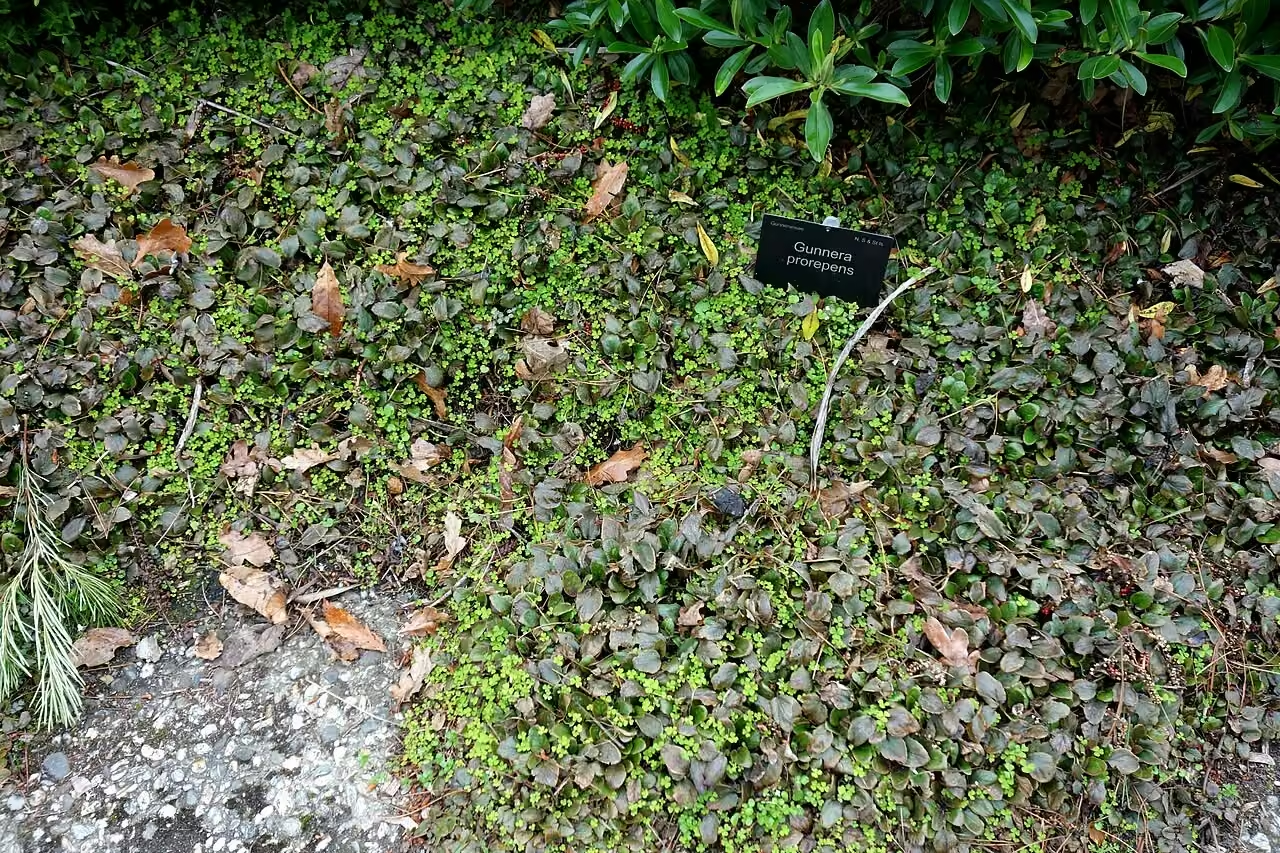
Creeping Gunnera
Gunnera prorepens
Last updated:
Creeping gunnera (Gunnera prorepens) is a low, mat-forming endemic herb of bogs and wet ground, usually only 5 to 20 cm tall. Its thin, oval leaves have heart-shaped bases and are often bronze to purplish green. Male and female flowers grow on separate plants, and female plants produce upright stalks densely packed with small fleshy fruits that ripen red-purple, red or yellow, looking a little like miniature raspberries. It grows from the Waikato south, in sphagnum bogs, damp forest, grassland and herbfield from sea level to about 1000 m, and is a popular groundcover for bog gardens. Explore more native ground covers in our native plant guide.
Plant Description
Gunnera prorepens is a dioecious, creeping herb that roots along its runners to form low, spreading mats. Its leaves are thin and membranous, ovate with a shallowly heart-shaped base, unlobed and with shallowly scalloped to almost smooth margins. Including the stalk they range from about 2.5 to 14 cm long. The foliage is usually bronze green to purplish green, especially in full sun.
Tiny flowers are produced on short spikes from September to January. Fruiting follows from November to March, when female plants carry upright heads of small, fleshy drupes, usually densely clustered on the stalk but sometimes more scattered. The fruits are short and cone-shaped to globose and ripen red-purple, red or yellow, with the flesh closely attached to the seed.
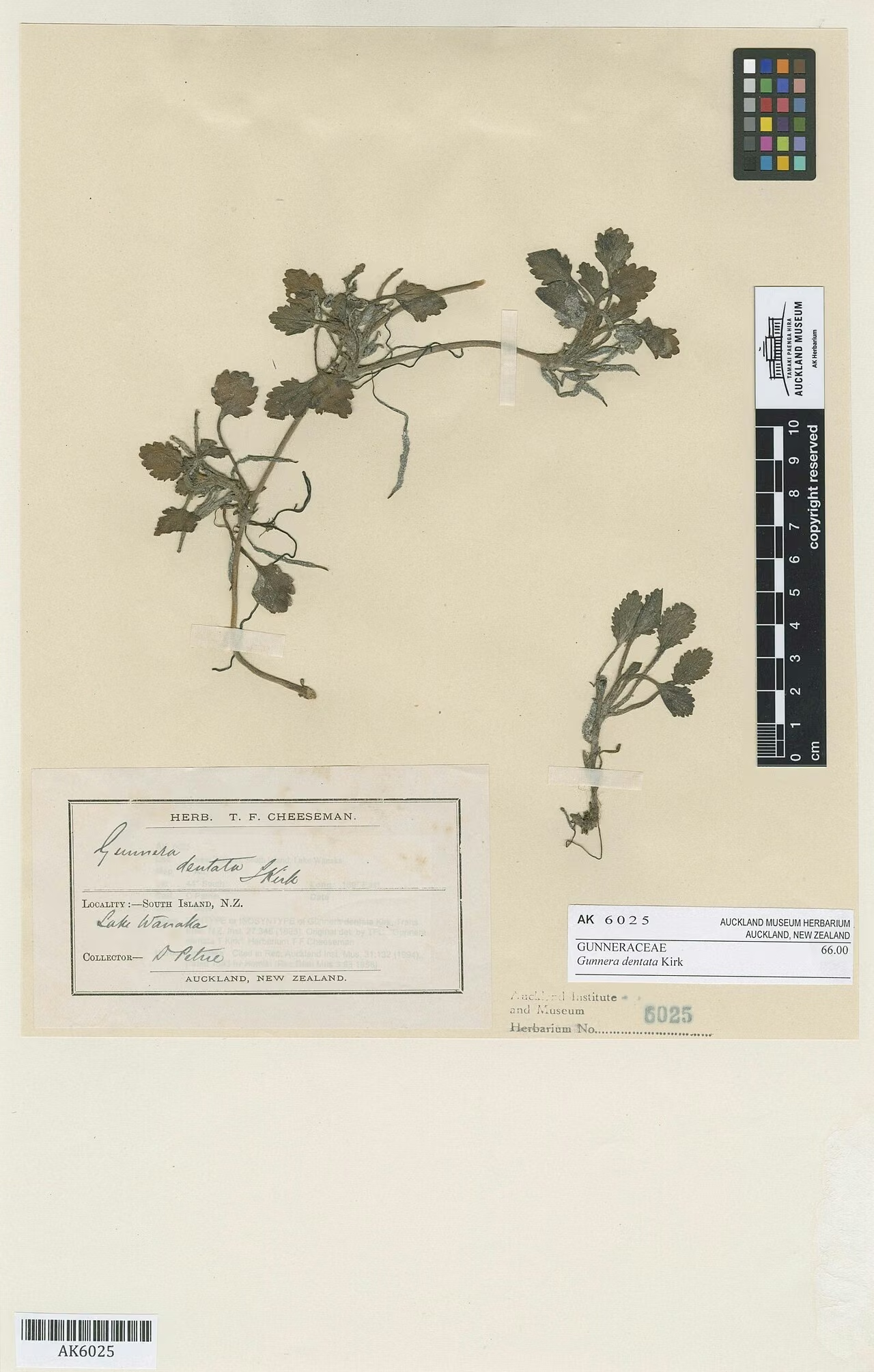
Gunnera dentata, the other widespread native species, has smaller, firmer leaves with coarsely toothed margins and elongated, pear-shaped orange fruits spaced along the stalk. Gunnera prorepens is recognised by its thinner, smoother-edged, heart-based leaves and its densely packed fruit heads.
Quick Facts
| Scientific Name | Gunnera prorepens |
|---|---|
| Height | 0.05-0.2 m |
| Spread | Creeping mats, gradually widening |
| Water Needs | High; moist to saturated soil |
| Light | Full sun in cool areas, partial shade in warm areas |
| Frost Tolerance | High; occurs up to about 1000 m |
| Salt Tolerance | No information available |
| Growth Rate | Moderate |
| Lifespan | Perennial |
Climate Best Suited to
Suits cool, moist climates and is hardy to frost, from lowland bogs to the subalpine zone. In warm, dry northern districts it needs shade and constant moisture.
Regional Suitability
| City | Climate Suitability |
|---|---|
| Auckland | Medium |
| Wellington | High |
| Christchurch | Medium |
| Dunedin | High |
Plant Habitat
Creeping gunnera is endemic to New Zealand. It occurs from the Waikato region south through the North and South Islands, and is commoner in the wetter western parts of the country. It is listed as Regionally Endangered in the Wellington region.
It grows in boggy and damp places from sea level to about 1000 m: wet hollows and seepages in forest, sphagnum bogs, wet grassland and subalpine herbfield. NZPCN classes it as an obligate wetland plant, almost always found in wet ground.
Growing Requirements
Soil Requirements
It roots into wet peat, sphagnum or silty soil that stays moist all year.
- Peaty, humus-rich or silty soil
- Acidic bog conditions are tolerated
- Never allow the substrate to dry for long periods
Light Requirements
It grows in both open bogs and damp forest, so it tolerates a range of light levels.
- Full sun in cool, moist districts gives the best leaf colour
- Partial shade in warmer or drier gardens
Water Requirements
Constant moisture is the main requirement. It performs best where the ground never dries out.
- Moist to saturated soil year round
- Ideal for seepages, bog gardens and pond edges
Planting and Establishing
Plant in autumn or spring into a permanently moist bed of peaty or humus-rich soil. Space plants 20 to 30 cm apart and keep competing grasses away until they knit together into a mat.
In a pot, use a moisture-retentive mix and stand the container in a saucer of water during summer. Plant at least one male with female plants if you want fruit.
Ecological Role
Like all gunneras, Gunnera prorepens hosts nitrogen-fixing cyanobacteria in glands on its stems, which allows it to obtain nitrogen in poor, waterlogged bog soils.
Its fleshy drupes are dispersed by fruit-eating animals and possibly ants, according to NZPCN, although the main dispersers are not well documented. It forms part of the low turf and herb layer in bogs, wet grassland and subalpine herbfield.
Uses & Significance
Garden Uses
One of the most attractive native groundcovers for wet ground, with coloured leaves and ornamental fruit on female plants.
- Bog gardens and pond margins
- Damp shady corners and fern gardens
- Wetland restoration
- Moist containers and troughs
Ecological Value
It adds native cover and food to restored bogs and wet grassland, habitats that have been heavily reduced in lowland New Zealand.
- Fleshy fruit for native animals
- Nitrogen fixation through its cyanobacterial partners
- Groundcover that suppresses weeds in wet ground
Landscaping Uses
Use it as a living carpet around stepping stones in a damp garden, under tree ferns, or along the shaded edge of a pond. The bronze to purple leaves contrast well with bright green mosses and ferns, and the fruit heads stand out in summer.
Combine it with other low wetland natives such as Selliera radicans, Leptinella and small sedges for a naturalistic bog planting.
Seasonal Care Calendar
Spring
Flowering begins in September and new leaves expand. Good time to divide and replant.
- Divide rooted runners
- Mulch lightly with leaf litter
Summer
Fruit heads ripen on female plants from November, turning red-purple, red or yellow. Keep the soil constantly moist through dry spells.
- Water during droughts
- Collect ripe fruit for seed
Autumn
Fruiting continues to about March. The mat keeps spreading while the soil is warm and wet.
- Sow fresh seed
- Plant new divisions
Winter
Growth slows and some leaves may die back in cold districts, but it is frost-hardy.
- Remove smothering debris
- Avoid trampling waterlogged mats
When to Prune and How Much
No pruning is needed. Trim back or pull out runners that spread beyond their space.
Clear fallen leaves from the mat in autumn so light reaches the small leaves.
How to Grow Creeping Gunnera
Creeping gunnera is propagated from rooted creeping sections, by division of established mats, or from fresh seed collected from ripe fruit. Division is quick and reliable and keeps the sex of the parent plant, which matters if you want to establish known female plants for fruit. Seed produces a mix of male and female plants and is the better choice for restoration, where genetic variety is valuable. Whichever method you use, the young plants must never dry out.
By Division
The runners root as they go, so an established mat can be divided into many small plants. Spring and autumn are the best times, while the soil is cool and moist.
- Lift a section of mat with a trowel, keeping roots and soil together
- Separate into pieces each with several leaves and roots
- Replant immediately into moist, peaty soil or pots
- Keep constantly wet and lightly shaded until new leaves appear
From Seed
Seed should be sown fresh from fully ripe fruit in summer or early autumn. Because the flesh clings to the seed, the fruit can be sown whole or squashed onto the surface.
- Collect fruit when it is fully coloured and soft
- Squash onto the surface of a moist, peaty seed mix
- Cover thinly with fine grit or sphagnum
- Keep the tray constantly damp in a cool, bright place
- Prick out seedlings once they have a few leaves and grow on in moist conditions
Pests & Diseases
Few pest problems are recorded. Slugs and snails can graze young leaves, particularly in sheltered, damp gardens.
In the wild, drainage of bogs and wet grassland and invasion by introduced grasses and weeds are the main threats.
Cultural Significance
No Māori name or traditional Māori use is recorded for Gunnera prorepens in the sources consulted.
Joseph Hooker described the species in the nineteenth century, and the epithet prorepens means creeping forward. William Colenso's later name Gunnera flavida (flavida meaning yellowish) is now treated as a synonym.
Bonus Tip
For the best fruit display, plant creeping gunnera in a group raised from seed rather than from a single division. A seed-grown group will contain both sexes, and the fruit heads on female plants will develop reliably.
Related Plants
Explore other native plants that share similar characteristics or habitats with Creeping Gunnera (Gunnera prorepens), offering further insights into New Zealand's diverse flora. These related species provide context and opportunities for complementary planting in your garden.
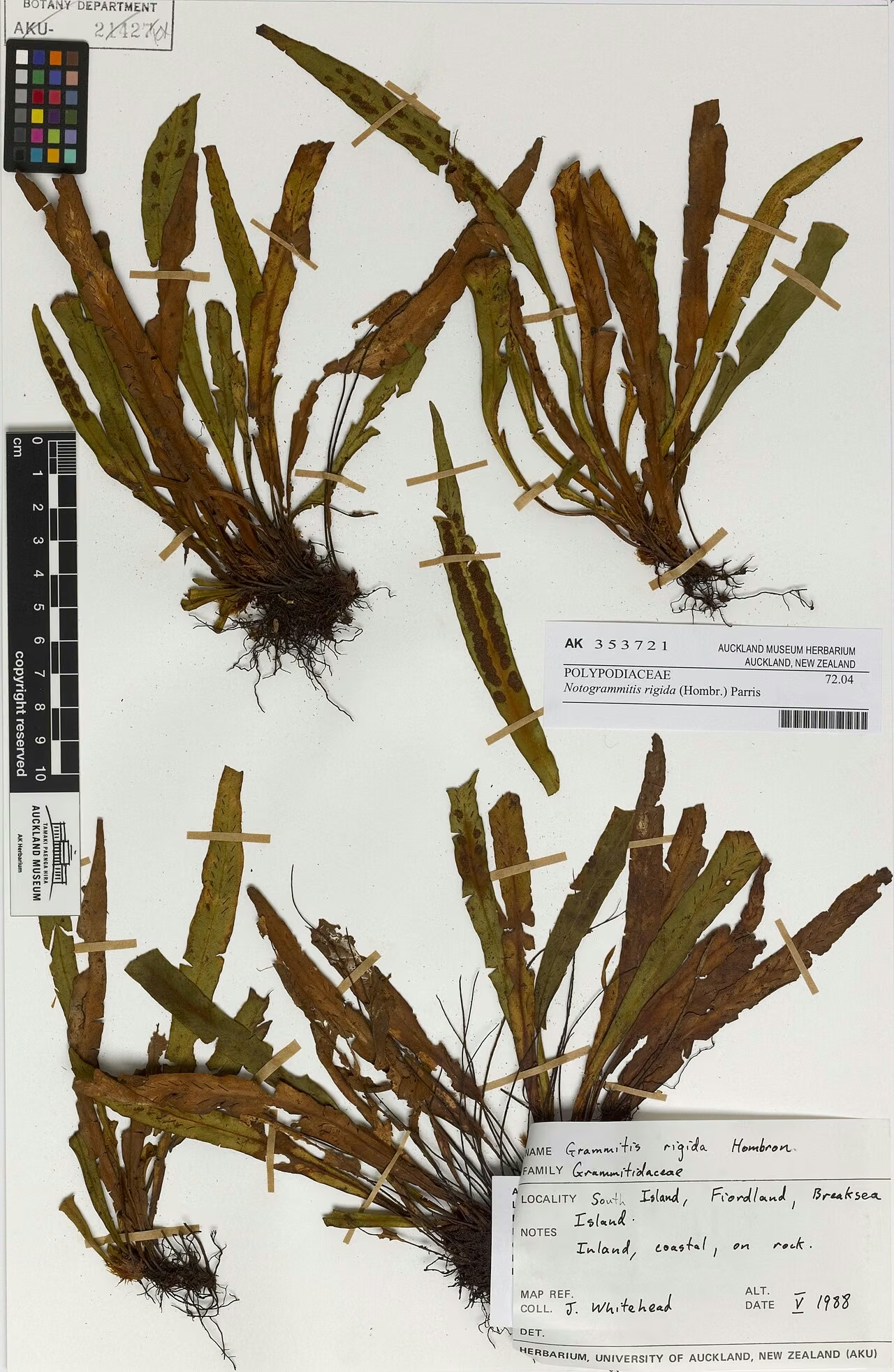
Notogrammitis rigida
Notogrammitis rigida
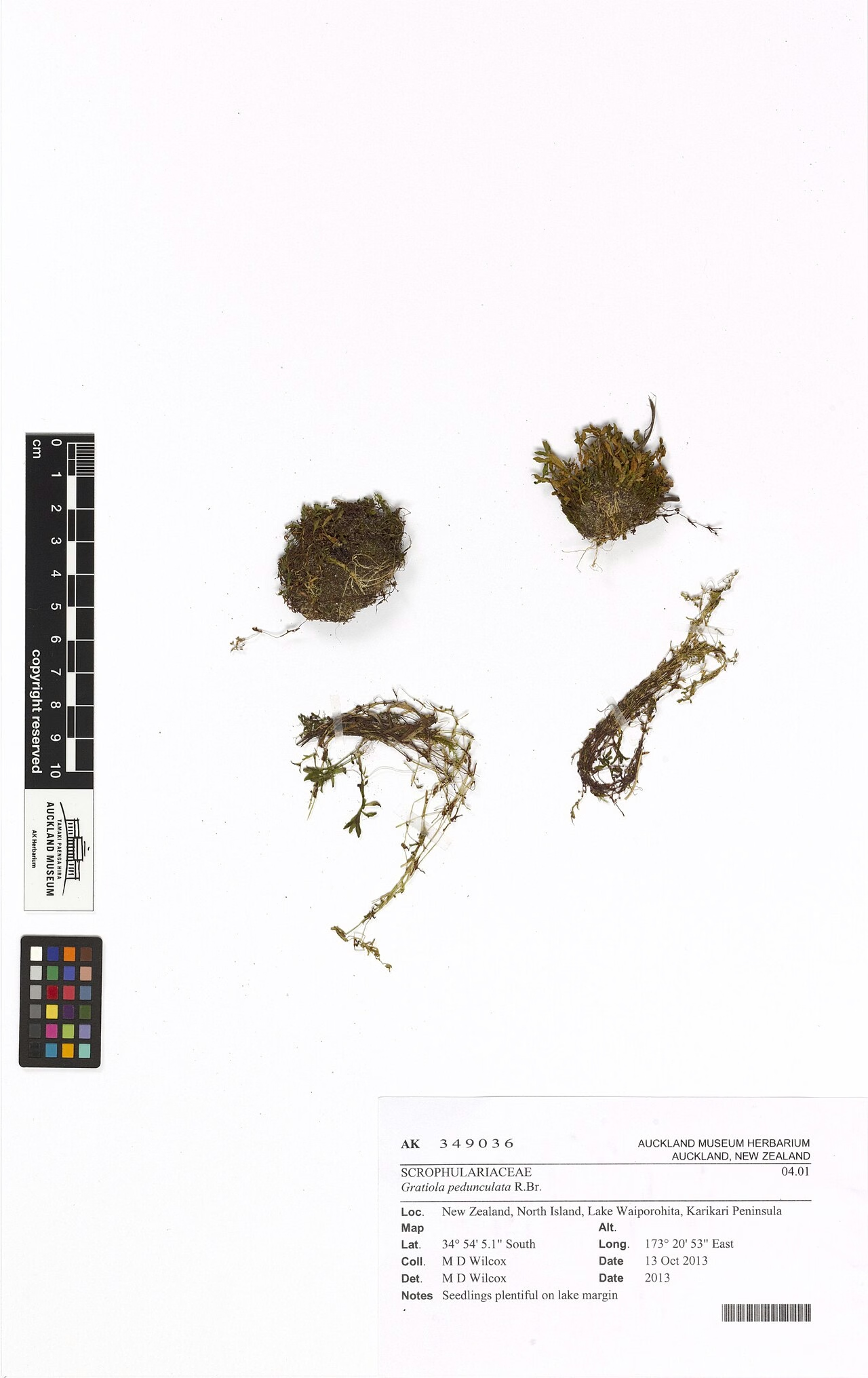
Gratiola pedunculata
Gratiola pedunculata
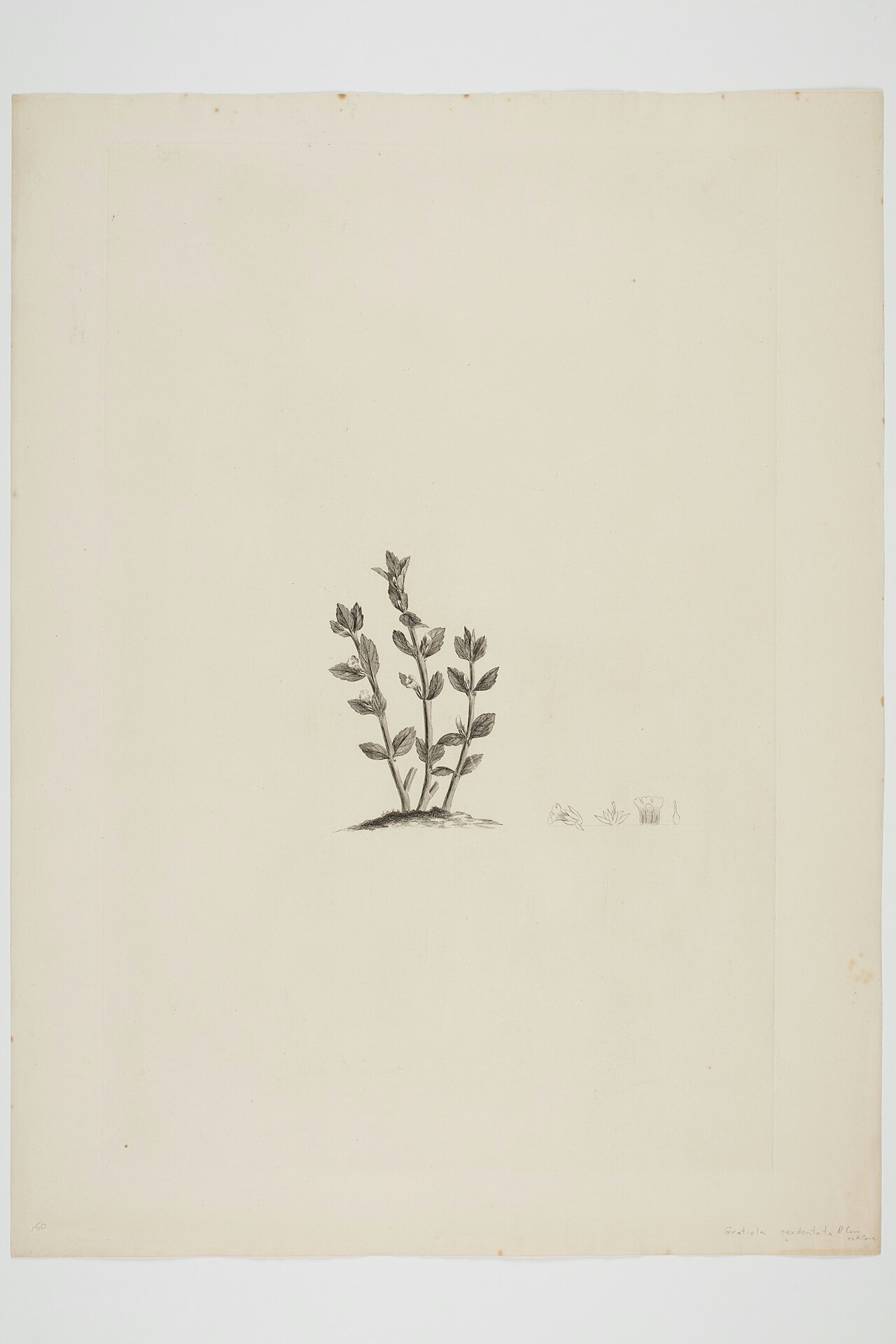
Gratiola sexdentata
Gratiola sexdentata
Sand Gunnera
Gunnera dentata
Haastia recurva var. recurva
Haastia recurva var. recurva
Haastia recurva var. wallii
Haastia recurva var. wallii
Veronica annulata
Veronica annulata
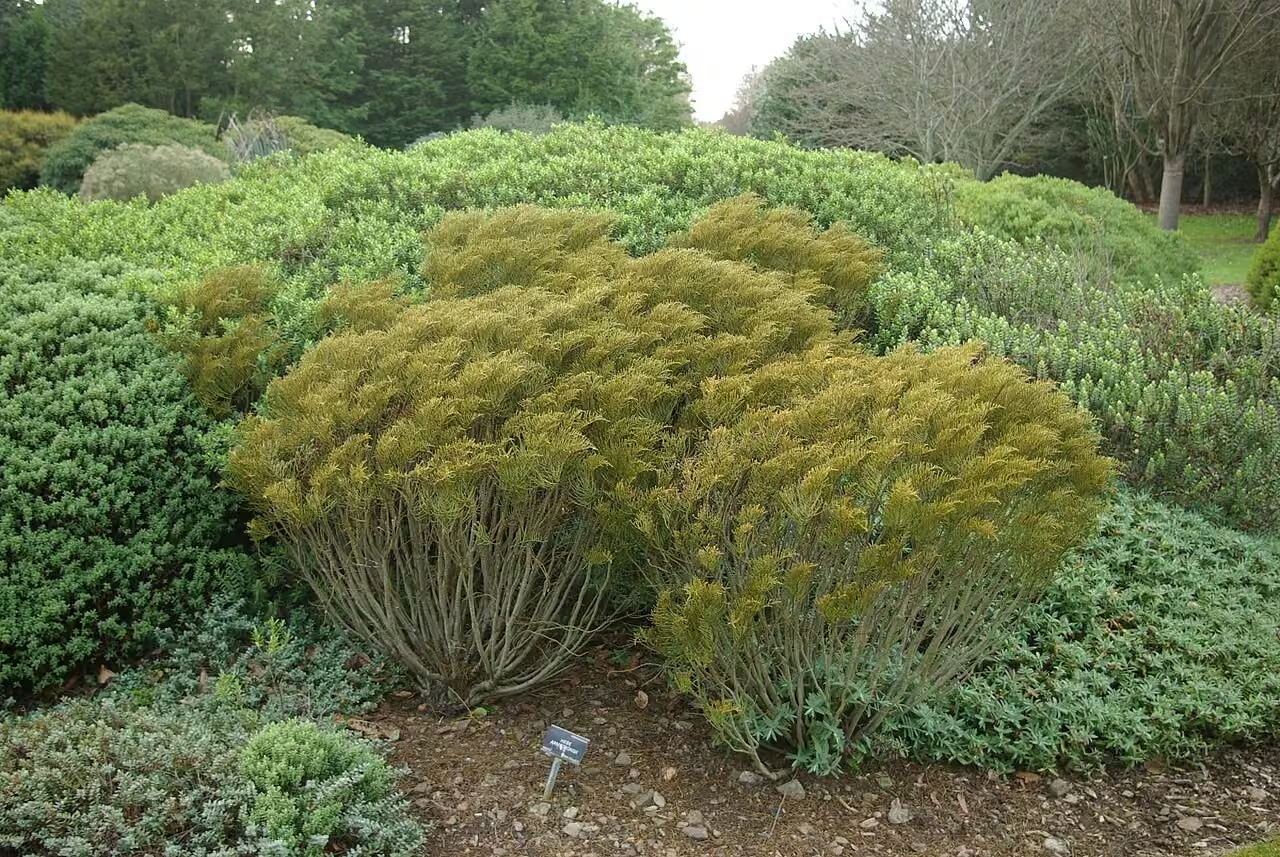
Armstrong's Whipcord
Veronica armstrongii
Plant Conservation
Gunnera prorepens is ranked Not Threatened nationally (2023). It is Regionally Endangered in the Wellington region, Regionally Not Threatened in Otago and Data Deficient in Northland.
Protecting and restoring bogs, seepages and wet grassland is the key to conserving it. Including it in wetland plantings using locally sourced seed helps rebuild populations where it has declined.
Frequently Asked Questions
How do you grow Gunnera prorepens?
Plant it in soil that stays moist to saturated, in sun in cool districts or partial shade in warmer ones. It suits bog gardens, pond margins and damp spots that never dry out.
Why are there no berries on my creeping gunnera?
Gunnera prorepens is dioecious, so only female plants fruit and they need a male plant nearby for the fruit to develop. Many garden plants are a single sex.
Is Gunnera prorepens the same as the giant gunnera?
No. Giant gunnera (Gunnera tinctoria) is an introduced pest plant with huge leaves. Gunnera prorepens is a tiny native creeper with leaves only a few centimetres long.
Where is Gunnera prorepens found in the wild?
It is endemic and occurs from the Waikato south through both main islands, more commonly in wetter western areas, in bogs, damp forest, grassland and herbfield.
Sources and Further Reading
The botanical, growing, and conservation details for Creeping Gunnera (Gunnera prorepens) on this page draw on the New Zealand plant references below. Consult them for full technical records and the latest distribution data.