Sand Gunnera
Gunnera dentata
Last updated:
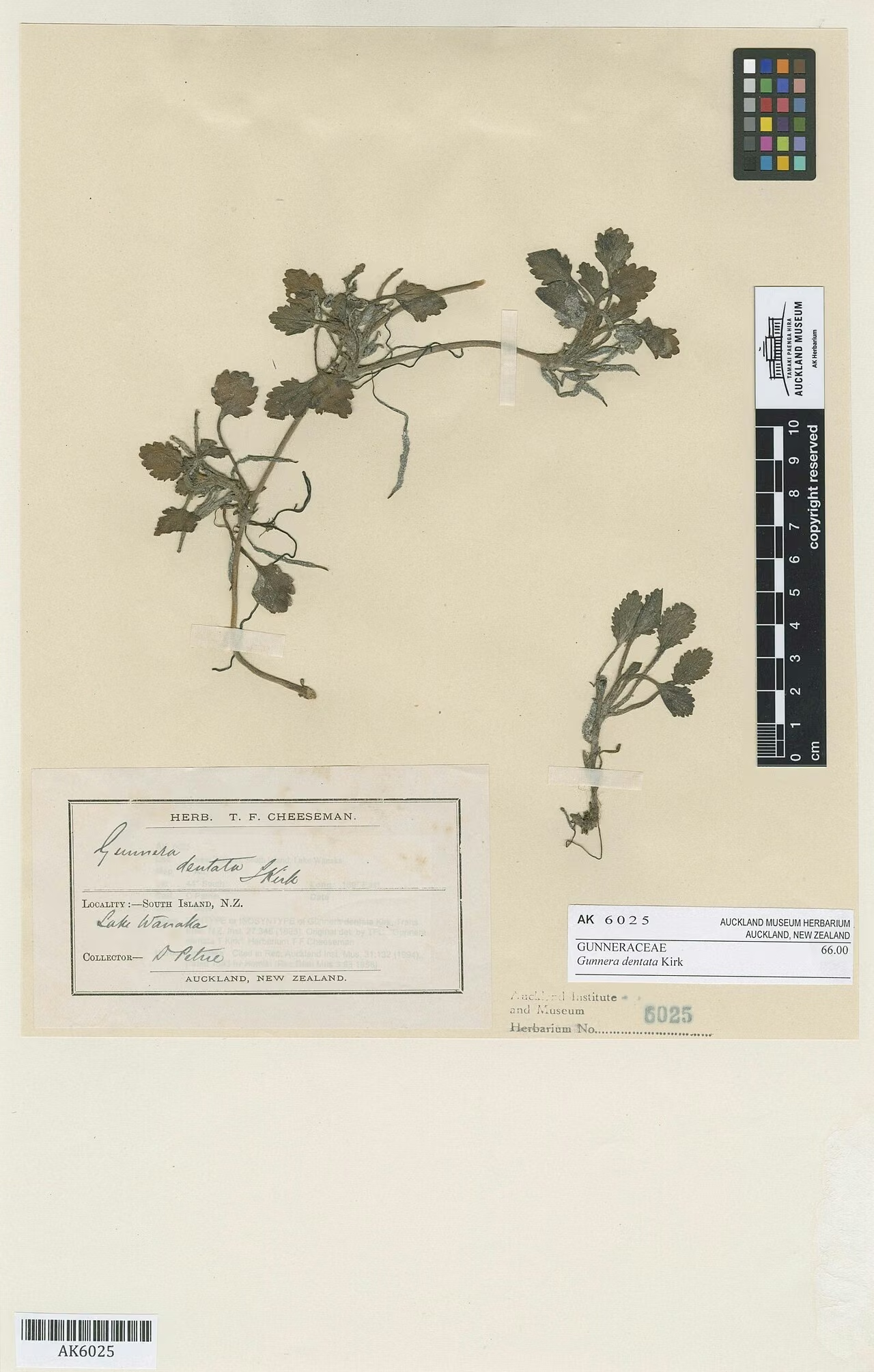
Sand gunnera (Gunnera dentata) is a small, creeping endemic herb that forms low mats of toothed leaves only 1 to 4 cm long. It spreads by stout runners through damp sand and wet open ground, including coastal dune hollows, stream and river margins, and up into the mountains. Male and female flowers are on separate plants, and female plants carry stalks of pear-shaped fruit that ripen from pale yellow to deep orange, usually held above the leaves. It is a miniature relative of the giant gunneras sold as ornamentals, and it makes an unusual native groundcover for wet spots. Explore more native ground covers in our native plant guide.
Plant Description
Gunnera dentata is a low, creeping, dioecious herb that spreads by stout, branched runners (stolons) which often travel through sand just below the surface. The leaves are 1 to 4 cm long, occasionally to 6 cm, with a leathery-textured blade that is usually ovate to elliptic, sometimes rounded or obovate. The margins are coarsely and often irregularly toothed or scalloped, which gives the species its name dentata, meaning toothed. Leaf colour ranges from grey-green to dark green or brownish.
Tiny greenish flowers appear from December to February on short spikes, with male and female flowers on separate plants. On female plants the fruits are drupes spaced along the stalk, elongated and pear-shaped, ripening from pale yellow to deep orange, with the flesh closely attached to the seed. The fruiting stalk is usually held above the leaves.
It can be separated from Gunnera prorepens, the other common native gunnera, by its toothed, firmer leaves and its fruits spaced out along the stalk. Gunnera prorepens has thinner, almost smooth-edged leaves with heart-shaped bases and fruits densely clustered at the top of the stalk.
Quick Facts
| Scientific Name | Gunnera dentata |
|---|---|
| Height | 0.02-0.1 m |
| Spread | Runners to about 0.4 m, forming wider mats over time |
| Water Needs | High; consistently moist ground |
| Light | Full sun to light shade |
| Frost Tolerance | High; extends from the coast to low alpine sites |
| Salt Tolerance | Some; grows in coastal dune hollows and near tidal river margins |
| Growth Rate | Moderate |
| Lifespan | Perennial |
Climate Best Suited to
Suits cool to mild, moist climates and tolerates exposed, windy and cold sites, from coastal dunes to low alpine ground, provided the soil stays damp.
Regional Suitability
| City | Climate Suitability |
|---|---|
| Auckland | Medium |
| Wellington | High |
| Christchurch | Medium |
| Dunedin | High |
Plant Habitat
Sand gunnera is endemic to New Zealand and occurs from the Pouto Peninsula on the Northland west coast southwards through both main islands, mainly in western districts. Its distribution is local rather than continuous, and it is uncommon in some regions such as Auckland and Otago.
It grows in open, damp places from the coast to low alpine areas: damp sand, dune slacks and swales, the margins of streams and tidal rivers, and wet grassland or seepages inland. Its runners let it colonise shifting, damp sand where few other plants can root.
Growing Requirements
Soil Requirements
In the wild it creeps through damp sand and silty or gravelly ground that stays moist.
- Damp sand, sandy loam or gritty soil
- Low to moderate fertility
- Open ground without heavy competition
Light Requirements
It is a plant of open sites and grows most compactly in good light, although it tolerates some shade.
- Full sun in cool or coastal gardens
- Light shade in hot, dry districts
Water Requirements
Consistent moisture is essential. It will not survive long in ground that dries out.
- Keep the soil damp year round
- Well suited to seepages and pond or stream edges
Planting and Establishing
Plant in spring or autumn into damp, open ground such as a bog garden, the edge of a pond or a moist rockery pocket. Set plants about 20 to 30 cm apart and keep them free of competing grasses until the runners knit together.
To get fruit, plant several individuals of known sex, or at least a few unrelated plants, so that both male and female plants are present.
Ecological Role
The fleshy drupes are dispersed by fruit-eating animals and possibly ants, according to NZPCN; which animals eat them most is not well documented. Like other gunneras, it forms a partnership with nitrogen-fixing cyanobacteria (Nostoc), which helps it grow in poor, wet soils.
On damp sand and in dune slacks it is an early coloniser, its runners helping to bind loose sand. It is part of the low, open turf and herbfield communities of these naturally disturbed habitats.
Uses & Significance
Garden Uses
A low, unusual native groundcover for damp places where most groundcovers fail.
- Bog gardens and pond margins
- Damp rockeries and alpine troughs
- Wetland and dune slack restoration
- Containers kept moist
Ecological Value
It helps restore native turf in damp sand and wetland margins, and its fruit provides food for native wildlife.
- Binds damp sand with its runners
- Fruit eaten by native animals
- Regionally uncommon in Auckland and Otago
Landscaping Uses
Use sand gunnera as a living carpet between stepping stones in a damp area, around the edge of a pond, or in a moist trough with other miniature natives. The orange fruit held above the toothed leaves gives a long-lasting summer display on female plants.
It combines well with other low wetland natives such as Pratia (Lobelia), Leptinella and small Selliera.
Seasonal Care Calendar
Spring
New leaves emerge and runners start to extend. Good time for planting and dividing.
- Divide rooted runners
- Weed around mats
Summer
Flowers appear from December to February, followed on female plants by pale yellow to orange fruit.
- Keep soil moist
- Collect ripe fruit for seed
Autumn
Fruit may persist into autumn. Mats continue to spread while soil is warm and damp.
- Sow fresh seed
- Plant new mats
Winter
Growth slows and leaves may become browner in cold weather, but plants remain evergreen in most sites.
- Keep free of fallen leaves
- Avoid waterlogging that becomes stagnant
When to Prune and How Much
No pruning is needed. Simply pull out any runners that wander beyond where they are wanted.
Remove dead leaves and debris that settle on the mat in autumn, as these can smother small plants.
How to Grow Sand Gunnera
Sand gunnera is most easily propagated by separating rooted lengths of runner, which establish quickly when replanted straight into moist ground. Fresh seed from ripe fruit on female plants is also viable and is the best way to raise a mix of male and female plants for fruiting. Keep all young plants consistently moist, because drying out is the most common cause of failure. Seedlings take time to reach fruiting size, and you will not know which are female until they flower, so raise several of them together.
By Division of Runners
Runners root at intervals along their length, so rooted pieces can be lifted from an established mat with little disturbance. This produces plants of the same sex as the parent.
- In spring or autumn, locate a rooted section of runner
- Cut it free with a few leaves and roots attached
- Replant immediately into damp, sandy or gritty mix or directly in the garden
- Keep moist and lightly shaded for a couple of weeks while it settles
From Seed
Collect fruit when it has turned deep orange. The flesh is closely attached to the seed, so sowing the whole fruit is practical.
- Pick fully coloured fruit in summer
- Squash or sow whole on the surface of a moist, gritty seed mix
- Cover lightly with fine grit
- Keep the tray constantly damp in a cool, bright place
- Prick out seedlings into individual pots once they have several leaves
Pests & Diseases
Few pests are recorded on sand gunnera in cultivation. Slugs and snails may damage young leaves, and plants can be overgrown by vigorous grasses.
In the wild, drainage of wetlands, dune stabilisation with exotic grasses and weed invasion of damp sand habitats are the main pressures.
Cultural Significance
No Māori name or traditional Māori use is recorded for Gunnera dentata in the sources consulted.
The genus Gunnera honours the Norwegian bishop and botanist Johan Ernst Gunnerus. Thomas Kirk described Gunnera dentata in 1895, and Thomas Cheeseman's name Gunnera arenaria, meaning of sand, is now treated as a synonym.
Bonus Tip
If you buy sand gunnera for its orange fruit, ask the nursery for a female plant and a male plant. Propagation by runners keeps the sex of the parent, so a mat grown from one division will never fruit on its own.
Related Plants
Explore other native plants that share similar characteristics or habitats with Sand Gunnera (Gunnera dentata), offering further insights into New Zealand's diverse flora. These related species provide context and opportunities for complementary planting in your garden.
Notogrammitis rawlingsii
Notogrammitis rawlingsii
Notogrammitis rigida
Notogrammitis rigida
Gratiola pedunculata
Gratiola pedunculata
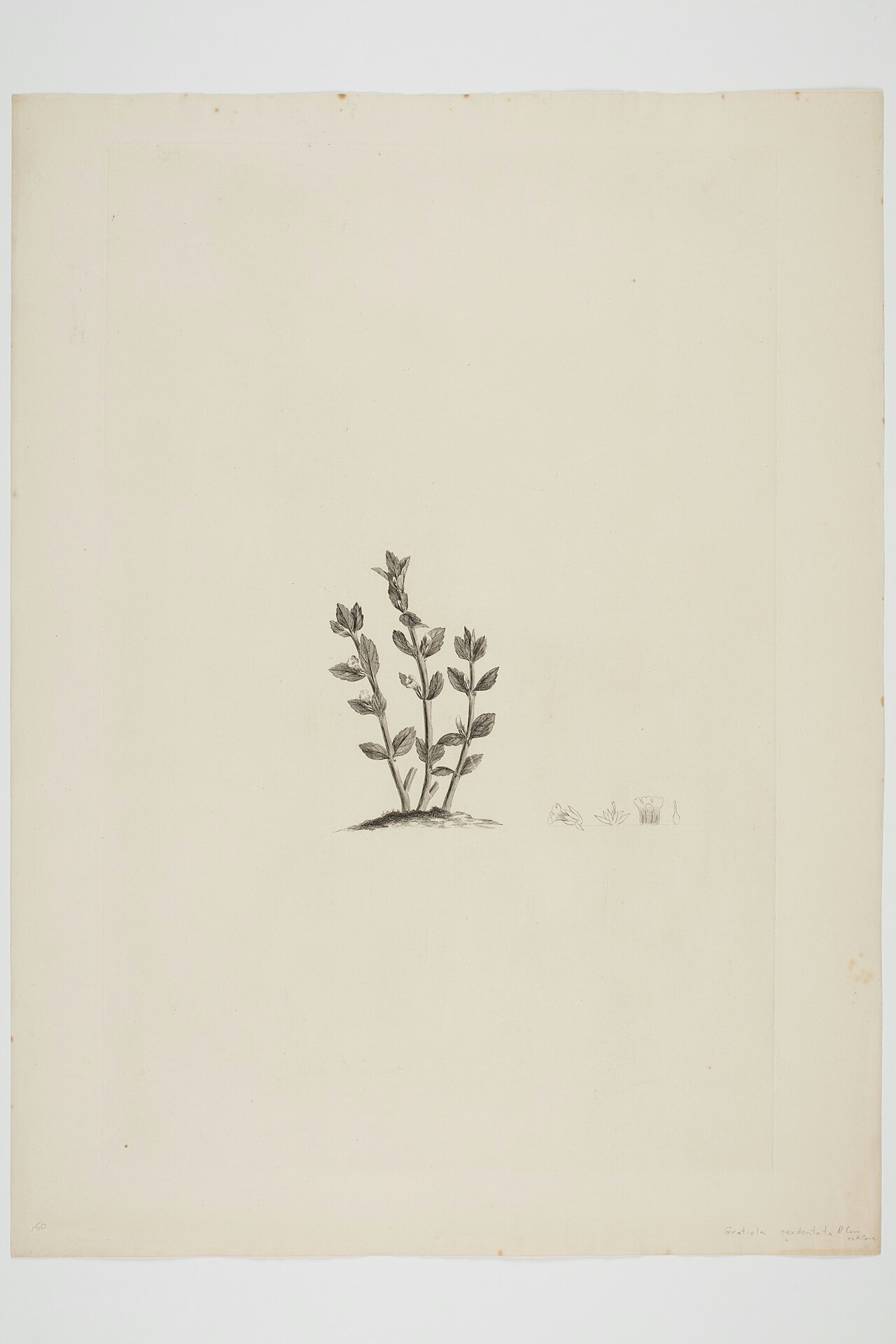
Gratiola sexdentata
Gratiola sexdentata
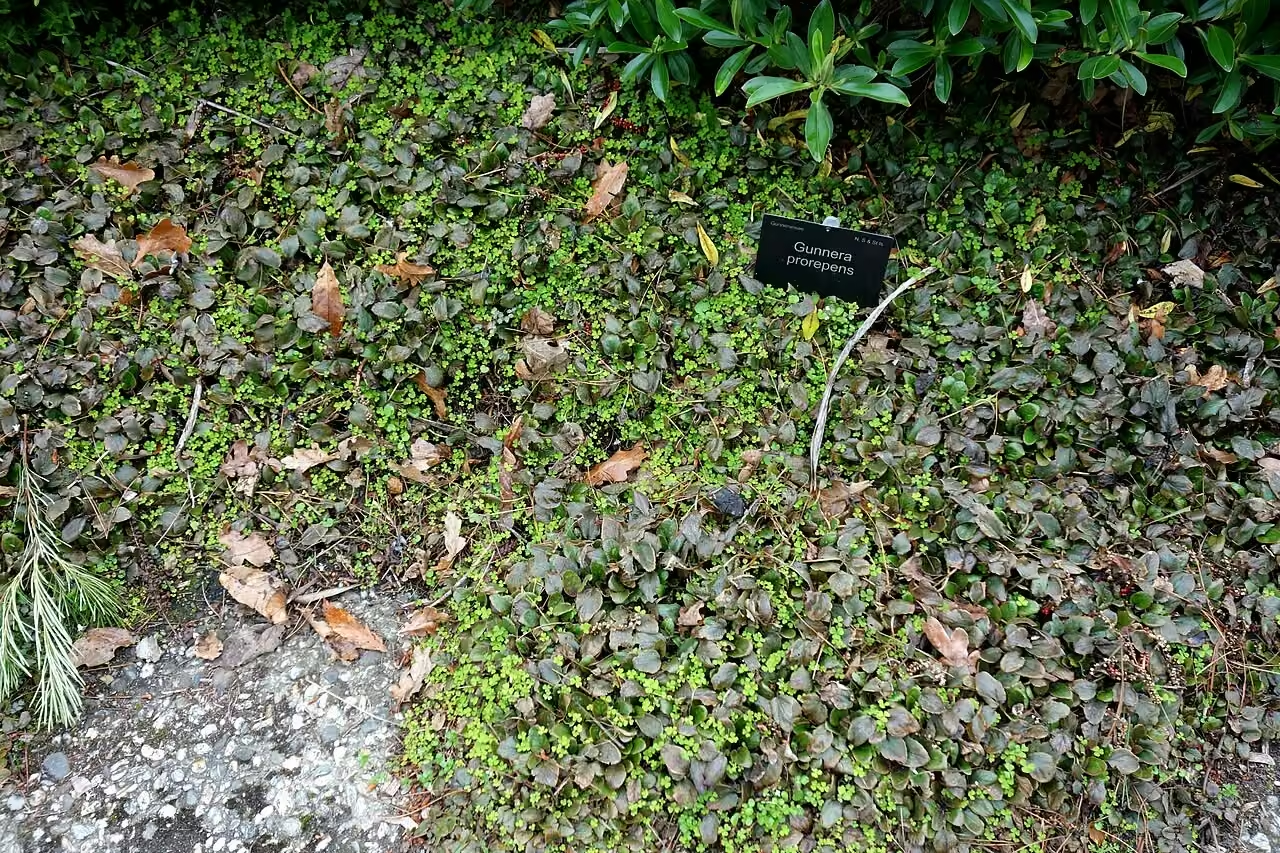
Creeping Gunnera
Gunnera prorepens
Haastia recurva var. recurva
Haastia recurva var. recurva
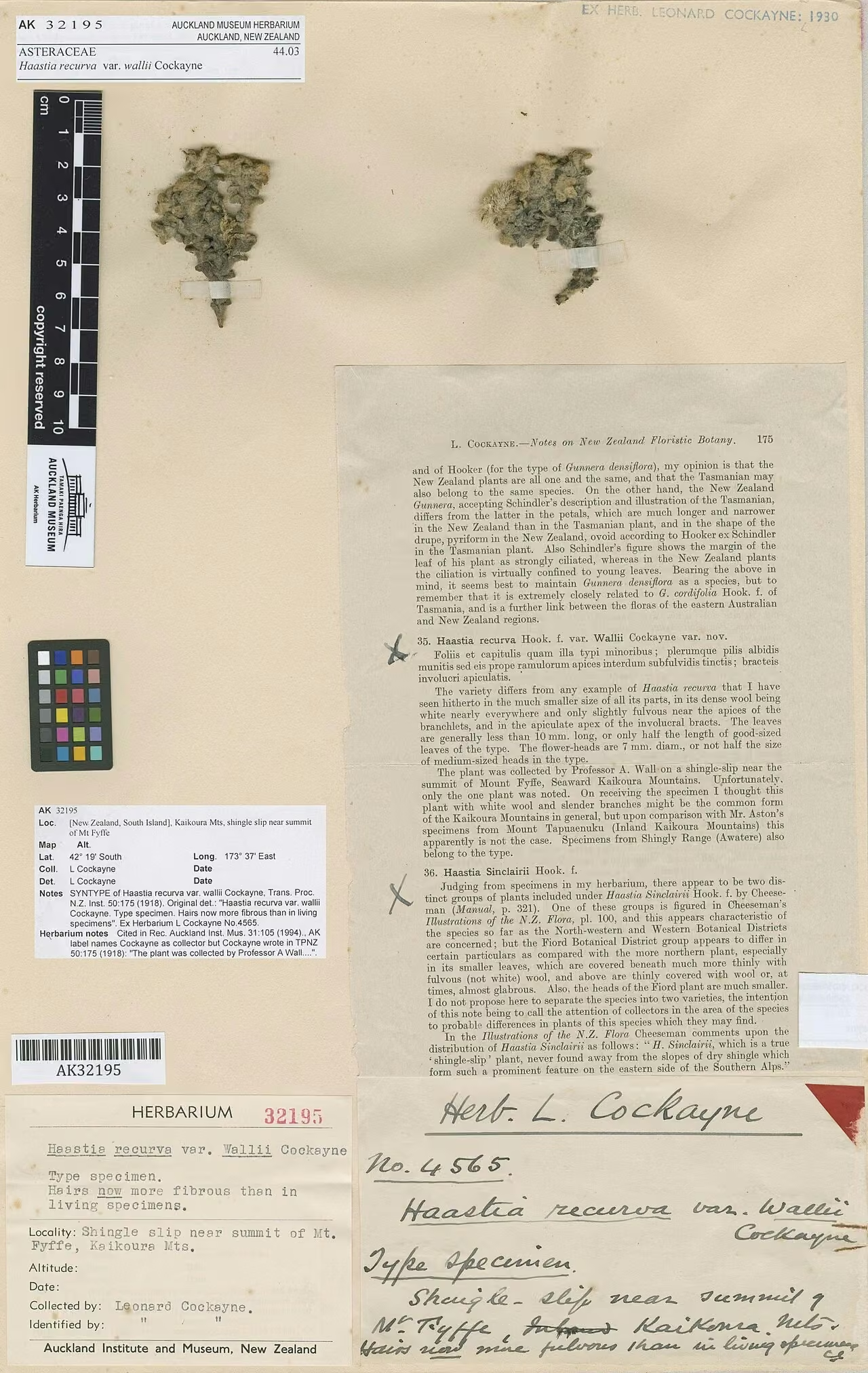
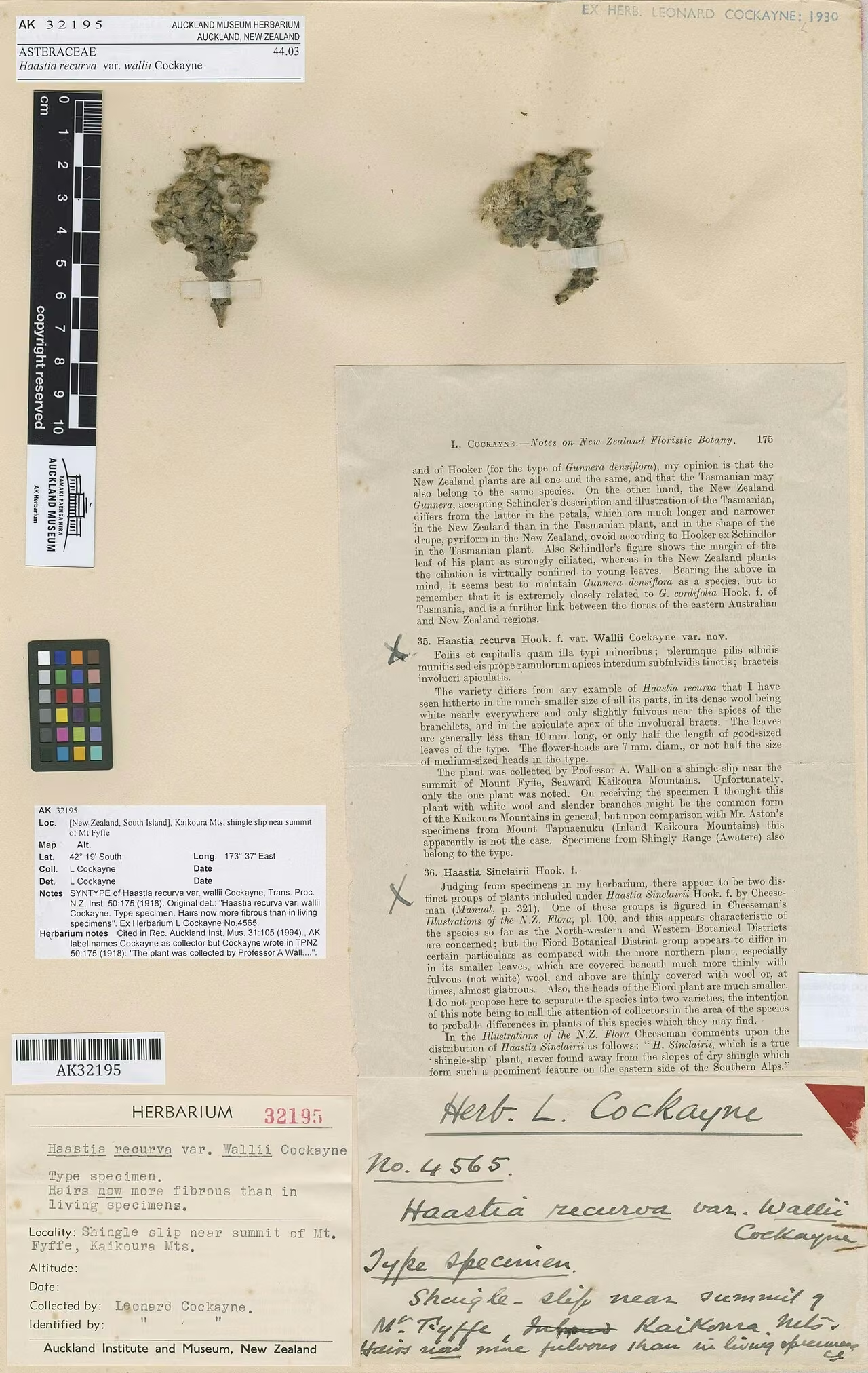
Haastia recurva var. wallii
Haastia recurva var. wallii
Veronica annulata
Veronica annulata
Plant Conservation
Gunnera dentata is ranked Not Threatened nationally (2023), although the Flora of New Zealand notes it as declining. Regionally it is listed as Regionally Endangered in Auckland and Regionally Naturally Uncommon in Otago, and its status in Northland is Data Deficient.
Protecting dune slacks, seepages and natural river margins from drainage, grazing and weed invasion is the main way to keep it. Planting it in wetland and dune restoration projects can help re-establish local populations.
Frequently Asked Questions
Is Gunnera dentata related to giant gunnera?
Yes, it belongs to the same genus as the huge South American Gunnera tinctoria, a pest plant in New Zealand, but sand gunnera is a native ground-hugging herb with leaves only a few centimetres long.
Why does my Gunnera dentata not produce berries?
Male and female flowers are borne on separate plants, so a female plant needs a male growing nearby to set its yellow to orange fruit.
Where does sand gunnera grow naturally?
It is endemic to New Zealand and grows on damp sand, dune slacks, stream and river margins and wet open ground, mainly in western districts from the Pouto Peninsula south.
Sources and Further Reading
The botanical, growing, and conservation details for Sand Gunnera (Gunnera dentata) on this page draw on the New Zealand plant references below. Consult them for full technical records and the latest distribution data.