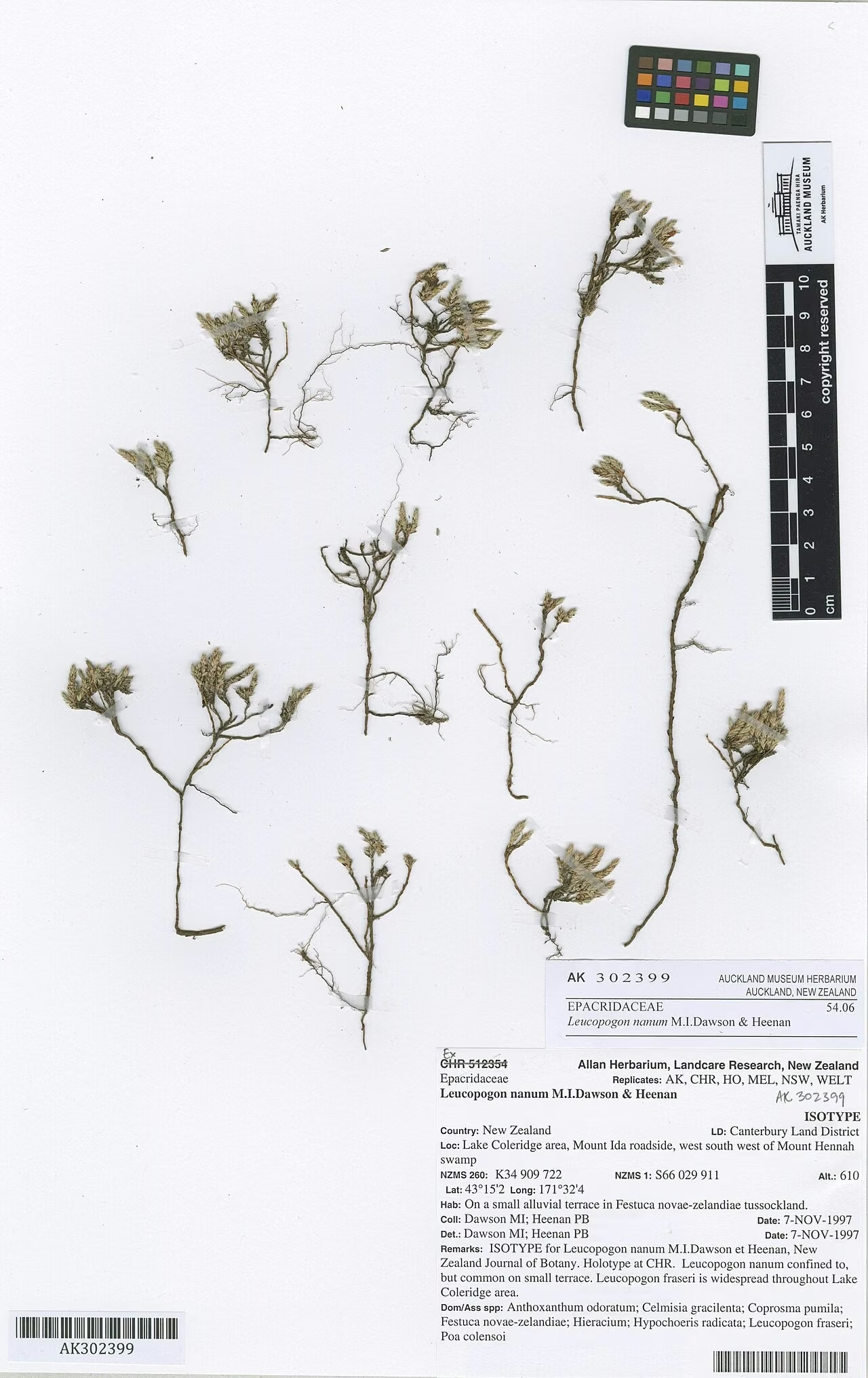
Styphelia
Styphelia nana
Last updated:
Leucopogon nanum, now called Styphelia nana, is one of New Zealand's smallest shrubs: a creeping, rhizomatous member of the heath family that usually stands only 5 to 35 mm tall yet forms dense patches. Its prickly, crowded leaves hide sweetly scented white tubular flowers in spring and early summer, followed by small orange berries. It is endemic to the eastern South Island from Marlborough to Otago, mostly in inland Canterbury and Marlborough valleys, where it grows in short fescue tussock grassland on river terraces and outwash gravels. It is ranked At Risk - Declining. Explore more native ground covers in our native plant guide.
Plant Description
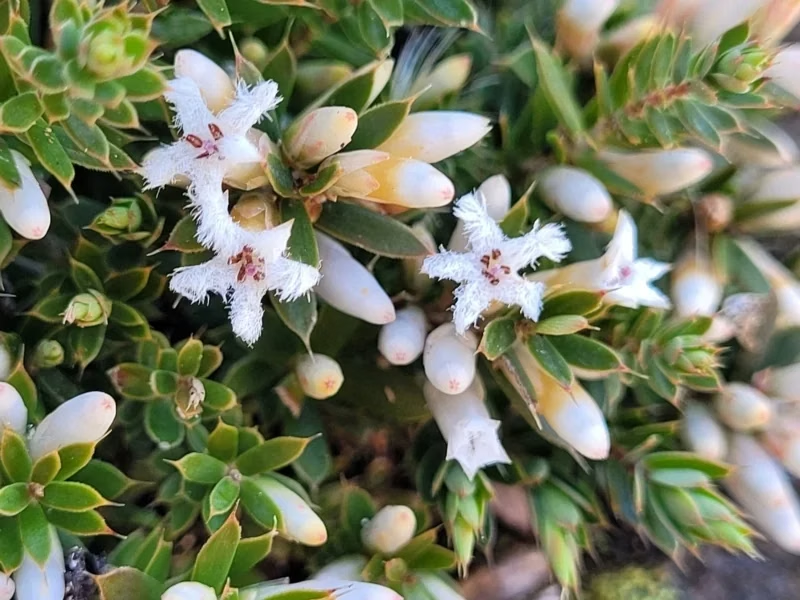
Styphelia nana is a low, rhizomatous subshrub that rarely rises more than a few centimetres above the ground. Its stems run through the soil and send up short leafy shoots, so a healthy plant appears as a dense, prickly patch hugging the turf. The leaves are spirally arranged and densely crowded, only 1 to 2 mm long (not counting the tip and stalk) and 0.5 to 1.5 mm wide, each ending in a prominent sharp point with a pale edge and a striped underside.
The flowers are white, tubular, about 5 mm long, solitary and hairy inside, as the genus name Leucopogon (white beard) suggests. They are sweetly scented and appear mainly from September to January, occasionally into March. The fruit is a small orange to orange-yellow berry, recorded from November through to May.
It was separated from the Leucopogon fraseri complex (pātōtara, now Styphelia nesophila) after a study of morphological variation in that group. Pātōtara is also a low heath with orange fruit, so careful attention to the tiny leaf size, dense patch-forming habit and eastern inland grassland setting helps to separate S. nana from it.
Quick Facts
| Scientific Name | Styphelia nana |
|---|---|
| Height | 5-35 mm |
| Spread | Forms dense patches by creeping rhizomes |
| Water Needs | Low; adapted to dry inland grassland |
| Light | Full sun, open short-tussock grassland |
| Frost Tolerance | High; grows in frosty inland basins and valleys |
| Salt Tolerance | No information available; an inland species |
| Growth Rate | Slow |
| Lifespan | Long-lived perennial |
Climate Best Suited to
Suits the dry, continental climate of the inland eastern South Island, with hard winter frosts, hot dry summers and low rainfall. Humid, warm northern climates are very different from its natural range.
Regional Suitability
| City | Climate Suitability |
|---|---|
| Auckland | Low |
| Wellington | Low |
| Christchurch | Medium |
| Dunedin | Medium |
Plant Habitat
Styphelia nana is endemic to the eastern South Island, from Marlborough south to Otago. Most populations are in inland Canterbury and inland Marlborough valleys; herbarium collections come from the Acheron River area in Marlborough, the Lake Coleridge district, the Ashburton valley and the Waitaki and Mackenzie basins near the Ohau River.
It grows in sparse, short fescue tussock (Festuca novae-zelandiae) grassland and herbfield on outwash gravel terraces and small alluvial river terraces. These are stony, freely draining, low-fertility sites where the vegetation is short and open enough for such a tiny plant to receive full light.
Growing Requirements
Soil Requirements
Its wild sites are thin, stony soils over river gravels and outwash terraces, low in nutrients and very free draining.
- Gritty, gravelly or stony soil
- Low fertility; avoid rich garden soil and fertiliser
- Excellent drainage so roots never sit wet
Light Requirements
As a plant only a few centimetres tall, it depends on open, short vegetation that lets sun reach the ground.
- Full sun
- Keep taller grasses and weeds from overtopping it
Water Requirements
It is adapted to the dry summers of inland Canterbury and Marlborough, though its rhizomes draw on moisture held among the gravels below the surface.
- Water sparingly once established
- Avoid humid, waterlogged conditions
Planting and Establishing
This species is not generally available from nurseries and wild plants should be left where they are. Anyone growing it, for example in a restoration project with an approved seed source, should treat it like a small alpine: a gravelly scree bed, raised trough or rock garden in full sun, with gritty, low-fertility mix.
Plant into its final position while small, firming gravel around the crown, and keep competing grasses well back. Because it spreads by rhizomes, give it a little room to creep sideways among stones rather than crowding it with other plants.
Ecological Role
Its scented white tubular flowers suit small native insects, which are the likely pollinators, although specific pollinator studies for S. nana were not found. The orange berries are fleshy and in related low heaths such as pātōtara are eaten by lizards and birds; dispersers of this particular species have not been documented.
It is a characteristic small component of the low-stature short-tussock grasslands of the eastern South Island, sharing these terraces with fescue tussock, cushion plants and other small herbs.
Uses & Significance
Garden Uses
It is a specialist plant for alpine and rock garden enthusiasts rather than a general garden subject.
- Troughs and scree beds
- Dryland grassland restoration in its natural range
- Botanical collections of threatened eastern South Island plants
Ecological Value
As a declining endemic of a much-modified dryland ecosystem, every remaining population has conservation value.
- Nectar for small native insects
- Fleshy fruit available as food for native fauna
- Part of the distinctive flora of inland river terraces
Landscaping Uses
In a planted dryland garden it works best as a living mat between stones, alongside other small eastern South Island species such as fescue tussock, scabweeds and native bluebells. Its scale means it must be placed at the front of a bed or in a trough where it can be seen.
Avoid mulching with bark, which holds moisture and smothers such a tiny plant; a gravel or stone mulch mimics its terrace habitat.
Seasonal Care Calendar
Spring
Flowering begins in September, with small white scented tubes appearing among the prickly shoots.
- Main flowering from September
- Remove competing weeds
Summer
Flowering continues to January and the first orange berries form from November.
- Berries ripening
- Water only in prolonged drought
Autumn
Fruit can persist through autumn, with records of fruit into May and occasional late flowers into March.
- Collect ripe fruit for seed
- Keep the patch free of fallen leaves
Winter
The plant sits quietly through frosts and snow typical of inland basins.
- No frost protection needed
- Ensure drainage stays free in wet spells
When to Prune and How Much
No pruning is needed. The plant is too small to shape, and cutting would only remove flowering shoots.
The only maintenance is removing grasses or weeds that grow over the patch, as shading and competition from taller vegetation is the main thing that will weaken it in cultivation.
How to Grow Styphelia
Propagation of Styphelia nana is not documented in detail, and NZPCN does not record it as commercially available. Members of the Styphelia and Leucopogon group are generally regarded as slow and awkward to propagate, with seed that can take a long time to germinate. Because the species is declining, any material should come only from approved sources such as existing cultivated plants or seed collected with landowner and DOC permission, never by digging wild plants.
From Seed
Seed is held inside the small orange berries that ripen between November and May. Germination in this group is typically slow and irregular, so patience and a long-term seed tray are needed.
- Collect fully coloured orange berries in late summer or autumn
- Squash the fruit and wash the seed free of flesh
- Sow on the surface of a gritty, low-nutrient seed mix and cover lightly with fine grit
- Keep the tray outdoors in a cool, sheltered place so it experiences natural winter temperatures
- Keep evenly moist and wait, as seedlings may appear over one or more seasons
- Prick out seedlings into deep pots of gritty mix once they have several leaves
By Division of Rhizomes
Because the plant spreads by rhizomes, a cultivated patch can be carefully divided. This is more reliable than cuttings for such a small plant, but it should only be done on established garden or nursery plants.
- Choose a vigorous cultivated patch in spring
- Gently lift an outer section that includes rhizome and roots
- Pot into a free-draining gritty mix and keep lightly shaded for a few weeks
- Return to full sun once new shoots appear
Pests & Diseases
No specific pests or diseases are recorded for this species. In cultivation the main risk is root rot from overwatering or heavy, poorly drained soil, which is the usual cause of failure in small heaths.
In the wild, its low stature makes it vulnerable to being overgrown by introduced grasses and weeds, and rabbits and other browsers disturb the short turf it lives in.
Cultural Significance
No Māori name or traditional use specific to this tiny species has been recorded. Its close relative pātōtara has fruit that was eaten, but there is no evidence that S. nana was distinguished or used in the same way.
Scientifically it is a recent recognition: it was described by M.I. Dawson and P.B. Heenan from within the Leucopogon fraseri complex, and the epithet nanum or nana means small or dwarf.
Bonus Tip
When searching for this plant on inland Canterbury terraces, look in late spring for the scent: the sweetly perfumed white flowers are often easier to notice than the prickly patches themselves, which blend into short fescue turf.
Related Plants
Explore other native plants that share similar characteristics or habitats with Styphelia (Styphelia nana), offering further insights into New Zealand's diverse flora. These related species provide context and opportunities for complementary planting in your garden.
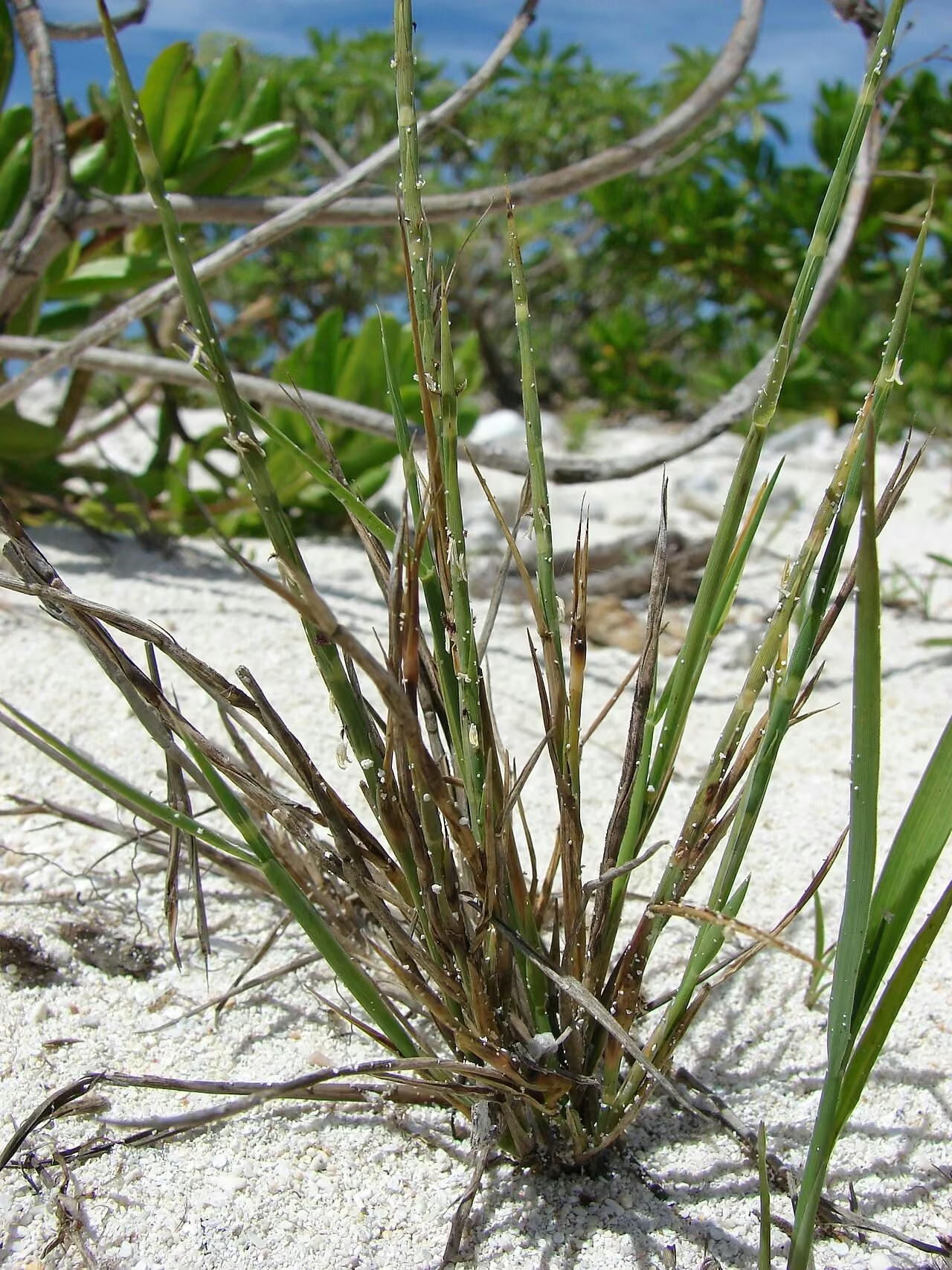
Lepturus repens
Lepturus repens
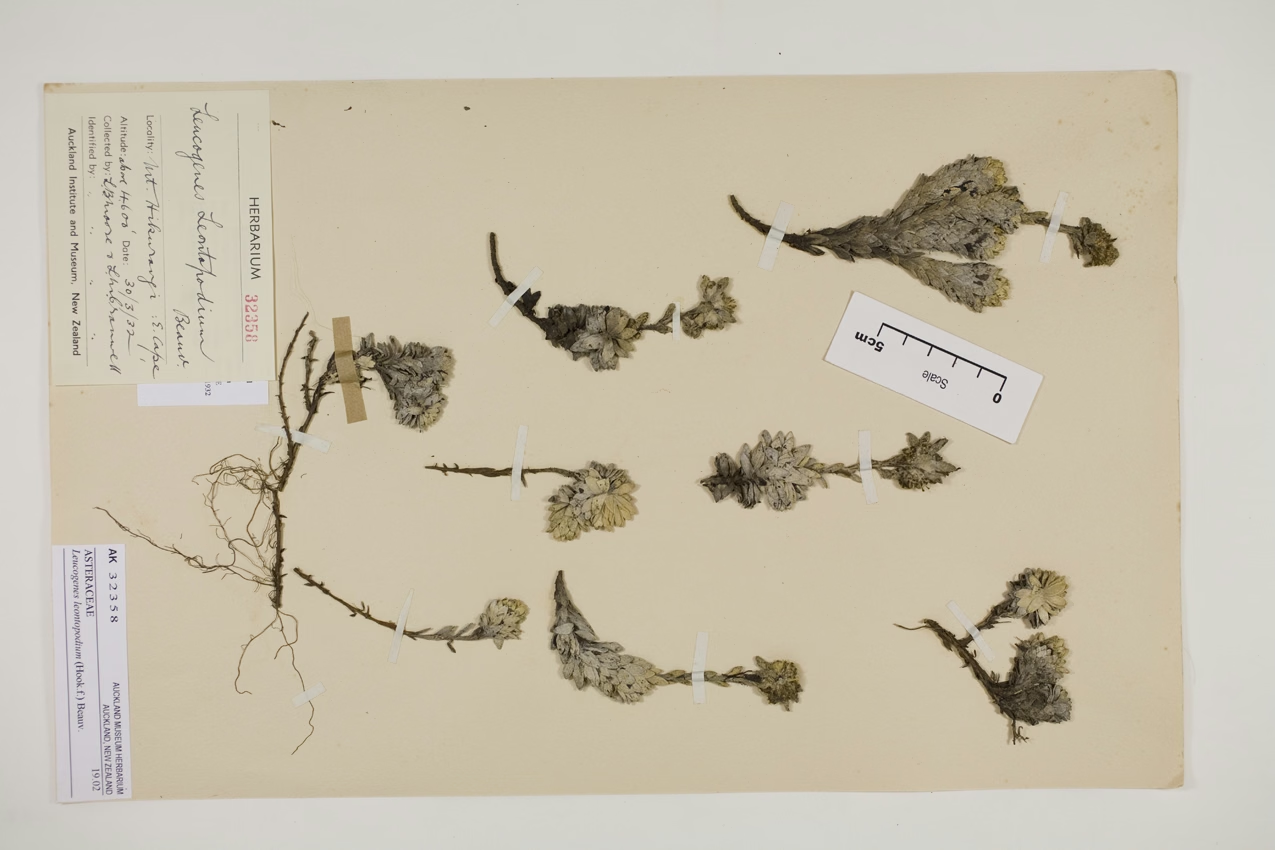
North Island Edelweiss
Leucogenes leontopodium
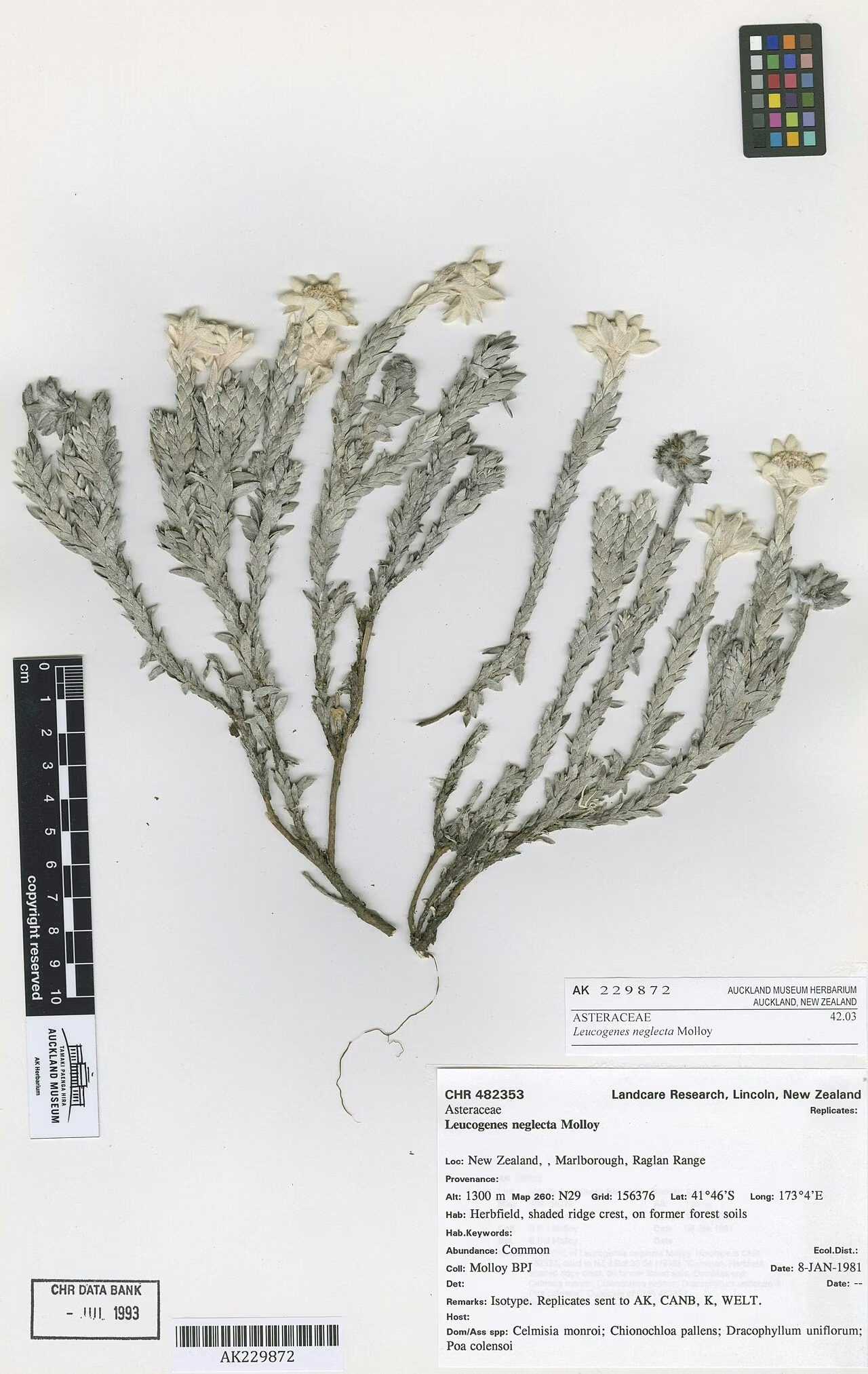
Marlborough Edelweiss
Leucogenes neglecta
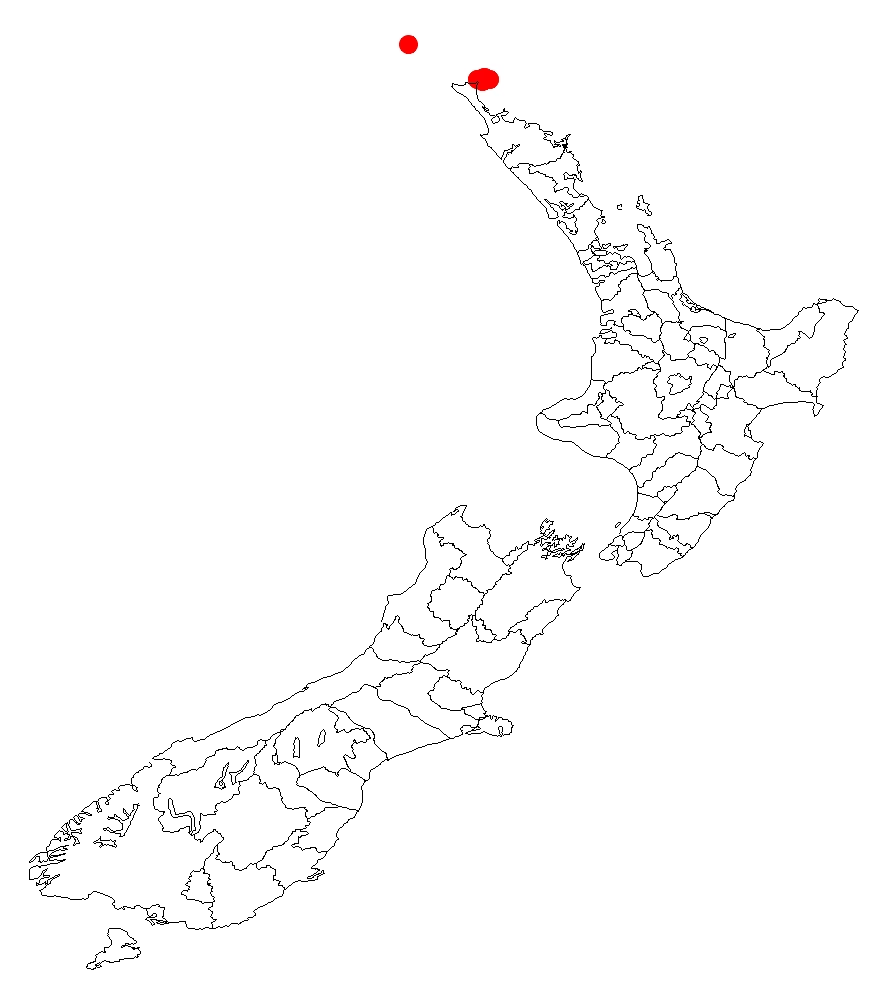
Surville Cliffs Mingimingi
Leucopogon xerampelinus
Lignocarpa carnosula
Lignocarpa carnosula
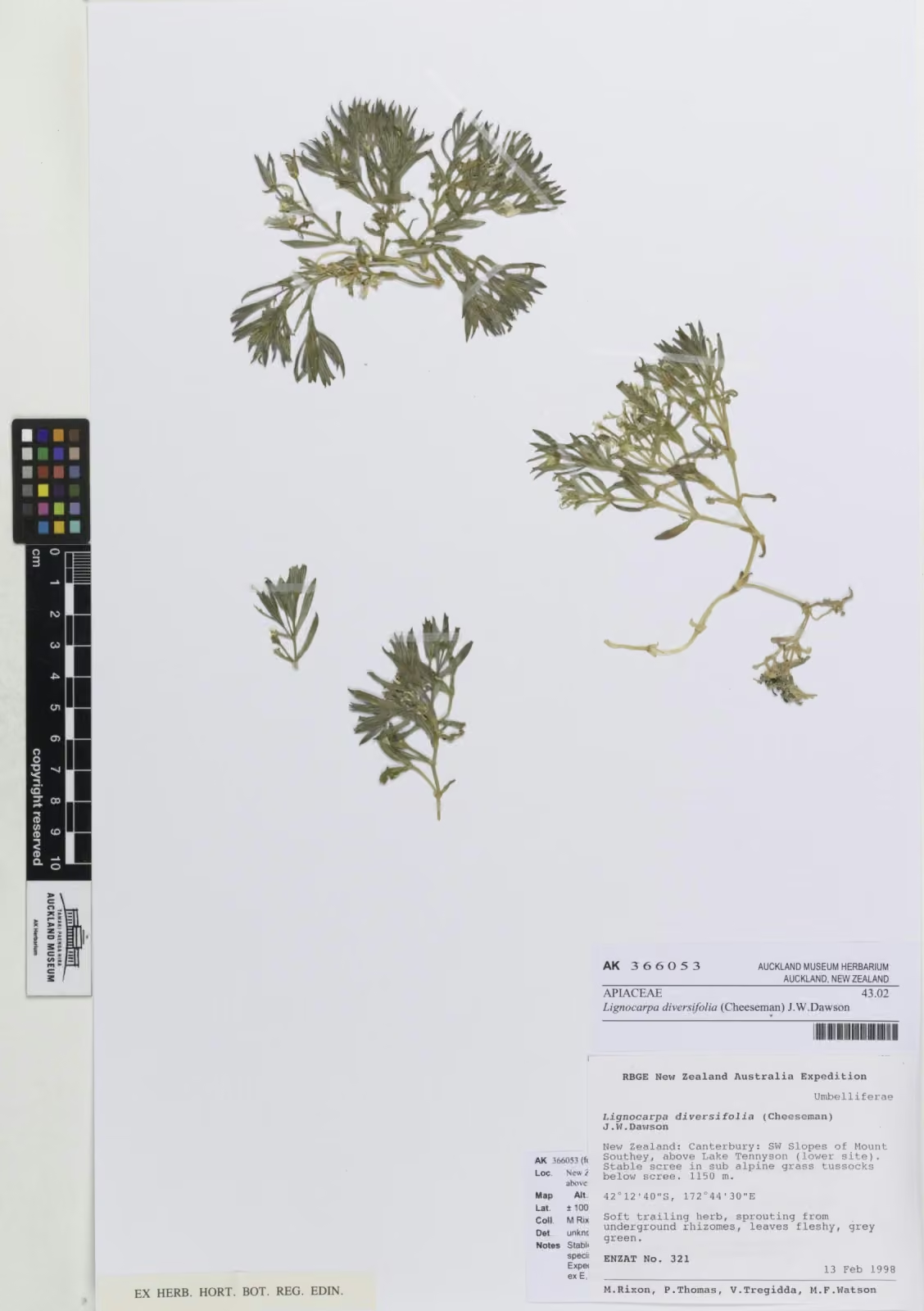
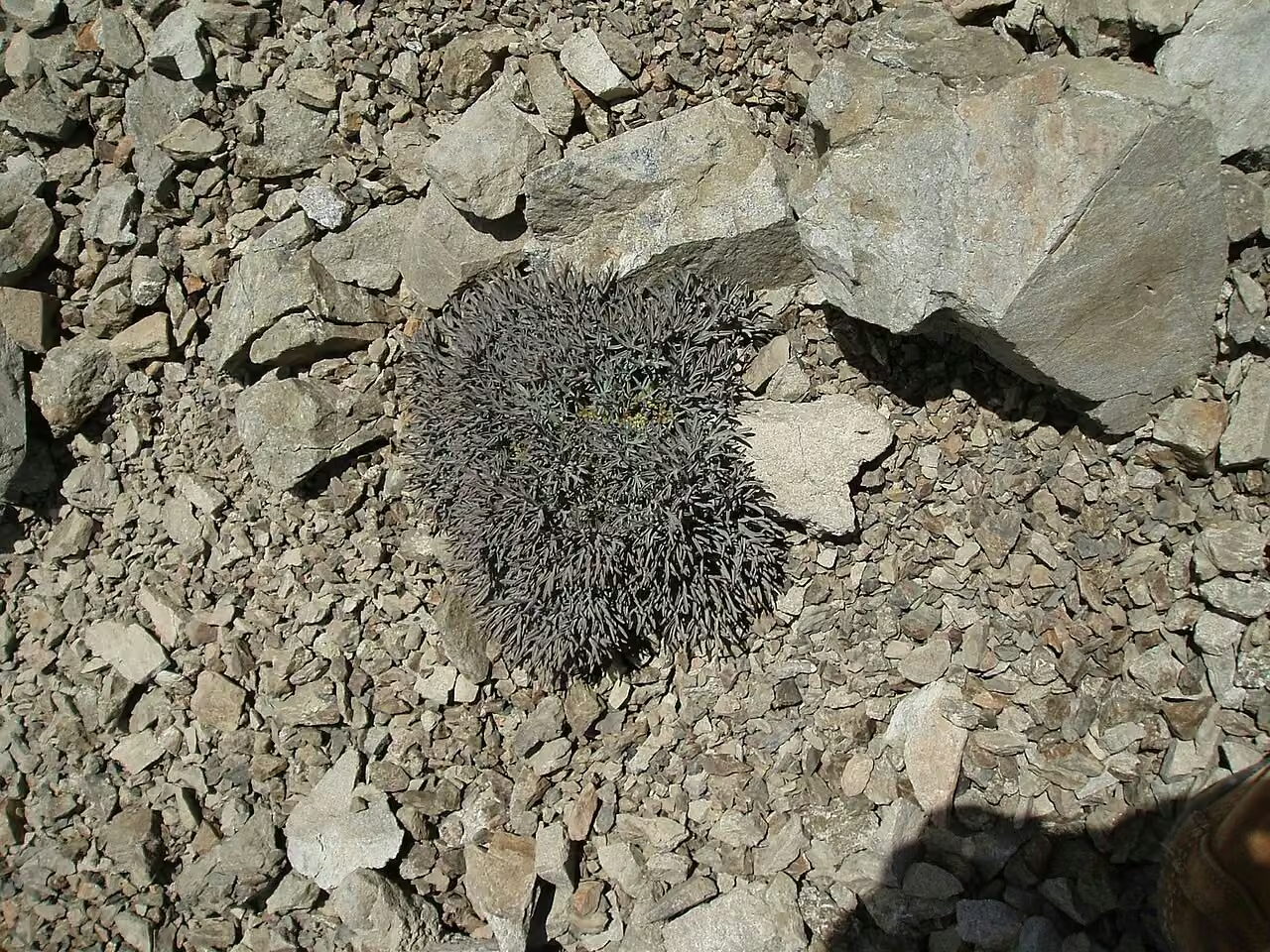
Lignocarpa diversifolia
Lignocarpa diversifolia
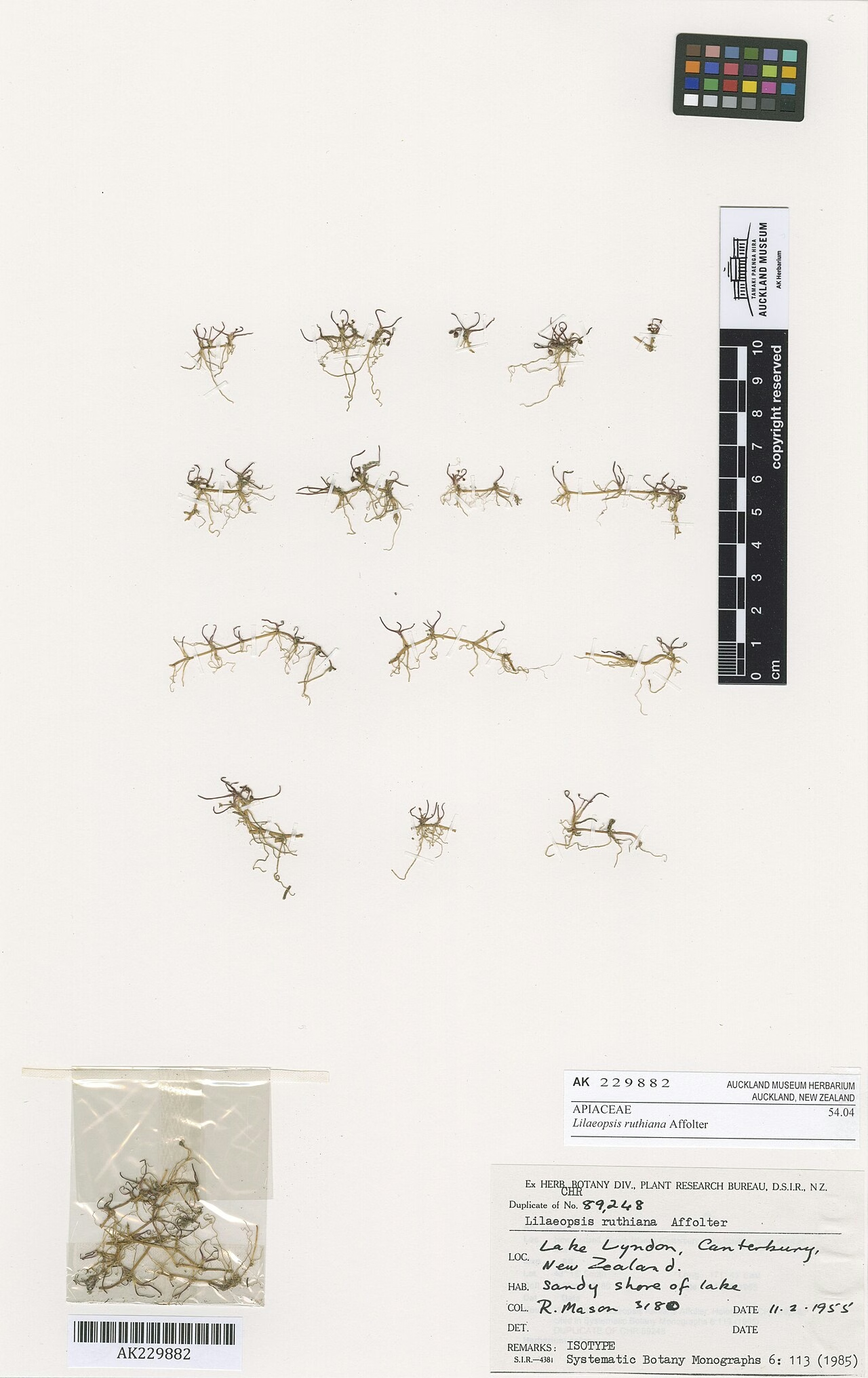
Lilaeopsis ruthiana
Lilaeopsis ruthiana
Dwarf Mingimingi
Dwarf Mingimingi
Plant Conservation
Styphelia nana is ranked At Risk - Declining (2023) and is Regionally Endangered in Otago. It was briefly ranked Naturally Uncommon in 2012 before being returned to Declining in 2017 and 2023.
Its habitat of short-tussock grassland on inland river terraces and outwash plains has been widely converted to pasture and affected by weeds, and NZPCN does not list specific threats beyond its declining trend. Protecting remaining unimproved terrace grasslands from cultivation, irrigation and weed invasion is the most useful action.
Frequently Asked Questions
Is Leucopogon nanum the same as Styphelia nana?
Yes. Leucopogon nanum, described by Dawson and Heenan, has been moved to Styphelia, and NZPCN now lists it as Styphelia nana with Leucopogon nanum as a synonym.
How small does Styphelia nana grow?
The Flora of New Zealand describes it as usually 5 to 35 mm tall, spreading by rhizomes to form dense low patches rather than growing upward.
Where does Styphelia nana grow in New Zealand?
It occurs only in the eastern South Island from Marlborough to Otago, with records from places such as the Acheron valley, Lake Coleridge, the Ashburton valley and the Waitaki Basin.
Why is Styphelia nana classed as declining?
It is ranked At Risk - Declining because its populations are shrinking. It lives in dry inland short-tussock grassland, a habitat that has been heavily modified across the eastern South Island.
Sources and Further Reading
The botanical, growing, and conservation details for Styphelia (Styphelia nana) on this page draw on the New Zealand plant references below. Consult them for full technical records and the latest distribution data.