Dwarf Mingimingi
Styphelia nesophila
Last updated:
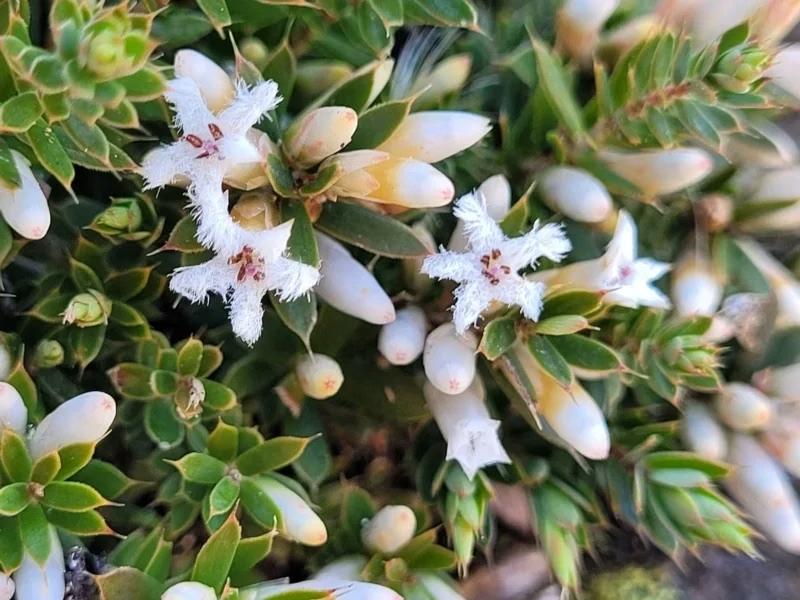
Dwarf Mingimingi (Styphelia nesophila), also called Pātōtara, is a small, hardy, prickly shrub native to New Zealand and parts of Australia. It has a low, mat-forming habit that rarely exceeds 30 cm in height but can spread to about a metre wide. Wiry, well-branched stems are clothed in small, needle-like leaves 3 to 8 mm long, each tipped with a sharp point. In late winter and spring it bears small, white, tube-shaped flowers, followed by fleshy drupes that ripen to bright yellow or orange. Growing on coastal heaths, dry shrublands and montane grasslands, it is very frost and salt hardy and slow growing. Explore more native shrubs in our native plant guide.

Plant Description
Identification and Physical Characteristics
Styphelia nesophila , commonly known as Dwarf Mingimingi or Pātōtara, is a small, hardy, and prickly shrub native to New Zealand and parts of Australia. It exhibits a low-growing or prostrate habit, often forming dense, prickly mats that rarely exceed 30 cm in height. The stems are wiry and well-branched, covered in small, needle-like leaves that are 3-8 mm long. Each leaf is tipped with a sharp, fine point, giving the plant its characteristic prickly texture. During late winter and spring, the shrub produces small, white, tube-shaped flowers that are held erect in the leaf axils. These are followed by attractive, fleshy drupes that turn from green to a bright yellow or orange-yellow when ripe, providing a splash of colour against the dark green foliage.
Quick Facts
| Scientific Name | Styphelia nesophila |
|---|---|
| Height | Up to 30 cm |
| Spread | Up to 1 m (mat-forming) |
| Water Needs | Low to moderate; well-drained |
| Light | Full sun to light shade |
| Frost Tolerance | High |
| Salt Tolerance | High |
| Growth Rate | Slow |
| Lifespan | Long-lived perennial shrub |
Climate Best Suited to
Dwarf Mingimingi is a remarkably adaptable species, thriving in a wide range of New Zealand climates. It is particularly well-suited to coastal environments and montane regions, where it can withstand high winds, intense light, and significant frost. It performs best in regions with distinct seasonal changes and avoids the extreme, stagnant humidity of subtropical zones.
Regional Suitability
| City | Climate Suitability |
|---|---|
| Auckland | Medium |
| Wellington | High |
| Christchurch | High |
| Dunedin | High |
| Invercargill | High |
Plant Habitat
Natural Occurrence and Ecology
In the wild, Styphelia nesophila is often found in open, well-lit habitats. It is a common component of coastal heaths, dry shrublands, and montane grasslands. It frequently grows on thin, rocky soils or sandy substrates where drainage is exceptional. Its prickly form and low stature allow it to thrive in exposed sites where larger shrubs might be damaged by wind or grazing pressure. It is often found at altitudes above 500 meters in mountain ranges but also colonizes sandy dunes near the coast.
Growing Requirements
Soil Requirements
Requires very well-drained soil. It is particularly adapted to acidic, sandy, or stony substrates.
- Sandy/Gritty
- Acidic to Neutral
- Low fertility
Light Requirements
Best in full sun. High light levels are necessary to maintain its dense, compact growth habit.
- Full Sun
- Bright Light
Water Requirements
Low water needs once established. It is drought-tolerant but appreciates occasional deep watering in summer.
- Drought tolerant
- Avoid waterlogging
Planting and Establishing
Establishment Guidance
When planting Dwarf Mingimingi, prioritize a site with perfect drainage. If your garden soil is heavy, consider planting on a slight mound or incorporating plenty of coarse sand and gravel. Space plants about 40-50 cm apart to allow them to eventually grow together into a continuous mat. Water new plants weekly during their first year, especially during dry summer months, to ensure they develop a resilient root system. Once established, the plant requires very little supplemental water.
Ecological Role
Biodiversity and Ecosystem Impact
Dwarf Mingimingi plays a significant role in stabilizing thin soils and sand dunes. Its dense, prickly canopy provides a safe refuge for small native lizards and ground-dwelling invertebrates, protecting them from avian predators. The small yellow fruits are a valuable food source for native skinks and geckos, which in turn act as the primary dispersers of the seeds. The flowers attract various small native insects and bees, contributing to the health of local pollinator networks.
Uses & Significance
Garden Uses
This plant is an excellent choice for rock gardens, coastal landscaping, and as a low-maintenance ground cover for sunny, dry slopes. Its prickly nature makes it a natural deterrent for foot traffic in sensitive areas.
- Rock gardens
- Coastal borders
- Protective ground cover
Ecological Value
Ecologically, it is highly valued for supporting native lizard populations and for its role in the successional development of dryland ecosystems.
- Lizard habitat
- Soil stabilization
- Insect support
Landscaping Uses
In professional landscape design, Styphelia nesophila is used to create rugged, textured patterns in dry or coastal areas. Its compact, prickly rosettes are perfect for creating structural interest in minimalist native rockeries or as a border plant to deter foot traffic. Its unique form and extreme hardiness make it a durable and visually interesting plant for high-altitude native parks.
Seasonal Care Calendar
Spring
Apply a light layer of acidic mulch, such as pine needles. This is the primary flowering season.
- Observe flowers
- Light mulching
Summer
The fruits ripen during this period. Monitor for any signs of extreme water stress, although the plant is drought-hardy.
- Fruit ripening
- Minimal watering
Autumn
Collect mature seeds from the yellow fruits. A good time for planting new specimens.
- Seed collection
- New planting
Winter
The plant is very frost-hardy. No special protection is required, though ensuring drainage remains clear is vital.
- Minimal care
- Check drainage
When to Prune and How Much
Dwarf Mingimingi requires almost no pruning due to its slow-growing and naturally prostrate habit.
- Remove dead twigs
- Contain spread if needed
If the plant spreads beyond its intended area, the edges can be lightly trimmed in early summer. Avoid cutting back into old wood that lacks foliage.
How to Grow Dwarf Mingimingi
Cultivating Dwarf Mingimingi ( Styphelia nesophila ) is a rewarding way to introduce texture and resilience into your garden landscape. This species is naturally adapted to the challenging environments of New Zealand's coastal heaths and mountain slopes, making it a reliable performer once its basic requirements for drainage and light are met. It is particularly valued by those looking to create a low-maintenance, ecologically-focused native garden.
The most successful method of propagation for the home gardener is through semi-hardwood cuttings. These should be taken in late summer or early autumn, when the current season's growth has begun to harden but is still slightly flexible. Select healthy tips about 5-10 cm long. Remove the lower leaves-bearing in mind the prickly nature of the foliage-and dip the base into a rooting hormone. Insert the cuttings into a very free-draining mix, such as a combination of coarse sand and peat. Place the tray in a bright, sheltered spot out of direct sunlight and maintain high humidity by using a plastic cover or misting system. Rooting can be slow, often taking several months, so patience is essential.
From Seed
Propagation from seed is also possible but can be more complex due to the hard outer coating of the drupes. The fruits should be collected when they are fully ripe and yellow.
Clean the fleshy pulp away from the seed and sow them into a gritty, acidic seed-raising mix. They may benefit from a period of cold stratification to break their natural dormancy. Maintain consistent moisture levels throughout the germination period.
- Collect ripe yellow fruits in summer.
- Remove the fleshy pulp.
- Sow in a gritty, acidic mix.
Seedlings should be grown on in individual pots until they are large and robust enough to handle the transition to the open garden.
From Cuttings
As mentioned, semi-hardwood cuttings are the standard vegetative method. Rooted pieces can sometimes be layered from established mats if the stems have naturally made contact with damp soil.
- Select firm, healthy tips in autumn.
- Use an acidic propagation medium.
- Provide consistent humidity.
Pests & Diseases
Dwarf Mingimingi is generally free from serious pests and diseases. Its tough, prickly foliage makes it unappealing to many common garden insects. However, poor drainage can lead to root rot, especially in heavy clay soils. Ensuring the site is well-drained is the best preventative measure. Occasionally, scale insects may be found on the wiry stems; these can be managed with organic horticultural oils.
Cultural Significance
The Dwarf Mingimingi, or Pātōtara, is a significant species in the New Zealand dryland and alpine flora. While it doesn't have the broad utility of some larger forest trees, it is respected for its ability to survive in the harshest of environments. In traditional contexts, the small berries were occasionally eaten, though they are more significant as a food source for native wildlife. It serves as a botanical symbol of endurance and adaptation to the unique conditions of Aotearoa.
- Symbol of subalpine resilience
- Traditional recognition as Pātōtara
- Endemic botanical heritage
Bonus Tip
To create a "lizard-friendly" garden, plant Dwarf Mingimingi among large, flat stones. The stones will provide basking spots for skinks, while the prickly canopy of the Mingimingi offers an immediate and safe escape from predators.
Related Plants
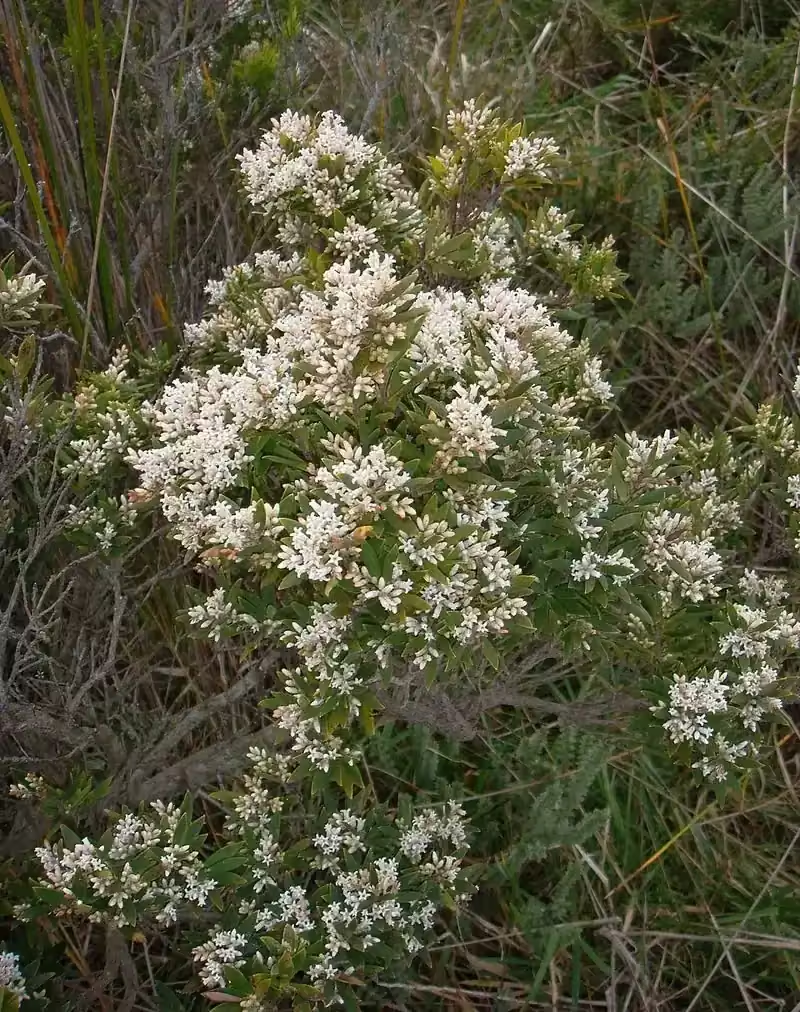
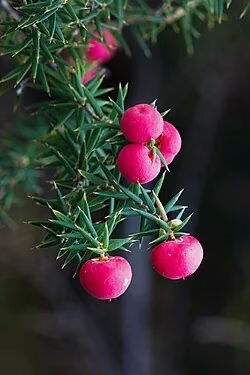
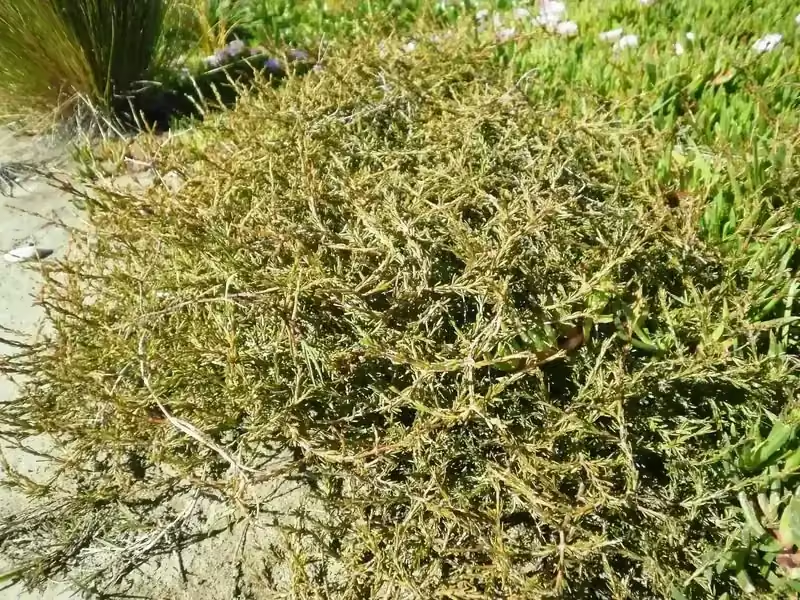
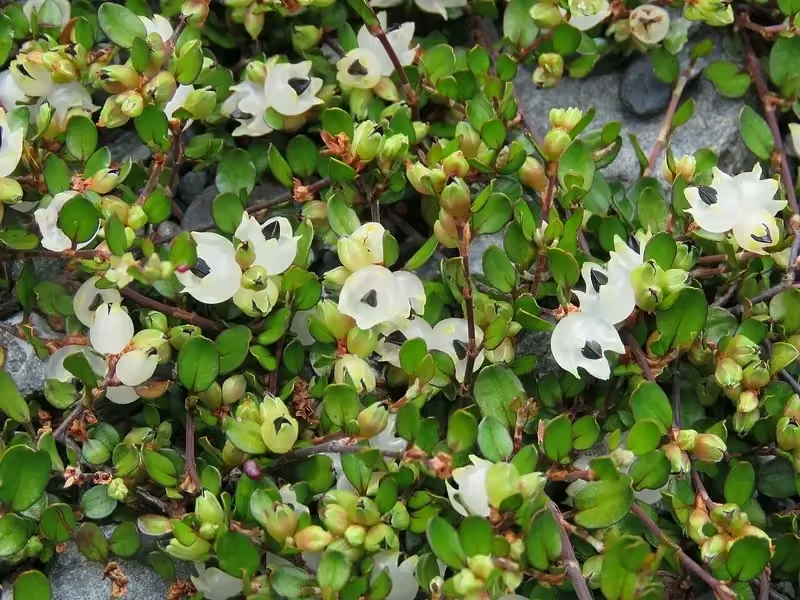
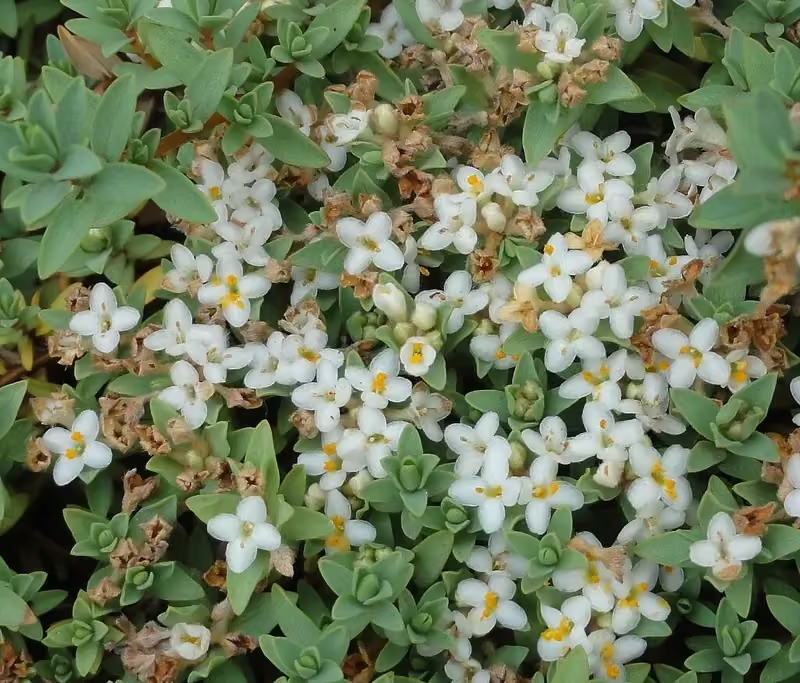
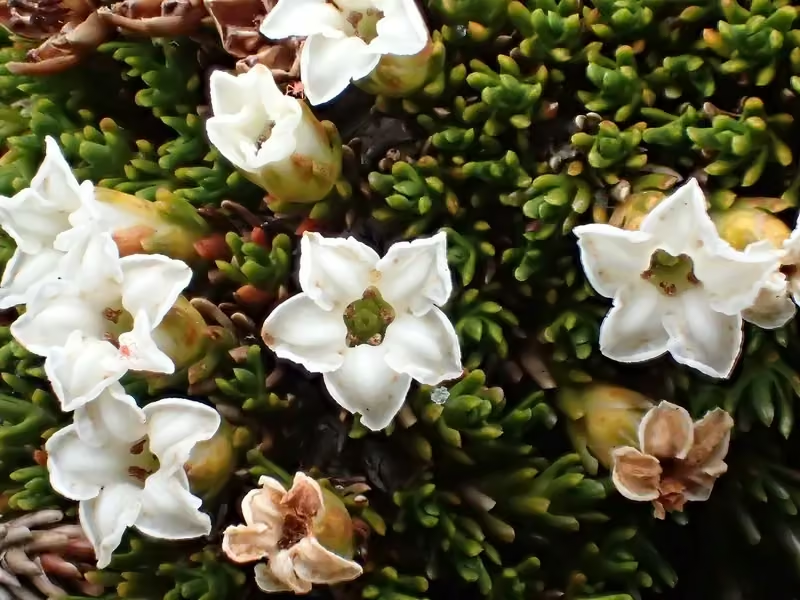
Explore other native plants that share similar characteristics or habitats with Dwarf Mingimingi ( Styphelia nesophila ), offering further insights into New Zealand's diverse flora. These related species provide context and opportunities for complementary planting in your garden.

Plant Conservation
Conservation Status and Threats
Currently classified as 'Not Threatened', Styphelia nesophila remains widespread in its natural habitats. However, its continued survival is linked to the preservation of open shrubland and coastal ecosystems from the encroachment of invasive weeds and the loss of native lizard populations which play a crucial role in seed dispersal. Protecting these fragile landscapes ensures that Dwarf Mingimingi remains a vibrant part of New Zealand's biodiversity.
Frequently Asked Questions
How tall does Dwarf Mingimingi grow?
It rarely exceeds 30 cm in height but can spread to about a metre wide.
Is Styphelia nesophila frost and salt tolerant?
Yes, it has high frost tolerance and high salt tolerance, suiting exposed sites.
Where does Dwarf Mingimingi grow naturally?
It grows on coastal heaths, dry shrublands and montane grasslands on well-drained soils.
What do Dwarf Mingimingi flowers and fruit look like?
It has small white tube-shaped flowers followed by fleshy yellow to orange drupes.
Sources and Further Reading
The botanical, growing, and conservation details for Dwarf Mingimingi (Styphelia nesophila) on this page draw on authoritative New Zealand plant references and citizen-science observation records. Consult the sources below for full technical records and the latest distribution data.