Lepturus
Lepturus repens
Last updated:
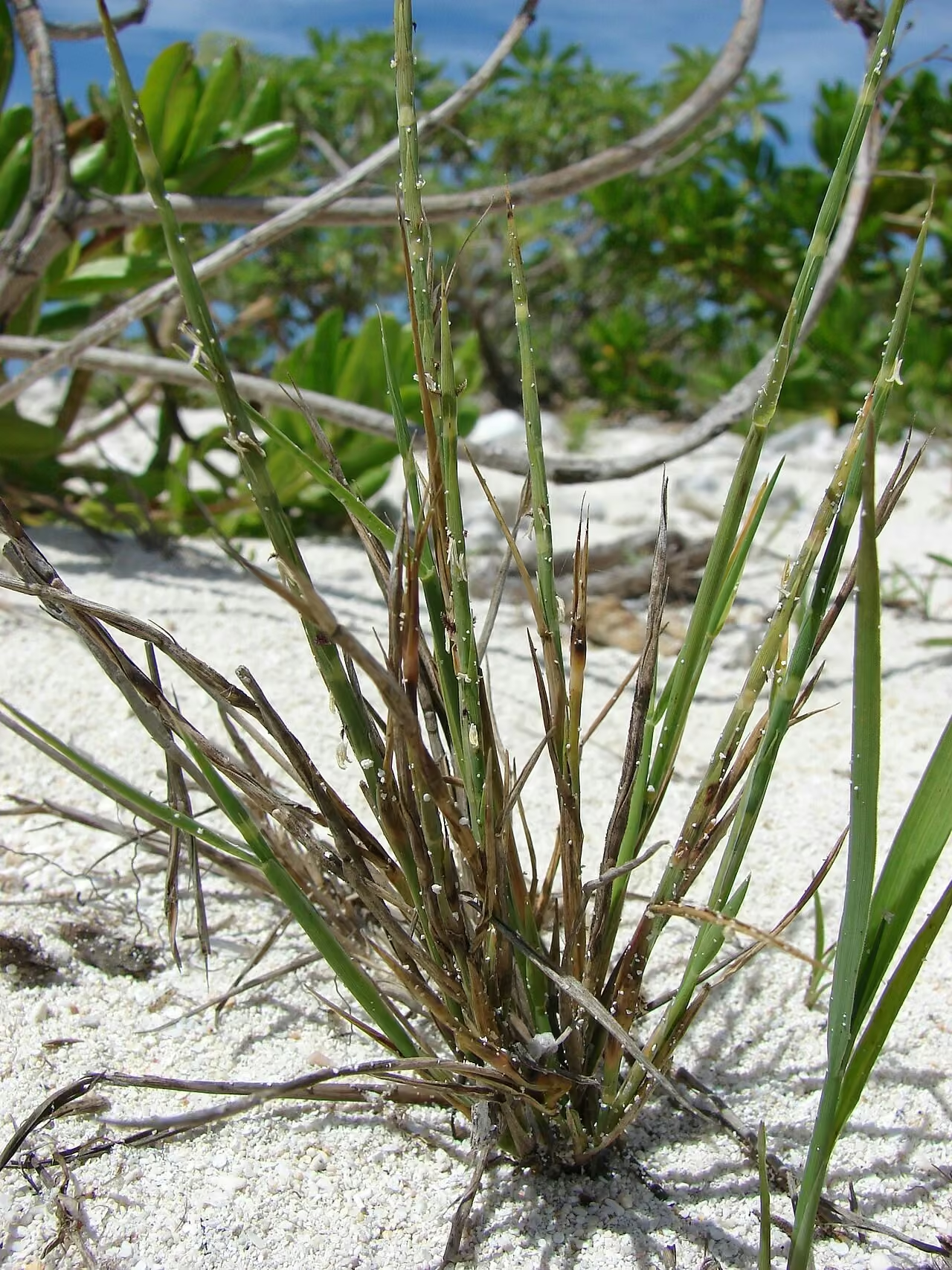
Lepturus repens is a semi-prostrate, grey-green perennial grass that forms dense mats more than 2 m across from long trailing stolons that root at the nodes. It is abundant on islands and coasts throughout the warmer Pacific and Indian Oceans, but in New Zealand it is known only from North Chanter, Dayrell and Napier Islands in the Herald Islets of the Kermadec group. There it grows on coral makatea and basalt rock, often among seabird burrows, and reaches its world southern limit. With a total New Zealand population probably under 5 square metres, it is classed as a vagrant rather than an established resident. Explore more native grasses and flaxes in our native plant guide.
Plant Description
Lepturus repens is a semi-prostrate, grey-green perennial grass that forms dense mats up to and beyond 2 m in diameter. It spreads by numerous long trailing stolons that root at the nodes, allowing it to cling to bare rock and sand.
Its flowering stems (culms) are erect and wiry, carrying inconspicuous, slender cylindrical racemes. The spikelets, 5-7 mm long, are set alternately on opposite sides of a thickened, fragile rachis, so the whole spike looks like a thin, jointed rod that breaks apart when ripe.
NZPCN notes that no other grass in New Zealand shares this combination of features: the creeping grey-green mats, the slender cylindrical spikes and the thick, fragile rachis with spikelets on opposite sides make it distinctive. Flowering material is the surest way to confirm its identity.
Quick Facts
| Scientific Name | Lepturus repens |
|---|---|
| Height | Low mats with erect, wiry flowering stems |
| Spread | Mats to 2 m or more across |
| Water Needs | Low; drought tolerant on free-draining ground |
| Light | Full sun |
| Frost Tolerance | None; extremely cold sensitive |
| Salt Tolerance | High; grows within metres of the high tide mark |
| Growth Rate | Moderate to fast in warmth |
| Lifespan | Perennial |
Climate Best Suited to
It suits subtropical to tropical maritime climates with warm temperatures year round. It has no tolerance of frost and struggles in cool winters.
Regional Suitability
| City | Climate Suitability |
|---|---|
| Auckland | Low |
| Wellington | Low |
| Christchurch | Low |
| Dunedin | Low |
Plant Habitat
Overseas, Lepturus repens is abundant on islands and adjacent coasts throughout the warmer parts of the Pacific and Indian Oceans. In New Zealand it is known only from North Chanter, Dayrell and Napier Islands, three of the Herald Islets off Raoul Island in the Kermadec group, where it reaches its world southern limit.
On the Herald Islets it grows on coral makatea (raised coral limestone) and basalt rock, often in association with petrel nesting sites. Some patches are within metres of the high tide mark, while others are on summit ridges. NZPCN considers the habitat there fairly marginal for the species.
Growing Requirements
Soil Requirements
It grows on raw coral limestone, basalt rock and sand, often enriched by seabird guano. In cultivation it needs a very free-draining medium.
- Sand, gravel or a gritty, free-draining mix
- Tolerates poor, rocky substrates
- Copes with salt-affected soils
- Avoid heavy or waterlogged soils
Light Requirements
A plant of exposed, open coastal rock, it needs full sun and warmth.
- Full sun
- Warm, sheltered position in cultivation
Water Requirements
It is adapted to free-draining coastal rock and sand and tolerates dry periods. Overwatering in cool weather is more harmful than drought.
- Water sparingly, mainly in hot dry weather
- Keep dry and warm in winter
Planting and Establishing
On mainland New Zealand it can only be attempted in the warmest, frost-free northern coastal sites, or in pots that can be moved under cover in winter. Choose a hot, sunny, sheltered spot with sandy, free-draining soil.
NZPCN suggests it could serve as a sand-binding grass in northern New Zealand. Because the wild population is so small, any material should come from existing cultivated stock rather than the Kermadecs, which are a protected nature reserve.
Ecological Role
On the Herald Islets it is part of the low vegetation on seabird breeding islands, often growing among petrel burrows where guano enriches the thin soils. Its mats help bind loose substrate on exposed rock and coral.
Like other grasses it is wind pollinated, and on tropical islands it flowers and fruits throughout the year. In New Zealand, however, plants have not been observed setting seed, so the tiny Kermadec population appears to persist by vegetative growth from its rooting stolons.
Uses & Significance
Garden Uses
Of interest mainly to specialist collectors of Kermadec and subtropical island flora.
- Pot culture in a warm glasshouse or sunroom
- Experimental sand-binding in frost-free northern coastal sites
Ecological Value
It adds to the small but distinctive tropical element of the Kermadec Islands flora.
- Binds sand and rubble on seabird islands
- Part of vegetation used by nesting petrels
- Marks the southern limit of a widespread Indo-Pacific species
Landscaping Uses
Lepturus repens has little practical role in mainland landscaping because of its cold sensitivity. In a warm conservatory or a container display of Kermadec plants, its grey-green trailing mats can be used to spill over the edge of a wide pot or rockery.
In frost-free northern coastal sites it could be trialled on sand among other low binding plants, but it should be treated as an experiment rather than a reliable ground cover.
Seasonal Care Calendar
Spring
Growth resumes as temperatures rise.
- Repot or divide container plants
- Move pots back into full sun
Summer
Main growth period in cultivation. In its tropical range it flowers and fruits throughout the year.
- Water in prolonged hot dry spells
- Allow stolons room to spread
Autumn
Growth slows as temperatures drop.
- Take rooted pieces as insurance against winter losses
- Reduce watering
Winter
The critical season: it is extremely cold sensitive.
- Keep under cover and frost free
- Keep the mix on the dry side
When to Prune and How Much
No regular pruning is required. Trim back stolons that wander beyond their allotted space, and cut off old flowering stems if they look untidy.
In pots, occasionally remove older, woody central growth and allow younger rooted stolons to replace it.
How to Grow Lepturus
NZPCN describes Lepturus repens as easy to grow from rooted pieces and fresh seed, but stresses that it is extremely cold sensitive and needs a free-draining medium in a sunny, warm and sheltered place. Because the wild New Zealand population is tiny and confined to protected Kermadec islets, propagation should use cultivated plants only. Rooted pieces are the most practical method, as New Zealand plants have not been seen to set seed.
From Rooted Stolon Pieces
The long trailing stolons root at their nodes, so sections can be cut away with roots already formed. This is best done in late spring or summer when warmth encourages fast establishment.
- Choose stolons that have rooted at one or more nodes.
- Cut sections 5-10 cm long, each with at least one rooted node.
- Pot into a sandy, very free-draining mix.
- Keep in a warm, bright, sheltered spot, such as a glasshouse.
- Water lightly until new shoots appear, then grow on in full sun.
- Bring pots under cover before the first cool nights of autumn.
From Seed
Fresh seed germinates readily according to NZPCN, but seed is unlikely to be available from New Zealand plants. Any seed should come from cultivated stock.
- Collect mature spike segments in warm weather.
- Sow fresh on a sandy seed mix and cover lightly.
- Keep warm and just moist until seedlings emerge.
- Prick out into individual pots and keep them warm and frost free through their first winter.
Pests & Diseases
No specific pests are recorded in New Zealand. In cultivation, the main risks are cold damage and root rot from cool, wet conditions rather than insects.
Its tiny New Zealand population makes it vulnerable to any change on the Herald Islets, including weed invasion or disturbance of the seabird colonies whose nesting sites it shares, so biosecurity on these islets matters.
Cultural Significance
No Māori name or traditional Māori use is recorded for this grass in New Zealand. Its New Zealand occurrence is limited to tiny, remote islets that are rarely visited.
The species was first named Rottboellia repens by Georg Forster in 1786 and moved to Lepturus by Robert Brown in 1810. The epithet repens comes from the Latin repere, to creep, describing its trailing stolons.
Bonus Tip
If you grow this grass, treat it as a frost-tender subtropical: keep a spare rooted piece in a pot on a warm windowsill or in a glasshouse over winter. A single cold night can kill an outdoor plant, but a backup indoors means you will not lose it.
Related Plants
Explore other native plants that share similar characteristics or habitats with Lepturus (Lepturus repens), offering further insights into New Zealand's diverse flora. These related species provide context and opportunities for complementary planting in your garden.
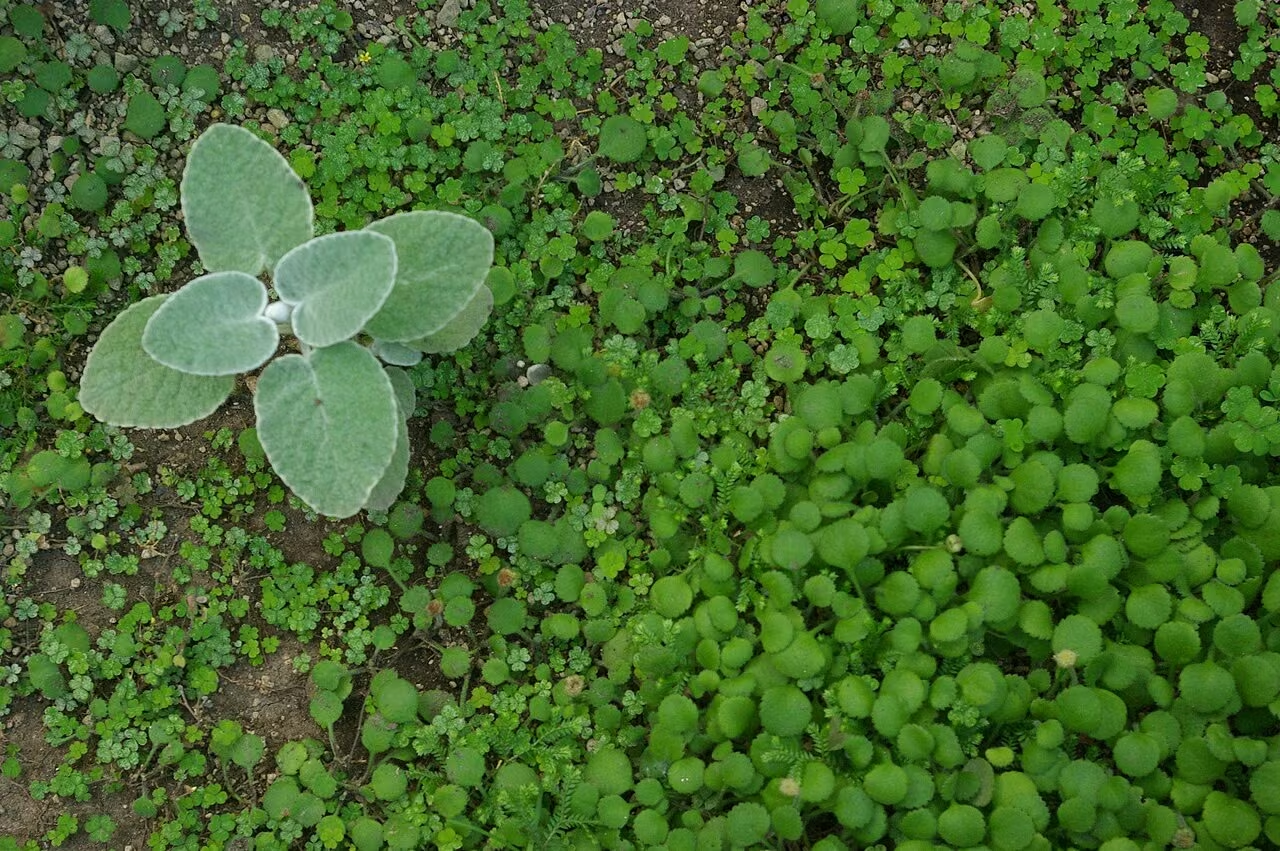
Leptinella rotundata
Leptinella rotundata
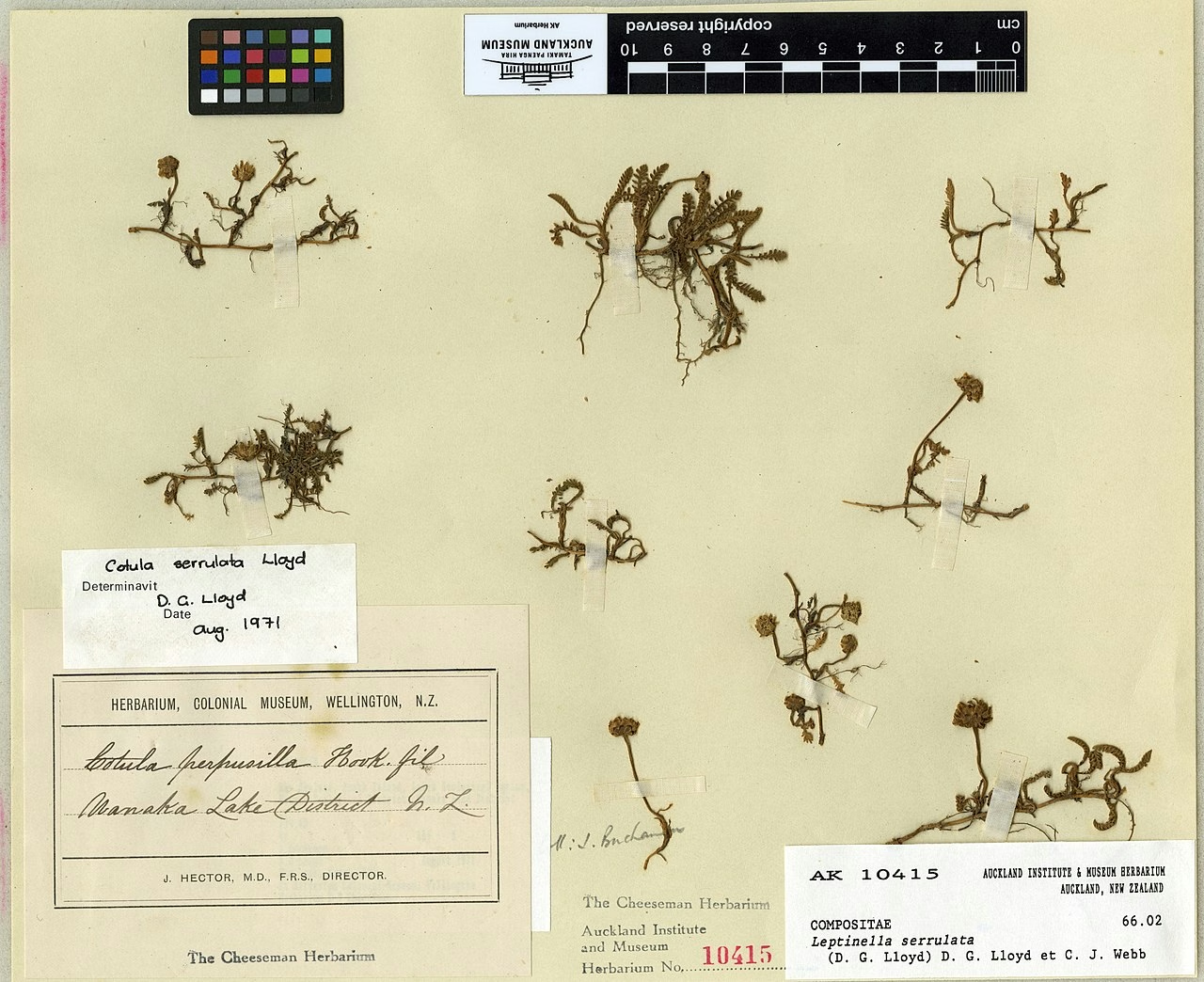
Dryland Button Daisy
Leptinella serrulata
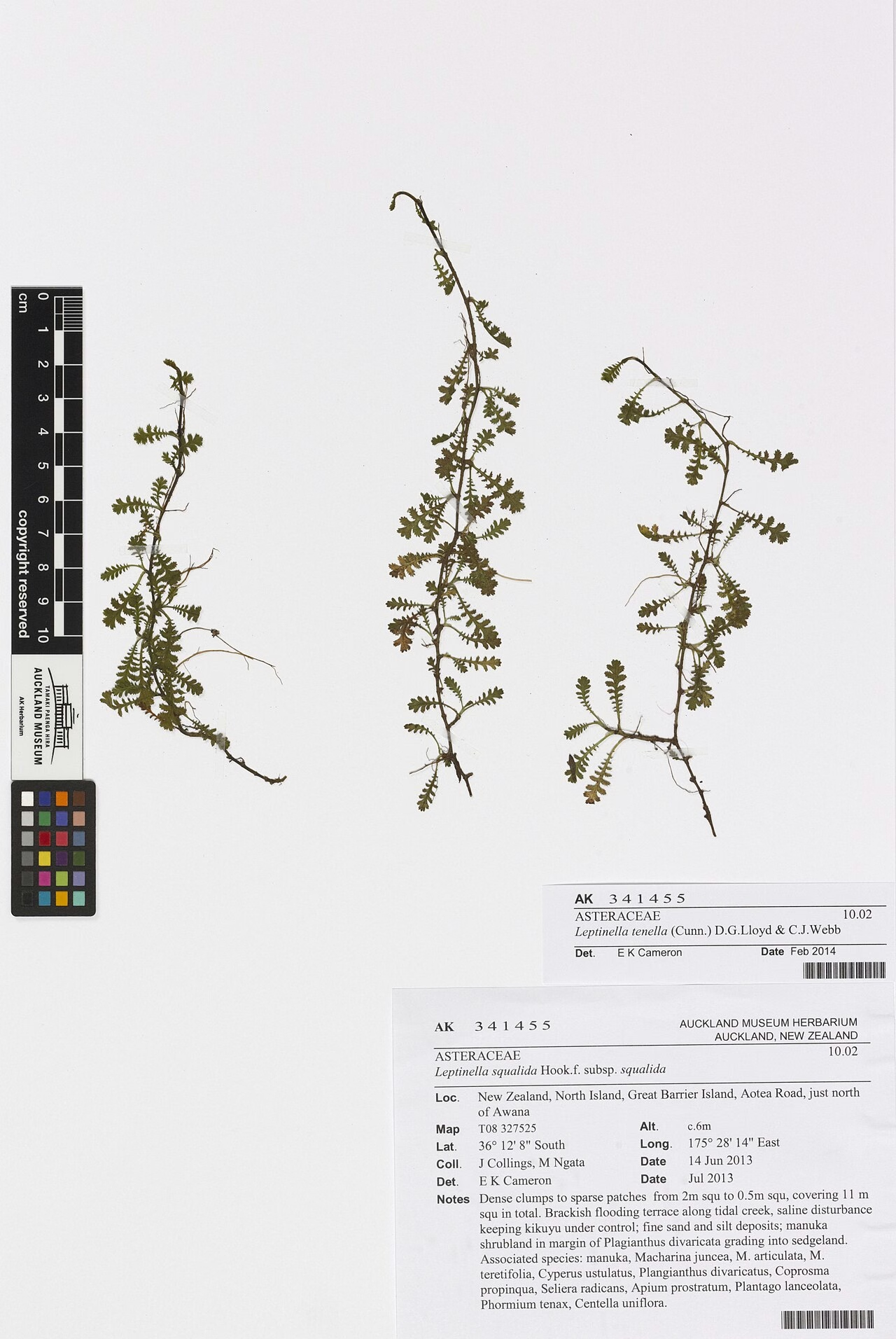
Leptinella tenella
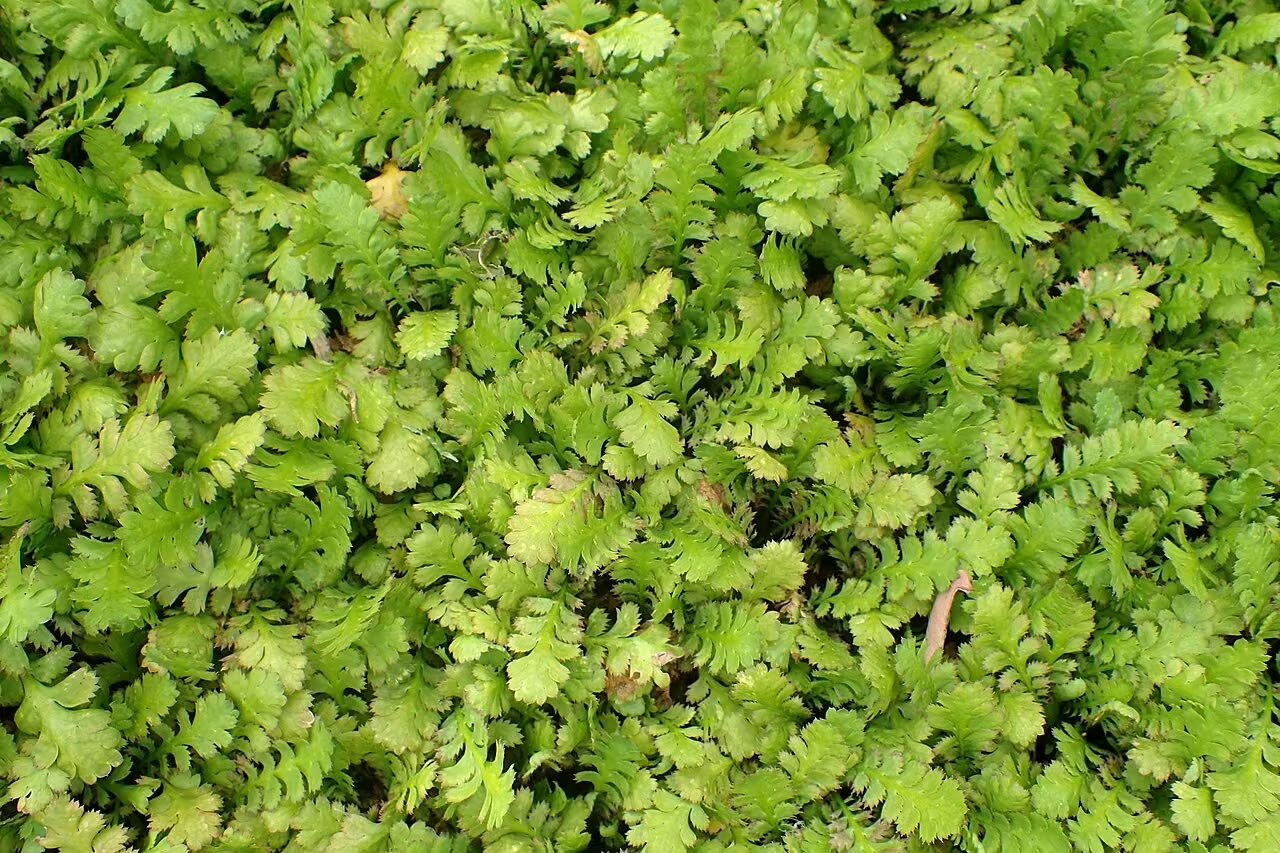
Leptinella tenella
Traill's Button Daisy
Leptinella traillii subsp. traillii
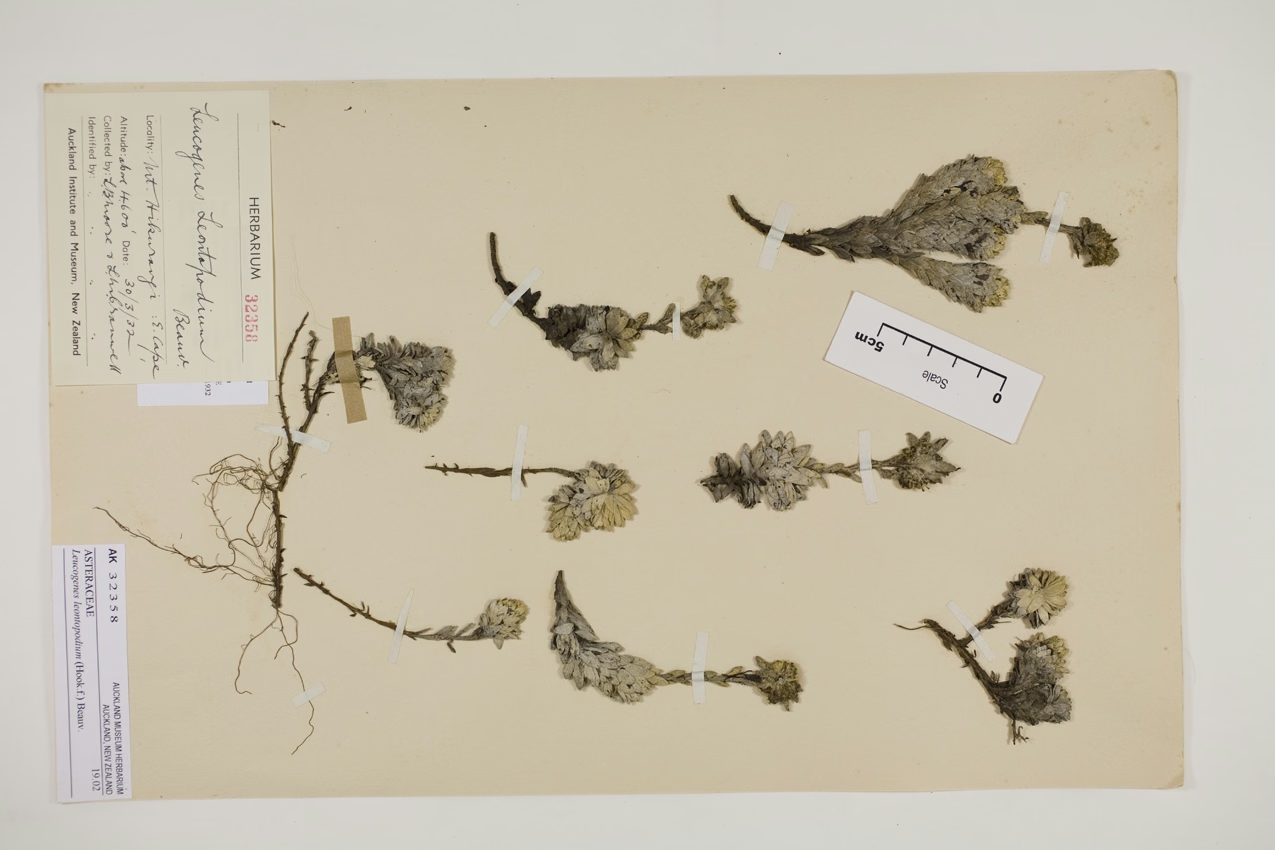
North Island Edelweiss
Leucogenes leontopodium
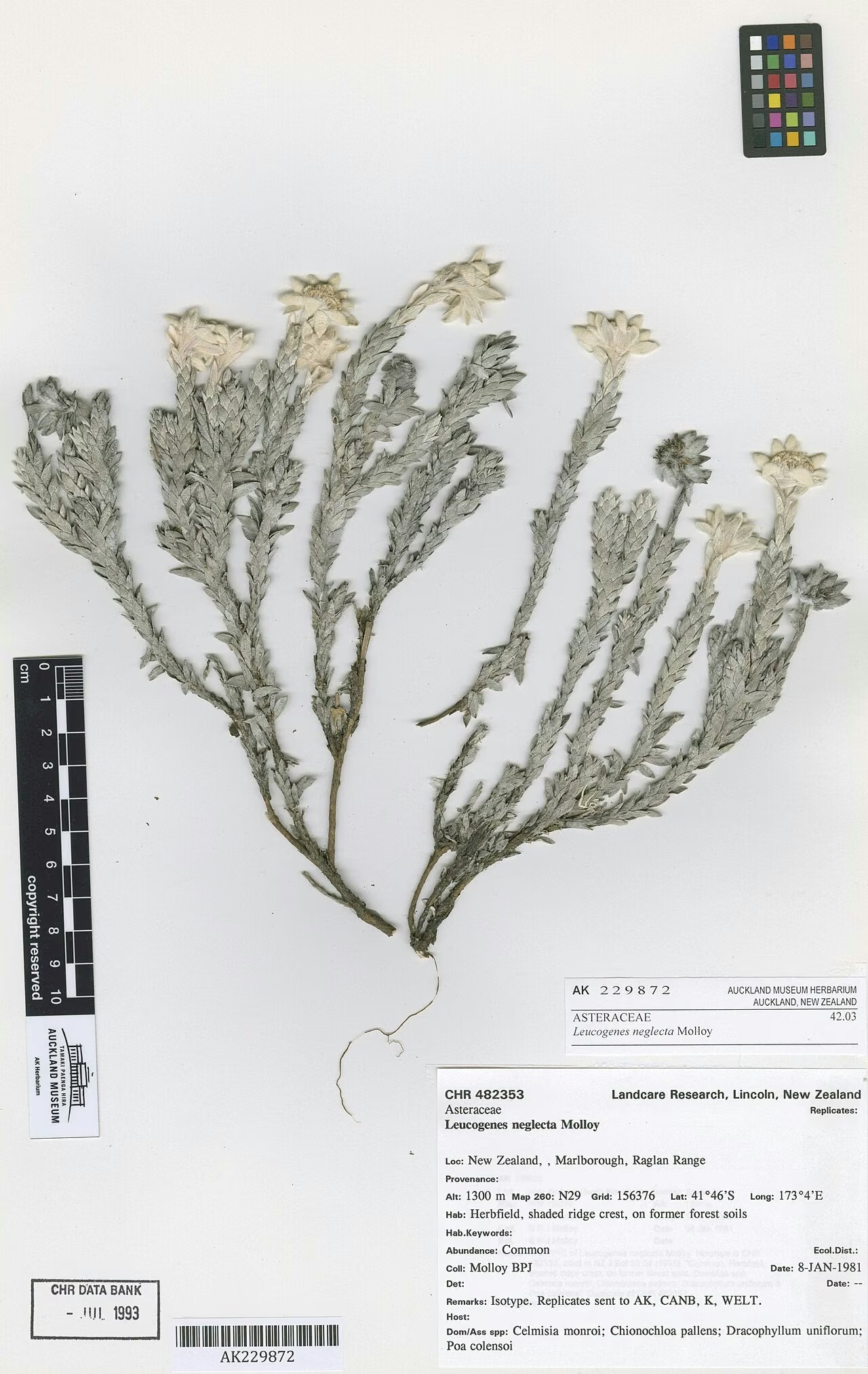
Marlborough Edelweiss
Leucogenes neglecta
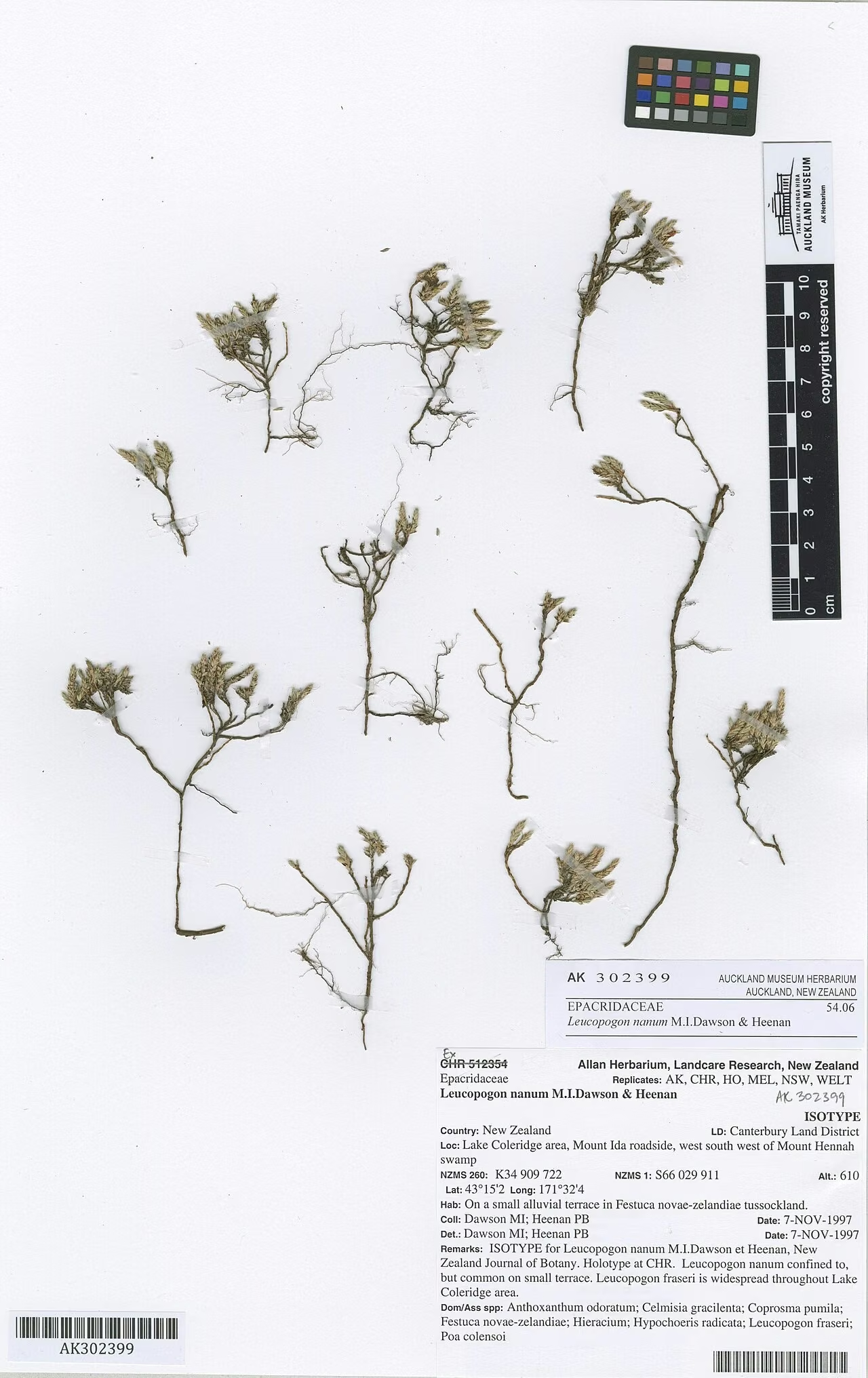
Styphelia nana
Styphelia nana
Petriei Grass
Achnatherum Petriei Grass
Plant Conservation
Lepturus repens is classed as Non-resident Native - Vagrant (2023) with the qualifier SO (secure overseas). This reflects that it is common and secure elsewhere in the tropics, while its New Zealand presence is marginal and may not be self-sustaining.
The total New Zealand population is probably less than 5 square metres, spread across three Herald Islets in the Kermadec Islands Nature Reserve. Continued protection of these seabird islands and biosecurity to keep weeds and pests out are the main safeguards.
Frequently Asked Questions
Where does Lepturus repens grow in New Zealand?
Only on North Chanter, Dayrell and Napier Islands, part of the Herald Islets off Raoul Island in the Kermadec group, on coral makatea and basalt rock.
Why is Lepturus repens classed as a vagrant?
New Zealand is the southern edge of its range. The Kermadec population is tiny, probably under 5 square metres in total, and plants there have not been seen producing seed.
How do you recognise Lepturus repens?
Look for a grey-green, mat-forming grass with long rooting stolons and wiry upright stems carrying slender cylindrical spikes, with spikelets set alternately on opposite sides of a thick, brittle rachis.
Can Lepturus repens be grown on mainland New Zealand?
NZPCN says it grows easily from rooted pieces and fresh seed but is extremely cold sensitive. It needs a warm, sunny, sheltered, free-draining site, and suggests it as a sand-binding grass for northern New Zealand.
Sources and Further Reading
The botanical, growing, and conservation details for Lepturus (Lepturus repens) on this page draw on the New Zealand plant references below. Consult them for full technical records and the latest distribution data.