Lilaeopsis
Lilaeopsis ruthiana
Last updated:
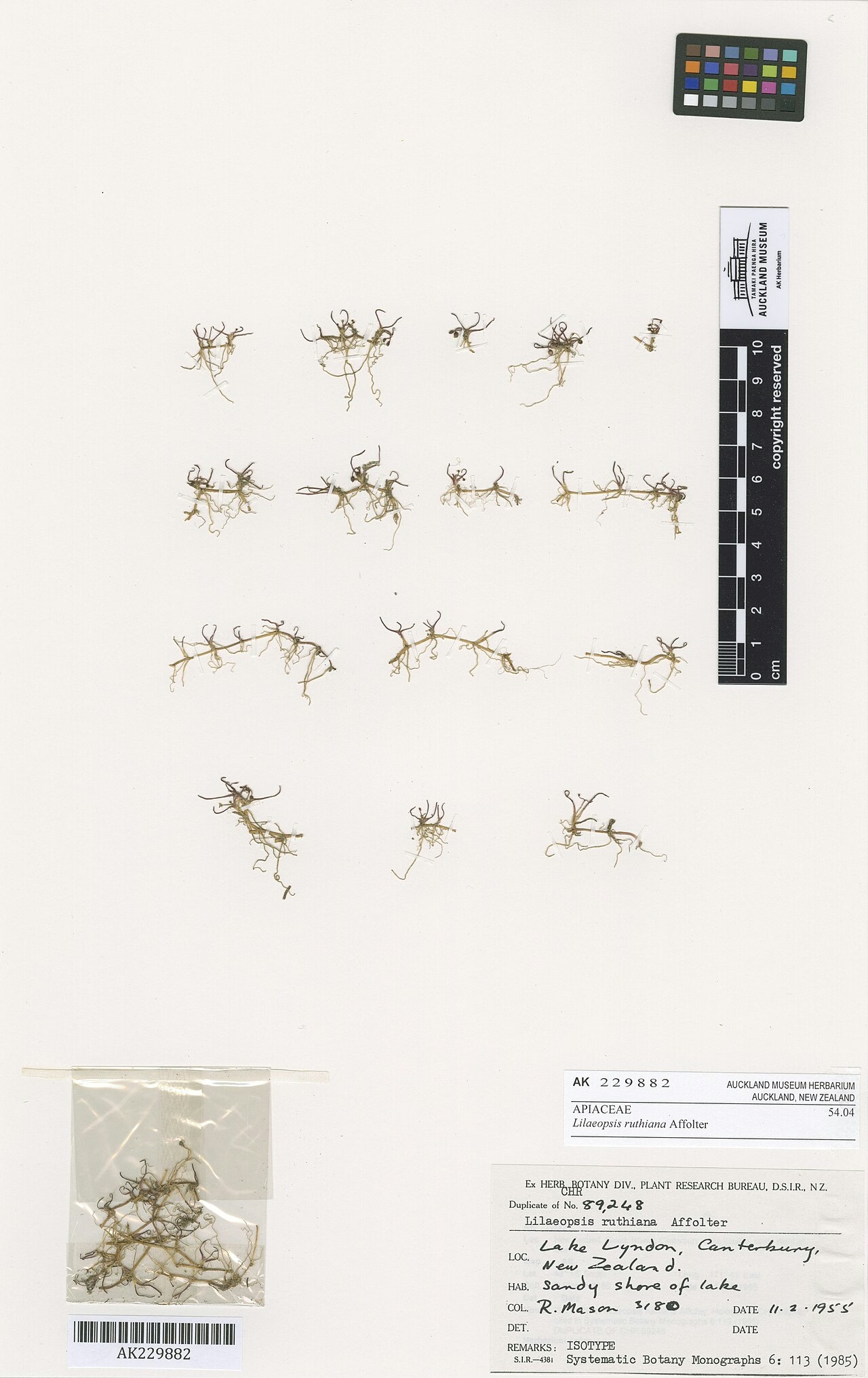
Lilaeopsis ruthiana is a tiny aquatic member of the carrot family (Apiaceae) that creeps by rhizomes to form low, grass-like lawns on the sandy and silty shores of New Zealand lakes and other fresh waters. Its leaves are short, pointed, rush-like tubes with internal cross-partitions, and it grows both underwater and on emergent shores, from the water's edge down to a couple of metres deep. Unlike its coastal relative L. novae-zelandiae, it is a plant of inland fresh water, with records from lakes such as Wakatipu, Hauroko, Mavora and Lyndon. It is ranked Not Threatened. Explore more native ground covers in our native plant guide.
Plant Description
Lilaeopsis ruthiana has a slender creeping rhizome that roots at the nodes and sends up tufts of leaves, so a colony becomes a dense, low, grass-like lawn. The leaves are pointed and round in cross-section, effectively hollow tubes divided internally by distinct cross walls (septa), a feature that gives them a faintly jointed look. They are rush-like rather than flat.
The flowers are tiny and inconspicuous, typical of Lilaeopsis, held near the base of the leaves. In the New Zealand species the inflorescence is solitary or, more rarely, two-flowered, which NZPCN uses to separate them from the three-flowered, cream-flowered L. brasiliensis.
Three Lilaeopsis occur in New Zealand. L. novae-zelandiae shares the tubular septate leaves but lives in coastal brackish habitats. L. brasiliensis, recorded only from Oakley Creek in Auckland, has flat, sparingly and inconspicuously septate leaves. L. ruthiana is the inland freshwater species of the three.
Quick Facts
| Scientific Name | Lilaeopsis ruthiana |
|---|---|
| Height | A few centimetres; forms a low turf |
| Spread | Spreads indefinitely by creeping rhizomes |
| Water Needs | Aquatic; submerged or on permanently wet margins |
| Light | Full sun to light shade; needs clear water when submerged |
| Frost Tolerance | Hardy in its inland lake habitats; outdoor winter hardiness in cultivation is not documented |
| Salt Tolerance | Low; a freshwater species |
| Growth Rate | Moderate, by runners |
| Lifespan | Perennial |
Climate Best Suited to
It grows in inland lakes from cool southern districts northwards, tolerating cold winters as long as it stays in or beside water. In aquariums it has been reported to grow in water up to 28 degrees Celsius.
Regional Suitability
| City | Climate Suitability |
|---|---|
| Auckland | Medium |
| Wellington | Medium |
| Christchurch | High |
| Dunedin | High |
Plant Habitat
Herbarium records place Lilaeopsis ruthiana in inland fresh waters, including North Mavora Lake in Southland, Lake Wakatipu in Otago, Lake Lyndon in Canterbury and Lake Hauroko in Fiordland, as well as in rivers and lagoons. Regional assessments exist for Otago, where it is Regionally Naturally Uncommon, and for Auckland and Wellington, where it is Data Deficient, so it has been recorded in both main islands, but its full distribution is not well documented.
It grows on sandy shores and on sand and silt substrates in clear water, from the shoreline down to about 2.4 m deep. NZPCN classes it as an obligate wetland plant, almost always found as a hydrophyte.
Growing Requirements
Soil Requirements
In nature it roots into fine sand and silt on lake beds and gently shelving shores.
- Sand or silt substrate
- Low-nutrient aquatic soil
- Stable bottom that is not constantly scoured
Light Requirements
As a short turf plant it relies on clear water and open shores to receive enough light.
- Full sun on emergent margins
- Clear, unclouded water when submerged
Water Requirements
It must be permanently wet, either fully submerged or growing on saturated shorelines.
- Shallow water up to about 2 m deep
- Clean, clear fresh water
Planting and Establishing
In a garden pond, plant small clumps into a shallow shelf filled with sand or sandy loam, with water just covering the crowns or the substrate kept saturated. It will spread outward by runners to make a lawn-like edge.
In aquariums it is grown as a foreground carpet. Flowgrow notes that its outdoor winter hardiness and suitability for ponds are not well known, so experiment with a few plants before relying on it. Do not collect from the wild, and keep aquarium plants out of natural waterways.
Ecological Role
Lawns of Lilaeopsis are part of the low turf communities of shallow lake margins, where they help stabilise sand and silt and provide surface for small invertebrates and algae. Specific studies of the insects or animals associated with this species were not found.
Turf communities like this are sensitive to water clarity and to invasion by introduced oxygen weeds, which can shade out low-growing native plants in shallow water.
Uses & Significance
Garden Uses
Its main uses are as a pond-margin turf and as an aquarium carpeting plant.
- Shallow pond shelves and bog garden edges
- Aquarium foreground lawns
- Native wetland and lake-edge restoration
Ecological Value
It is a characteristic component of native freshwater turf on lake shores.
- Binds sandy and silty lake margins
- Habitat for small aquatic invertebrates
- Part of native shallow-water plant communities
Landscaping Uses
Use it to soften the edge of a natural-style pond, where its fine, bright green turf contrasts well with larger native sedges and rushes.
Because it is so low, it should be placed where nothing taller will overhang it, at the very front of a pond shelf or along a shallow beach-style edge.
Seasonal Care Calendar
Spring
Growth resumes as water warms, and runners begin to extend.
- Divide and replant clumps
- Remove debris covering the turf
Summer
The main growing season, when tiny flowers form among the leaves and lawns spread.
- Keep water levels stable
- Watch for algae smothering the turf
Autumn
Growth slows; a good time to trim back runners spreading too far.
- Thin overcrowded patches
- Clear fallen leaves from ponds
Winter
In its lake habitats it persists through cold winters under water.
- Keep plants submerged or saturated
- Avoid letting pond margins freeze dry
When to Prune and How Much
No pruning in the usual sense is needed. In ponds and aquariums simply cut or pull out runners that spread beyond where they are wanted.
When thinning, remove whole pieces of rhizome with their leaves attached rather than shearing the turf, so the remaining plants keep their roots and continue to spread evenly.
How to Grow Lilaeopsis
Lilaeopsis ruthiana spreads naturally by creeping rhizomes, and propagation is easiest by dividing these runners. Flowgrow lists runners, splitting and the removal of daughter plants as the means of increase in cultivation. Seed propagation has not been documented for this species. Use cultivated stock rather than collecting from lakes, both to protect wild turf and to avoid moving pest plants or algae between waterways.
By Division of Runners
A single pot of Lilaeopsis can be cut into many small pieces, each of which will establish and spread to form a new lawn. Small portions with a few leaves and roots establish best.
Newly planted pieces can float free if disturbed, so in a pond cover the substrate gently with a little extra sand or a few small stones until the roots take hold.
- Lift a section of turf from a cultivated plant in spring or summer
- Rinse the roots gently in clean water
- Cut the rhizome into pieces each with several leaves and some roots
- Press each piece into sand or fine gravel so the rhizome is just buried
- Keep in shallow water or saturated substrate in good light
- Space pieces a few centimetres apart; they will join up as runners grow
From Seed
The small fruits may produce seed, but no germination records for this species were found. Division is far quicker and more reliable, so seed is of interest mainly for research.
- If attempting seed, sow fresh onto wet sand in a shallow tray
- Keep the surface constantly wet and in bright, indirect light
Pests & Diseases
No specific pests or diseases are recorded. In aquariums the main problem is algae growing over the turf, which a balance of light, nutrients and algae-eating animals helps control.
In the wild, the greatest risks to lake-margin turf generally come from declining water clarity, invasive submerged weeds and changes in lake levels.
Cultural Significance
No Māori name or traditional use is recorded for this species.
It was described by James Affolter in his 1985 monograph of the genus Lilaeopsis. Published accounts state that the name honours Ruth Mason (1913 to 1990), who studied New Zealand's aquatic plants for decades while working for the DSIR.
Bonus Tip
If buying a plant sold as New Zealand Lilaeopsis for an aquarium or pond, check the leaves: flat leaves point to the South American L. brasiliensis, while round, tubular leaves with visible cross-partitions are typical of the New Zealand species such as L. ruthiana.
Related Plants
Explore other native plants that share similar characteristics or habitats with Lilaeopsis (Lilaeopsis ruthiana), offering further insights into New Zealand's diverse flora. These related species provide context and opportunities for complementary planting in your garden.
Styphelia nana
Styphelia nana
Surville Cliffs Mingimingi
Leucopogon xerampelinus
Lignocarpa carnosula
Lignocarpa carnosula

Lignocarpa diversifolia
Lignocarpa diversifolia

Lindsaea linearis
Lindsaea linearis
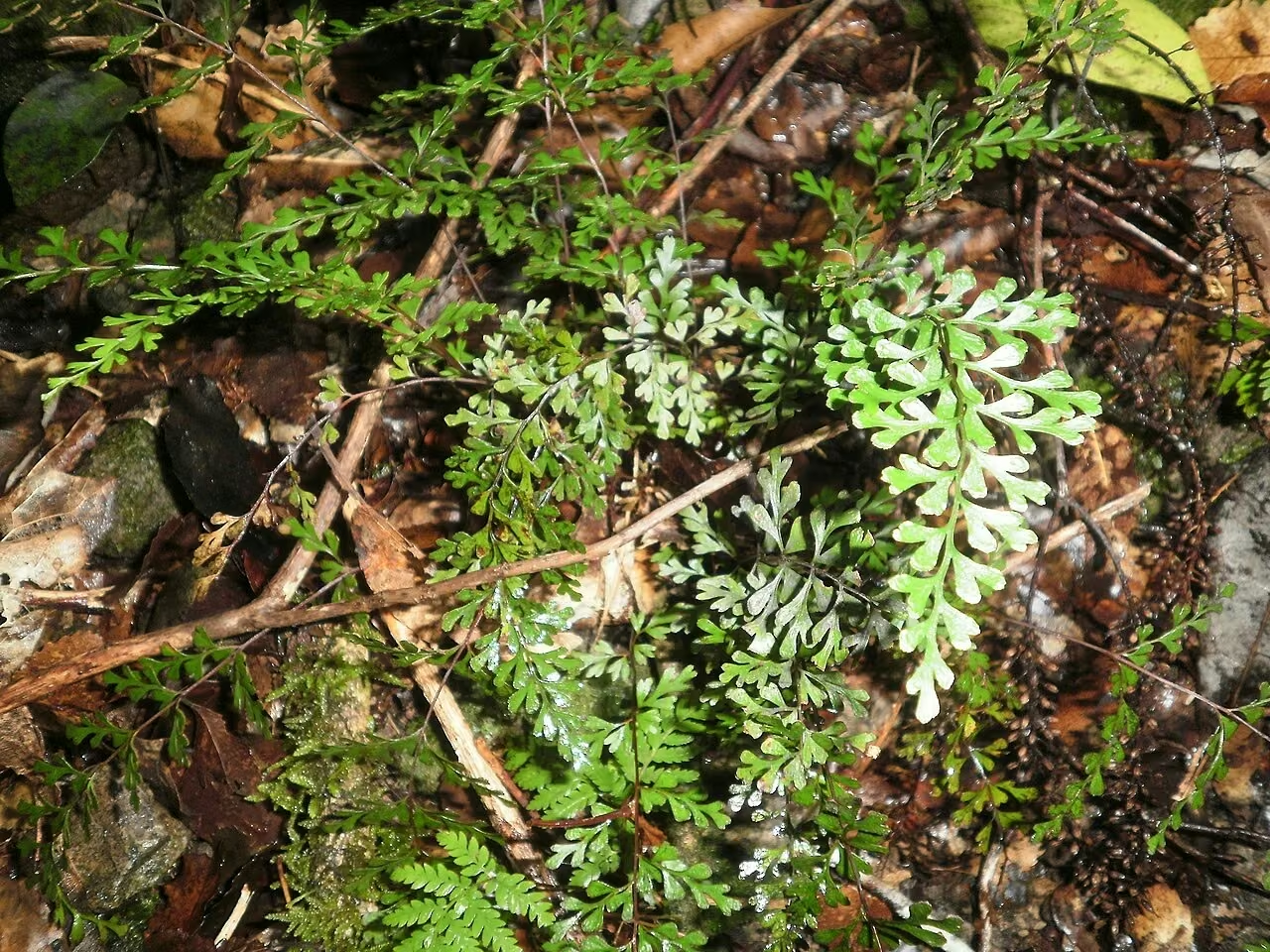
Oval Wedge Fern
Lindsaea trichomanoides
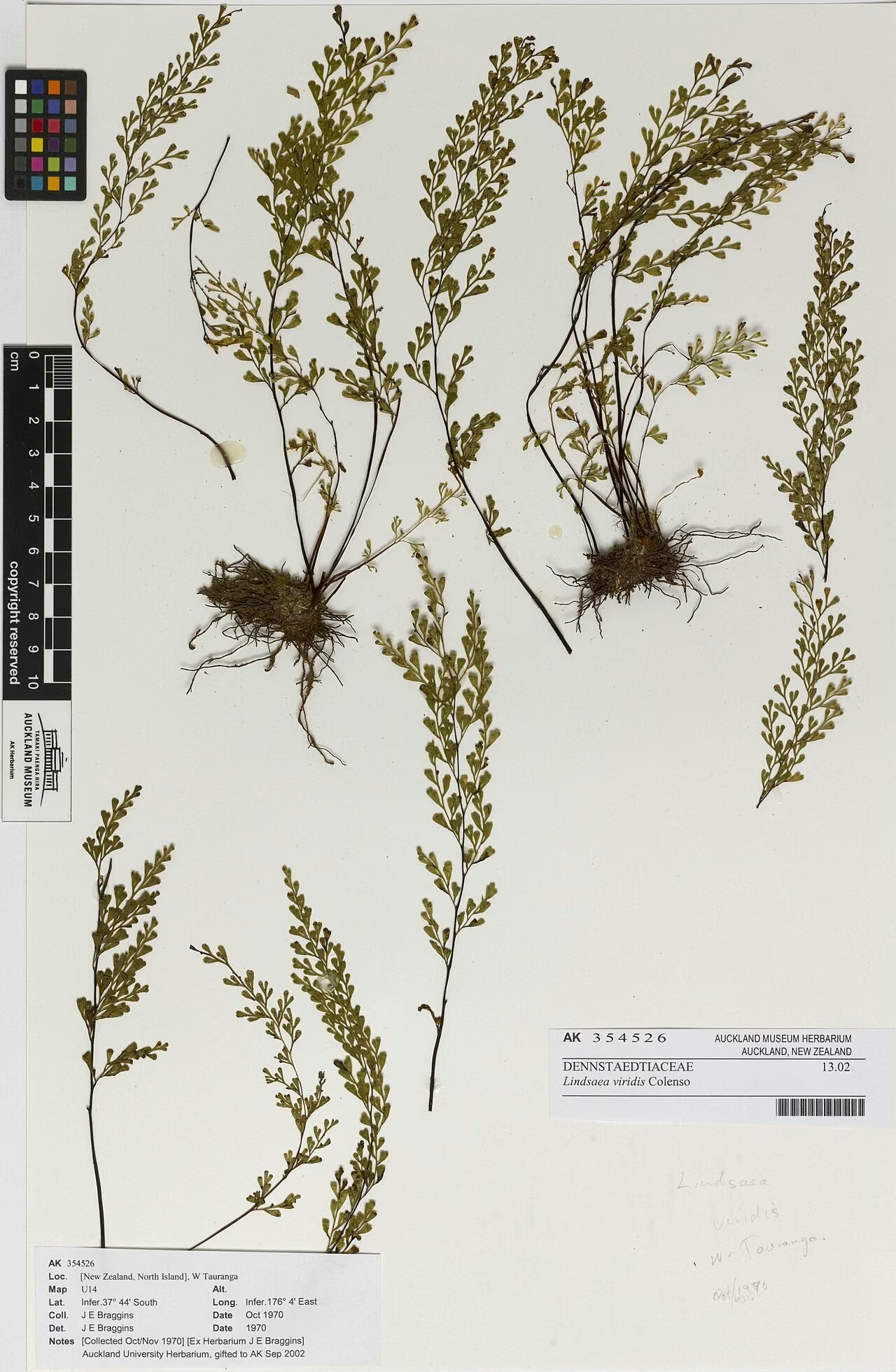
Lindsaea viridis
Lindsaea viridis
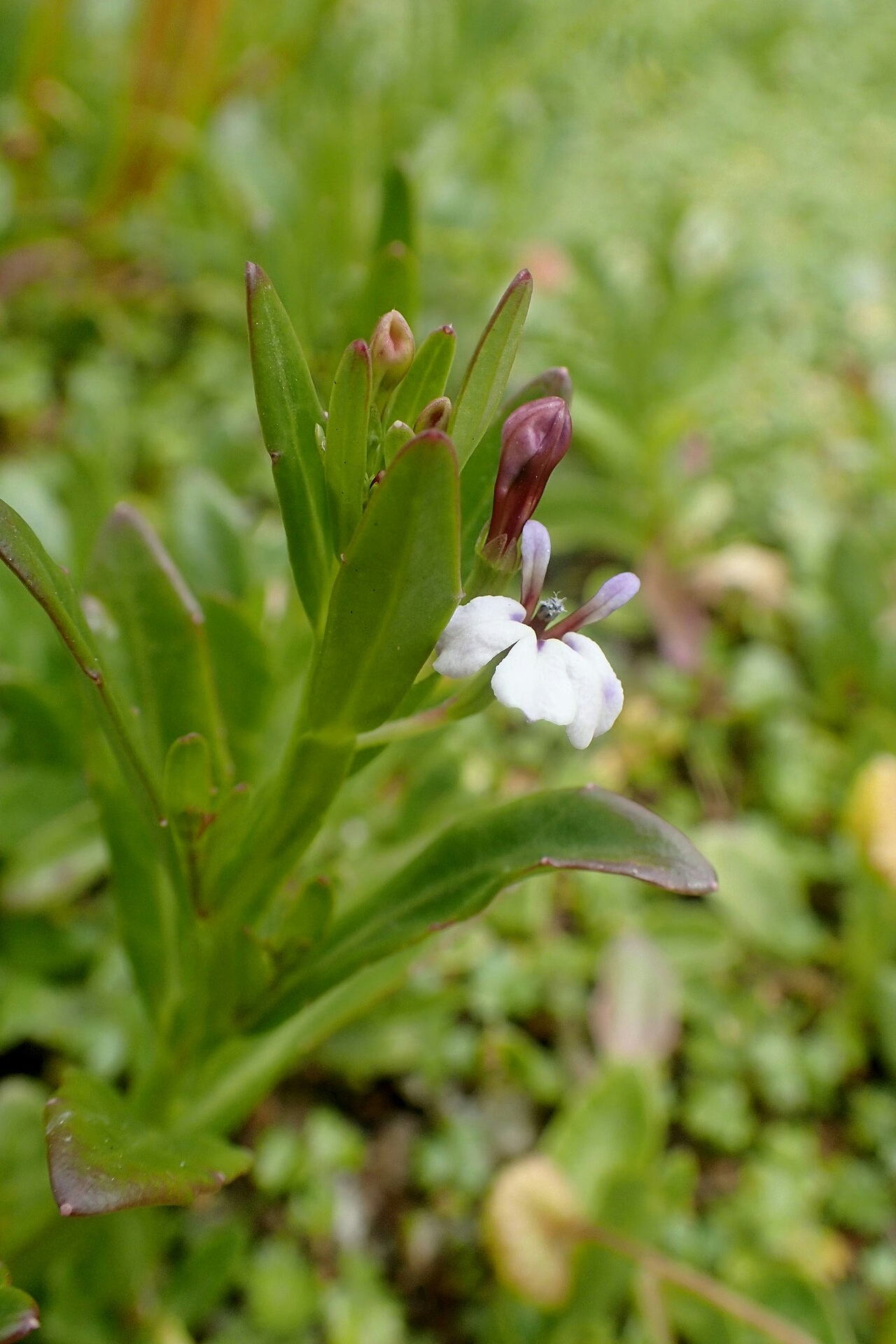
Shore Lobelia
Lobelia anceps
Plant Conservation
Lilaeopsis ruthiana is ranked Not Threatened (2023) with the qualifier SO (Secure Overseas), and was also Not Threatened in 2012 and 2017. Regionally it is At Risk - Regionally Naturally Uncommon in Otago and Data Deficient in Auckland and Wellington.
Protecting the water quality and clarity of lakes, and preventing the spread of invasive aquatic weeds by cleaning boats and gear between waterways, are the best ways to maintain its shoreline habitat.
Frequently Asked Questions
What is Lilaeopsis ruthiana?
It is a small creeping aquatic herb in the carrot family that forms grass-like lawns of tubular, partitioned leaves on the sandy and silty margins of inland lakes and other fresh waters.
How is Lilaeopsis ruthiana different from Lilaeopsis novae-zelandiae?
Both have tubular, septate leaves, but L. novae-zelandiae is a coastal plant of brackish and estuarine sites, while L. ruthiana grows in inland freshwater lakes, rivers and lagoons.
Is Lilaeopsis ruthiana used in aquariums?
The Flowgrow aquatic plant database reports it grows submerged or emersed, spreads by runners and may circulate in European aquarium circles under the name L. novae-zelandiae.
Who is Lilaeopsis ruthiana named after?
James Affolter named it in his 1985 monograph of Lilaeopsis, and published accounts link the name to Ruth Mason, the New Zealand botanist who specialised in freshwater plants.
Sources and Further Reading
The botanical, growing, and conservation details for Lilaeopsis (Lilaeopsis ruthiana) on this page draw on the New Zealand plant references below. Consult them for full technical records and the latest distribution data.