North Island Edelweiss
Leucogenes leontopodium
Last updated:
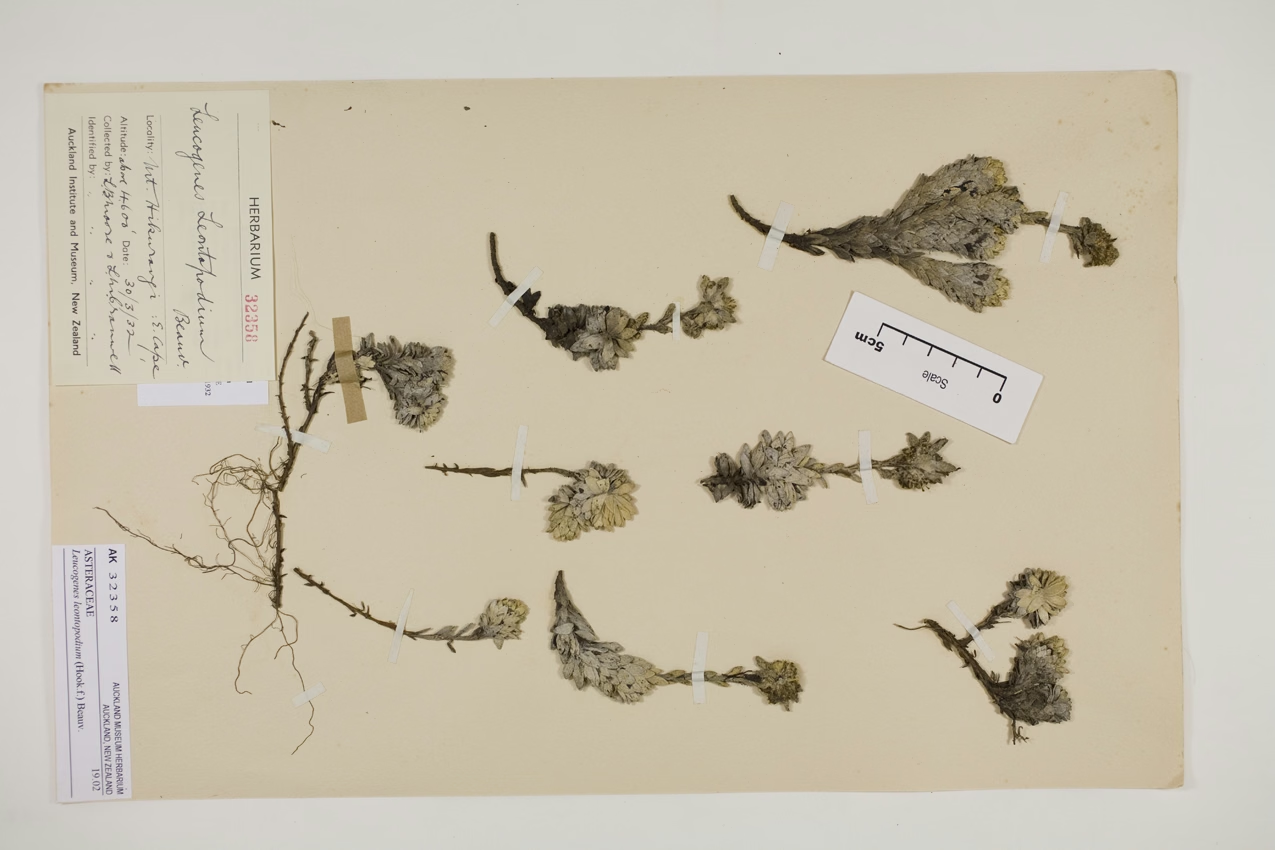
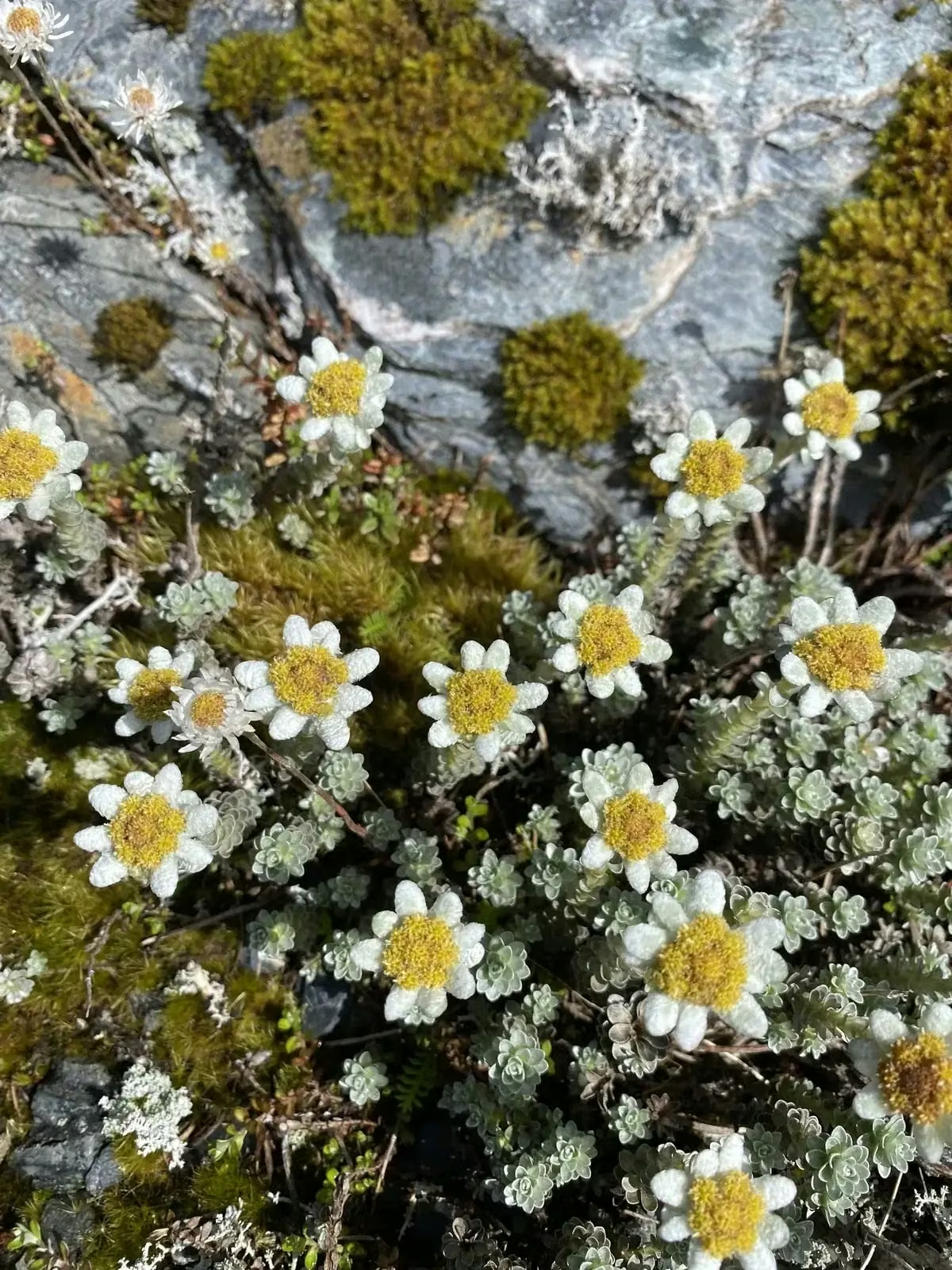
North Island edelweiss (Leucogenes leontopodium) is a low, sprawling alpine subshrub in the daisy family, endemic to New Zealand. Its small, closely packed leaves are clothed in silvery-white felt, and from November to March it carries clusters of small yellow flower heads ringed by white woolly leaves that form a star-like ray, much like the European edelweiss. It grows on subalpine and alpine rock outcrops, cliff faces and crevices from Mt Hikurangi and the Central Volcanic Plateau south to the Tararua Range, and in the Richmond Range near Nelson. It is ranked Not Threatened and is prized by alpine gardeners, though it dislikes humid lowland conditions. Explore more native flowering plants in our native plant guide.
Plant Description
North Island edelweiss is a perennial subshrub with a stout woody stock and much-branched, decumbent (sprawling) woody stems with ascending branchlets. The leaves are stalkless, linear-lanceolate to oblong, 8-20 mm long and 4-5 mm wide, with acute tips, and are densely covered on both surfaces in silvery-white tomentum (woolly hairs). They are closely packed on the shoots and form basal rosettes.
Flower stalks reach up to 100 mm long. Each carries 8-15 small flower heads (capitula) packed into a dense cluster up to 25 mm across, surrounded by conspicuous white, woolly leaves that form a showy ray, creating the edelweiss look. The individual flowers are yellow. Flowering is from November to March, and the pappus-topped seeds ripen from January to April and are dispersed by wind.
It is distinguished from the South Island edelweiss, Leucogenes grandiceps, by its more compact habit, basal leaf rosettes and larger leaves with pointed tips. It differs from L. neglecta and L. tarahaoa in chromosome number, being diploid (2n = 28) where those are tetraploid or octoploid.
Quick Facts
| Scientific Name | Leucogenes leontopodium |
|---|---|
| Height | Low and sprawling; flower stalks up to 10 cm |
| Spread | Small sprawling clumps on rock ledges |
| Water Needs | Low to moderate; sharp drainage essential |
| Light | Full sun |
| Frost Tolerance | High |
| Salt Tolerance | Low |
| Growth Rate | Slow |
| Lifespan | Perennial |
Climate Best Suited to
It is a mountain plant suited to cool climates with cold winters, good air movement and low humidity. Warm, humid lowland summers cause it to struggle.
Regional Suitability
| City | Climate Suitability |
|---|---|
| Auckland | Low |
| Wellington | Medium |
| Christchurch | Medium |
| Dunedin | High |
Plant Habitat
Leucogenes leontopodium is endemic to New Zealand. In the North Island it occurs along the main mountain axis from Mt Hikurangi on the East Cape and the Central Volcanic Plateau south through the Ruahine Range to the Tararua Range. In the South Island it is known from the Richmond Range near Nelson.
It grows in subalpine and alpine zones on rock outcrops, cliff faces and crevices, usually in sites free of much surrounding vegetation. These open, rocky places give it full light and sharp drainage while keeping taller competitors away.
Growing Requirements
Soil Requirements
In the wild it roots into rock crevices and thin mineral soil. In cultivation, perfect drainage matters above all.
- Gritty alpine mix: equal parts fine gravel or pumice and loam
- Low fertility
- Never waterlogged, especially in winter
- Top-dress with stone chips to keep the crown dry
Light Requirements
A plant of exposed mountain rock, it needs full sun and good air movement to keep its silvery foliage compact.
- Full sun
- Open, airy site; avoid sheltered, still corners
Water Requirements
It needs steady moisture at the roots but dry foliage and crown. Overwatering and humid air are the main causes of failure.
- Water at the base, not over the woolly leaves
- Allow the surface to dry between waterings
Planting and Establishing
Grow it in a pot or trough of gritty alpine mix, ideally in an alpine house that keeps off winter rain while giving full light. In drier, cooler parts of the country it can be planted into a raised scree bed or between rocks in a rock garden, wedged into a crevice as it would be in the wild.
Plant in spring so roots establish before winter. Set the crown slightly above the surrounding level and surround it with stone chips, so water drains away from the stems.
Ecological Role
Its white woolly bracts make the flower clusters conspicuous to visiting insects, and the pappus-tipped seeds are carried by wind across rocky alpine terrain. The dense silvery tomentum on its leaves helps protect against intense mountain sunlight, wind and cold.
It is a characteristic plant of open alpine rock communities, where it shares ledges and crevices with other cushion and rosette plants. These sites stay open because of thin soils and exposure, so it rarely faces competition from shrubs.
Uses & Significance
Garden Uses
A favourite of alpine gardeners for its silver foliage and edelweiss-like flowers.
- Alpine house pots and show pans
- Troughs and crevice gardens
- Rock gardens in cool, dry districts
- Silver-foliage feature plant
Ecological Value
As a member of an endemic genus, it is part of what makes New Zealand's alpine flora distinctive.
- Contributes to North Island alpine rock-outcrop communities
- Flowers provide food for alpine insects
- Represents the endemic genus Leucogenes
Landscaping Uses
Use it as a focal plant in a trough or crevice garden, where its silver-white foliage stands out against dark rock or slate. It combines well with other silver alpines such as Raoulia and with small green cushion plants.
Because it is low and slow-growing, keep it at the front of a rock garden where it will not be overshadowed, and where its summer flowers can be seen at close range.
Seasonal Care Calendar
Spring
New growth begins and buds form.
- Repot if needed
- Take cuttings from fresh shoots
Summer
Main flowering from November to March, with white woolly star-like heads.
- Water at the base in dry spells
- Ensure good air movement in humid weather
Autumn
Seed ripens from January to April and is dispersed by wind.
- Collect and sow fresh seed
- Remove spent flower stalks
Winter
Fully frost hardy but sensitive to prolonged wet.
- Shelter pots from heavy rain
- Keep the crown dry
When to Prune and How Much
Little pruning is needed. Remove spent flower stalks after flowering, and cut out any stems that have browned or rotted.
If plants become leggy with age, take cuttings to replace them rather than cutting hard back, as old woody stems are slow to reshoot.
How to Grow North Island Edelweiss
NZPCN describes North Island edelweiss as easily grown from cuttings and fresh seed. Both methods work well for home growers, and cuttings have the advantage of reproducing a good silver form exactly. Whatever the method, young plants need a gritty, sharply drained mix and good air movement, because damping off and rot in humid conditions are the main causes of losses.
From Cuttings
Take cuttings of firm young shoots in spring or early summer, or after flowering in late summer. Choose healthy, compact shoots with dense silver foliage.
- Cut shoots 3-5 cm long, just below a leaf node.
- Remove the lowest leaves, taking care not to damage the woolly stem.
- Insert into a mix of fine pumice or sand and a little peat-free compost.
- Keep in a bright, cool, airy spot out of direct hot sun; avoid enclosing in a humid bag.
- Water sparingly from below and check for rooting after several weeks.
- Pot on individually into a gritty alpine mix once roots form.
From Seed
Seed ripens from January to April. Fresh seed gives the best germination, so sow soon after collection.
- Collect fluffy seed heads when the pappus begins to spread.
- Sow on the surface of a gritty seed mix and cover with a thin layer of fine grit.
- Keep the tray cool, bright and evenly moist, but never wet.
- Prick out seedlings carefully once they have a few true leaves.
Pests & Diseases
Few insect pests are recorded. The main problems in cultivation are fungal rots and grey mould, which develop when woolly leaves stay damp in still, humid air. Remove affected shoots promptly.
Slugs may graze young seedlings, and aphids or mealybugs sometimes infest plants kept under glass. Good ventilation helps prevent most problems.
Cultural Significance
No Māori name or traditional Māori use for this species was found in the sources consulted. It grows in remote high-altitude rock sites, and its significance today lies mainly in alpine botany and horticulture.
The genus name Leucogenes means 'white genus', referring to the silvery-white wool, while the epithet leontopodium recalls the European edelweiss, Leontopodium, which it resembles. Trampers often encounter it on rocky tops in the Tararua and Ruahine ranges, where it is one of the most admired alpine flowers.
Bonus Tip
Water North Island edelweiss from below or at the base, never over the top. Its silver tomentum traps moisture, and wet foliage in still, humid air is the quickest way to lose a plant to rot. A top-dressing of grit around the neck of the plant helps keep it dry.
Related Plants
Explore other native plants that share similar characteristics or habitats with North Island Edelweiss (Leucogenes leontopodium), offering further insights into New Zealand's diverse flora. These related species provide context and opportunities for complementary planting in your garden.
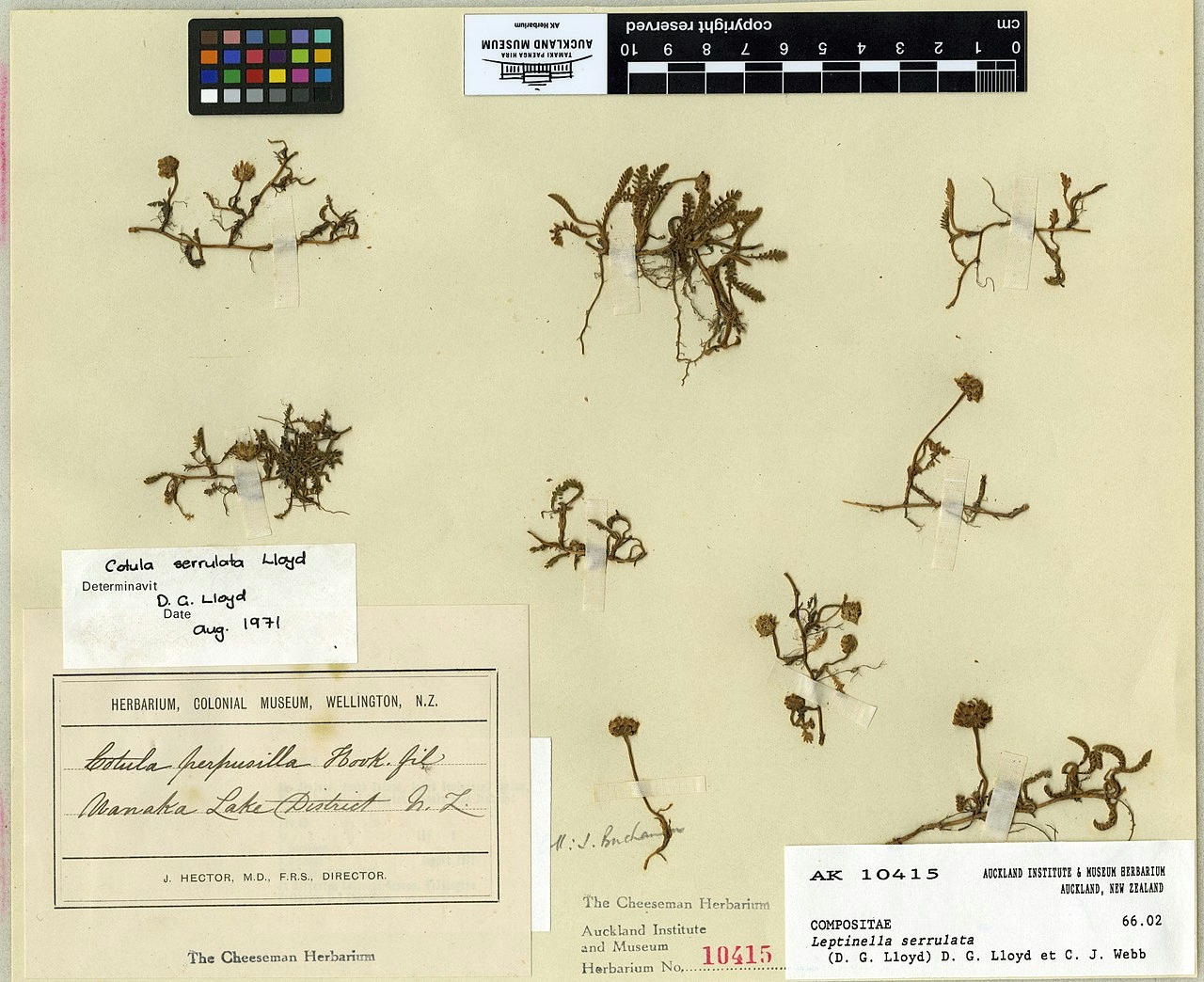
Dryland Button Daisy
Leptinella serrulata
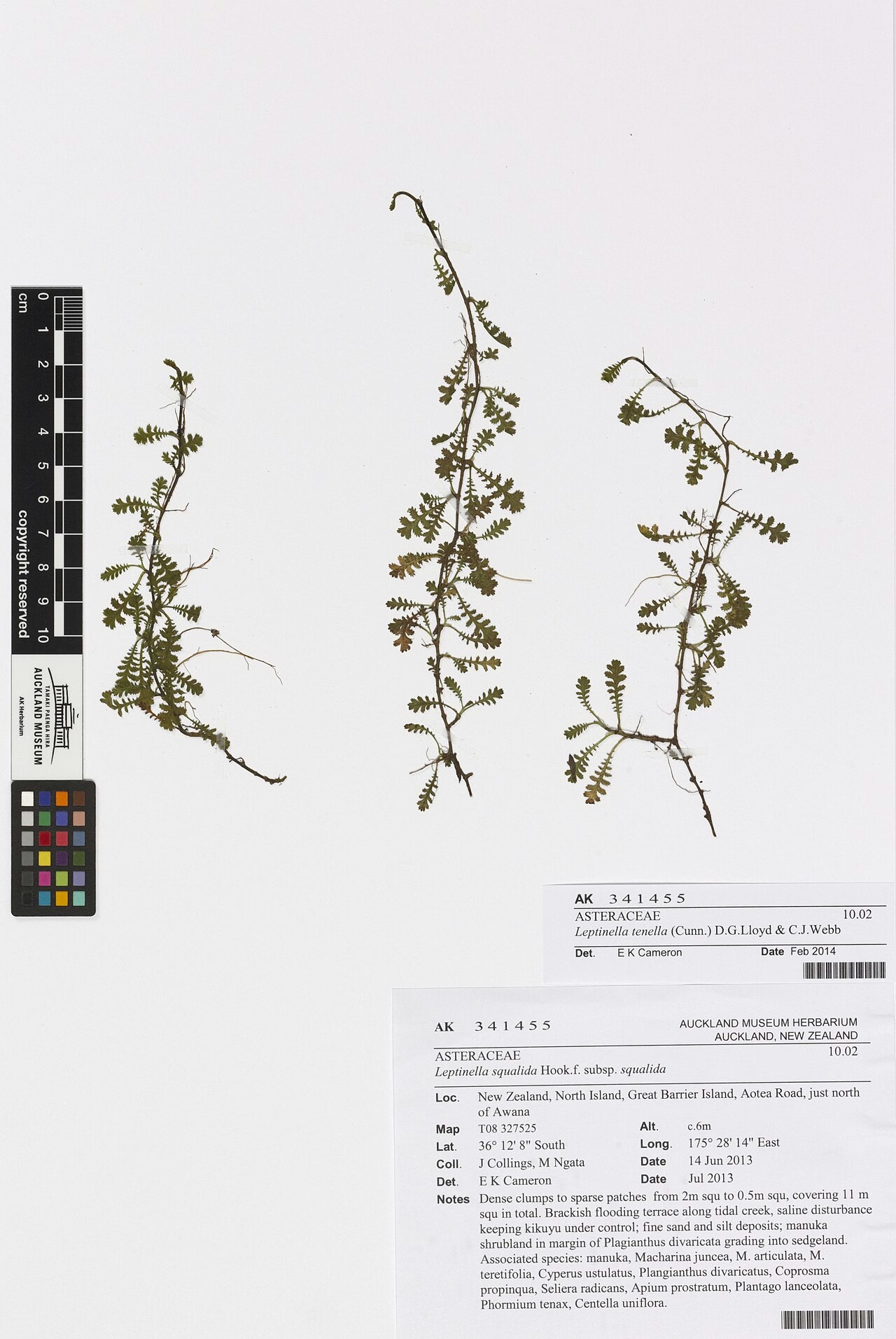
Leptinella tenella
Leptinella tenella
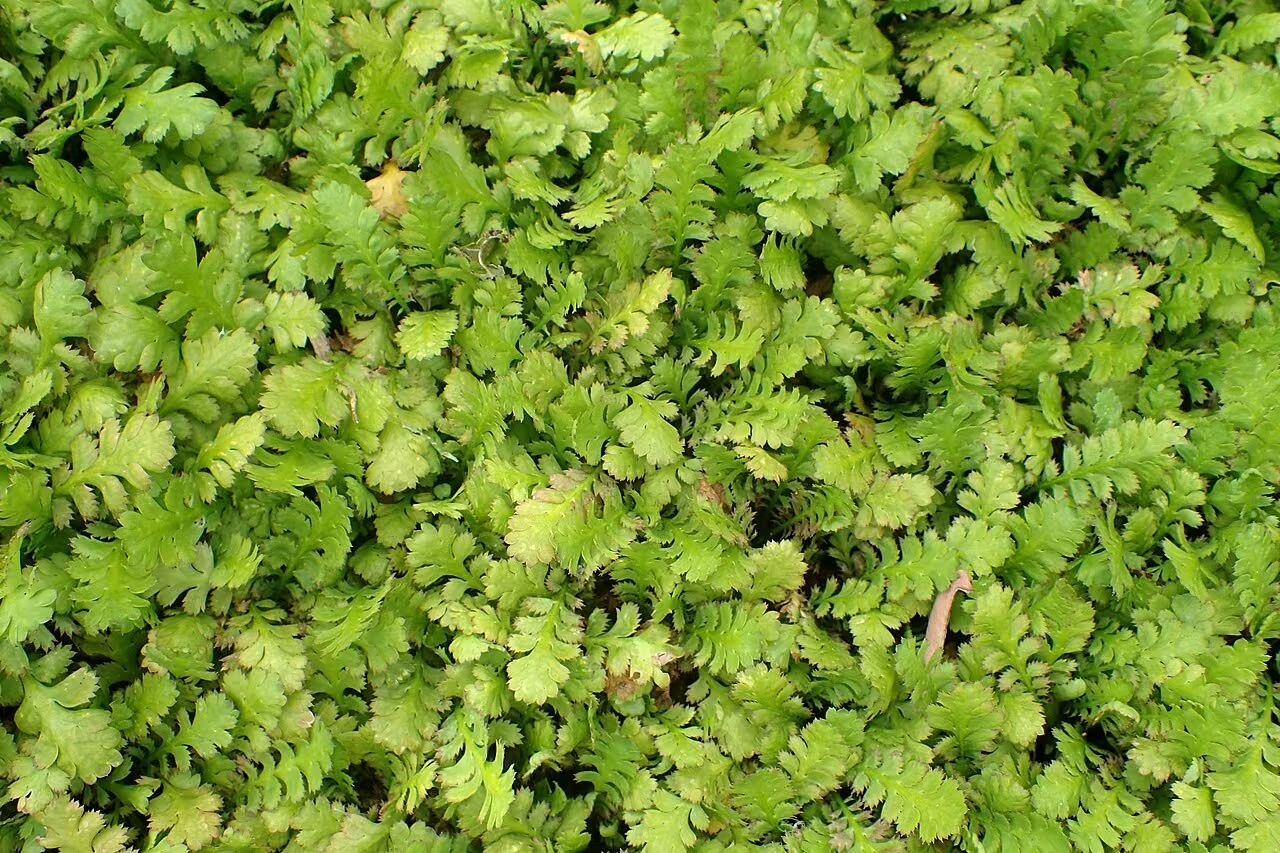
Traill's Button Daisy
Leptinella traillii subsp. traillii
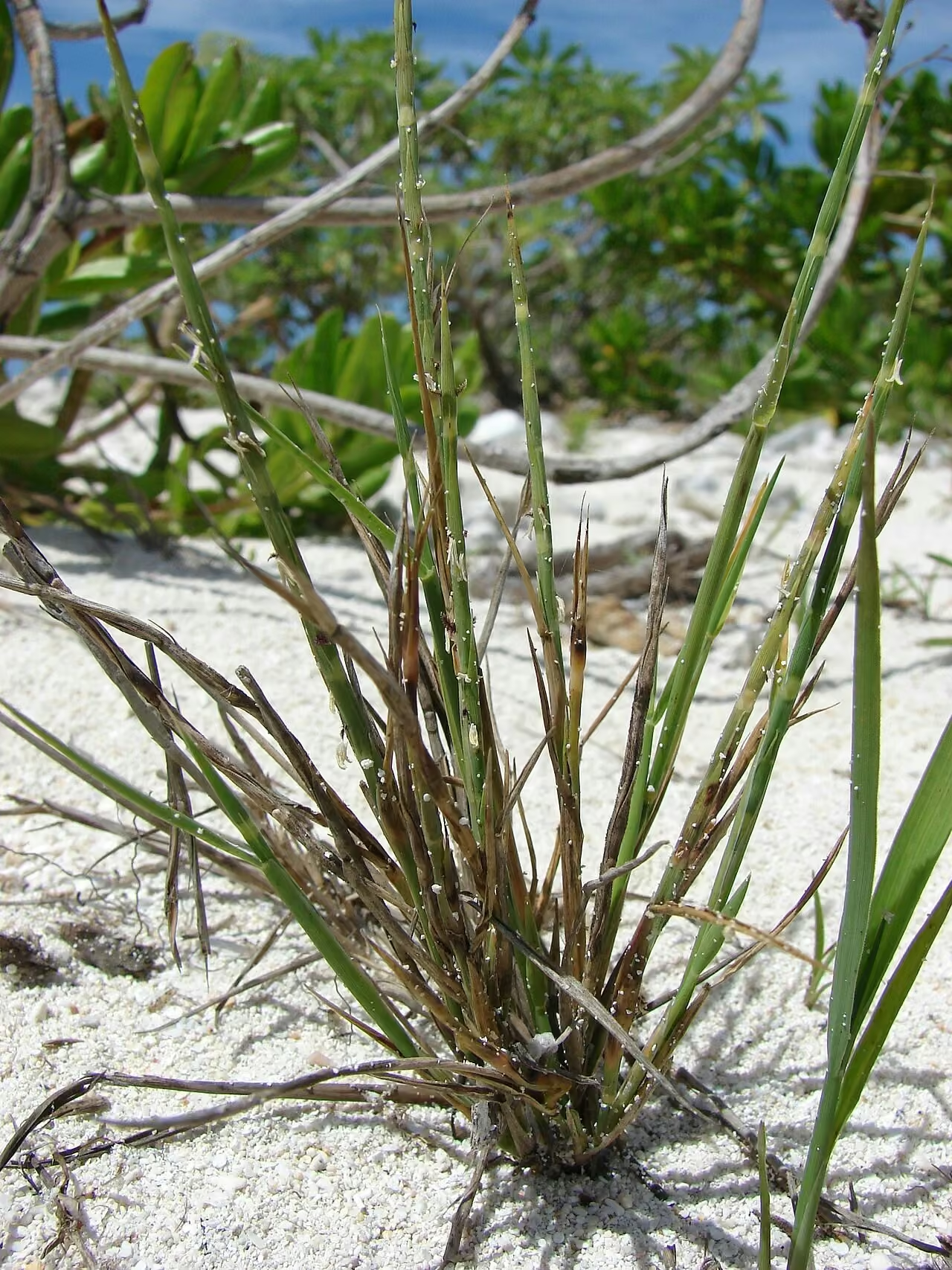
Lepturus repens
Lepturus repens
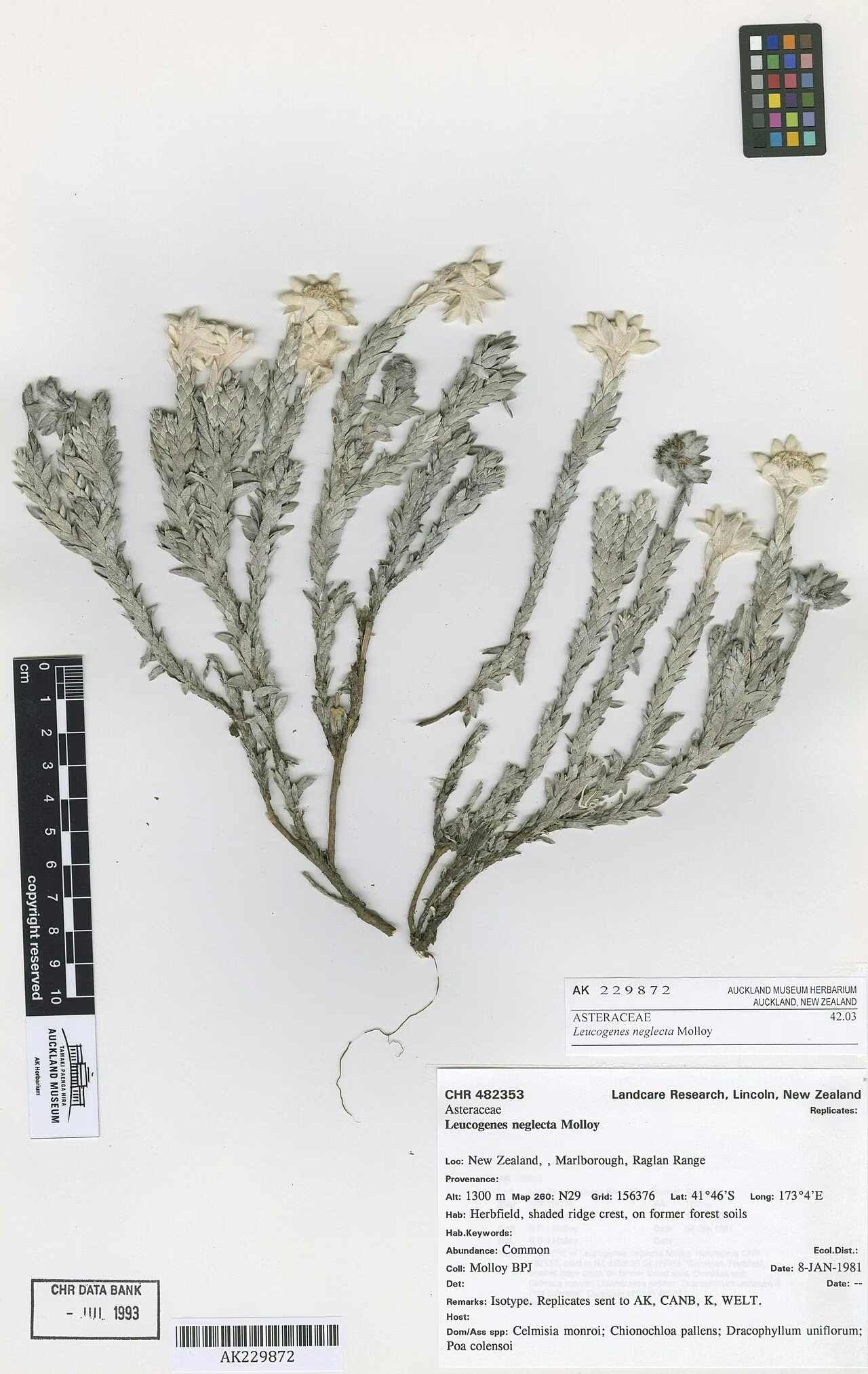
Marlborough Edelweiss
Leucogenes neglecta
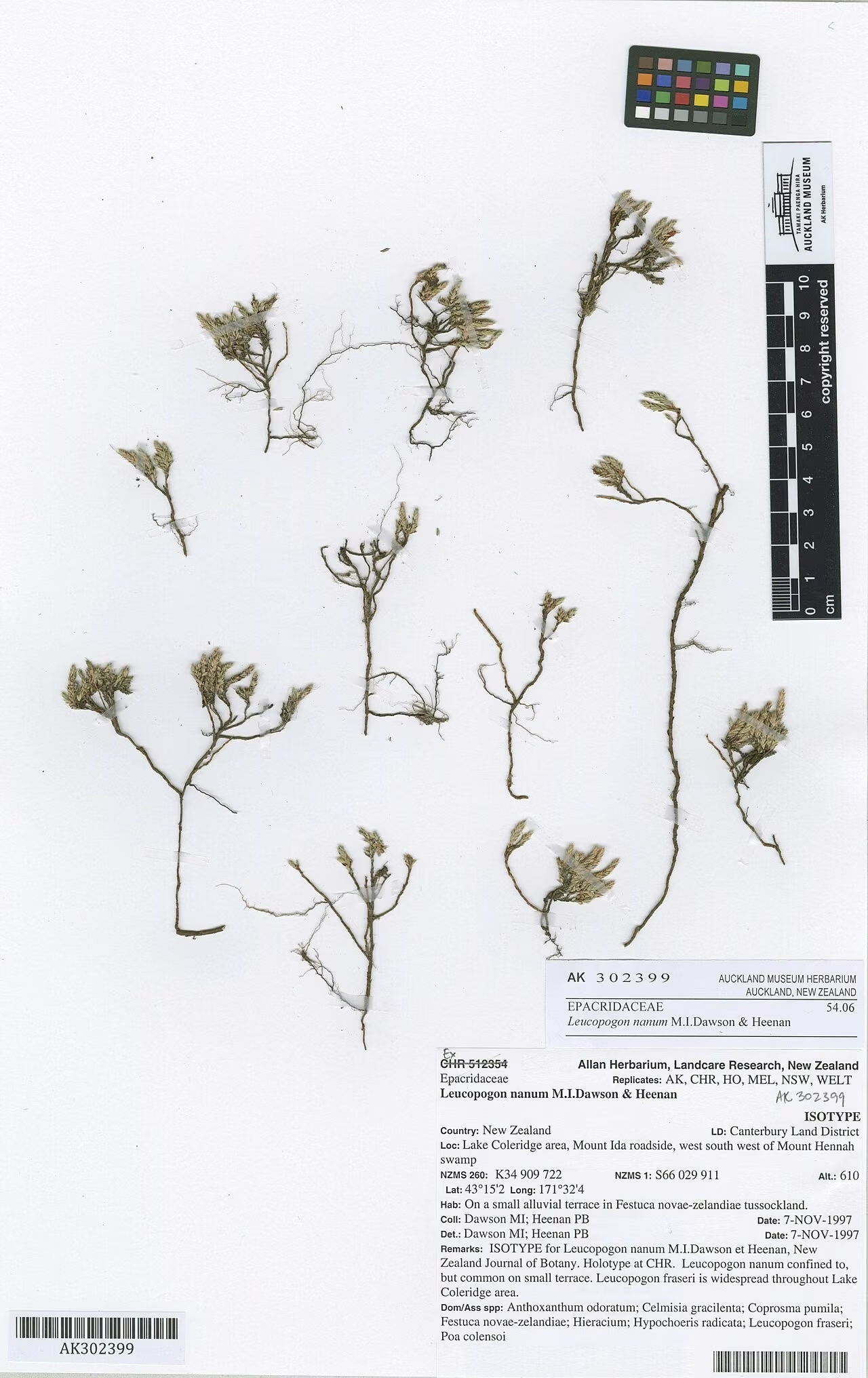
Styphelia nana
Styphelia nana
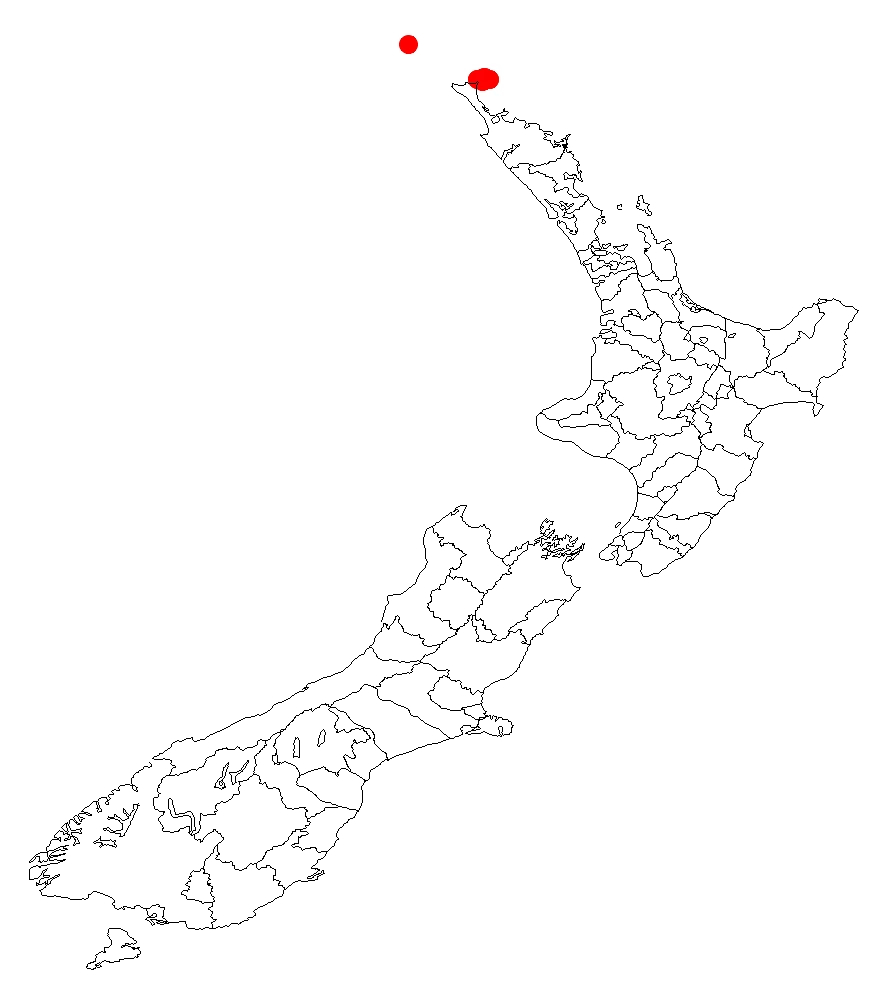
Surville Cliffs Mingimingi
Leucopogon xerampelinus
Grandiceps Plant
Grandiceps Plant
Plant Conservation
Leucogenes leontopodium is ranked Not Threatened (2023). Its rocky alpine habitat is largely within conservation land and is not under significant pressure.
Plants should not be collected from the wild; seed and cuttings from cultivated plants are easy to obtain and grow. Staying on tracks around alpine rock outcrops helps protect it and the fragile communities it belongs to.
Frequently Asked Questions
Where can you see North Island edelweiss in the wild?
It grows on subalpine and alpine rock outcrops and cliffs along the North Island ranges from Mt Hikurangi and the Central Volcanic Plateau to the Tararua Range, and in the Richmond Range in the South Island.
Is North Island edelweiss related to European edelweiss?
Both belong to the daisy family and share woolly white bracts around the flower heads, but Leucogenes is a separate genus found only in New Zealand. The name leontopodium refers to the resemblance to European edelweiss, Leontopodium.
How is North Island edelweiss different from South Island edelweiss?
NZPCN says Leucogenes grandiceps, the South Island edelweiss, is less compact and lacks basal leaf rosettes, with smaller leaves. L. leontopodium also differs from L. neglecta and L. tarahaoa in being diploid (2n = 28).
Can you grow North Island edelweiss at home?
Yes. It grows easily from cuttings and fresh seed and does well in a pot in an alpine house. NZPCN notes that in non-humid climates it can also be grown in a rock garden.
Sources and Further Reading
The botanical, growing, and conservation details for North Island Edelweiss (Leucogenes leontopodium) on this page draw on the New Zealand plant references below. Consult them for full technical records and the latest distribution data.