Marlborough Edelweiss
Leucogenes neglecta
Last updated:
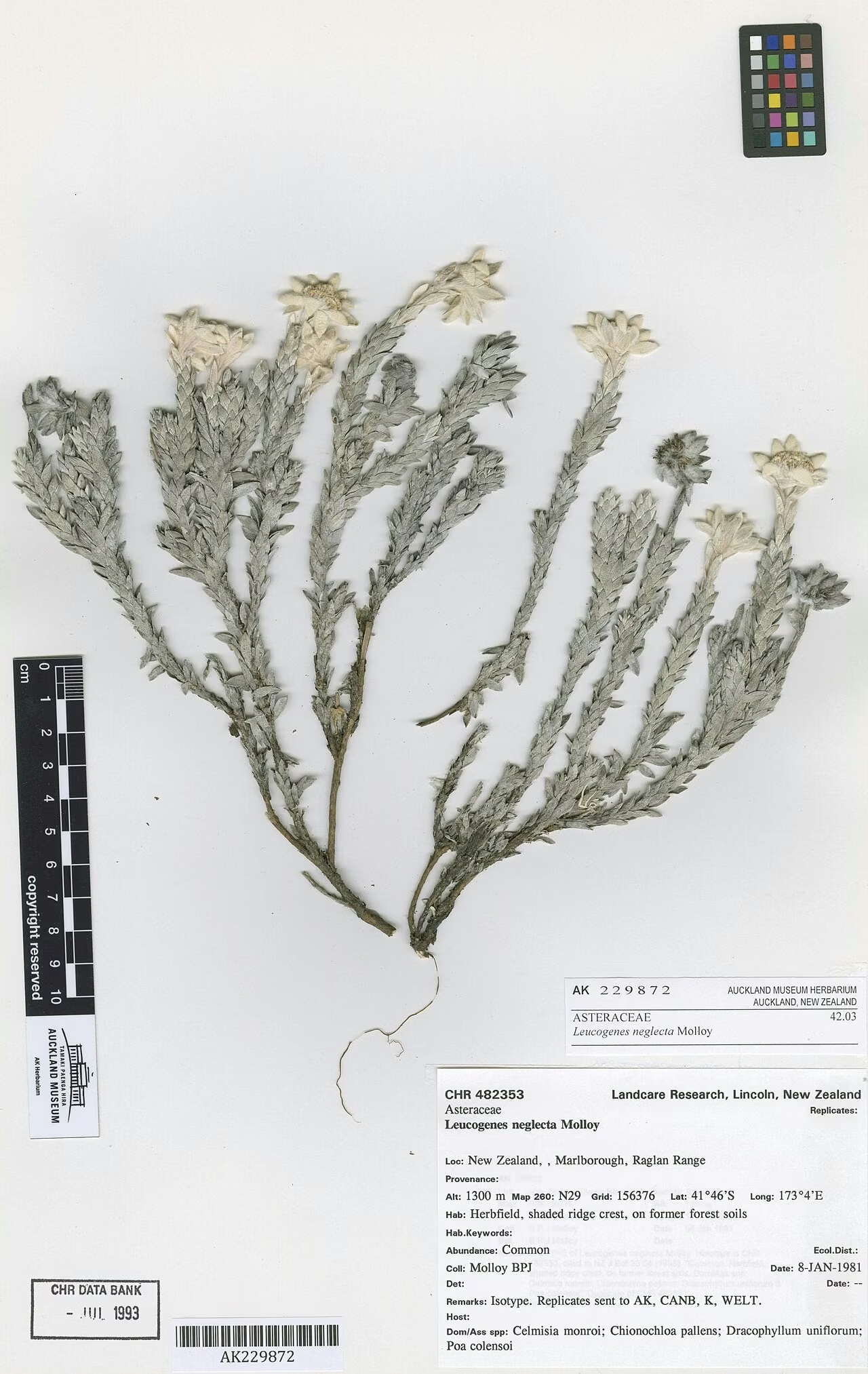
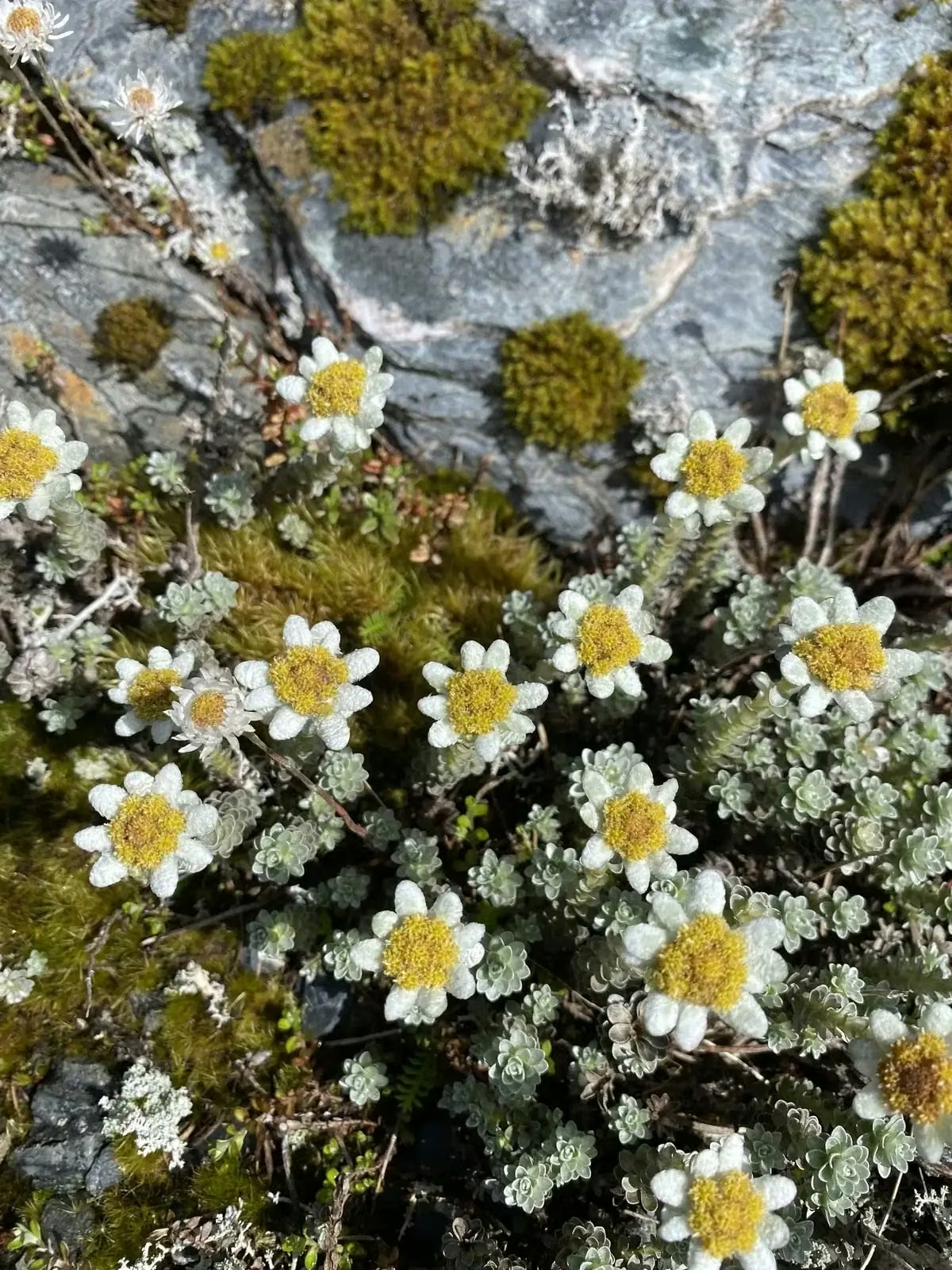
Marlborough edelweiss (Leucogenes neglecta) is an evergreen alpine subshrub in the daisy family, endemic to the mountains of Marlborough between the Wairau and Awatere rivers. It grows up to about 30 cm tall when flowering, with long thin stems clothed in narrow, pointed leaves covered in shining silvery-blue wool. From December to February it bears flat clusters of five to eight small yellow flower heads ringed by white woolly bracts. It lives above the tree line on shattered rock ridges, outcrops and erosion pavement. Although abundant within its tiny range, that small range means it is ranked At Risk - Naturally Uncommon. It was only formally described in 1995. Explore more native flowering plants in our native plant guide.
Plant Description
Leucogenes neglecta is a perennial evergreen alpine subshrub reaching about 300 mm tall when in flower. Its stems are woody at the base and much branched, with many ascending to erect leafy shoots that are noticeably long and thin compared with other edelweiss.
The leaves are alternate, stalkless and narrowly elliptic, 8-15 mm long and 3-5 mm wide with pointed tips, and are covered in a shining, silvery-blue, closely pressed tomentum. The flower heads are arranged in a flat to slightly domed, congested cluster of 5-8 capitula, surrounded by white woolly bracts, with yellow flowers. The flowers are lightly scented. Flowering runs from December to February and the wind-dispersed seeds ripen from February to May.
NZPCN distinguishes it from other Leucogenes by its long thin stems, narrowly elliptic acute leaves and floral bracts, uniform silvery-blue colour, northern Marlborough distribution and tetraploid chromosome number (2n = 56). The North Island edelweiss, L. leontopodium, by contrast is diploid.
Quick Facts
| Scientific Name | Leucogenes neglecta |
|---|---|
| Height | Up to 30 cm when flowering |
| Spread | Small clumps on rock ledges |
| Water Needs | Low to moderate; sharp drainage essential |
| Light | Full sun |
| Frost Tolerance | High |
| Salt Tolerance | Low |
| Growth Rate | Slow |
| Lifespan | Perennial |
Climate Best Suited to
It suits a cold, dry, continental mountain climate with hard frosts, snow and strong sun. It dislikes humid conditions.
Regional Suitability
| City | Climate Suitability |
|---|---|
| Auckland | Low |
| Wellington | Low |
| Christchurch | Medium |
| Dunedin | Medium |
Plant Habitat
Marlborough edelweiss is endemic to the South Island, confined to the Marlborough mountains between the Wairau and Awatere rivers. Within this small area it is abundant.
It grows in alpine environments above the tree line, on shattered rock ridges, outcrops and erosion pavement. Plants usually root into soil-filled crevices and onto ledges, where they find moisture and shelter among the rock while staying free of competing vegetation.
Growing Requirements
Soil Requirements
In the wild it roots into small pockets of mineral soil in crevices and on ledges of shattered rock. In cultivation it needs a very gritty, open mix.
- Gritty alpine mix with plenty of pumice or crushed rock
- Low fertility
- Excellent drainage at all times
- Stone-chip top-dressing around the crown
Light Requirements
It needs full sun and an open, breezy position to keep its silvery foliage compact and healthy.
- Full sun
- Good air movement
Water Requirements
Keep roots evenly moist in the growing season but never wet. Prolonged damp and humidity are its main enemies in cultivation.
- Water from below or at the base
- Reduce watering in winter and keep off heavy rain
Planting and Establishing
NZPCN recommends growing it in an alpine house or a pot. Use a deep clay or terracotta pot of gritty mix, set the crown slightly proud of the surface, and top-dress with stone chips. A cool, bright, well-ventilated spot suits it best.
In dry, cold inland districts it may be tried in a crevice or scree garden. Avoid humid, sheltered gardens, which it dislikes.
Ecological Role
Flora of New Zealand notes that its lightly scented flowers are visited by flies, bees and moths. All studied populations flower every year, though flowering intensity varies from year to year.
Most seed heads produce abundant viable fruit, though some seed is lost to insect predation. The pappus-tipped seeds are dispersed by wind, and seedlings typically germinate within the first year, allowing the species to maintain healthy populations on its rocky ridges.
Uses & Significance
Garden Uses
A specialist plant for alpine enthusiasts, prized for its unusual silvery-blue foliage.
- Alpine house pots
- Troughs and crevice gardens in dry climates
- Collections of New Zealand alpine daisies
Ecological Value
A range-restricted member of an endemic genus, it is a signature plant of the Marlborough high country.
- Nectar and pollen for alpine flies, bees and moths
- Part of the distinctive Marlborough alpine rock flora
- Seed food for alpine insects
Landscaping Uses
Its silvery-blue colour sets it apart from the whiter North Island edelweiss, and the two make an interesting comparison grown side by side in an alpine display. Pair it with dark rock or slate to show off the foliage.
Keep it in containers or a dedicated crevice bed rather than a general border, where moisture and competition would overwhelm it.
Seasonal Care Calendar
Spring
New shoots extend and flower buds form.
- Take cuttings from fresh growth
- Repot into fresh gritty mix if needed
Summer
Flowering from December to February, with white-bracted clusters on long thin stems.
- Water at the base during dry spells
- Ensure good ventilation
Autumn
Seeds ripen from February to May.
- Collect and sow fresh seed
- Remove spent stems
Winter
Very frost hardy but intolerant of prolonged wet.
- Shelter pots from heavy rain
- Keep the mix on the dry side
When to Prune and How Much
Pruning is limited to removing spent flower stems and any dead or rotted shoots.
As plants age and become straggly, raise replacements from cuttings rather than cutting back hard into old wood.
How to Grow Marlborough Edelweiss
NZPCN describes Marlborough edelweiss as easily grown from fresh seed or cuttings, though it is best kept in an alpine house or pot and dislikes humidity. Seed is produced reliably in the wild, but plants should not be collected from their natural range; use seed or cuttings from cultivated stock, or seek it through alpine garden society seed exchanges. Because it is not commercially available, propagating your own is the main way to grow it.
From Seed
Fresh seed germinates well. Seed ripens from February to May, and wild seedlings usually appear within a year of dispersal, suggesting there is little need for long dormancy treatment.
- Collect seed heads as the pappus begins to fluff out.
- Sow fresh on a gritty seed mix and cover with fine grit.
- Stand the tray outdoors in a cool, bright, sheltered place.
- Keep evenly moist but never wet.
- Prick out carefully into individual small pots once seedlings have a few leaves.
From Cuttings
Take cuttings of firm, non-flowering shoots in late spring or after flowering. Cuttings reproduce the parent exactly, which is useful for keeping a particularly good silvery-blue form.
- Cut shoots 3-5 cm long below a node.
- Strip the lowest leaves gently.
- Insert into pure pumice or a sand and pumice mix.
- Keep cool, bright and well ventilated, watering sparingly.
- Pot on into a gritty alpine mix once rooted, and grow on in a cool, airy spot for a season before display.
Pests & Diseases
Rot and grey mould are the main problems in cultivation, especially in humid air or where water sits on the woolly foliage. Good ventilation and careful watering prevent most losses.
In the wild, NZPCN notes some seed loss to insect predation, but the species is under no obvious threat. Slugs can damage seedlings in pots.
Cultural Significance
No Māori name or traditional Māori use for this species was found in the sources consulted. Its home is remote, high Marlborough rock.
Leucogenes means 'white genus', and neglecta means overlooked. Brian Molloy formally described it in 1995, recognising as a separate species plants that had previously been overlooked within the wider edelweiss group.
Bonus Tip
Grow Marlborough edelweiss in a terracotta pot plunged into a sand bed. The clay breathes, the sand keeps root temperatures even, and the crown stays dry, closely matching the cool, well-drained crevices it occupies on Marlborough ridges.
Related Plants
Explore other native plants that share similar characteristics or habitats with Marlborough Edelweiss (Leucogenes neglecta), offering further insights into New Zealand's diverse flora. These related species provide context and opportunities for complementary planting in your garden.
Leptinella tenella
Leptinella tenella
Traill's Button Daisy
Leptinella traillii subsp. traillii
Lepturus repens
Lepturus repens
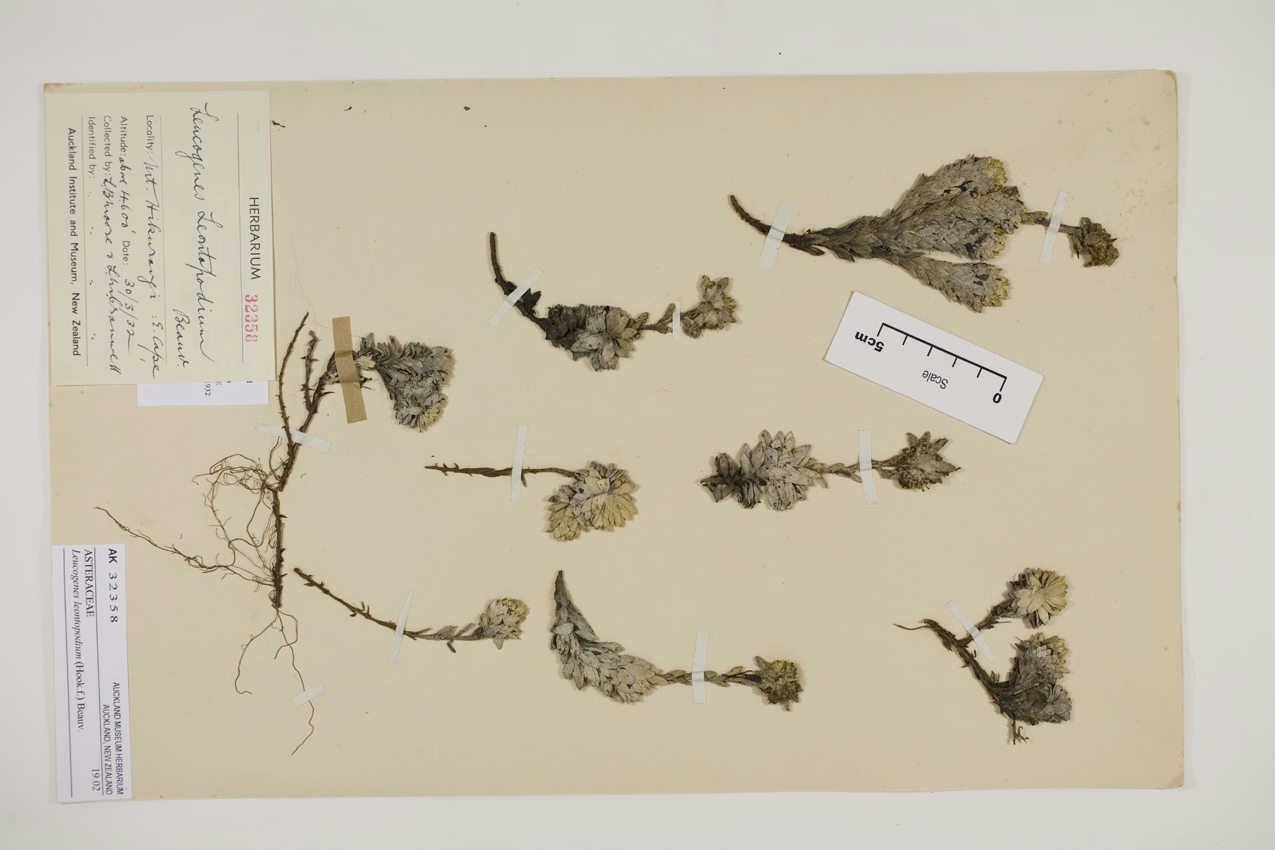
North Island Edelweiss
Leucogenes leontopodium
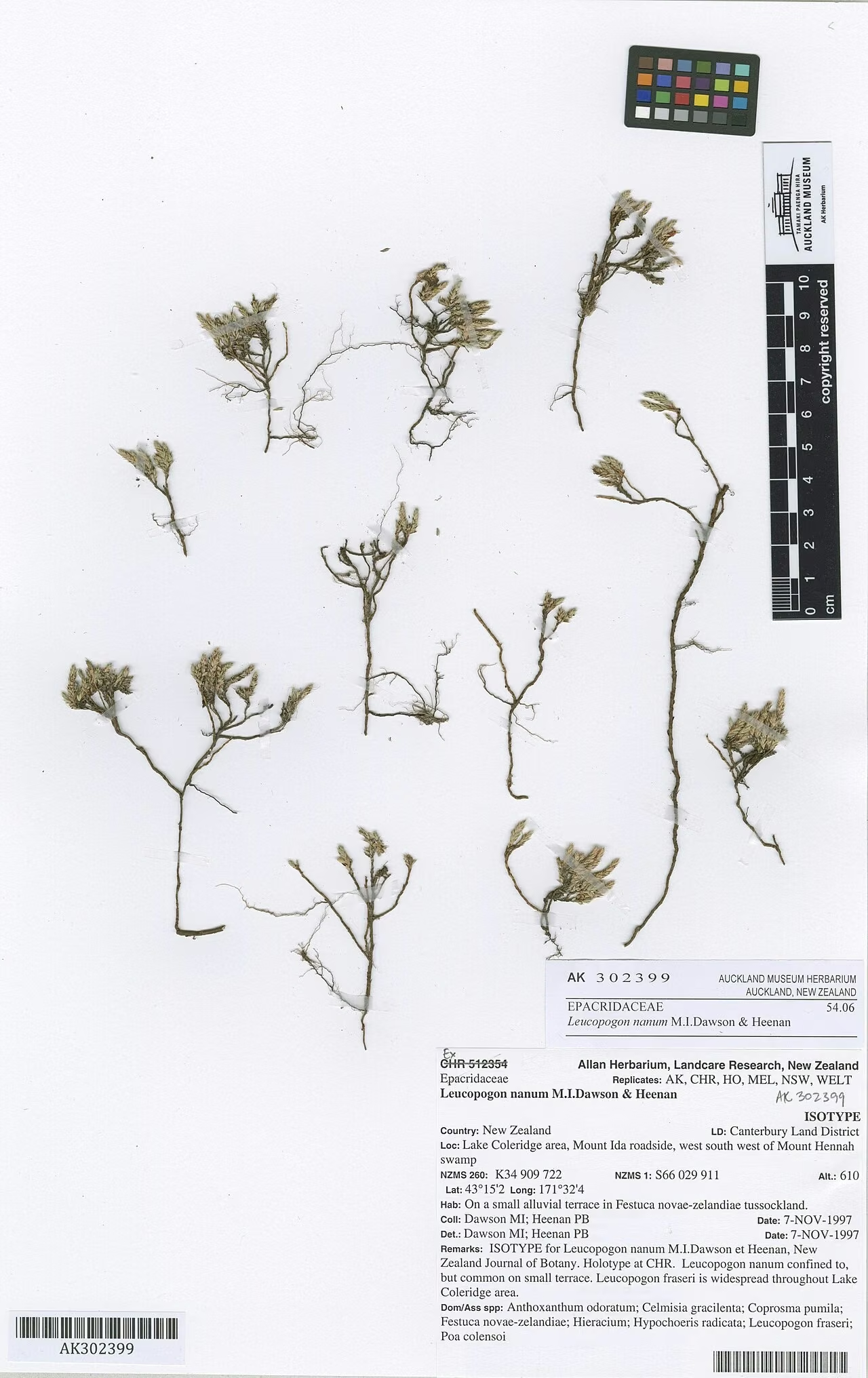
Styphelia nana
Styphelia nana
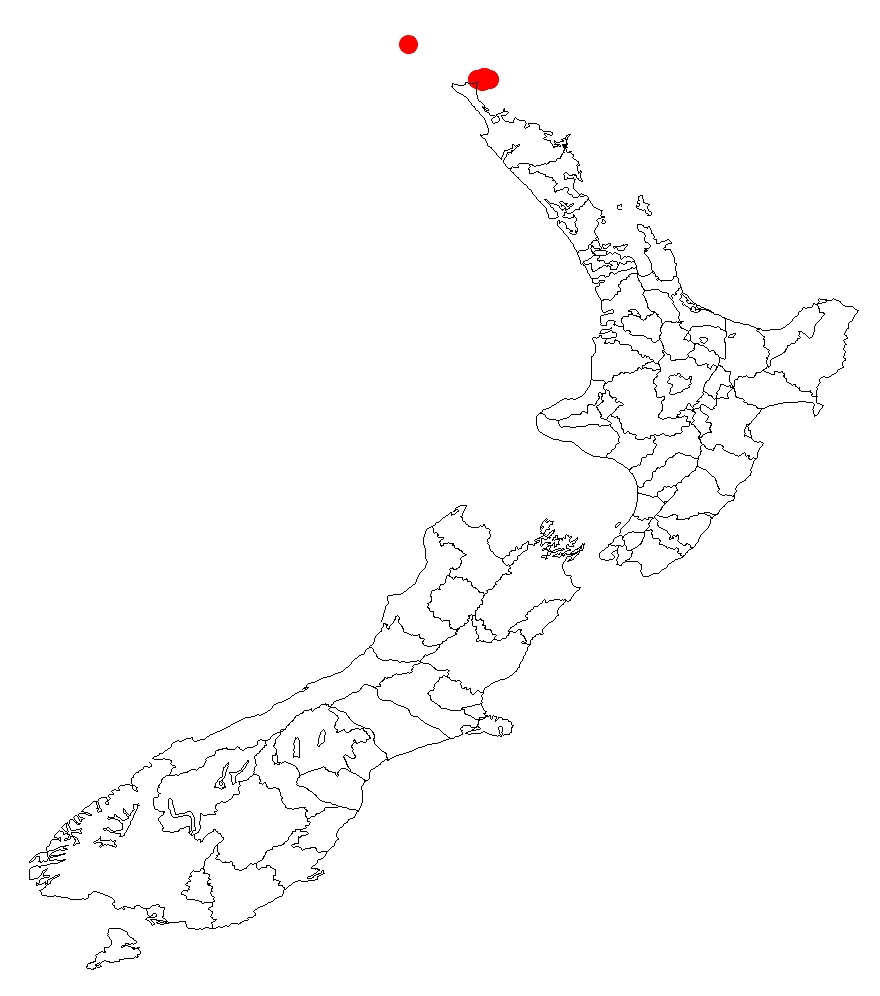
Surville Cliffs Mingimingi
Leucopogon xerampelinus
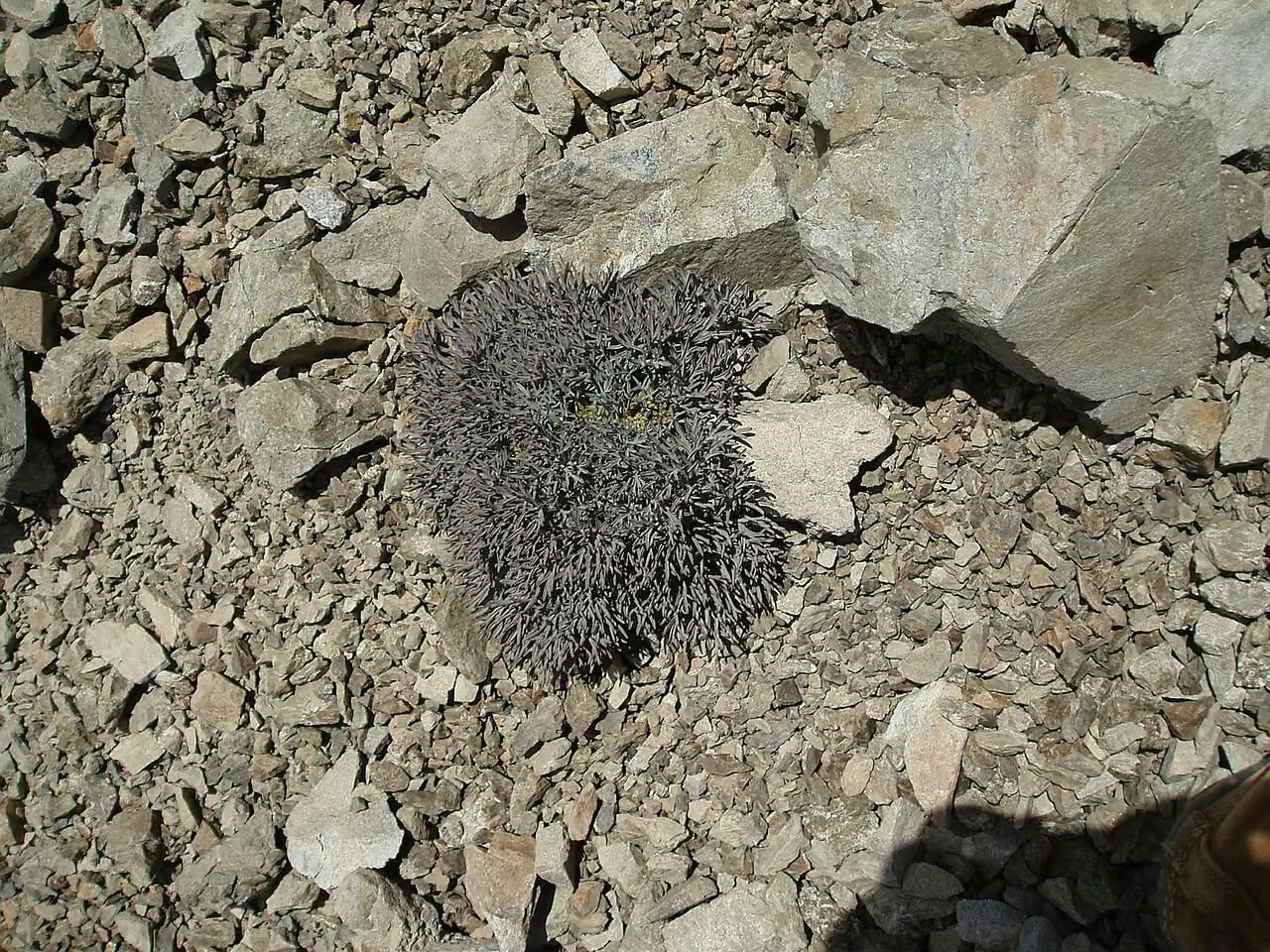
Lignocarpa carnosula
Lignocarpa carnosula
Grandiceps Plant
Grandiceps Plant
Plant Conservation
Leucogenes neglecta is ranked At Risk - Naturally Uncommon (2023) with qualifiers RR (range restricted) and Sp (sparse). NZPCN describes it as abundant within its small geographic area and under no obvious threats.
Because it occurs in only one mountain area, any future change there, such as weed invasion or climate warming pushing alpine zones upward, could affect it. Leaving wild plants undisturbed and maintaining cultivated populations from seed are sensible safeguards.
Frequently Asked Questions
Where does Marlborough edelweiss grow?
Only in the Marlborough mountains between the Wairau and Awatere rivers, above the tree line on shattered rock ridges, outcrops and erosion pavement, usually in soil-filled crevices and on ledges.
How do you tell Marlborough edelweiss from other Leucogenes?
It has long thin stems, narrowly elliptic pointed leaves and floral bracts, and a uniform silvery-blue colour. It is also tetraploid (2n = 56) and confined to northern Marlborough.
Why is Leucogenes neglecta called neglecta?
Neglecta means overlooked. The species was long lumped with other edelweiss and was only formally described as distinct in 1995.
Can you buy Marlborough edelweiss?
NZPCN says it is not commercially available. It grows easily from fresh seed or cuttings but is best kept in a pot or alpine house, as it dislikes humidity.
Sources and Further Reading
The botanical, growing, and conservation details for Marlborough Edelweiss (Leucogenes neglecta) on this page draw on the New Zealand plant references below. Consult them for full technical records and the latest distribution data.