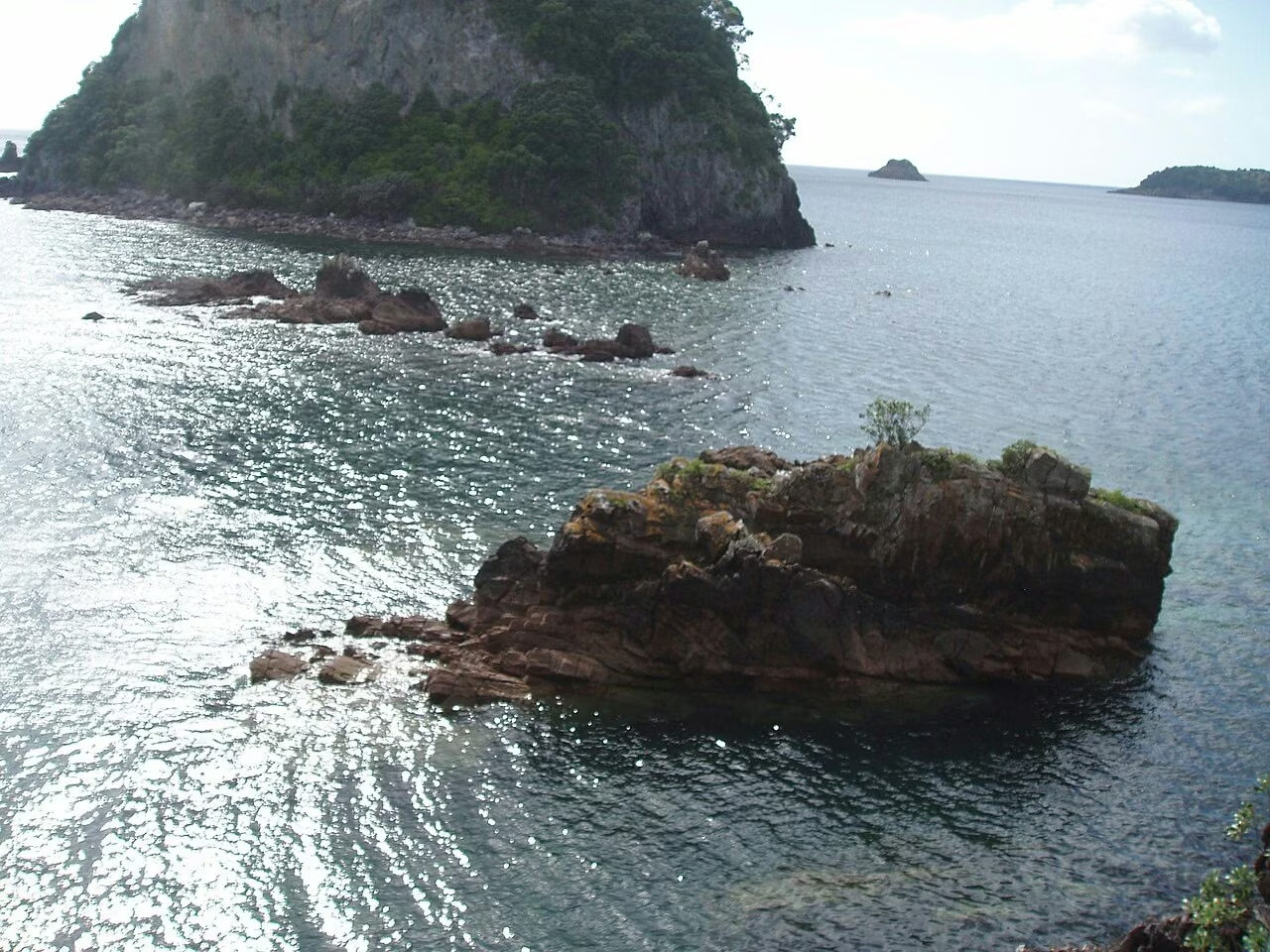
New Zealand Sea Spurrey
Spergularia tasmanica
Last updated:
New Zealand sea spurrey (Spergularia tasmanica) is a low perennial herb with a thick, woody rootstock, fleshy pointed leaves and small pink to mauve flowers that fade to white. It grows on coastal mudflats, consolidated sand, cliff faces and rubble slopes throughout the North, South and Stewart Islands, especially in the upper reaches of estuaries dominated by glasswort (Sarcocornia). It is indigenous, occurring also in southern Australia, and is ranked Not Threatened. It is easily confused with the naturalised greater sea spurrey, but its dark, rough seeds tell it apart. Explore more native ground covers in our native plant guide.
Plant Description
Spergularia tasmanica is a perennial herb with a thick, woody rootstock from which erect to somewhat sprawling branches arise. The leaves are 10 to 60 mm long, yellow-green to reddish-green, flattened and fleshy, ending in a fine point. At the base of each leaf pair are papery stipules 3 to 7 mm long, a feature typical of sea spurreys.
The small five-petalled flowers are pink or mauve, fading to white. They are followed by ovoid capsules 6 to 9 mm long that split to release many seeds. The seeds are dark grey-brown to jet black, usually with a papery wing, and have a rough, finely bumpy surface.
The naturalised greater sea spurrey, Spergularia media, looks very similar and grows in the same habitats. The surest way to tell them apart is the seed: rust-brown and smooth in S. media, dark and rough in the native S. tasmanica.
Quick Facts
| Scientific Name | Spergularia tasmanica |
|---|---|
| Height | Low; branches erect to sprawling |
| Spread | Small clumps from a woody rootstock |
| Water Needs | Moderate; moist but free-draining |
| Light | Full sun |
| Frost Tolerance | Moderate |
| Salt Tolerance | High; grows in saltmarsh and on sea cliffs |
| Growth Rate | Moderate |
| Lifespan | Perennial |
Climate Best Suited to
Suits mild, salt-influenced coastal climates throughout New Zealand, from Northland to Stewart Island.
Regional Suitability
| City | Climate Suitability |
|---|---|
| Auckland | High |
| Wellington | High |
| Christchurch | High |
| Dunedin | High |
Plant Habitat
New Zealand sea spurrey is indigenous to the North, South and Stewart Islands and also occurs in Western Australia, South Australia, New South Wales, Victoria and Tasmania.
It is coastal, rarely found inland in lowland saline areas. It grows on mudflats, consolidated sand, cliff faces and rubble slopes, and is particularly common in the upper reaches of estuaries dominated by glasswort (Sarcocornia), where it is periodically wetted by salt water.
Growing Requirements
Soil Requirements
In the wild it grows in saline mud, firm sand and rocky rubble. NZPCN recommends a free-draining but moist soil in cultivation.
- Sandy or gritty, free-draining soil
- Tolerates saline conditions
- Low to moderate fertility
Light Requirements
A plant of open estuaries and cliffs, it needs full sun.
- Full sun
- Open sites without overhanging shrubs
Water Requirements
It grows where the ground is moist from tides or seepage but drains well.
- Keep moist in summer
- Avoid stagnant waterlogging
Planting and Establishing
Plant into a sunny spot in moist, free-draining sandy soil. It is best suited to coastal gardens, saltmarsh restoration and rock gardens near the sea.
In estuary restoration, plant it in the upper saltmarsh among glasswort and other low succulent herbs, using plants grown from local seed.
Ecological Role
Sea spurrey is part of the low herbfield of upper saltmarshes, where it grows alongside glasswort, remuremu (Selliera radicans) and other salt-tolerant herbs. Its small flowers are visited by insects; specific pollinators in New Zealand are not documented in the sources consulted.
Its winged seeds are likely spread by wind and water. Upper saltmarsh herbfields provide feeding habitat for estuary birds and invertebrates, and sea spurrey contributes to that plant cover.
Uses & Significance
Garden Uses
A small, tough plant for coastal and specialist gardens.
- Coastal rock gardens
- Saltmarsh and estuary restoration
- Containers of native succulents
Ecological Value
It is part of the native plant community of upper estuaries.
- Contributes to saltmarsh herbfield cover
- Provides small flowers for insects
- A native counterpart to the introduced sea spurrey
Landscaping Uses
Use New Zealand sea spurrey at the front of coastal plantings, among rocks or in gravel near the sea, where its fleshy reddish-green leaves and pink flowers can be seen up close.
It combines well with other low coastal natives such as glasswort, remuremu and shore bindweed in naturalistic estuary-edge plantings.
Seasonal Care Calendar
Spring
New growth appears from the woody rootstock.
- Sow seed
- Weed around plants
Summer
Flowering is most noticeable, though it can flower all year.
- Keep moist in dry spells
- Collect ripe capsules
Autumn
Capsules continue to ripen and split.
- Save dark seeds for sowing
- Tidy straggly stems
Winter
Growth slows, but plants persist and may still flower on mild coasts.
- Avoid waterlogging in pots
- Check labels and seed stocks
When to Prune and How Much
Pruning is rarely needed. Trim back long, straggly branches after flowering to keep plants compact.
Remove dead stems from the rootstock in late winter so new growth can come through.
How to Grow New Zealand Sea Spurrey
NZPCN describes New Zealand sea spurrey as easily grown from fresh seed, and it needs full sun and a free-draining but moist soil to flourish. Because it flowers and fruits over much of the year, seed is usually available. When collecting, check the seeds to make sure you have the native species rather than the naturalised Spergularia media, which grows in the same estuaries and looks almost identical until the seeds are examined.
From Seed
Collect capsules as they turn brown and begin to split. Check under a hand lens that the seeds are dark grey-brown to black with a rough surface, which confirms the native species.
Seedlings grow steadily in a sunny spot. A gritty, sandy mix that stays moist but drains freely suits them better than rich potting mix, matching the advice NZPCN gives for established plants in the garden.
- Collect ripe capsules and shake out the seeds
- Confirm the seeds are dark and rough, not rust-brown and smooth
- Sow fresh seed on a sandy, free-draining seed mix
- Keep moist and in full light
- Pot on seedlings and plant out in full sun
Self-Sown Seedlings
Established plants may self-sow into nearby gravel or sand. Small seedlings can be lifted carefully and moved before their taproots become established.
Self-sown plants from local stock are ideal for estuary restoration because they are already adapted to the site.
- Lift seedlings while young
- Keep plenty of soil around the roots
- Water in well after transplanting
Pests & Diseases
No specific pests are recorded for this species. In gardens, slugs and snails may damage seedlings, and plants can rot in heavy, stagnant soils.
In estuaries, competition from weeds and the introduced sea spurrey, along with reclamation and disturbance of saltmarsh, are more significant than pests.
Cultural Significance
No Māori name or traditional use was found for Spergularia tasmanica in the sources consulted. The epithet tasmanica refers to Tasmania, named after the Dutch explorer Abel Tasman.
It was first described as Lepigonum tasmanicum and later moved to Spergularia. The genus is known as sea spurreys or sandspurries, reflecting its salt-tolerant coastal habit.
Bonus Tip
Carry a hand lens when collecting sea spurrey seed: the native S. tasmanica has dark, rough seeds while the introduced S. media has smooth, rust-brown ones, and this is the only reliable way to be sure you are propagating the native plant.
Related Plants
Explore other native plants that share similar characteristics or habitats with New Zealand Sea Spurrey (Spergularia tasmanica), offering further insights into New Zealand's diverse flora. These related species provide context and opportunities for complementary planting in your garden.
Simplicia laxa
Simplicia laxa
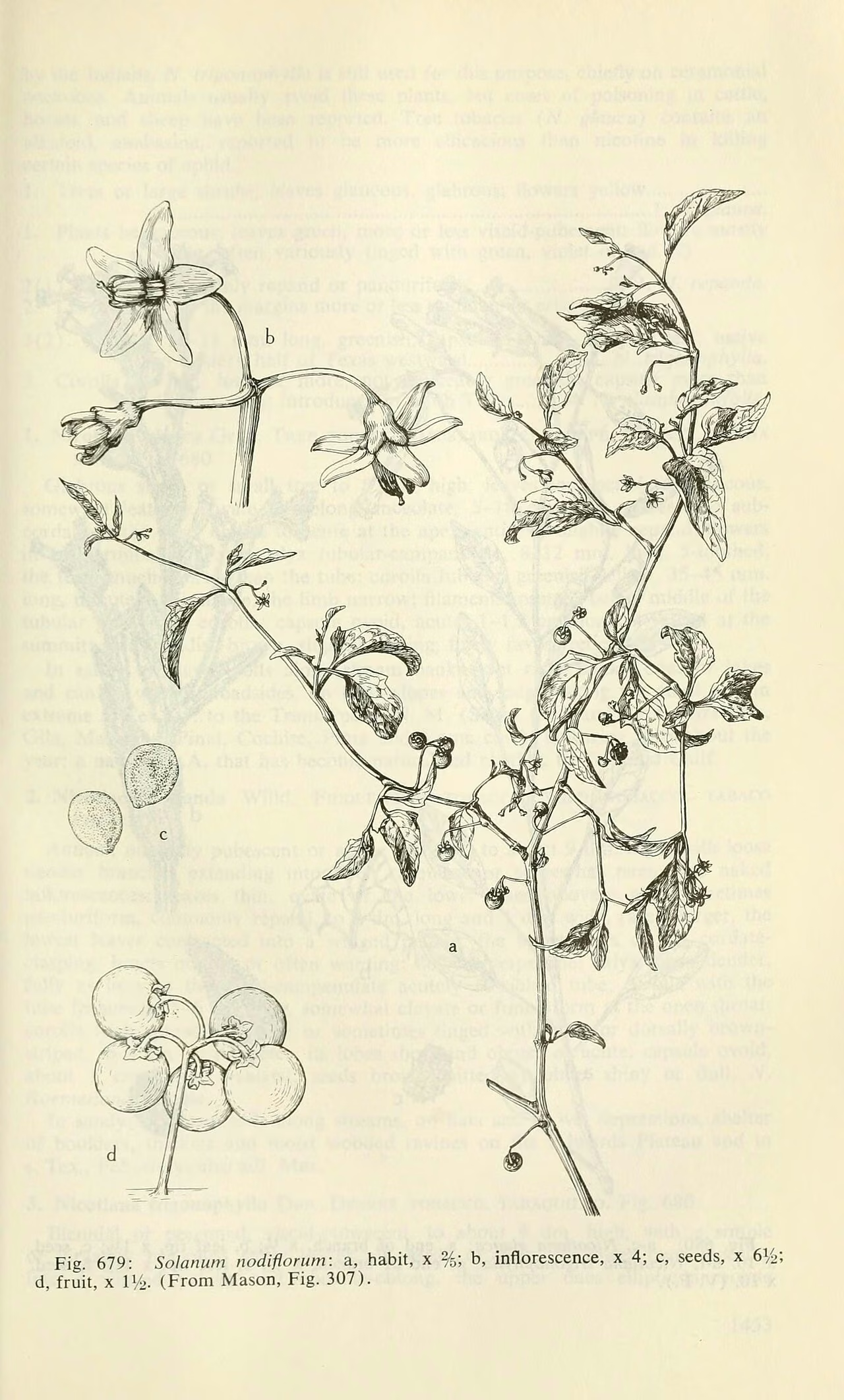
Small-Flowered Nightshade
Solanum americanum
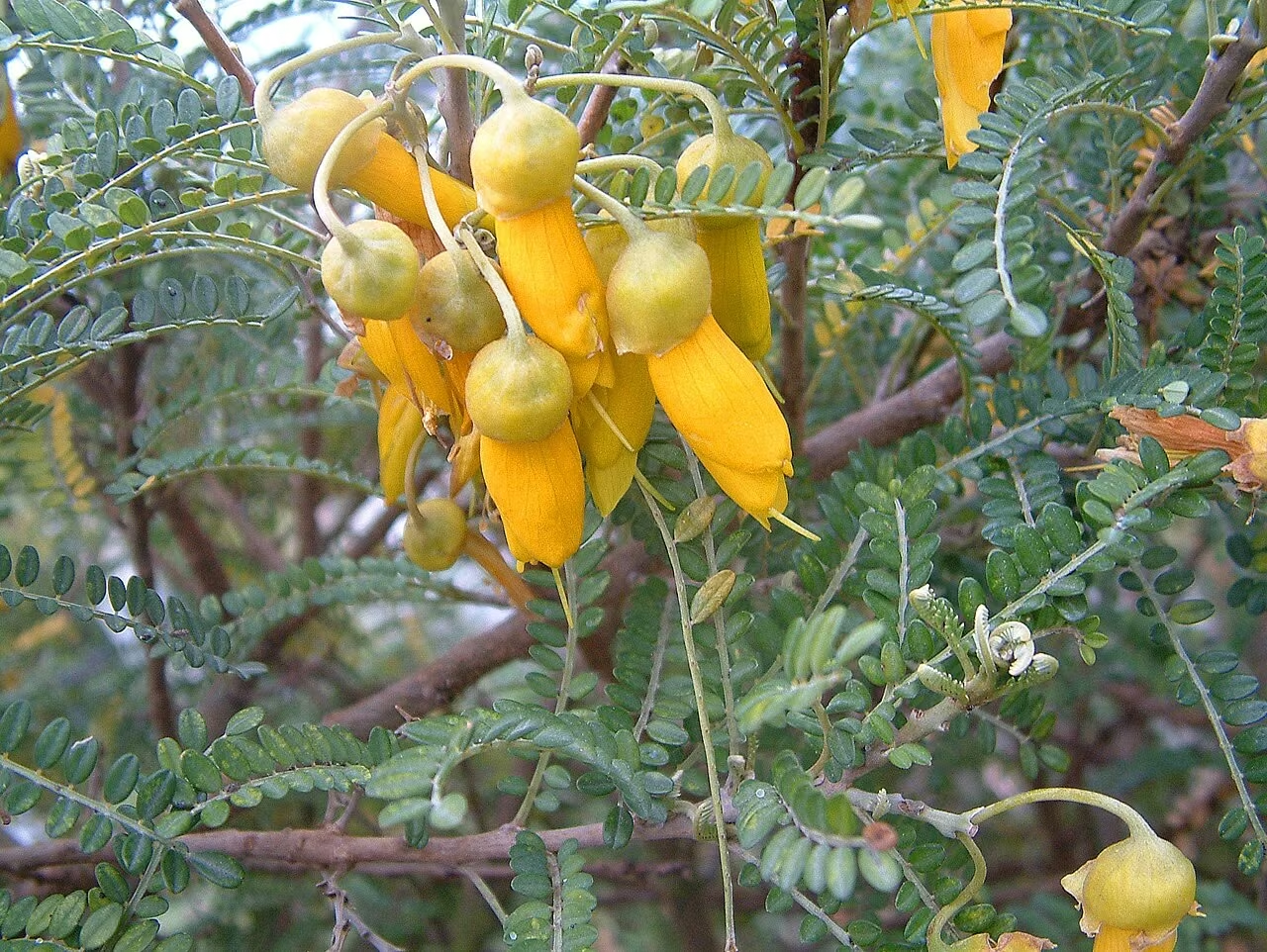
Cook Strait Kōwhai
Sophora molloyi
Sparganium subglobosum
Sparganium subglobosum
Stackhousia minima
Stackhousia minima
Slender Chickweed
Stellaria gracilenta
Stenostachys gracilis
Stenostachys gracilis
Grassland Wheatgrass
Stenostachys laevis
Plant Conservation
Spergularia tasmanica is ranked Not Threatened (2023), with the qualifier SO (secure overseas). Regionally it is Declining in Northland and Naturally Uncommon in Wellington, and Not Threatened in Auckland and Otago.
Saltmarsh reclamation, weed invasion and coastal development reduce its habitat. Protecting upper estuary herbfields and controlling weeds help keep it common.
Frequently Asked Questions
How do you tell native sea spurrey from introduced sea spurrey?
NZPCN says Spergularia tasmanica has black or dark grey-brown seeds with a rough, papillose surface, while the naturalised Spergularia media has rust-brown, smooth seeds.
Where does Spergularia tasmanica grow?
It grows on coasts of the North, South and Stewart Islands, on mudflats, consolidated sand, cliffs and rubble slopes, especially in upper estuaries with glasswort. It is rarely found inland in lowland saline areas.
Is New Zealand sea spurrey salt tolerant?
Yes. Like other members of its genus it is a salt-tolerant plant, growing in saltmarsh and on sea cliffs where few other plants can establish.
Sources and Further Reading
The botanical, growing, and conservation details for New Zealand Sea Spurrey (Spergularia tasmanica) on this page draw on the New Zealand plant references below. Consult them for full technical records and the latest distribution data.