Simplicia
Simplicia laxa
Last updated:
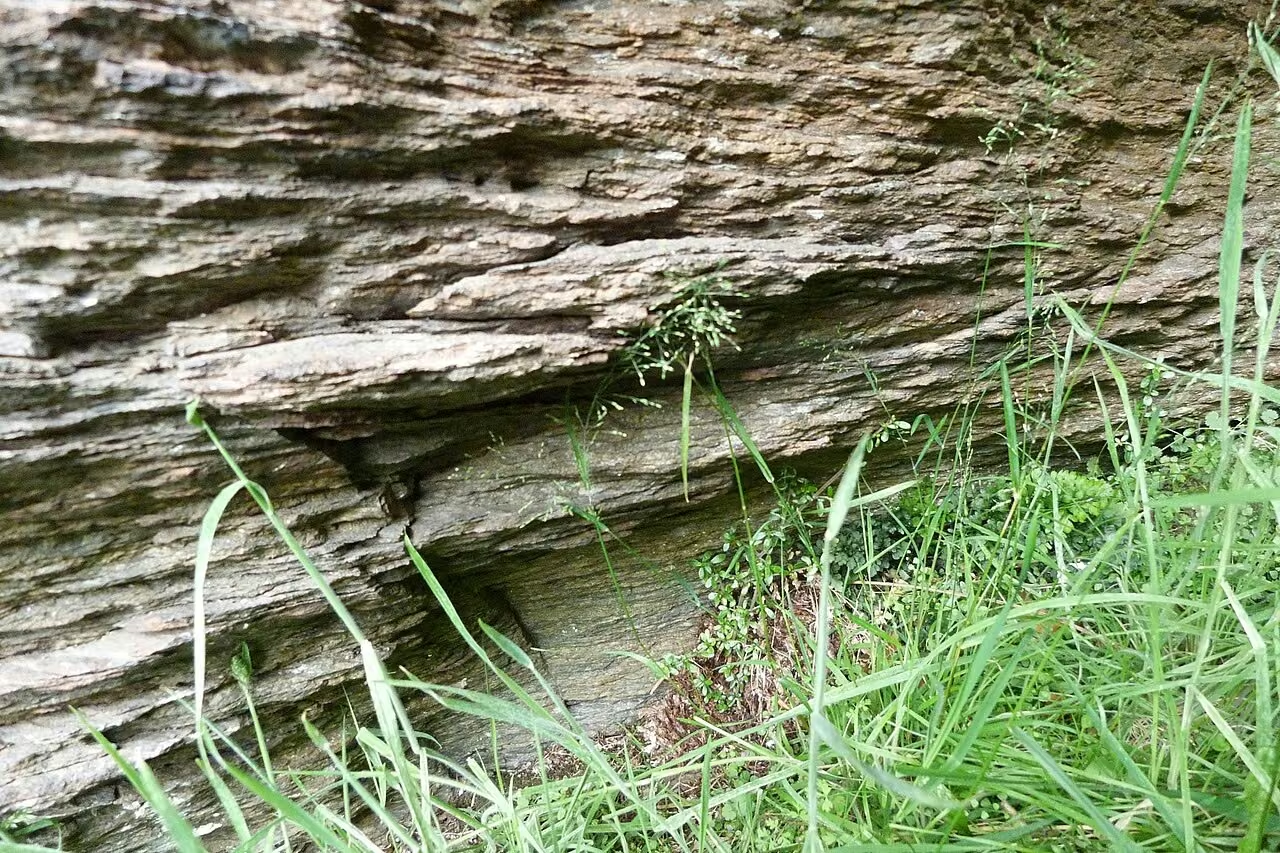
Simplicia laxa is a feeble, inconspicuous mat-forming grass and the type species of Simplicia, a genus found only in New Zealand. Its weak, sprawling stems root at the nodes, and it bears open, pyramidal flower heads of tiny single-flowered spikelets. It grows on shaded ledges, crevices, overhangs and cave entrances on base-rich rocks such as limestone, schist and basalt, mainly in Otago, with one site at Honeycomb Cave near Karamea. Known from fewer than 15 populations, several of them declining, it is ranked Threatened - Nationally Critical. Explore more native grasses and flaxes in our native plant guide.
Plant Description
Simplicia laxa is a weak, decumbent grass that forms loose mats in shaded places. Its stems are 0.4 to 0.8 m long, sprawling with weakly upturned tips, and they root at the swollen black nodes. The leaf sheaths are finely ribbed and conspicuously hairy, the ligule is a membranous lanceolate flap 2.8 to 10 mm long, and the leaf blades are green, flat, linear-lanceolate and finely ribbed, about 6 to 10 cm long.
The flower head is an open, linear to pyramidal panicle up to about 15 cm long, whose lower branches are usually bent back and bare of spikelets near their base. The spikelets are tiny, light green and single-flowered, with minute glumes and a prominent hairy lemma. The epithet laxa means slack or loose, describing its floppy habit.
It is closely allied to Simplicia felix, from which it differs by its copiously hairy mid and upper leaf sheaths, hairy ribs on the upper leaf surface, inflorescence branches with forward-pointing hairs, longer pedicels and pubescent lemmas. Both differ from S. buchananii, which is an upright tufted grass with a narrow, contracted head.
Quick Facts
| Scientific Name | Simplicia laxa |
|---|---|
| Height | 0.25-0.5 m |
| Spread | Sprawling mats, stems 0.4-0.8 m long |
| Water Needs | Low to moderate; dry, sheltered sites |
| Light | Shade to semi-shade |
| Frost Tolerance | Moderate; coastal to subalpine |
| Salt Tolerance | No information available |
| Growth Rate | Moderate |
| Lifespan | Short-lived perennial |
Climate Best Suited to
Suits the cool, relatively dry inland and coastal climate of Otago, in sheltered, shaded microsites such as rock overhangs and cave mouths.
Regional Suitability
| City | Climate Suitability |
|---|---|
| Auckland | Low |
| Wellington | Low |
| Christchurch | Medium |
| Dunedin | High |
Plant Habitat
Simplicia laxa is endemic to the South Island, where it is found mainly in Otago; the type specimen came from Waikouaiti. One outlying site is at Honeycomb Cave near Karamea in the north-west. It is not known from the North Island.
It has been recorded from coastal to subalpine situations on base-rich rocks such as limestone, schist and basalt. All current populations grow on rock ledges, in crevices, under overhangs and at cave entrances. These are thought to be refuges, and the species probably once grew more widely in forest that has since been cleared.
Growing Requirements
Soil Requirements
It grows on base-rich rock and the fine soil that collects on ledges and in crevices. NZPCN recommends a free-draining, lime-enriched soil in cultivation.
- Free-draining, gritty soil with added lime
- Shallow rock-ledge conditions suit it
- Avoid rich, wet, acidic mixes
Light Requirements
A grass of shaded habitats, it grows under overhangs and at cave mouths away from direct sun.
- Shade or deep semi-shade
- Shelter from wind and rain
Water Requirements
Overhangs keep its sites dry, and NZPCN advises a dry, shaded position in cultivation.
- Water sparingly
- Never let it sit in wet soil
Planting and Establishing
Simplicia laxa is mainly grown in conservation collections. Plant in a dry, sheltered, shaded spot such as under a rock overhang or a bench, in gritty soil enriched with lime. It is short-lived and hard to maintain, so keep back-up pieces rooted in pots.
Restoration plantings should only be made under DOC guidance, using material from the same population, onto protected rock ledges or overhangs within its known range.
Ecological Role
Like other grasses, Simplicia laxa is wind-pollinated. It often fails to flower well, and its spread appears to be largely vegetative through stems rooting at the nodes. No specific seed dispersal studies were found.
It is one of a group of rare plants confined to dry, shaded rock overhangs and cave mouths, a habitat that also shelters other specialised species. Such sites are easily invaded by weeds and trampled by stock seeking shelter.
Uses & Significance
Garden Uses
It is a plant for conservation collections, not ordinary gardens.
- Botanic garden collections of threatened grasses
- Shaded rock or limestone displays
- Back-up populations for conservation
Ecological Value
Simplicia laxa is the type species of an endemic genus, and each surviving population matters.
- Represents a lineage found only in New Zealand
- Part of the specialised flora of rock overhangs and cave mouths
- Provides genetic evidence of hybrid origins in Simplicia
Landscaping Uses
In a display, give it the underside of a limestone or schist overhang where its floppy stems can trail over rock and root into crevices. It is subtle, so label it and keep vigorous neighbours away.
It does not suit open borders or lawns; think of it as a specialist rock-shelter plant.
Seasonal Care Calendar
Spring
New stems extend and flowering begins in November.
- Remove weeds carefully
- Pot up rooted stem pieces
Summer
Flowering continues to March, though plants may flower poorly.
- Keep dry but not parched
- Watch for slug damage
Autumn
Any seed ripens between January and May.
- Collect any seed that forms
- Take node cuttings as a back-up
Winter
Growth is slow in cold weather.
- Keep sheltered from heavy rain
- Avoid overwatering pots
When to Prune and How Much
Pruning is not needed. Trim straggling stems only if they are crowding other plants, and use the trimmings as node cuttings.
Because plants are short-lived, renewing stock regularly from rooted pieces matters more than any pruning.
How to Grow Simplicia
NZPCN describes Simplicia laxa as easy to propagate from rooted pieces and node cuttings, but often difficult to maintain in cultivation and short-lived. Its stems root freely at the swollen nodes, so vegetative propagation is reliable. It does not flower and seed as readily as S. buchananii, so seed is a less dependable option. As a Nationally Critical species, wild material should only be taken with permission and kept labelled by source population.
From Cuttings and Rooted Pieces
Stems that have already rooted at the nodes can be cut off and potted, and unrooted stem pieces with a node will root in a moist, shaded environment. This is the main way it is kept in collections.
- Select healthy stems with one or more swollen nodes
- Cut below a node, or take a piece that has already rooted
- Insert into a gritty, lime-enriched mix
- Keep shaded and lightly moist until new shoots appear
- Pot on and keep several back-up plants
From Seed
If seed forms, usually between January and May, it can be sown fresh. Seedlings are small and need careful watering.
Because flowering in cultivation is unreliable, treat seed as a bonus rather than the main way to maintain a population, and keep rooted pieces as the primary stock.
- Collect ripe spikelets when they fall easily
- Sow on the surface of a free-draining mix with lime
- Keep in shade and lightly moist
- Prick out seedlings once large enough to handle
Pests & Diseases
No specific pests are recorded. In cultivation, overwatering and poor drainage are the most likely cause of losses, and slugs may graze young shoots.
In the wild, weeds and habitat deterioration are the main threats, along with trampling where stock shelter under overhangs.
Cultural Significance
No Māori name or traditional use is recorded for Simplicia laxa. It was described by Thomas Kirk in 1896 as the first and type species of the genus Simplicia.
It was featured as the NZPCN Plant of the Month in January 2010. For many years North Island plants were confused with it until they were described as the separate species Simplicia felix.
Bonus Tip
When keeping Simplicia laxa in cultivation, always hold several rooted pieces in separate pots. Plants are short-lived and can die suddenly, and its stems root so readily at the nodes that keeping spares costs very little effort.
Related Plants
Explore other native plants that share similar characteristics or habitats with Simplicia (Simplicia laxa), offering further insights into New Zealand's diverse flora. These related species provide context and opportunities for complementary planting in your garden.
Senecio rufiglandulosus
Senecio rufiglandulosus
Senecio scaberulus
Senecio scaberulus
Guano Groundsel
Senecio sterquilinus
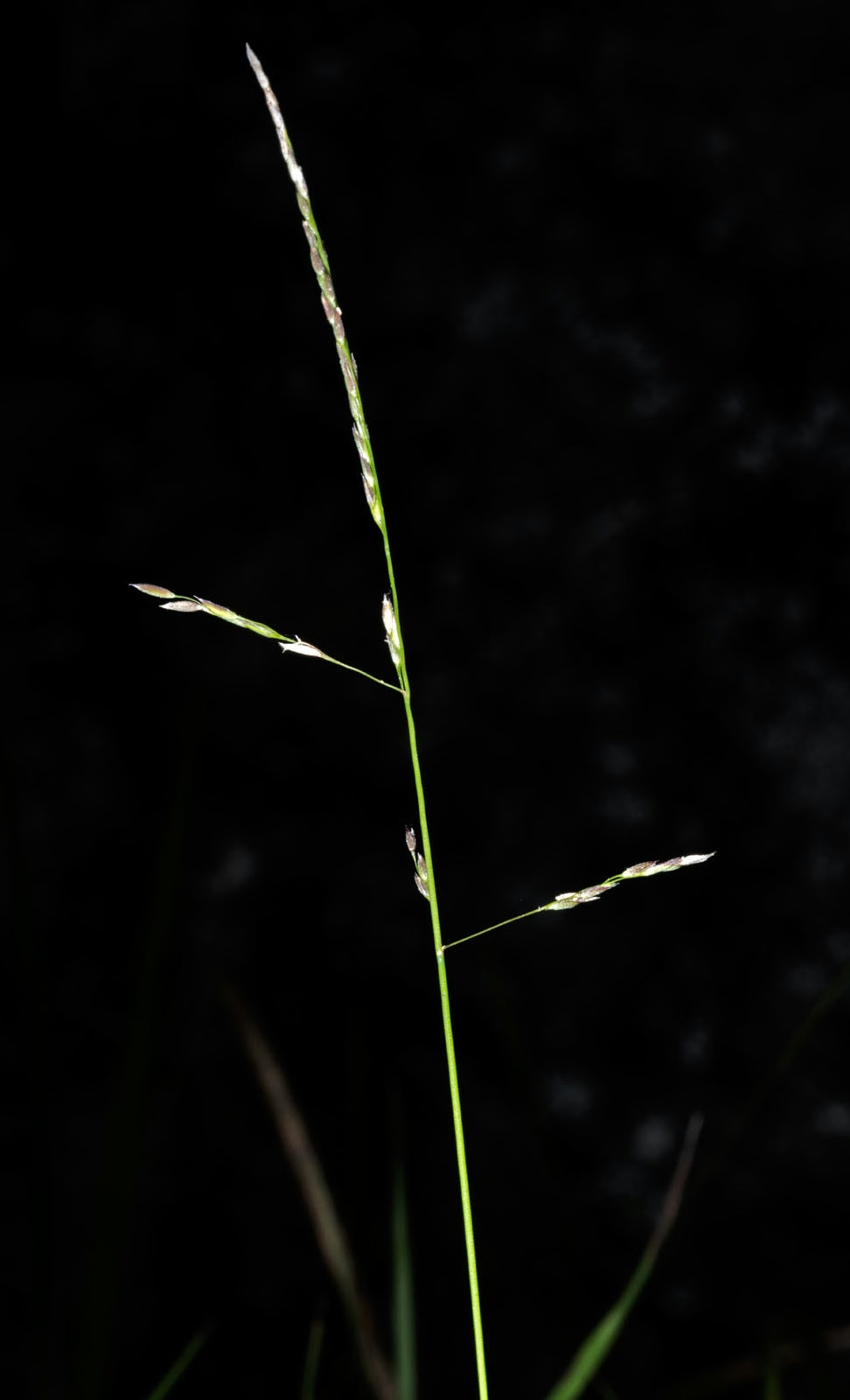
Simplicia buchananii
Simplicia buchananii
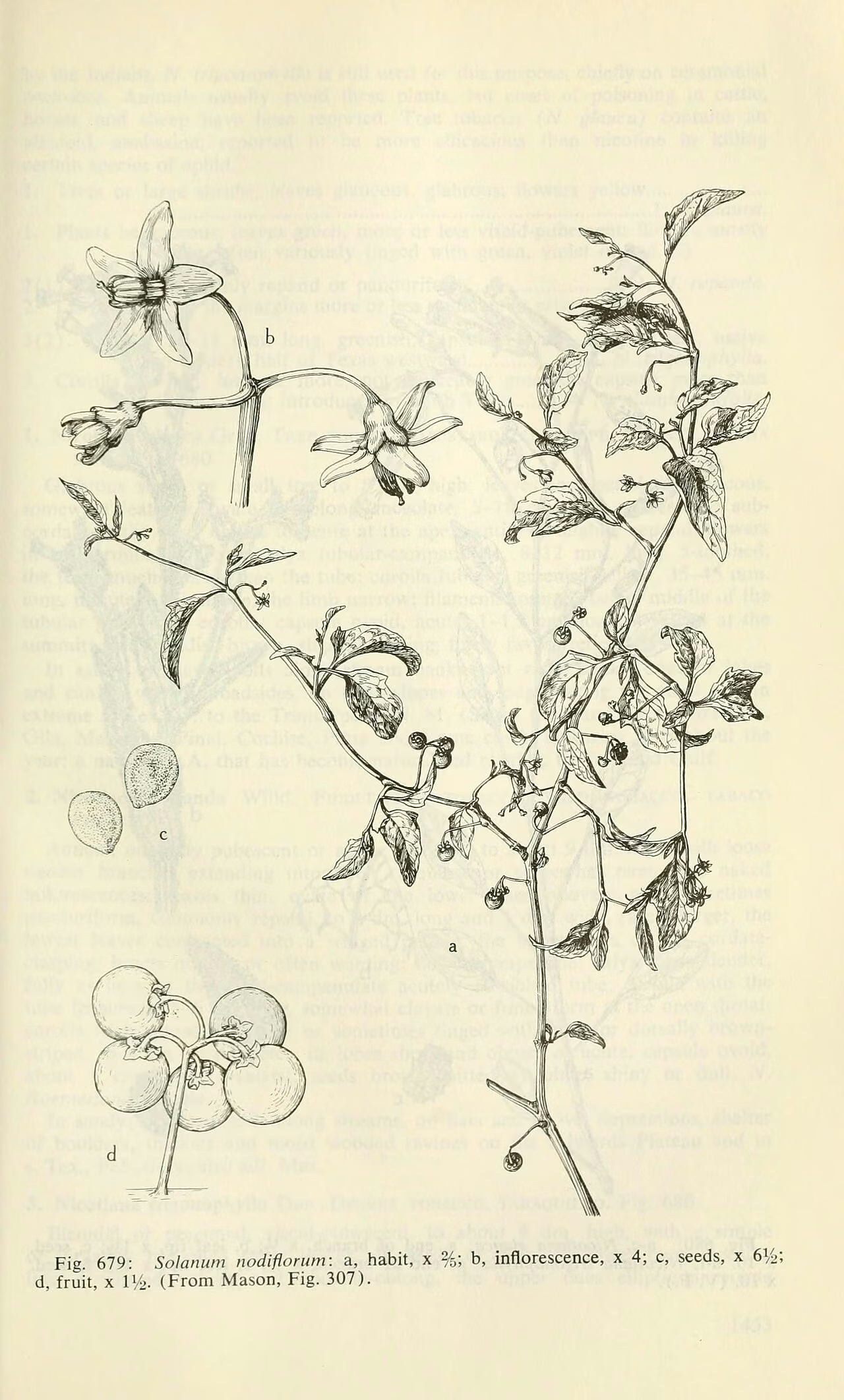
Small-Flowered Nightshade
Solanum americanum
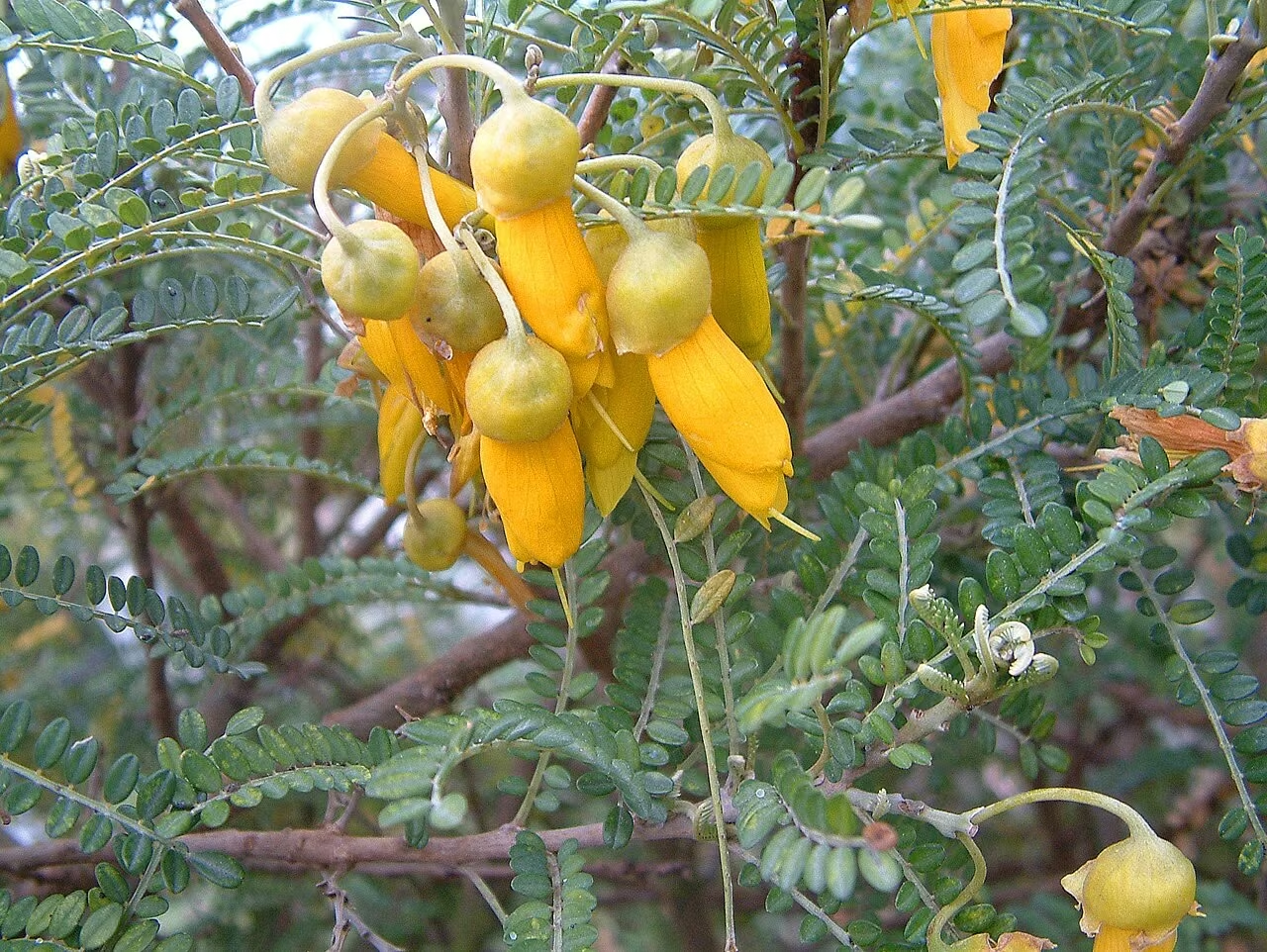
Cook Strait Kōwhai
Sophora molloyi
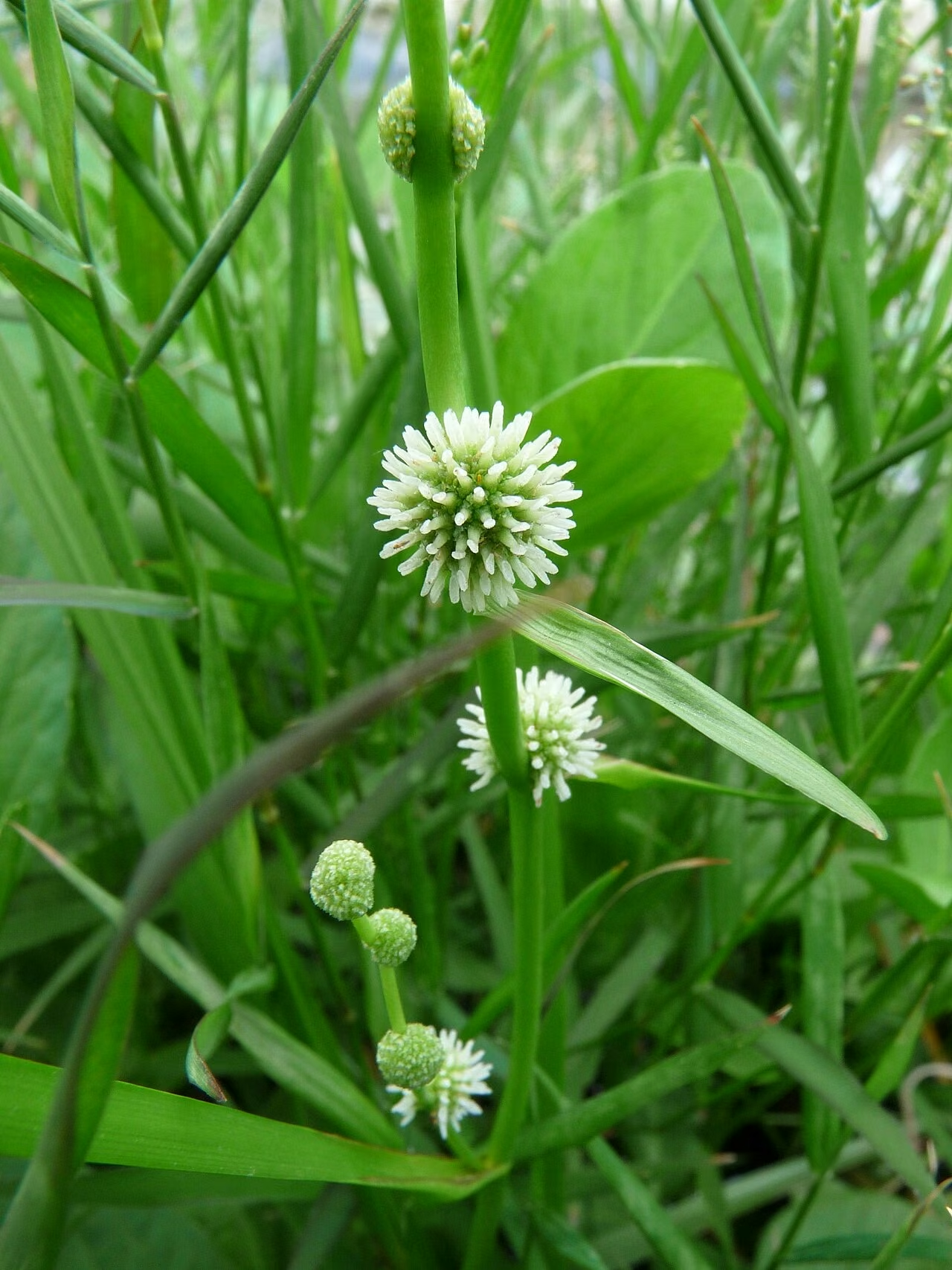
Sparganium subglobosum
Sparganium subglobosum
New Zealand Sea Spurrey
Spergularia tasmanica
Plant Conservation
Simplicia laxa is ranked Threatened - Nationally Critical (2023) with qualifiers Sp, DPR, DPS, DPT and RR, and is Regionally Critical in Otago. It is known from fewer than 15 populations, several of which are declining and few of which are large.
Many populations are on private land without direct conservation management, or in places affected by weeds and habitat loss. Working with landowners to fence and weed rock overhangs, and maintaining cultivated back-up populations, are key to its survival.
Frequently Asked Questions
Where is Simplicia laxa found?
It is endemic to the South Island, mainly in Otago, with one site at Honeycomb Cave near Karamea. NZPCN says it is not known from the North Island, where similar plants are now treated as Simplicia felix.
Why is Simplicia laxa so rare?
It survives in fewer than 15 populations, often on private land without conservation management, where weeds and habitat loss continue to degrade its shaded rock sites. It probably once grew more widely in forest.
Is Simplicia laxa easy to grow?
It roots easily from pieces and node cuttings, but NZPCN notes it is often difficult to keep in cultivation and is short-lived. It does best in a dry, shaded site with free-draining, limey soil.
Sources and Further Reading
The botanical, growing, and conservation details for Simplicia (Simplicia laxa) on this page draw on the New Zealand plant references below. Consult them for full technical records and the latest distribution data.