Groundsel
Senecio rufiglandulosus
Last updated:
Senecio rufiglandulosus is an endemic perennial groundsel of the North and South Islands, ranging from the Waitakere Ranges south to about Hokitika and Canterbury. It is an erect or ascending herb with large, toothed or lobed leaves up to about 18 cm long, the upper ones clasping the stem, and generous clusters of yellow daisy flowers with rays 5.5 to 14 mm long. It grows on stream sides, forest margins, shrubland, banks, cliffs and roadsides from the lowlands to the subalpine zone. It is ranked Not Threatened nationally but is very rare in the Auckland region. Explore more native flowering plants in our native plant guide.
Plant Description
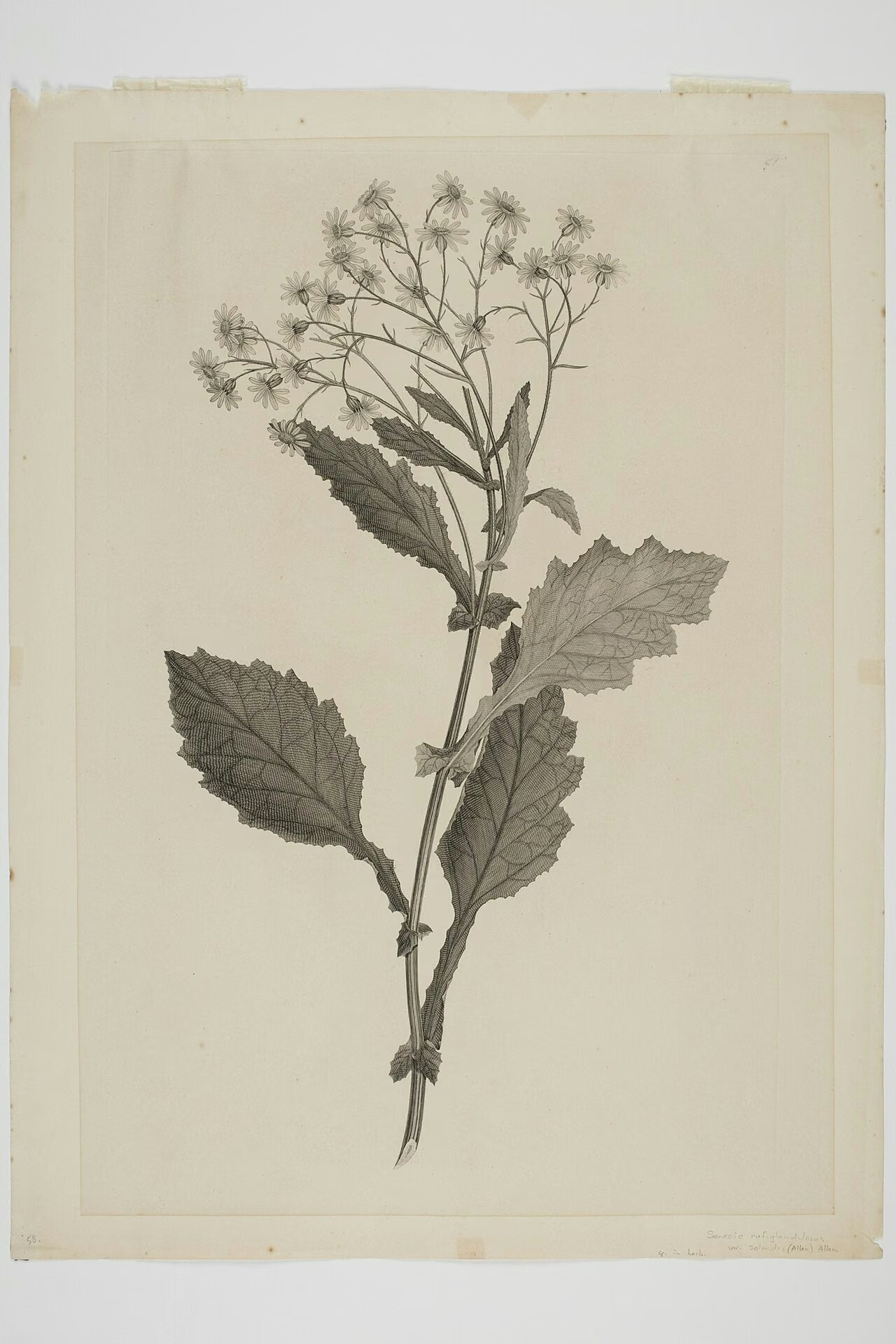
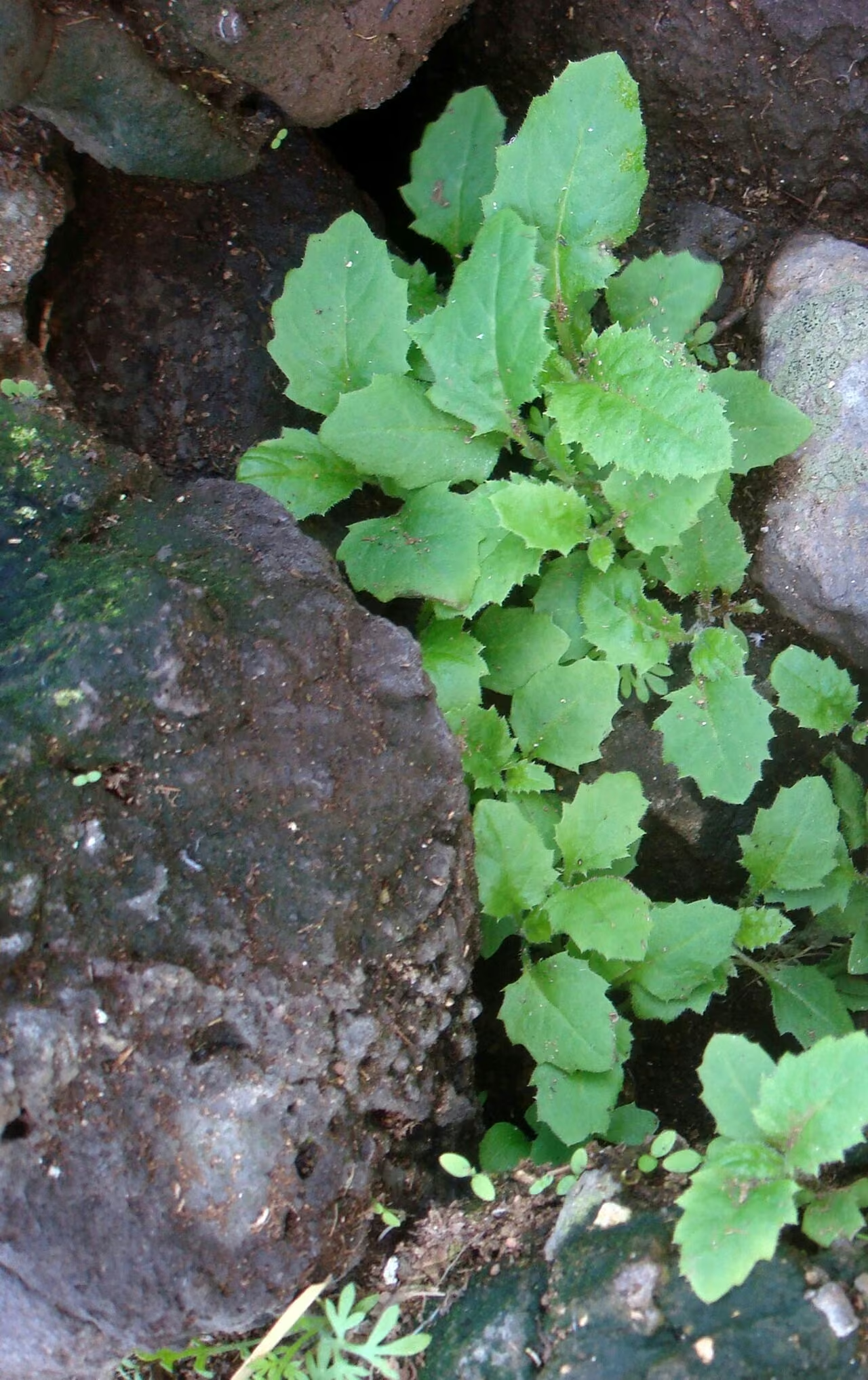
Senecio rufiglandulosus is an erect or ascending perennial herb. Its leaves are hairless to sparsely hairy and glandular. The lower leaves are ovate to elliptic, about 12 to 18 cm long (occasionally to 21 cm) and 4 to 8 cm wide, with a long wedge-shaped to stem-clasping base. Their margins are irregularly toothed or double-toothed, or pinnately lobed and toothed, often with 20 or more teeth on each side. The upper stem leaves are elliptic to oblong, broad-based and conspicuously clasp the stem.
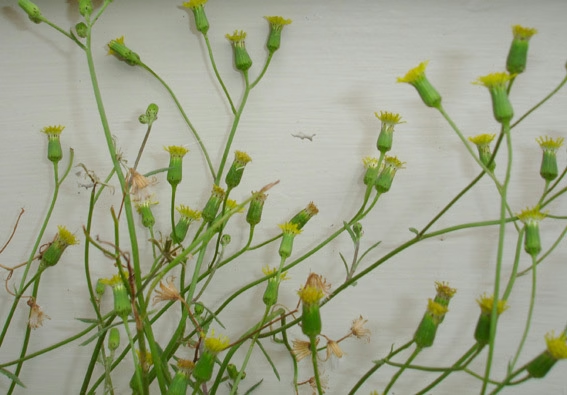
The flower heads are borne in many-headed, flat-topped clusters with 3 to 7 small supplementary bracts. Each head usually has 11 to 22 involucral bracts, 3 to 5.5 mm long, which may be hairless or hairy, and 7 to 14 yellow ray florets with ligules 5.5 to 14 mm long around a yellow disc about 5 to 8 mm wide. The seeds are 2 to 2.5 mm long, narrowed towards the tip and hairy between the ribs or evenly hairy. The chromosome number is 2n = 40.
The species is variable in leaf shape and hairiness and in the number and hairiness of its involucral bracts. Its large leaves with conspicuously stem-clasping upper leaves, and its fairly long yellow rays, help separate it from the small-flowered, rayless fireweeds such as Senecio minimus and Senecio hispidulus.
Quick Facts
| Scientific Name | Senecio rufiglandulosus |
|---|---|
| Height | Erect or ascending herb; overall height not documented in sources consulted |
| Spread | Clump-forming; spread not documented |
| Water Needs | Moderate to high; likes damp soil |
| Light | Partial shade to full sun |
| Frost Tolerance | Moderate to high; reaches the subalpine zone |
| Salt Tolerance | No information available |
| Growth Rate | Moderate to fast |
| Lifespan | Perennial |
Climate Best Suited to
Suits mild to cool, moist climates of the central and southern North Island and northern South Island, from lowland to subalpine elevations.
Regional Suitability
| City | Climate Suitability |
|---|---|
| Auckland | Medium |
| Wellington | High |
| Christchurch | Medium |
| Dunedin | Medium |
Plant Habitat
Senecio rufiglandulosus is endemic to New Zealand, occurring in the North and South Islands between about latitude 38 and 43 degrees south: from the Waitakere Ranges southwards to about Hokitika on the West Coast and Canterbury in the east. An old collection from Motuopao Island off Northland is considered doubtful.
It grows from lowland to subalpine elevations on stream sides, forest margins, in shrubland and on banks, cliffs and roadsides, generally in damp places with some shade or in sunny openings.
Growing Requirements
Soil Requirements
Its stream-side and bank habitats suggest a preference for moist, reasonably fertile soils with some drainage.
- Moist, humus-rich soil
- Damp banks and stream edges
- Avoid very dry, sandy sites
Light Requirements
NZPCN recommends a damp, semi-shaded or sunny spot, matching its forest margin habitat.
- Partial shade suits it well
- Sun is tolerated where soil stays moist
Water Requirements
It is a plant of damp places and should not be allowed to dry out completely.
- Keep soil moist through summer
- Good for damp banks and near streams
Planting and Establishing
Plant in autumn or spring on a damp, partly shaded bank, at a forest edge or beside a stream or pond. Mulch with leaf litter to keep the root zone moist.
It suits restoration of stream margins and forest edges within its natural range, ideally from locally sourced seed or cuttings.
Ecological Role
The showy yellow heads attract flies, bees and other insects, though no species-specific pollination studies were found. The plumed seeds are wind dispersed, helping it colonise slips, banks and roadside cuttings.
As a herb of forest margins and stream sides it contributes to the native ground layer of edges and disturbed openings, where it can establish after slips or clearance.
Uses & Significance
Garden Uses
It is a useful native perennial for moist, shady parts of a garden.
- Damp shady banks
- Stream and pond margins
- Native woodland edge plantings
Ecological Value
It adds native flowering diversity to forest edges and stream sides.
- Nectar and pollen for insects over a long season
- Colonises banks and slips
- Regionally significant in Auckland and Wellington
Landscaping Uses
Its large, toothed leaves and long display of yellow daisies from spring to autumn make it a bright addition to a shady native border or woodland edge, combined with ferns and sedges.
On restoration projects, use it along stream banks and track edges where its quick establishment helps cover bare soil.
Seasonal Care Calendar
Spring
Flowering begins in October.
- Plant out new stock
- Mulch to retain moisture
Summer
Flowering continues and seed starts to ripen.
- Water during dry spells
- Collect seed as heads fluff up
Autumn
Flowering continues until about April.
- Sow fresh seed
- Lift and divide rooted pieces
Winter
Growth slows over the cooler months.
- Cut back spent flowering stems
- Check drainage in heavy soils
When to Prune and How Much
Cut spent flowering stems back to the leafy base after flowering to keep plants tidy and to encourage fresh growth.
Remove a proportion of the seed heads if self-sown seedlings are not wanted.
How to Grow Groundsel
NZPCN describes Senecio rufiglandulosus as easy to propagate from fresh seed, stem cuttings and rooted pieces, which gives growers three straightforward options. Seed captures the natural variation of a population and is best for restoration, while cuttings and rooted pieces reproduce a particular plant quickly. It is not commercially available, so most material will come from friends, botanical societies or restoration groups. Collect only with landowner permission, use local provenance for planting within its natural range, and take particular care in the Auckland region, where it is Regionally Critical.
From Seed
Fruit ripens through the flowering season from late spring to autumn. Collect heads when the white pappus fluffs up.
- Collect ripe seed heads
- Sow fresh on a moist seed mix
- Cover lightly
- Keep damp in light shade
- Prick out seedlings into pots
- Plant out when well rooted
From Cuttings
Stem cuttings root readily in moist conditions. Late spring to early autumn, when the plant is in active growth, is the most practical time to take them.
- Take non-flowering stem cuttings
- Remove lower leaves
- Insert into a moist, free-draining cutting mix
- Keep humid and shaded until rooted
By Division
Rooted pieces can be separated from established clumps, which is the quickest way to produce a planting-sized plant.
- Lift part of a clump in autumn or spring
- Separate pieces that have their own roots
- Replant immediately into moist soil
- Water well until established
- Keep divisions lightly shaded for the first few weeks
Pests & Diseases
No specific pests are recorded for this species. In gardens, slugs and snails may graze young leaves in damp shady spots, and aphids sometimes gather on flowering stems.
Groundsel-feeding moth caterpillars may also chew the foliage, but plants usually recover.
Cultural Significance
No Māori name or traditional use specific to Senecio rufiglandulosus was found in the sources consulted.
The species was named by William Colenso, the nineteenth-century missionary, printer and botanist.
Bonus Tip
If you have a damp, shady bank where few flowering natives thrive, try this groundsel: it is easy from cuttings or rooted pieces, flowers from October to April and tolerates the moist semi-shade that many daisies dislike.
Related Plants
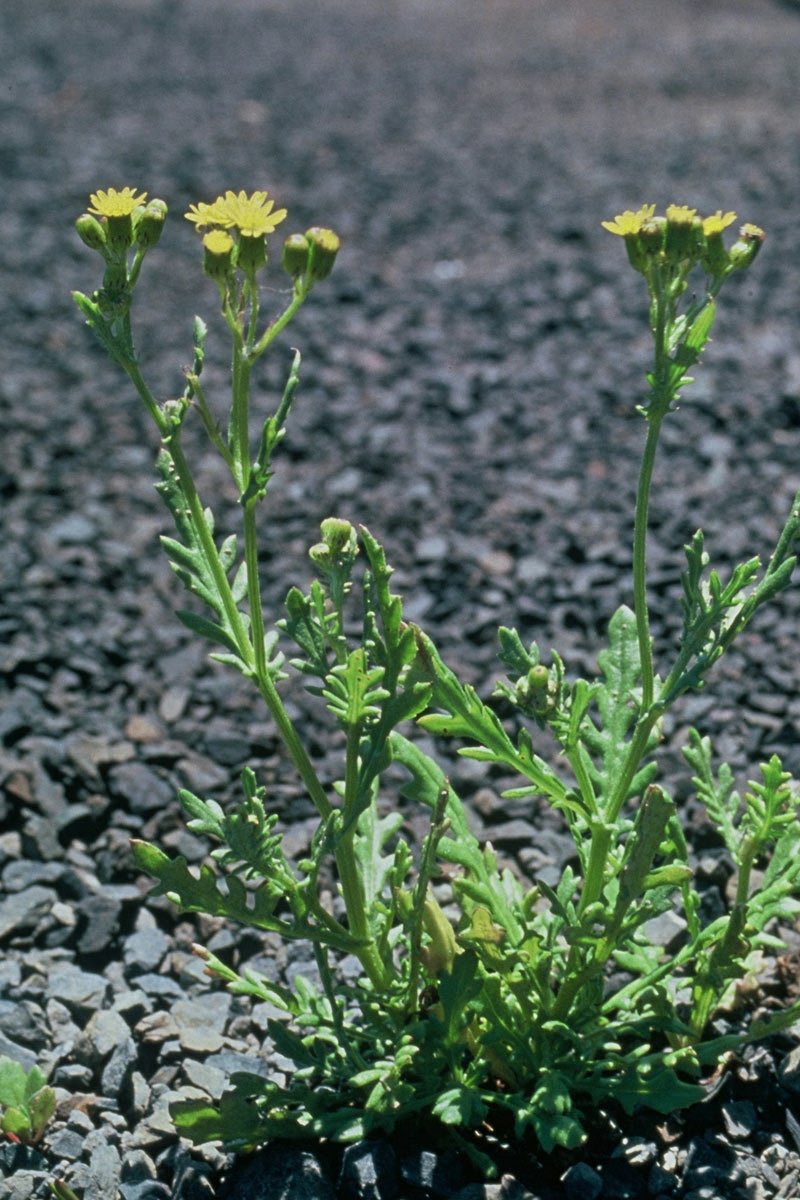
Explore other native plants that share similar characteristics or habitats with Groundsel (Senecio rufiglandulosus), offering further insights into New Zealand's diverse flora. These related species provide context and opportunities for complementary planting in your garden.
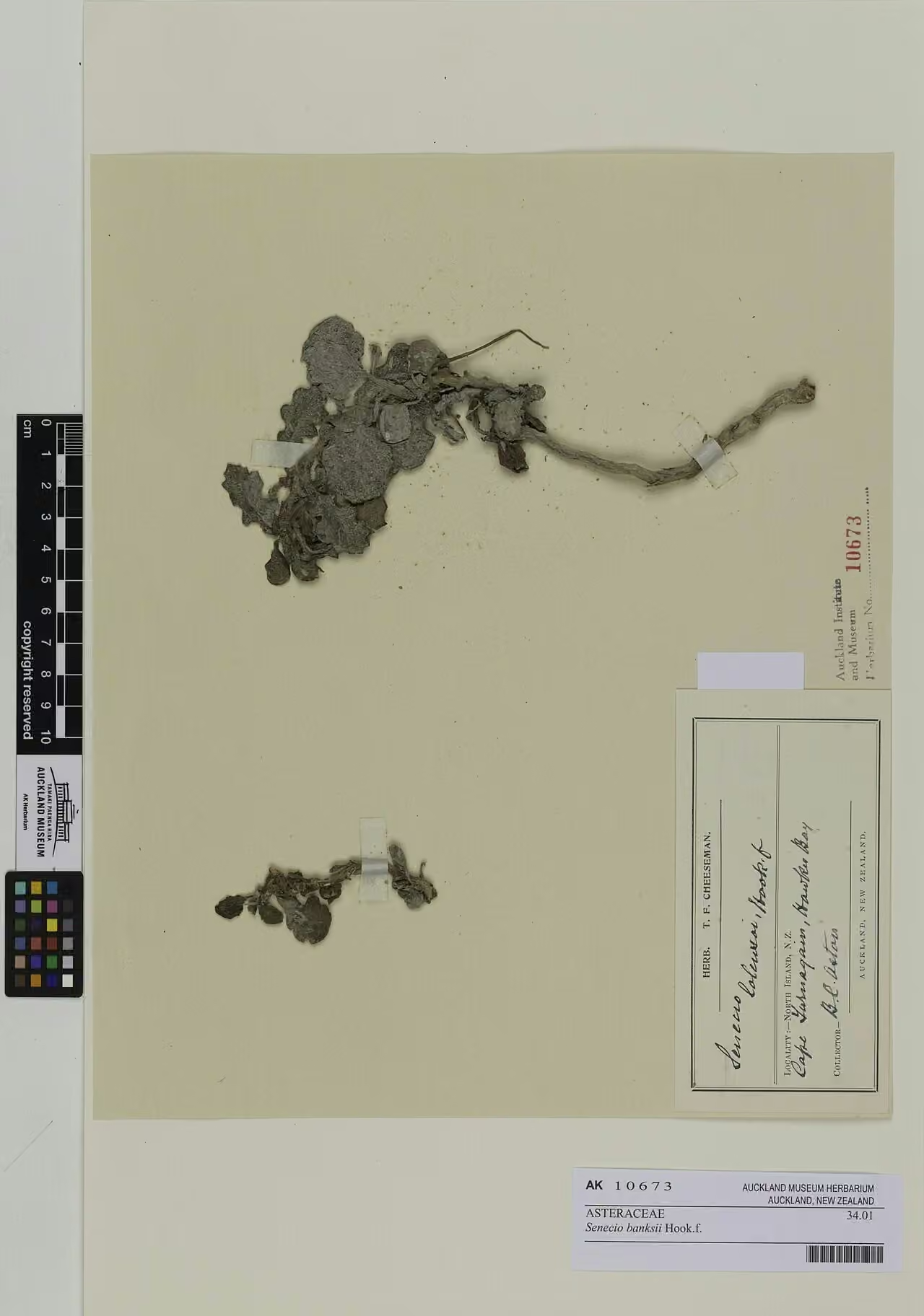
Plant Conservation
Senecio rufiglandulosus is ranked Not Threatened nationally (2023). Regionally it is ranked Regionally Threatened - Regionally Critical in Auckland, with qualifiers including sparse and range restricted, and Regionally At Risk - Regionally Naturally Uncommon in Wellington.
Weed invasion of forest margins and stream sides, and roadside maintenance, can affect local populations. Protecting stream margins and forest edges, and growing local stock for restoration in the Waitakere Ranges, help secure it at the northern edge of its range.
Frequently Asked Questions
Where does Senecio rufiglandulosus grow?
It is endemic to the North and South Islands, from the Waitakere Ranges south to about Hokitika and Canterbury, on stream sides, forest margins, shrubland, banks, cliffs and roadsides.
What does rufiglandulosus mean?
The epithet combines Latin words for reddish and glandular, referring to the glands on the plant; the leaves are described as glabrous to sparsely hairy and glandular.
Is Senecio rufiglandulosus rare?
Nationally it is Not Threatened, but it is ranked Regionally Critical in Auckland, where it is known from the Waitakere Ranges, and Regionally Naturally Uncommon in Wellington.
How do you propagate Senecio rufiglandulosus?
NZPCN says it is easy from fresh seed, stem cuttings and rooted pieces, and does best in a damp, semi-shaded or sunny spot.
Sources and Further Reading
The botanical, growing, and conservation details for Groundsel (Senecio rufiglandulosus) on this page draw on the New Zealand plant references below. Consult them for full technical records and the latest distribution data.