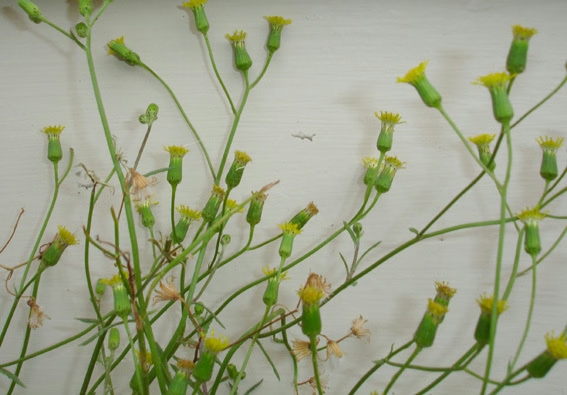
Groundsel
Senecio marotiri
Last updated:
Senecio marotiri is a slender, erect annual or short-lived perennial daisy, usually 20 to 50 cm tall, found on offshore islands of northern New Zealand from the Bay of Islands to the eastern Coromandel, with an outlying population on South East Island in the Chathams. It has narrow, toothed leaves that are woolly when young and small heads with short yellow rays. A strictly coastal opportunist, it appears in seabird colonies, boulderfields, cliff ledges and clearings. It is ranked At Risk - Naturally Uncommon because its populations are sporadic and come and go. Explore more native flowering plants in our native plant guide.
Plant Description
Senecio marotiri is an erect annual or short-lived perennial herb about 10 to 50 cm tall, usually branching only near the top to form the flowering head. The leaves are covered in woolly hairs when young but become sparsely hairy or almost hairless with age. The lowest leaves are elliptic, tapering to the base without a stalk, and serrate with 3 to 7 teeth on each side. The mid-stem leaves are oblanceolate to linear-oblong, remotely toothed, and about 50 to 120 mm long by 4 to 15 mm wide.
The flower heads are narrow and cylindrical, with 8 to 11 yellow ray florets whose ligules are only 1 to 2 mm long, around a yellow disc about 4 to 5 mm across. Its chromosome number is 2n = 80.
It resembles Senecio australis but differs in its basal leaves, its hairless flower heads without cobwebby hairs, its cylindrical rather than vase-shaped heads and its longer involucral bracts. Compared with the shore groundsel Senecio lautus it is taller and more narrowly upright, with narrower leaves, shorter rays and larger seeds.
Quick Facts
| Scientific Name | Senecio marotiri |
|---|---|
| Height | 0.1-0.5 m |
| Spread | Narrow, single-stemmed plants |
| Water Needs | Low to moderate |
| Light | Full sun |
| Frost Tolerance | Low; cold sensitive |
| Salt Tolerance | High; strictly coastal |
| Growth Rate | Fast |
| Lifespan | Annual to short-lived perennial |
Climate Best Suited to
Suits the mild, frost-free maritime climate of northern offshore islands. It is cold sensitive and does poorly where frosts are regular.
Regional Suitability
| City | Climate Suitability |
|---|---|
| Auckland | High |
| Wellington | Medium |
| Christchurch | Low |
| Dunedin | Low |
Plant Habitat
Senecio marotiri is endemic to New Zealand. In the north it occurs on several islands in the Bay of Islands, the Poor Knights, the Hen and Chickens (Marotere), the Mokohinau Islands, Great Barrier Island and several eastern Coromandel islands. In 2006 a few plants were found among the Chatham endemic Senecio radiolatus on South East Island, a striking disjunction. It is also naturalised at Mt Albert in Auckland.
It is strictly coastal and opportunistic, appearing in seabird colonies, boulderfields, coastal turf, cliff ledges, petrel scrub, pasture and, on smaller islands, in clearings within tall forest.
Growing Requirements
Soil Requirements
It grows in thin, often seabird-enriched soils on rock, boulders and disturbed coastal ground.
- Free-draining, open soil
- Tolerates nutrient-rich seabird soils
- Bare or disturbed ground for seedlings
Light Requirements
It favours open sites and NZPCN recommends full sun.
- Full sun
- Open sites free of tall competition
Water Requirements
Island cliffs and boulderfields dry quickly in summer, and the plant completes much of its growth in the moister months.
- Occasional watering in dry spells in pots
- Avoid soggy soil
Planting and Establishing
NZPCN suggests treating it as an annual in cultivation. Sow or plant in spring in a sunny, free-draining spot near the coast or in a container.
Because it is short-lived and seeds itself, allow some plants to set seed each year if you want to keep it going.
Ecological Role
Senecio marotiri is a gap specialist that exploits ground disturbed by burrowing seabirds, rockfall or clearing. Its plumed seeds are wind dispersed, allowing it to reach new open patches on islands.
Its yellow heads are visited by small insects; species-specific pollinator records were not found. Its populations rise and fall with the availability of disturbed ground, which is why it is listed with an episodic fluctuations qualifier.
Uses & Significance
Garden Uses
It is of interest mainly to collectors of threatened and island plants.
- Coastal or island-themed collections
- Container growing as an annual
- Conservation and education plantings
Ecological Value
It forms part of the specialised flora of northern seabird islands.
- Colonist of seabird-disturbed ground
- Food for small pollinating insects
- Biogeographically notable Chatham disjunction
Landscaping Uses
Its slender, upright form and small yellow flowers make it a modest plant best used among rocks in a coastal garden where it can self-sow.
For island restoration, use only seed from the same island group so that local populations are not mixed.
Seasonal Care Calendar
Spring
Flowering begins in October.
- Sow seed or plant out
- Keep weeds away from seedlings
Summer
Flowering continues to February and seed ripens through summer.
- Collect seed
- Water potted plants in drought
Autumn
Fruiting finishes by about April and many plants die.
- Leave some seed to self-sow
Winter
Few plants survive winter in exposed or cold sites.
- Protect any overwintering plants from frost
When to Prune and How Much
Pruning is not needed for this short-lived herb. Remove plants once they have finished seeding.
If you want a second flush of flowers, trimming spent heads before seed forms may help, but this reduces self-sowing.
How to Grow Groundsel
NZPCN describes Senecio marotiri as easily grown from fresh seed, best treated as an annual, preferring full sun and being cold sensitive. Seed is therefore the only practical way to propagate it, and it needs to be sown again each year or allowed to self-sow. Because the species is At Risk and many of its sites are protected island nature reserves, do not collect wild seed without permission from the Department of Conservation and the relevant iwi, and keep plants from different island groups apart to avoid mixing local populations. Keep it away from other cultivated Senecio, which may hybridise.
From Seed
Fruiting runs from October to April. Collect the seed heads as soon as they fluff up, since the plumed seeds blow away quickly.
Raising a fresh batch every season is the surest way to keep it, because individual plants rarely live beyond a year or two and do not tolerate frost.
- Collect ripe seed heads
- Sow fresh on a gritty seed mix
- Cover very lightly
- Keep warm, moist and in full light
- Transplant seedlings to individual pots or the garden
- Allow a few plants to self-seed each year
Self-Sowing
In a suitable sunny coastal garden it may maintain itself by self-sowing into open gravel or bare soil.
- Leave some heads to ripen
- Keep bare open patches near parent plants
- Thin seedlings if crowded
- Pull out any weeds that invade the open patches
Pests & Diseases
No specific pests are recorded. In gardens, aphids and slugs may attack seedlings and soft growth.
In the wild, competition from weeds in clearings and changes in seabird activity probably matter more than insect pests, though no specific threat is listed by NZPCN.
Cultural Significance
No Māori name or traditional use for this plant was found. Its scientific name honours Marotiri (Marotere), the Māori name for the Hen and Chickens Islands.
It was described by Colin Webb in 1988. Its 2006 discovery in the Chathams by a team led by Peter de Lange added to a growing list of plants shared between northern New Zealand and the Chatham Islands.
Bonus Tip
Treat this as a self-sowing annual for a sunny coastal rockery: leave a few seed heads to ripen each summer and keep small patches of bare gravel open nearby so the seedlings have somewhere to germinate.
Related Plants
Explore other native plants that share similar characteristics or habitats with Groundsel (Senecio marotiri), offering further insights into New Zealand's diverse flora. These related species provide context and opportunities for complementary planting in your garden.
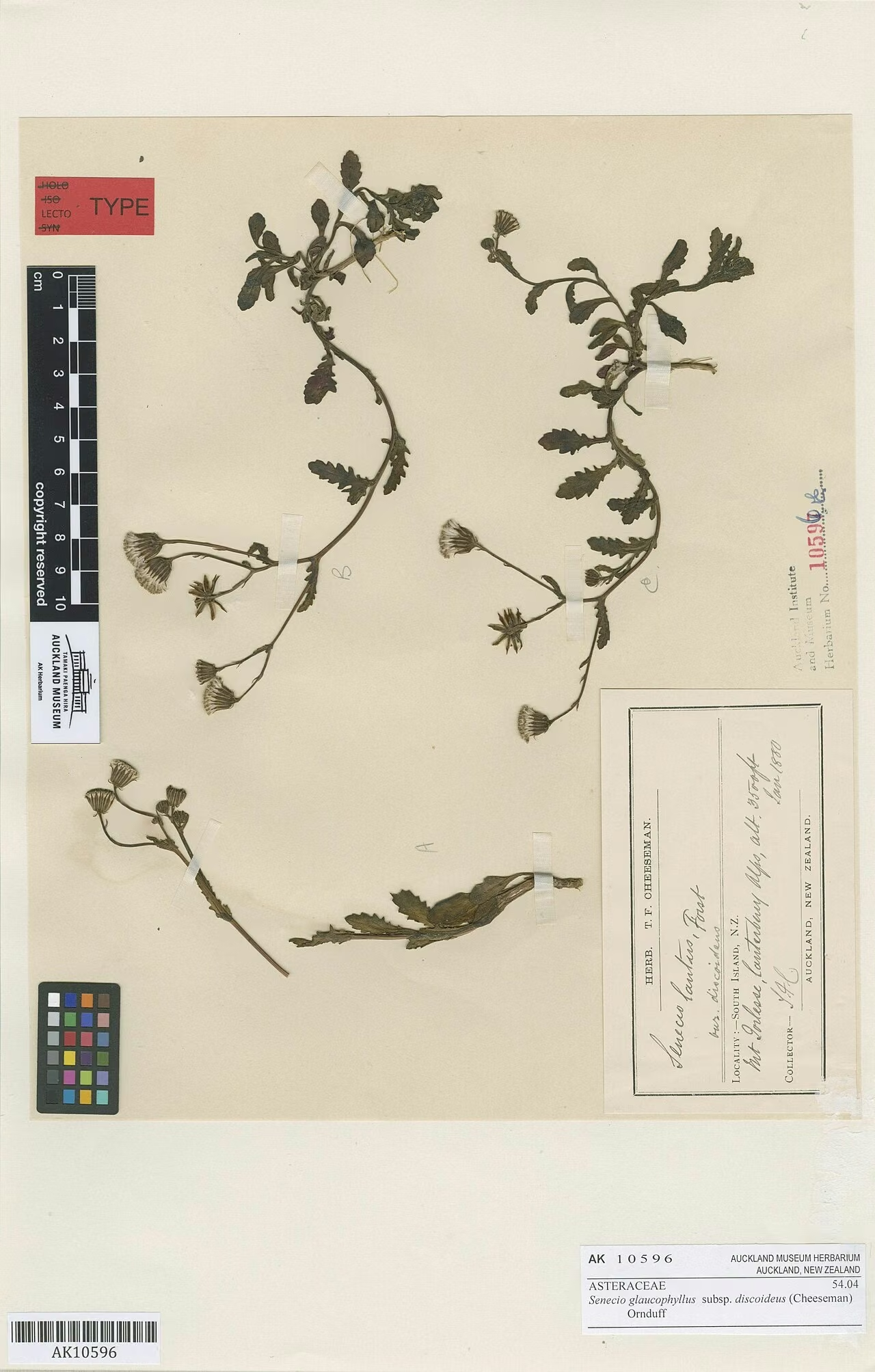
Senecio matatini subsp. discoideus
Senecio matatini subsp. discoideus
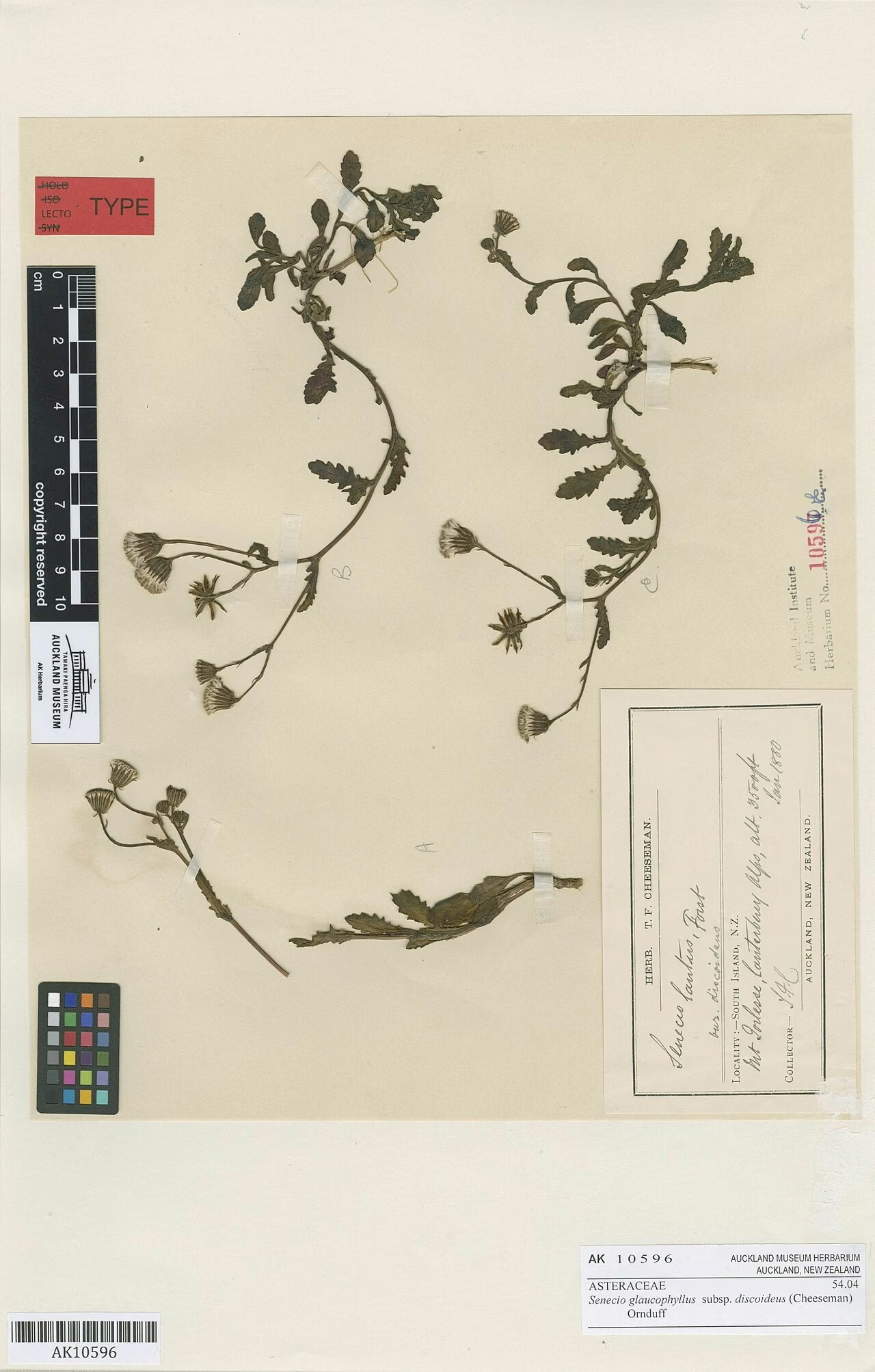
Senecio glaucophyllus
Senecio glaucophyllus
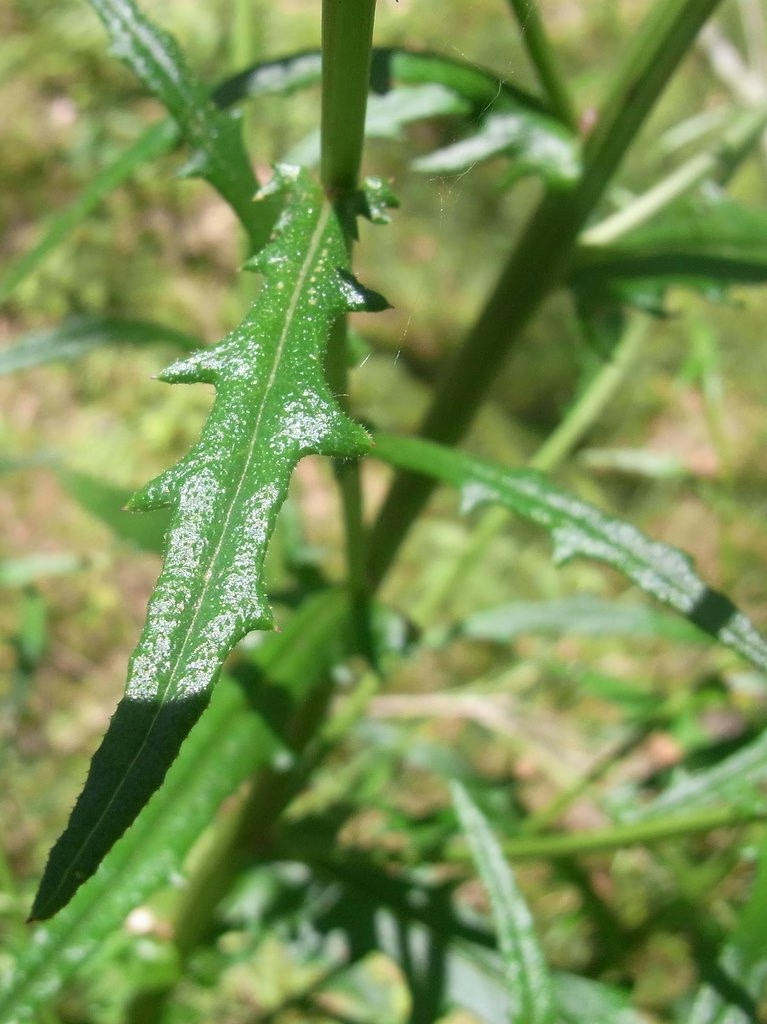
Senecio hispidulus
Senecio hispidulus
Kermadec Fireweed
Senecio kermadecensis
Senecio repangae
Senecio repangae
Senecio rufiglandulosus
Senecio rufiglandulosus
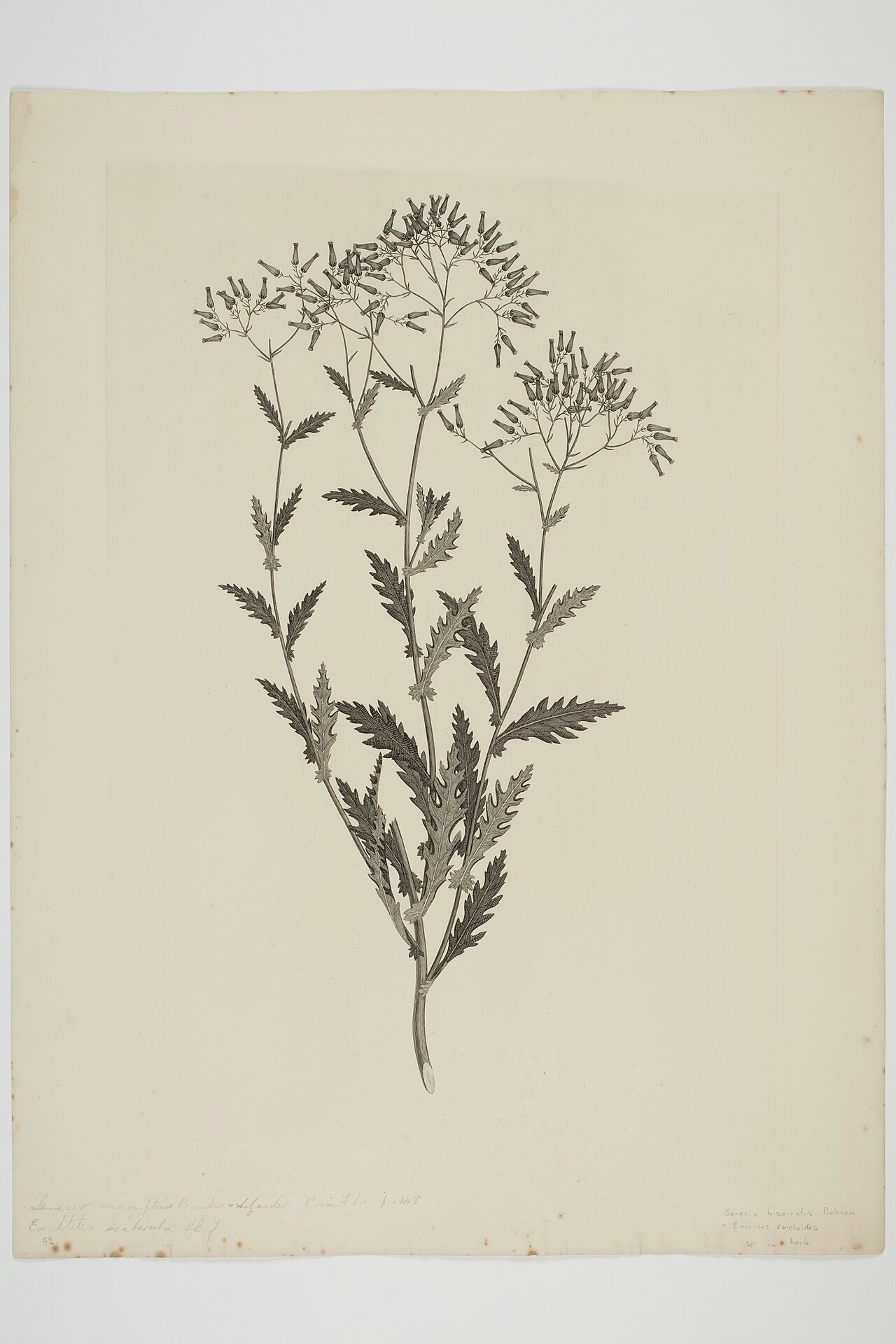
Senecio scaberulus
Senecio scaberulus
Senecio banksii
Senecio banksii
Plant Conservation
Senecio marotiri is ranked At Risk - Naturally Uncommon (2023) with qualifiers for episodic fluctuations and sparse occurrence. Regionally it is Regionally Critical in Northland and Regionally Naturally Uncommon in Auckland.
Most populations are on protected islands. Maintaining predator-free seabird islands, which keeps the burrow-disturbed ground it needs, and monitoring the small Chatham population are the main conservation needs.
Frequently Asked Questions
Where is Senecio marotiri found?
It grows on islands in the Bay of Islands, the Poor Knights, Hen and Chickens, Mokohinau, Great Barrier and eastern Coromandel islands, and on South East Island in the Chathams.
How is Senecio marotiri different from Senecio lautus?
Colin Webb separated it by its taller, narrowly erect habit, narrower leaves, longer narrower flower heads, shorter rays, larger seeds and a chromosome number of 2n = 80 rather than 2n = 40.
What does the name marotiri mean?
It refers to Marotiri or Marotere, the Māori name for the Hen and Chickens Islands, one of the island groups where the species grows.
Is Senecio marotiri rare?
It is ranked At Risk - Naturally Uncommon because it is naturally sparse and its numbers fluctuate, although NZPCN does not list a specific threat.
Sources and Further Reading
The botanical, growing, and conservation details for Groundsel (Senecio marotiri) on this page draw on the New Zealand plant references below. Consult them for full technical records and the latest distribution data.