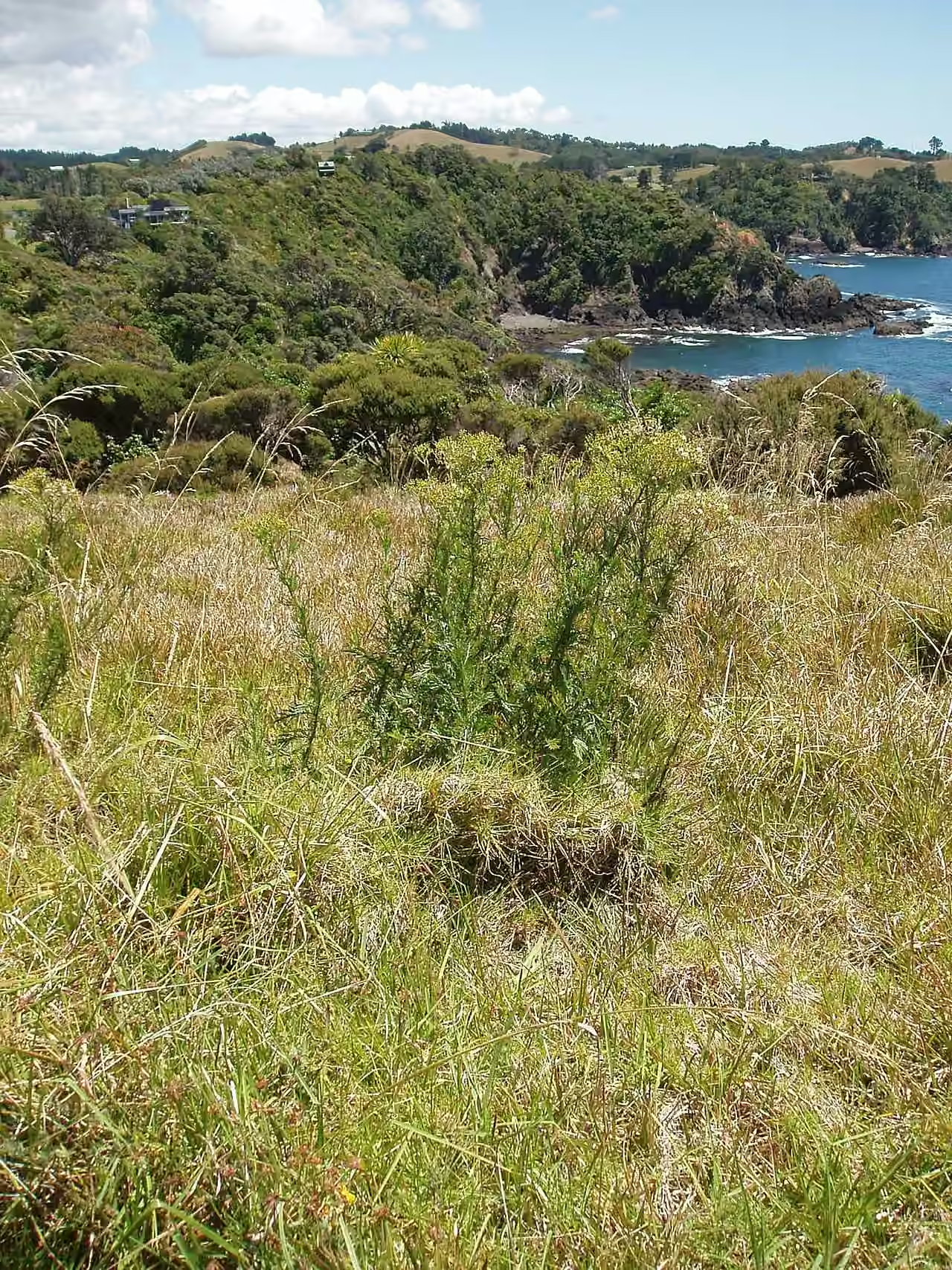
Esler's Fireweed
Senecio esleri
Last updated:
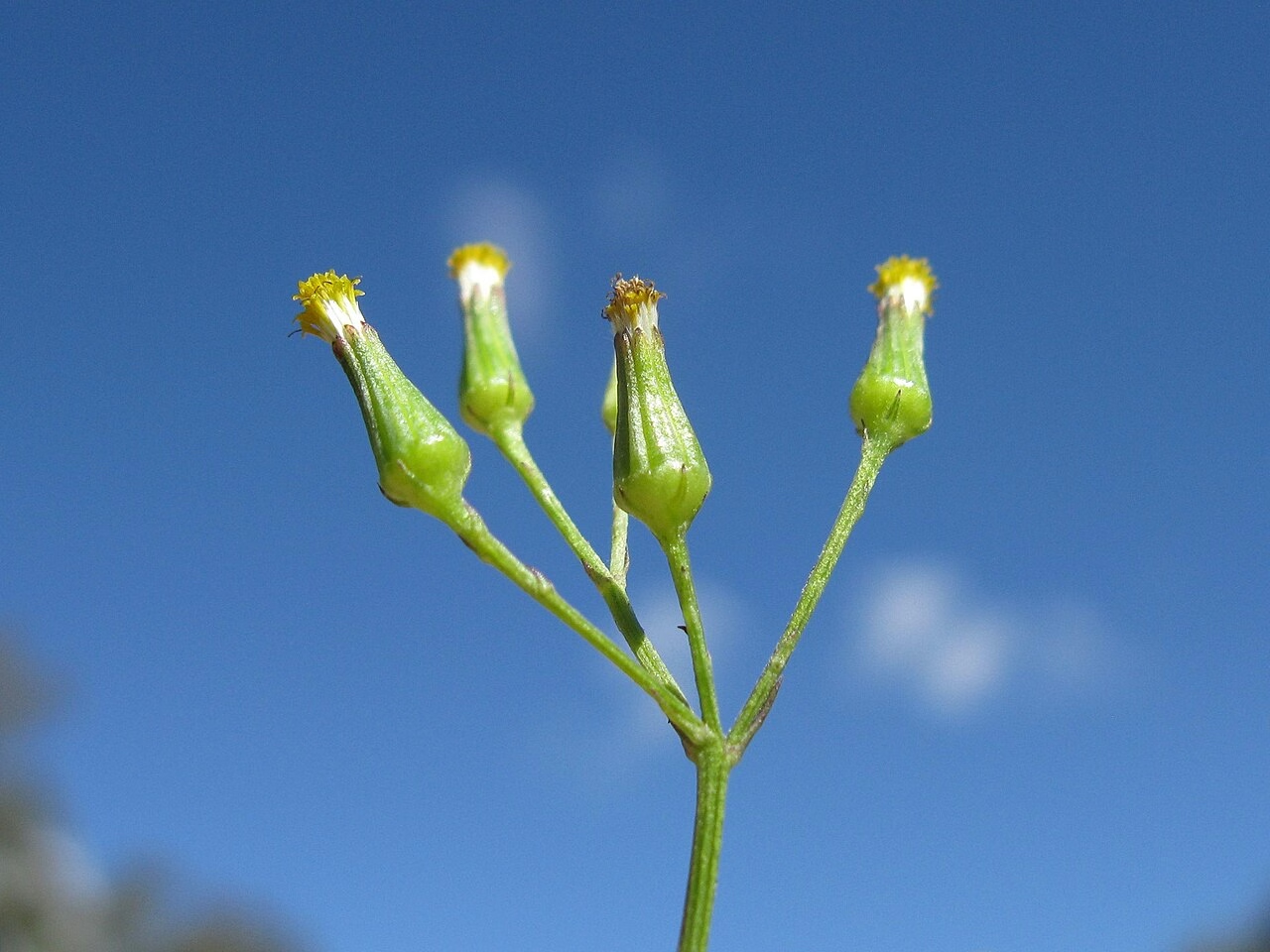
Esler's fireweed (Senecio esleri) is a tall, fast-growing herb, usually annual, that can reach about 2 m. It has striated, often purple-tinged stems with bristly hairs, deeply lobed leaves 8-20 cm long and loose panicles of tiny yellow flower heads only 1-2 mm across. First recorded in New Zealand at Whangaruru Harbour in Northland in 1972, it has spread south to the Rotorua and Taupō areas, growing on roadsides, street margins, rock walls, gardens, waste places and sand dunes. It is treated as indigenous and Not Threatened, and also occurs in New South Wales and Tasmania. Explore more native flowering plants in our native plant guide.
Plant Description
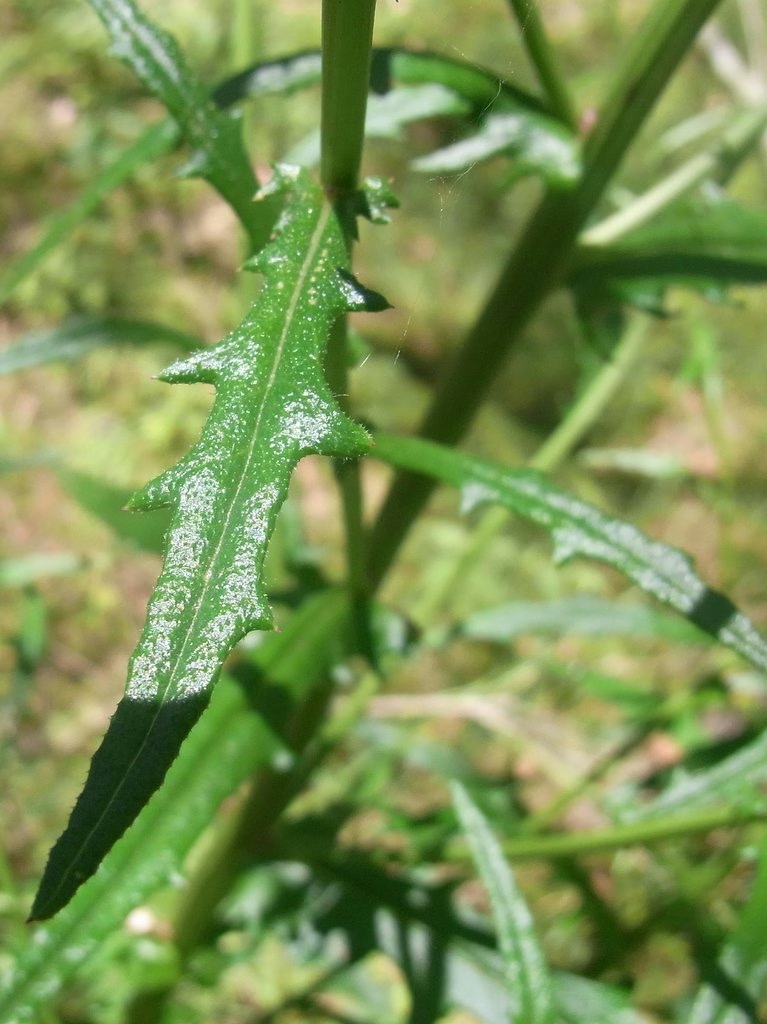
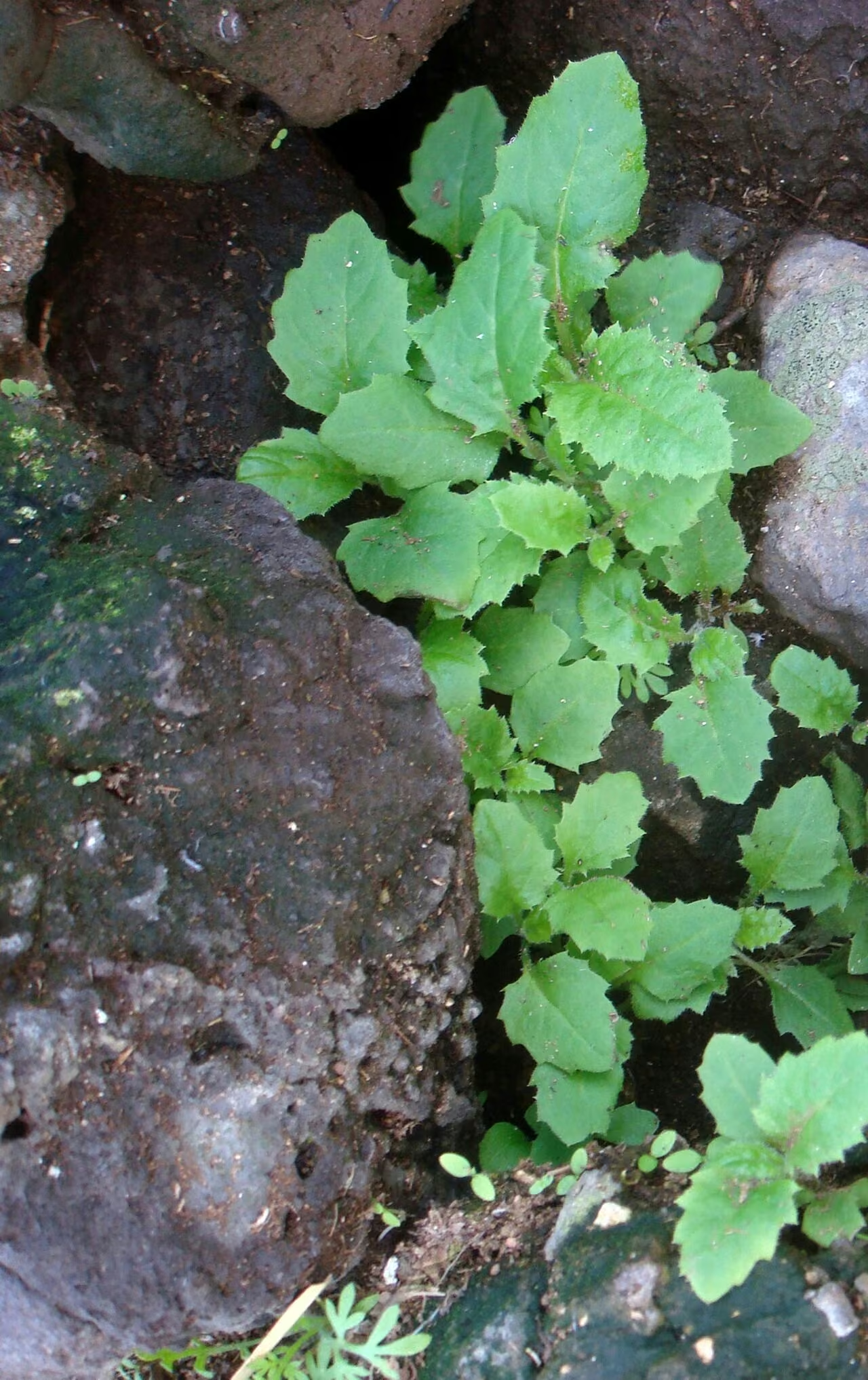
Senecio esleri is an erect herb, usually annual and rarely a short-lived perennial, growing to about 2 m. The stems are striated, often tinged purple, with sparse to dense bristly hairs, especially in the upper parts. The leaves are 80-200 mm long and 15-80 mm wide, deeply lobed to dissected about halfway to the midrib.
The flower heads are small, with a yellow disc only about 1-2 mm across, and are arranged in loose panicles. NZPCN gives flowering from September to April and fruiting from October to August. The seeds (achenes) are narrowly cylindrical, 2-2.3 mm long, with hairs visible between the ribs, and carry a pappus for wind dispersal.
It differs from Senecio bipinnatisectus in its bristly stems, less divided lower leaves, greater number of involucral bracts and hairier achenes. Senecio hispidulus var. dissectus has less dissected upper leaves and densely hairy leaf surfaces.
Quick Facts
| Scientific Name | Senecio esleri |
|---|---|
| Height | Up to about 2 m |
| Spread | 0.3-0.8 m |
| Water Needs | Moderate |
| Light | Full sun |
| Frost Tolerance | Low to moderate; mainly northern North Island |
| Salt Tolerance | Moderate; occurs on coastal sand dunes |
| Growth Rate | Very fast |
| Lifespan | Annual, rarely short-lived perennial |
Climate Best Suited to
It thrives in the warm, frost-light climate of Northland, Auckland and the Bay of Plenty, and has spread inland to the Rotorua and Taupō districts.
Regional Suitability
| City | Climate Suitability |
|---|---|
| Auckland | High |
| Wellington | Medium |
| Christchurch | Low |
| Dunedin | Low |
Plant Habitat
In New Zealand Senecio esleri is recorded in the North Island from Te Paki in the far north to Rotorua. It was first collected at Whangaruru Harbour, Northland, in 1972 and has since spread south to Taupō. In Australia it is an uncommon montane species in New South Wales and Tasmania.
It grows in waste places and coastal habitats in Northland and Auckland, especially roadsides, street margins, rock walls, gardens, waste ground and sand dunes. It favours sunny, recently disturbed ground.
Growing Requirements
Soil Requirements
It establishes on almost any disturbed soil, from sand dunes to roadside fill and garden beds.
- Disturbed, open ground
- Sand, loam or rubble
- Fertile garden soils encourage rampant growth
Light Requirements
NZPCN notes it prefers sunny, disturbed sites.
- Full sun
- Does not persist in shade
Water Requirements
It grows quickly with moderate moisture and completes its cycle within a season.
- Moderate moisture
- Tolerates dry roadside and dune sites
Planting and Establishing
Esler's fireweed is not a plant to introduce deliberately. NZPCN calls it an aggressive weedy species, and it readily arrives on its own on disturbed ground.
If it appears in a garden, decide whether to keep a few plants for insects or remove them before seeding to prevent a large crop of seedlings.
Ecological Role
It is a classic pioneer of disturbance, rapidly occupying bare ground, then setting seed and dying. Its spread since 1972 along roads and urban margins shows how effectively its wind-blown seed moves.
Specific pollinators and herbivores have not been documented in the sources consulted. Many fireweeds are food plants for magpie moth caterpillars, and this species may play a similar role.
Uses & Significance
Garden Uses
It has little garden use and is usually treated as a weed.
- Temporary cover on bare ground
- Not recommended for planting
Ecological Value
Its ecological value is mainly as a short-lived coloniser of disturbed ground.
- Quick cover on bare soil
- Seasonal flowers for small insects
- An example of a recently arrived indigenous plant spreading in New Zealand
Landscaping Uses
Senecio esleri is not used in landscaping. Its tall, lanky stems and tiny flower heads have little ornamental appeal.
In managed landscapes, mulching and dense planting of perennial natives reduce the bare ground it needs to establish.
Seasonal Care Calendar
Spring
Seedlings grow rapidly and flowering starts from September.
- Pull unwanted seedlings early
Summer
Peak flowering and seed production.
- Remove plants before seed disperses if unwanted
Autumn
Flowering continues to April and seed keeps ripening.
- Check roadsides and gardens for new plants
Winter
Most plants have died, though seed continues to be shed into August.
- Mulch bare ground to reduce germination
When to Prune and How Much
No pruning is needed. Where it is unwanted, pull or cut plants before the heads turn fluffy.
Removed plants with ripening seed are best bagged rather than composted.
How to Grow Esler's Fireweed
NZPCN notes that Senecio esleri grows quickly and easily from seed and prefers sunny, disturbed sites, and it describes the species as aggressive and weedy. There is little reason to propagate it, as it spreads readily by its wind-dispersed seed. The information below is mainly useful for anyone raising it for study, for example to compare it with similar fireweeds, or for understanding how it establishes so that it can be managed. Grow it only in contained conditions and destroy seed heads afterwards.
From Seed
Seed is available over a long period, with fruiting recorded from October to August. NZPCN notes it grows quickly and rapidly from seed, so no pretreatment is needed; sow it fresh onto a bare surface in sun.
- Collect fluffy heads into a paper bag on a dry day.
- Sow thinly on the surface of a free-draining seed mix.
- Cover very lightly and keep moist in full sun.
- Pot on seedlings once they have true leaves.
- Keep plants contained and remove flower heads before the seed ripens.
- Dispose of all seed heads in rubbish rather than compost.
Controlling Self-Sown Seedlings
Because this fireweed spreads so readily from seed, most gardeners need to manage it rather than propagate it. Seedlings are easiest to pull while small, before the taproot develops and long before the first flower heads open. Covering bare soil with mulch or ground covers removes the open, sunny, disturbed conditions it prefers and greatly reduces new germination.
- Hand-pull seedlings while young.
- Cut down flowering plants before the heads turn fluffy.
- Mulch or plant bare ground to prevent reinvasion.
Pests & Diseases
No pests of note are recorded for this species. Like other Senecio, it may be eaten by caterpillars and aphids.
The main concern with Esler's fireweed is its own weediness rather than pests attacking it.
Cultural Significance
No Māori name or traditional Māori use is recorded for Senecio esleri; it was only recorded in New Zealand from 1972. It was named in 1989 by C.J. Webb as 'a new fireweed' in the New Zealand Journal of Botany. The epithet presumably honours a person named Esler, but the sources consulted do not state who.
The genus name Senecio comes from the Latin senex, 'old man', probably referring to the bearded seeds.
Bonus Tip
If you are unsure whether a tall fireweed in Auckland or Northland is Senecio esleri, run a finger up the stem: its upper stems carry stiff, bristly hairs, a quick field clue that separates it from the smoother Senecio bipinnatisectus.
Related Plants
Explore other native plants that share similar characteristics or habitats with Esler's Fireweed (Senecio esleri), offering further insights into New Zealand's diverse flora. These related species provide context and opportunities for complementary planting in your garden.
Senecio banksii
Senecio banksii
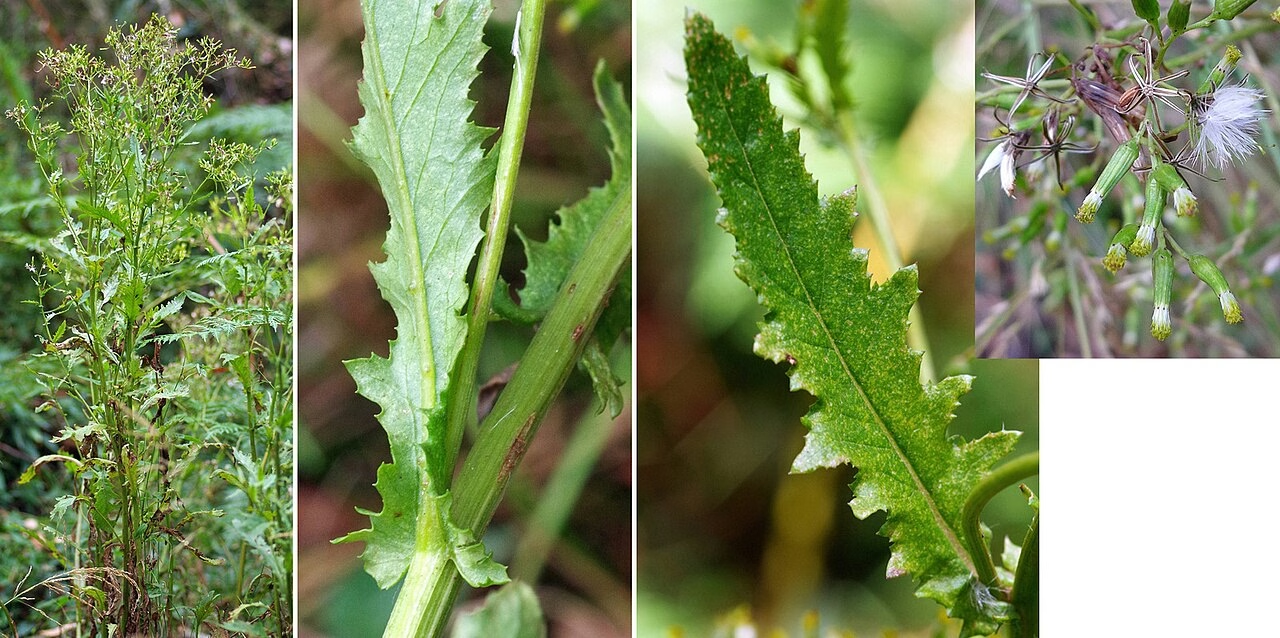
Jagged Fireweed
Senecio biserratus
Senecio carnosulus
Senecio carnosulus
Senecio diaschides
Senecio diaschides
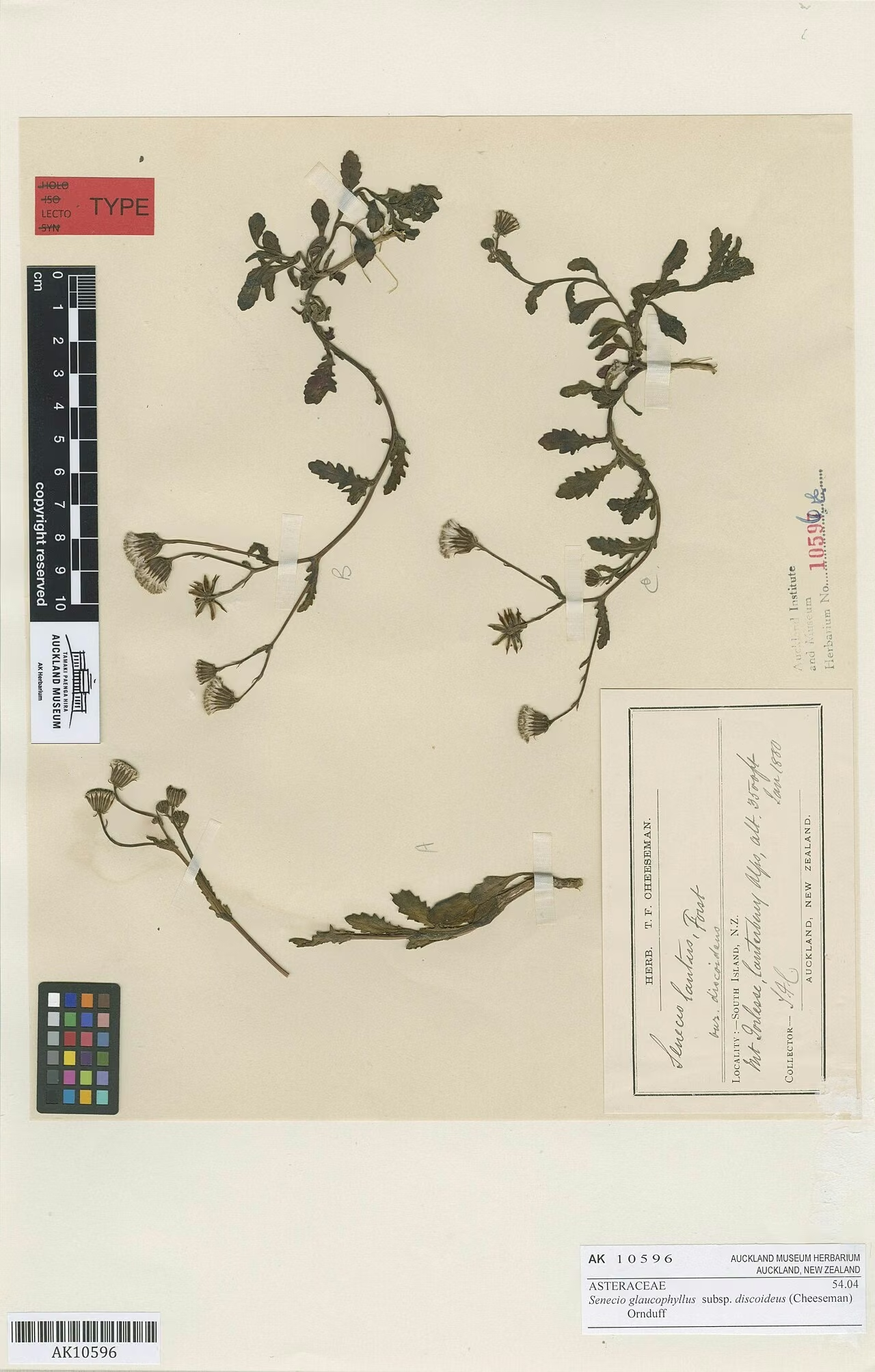
Senecio matatini subsp. discoideus
Senecio matatini subsp. discoideus
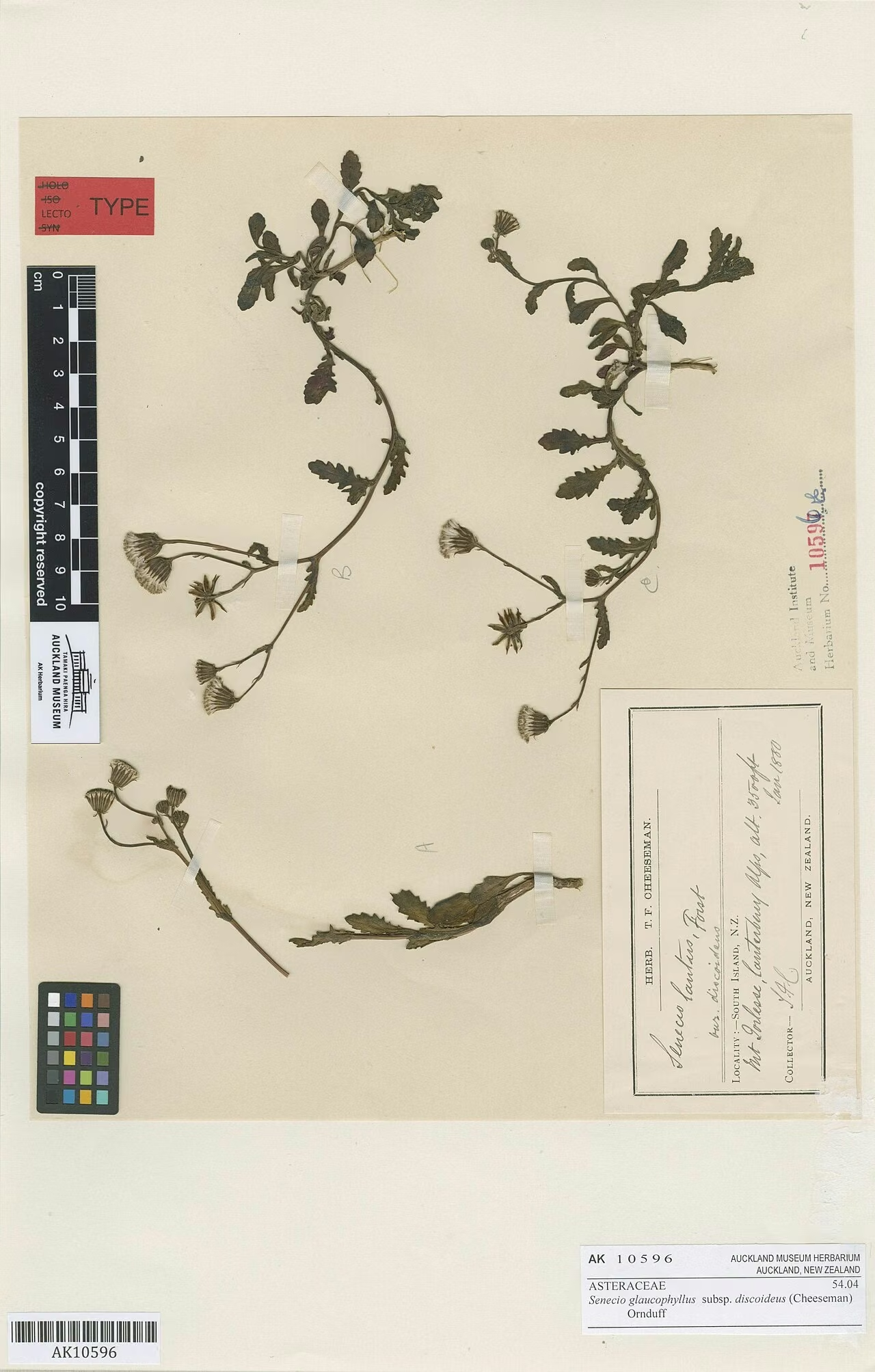
Senecio glaucophyllus
Senecio glaucophyllus
Senecio hispidulus
Senecio hispidulus
Kermadec Fireweed
Senecio kermadecensis
Plant Conservation
Senecio esleri is ranked Not Threatened (2023) with the qualifier TO (threatened overseas), reflecting its uncommon status in Australia, where it is a montane plant of New South Wales and Tasmania.
In New Zealand it is common and spreading, and needs no conservation action. NZPCN records that it has spread steadily south from Northland since it was first found in 1972.
Frequently Asked Questions
When did Senecio esleri first appear in New Zealand?
NZPCN records that it was first found at Whangaruru Harbour, Northland, in 1972. It was described as a new fireweed by C.J. Webb in 1989 and has since spread south to Taupō.
Is Senecio esleri a weed?
NZPCN describes it as an aggressive weedy species that grows quickly from seed and prefers sunny, disturbed sites, yet it is treated as indigenous because it also occurs naturally in Australia.
How do you tell Senecio esleri from Senecio bipinnatisectus?
Senecio esleri has bristly (setose) stems, less divided lower leaves, more involucral bracts and hairier achenes than Senecio bipinnatisectus.
Sources and Further Reading
The botanical, growing, and conservation details for Esler's Fireweed (Senecio esleri) on this page draw on the New Zealand plant references below. Consult them for full technical records and the latest distribution data.