Groundsel
Senecio carnosulus
Last updated:
Senecio carnosulus is a fleshy, yellow-flowered coastal daisy endemic to the southern South Island and Stewart Island/Rakiura. It is an annual or short-lived perennial with prostrate to erect stems that often sprawl sideways, and stout, succulent, deeply lobed leaves. It grows on rock stacks, cliff faces, boulders and cobble beaches, frequently around seabird roosts and nesting sites, from Banks Peninsula and then from the Otago Peninsula south to Rakiura. Formerly treated as a variety of the shore groundsel Senecio lautus, it is ranked At Risk - Declining, with losses noted around the Otago Peninsula. Explore more native flowering plants in our native plant guide.
Plant Description
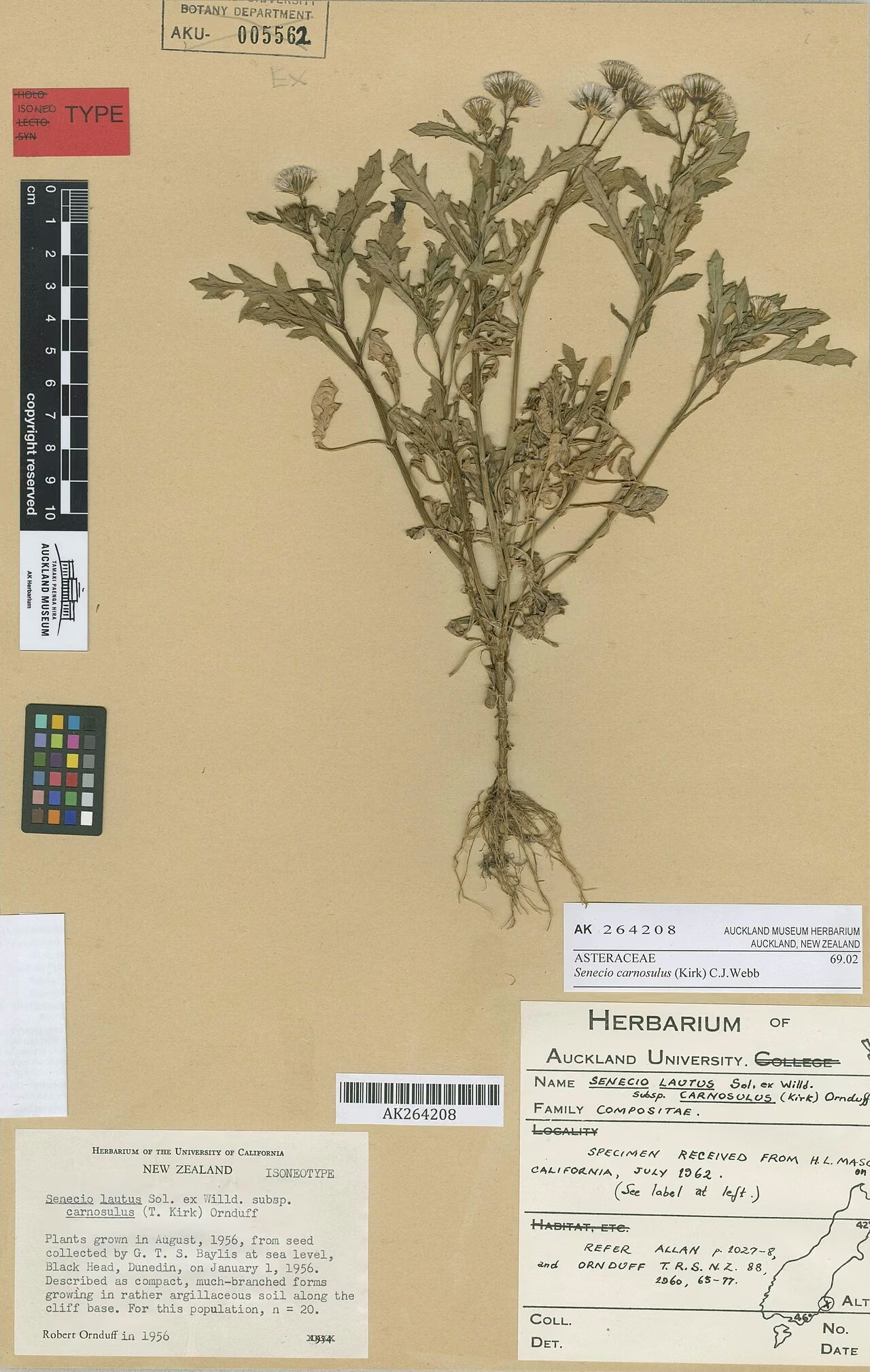
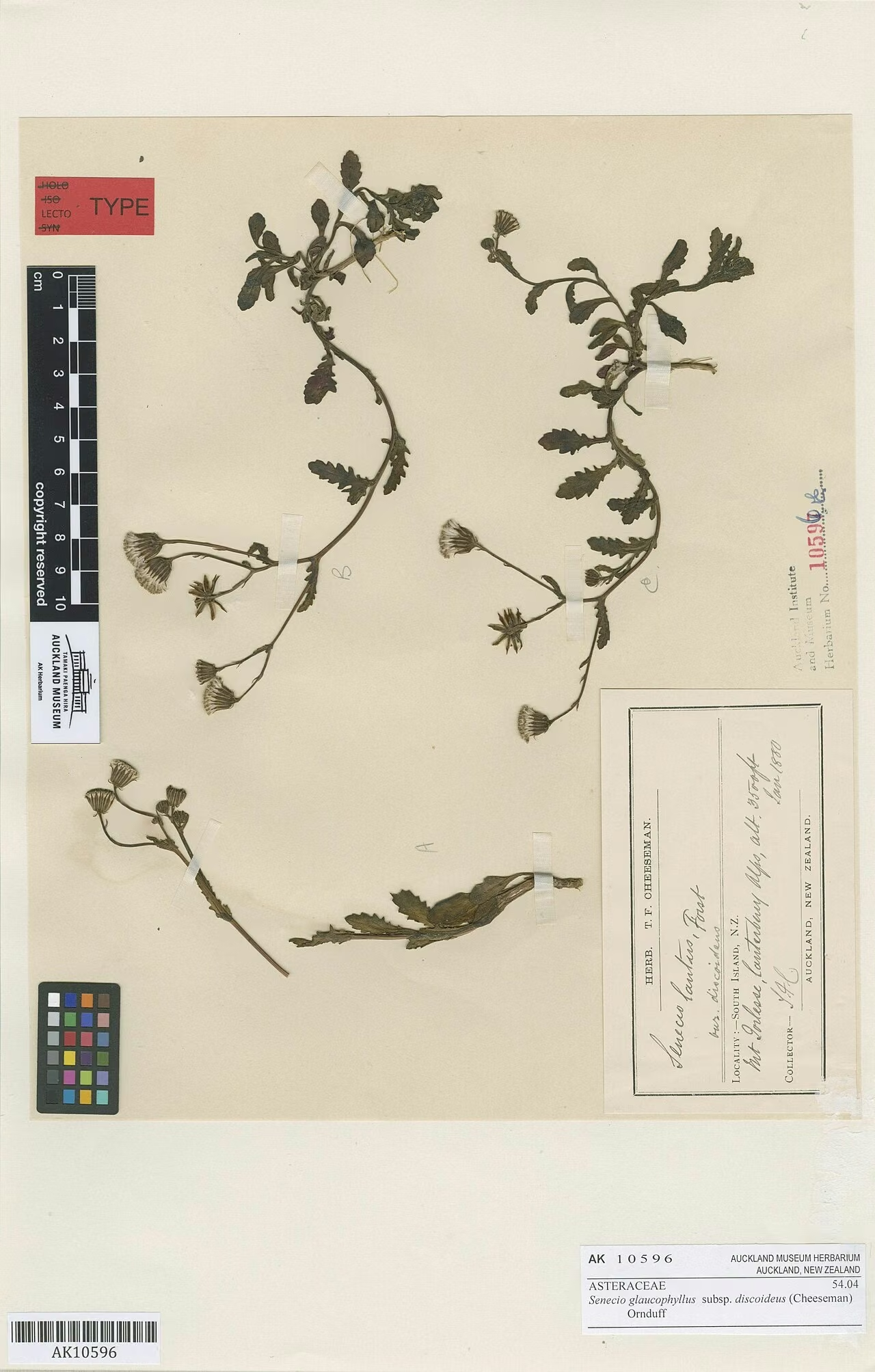
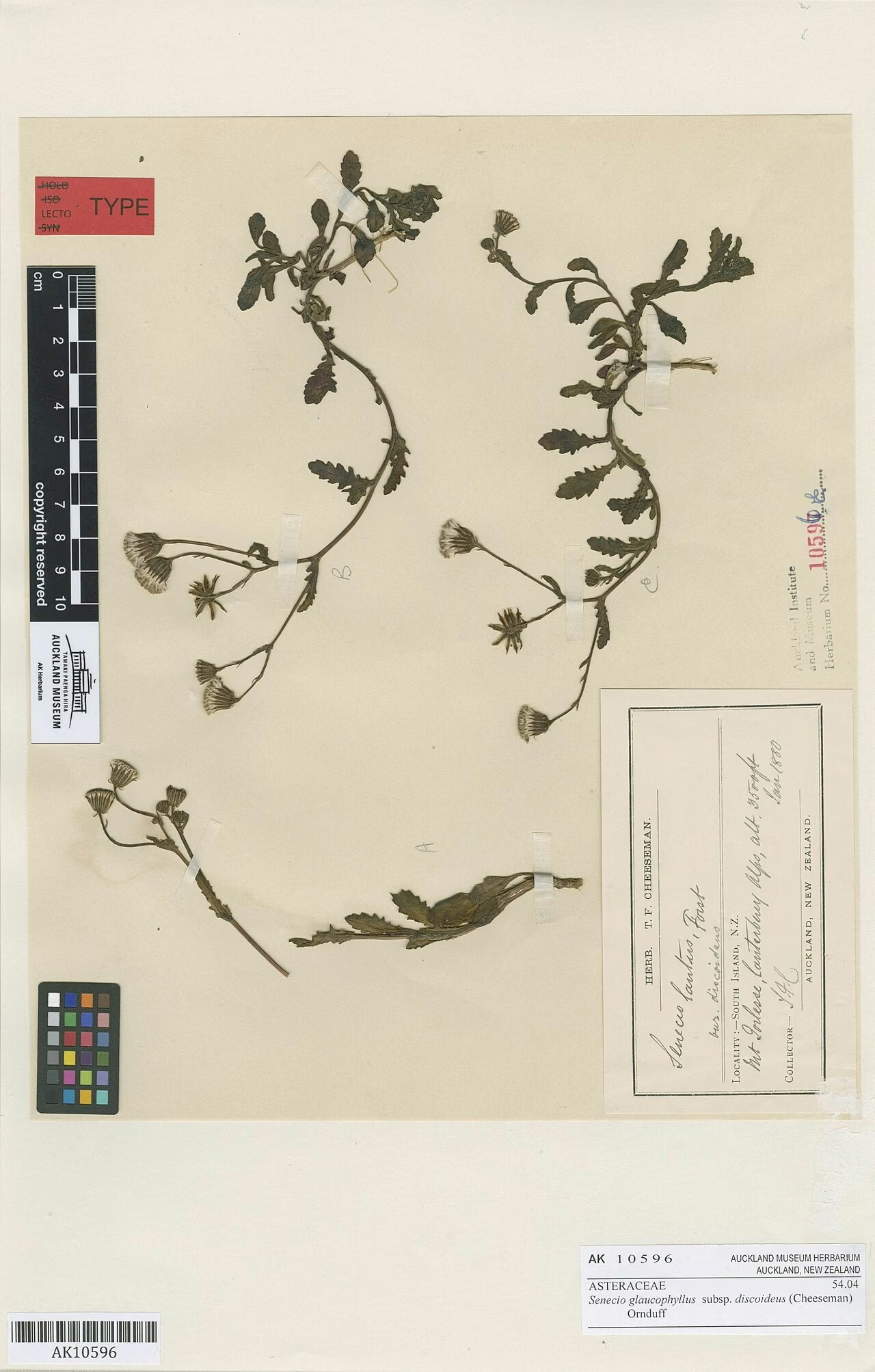
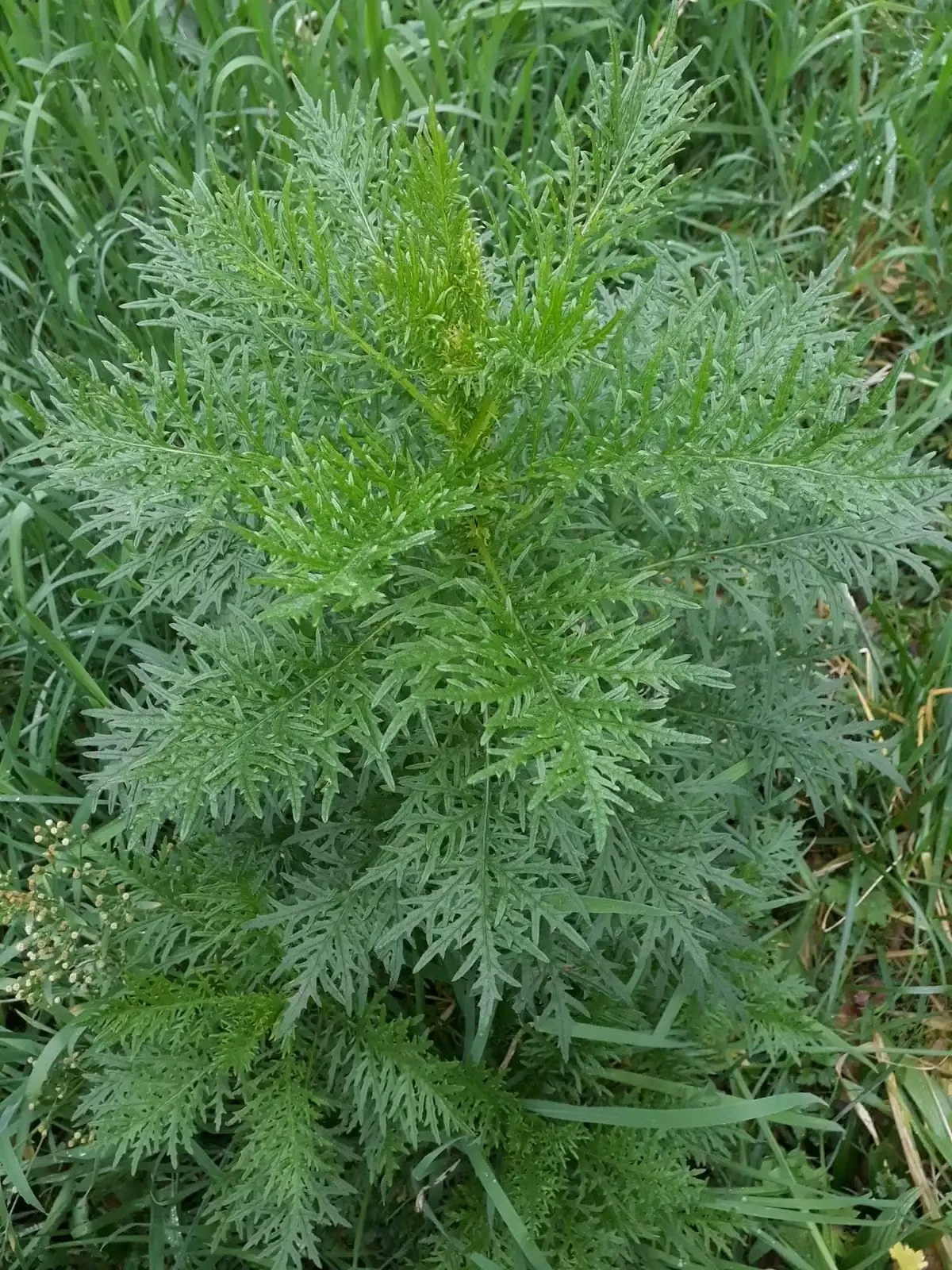
Senecio carnosulus is a somewhat fleshy herb, annual or short-lived perennial. Its stems may be prostrate, semi-erect or erect and often spread laterally for some distance, particularly in well established plants. The leaves are hairless or nearly so, narrow-oblong to elliptic, 20-90 mm long, and usually pinnatifid with 1-3 broad, few-toothed segments on each side.
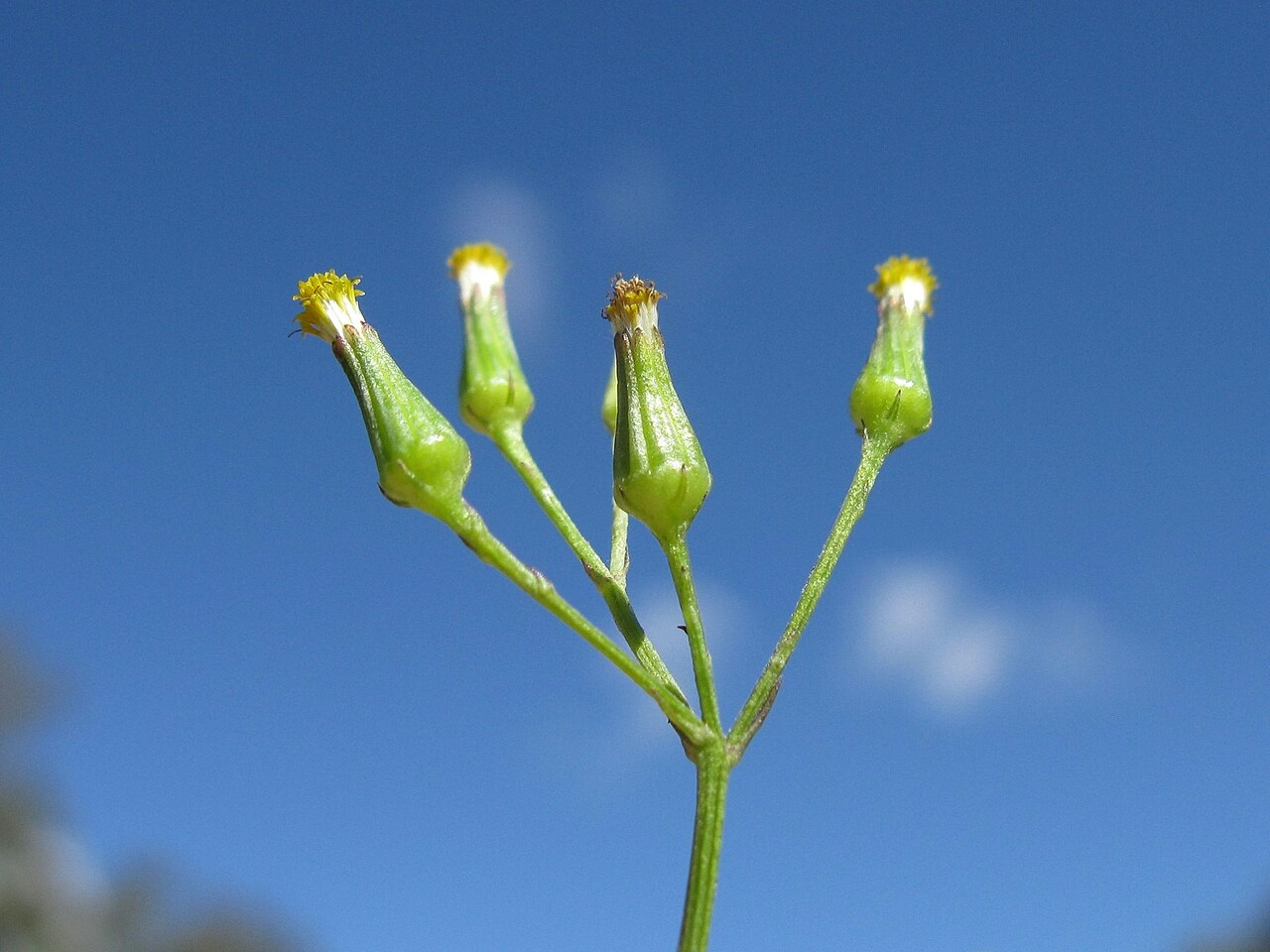
The flower heads are yellow, with up to 11 short ray florets around a disc 4-8 mm across. NZPCN gives flowering as November to February and fruiting from December to March, though NZ Flora records flowers in every month. The seeds (cypselae) are grey-black, densely hairy and 2.8-3.5 mm long.
It is closely related to shore groundsel (Senecio lautus) and to Senecio sterquilinus. It differs from S. lautus in its larger, much stockier habit, stout succulent stems and leaves, broader leaf segments, longer involucral bracts, wider discs and shorter rays, and in having 2n = 80 chromosomes rather than 40.
Quick Facts
| Scientific Name | Senecio carnosulus |
|---|---|
| Height | Prostrate to about 0.4 m |
| Spread | Stems sprawl up to 0.5 m |
| Water Needs | Low to moderate |
| Light | Full sun |
| Frost Tolerance | Moderate; southern coastal climates |
| Salt Tolerance | High; grows on sea cliffs and beaches |
| Growth Rate | Fast |
| Lifespan | Annual or short-lived perennial |
Climate Best Suited to
It is adapted to cool, windy, salt-laden southern coasts with mild winters and regular rain.
Regional Suitability
| City | Climate Suitability |
|---|---|
| Auckland | Low |
| Wellington | Medium |
| Christchurch | Medium |
| Dunedin | High |
Plant Habitat
Senecio carnosulus is endemic to the South Island and Stewart Island/Rakiura. It occurs on Banks Peninsula and then from the Otago Peninsula south and across to Rakiura. Otago's regional assessment lists it as Regionally Vulnerable.
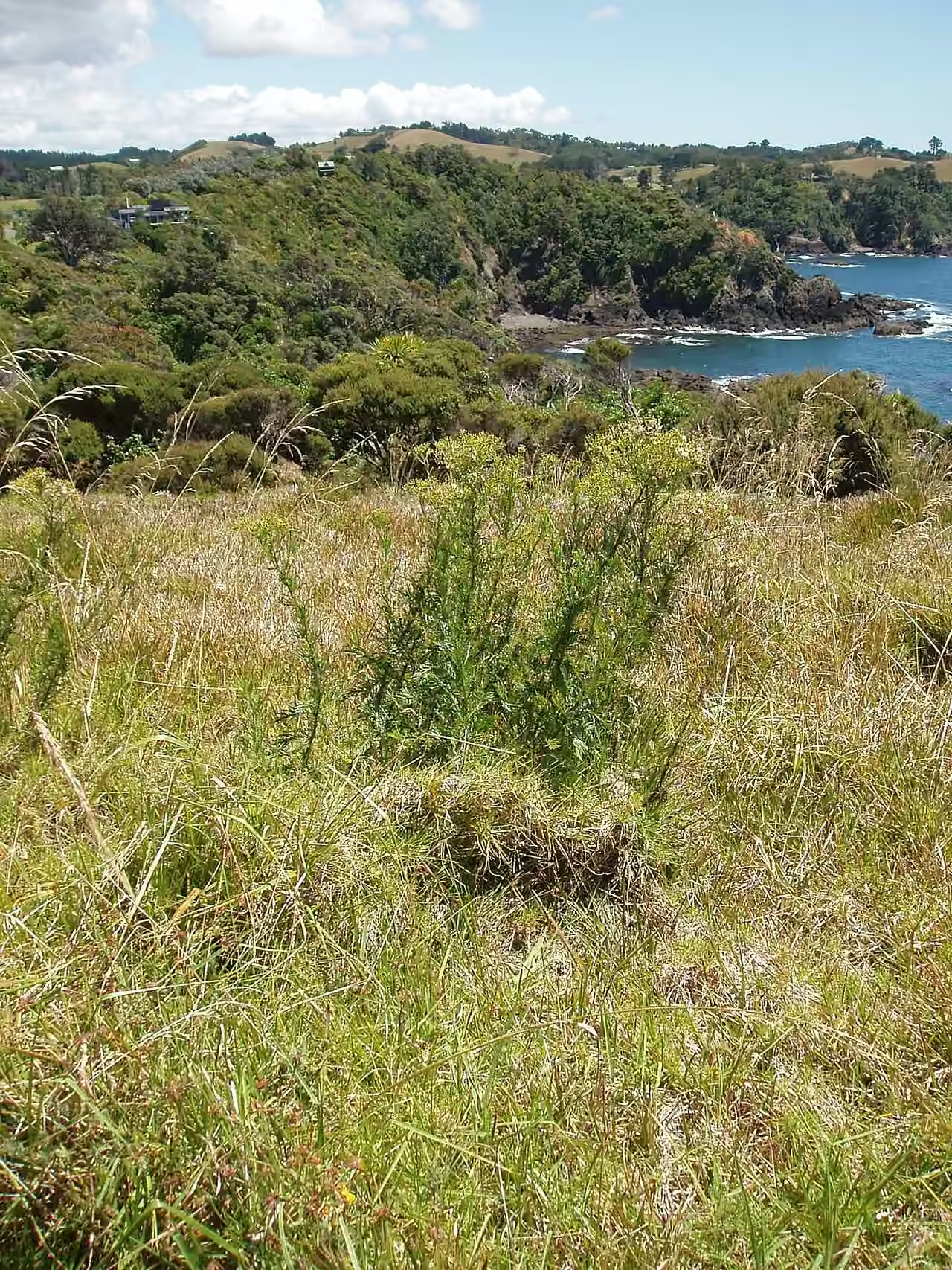
It is strictly coastal, growing on rock stacks, cliff faces, amongst boulders and on cobble or coarse gravel beaches, as well as on consolidated sand or clay banks. It is often found in association with seabird roosts and nesting sites.
Growing Requirements
Soil Requirements
In the wild it roots into rock crevices, gravel and compacted sand or clay, often enriched by seabird guano.
- Free-draining gravel or sandy soil
- Tolerates nutrient-rich ground
- Salt-affected soils are no problem
Light Requirements
A plant of exposed coastal sites, it needs full sun.
- Full sun
- Open sites without overhanging vegetation
Water Requirements
Its succulent stems and leaves store water, helping it through dry spells on rock and gravel.
- Low to moderate watering
- Avoid waterlogging
Planting and Establishing
This is a specialist coastal plant best used in restoration of southern rocky shores and gravel beaches. Sow seed directly or plant small seedlings in pockets among rocks or gravel in autumn or spring.
NZPCN advises treating it as an annual in cultivation and notes it can become invasive, so it is not suited to mixed garden beds.
Ecological Role
Its association with seabird roosts and nesting sites makes it part of a distinctive guano-enriched coastal plant community. Disturbance by birds and storms keeps the ground open for seedlings.
The yellow heads offer nectar and pollen on exposed coasts where few other plants flower, and the hairy seeds are wind dispersed. Specific pollinator and herbivore records were not found in the sources consulted.
Uses & Significance
Garden Uses
Mainly a restoration plant for southern coasts.
- Rocky shore and gravel beach restoration
- Seabird colony habitat projects
- Coastal rock gardens in Otago and Southland
Ecological Value
It is a declining endemic of southern coastal rock and gravel habitats.
- Part of seabird-associated coastal plant communities
- Colonises exposed rock and gravel
- Flowers on exposed coasts
Landscaping Uses
Its fleshy, deeply lobed leaves and bright yellow daisies look striking spilling over rocks or along gravel at the top of a beach.
Combine it with other southern coastal natives such as Leptinella, Anisotome lyallii and coastal tussocks in seaside plantings, accepting that individual plants are short-lived.
Seasonal Care Calendar
Spring
New growth appears and the first flowers open from November.
- Sow seed or plant seedlings
- Protect young plants from wind scour
Summer
Peak flowering, with seed ripening from December.
- Collect ripe seed
- Water seedlings in dry spells
Autumn
Seed disperses through to March; some plants die after fruiting.
- Scatter fresh seed onto gravel
Winter
Surviving plants persist through mild coastal winters, and occasional flowers may still appear.
- Little care needed
When to Prune and How Much
No pruning is needed. Remove plants after they have set seed if you treat them as annuals, as NZPCN suggests.
Cut off spent heads before they ripen if self-seeding is unwanted.
How to Grow Groundsel
NZPCN describes Senecio carnosulus as easy from fresh seed, best treated as an annual and able to become invasive. Seed is therefore the main method of propagation, and plants are maintained by allowing a new generation to seed each year. Collect seed from the population closest to the planting site, as the species is declining and occurs in scattered coastal populations. Do not collect from seabird colonies during the nesting season, and seek permission where sites are on conservation land. Because it closely resembles Senecio lautus, check identification carefully before collecting.
From Seed
Seed ripens from December to March. Collect fluffy heads once the grey-black seeds come away easily, and sow straight away for best results.
- Collect ripe seed heads on a dry day.
- Sow thinly onto a gritty, free-draining seed mix.
- Cover with a fine layer of grit or coarse sand.
- Keep lightly moist in full sun.
- Pot seedlings individually when they have a few true leaves.
- Plant out into rocky or gravelly coastal sites while young.
Sowing Seed Directly into Rocky Sites
On restoration sites, seed can be pressed into crevices, gravel or compacted sand where the plant grows naturally. This avoids transplant losses on exposed coasts and lets seedlings root deeply into rock pockets from the start. Expect only a proportion of seed to establish on such harsh sites, so sow generously in several spots.
- Choose crevices or gravel pockets above the reach of normal high tides.
- Press fresh seed into a little fine gravel or sand in each pocket.
- Revisit the site to record which pockets produce seedlings.
- Leave plants to seed so the population can renew itself each year.
Pests & Diseases
No specific pest problems are recorded. In cultivation, plants may rot in heavy, wet soil, and soft growth can attract aphids.
In the wild, threats to its habitat include weed invasion of coastal margins and disturbance of coastal sites, though NZPCN notes the reasons for its decline are not well understood.
Cultural Significance
No Māori name or traditional Māori use is recorded for Senecio carnosulus in the sources consulted. It was first described by Thomas Kirk as a variety of Senecio lautus and raised to species rank by Colin Webb in 1988.
The epithet carnosulus means somewhat fleshy, describing its succulent stems and leaves.
Bonus Tip
On Otago and Southland coasts, a stout, fleshy-leaved yellow groundsel growing on rock stacks or among boulders near shags or gulls is a good candidate for Senecio carnosulus. Photograph the leaves and flower heads and post them to iNaturalist NZ to help map a species whose decline is poorly understood.
Related Plants
Explore other native plants that share similar characteristics or habitats with Groundsel (Senecio carnosulus), offering further insights into New Zealand's diverse flora. These related species provide context and opportunities for complementary planting in your garden.
Plant Conservation
Senecio carnosulus is ranked At Risk - Declining (2023), with qualifiers Sp (sparse), DPS (data poor: size), DPT (data poor: trend) and EF (extreme fluctuations). It was previously listed as Naturally Uncommon.
It appears to be a naturally sporadic species, sometimes locally common, but it has declined from parts of its range, particularly around the Otago Peninsula. Protecting seabird breeding sites and coastal rock and gravel habitats from weeds and disturbance helps it.
Frequently Asked Questions
How is Senecio carnosulus different from Senecio lautus?
Senecio carnosulus is larger and much stockier, with stout, succulent stems and foliage, broader leaf segments, longer involucral bracts, wider discs and shorter rays. It also has 80 chromosomes, twice the 40 of S. lautus.
Where does Senecio carnosulus grow?
It is found only in the South Island and on Stewart Island/Rakiura: on Banks Peninsula, then from the Otago Peninsula south to Rakiura, on coastal rock, cliffs and gravel beaches.
Why is Senecio carnosulus often found near seabirds?
NZPCN notes it is often associated with seabird roosts and nesting sites. Such sites are open and nutrient-rich, conditions that seem to suit this short-lived coastal plant, though the reasons have not been studied in detail.
Sources and Further Reading
The botanical, growing, and conservation details for Groundsel (Senecio carnosulus) on this page draw on the New Zealand plant references below. Consult them for full technical records and the latest distribution data.