Sebaea
Sebaea ovata
Last updated:
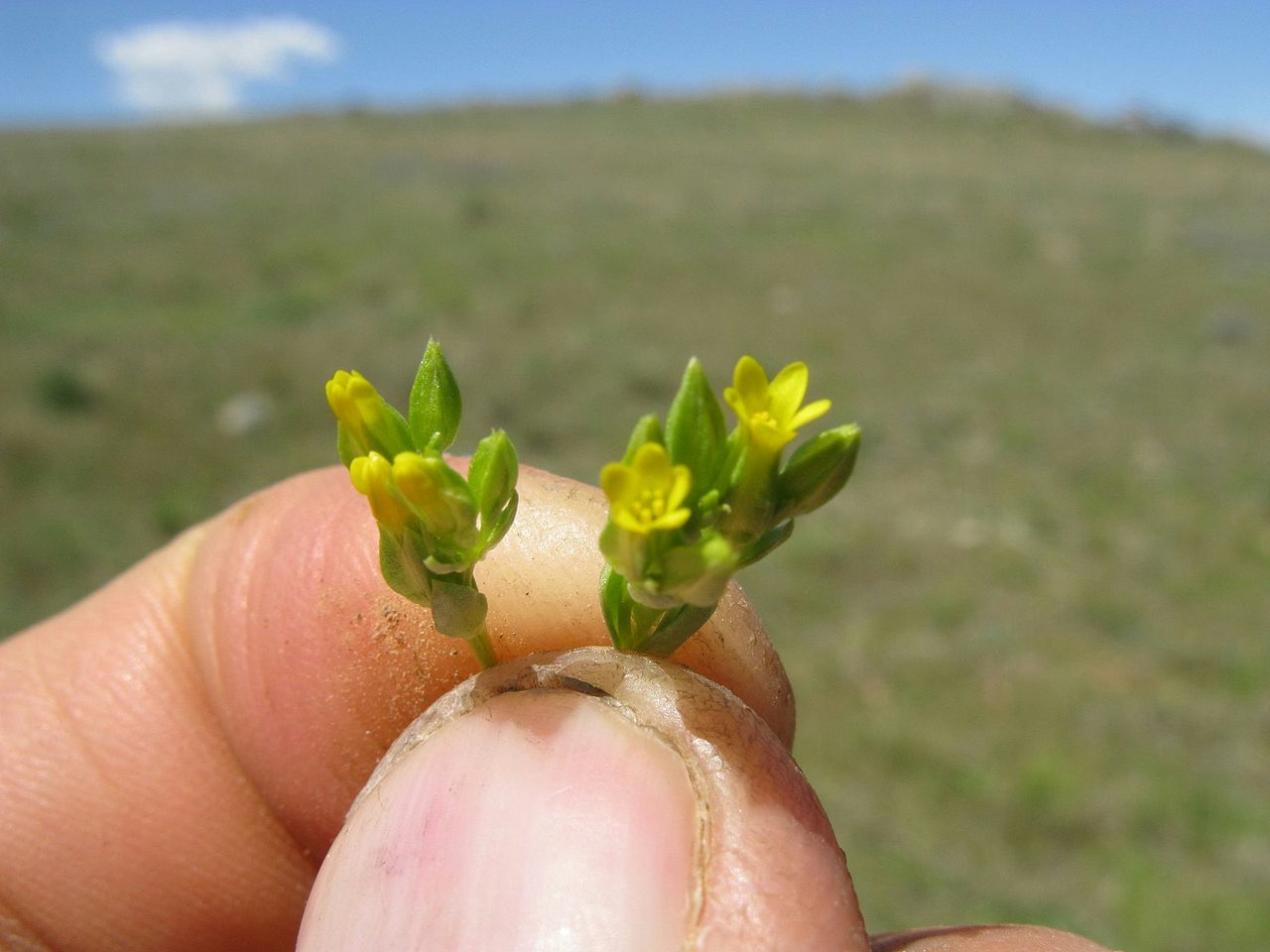
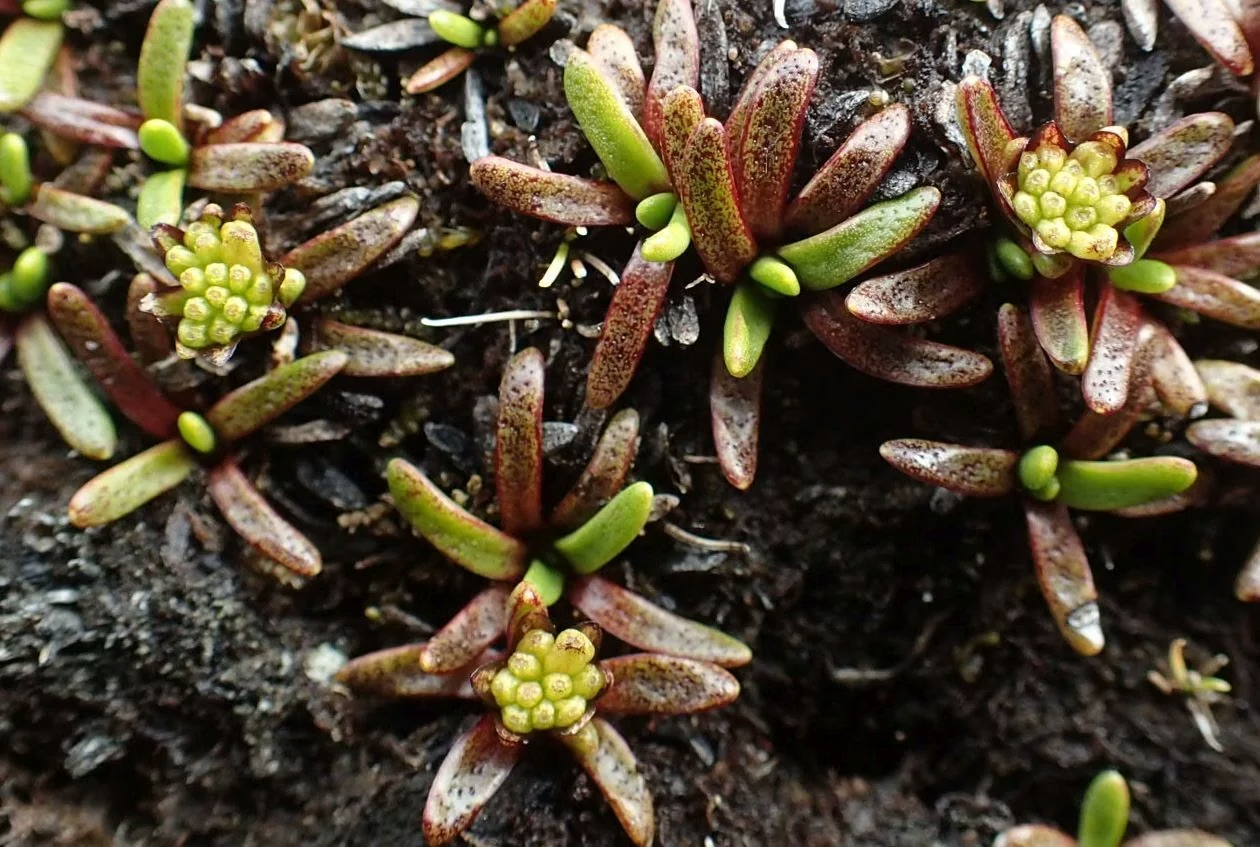
Sebaea (Sebaea ovata) is a small annual herb in the gentian family, 5-30 cm tall, with square stems, fleshy blue-green leaves in opposite pairs and clusters of pale yellow flowers in early summer. It grows in damp, sparsely vegetated dune slacks and sand plains. Once found in both the North and South Islands, it now survives in the wild in New Zealand only in fragmentary populations near Whanganui, plus populations deliberately established on the Pouto Peninsula and at the Ashley/Rakahuri River mouth. It is ranked Threatened - Nationally Critical, though it remains common in Australia. Explore more native flowering plants in our native plant guide.
Plant Description
Sebaea ovata is a hairless annual with simple or sparingly branched, four-angled stems 5-30 cm tall. The leaves are few, opposite, fleshy and pale green to blue-green, 6.5-15 mm long and ovate to almost round. The whole plant is small and easily overlooked among dune turf.
The flowers are clustered at the stem tips and are pale yellow, about 6.5 mm long, with five narrow petals about 3 mm long that are often twisted. Flowering is from November to January and fruiting from December to February. The fruit is an ovoid to ellipsoid capsule about 5 mm long, releasing dust-like seed.
Three introduced weeds share its habitat. The centauries (Centaurium erythraea and C. tenuiflorum) have pink flowers, spirally twisted anthers and a one-chambered ovary. Yellow-wort (Blackstonia perfoliata) has yellow flowers too but is a larger plant with heart-shaped leaf bases joined around the stem.
Quick Facts
| Scientific Name | Sebaea ovata |
|---|---|
| Height | 0.05-0.3 m |
| Spread | A few cm; single slender stems |
| Water Needs | Seasonally moist ground |
| Light | Full sun, sparsely vegetated sites |
| Frost Tolerance | Not applicable; lives as an annual over summer |
| Salt Tolerance | Grows in coastal dune systems; tolerance not documented |
| Growth Rate | Fast; completes its life in one season |
| Lifespan | Annual |
Climate Best Suited to
In New Zealand it grew in mild coastal lowland climates with damp winters and springs, completing its short life cycle over late spring and summer.
Regional Suitability
| City | Climate Suitability |
|---|---|
| Auckland | Medium |
| Wellington | Medium |
| Christchurch | Medium |
| Dunedin | Low |
Plant Habitat
Sebaea ovata once occurred in coastal sites in both the North and South Islands. It is now reduced to fragmentary natural populations near Whanganui, with deliberately established populations on the Pouto Peninsula (Northland) and at the Ashley/Rakahuri River mouth (Canterbury). It is listed as Regionally Extirpated in Northland and Wellington. In Australia it is common across much of the south and east.
Its habitat is damp, sparsely vegetated dune slacks, hollows and associated sand plains, where the ground is wet in winter and spring and dries over summer. It needs open, bare or low turf conditions and disappears when taller plants close over.
Growing Requirements
Soil Requirements
It grows on damp sand in dune slacks and sand plains.
- Moist, open sand
- Low fertility
- Little competition from other plants
Light Requirements
It needs full sun and open ground; shading by rushes, oioi or weeds is one of the causes of its decline.
- Full sun
- Sparse surrounding vegetation
Water Requirements
It depends on seasonally moist ground. Altered water levels in dune systems have contributed to its loss.
- Wet in winter and spring
- Drier in summer as seed ripens
Planting and Establishing
Sebaea ovata is not a garden plant. It is not commercially available, and growing it needs specialist knowledge. Any planting is done as part of managed recovery work at suitable dune slack sites.
If you are involved in such work, choose open, seasonally damp sand with active control of weeds and taller native competitors.
Ecological Role
As a short-lived annual it relies on producing large numbers of fine seed each summer and on regular disturbance to keep its dune slack habitat open. Its specific pollinators in New Zealand have not been documented.
It belongs to a community of small turf plants in dune hollows that is easily overgrown. NZPCN notes that changes in vegetation after rabbit numbers fell with calicivirus helped close over its habitat, which shows how much it depends on open ground.
Uses & Significance
Garden Uses
It has no practical garden use; its value is as part of conservation collections and restoration projects.
- Botanic garden and specialist conservation collections
- Reintroduction to managed dune slack sites
Ecological Value
It is one of the rarest members of New Zealand's dune slack turf flora.
- Indicator of healthy, open dune slack habitat
- One of only a few native gentian family members in coastal lowlands
- A focus species for dune wetland management
Landscaping Uses
Sebaea ovata should not be used in landscaping. Its restoration depends on protecting and managing natural dune slack hydrology rather than planting it into gardens.
In dune restoration projects, retaining open, damp hollows instead of planting them up densely leaves room for small turf species like this one.
Seasonal Care Calendar
Spring
Seedlings appear in damp sand as the slacks begin to dry.
- Survey known sites
- Control weeds around seedlings
Summer
Pale yellow flowers open from November to January, with capsules ripening from December.
- Count flowering plants
- Collect seed only under permit
Autumn
Plants die after setting seed.
- Seed lies in the sand until conditions suit
Winter
No plants visible; the population survives as seed.
- Slacks refill with water
When to Prune and How Much
No pruning applies to this annual. In managed sites the important work is reducing competing vegetation, such as oioi, rushes and weeds, around known populations.
Any vegetation control near wild plants should be done in consultation with the Department of Conservation.
How to Grow Sebaea
NZPCN states that Sebaea ovata can be grown from fresh seed but is not especially easy, needing specialist knowledge both to germinate the seed and to keep plants alive. Because it is Nationally Critical and wild seed is extremely limited, propagation should only be carried out by conservation programmes or approved growers. The notes below describe the general approach used for very fine-seeded annual gentians and should be read as guidance rather than a tested protocol for this species. Seedlings are tiny and easily lost to drying out, damping off or competition, so care is needed at every stage.
From Seed
The seed is dust-like and ripens from December to February in small capsules. It should be sown fresh, as the species is grown from fresh seed according to NZPCN. Very fine seed must sit on the surface rather than being buried.
- Collect ripe capsules only with the necessary permission.
- Sow the dust-fine seed thinly on the surface of a damp, sandy, low-nutrient mix.
- Do not cover the seed; keep the surface constantly moist by watering from below.
- Keep in good light but out of harsh direct sun until seedlings establish.
- Transplant seedlings very carefully, or grow them on in the sowing tray to avoid root disturbance.
- Allow plants to flower and set seed to keep the line going, as each plant lives only one season.
- Label every pot with the source population so records stay accurate.
Pests & Diseases
The main threats are not pests in the usual sense but competition: weeds, expanding oioi (Apodasmia similis) and other vegetation that close over open dune slacks. Changed water tables in dune systems also reduce suitable habitat.
In cultivation, seedlings are prone to drying out and damping off.
Cultural Significance
No Māori name or traditional Māori use is recorded for Sebaea ovata in the sources consulted. It was first described by Labillardière from Australian material as Exacum ovatum.
Its story is a good example of how quiet, small plants can slip toward extinction in New Zealand while remaining common across the Tasman.
Bonus Tip
If you walk dunes near Whanganui in early summer, look for a small plant with square stems and pale yellow, twisted petals in damp hollows; a yellow flower with clasping leaf bases is more likely the weed yellow-wort, and a pink one is centaury. Report possible Sebaea sightings to the Department of Conservation or on iNaturalist NZ.
Related Plants
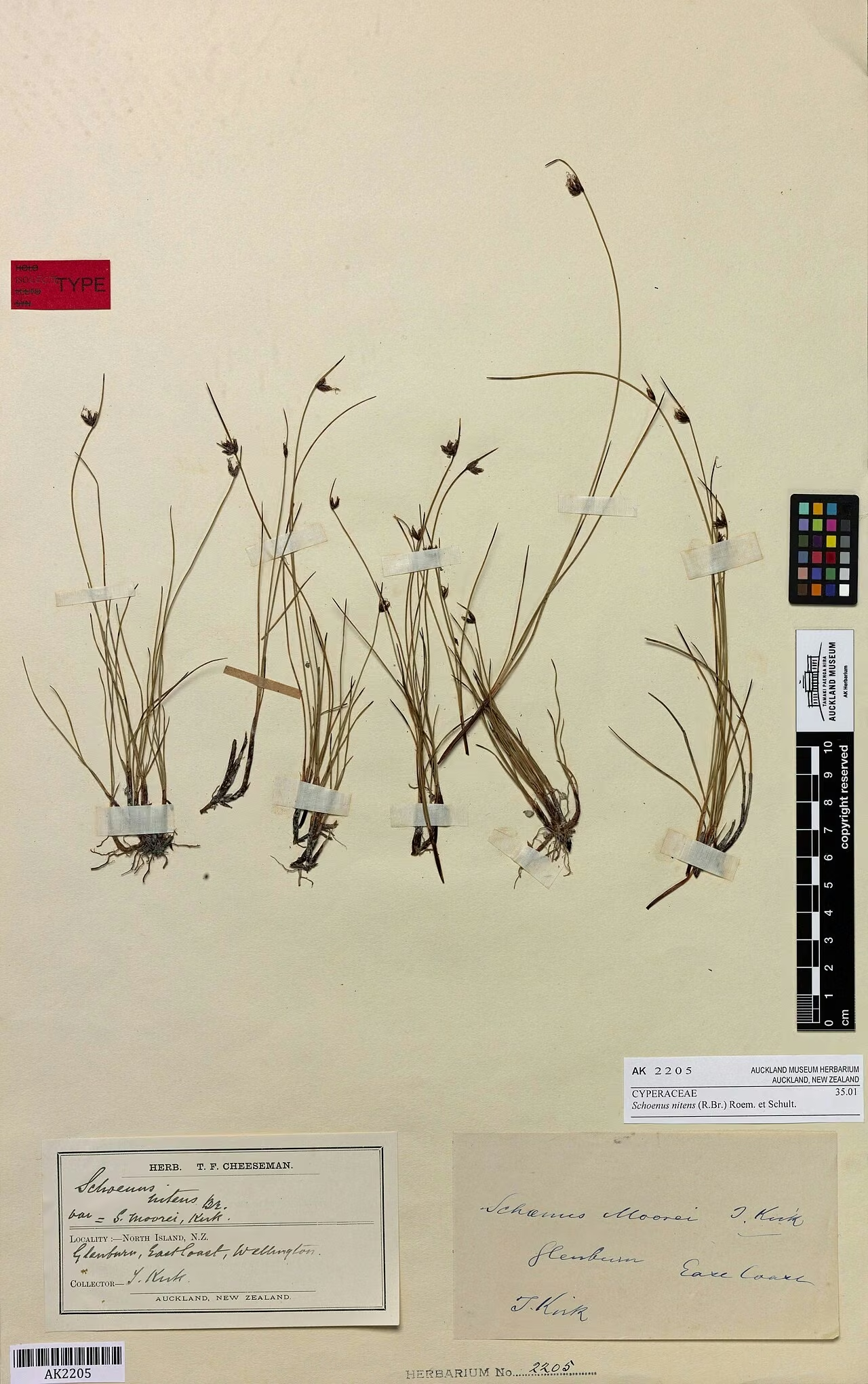
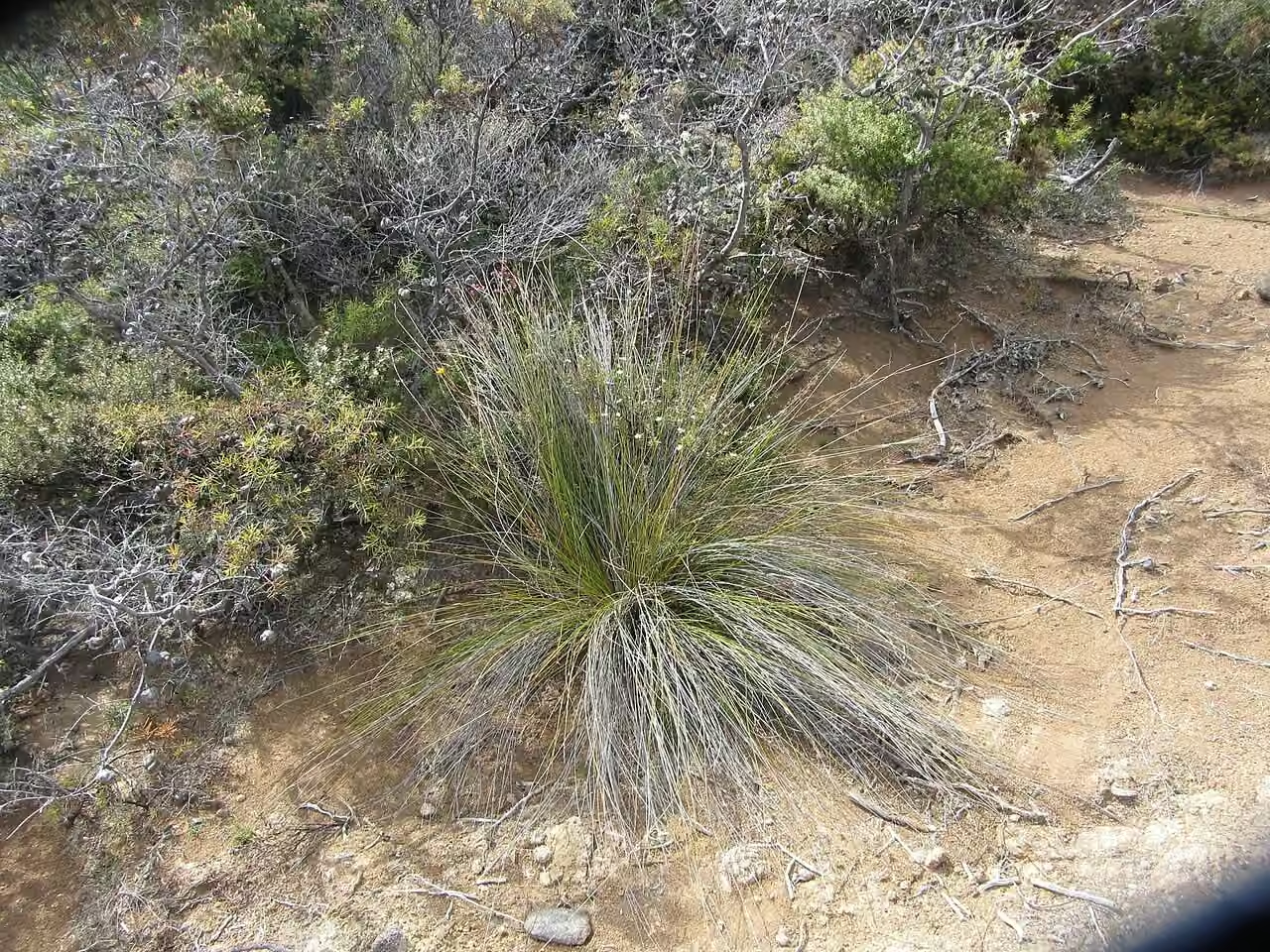
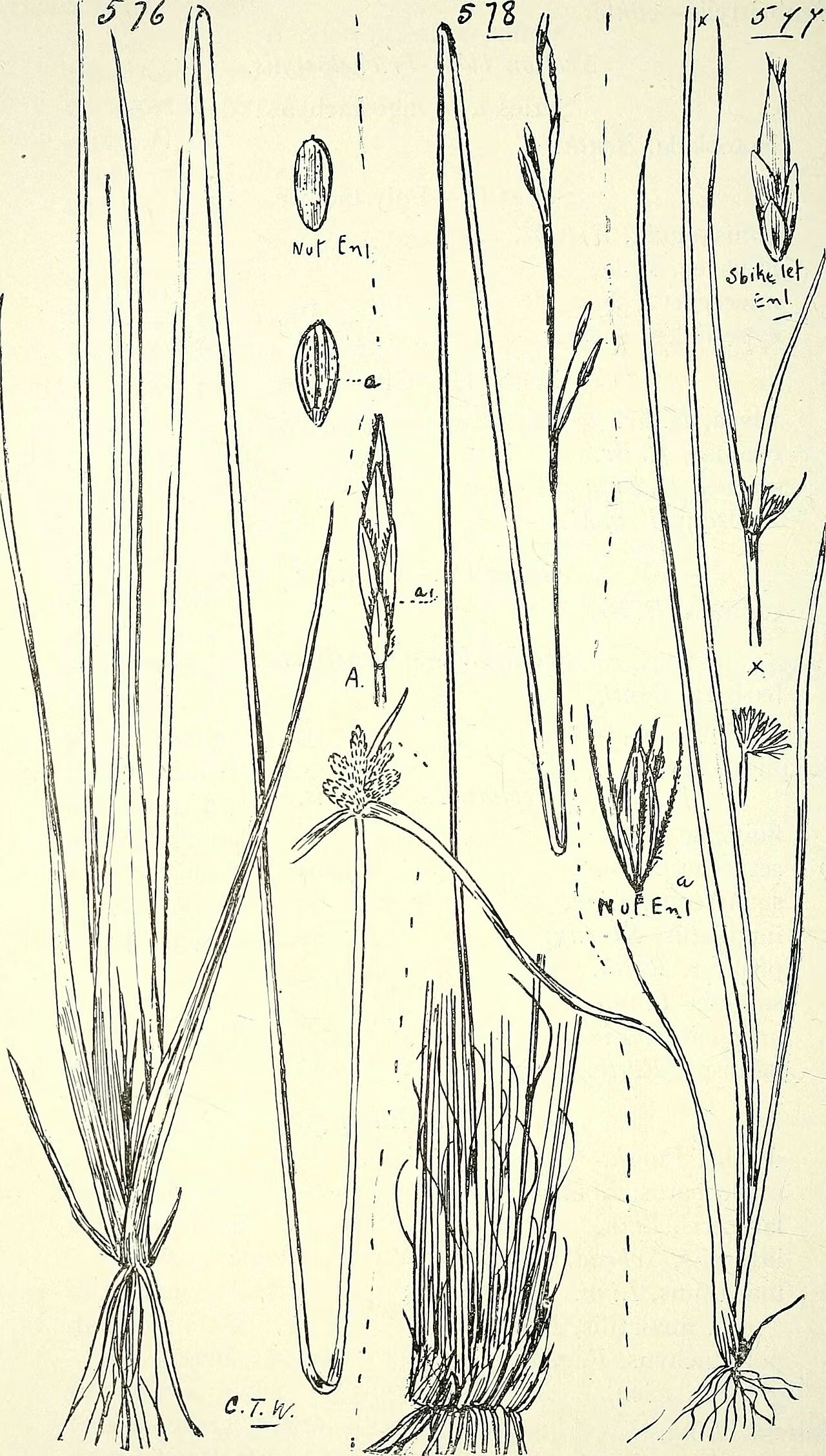
Explore other native plants that share similar characteristics or habitats with Sebaea (Sebaea ovata), offering further insights into New Zealand's diverse flora. These related species provide context and opportunities for complementary planting in your garden.
Plant Conservation
Sebaea ovata is ranked Threatened - Nationally Critical (2023), with qualifiers CD (conservation dependent) and SO (secure overseas). It has declined through weed encroachment, expanding oioi swards, altered water levels in dune systems and vegetation changes after rabbit calicivirus reduced grazing. NZPCN records that management attempts have so far been unsuccessful.
What helps is keeping dune slacks open and seasonally wet, controlling weeds and dense competitors, and maintaining cultivated and reintroduced populations as insurance.
Frequently Asked Questions
Where does Sebaea ovata grow in New Zealand?
Its only natural populations left are fragmentary ones near Whanganui. Populations have also been deliberately established on the Pouto Peninsula in Northland and at the Ashley/Rakahuri River mouth in Canterbury.
Why is Sebaea ovata Nationally Critical?
It has declined through weed encroachment, spreading oioi swards, changed water levels in dune systems and vegetation changes after rabbit numbers fell, and management attempts have so far failed to reverse this.
What plants look like Sebaea ovata?
Introduced centaury species have pink flowers rather than pale yellow, and yellow-wort (Blackstonia perfoliata) is larger with leaf bases that clasp the stem.
Can you buy Sebaea ovata?
No. It is held by two botanic gardens, a university and several specialist growers, but it is not available commercially and is difficult to grow.
Sources and Further Reading
The botanical, growing, and conservation details for Sebaea (Sebaea ovata) on this page draw on the New Zealand plant references below. Consult them for full technical records and the latest distribution data.