Bog Rush
Schoenus nitens
Last updated:
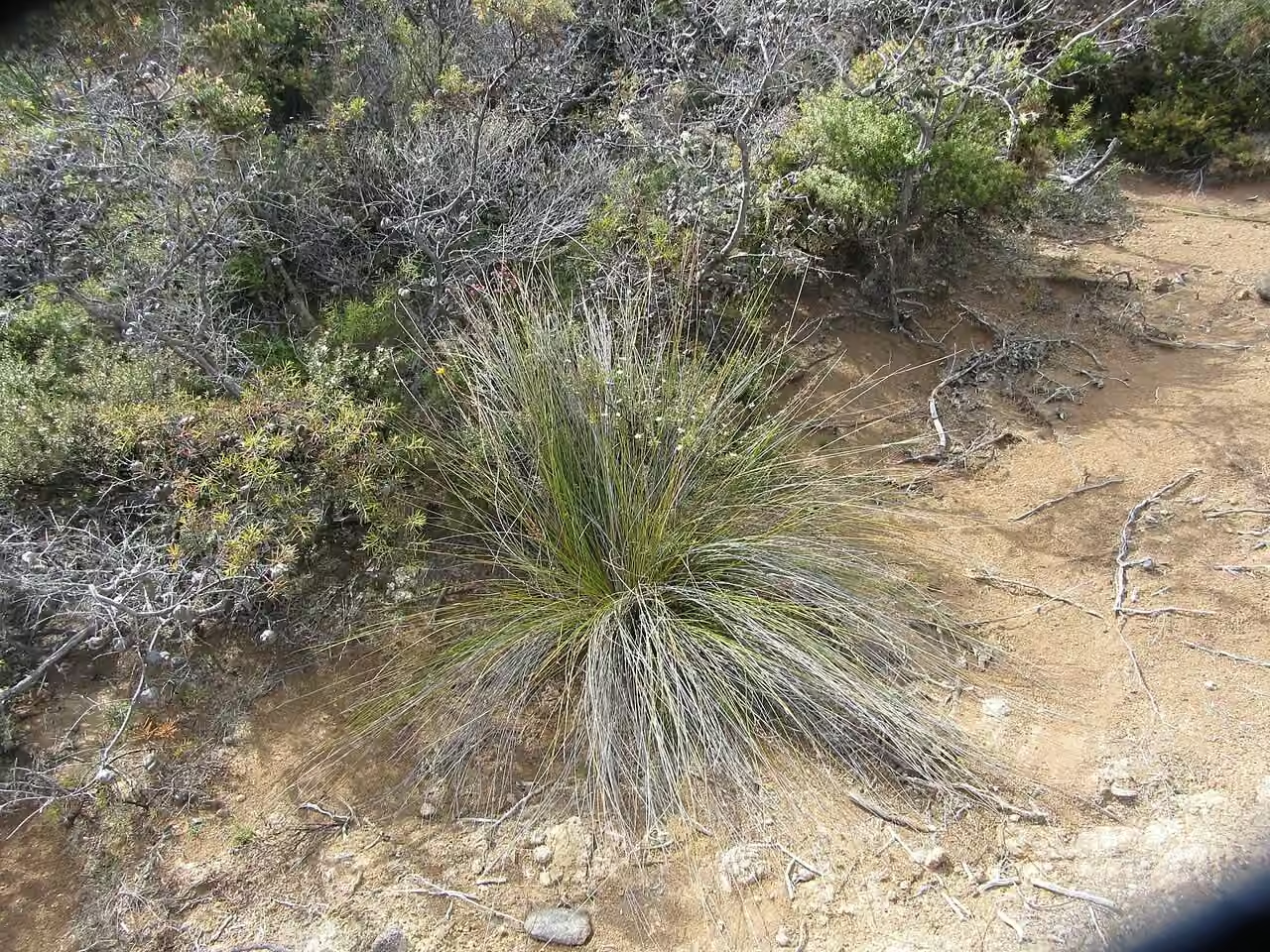
Schoenus nitens is a small, tufted, rush-like sedge of damp coastal ground: sand flats, dune swales and the margins of tidal creeks, brackish swamps, lagoons and ponds. Its wiry, dark green to reddish stems grow 10 to 400 mm tall and end in a compact head of several bright chestnut-brown spikelets. In New Zealand it grows from Whatipu south to Wellington, with scattered northern populations, is scarce in the South Island, and is abundant on the main Chatham Island. It also occurs in Australia and New Guinea. Ranked Not Threatened nationally, it is uncommon in several regions and is easily grown in damp, sunny sites. Explore more native grasses and flaxes in our native plant guide.
Plant Description
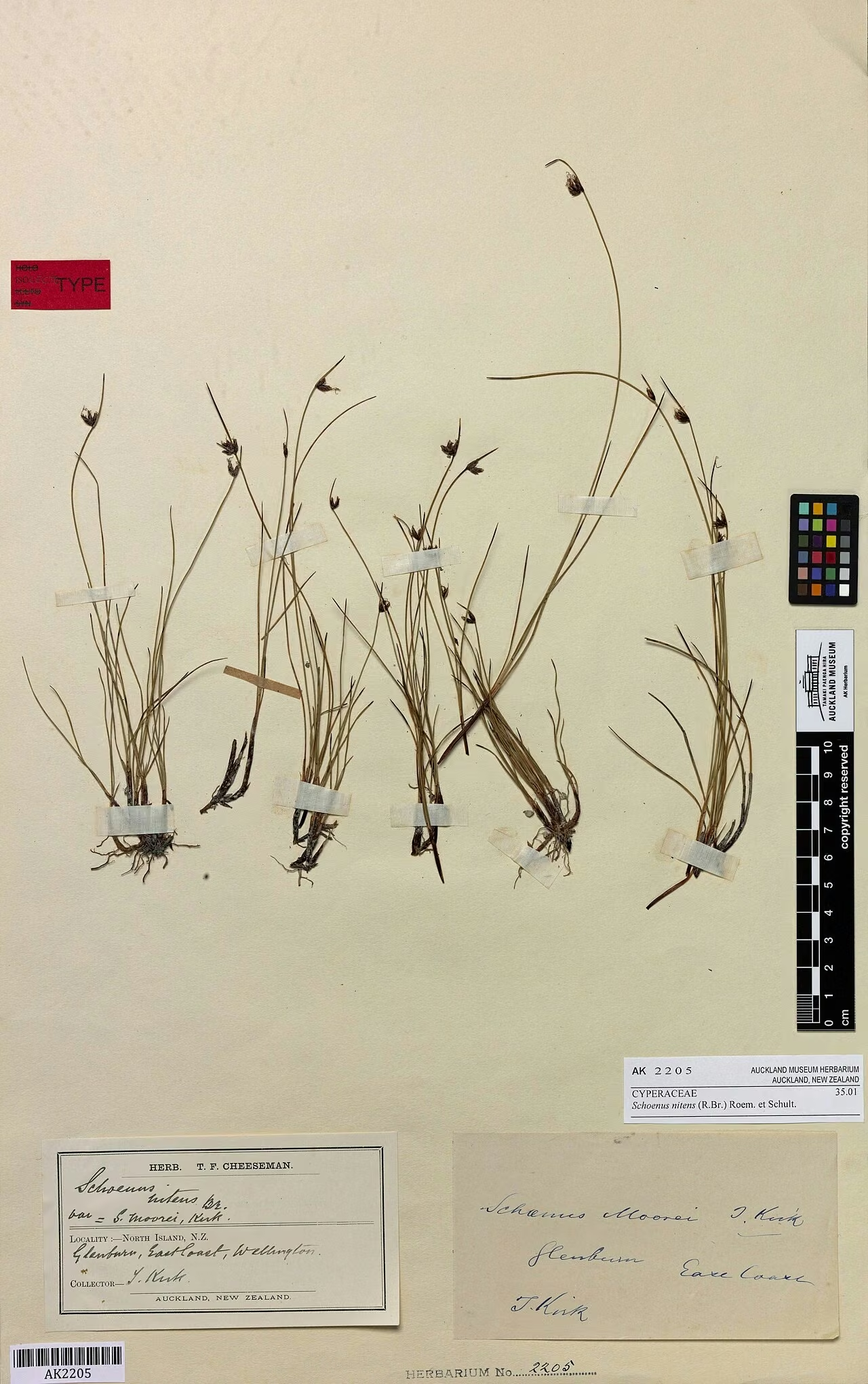
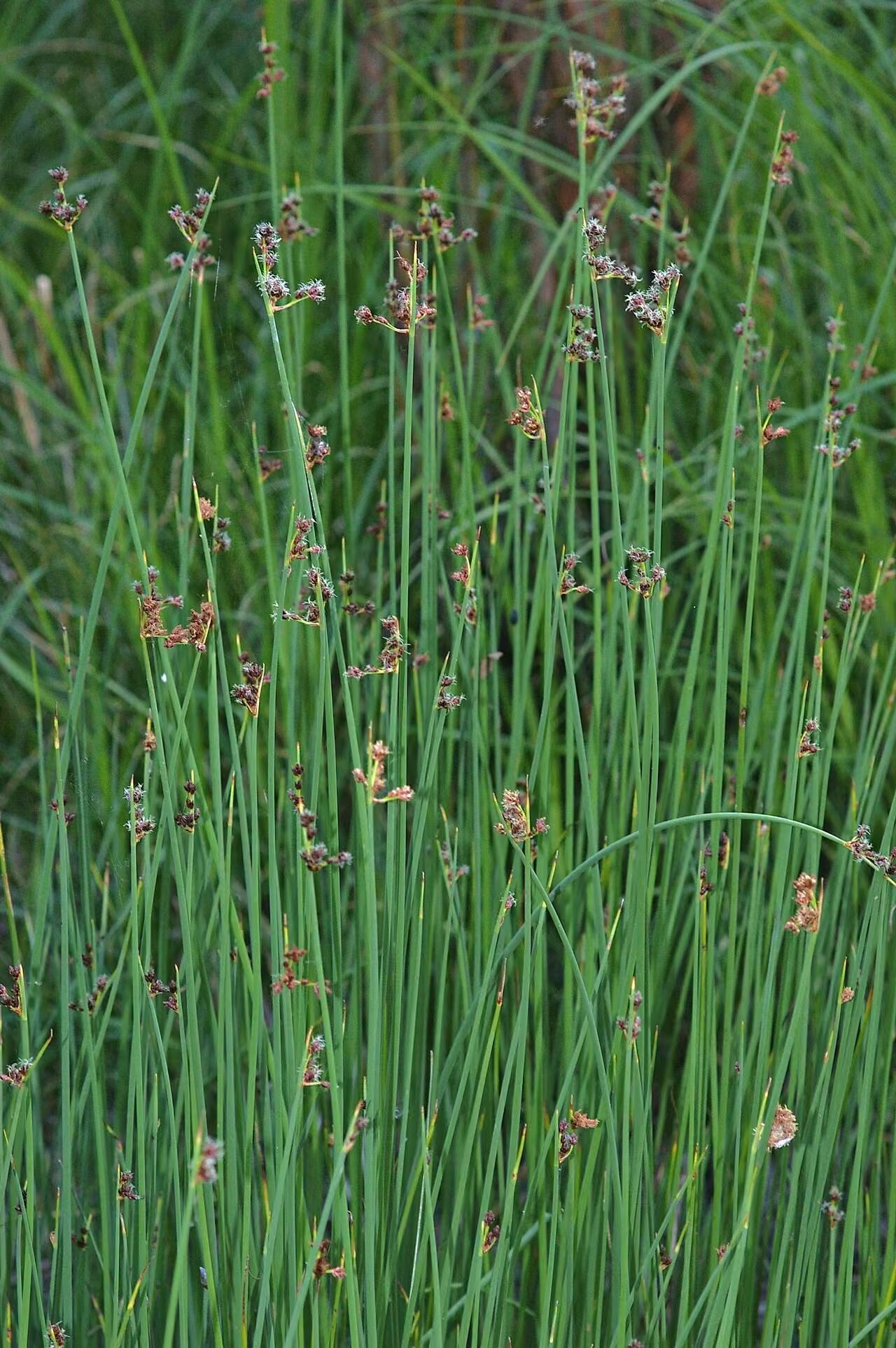
Schoenus nitens is a rhizomatous, tufted sedge with the look of a small rush. The woody rhizomes are up to 1.5 mm thick and loosely covered in large membranous scales. The culms are 10 to 400 mm long and slightly over 0.5 mm wide, dark green, red-green or greenish brown, wiry and erect. The leaves are shorter than the culms, stiff and bristle-like, while the basal ones are reduced to red-purple, grooved sheaths.
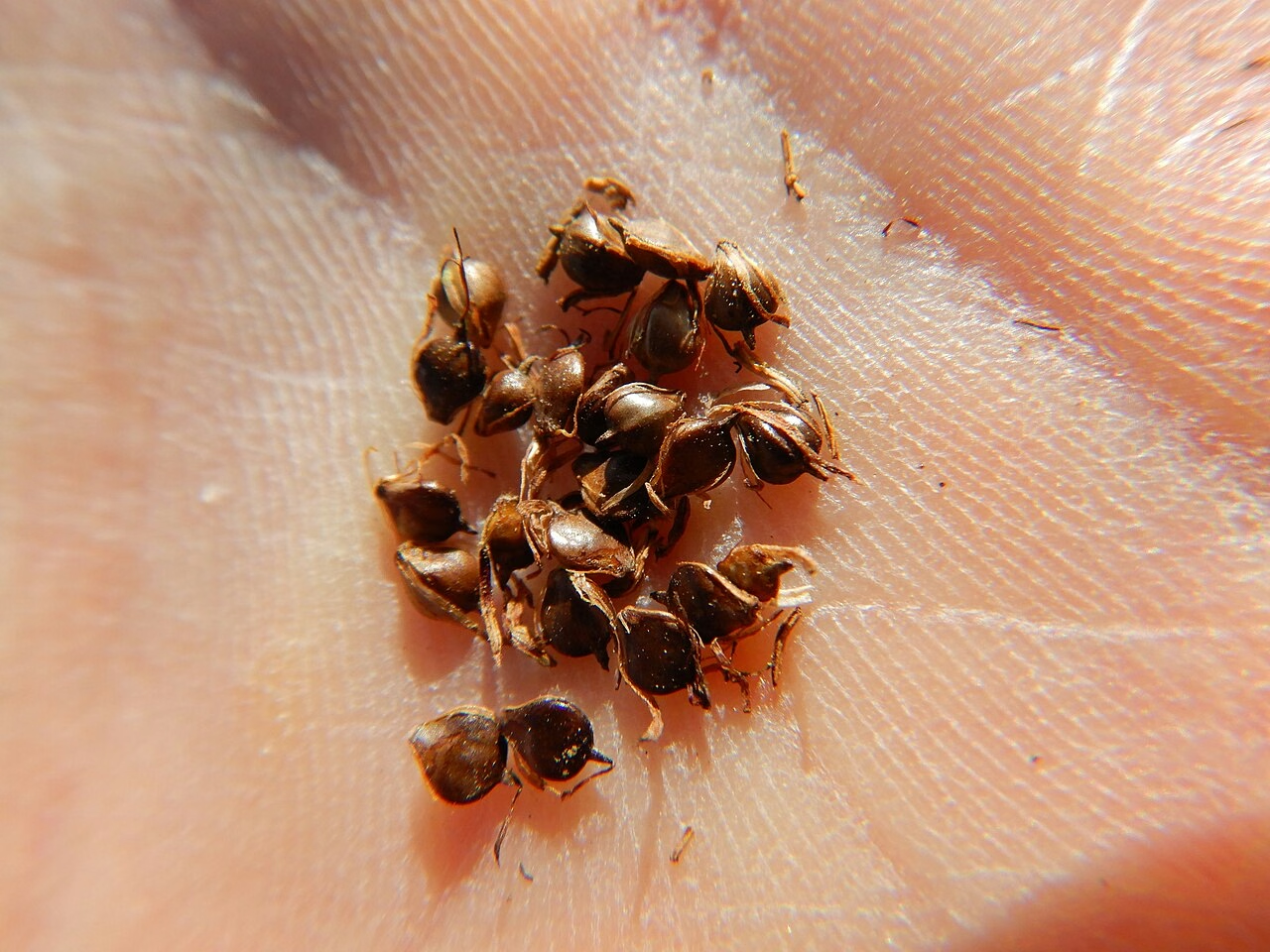
The inflorescence is a compact terminal head of stalkless spikelets, overtopped by a bract. There are usually four to many spikelets, sometimes two, each 2 to 5 mm long with two or three flowers. The five to seven glumes are bright chestnut-brown with a green midrib, the lowest two or three smaller and empty. Six yellow-brown bristles surround each flower, often branched with long white hairs at the base. The nut is about 1.5 mm long, light grey-brown to red-brown, smooth and glossy.
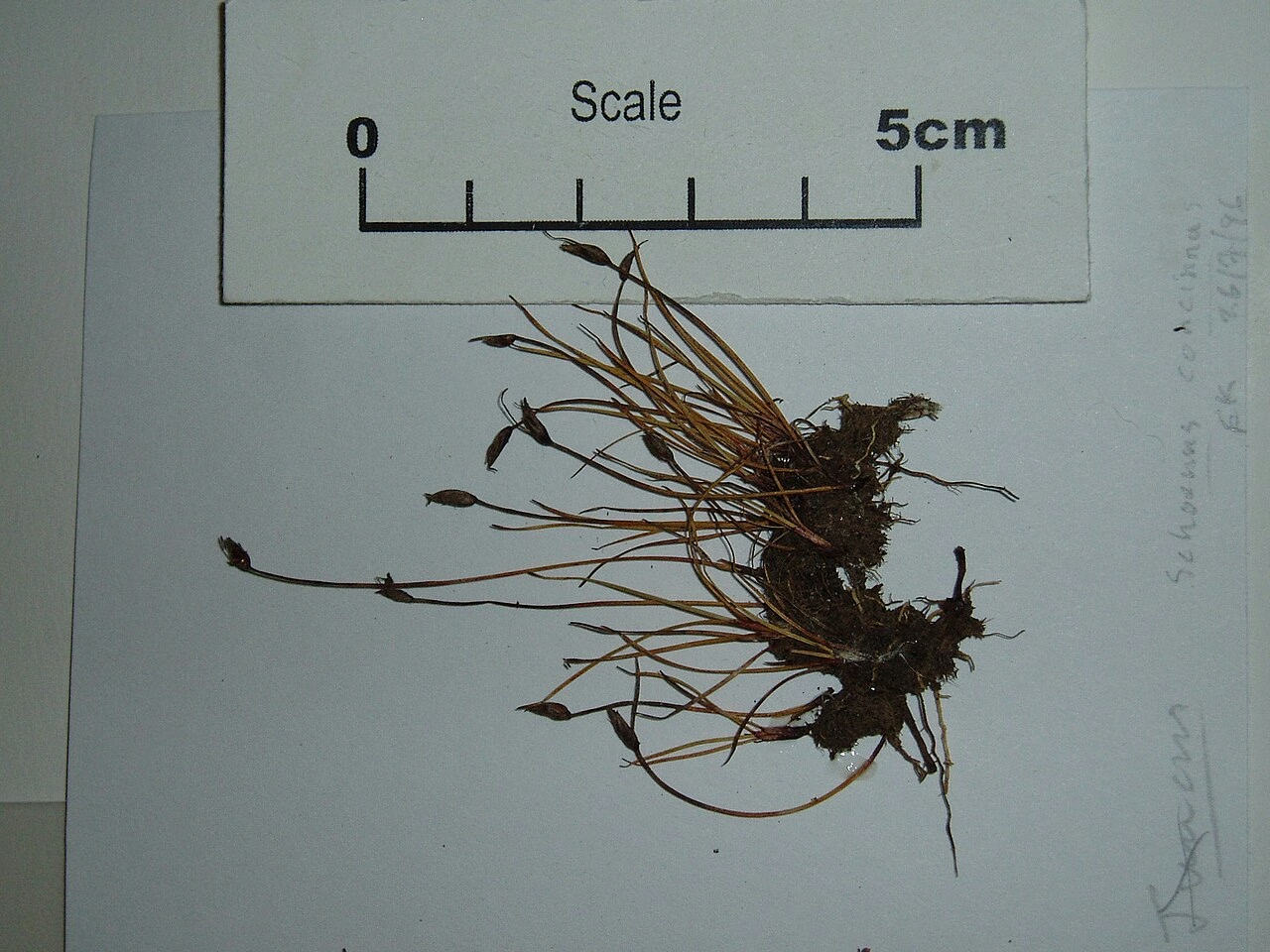
Its closest look-alike is Schoenus concinnus, which is smaller, more densely tufted and finer, with often solitary spikelets, dark brown to blackish glumes and slightly larger yellow-brown nuts. Both are separated from other small rush-like sedges by their well-developed leaves.
Quick Facts
| Scientific Name | Schoenus nitens |
|---|---|
| Height | 0.01-0.4 m |
| Spread | Tufts spreading slowly by short rhizomes |
| Water Needs | Damp to wet, but not stagnant |
| Light | Full sun |
| Frost Tolerance | Moderate; a lowland coastal species |
| Salt Tolerance | High; grows on tidal creek and brackish margins |
| Growth Rate | Moderate |
| Lifespan | Perennial |
Climate Best Suited to
It suits mild, humid coastal climates in the North Island and on the Chatham Islands, and is scarcer in the cooler South Island.
Regional Suitability
| City | Climate Suitability |
|---|---|
| Auckland | High |
| Wellington | High |
| Christchurch | Medium |
| Dunedin | Low |
Plant Habitat
Schoenus nitens is found on the North, South and Chatham Islands. In the North Island it occurs from Whatipu, on the Waitākere coast, south to Wellington, with scattered populations in the far north. It is scarce in the South Island but abundant on the main Chatham Island. Outside New Zealand it grows in Australia and New Guinea.
It is strictly coastal, growing on damp ground within sand flats and dune swales and along the margins of tidal creeks, brackish swamps, lagoons and ponds. It is classed as a facultative wetland plant, usually found in wet places.
Growing Requirements
Soil Requirements
In the wild it grows in damp sand and silt in dune swales and estuary margins. NZPCN recommends a damp but well-drained soil in cultivation.
- Damp sandy or silty soil
- Tolerates brackish conditions
- Avoid heavy, stagnant clay
Light Requirements
It grows in open coastal sites and needs full sun to stay compact and flower well.
- Full sun
- Keep taller plants from shading it
Water Requirements
It likes moisture at the roots but with some drainage, like a dune swale where the water table sits just below the surface.
- Consistently damp soil
- Water during dry summers
- Avoid deep standing water
Planting and Establishing
Plant in spring into a sunny, damp position such as a low point in a coastal garden, the edge of a pond or a sand-based bog garden. Space tufts about 15 to 20 cm apart to form a low drift.
It is a good choice for coastal restoration of dune slacks and estuary edges. Use locally sourced plants, and keep vigorous exotic grasses away from new plantings.
Ecological Role
Like other sedges, Schoenus nitens is wind-pollinated. The bristly, hairy nuts may cling to mud or feathers and are likely spread by water and birds in coastal wetlands, although no specific studies were found.
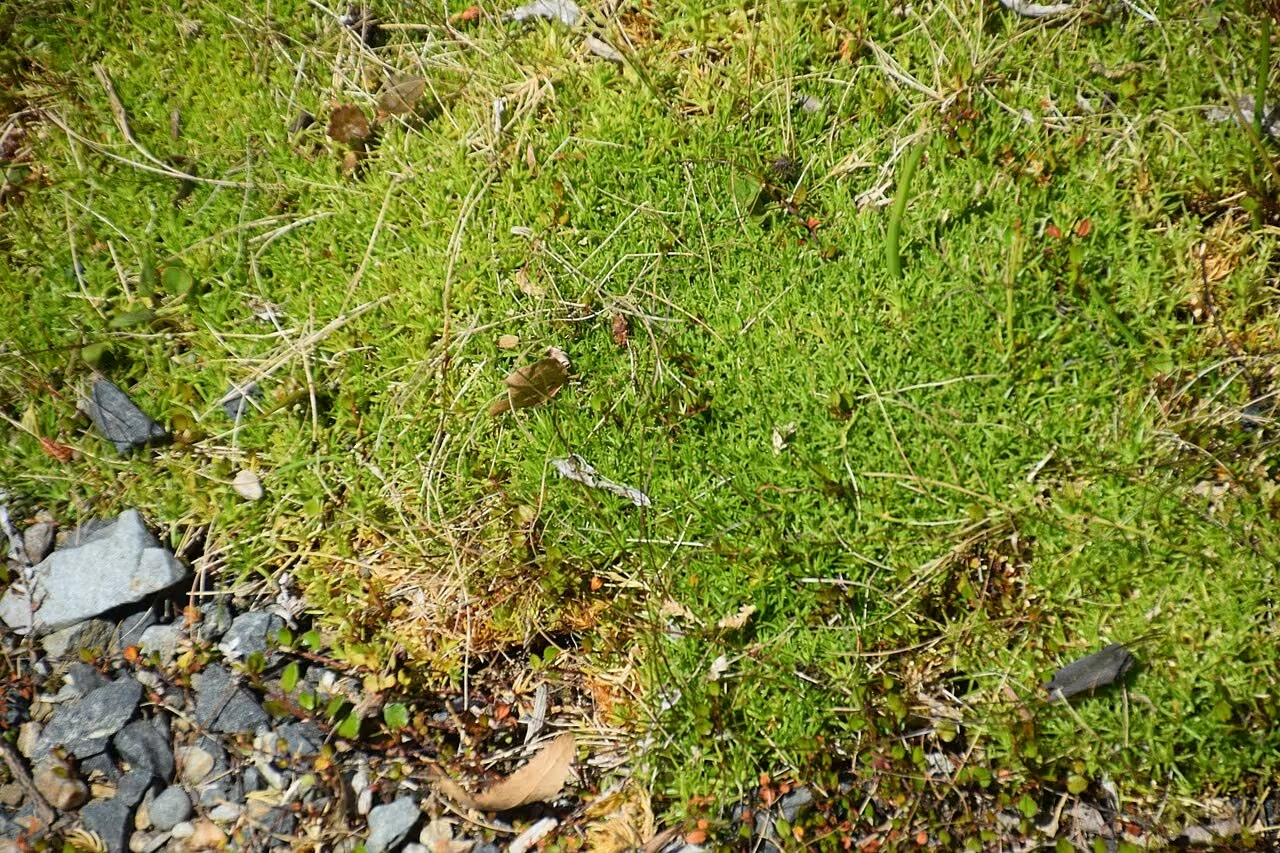
It is part of the low, mixed sedge and herb turf of damp dune hollows and estuary margins, alongside plants such as Isolepis, Selliera and Samolus. These communities stabilise wet sand and provide habitat for small invertebrates.
Uses & Significance
Garden Uses
A neat, small sedge for sunny, damp coastal gardens and native wetland plantings where fine texture is wanted.
- Coastal bog gardens and rain gardens
- Pond and lagoon margins
- Dune swale restoration
Ecological Value
It helps restore the native turf of dune slacks and estuary margins, habitats that have been widely lost to drainage, development and weeds.
- Binds damp sand and silt
- Part of native coastal wetland turf
- Uncommon in several regions, so local plantings help
Landscaping Uses
Use it in groups as a fine, upright accent among low coastal ground covers, where its glossy chestnut seed heads catch the light in summer. It works well in a gravel-and-sand bog garden with other small coastal natives.
Its small size means it suits the foreground of wetland plantings or containers, where it will not be hidden by larger sedges.
Seasonal Care Calendar
Spring
New stems grow from the rhizomes and flowering starts in October.
- Plant and divide
- Weed around tufts
Summer
Flowering continues to February, and glossy nuts begin ripening from December.
- Water in dry spells
- Collect early ripe seed
Autumn
Fruiting continues; nuts can still be collected into the colder months.
- Collect fresh seed
- Remove leaf litter from tufts
Winter
Fruit may persist until July, and growth slows in cool weather.
- Little maintenance needed
- Protect from heavy frost in cold gardens
When to Prune and How Much
No pruning is needed. Pull out old brown stems by hand if the tufts look untidy.
Avoid cutting it back hard, which can weaken small tufts and allow weeds in.
How to Grow Bog Rush
NZPCN describes Schoenus nitens as easily grown from division of established plants and from fresh seed. Division gives quick results for small plantings, while seed is better for restoration projects needing many plants with genetic variety. Collect seed or divisions only with permission, and preferably from the local area where plants will be used, so restoration stock matches the local population.
By Division
Established tufts can be split into smaller clumps with roots attached. Spring division gives the best results as the plant is actively growing. Small divisions of three to five stems establish faster than single stems, and keeping them wet for the first few weeks is the key to success.
- Lift a healthy tuft with a trowel, keeping soil around the roots.
- Pull or cut it into sections of several stems, each with its own roots and rhizome.
- Pot into a sandy, moist potting mix.
- Keep in full sun with the pots standing in a shallow tray of water.
- Plant out once new stems are growing strongly.
From Seed
Nuts ripen from December to July. Sow them fresh for best germination. Sow thinly, because seedlings are slender and easily damaged when overcrowded.
- Collect spikelets once the glossy nuts are brown and drop easily.
- Sow on the surface of a fine, sandy seed mix.
- Keep the mix constantly damp by bottom-watering.
- Place in a warm, bright spot; germination usually follows in spring.
- Prick out seedlings when large enough to handle and grow on in damp conditions.
Pests & Diseases
No specific pests are recorded for Schoenus nitens. The main problems in cultivation are drying out in summer and being overgrown by vigorous grasses.
In the wild, its coastal wetland habitat is threatened by drainage, coastal development, vehicles and invasive weeds such as exotic grasses and rushes.
Cultural Significance
No Māori name or traditional Māori use is recorded for Schoenus nitens.
The species was first described by Robert Brown as Chaetospora nitens from Australian material. The epithet nitens means shining, probably referring to its glossy spikelets and nuts.
Bonus Tip
In a dune restoration project, look for the damp hollows where water ponds briefly after rain: these swales are exactly where Schoenus nitens grows naturally, and planting it there rather than on dry dune faces gives far better survival.
Related Plants
Explore other native plants that share similar characteristics or habitats with Bog Rush (Schoenus nitens), offering further insights into New Zealand's diverse flora. These related species provide context and opportunities for complementary planting in your garden.
Plant Conservation
Schoenus nitens is ranked Not Threatened (2023) with the qualifier Secure Overseas. Regionally it is scarcer: Auckland lists it as Regionally Threatened but Regionally Increasing, Wellington as Regionally At Risk - Regionally Naturally Uncommon, and Otago as Regionally Data Deficient.
Loss and degradation of dune slacks, estuary margins and coastal lagoons are the main pressures. Protecting these wetlands from drainage, vehicles and weeds, and replanting with local stock, help maintain it.
Frequently Asked Questions
Where is Schoenus nitens found in New Zealand?
It occurs in the North Island from Whatipu south to Wellington, with scattered populations in the far north, is scarce in the South Island and is abundant on the main Chatham Island, always in damp coastal sites.
What is the difference between Schoenus nitens and Schoenus concinnus?
Schoenus nitens is taller with broader stems, looser tufts, two to many spikelets and bright chestnut-brown glumes. Schoenus concinnus is smaller and denser, with usually one to three spikelets and dark brown to blackish glumes.
Can Schoenus nitens be grown in a garden?
Yes. NZPCN says it is easily grown from division or fresh seed and prefers a damp but well-drained soil in full sun, so it suits coastal bog gardens and pond edges.
Sources and Further Reading
The botanical, growing, and conservation details for Bog Rush (Schoenus nitens) on this page draw on the New Zealand plant references below. Consult them for full technical records and the latest distribution data.