Floating Schoenus
Schoenus fluitans
Last updated:
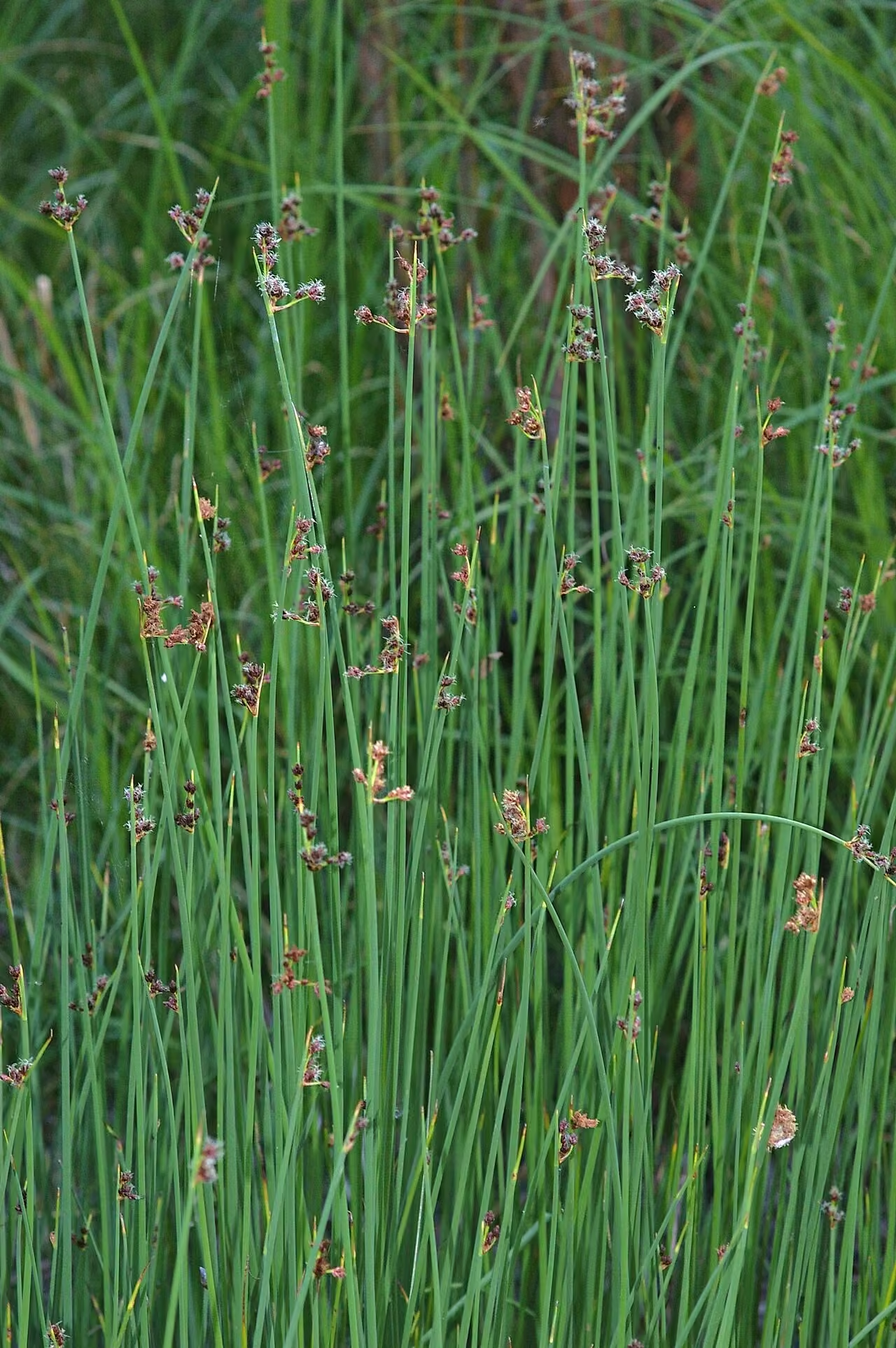
Floating schoenus (Schoenus fluitans) is a small sedge that grows either as a dense tuft or with its stems floating in shallow water, and is usually a striking dark red. Its slender culms reach up to 60 cm long, rooting at the base, and carry narrow solitary spikelets at their tips. In New Zealand it is confined to upper montane and subalpine bogs, tarns, slow streams and seasonal pools from the southern Kaingaroa Plain across the Central Volcanic Plateau to the Ruahine Range, with a population found on Chatham Island in 2006. It is common in Australia but ranked At Risk - Naturally Uncommon here, and is threatened locally by the invasive rush Juncus bulbosus. Explore more native grasses and flaxes in our native plant guide.
Plant Description
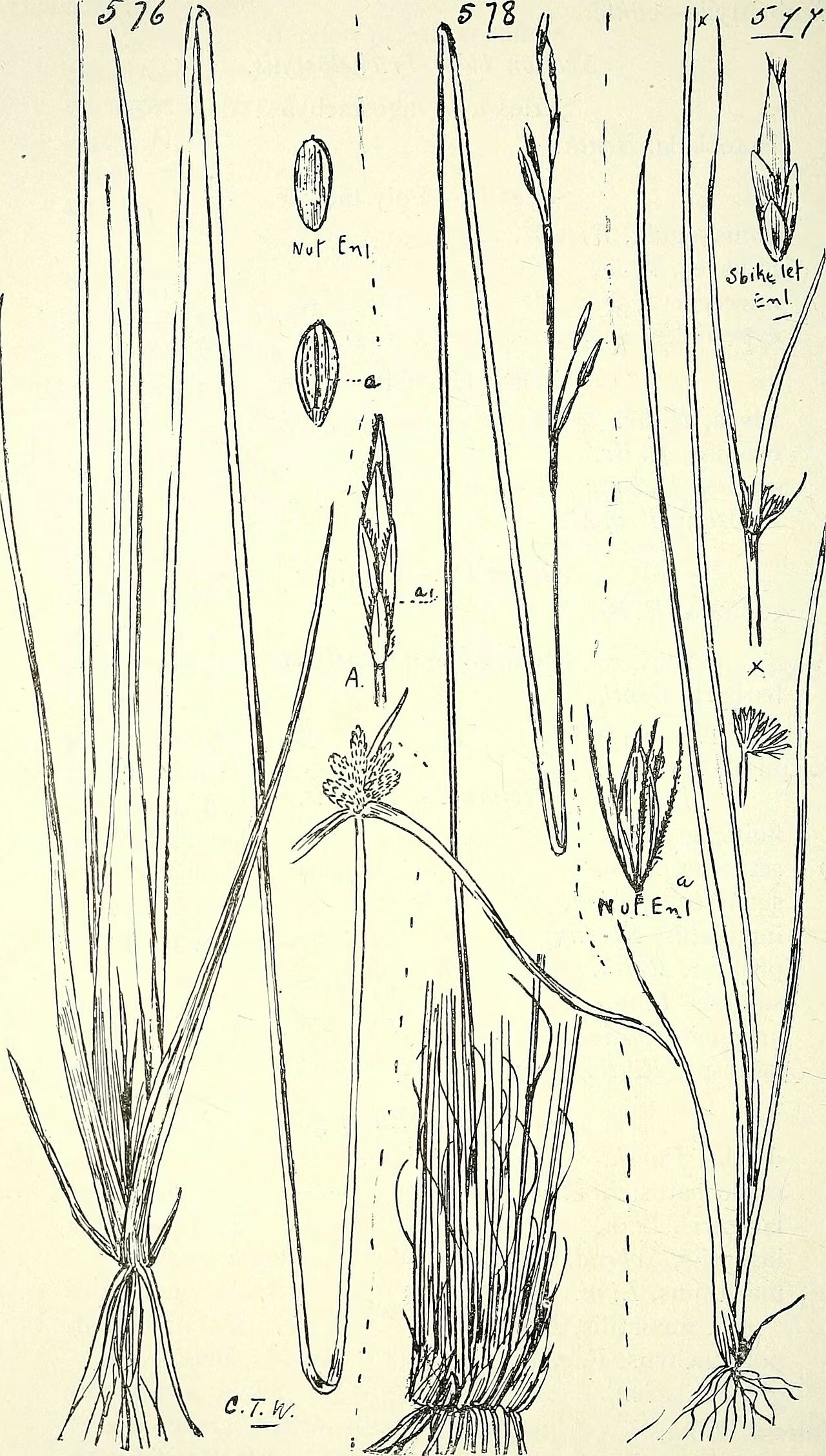
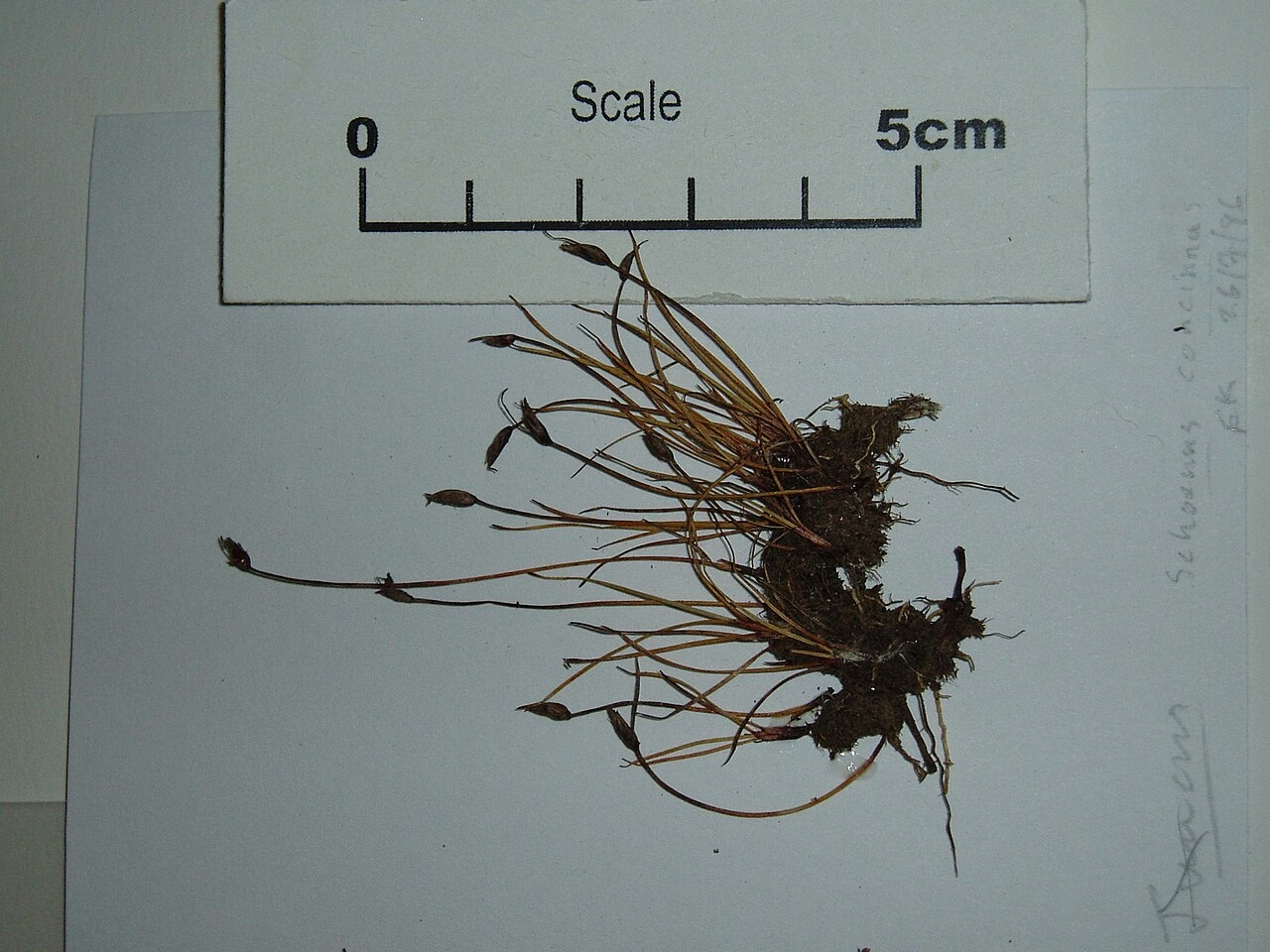
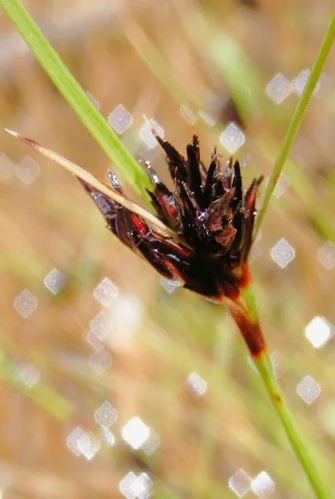
Schoenus fluitans is a densely tufted or floating sedge, usually dark red. Its culms reach up to 600 mm long and about 0.5 mm wide, rooting at the base with the rest floating in water; on land, plants also root at the leaf nodes. The leaves are 20 to 100 mm long, dark red or green, thread-like and limp in aquatic forms but stiffer on land, with margins slightly rough toward the tips.
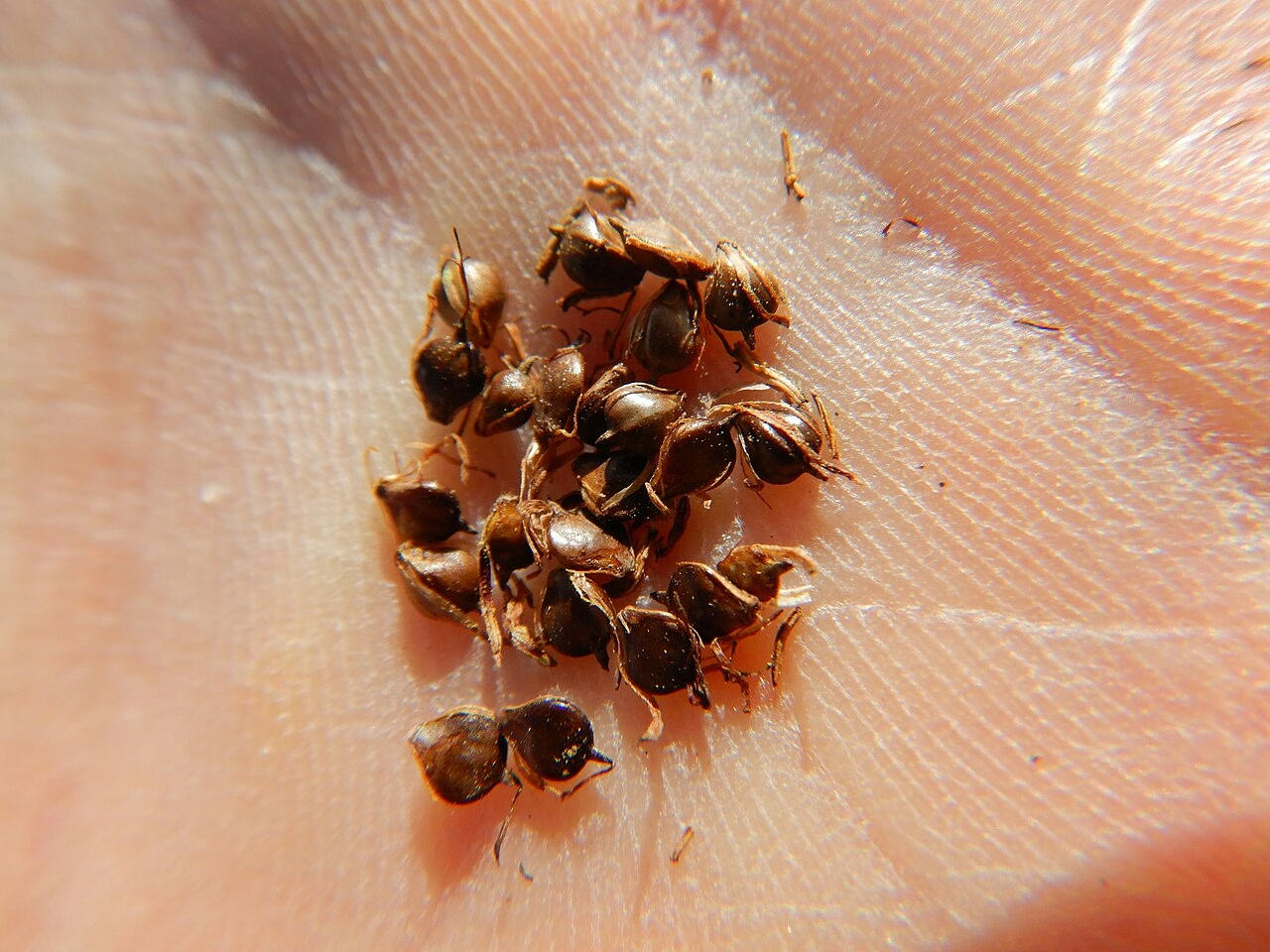
The spikelets are solitary at the stem tips, narrow-linear, 7 to 12 mm long and two- to four-flowered, with three or four lance-shaped, blunt, membranous glumes that are light red or pale cream. There are three stamens and three style branches, and unlike many Schoenus there are no bristles around the nut. The nut is about 2 x 1 mm, obovoid, and brown with black patches or entirely black.
NZPCN describes it as a very distinctive sedge unlikely to be confused with any other. Sterile plants might be mistaken for the invasive Juncus bulbosus, which has much finer leaves with cross-partitions. Its closest New Zealand relative, Schoenus maschalinus, is smaller, creeping, always bright green, has six bristles and a white nut; DNA studies place the two as sister species.
Quick Facts
| Scientific Name | Schoenus fluitans |
|---|---|
| Height | Stems up to 0.6 m long, often floating |
| Spread | Small tufts or floating mats |
| Water Needs | Aquatic; shallow water or saturated peat |
| Light | Full sun in the wild; semi-shade suits it in cultivation |
| Frost Tolerance | High; grows at 800 to 1500 m |
| Salt Tolerance | Low; a freshwater bog species |
| Growth Rate | Moderate |
| Lifespan | Presumed perennial; hard to keep long-term in cultivation |
Climate Best Suited to
It needs a cool, wet, upper montane to subalpine climate with frosty winters, such as the central North Island volcanic plateau, and also persists in the cool oceanic climate of the Chatham Islands.
Regional Suitability
| City | Climate Suitability |
|---|---|
| Auckland | Low |
| Wellington | Low |
| Christchurch | Low |
| Dunedin | Medium |
Plant Habitat
In New Zealand, floating schoenus is restricted to the North Island's Central Volcanic Plateau, from the southern Kaingaroa Plain southward, and to the Ruahine Range. In 2006 it was discovered on Chatham Island, where it grows in restiad peat bogs among Sporadanthus traversii. It is common in Australia.
On the mainland it grows at 800 to 1500 m in upper montane to subalpine bogs, tarns, slow-flowing streams, and muddy ground in and around seasonal pools. It is an obligate wetland plant, almost always found in water or saturated ground.
Growing Requirements
Soil Requirements
It roots into wet peat and mud in bogs and pools, which are acidic and low in nutrients. NZPCN recommends a peaty soil for growing it.
- Acidic, peaty soil or mud
- Low fertility; do not fertilise
- Permanently saturated or submerged
Light Requirements
Wild plants grow in open bogs and tarns, but NZPCN reports it does best in semi-shade in cultivation, probably because shading keeps the water cool.
- Semi-shade in cultivation
- Open bog conditions in the wild
Water Requirements
This is an aquatic sedge. Its stems float in shallow water in tarns and slow streams, or it grows as tufts on muddy ground that floods seasonally.
- Partly submerged pot in a pond or tub
- Clean, cool, soft water
- Never allow to dry out
Planting and Establishing
Floating schoenus is rarely grown and best kept by specialist growers or in conservation collections. Plant it into a pot of peaty mix and sink the pot so its rim sits just below or at the water surface, allowing stems to float. Place in semi-shade.
Expect it to change colour from dark red to lime green in cultivation, as NZPCN notes, and replace or repropagate plants regularly since it is difficult to maintain long-term. Never plant it near Juncus bulbosus, which outcompetes it.
Ecological Role
Like other sedges, it is wind-pollinated. Its small nuts lack the bristles of many relatives, and in floating forms they probably drop into the water and are spread by water movement or waterbirds; how it reached Chatham Island, far from its mainland sites, is not known.
It forms part of the specialised flora of montane tarns and seasonal pools, where it grows among other small aquatic and bog plants. Such habitats are uncommon in New Zealand, which is one reason for its Naturally Uncommon ranking.
Uses & Significance
Garden Uses
It is a curiosity for native water gardens and conservation collections rather than a mainstream garden plant.
- Partly submerged pots in a shaded pond
- Bog garden tubs with peat
- Conservation and teaching collections
Ecological Value
Floating schoenus is a characteristic member of montane bog and tarn communities on the Central Plateau, habitats vulnerable to weed invasion and drainage.
- Part of uncommon montane tarn and bog vegetation
- Indicator of intact, weed-free seasonal pools
- Genetically distinct lineage within New Zealand Schoenus
Landscaping Uses
In a water garden its deep red, floating stems make a surprising contrast with green aquatic plants. Grow it in a dark-glazed tub or small pond where the colour shows against the water.
Keep it in its own container rather than in a mixed pond, so that more vigorous plants do not smother it and so it can be lifted easily for repropagation.
Seasonal Care Calendar
Spring
Growth resumes as the water warms and new stems lengthen and begin to float.
- Divide or repot
- Refresh peaty mix
Summer
Flowering occurs in December, with narrow reddish or cream spikelets held at the tips of the stems. Seasonal pools in the wild may dry out, leaving tufts on mud.
- Keep containers topped up
- Shade from intense afternoon sun
Autumn
Nuts ripen from January to April and can be collected for sowing.
- Collect ripe nuts
- Remove algae from tubs
Winter
Growth slows. In its montane habitat the pools freeze and are often snow-covered.
- No feeding
- Protect pots from drying winds
When to Prune and How Much
No pruning is required. Remove dead or decaying stems from the water by hand to keep it clean.
If floating stems become tangled or straggly, they can be trimmed and the pieces used for propagation, since terrestrial forms root at the nodes.
How to Grow Floating Schoenus
NZPCN notes that floating schoenus is easily grown in a peaty soil in a partly submerged pot and does best in semi-shade, but it is fickle and hard to keep long-term. Regular propagation is therefore the best way to keep it in cultivation. As an At Risk species, it must not be collected from the wild without permission; seek material from existing collections or conservation programmes.
By Division
Tufts can be separated into smaller clumps, and stems that have rooted at the nodes on wet mud can be detached as new plants. This is the simplest way to renew plants that are declining.
- Lift the plant in spring as new growth begins.
- Separate tufts into clumps with several stems and their own roots, or cut off stems rooted at the nodes.
- Pot into a peaty mix in a small container.
- Sink the container so it is partly submerged, in semi-shade.
- Keep the water clean and cool while the divisions establish.
From Seed
Nuts ripen from January to April. No specific germination notes are published, so sow fresh seed in conditions that mimic a wet peat bog.
- Collect ripe black or black-patched nuts from the spikelets.
- Sow on the surface of moist, peaty seed mix.
- Stand the tray in shallow water so the surface stays saturated.
- Keep in a cool, bright, partly shaded spot.
- Prick out seedlings into small pots and grow them on partly submerged.
Pests & Diseases
The most serious threat is the invasive rush Juncus bulbosus, which competes with floating schoenus in the same pools and tarns and has caused its local extinction in the northern part of its range.
No insect or disease pests are recorded. In cultivation, algae build-up and warm, stagnant water are the main problems, so keep containers shaded and change the water occasionally.
Cultural Significance
No Māori name or traditional Māori use is recorded for Schoenus fluitans.
The name fluitans comes from the Latin for floating, describing its stems drifting on the water of tarns and pools. Its 2006 discovery on Chatham Island, hundreds of kilometres from its mainland sites, was a notable addition to that island group's flora.
Bonus Tip
If you manage a montane wetland on the Central Plateau, learn to tell floating schoenus from Juncus bulbosus: the native sedge has thread-like leaves without cross-partitions and is usually dark red. Removing Juncus bulbosus early from a pool can protect a remaining population.
Related Plants
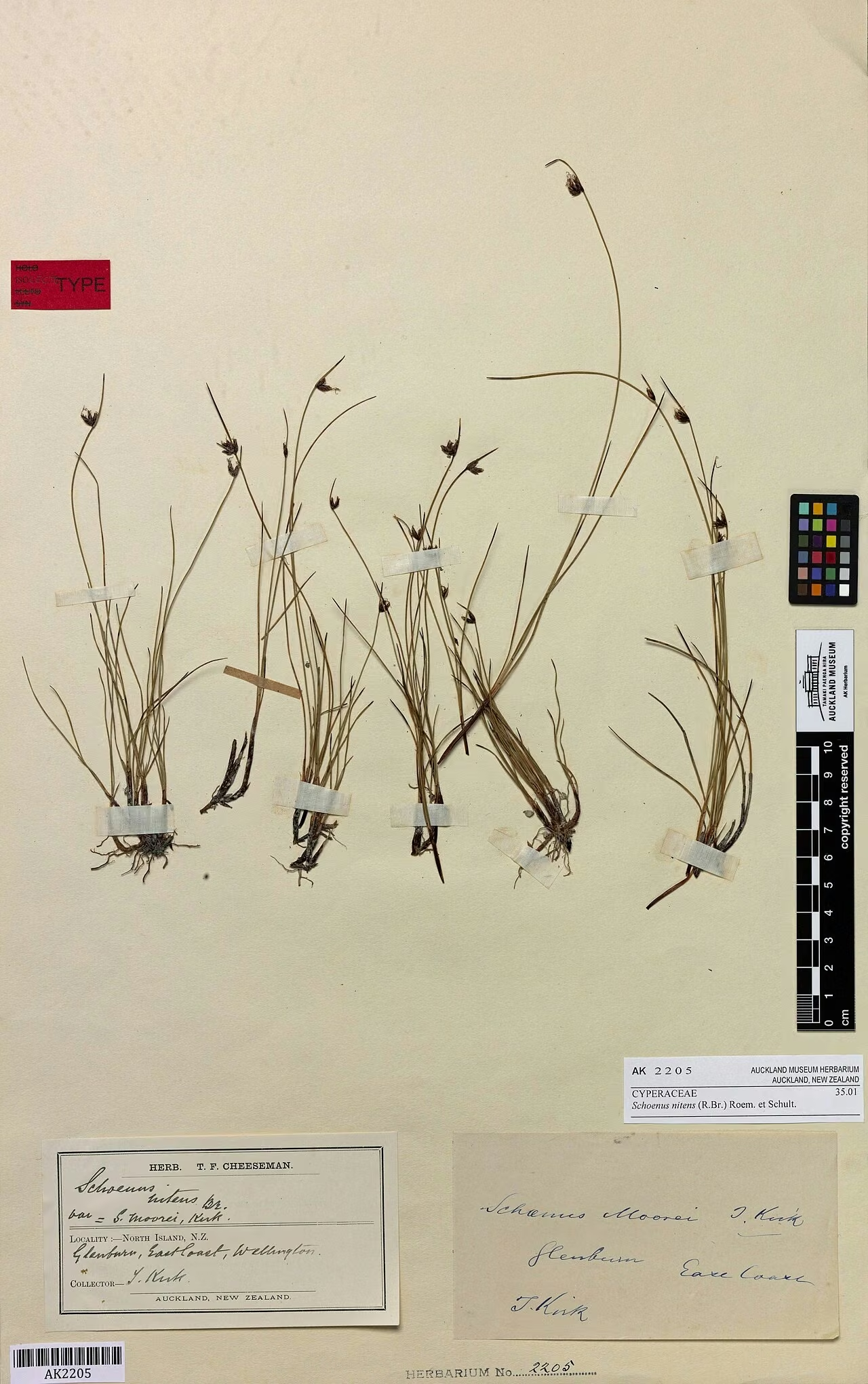
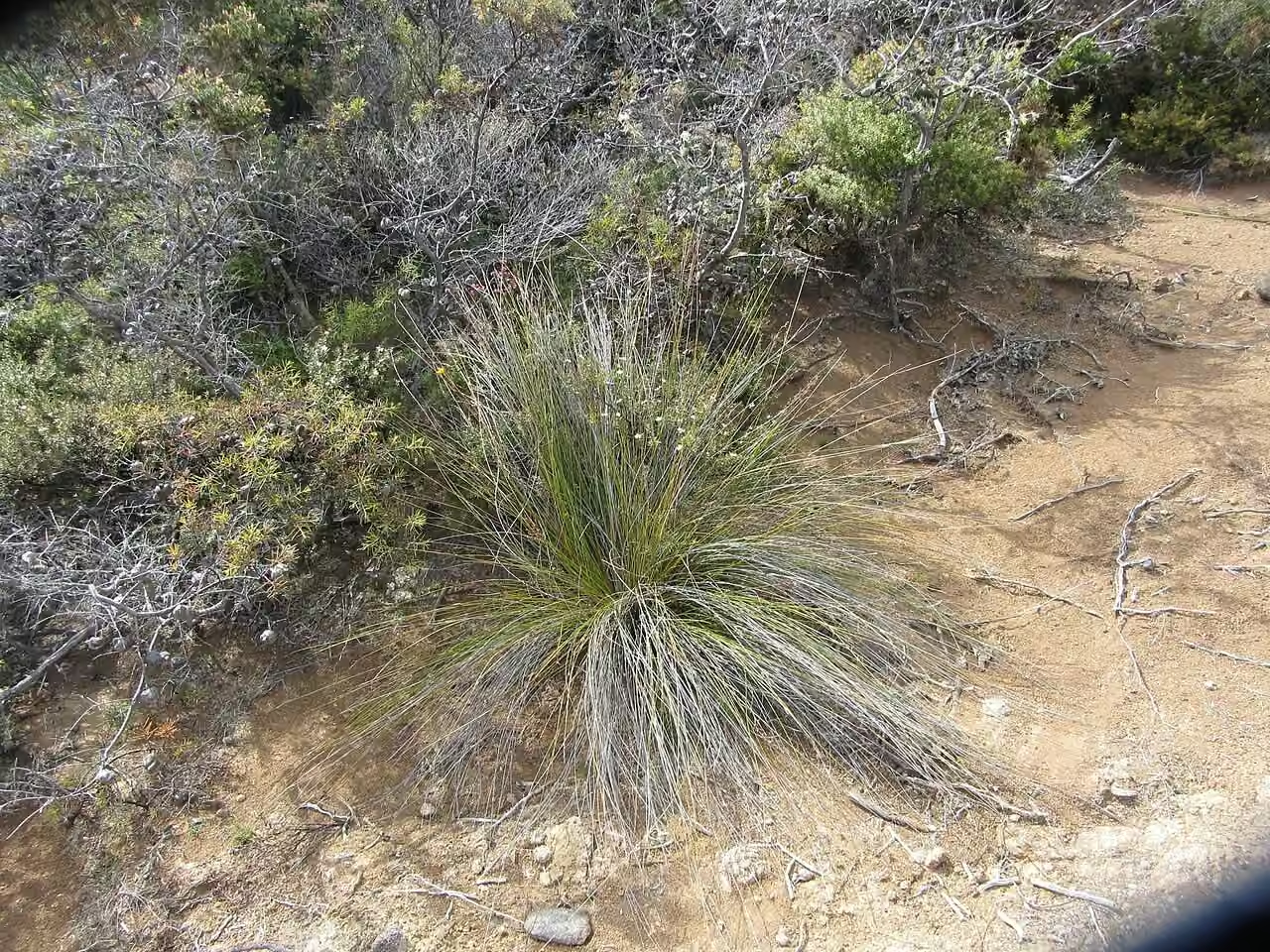
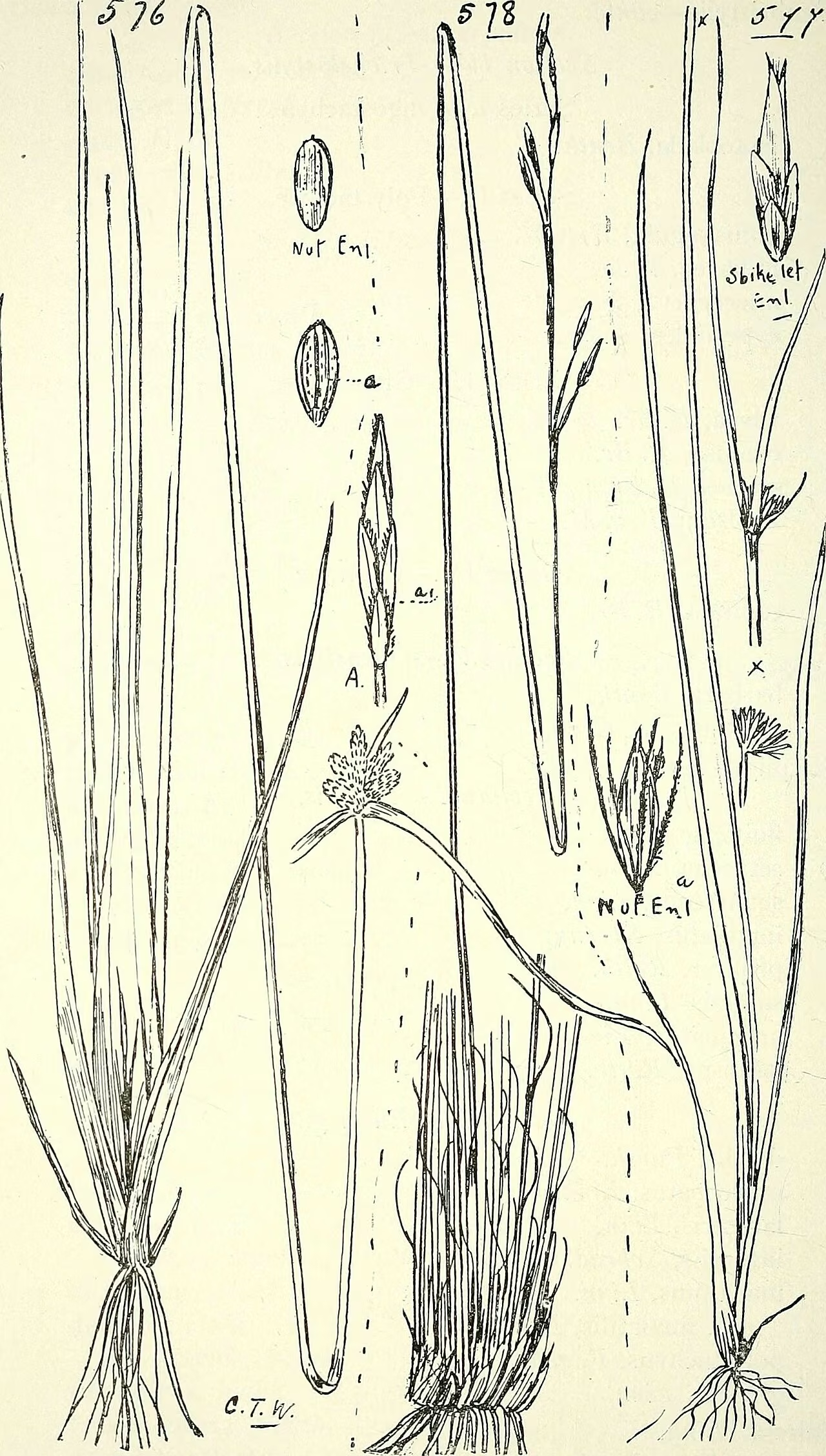
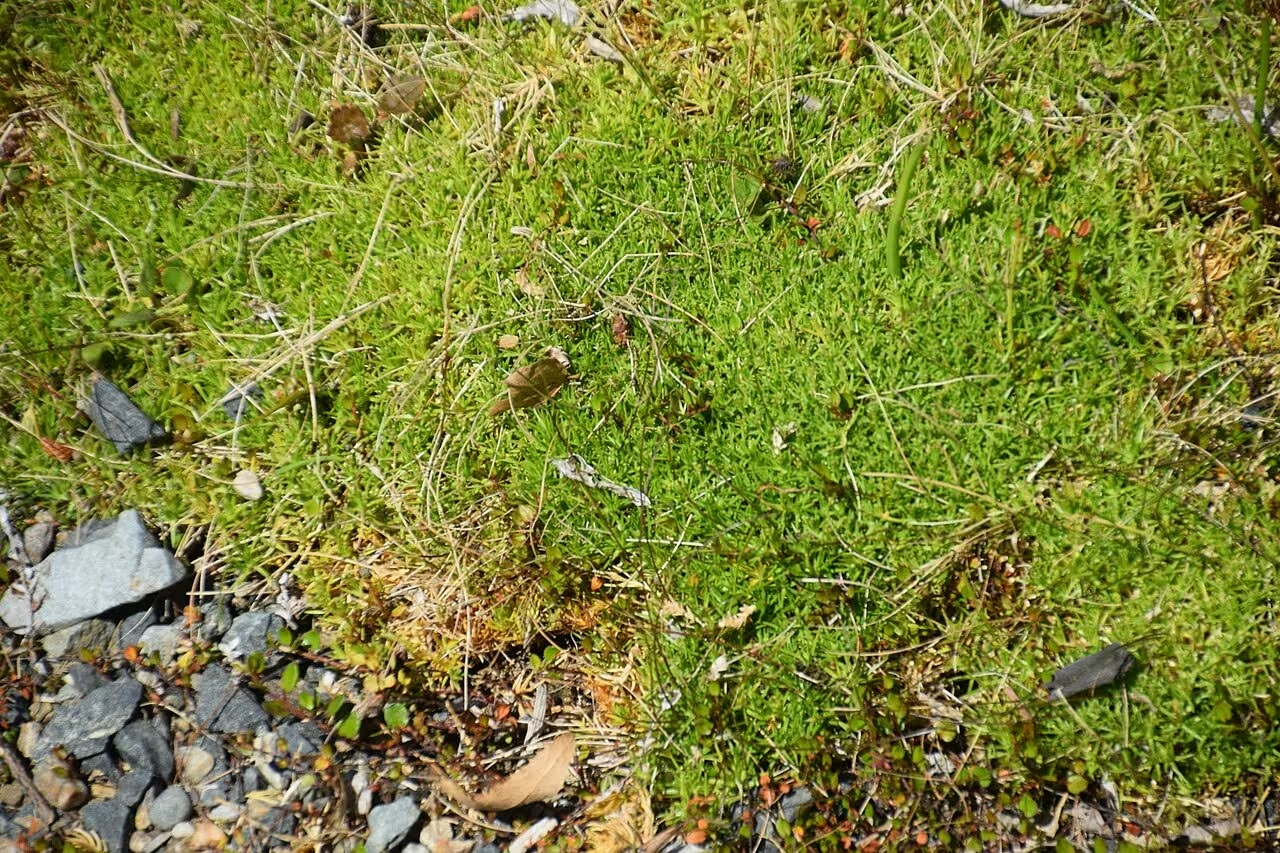
Explore other native plants that share similar characteristics or habitats with Floating Schoenus (Schoenus fluitans), offering further insights into New Zealand's diverse flora. These related species provide context and opportunities for complementary planting in your garden.
Plant Conservation
Floating schoenus is ranked At Risk - Naturally Uncommon (2023), with qualifiers including Sparse, Range Restricted, Secure Overseas, and Data Poor for size and trend. Earlier assessments listed it as Declining. It is naturally restricted because its montane bog and tarn habitat is limited.
Invasion by Juncus bulbosus is the main threat on the mainland, along with drainage and disturbance of wetlands. The status of the Chatham Island population is undetermined. Surveying known sites and controlling invasive rushes are the key actions.
Frequently Asked Questions
Where does floating schoenus grow in New Zealand?
It grows at 800 to 1500 m on the Central Volcanic Plateau from the southern Kaingaroa Plain southward and in the Ruahine Range, in bogs, tarns, slow streams and seasonal pools. It was also found in restiad bogs on Chatham Island in 2006.
What threatens Schoenus fluitans?
NZPCN reports that competition from the invasive rush Juncus bulbosus has caused local extinction of floating schoenus in the northern part of its range.
How do you identify floating schoenus?
It is a distinctive, usually dark red sedge with floating or tufted stems, soft thread-like leaves and solitary narrow spikelets 7 to 12 mm long. Its nuts are brown with black patches or entirely black.
Is floating schoenus easy to grow?
It grows readily at first in peaty soil in a partly submerged pot in semi-shade, but NZPCN notes it is fickle, hard to keep long-term, and often turns from dark red to lime green in cultivation.
Sources and Further Reading
The botanical, growing, and conservation details for Floating Schoenus (Schoenus fluitans) on this page draw on the New Zealand plant references below. Consult them for full technical records and the latest distribution data.